Description
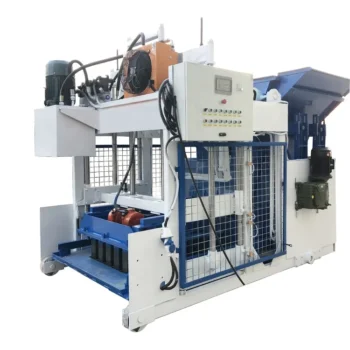
Format-Matched Capacity — every output figure for the QT6-15 is tied to a named block size and molding cycle, so the daily throughput you plan against reflects the format your market actually buys.
Technical Specifications
| Parameter | Value |
|---|---|
| Model | QT6-15 |
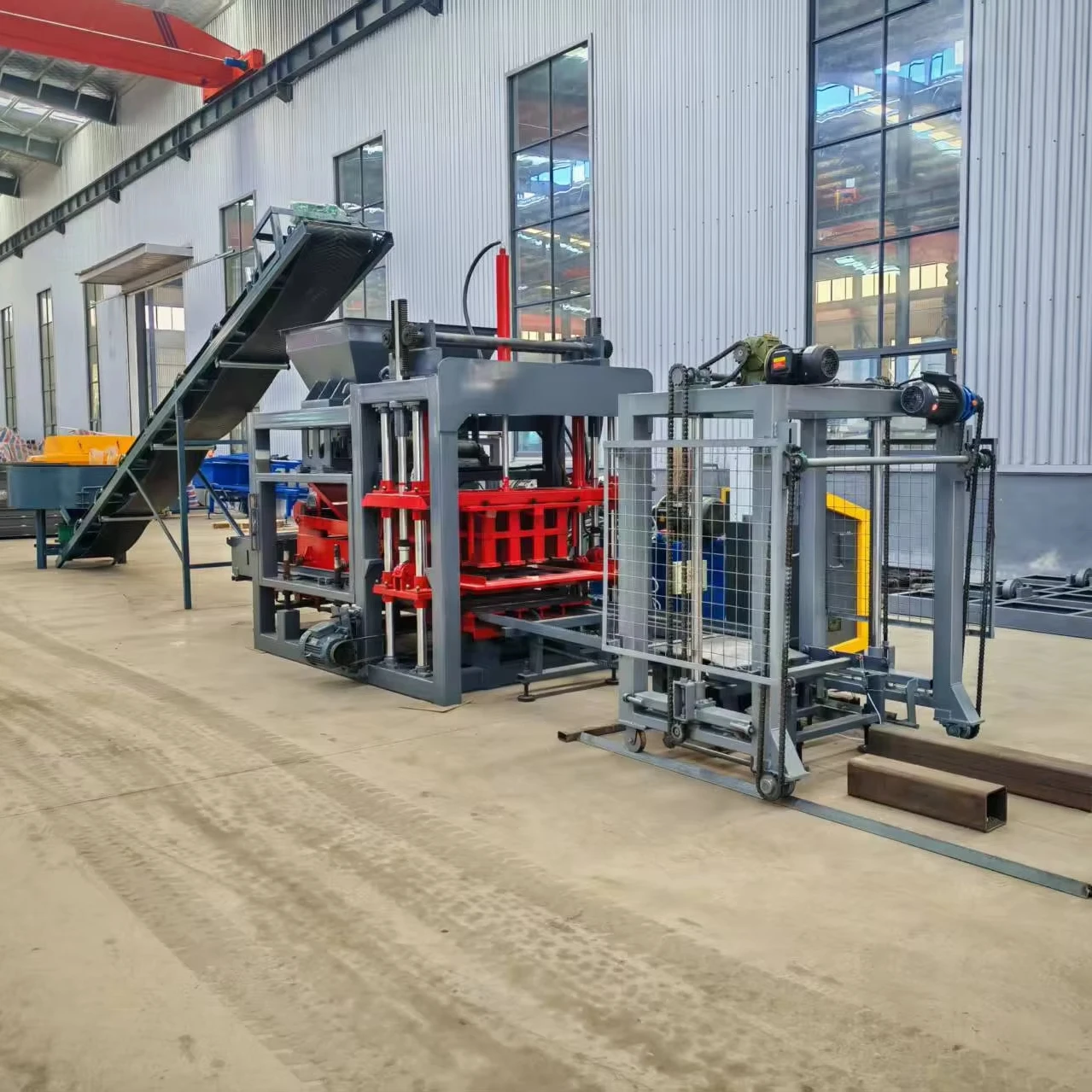
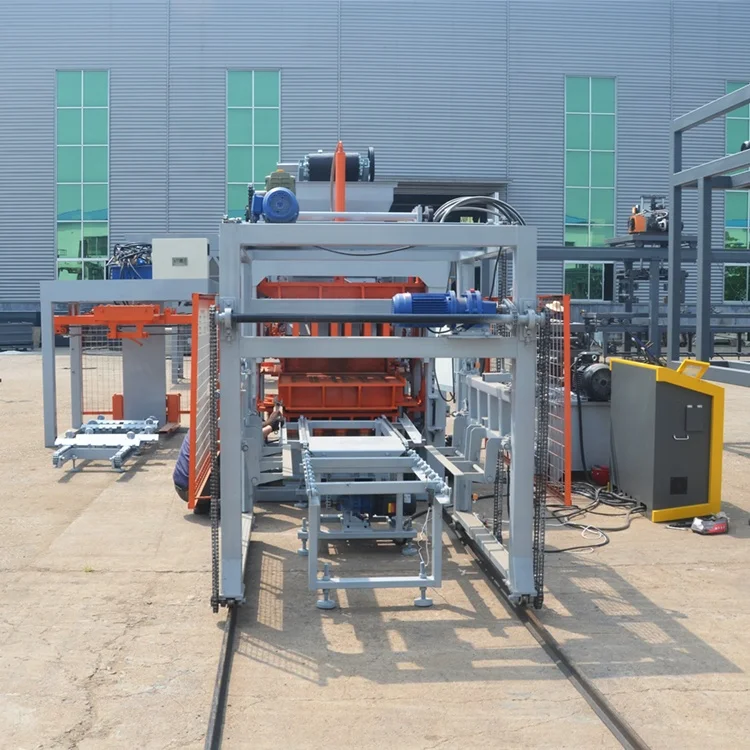
| Product Type | Hydraulic Cement Block Making Machine |
| Overall Dimensions | 8200 × 1700 × 2950 mm |
| Total Mass | 7 T |
| Overall Power | 37 kW |
| Vibration Force | 45 kN |
| Vibration Frequency | 0–60 Hz (adjustable) |
| Vibration Form | Platform Vibration |
| Moulding Mode | Automatic loading, vibration moulding |
| Demolding Method | Hydraulic |
| Pallet Size | 880 × 850 mm |
| Molding Cycle | 15–20 s (standard formats); 20–25 s (paving formats) |
| Control System | PLC with touch screen |
| Hydraulic System | Independent integrated hydraulic station |
| Block Compressive Strength | > 15 MPa |
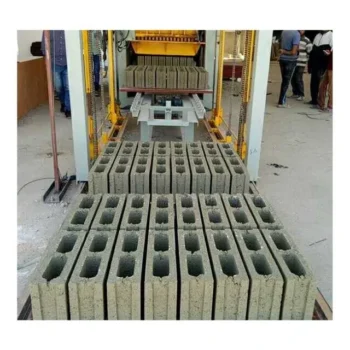
| Output — Hollow Block 400×200×200 mm | 1080–1440 pcs/hour (8640–11520 pcs/8 hr shift) |
| Output — Hollow Block 400×150×200 mm | 1440–1920 pcs/hour (11520–15360 pcs/8 hr shift) |
| Output — Solid Brick 240×115×53 mm | 5760–7680 pcs/hour (46080–61440 pcs/8 hr shift) |
| Output — Rectangular Paver 200×100×60 mm | 2160–2880 pcs/hour at 20–25 s cycle (17280–23040 pcs/8 hr shift) |
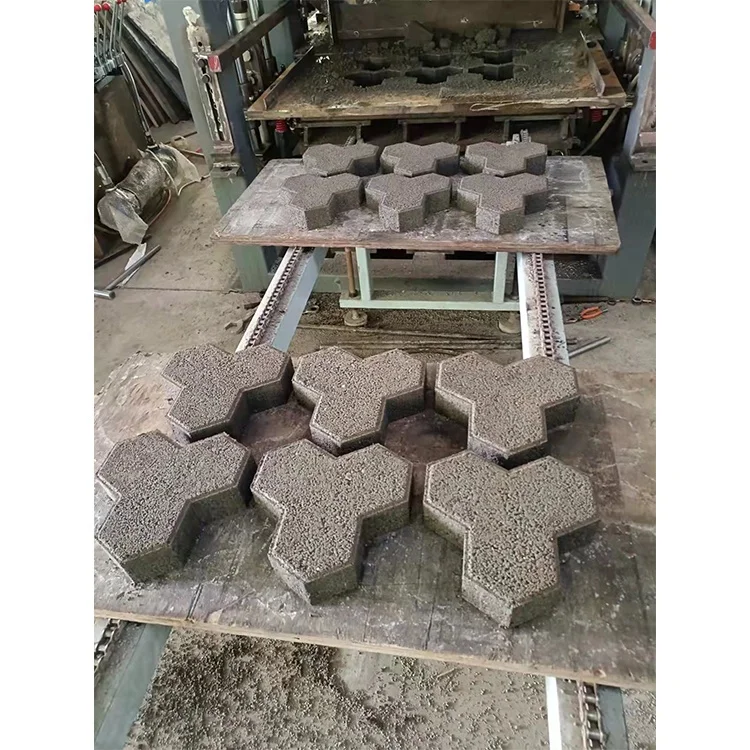
| Output — Zigzag Paver 225×112.5×60 mm | 2160–2880 pcs/hour at 20–25 s cycle (17280–23040 pcs/8 hr shift) |
| Recommended Factory Area | 1200 m² |
| Voltage & Frequency | Configurable to site supply (basis to be confirmed before production) |
| Mould Change Time | Varies by mould type (basis to be confirmed) |
Application Suitability
| Application | Material or Output |
|---|---|
| Hollow block production | Crushed stone, sand, cement and waste ash blends for 150 mm and 200 mm wall thickness formats |
| Solid brick production | Fine aggregate and cement mixes for standard 240×115×53 mm building bricks |
| Rectangular paving block | Coarse aggregate and cement for 200×100×60 mm interlocking pavers used in driveways and walkways |
| Zigzag paving block | Same aggregate base for 225×112.5×60 mm interlocking pavers laid in herringbone patterns |
| On-site contractor production | Mobile or fixed plant setups where housing project volume demands daily hollow block output |
| Format expansion for existing plants | Additional mould sets allowing a running plant to add paver or solid brick lines without a second press |
What "Pieces per Hour" Hides When the Format Changes
A cycle count means nothing until you know which block is on the pallet.
I learned this the hard way watching a buyer in Berlin take delivery of a QT6-15 block machine based on a hollow block cycle rate. His market ran interlocking pavers almost exclusively. The moment he switched moulds, his daily output dropped sharply because paver cycles run longer and the pallet footprint holds fewer pieces per stroke. The curing yard filled faster than expected, forklifts could not keep up, and the second shift spent half its time moving stacked pallets by hand. That is the gap this page closes. Every QT6-15 cement block making machine capacity figure above is tied to a specific format and cycle window so you can plan your line around what you actually sell [NEED_CITE: common output discrepancies when block format is not specified at inquiry stage].
Matching the Mould to the Block Your Market Sells
The QT6-15 is built around a pallet size of 880 × 850 mm, which determines how many block cavities fit per stroke. A 400×200×200 mm hollow block fills the pallet differently than a 200×100×60 mm paver, and the molding cycle extends from 15 seconds to 25 seconds for denser paving formats. When you specify the exact formats your market moves, the mould design and cycle setting can be matched before the machine leaves the factory, not discovered during commissioning.
Vibration Tuning Across Aggregate Sources
Platform vibration with adjustable frequency from 0 to 60 Hz lets the operator tune the QT6-15 block machine to the aggregate available locally. A crushed river gravel behaves differently under vibration than a manufactured sand or a lightweight ash blend. Getting the frequency right against the mix design is what pushes compressive strength above 15 MPa consistently, rather than hitting it on some batches and missing on others [NEED_CITE: vibration frequency tuning for different aggregate types in concrete block production].
Reading the Spec Sheet Beyond the Headline Numbers
The 45 kN vibration force works in tandem with hydraulic demolding to compact the mix fully before release. If the hydraulic pressure is too low relative to vibration, blocks crack on ejection. If vibration is too aggressive for a fine sand mix, the surface tears. The independent integrated hydraulic station sits apart from the main vibration and dust zone, which keeps valve response stable across long shifts. The PLC touch screen gives the operator direct access to cycle timing, vibration frequency and fault diagnosis without opening the cabinet, reducing the chance that settings drift between operators or shifts.
The Cost of Skipping Format-Level Capacity Checks
When capacity is quoted as a single number, the buyer typically sizes the curing yard, pallet inventory and forklift schedule around the best-case format. Switching to a slower-cycling paver then creates a bottleneck that has nothing to do with the press itself. Pallets pile up at the stacker, curing racks run out of space, and the yard crew works overtime just to keep the line moving. These are not machine failures — they are planning failures that trace back to the quotation stage [NEED_CITE: curing area and pallet logistics miscalculated due to format-agnostic capacity quotes].
Why Buyers Spec Format-by-Format Before They Order
Block machinery is the single focus here, which means the press, mould, pallet and handling equipment are specified as one matched set rather than assembled from unrelated suppliers. The QT6-15 configuration is set against the buyer’s actual mix design and target block format, not a catalogue default. Mould drawings are produced for the specific sizes the buyer’s market demands, including custom formats from buyer-supplied drawings. Automation level is selectable — a plant can start with semi-automatic pallet handling and add stacking later. Installation includes operator training on mould change procedure and PLC parameter adjustment so the crew is not learning from a manual after the technician leaves.
Documentation & Verification
- Line layout with capacity calculation stating each block format and its assumed cycle time
- Mould drawing and format list confirming which sizes apply to the quoted output figures
- Pallet specification sheet matching the 880 × 850 mm size to your curing racks and forklift
- Voltage, frequency and PLC display language confirmation recorded before production begins
- Factory test record run on your specified block format before dispatch
- Hydraulic and electrical schematic for your maintenance team
Installation, Commissioning & Support
- Foundation pad sized to the 8200 × 1700 mm footprint with vibration isolation per the layout drawing
- Dedicated 37 kW power circuit with voltage and frequency confirmed to your site supply before build
- Machine shipped in dismantled sections for container loading, reassembled on-site by the installation crew
- First-run commissioning includes cycle tuning on your chosen block format and mould set
- Operator training covers PLC touch screen navigation, fault diagnosis and safe logic interlock resets
- Wear parts and mould inventory list supplied at handover with reorder intervals noted
What to Include in Your Inquiry
To give you a capacity figure that reflects your actual production reality, we need to know which block formats your market moves and in what proportion. Share your target daily output per format, the local aggregate and cement type you plan to run, and the pallet size your existing curing racks and forklifts are built around. If your site voltage or frequency differs from standard industrial supply, state that early so the electrical package is built to match [NEED_CITE: electrical specification mismatches delaying commissioning in export machinery installations].
Frequently Asked Questions
Q: How is capacity calculated per block format, and what cycle time does each figure assume?
A: Each output figure for the QT6-15 is calculated from the pallet size of 880 × 850 mm, the number of block cavities that fit per stroke for that specific format, and the molding cycle window. Hollow blocks run at 15–20 seconds while paving formats extend to 20–25 seconds. The table above states both per-hour and per-shift figures tied to each named format.
Q: Which mould formats are available, and how long does a mould change take in practice?
A: Moulds are available for hollow blocks, solid bricks, rectangular pavers and zigzag pavers in the sizes listed in the specification table, and custom moulds can be built from buyer drawings. Mould change time depends on the specific mould type and clamping arrangement and should be confirmed during the configuration stage so you can plan shift schedules accurately.
Q: How should vibration force and hydraulic pressure be matched to my local aggregate?
A: The 45 kN vibration force and adjustable 0–60 Hz frequency need to be balanced against your mix design. Coarse crushed stone typically needs higher frequency for full compaction, while fine sand or ash blends require lower settings to prevent surface tearing. The configuration proposal includes recommended settings based on the aggregate sample and mix proportions you provide.
Q: What pallet size does the QT6-15 require, and is it compatible with my existing setup?
A: The machine uses 880 × 850 mm pallets. Before ordering, compare this against your curing rack dimensions and forklift fork width. If your existing racks are built for a different pallet size, the layout proposal can address whether rack modification or pallet supply needs to be included in the line plan.
Q: What voltage, frequency and PLC language options are confirmed before shipment?
A: Voltage and frequency are configured to your site supply and must be confirmed before production begins — this is not an after-shipment adjustment. The PLC touch screen display language is also confirmed at that stage so operators can read fault codes and parameter labels from day one of commissioning.