

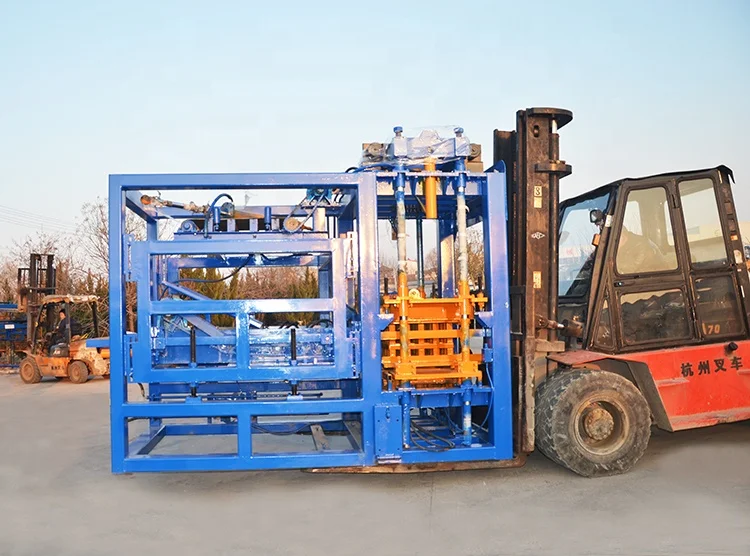

Description
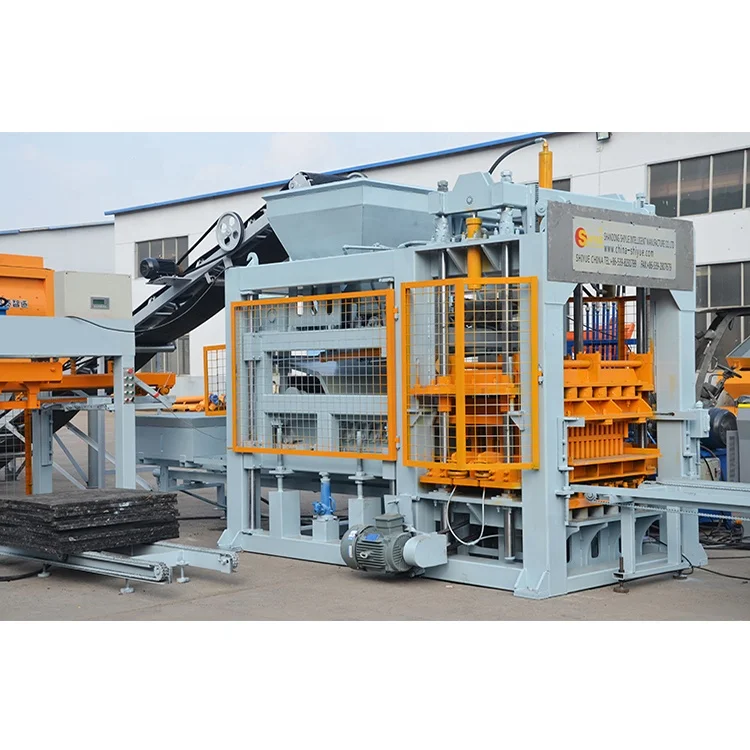
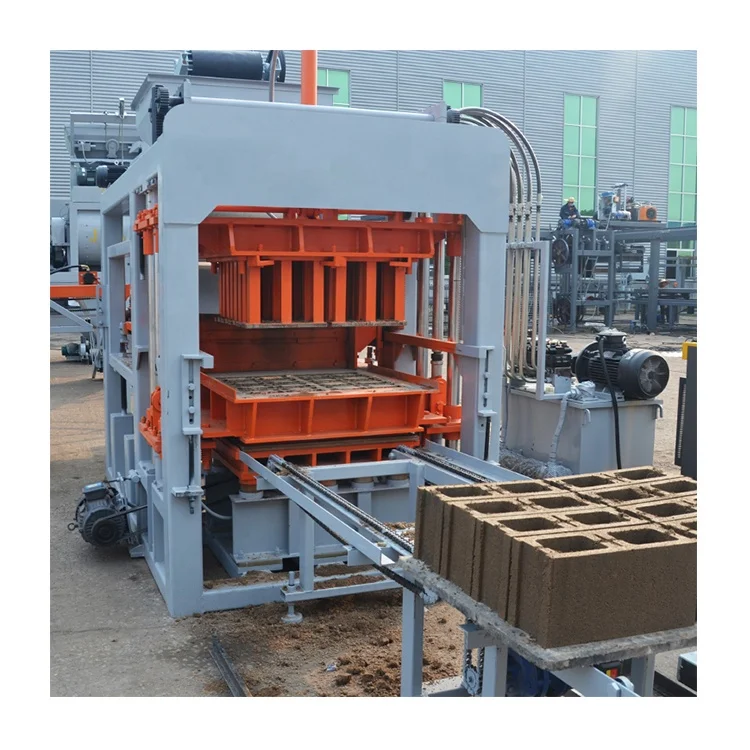
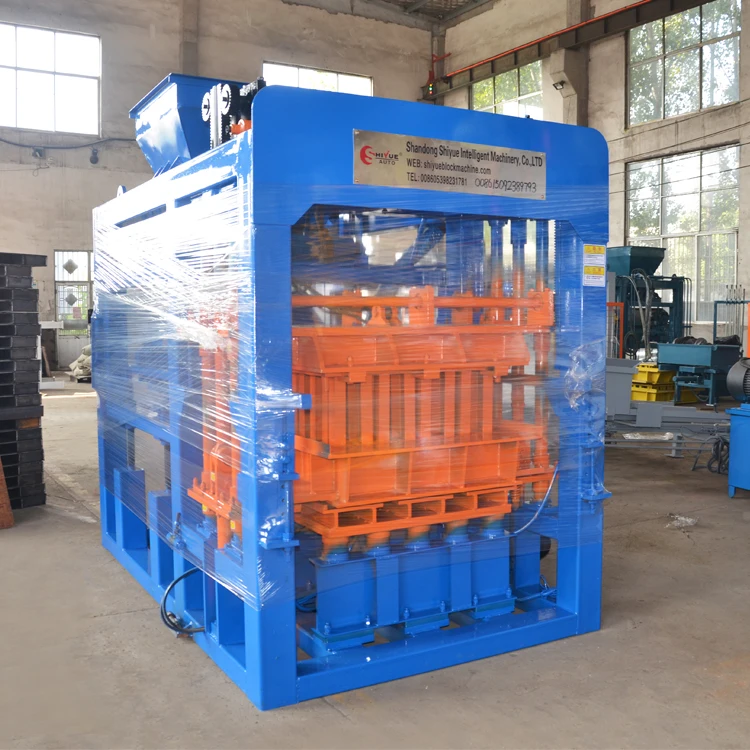
Matched system configuration — the QT6-15 hydraulic block machine, moulds, pallets and handling are specified together against your local aggregate and target block format, not assembled from catalogue defaults.
Technical Specifications
| Parameter | Value |
|---|---|
| Model | QT6-15 |
| Product Type | Hydraulic Concrete Block Making Machine |
| Overall Dimensions (L×W×H) | 7400×1900×2660 mm |
| Molding Cycle | 15-25s |
| Vibration Frequency | 4600 r/min |
| Vibration Force (Exciting Power) | 40-50 kN |
| Total Power | 31.25 kW |
| Mixer Model | JQ350 |
| Pallet Size | 850×550×25 mm |
| Total Weight | 7 T |
| Control System | PLC control system |
| Hydraulic Station | Included |
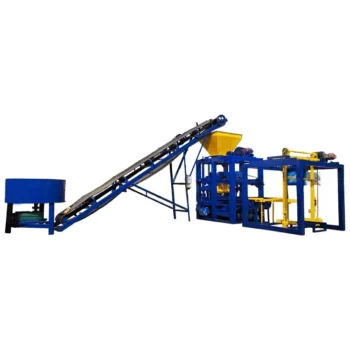
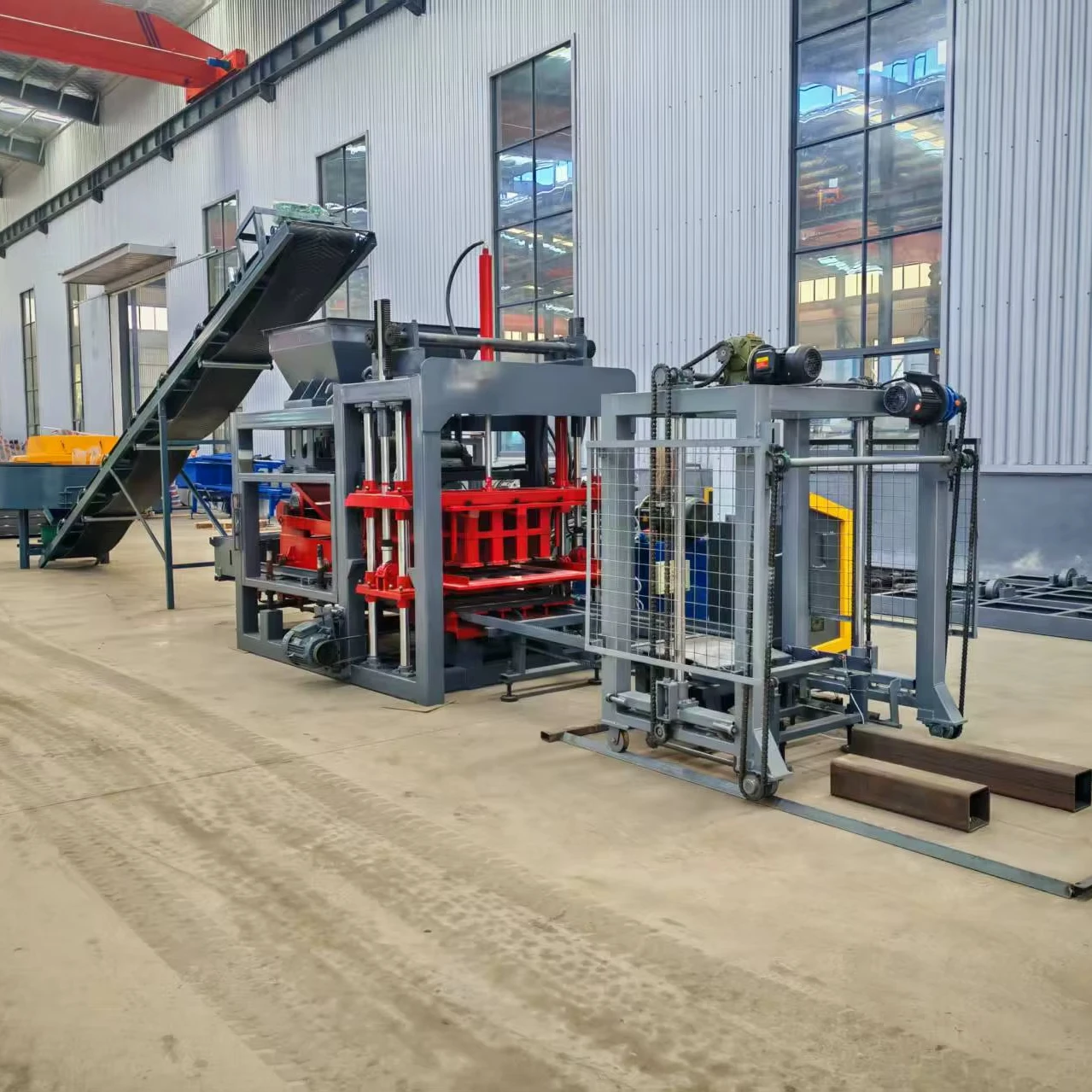
| Included Equipment | Block making machine, hydraulic station, PLC control system, pallet feeder, brick conveyor, block sweeper |
| Automation Level | Semi-automatic with PLC |
| Output Capacity (400×200×200 mm Hollow Block) | 1200-1680 pcs/hr (9600-13440 pcs/8hr) |
| Output Capacity (400×150×200 mm Hollow Block) | 1800-2400 pcs/hr (14400-19200 pcs/8hr) |
| Output Capacity (240×115×53 mm Solid Brick) | 3240 pcs/hr (16200-19440 pcs/8hr) |
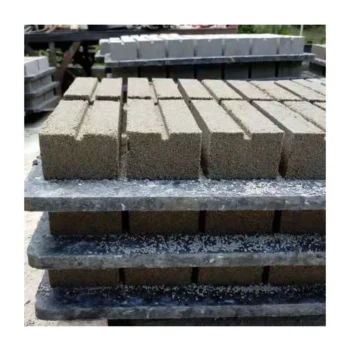
| Applied Products | Paver, solid brick, hollow block, curbstone |
| Raw Materials | Crushed stones, sand, cement, dust, fly ash |
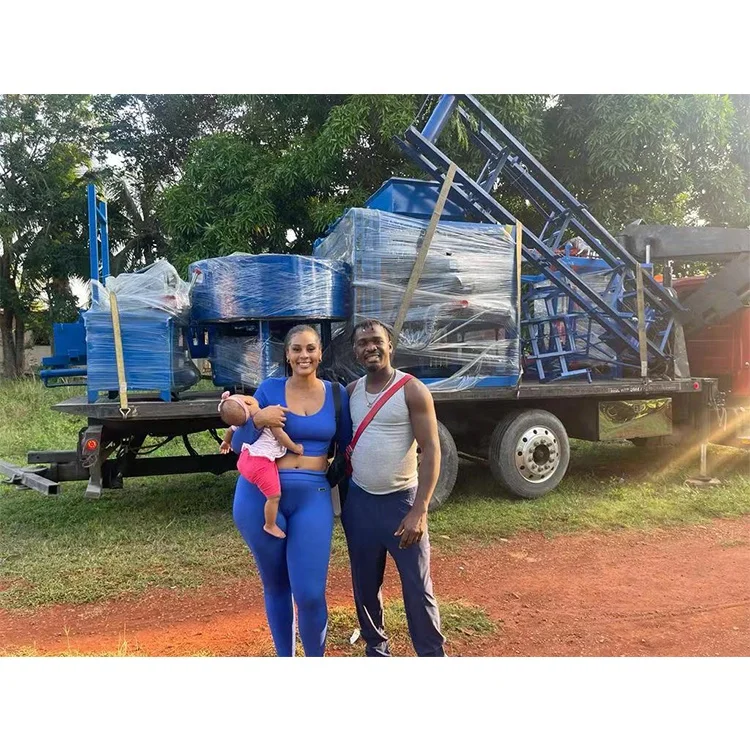
| Assembly & Shipment | Nude packing in 20GP container |
| Hydraulic Pressure | To be confirmed before order |
| Mould Change Time | To be confirmed before order |
| Voltage & Frequency | To be confirmed before order |
| PLC Display Language | To be confirmed before order |
Application Suitability
| Application | Material or Output |
|---|---|
| Hollow block production for building walls | Crushed stone, sand, cement, fly ash; 400×200×200 mm and 400×150×200 mm formats |
| Solid brick manufacturing for load-bearing and infill | Local aggregate with cement binder; 240×115×53 mm standard brick format |
| Paving block and curbstone production | High-density mix with crushed stone; surface formats for municipal and residential projects |
| On-site block production for housing developments | Semi-automatic operation suited to contractor-run plants with local material sourcing |
What "Pieces per Hour" Actually Means for the QT6-15
Capacity only matters when the block format, cycle time and mix are stated together.
I have seen buyers receive a quotation that quotes a single hourly number, sign the order, and then discover on commissioning day that the figure assumed a small solid brick while their market buys hollow blocks. The press cycles the same, but the mould footprint and compaction time differ, so actual daily output can fall well short of what the buyer planned for. The Hydraulic Concrete Block Making Machine specifications on this page state output per format with the cycle range that applies, so your shift plan starts from a realistic number [NEED_CITE: common block machine capacity misquotation in export quotations].
Cycle Time by Block Format
The QT6-15 moulds cycle between 15 and 25 seconds depending on the block geometry and the compaction required by the mix. A 400×200×200 mm hollow block draws more vibration energy and a slightly longer dwell than a flat paver, which is why the capacity table lists each format separately rather than a single blanket number. Buyers comparing Hydraulic Concrete Block Making Machine specifications across suppliers should always ask which format the quoted cycle assumes.
Pallet Sizing Against Your Curing Area
The standard pallet for this press is 850×550×25 mm. That dimension is not arbitrary — it determines how many blocks sit on each board, how the boards stack on your curing racks, and whether your existing forklift can handle the loaded weight. Confirming pallet size before the order avoids a situation where the machine arrives and the curing yard needs re-racking [NEED_CITE: pallet and curing rack coordination in block plant layout].
Vibration, Pressure and the Mix You Actually Have
The 40-50 kN vibration force works with the hydraulic station to compact the concrete into the mould cavity. If your local aggregate is lightweight volcanic stone or a high-fines crusher dust, the vibration amplitude and hydraulic hold time must be adjusted so that block density stays consistent from the first pallet to the last. A machine set for a dense river-gravel mix will over-compact a light aggregate, producing a brittle block that chips at the edges. I have walked onto sites where the operator was running the press at catalogue default settings and wondering why breakage was high — once we re-tuned the vibration and pressure to the actual material, the problem settled. This is why Hydraulic Concrete Block Making Machine specifications should be read alongside your local material profile, not in isolation [NEED_CITE: vibration and hydraulic pressure matching to aggregate density].
What the Semi-Automatic Line Actually Includes
The quoted package covers the press, hydraulic station, PLC control cabinet, pallet feeder, brick conveyor and block sweeper. The PLC handles mould cycling, vibration timing and pallet indexing, while the operator manages raw material feeding and off-loading of cured product. This level of automation suits a plant that wants consistent cycle control without the capital outlay of a fully automatic stacking and cubing line. If your volume grows, the QT6-15 platform allows a later upgrade to automatic pallet return and stacking.
The Cost of Skipping the Format Conversation
When the mould format is not confirmed against the products your market actually buys, the machine may arrive with a hollow block mould while your biggest orders are for interlocking pavers. Swapping to the correct mould later adds lead time and shipping cost that could have been avoided by listing every required format at the inquiry stage [NEED_CITE: mould change cost and lead time in block machine procurement]. A mismatch in pallet material — bamboo versus PVC versus steel — can also shorten pallet life if the curing environment is more humid than the default specification assumed.
Why Buyers Specify This Machine Here
Block machinery is our single product focus, which means the QT6-15 press, its moulds, pallets and handling equipment are proposed as one matched set rather than sourced from separate vendors and bolted together. Capacity calculations are stated per block format with the cycle time that applies, so your daily output projection holds up on the production floor. Moulds are designed for the formats your market sells, including custom drawings if your region uses a non-standard brick dimension. Voltage, frequency and PLC display language are confirmed before production begins, so commissioning is not delayed by a control panel that arrives in the wrong language or on the wrong electrical standard. Factory test records are run on your specified block format before the machine is dismantled for shipment.
Documentation & Verification
- Line layout drawing showing QT6-15 press position, pallet flow and curing rack spacing
- Capacity calculation sheet stating output per block format with assumed cycle time
- Mould drawing and format list for every mould included in the order
- Hydraulic and electrical schematic matching the shipped station and PLC cabinet
- Factory test record on your specified block format and mix before dispatch
- CE declaration where applicable to the destination market
Installation, Commissioning & Support
- Foundation plan based on 7400×1900 mm footprint and 7 T operating weight
- Power supply confirmed for 31.25 kW total draw with dedicated circuit breaker sizing
- Machine shipped nude-packed in a 20GP container with dismantling points marked for reassembly
- On-site commissioning includes PLC parameter tuning to your local aggregate and block format
- Operator training covers mould change procedure, vibration adjustment and daily greasing schedule
- Wear parts list with reorder codes for hydraulic seals, vibration springs and mould liners
Before You Send the Inquiry
To size the QT6-15 accurately, share the block formats your market sells most, the daily volume you need per format, and a sample or description of your local aggregate. Include your site voltage and frequency, the PLC language your operators read, and the curing rack dimensions you already have or plan to build. If you are adding this press to an existing line, note the mixer model and pallet handling equipment already in place so the quoted package covers only what is needed.
Frequently Asked Questions
Q: How is output capacity verified per block format, and what cycle time applies?
A: The capacity table on this page lists each format separately — 400×200×200 mm hollow block, 400×150×200 mm hollow block, and 240×115×53 mm solid brick — with the 15-25 second cycle range that applies to each. We verify these figures on your mix during factory testing before shipment, so the number you plan against is the number the press delivers on your material.
Q: Which mould formats are available, and how long does a mould change take?
A: Moulds cover hollow block, solid brick, paver and curbstone within the QT6-15 pallet envelope. Custom formats can be manufactured to your drawings. Mould change time depends on the clamping system fitted and is confirmed during the proposal stage once we know how many formats you will run in a typical shift.
Q: Is the pallet size matched to my existing curing racks and forklift?
A: The standard 850×550×25 mm pallet is confirmed against your curing rack spacing and forklift capacity before the order is placed. If your existing racks use a different board dimension, we adjust the pallet and mould layout accordingly so the line integrates with your yard without re-racking.
Q: How is the machine configured to my local aggregate rather than a catalogue default?
A: We ask for a description or sample of your aggregate — particle size, density, fines content — and adjust vibration force and hydraulic hold time so block density stays consistent. This configuration is documented in the factory test record that ships with the machine.
Q: What voltage, frequency, and PLC language are confirmed before shipment?
A: Your site voltage, frequency and preferred PLC display language are recorded at the order stage and printed on the electrical schematic. The control cabinet is wired and labelled to match, so the machine powers up correctly on arrival without rewiring or language reprogramming delays.