
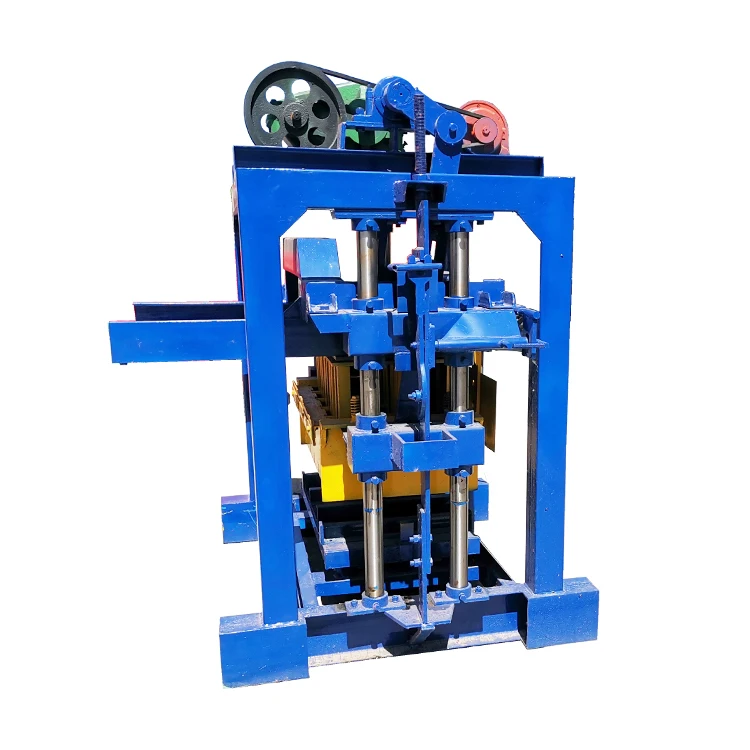


Description
Format-Matched Configuration — every capacity figure on this page is calculated against a named block dimension, pallet size and mix design, not pulled from a generic catalogue.
Technical Specifications
| Parameter | Value |
|---|---|
| Model | QTJ4-40 |
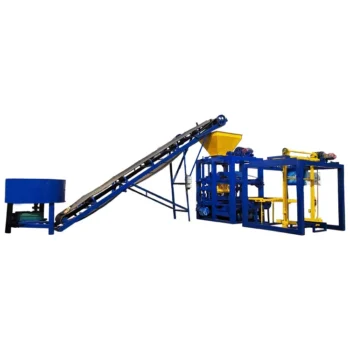
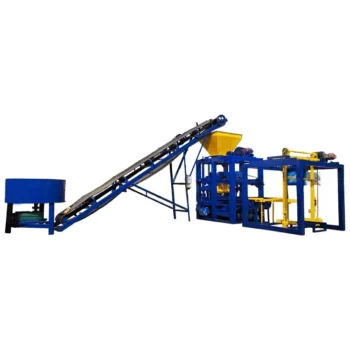
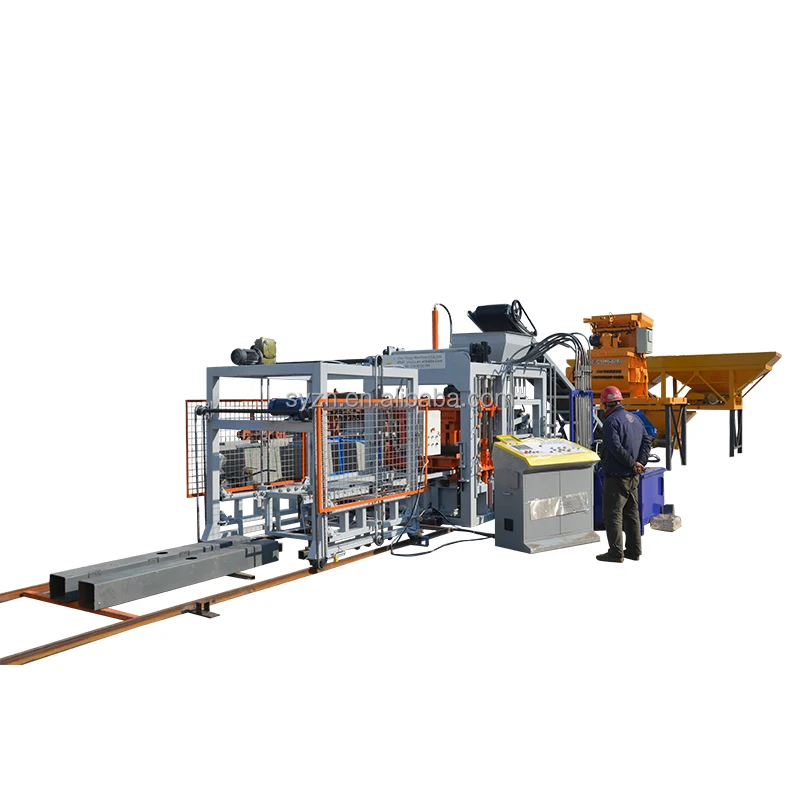
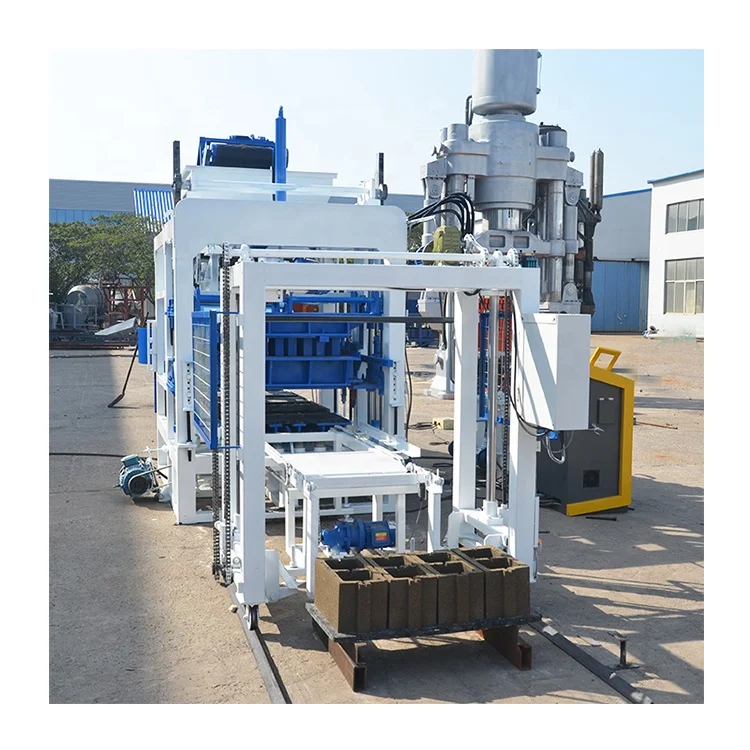
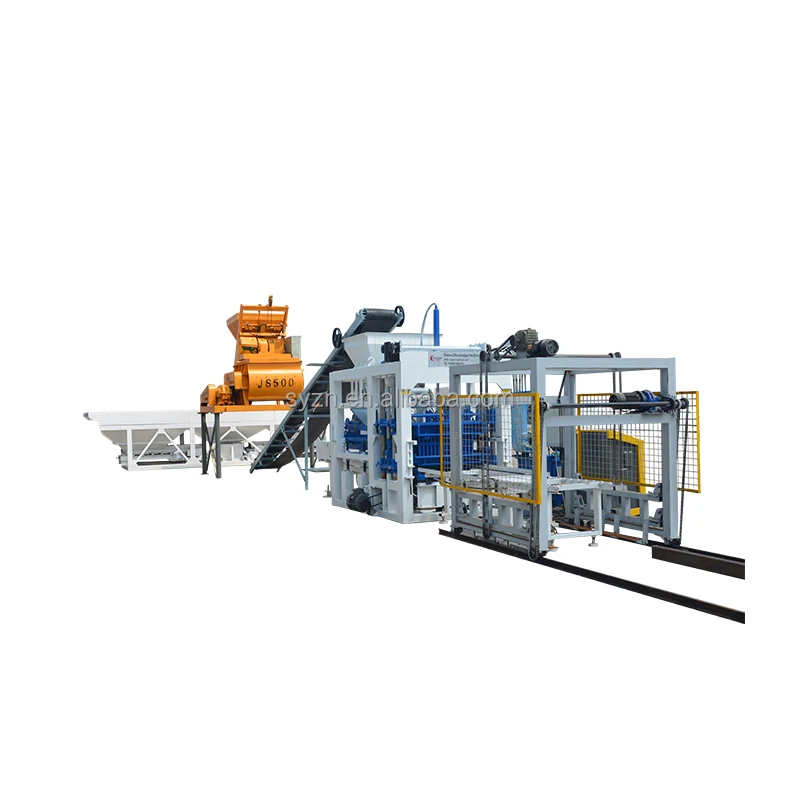
| Product Type | Semi-Automatic Concrete Hollow Block Making Machine |
| Rated Power | 10.4 kW |
| Molding Cycle | 40 s |
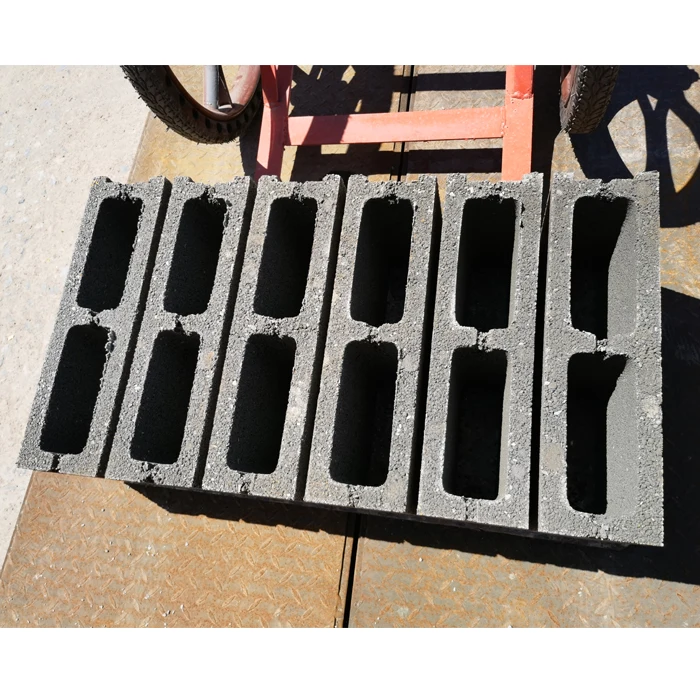
| Theoretical Output — 400×200×200 mm hollow block (4 pcs/mould) | 360 pcs/h, 2800 pcs/day |
| Theoretical Output — 400×150×200 mm hollow block (5 pcs/mould) | 450 pcs/h, 3600 pcs/day |
| Theoretical Output — 225×112.5×60 mm solid brick (9 pcs/mould) | 800 pcs/h, 6400 pcs/day |
| Overall Dimensions (L×W×H) | 1350 × 1460 × 1800 mm |
| Machine Weight | 1 T |
| Pallet Size | 850 × 450 mm |
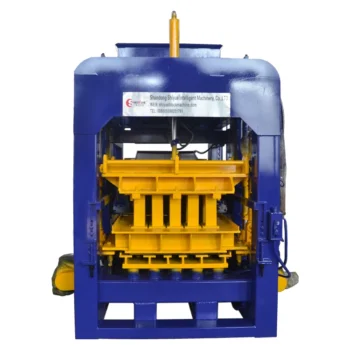
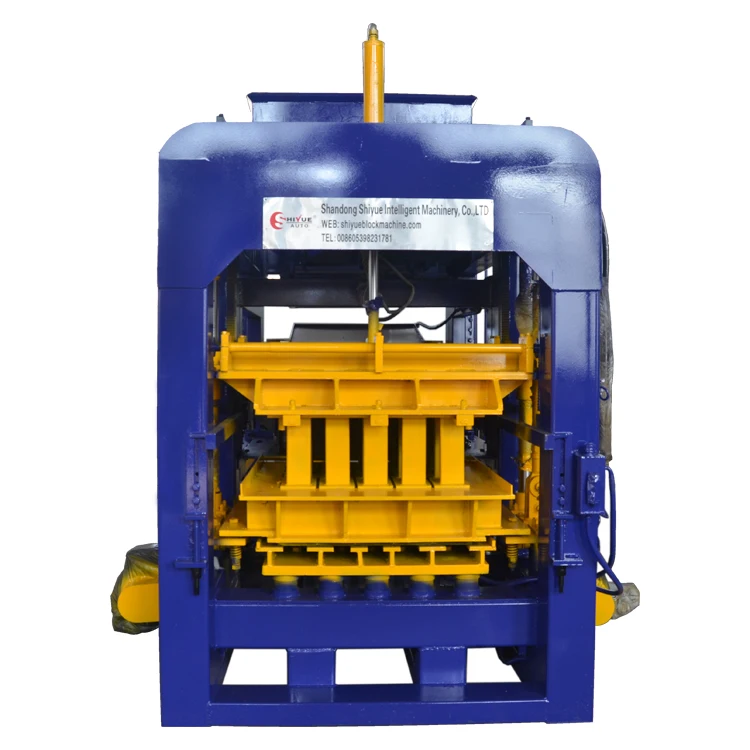
| Vibration System | Bed mould vertical vibration + upper mould compression vibration |
| Mould Actuation | Top die push-pull with automatic scraper |
| Voltage | Configurable to buyer’s local supply (confirmed before production) |
| Automation Level | Semi-automatic |
Application Suitability
| Application | Material or Output |
|---|---|
| Small-scale hollow block production for local masonry markets | Crushed stone, sand, cement blends |
| Solid brick manufacturing for load-bearing walls | Fly ash, lime, gypsum and cement mixes |
| On-site block making for housing and compound projects | Locally sourced sand and cement with site-available aggregate |
| First plant setup by entrepreneurs or building material distributors | Concrete, fly ash, sand, cement, lime, gypsum |
Why "2,500 Blocks a Day" Means Nothing Without the Format Attached
The QTJ4-40 block machine specifications only become meaningful when paired with the exact block dimension your market buys.
I have watched contractors in West Africa take delivery of a semi-automatic machine quoted at a single headline capacity, only to discover that figure assumed a solid brick format they had no intention of producing. Their actual hollow block output was a fraction of what they had planned their curing yard around. [NEED_CITE: mismatch between quoted and actual block plant throughput] The 2000–2500 pcs/8 hours figure often seen in brochures carries no stated basis — no block size, no mix, no wall thickness. That is not a capacity; it is a guess.
Mould-to-Market Alignment Before the Machine Ships
The QTJ4-40 block machine specifications include theoretical outputs for three distinct formats, and none of them is interchangeable. A 400×200×200 mm hollow block yields 360 pieces per hour, while the same cycle time applied to a 225×112.5×60 mm solid brick yields 800. Choosing the right mould at the inquiry stage — not after commissioning — determines whether the machine earns its floor space. Each mould drawing is reviewed against the buyer’s local block standards before manufacturing begins.
Vibration and Pressure Tuned to Your Aggregate, Not a Lab Sample
How Dual Vibration Shapes Block Density
The bed mould vibrates vertically while the upper mould compresses simultaneously. This two-axis action forces the concrete mix into the mould corners and drives out trapped air. On a job site in South Asia where river sand carried a high clay content, single-axis vibration left hollow blocks with soft edges that cracked during curing. The dual system on the QTJ4-40 compensates for variable aggregate quality by applying pressure from both directions within the same 40-second cycle. [NEED_CITE: effect of dual vibration on block compressive strength] Mould wear remains manageable because the upper die push-pull mechanism includes an automatic scraper that clears residual mix before the next cycle starts.
Reading the Numbers That Actually Matter
The 10.4 kW rated power drives both the vibration motors and the hydraulic scraper actuation. For a plant running a single shift of eight hours, the theoretical daily output on 400×150×200 mm hollow blocks reaches 3,600 pieces, while switching to solid bricks pushes that to 6,400 under the same cycle time. The 850 × 450 mm pallet size must match the curing racks and forklift tines already on site — specifying a pallet that does not fit existing infrastructure creates a bottleneck that no amount of machine speed can solve. Machine weight at 1 T and overall dimensions of 1350 × 1460 × 1800 mm allow workshop installation without a reinforced foundation slab, though a level concrete pad is required for vibration stability.
The Cost of Skipping the Format Conversation
Buyers who order based on a single capacity number without confirming block format typically discover the gap within the first week of production. Curing yards built for a higher throughput sit half-empty. Pallets ordered in bulk turn out to be the wrong size for the racking system. Mould changeovers that should take minutes stretch across a shift because the format was never specified in the first place. [NEED_CITE: block plant commissioning delays due to specification gaps] These are not machine faults — they are specification failures that happen before the purchase order is signed.
Why Sourcing Here Changes the Conversation
Block machinery is the sole product focus, so the QTJ4-40 is never treated as a standalone press disconnected from its moulds, pallets and handling equipment. The configuration starts with your actual mix design and target block format rather than a default line from a catalogue. Mould design extends to custom formats drawn to your market dimensions. The semi-automatic automation level leaves a clear upgrade path to full pallet feeding and stacking when volume justifies it. Installation support includes operator training on mould change procedure and vibration adjustment for local aggregate conditions.
Documentation & Verification
- Line layout and capacity calculation stating the block format assumed for each output figure
- Mould drawing and format list provided before production begins
- Voltage, frequency and control language confirmed in writing prior to manufacturing
- Factory test record showing cycle time and output per block format before dispatch
Installation, Commissioning & Support
- Level concrete pad required; 1350 × 1460 mm footprint fits standard workshop bays without reinforced slab
- 10.4 kW supply on a dedicated circuit; voltage and frequency locked in writing before assembly
- Machine ships assembled with top die and scraper pre-set; on-site alignment check at commissioning
- Mould change and vibration force adjustment demonstrated during operator training session
- Wear parts list for scraper blades and mould liners supplied with first shipment
- Daily grease schedule for vibration bearings and push-pull guide rails provided in manual
What to Prepare Before Requesting a Quotation
To size the QTJ4-40 to your operation, share the block formats your market demands, including wall thickness and dimensional standards. Confirm the aggregate sources available locally — sand type, fly ash availability, cement grade — so the vibration and pressure settings can be matched before production. State your local voltage and frequency, the control panel language preference, and the curing rack and forklift dimensions already on site so the 850 × 450 mm pallet specification can be verified against your infrastructure.
Frequently Asked Questions
Q: How is the QTJ4-40 capacity verified and what block format does each figure assume?
A: Every output figure on this page names a specific block dimension — 400×200×200 mm hollow, 400×150×200 mm hollow, or 225×112.5×60 mm solid brick. The factory test record provided before shipment confirms cycle time and piece count for the format you ordered, not a generic average.
Q: Which block formats and mould sizes are available, and how long does a mould change take?
A: Standard moulds cover hollow blocks and solid bricks in common masonry dimensions. Custom moulds are drawn to your market specifications before manufacturing. Mould change on the QTJ4-40 involves releasing the top die push-pull clamps and lifting the mould box — an operator task, not an engineering project.
Q: How is the machine configured to match my local aggregate and mix design?
A: Before production, we review your sand source, cement grade and any supplementary materials like fly ash or lime. Vibration force and cycle timing are adjusted to match the density and workability of your actual mix, not a laboratory reference sample.
Q: What pallet size and material are specified, and will they work with my existing curing racks?
A: The standard pallet measures 850 × 450 mm. Material — timber, PVC or steel — is selected based on your curing method and forklift type. We confirm compatibility with your existing rack spacing and handling equipment before the pallet order is placed.
Q: What voltage, frequency and control language options are confirmed before shipment?
A: Voltage and frequency are set to your site supply and confirmed in writing before manufacturing. Control panel labels and any PLC display language are agreed at the same stage so the machine is ready for commissioning on arrival, not waiting for a translator.