

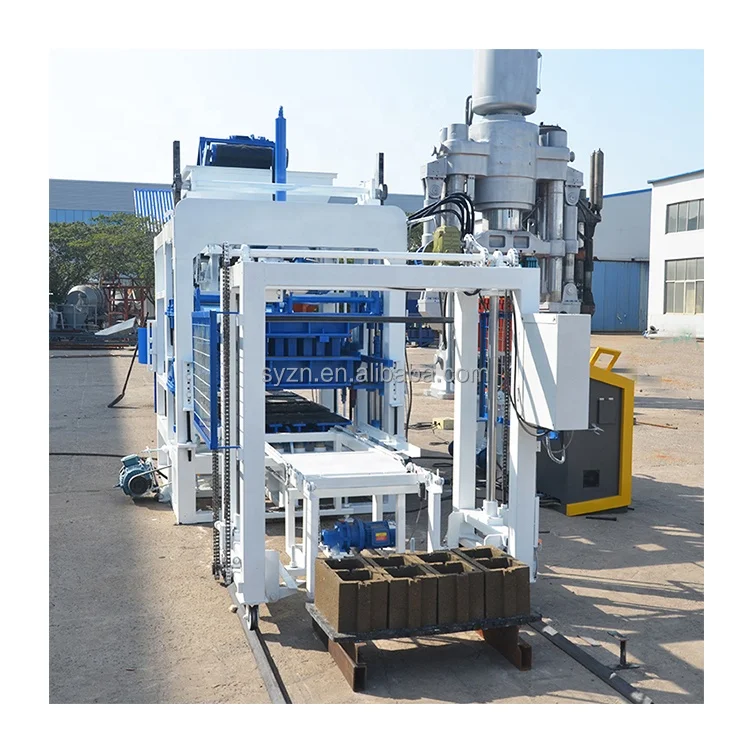
Description
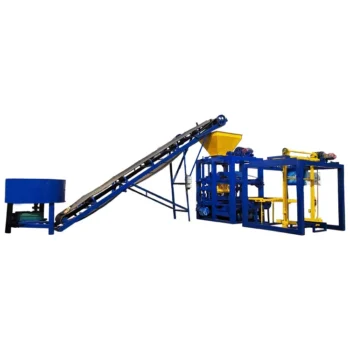
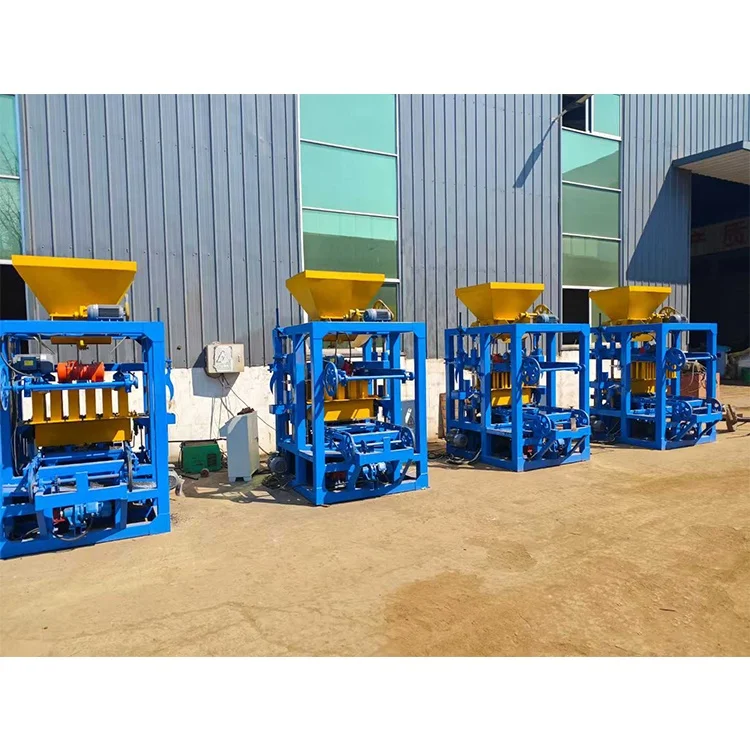
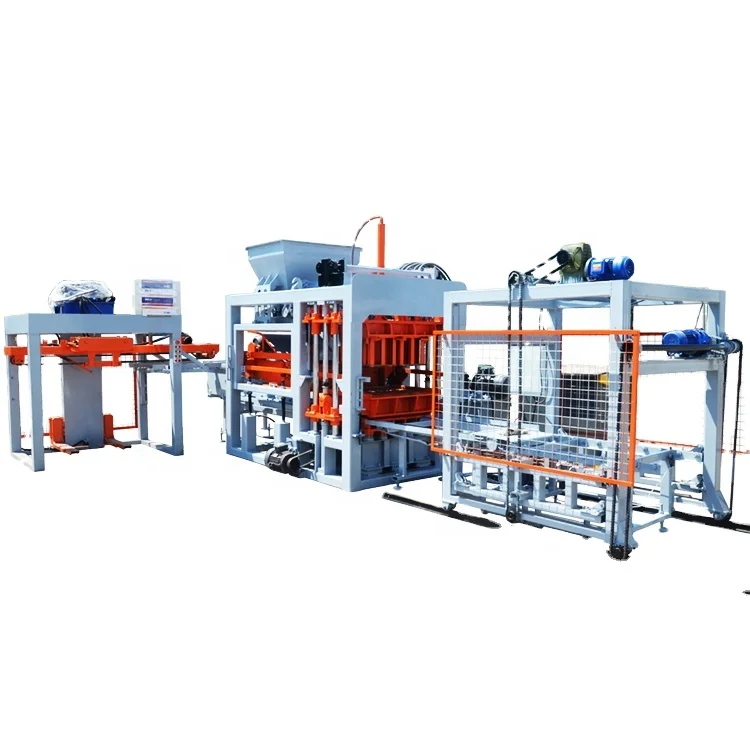
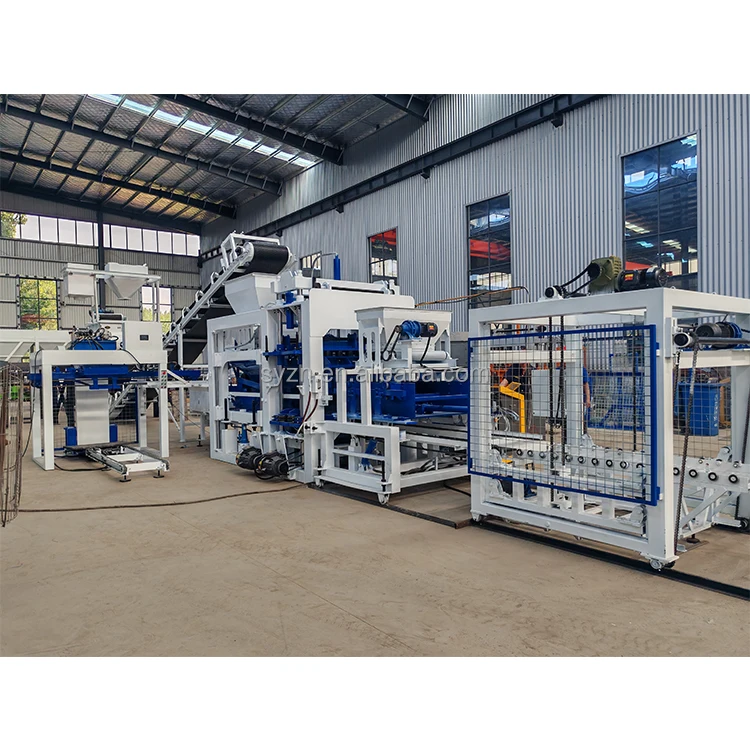
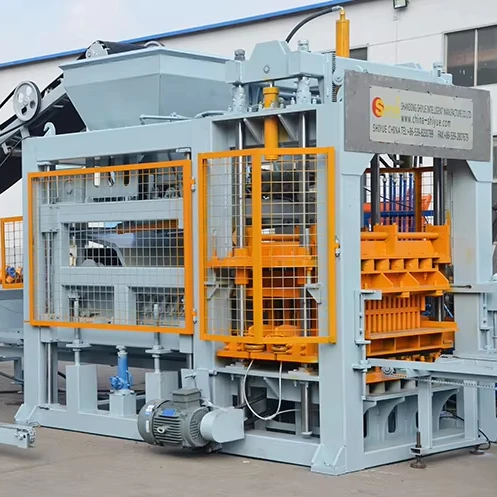
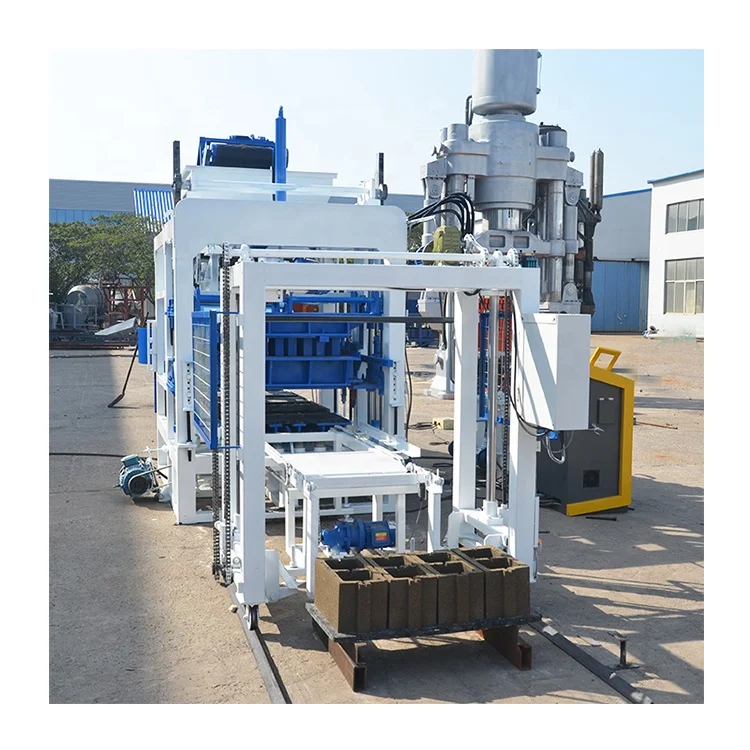
Mould and machine as one system — the QT4-18 is configured around your block format and local aggregate, so the cycle time, pallet size, and hydraulic pressure are matched before the line ships.
Technical Specifications
| Parameter | Value |
|---|---|
| Product Type | Semi-Automatic Hydraulic Block Making Machine |
| Model | QT4-18 |
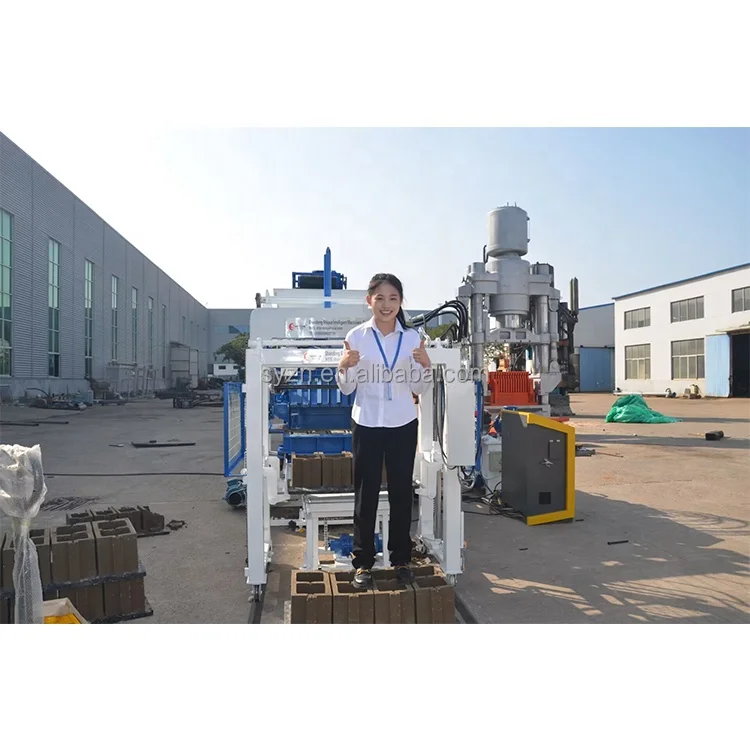
| Overall Dimensions (L×W×H) | 3900×1600×2300 mm |
| Total Weight | 3 T |
| Rated Power | 24 kW |
| Vibration Force | 40-50 kN |
| Vibration Type | Bed mould vertical vibration + upper mould compression vibration |
| Molding Cycle | 15-25 s |
| Pallet Size | 850×550×25 mm |
| Mixer Model | JQ350 |
| Hydraulic System | Hydraulic station with high pressure for stable operation |
| Mould Formats Supported | Hollow block, solid brick, paver, curbstone (mould change required) |
| Automation Level | Semi-automatic |
| Raw Materials | Crushed stone, sand, cement, dust, fly ash |
| Output Capacity (400×200×200 mm hollow block, 4 pcs/mould) | 9,600-13,440 pcs/8hr (basis not stated in source) |
| Output Capacity (400×150×200 mm hollow block) | 14,400-19,200 pcs/8hr |
| Output Capacity (240×115×53 mm solid brick) | 16,200-19,440 pcs/8hr |
| Assembly State | Shipped nude packed in 20GP container |
Application Suitability
| Application | Material or Output |
|---|---|
| 8-inch and 6-inch hollow block production for masonry walls | Crushed stone, sand, and cement blends |
| Solid brick production for load-bearing structures | Fly ash, sand, and cement mixes |
| Interlocking paver production for walkways and driveways | Fine aggregate and cement with pigment |
| Curbstone production for road edging | Coarse aggregate and high-cement content mixes |
| On-site block production for construction contractors | Locally sourced sand, stone dust, and cement |
Why "Cycle Time" Means Nothing Without the Block Format Attached
A 15-second cycle on a small solid brick is not the same 15-second cycle on a 400 mm hollow block.
Many QT4-18 block making machine specifications lists quote a single cycle range of 15-25 seconds and a single hourly output figure, leaving the buyer to discover on commissioning day that their primary product sits at the slow end of that range. I have watched a line in a Middle East yard lose an entire shift because the quoted capacity assumed a format the buyer never intended to produce. The vibration force, hydraulic dwell time, and feed depth all shift when you move from a solid brick mould to a large hollow block mould, and each shift costs seconds per cycle that compound across an eight-hour run [NEED_CITE: block format impact on cycle time in hydraulic press operations].
Mould Flexibility Against Real Daily Output
The QT4-18 supports hollow block, solid brick, paver, and curbstone formats through mould changes, and the moulding cycle spans 15-25 seconds depending on which format is loaded. A buyer producing 240×115×53 mm solid bricks works the faster end of that window, while 400×200×200 mm hollow blocks demand longer vibration and compression dwell. The honest planning move is to take the cycle time for your primary format, multiply by mould cavities, and subtract pallet handling and mould-change intervals to arrive at a daily number you can actually staff against.
Pallet Size as the Hidden Bottleneck
The 850×550×25 mm pallet is not an arbitrary choice — it governs how many blocks sit on each board, how the boards stack in the curing yard, and whether the buyer’s existing forklift can handle the loaded weight. A curing area designed for a different pallet dimension means wasted floor space or boards that cannot be stacked to the height the yard was built for. Cross-checking pallet size against the curing layout before ordering avoids a situation where the press outpaces the yard’s ability to receive output [NEED_CITE: pallet handling logistics in block plant layout].
Vibration, Pressure, and the Density Question
The dual vibration system combines bed mould vertical vibration with upper mould compression vibration, working alongside the hydraulic station to compact the mix into the mould cavity. For a semi-automatic QT4-18 block making machine, the 40-50 kN vibration force must be matched to the hydraulic pressure and the specific aggregate the buyer sources locally. A high-clay sand absorbs vibration differently than clean crushed stone, and if the machine arrives configured for a reference mix rather than the buyer’s actual material, block density drops and breakage during curing rises. This is the single most common mismatch I correct when a line underperforms against its specification sheet.
When the Wrong Mix Design Costs You a Shift
A buyer in a region with high-clay-content sand once received a machine configured for clean river sand, and the vibration force that worked perfectly in our factory test could not fully compact the stickier local mix. Block corners broke during demoulding, and the crew spent hours adjusting feed times by hand. The QT4-18 hydraulic system and vibration settings are adjustable, but only if the starting configuration reflects the buyer’s aggregate report rather than a catalogue default. Getting the raw material test done before the machine enters production is the difference between a clean commissioning and weeks of trial-and-error on the shop floor.
What Configuration Matched to Your Format Actually Looks Like
Every QT4-18 we ship leaves with a capacity calculation document that names the specific block format behind each output figure, not a single number that blurs formats together. The mould drawing set confirms which block dimensions are covered and which require separate tooling, so there is no ambiguity about what the line can produce on day one. Pallet specifications — size, material, and quantity — are matched to the buyer’s curing area dimensions and handling equipment before the order is confirmed. The machine, mould, pallet, and mixer are specified as one system rather than assembled from disconnected quotes [NEED_CITE: integrated block line specification practice].
The Price of Skipping Voltage Confirmation
When voltage, frequency, and PLC display language are left until the machine is crated, the result is a unit that sits idle on arrival while transformers are sourced or control panels are rewired. The QT4-18 runs on a 24 kW rated power supply, and the electrical configuration must match the buyer’s site supply before production begins — not after. I now treat voltage and language confirmation as a gate in the sales process, equal in priority to the mould selection itself.
Documentation & Verification
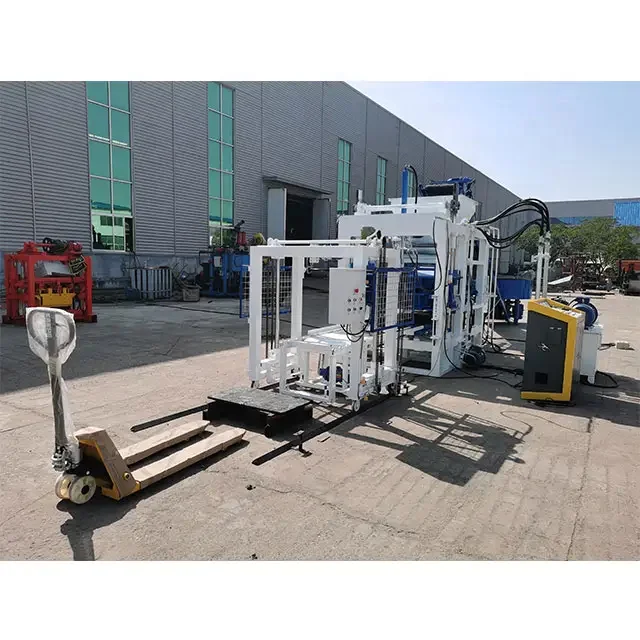
- Line layout showing QT4-18 footprint alongside mixer and pallet handling stations
- Capacity calculation stating the block format behind each daily output figure
- Mould drawing set listing included formats and marking optional tooling separately
- Pallet specification sheet with size, material grade, and recommended quantity
- Hydraulic and electrical schematic matching the shipped configuration
- Factory test record on the buyer’s specified block format before dispatch
Installation, Commissioning & Support
- Foundation pad sized to the QT4-18’s 3900×1600 mm footprint with vibration isolation provisions
- Dedicated 24 kW electrical circuit at the confirmed voltage and frequency before machine arrival
- Nude packing in a 20GP container with dismantling points marked for on-site reassembly
- First-run commissioning with vibration and hydraulic pressure set to the buyer’s aggregate report
- Operator training covering mould change procedure, daily lubrication, and pallet handling sequence
- Wear parts list identifying hydraulic seals, vibration springs, and mould liner replacement intervals
What We Need to Size Your Line Correctly
Send us the block format you intend to sell — dimensions, wall thickness, and target compressive strength — along with a lab report on your locally available aggregate. We also need your site voltage and frequency, the language your operators will use on the control panel, and the dimensions of your planned curing area so the pallet quantity and material can be matched before the QT4-18 enters production.
Frequently Asked Questions
Q: How is the QT4-18 output capacity calculated per block format?
A: Each output figure is tied to a specific block dimension and the cycle time that format requires. The 240×115×53 mm solid brick runs a shorter cycle than a 400×200×200 mm hollow block because the mould cavity is smaller and the vibration dwell is reduced. We provide a capacity calculation document naming the format behind every number.
Q: Which mould formats are included, and how long does a mould change take?
A: The standard package covers the formats specified in the buyer’s order — hollow block, solid brick, paver, or curbstone. Each additional format requires its own mould set. Mould change time depends on crew familiarity, and training covers the procedure so the swap does not consume a full shift.
Q: What pallet material is recommended for the 850×550 mm pallet size?
A: Bamboo, PVC, and steel pallets are all compatible with the QT4-18’s 850×550×25 mm pallet dimension. The choice depends on the buyer’s curing method, local humidity, and the forklift capacity already on site. We recommend a pallet quantity based on the curing cycle length and daily output volume.
Q: How do you configure the machine for our local aggregate?
A: We request a raw material lab report before finalizing the vibration force and hydraulic pressure settings. High-clay sand requires different compaction parameters than clean crushed stone. The QT4-18’s 40-50 kN vibration range and adjustable hydraulic station allow the configuration to match the buyer’s actual mix.
Q: When must voltage and control language be confirmed?
A: Voltage, frequency, and display language must be confirmed before the QT4-18 enters production, not at shipment. A 24 kW machine configured for the wrong supply sits idle on arrival while electrical corrections are arranged. We treat this confirmation as a mandatory step in the order process.