Description
Configured to your mix — QTJ4-24 block machine specifications are confirmed against your local aggregate and target format before production starts, not pulled from a catalogue default.
Technical Specifications
| Parameter | Value |
|---|---|
| Model | QTJ4-24 |
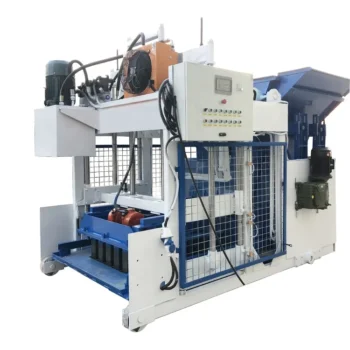
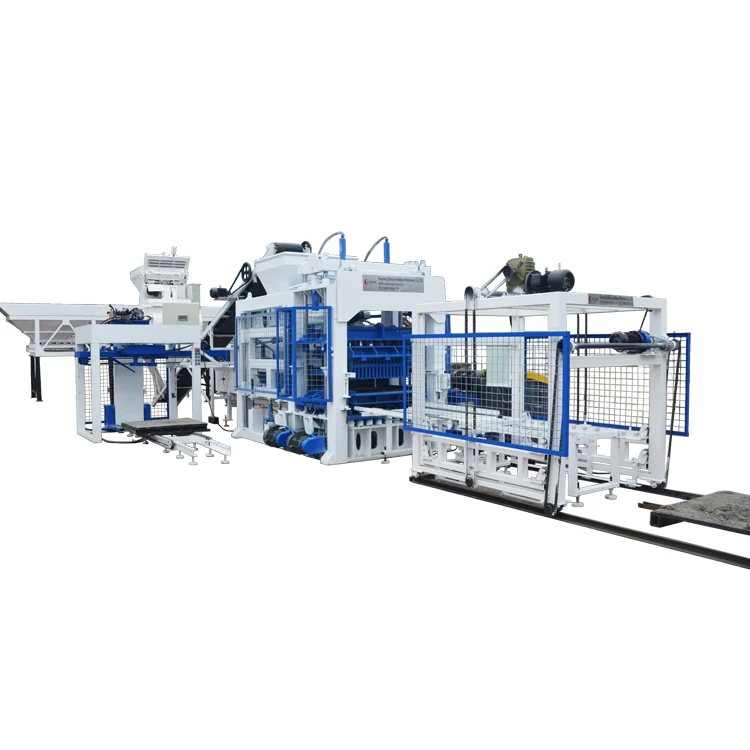
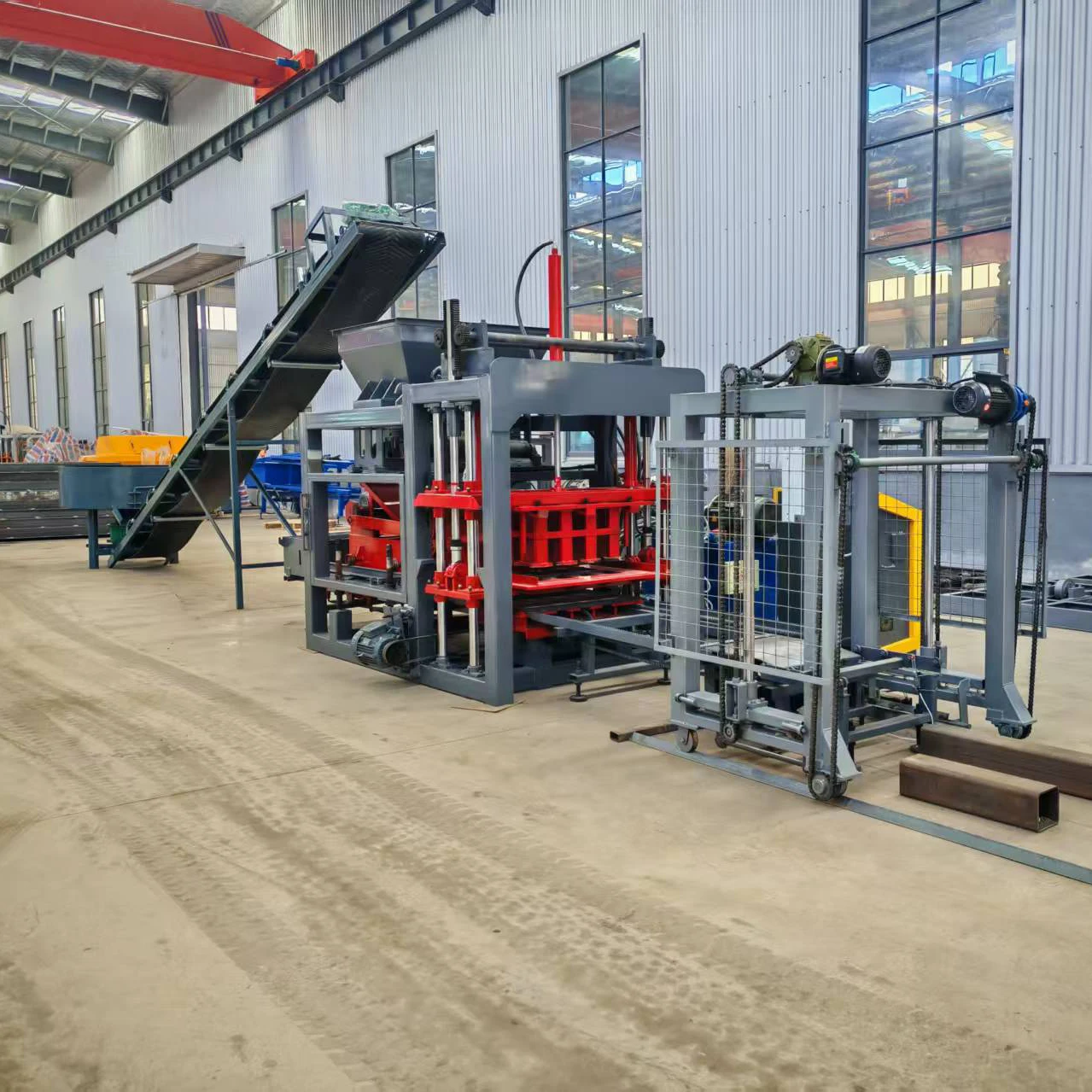
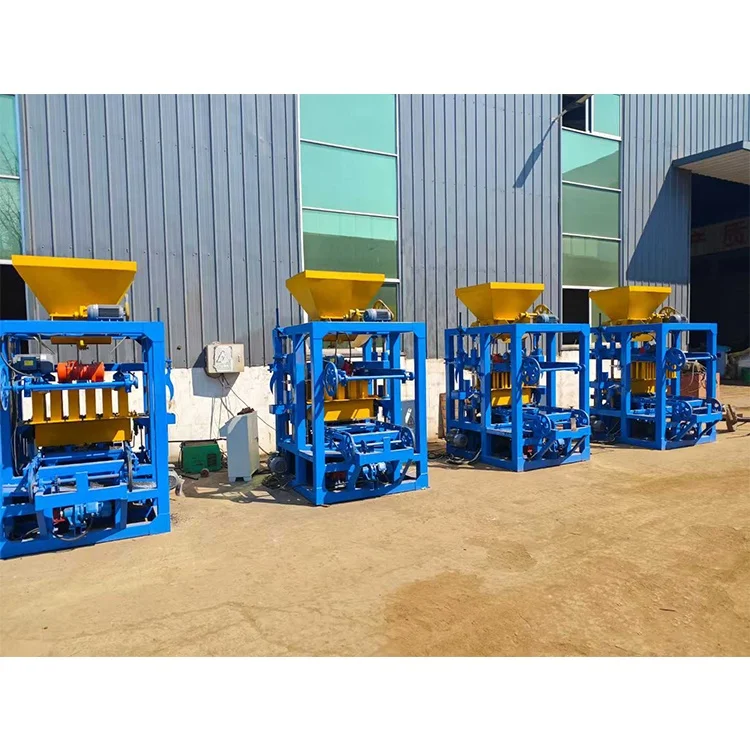
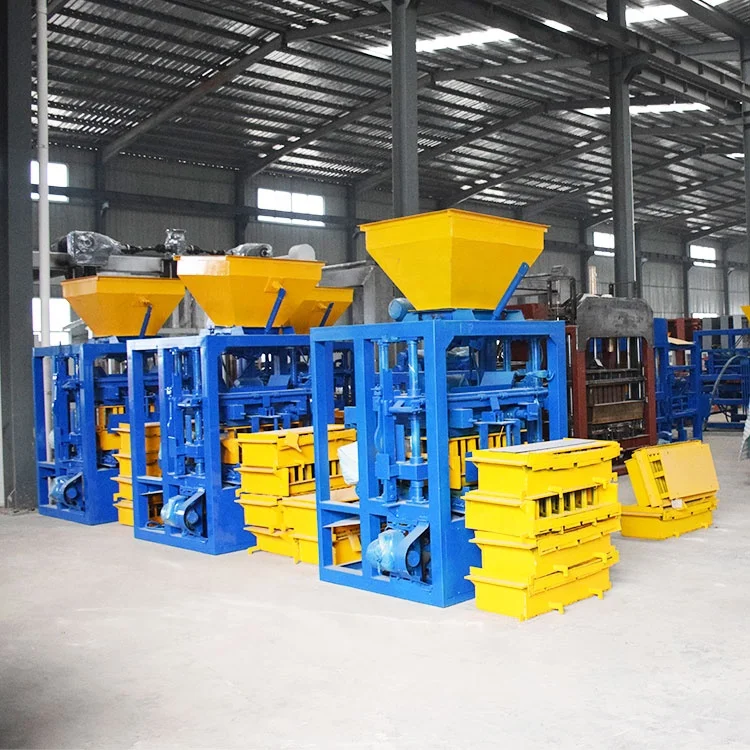
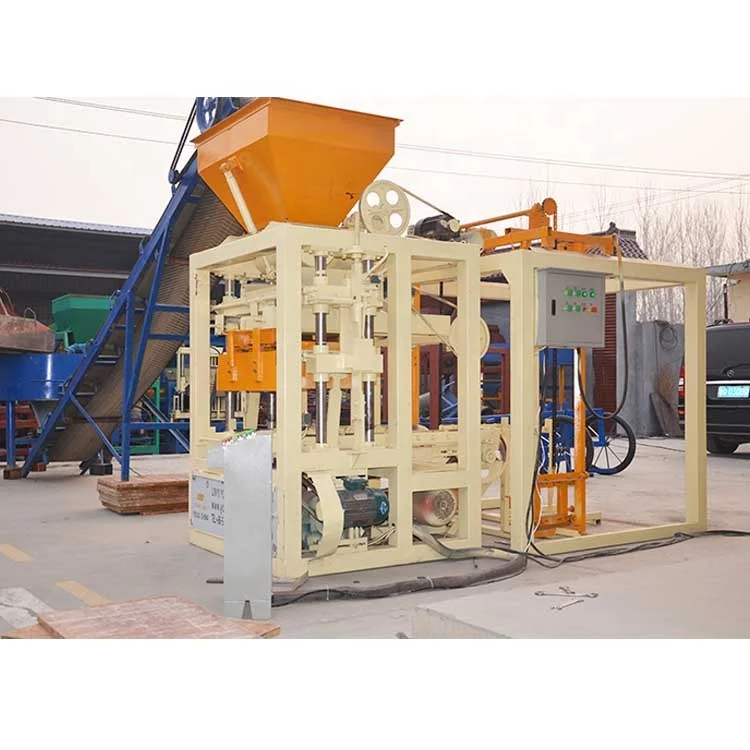
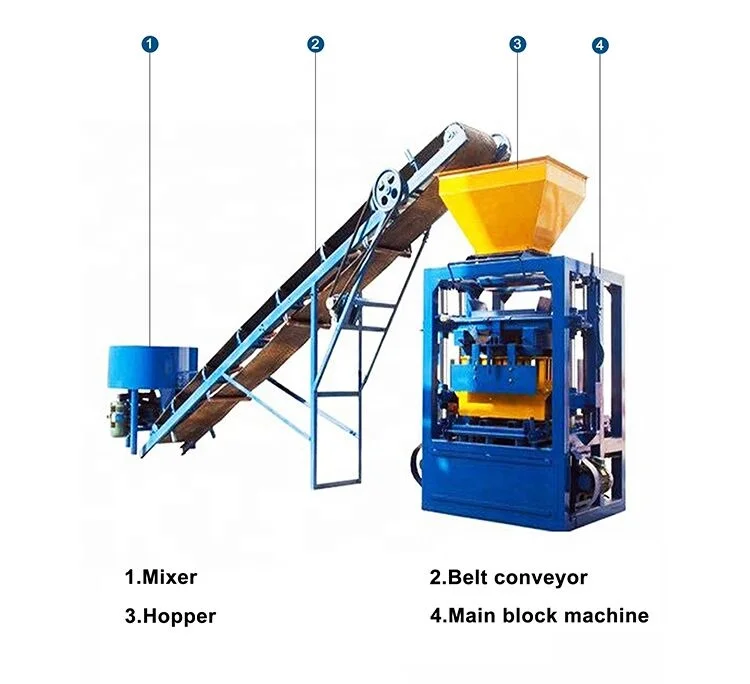
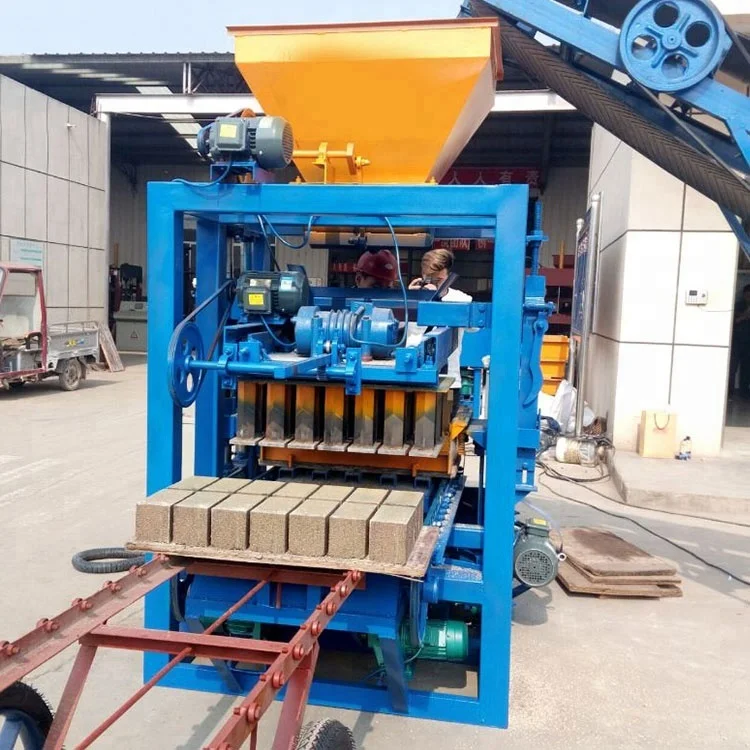
| Product Type | Semi-Automatic Concrete Block Making Machine |
| Overall Dimensions (L×W×H) | 3600mm × 1700mm × 2560mm |
| Total Mass | 3.5T |
| Main Machine Power | 11.95kW |
| Pallet Size | 900mm × 450mm |
| Molding Cycle | 24–26s |
| Vibration Type | Table vibration feeding with fluctuation vibration molding |
| Automation Level | Semi-automatic (mechanical and manual combination, manual feeding) |
| Control System | Electrical control cabinet with mechanical interworking |
| Assembly State | Stationary, requires precast concrete foundation |
| Warranty | 1 year (excluding spare parts) |
| Output Capacity | (basis to be confirmed per block format and material) |
Application Suitability
| Application | Material or Output |
|---|---|
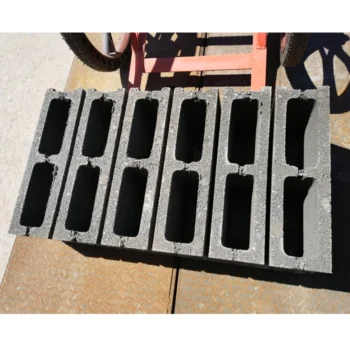
| Hollow Block Production | Cement, crushed stone, and sand for 400×200×200mm structural blocks |
| Solid Brick Manufacturing | Cement and fine aggregate for 240×115×53mm standard bricks |
| Paving Brick Production | High-density mix designs for interlocking or multicellular pavers |
| On-Site Construction | Local aggregate and cement for project-specific block formats |
What "24-Second Cycle" Leaves Out in QTJ4-24 Block Machine Specifications
A cycle time only matters when matched to the exact block format and local raw material.
When suppliers quote a molding cycle without stating which block format that figure assumes, the real daily output falls far short of expectation. A machine might complete a cycle quickly on a small solid brick but take significantly longer on a large hollow block. I have seen buyers disappointed because the quotation assumed a format they never intended to produce, and the vibration force required for their actual target block was never validated against their specific mix design [NEED_CITE: block density requirements by format].
Matching the Mould to the Local Market
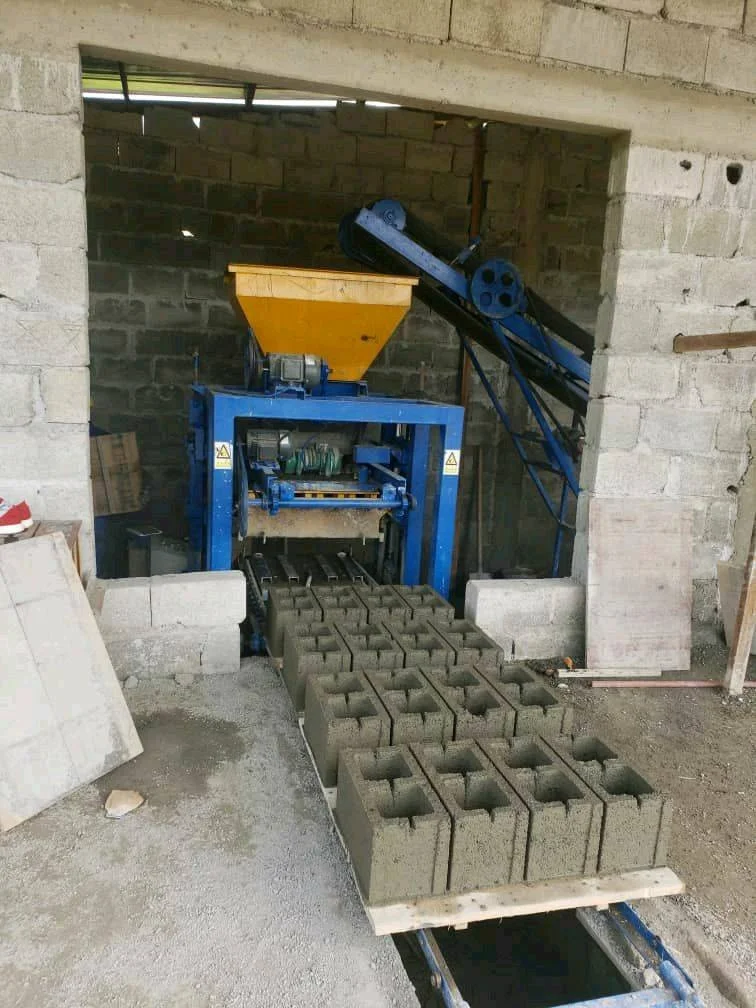
The QTJ4-24 block machine specifications list several standard formats: 400×200×200mm hollow blocks at 4 pieces per mould, 390×240×190mm at 3 pieces, 390×120×190mm at 6 pieces, and 240×115×53mm solid bricks at 21 pieces per mould. This range allows a buyer to select the exact format that sells in their local market rather than accepting whatever the catalogue offers. Each format produces a different number of units per cycle, which directly determines daily throughput.
Pallet Size and the Curing Area
A fixed pallet size of 900mm × 450mm must be verified against the buyer’s existing curing rack system and forklift capacity before the order is placed. If the curing area was designed for a different pallet dimension, the buyer faces either a costly racking modification or inefficient hand-stacking. The pallet material also affects block surface finish and longevity under repeated vibration cycles [NEED_CITE: pallet material impact on block quality].
Vibration, Pressure, and Block Density
Table vibration feeding combined with fluctuation vibration molding compacts the mix to achieve consistent block strength across formats. However, the vibration parameters must be tuned to the specific aggregate and cement ratio the buyer can source locally. A machine configured for standard river sand may underperform when fed high-clay content material, requiring a complete reset of the vibration force and cycle timing to maintain structural integrity.
The Cost of Unconfirmed Voltage and Language
When voltage, frequency, and control panel language are not confirmed before production, the machine arrives on site only to face commissioning delays. A 24–26s molding cycle means nothing if the electrical cabinet cannot connect to the local grid or the operator cannot read the interface. These oversights turn a straightforward installation into a multi-week troubleshooting exercise that delays the entire project timeline [NEED_CITE: electrical standards for industrial machinery by region].
Why Configuration Matters More Than Catalogue Price
The supplier configures the QTJ4-24 against the buyer’s actual mix design and target block format rather than shipping a standard build. Mould drawings are provided so the buyer can verify format dimensions and cavity counts before fabrication. The line layout calculation states which block format was assumed for each output figure, preventing misunderstandings after arrival. Installation support includes operator training on the specific vibration and feeding parameters validated for the buyer’s material.
Documentation & Verification
- Factory test record using your specific block format and target density
- Mould drawing and format list confirming included and optional cavity designs
- Line layout stating the exact block format assumed for cycle time calculations
- Pallet specification sheet matched to your curing rack and forklift dimensions
- Voltage, frequency, and control language confirmation document before production
Installation, Commissioning & Support
- Precast concrete foundation required to support the 3.5T machine mass and vibration forces
- Power supply must accommodate 11.95kW main machine load with dedicated circuit protection
- Electrical control cabinet configured for local voltage and frequency before dispatch
- Mechanical interworking system tested to prevent faulty operation during initial run-in
- Operator training on pallet feeding rhythm to maintain the 24–26s cycle consistency
- Wear parts list provided covering vibration table components and mould cavity liners
What Information Defines Your Configuration
To specify the QTJ4-24 block machine specifications accurately, provide the target block format you intend to sell, the daily output you need for that specific format, and a sample or analysis of the aggregate you can source locally. Include your facility’s voltage and frequency, the language required for the control interface, and the dimensions of your existing curing racks and forklift capacity so the pallet system can be matched before fabrication begins.
Frequently Asked Questions
Q: How is the daily output calculated, and which block format is assumed?
A: Output depends on the number of pieces per mould for your chosen format, the 24–26s cycle time, and your operating hours. A 400×200×200mm hollow block produces 4 pieces per cycle, while a 240×115×53mm solid brick produces 21. The calculation must state which format is assumed to be meaningful.
Q: Which mould formats are standard, and how long does a change take?
A: Standard options include 400×200×200mm hollow, 390×240×190mm, 390×120×190mm, and 240×115×53mm solid. Mould change involves mechanical adjustment on the vibration table; the exact time depends on operator familiarity and whether quick-release fixtures are specified in your configuration.
Q: Is the machine set up for my local aggregate or a default mix?
A: The vibration force and cycle parameters must be matched to your specific aggregate’s particle size, clay content, and cement ratio. Providing a material sample or analysis before production allows the machine to be configured for your actual conditions rather than a generic setting.
Q: What pallet size is required, and will it fit my curing setup?
A: The QTJ4-24 uses a 900mm × 450mm pallet. This dimension must be verified against your curing rack spacing and forklift tine width before ordering to avoid costly modifications or inefficient manual handling after delivery.