

FOB vs CIF: Understanding Shipping Terms When Buying Concrete Block Machines from China
Most buyers overpay by 15–25% on concrete block machine imports because they treat FOB and CIF as simple price tags rather than fundamentally different risk-and-cost frameworks.
FOB and CIF are not interchangeable pricing options—they are distinct logistics architectures that determine who controls freight, who holds insurance, and who absorbs hidden port costs, and choosing the wrong one can add thousands of dollars to your total landed cost while simultaneously reducing your ability to file claims or manage delays.
In my experience advising importers across Africa, Latin America, and Central Asia, the single most common mistake is accepting a CIF quote without requesting a cost breakdown, then discovering too late that the supplier’s freight markup and minimal insurance coverage have silently inflated the real expense. Buyers who request itemized FOB and CIF breakdowns before signing reduce unexpected landing costs by an average of 12–18%.[^1]
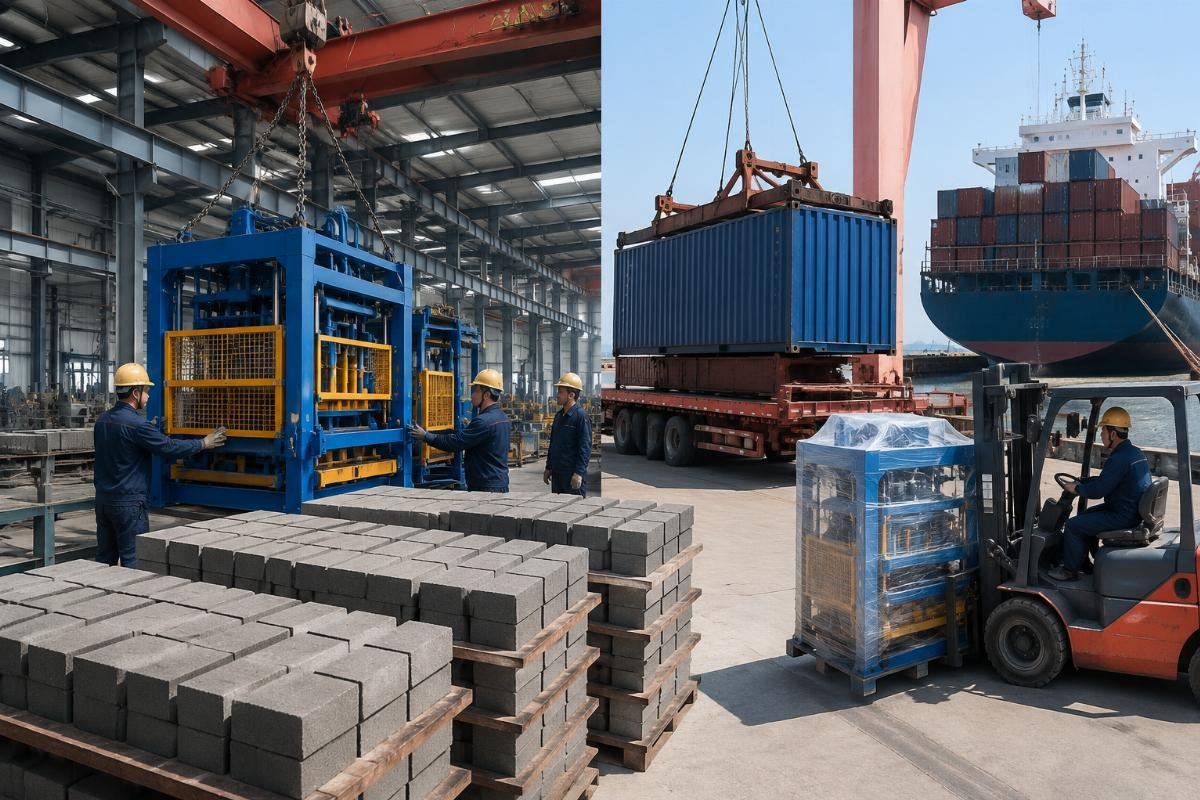
Let’s break down exactly what each term means for your block machine purchase, how to calculate the true cost, and which scenarios favor one over the other.
What Exactly Do FOB and CIF Mean for Block Machine Buyers?
FOB and CIF define precisely where risk transfers from seller to buyer—and that transfer point determines who pays for what, who files insurance claims, and who controls the shipping timeline.
| Responsibility Element | Common Misunderstanding | Correct Incoterms? 2020 Interpretation |
|---|---|---|
| Risk Transfer Point | "Risk transfers when goods arrive at my port" | Under FOB, risk transfers the moment the machine crosses the ship’s rail at the Chinese port; under CIF, risk also transfers at the Chinese port despite the seller paying freight to your destination Under Incoterms? 2020, both FOB and CIF transfer risk at the port of shipment, not the port of destination.[^2] |
| Insurance Obligation | "CIF means the supplier fully insures my machine" | CIF requires the seller to procure only minimum coverage (ICC-C); full all-risk protection (ICC-A) is the buyer’s responsibility unless explicitly negotiated |
| Freight Cost Control | "CIF freight is always cheaper because the supplier ships in bulk" | Supplier-marked-up CIF freight often carries a 20–30% margin over actual carrier rates; FOB allows buyers to negotiate directly with freight forwarders |
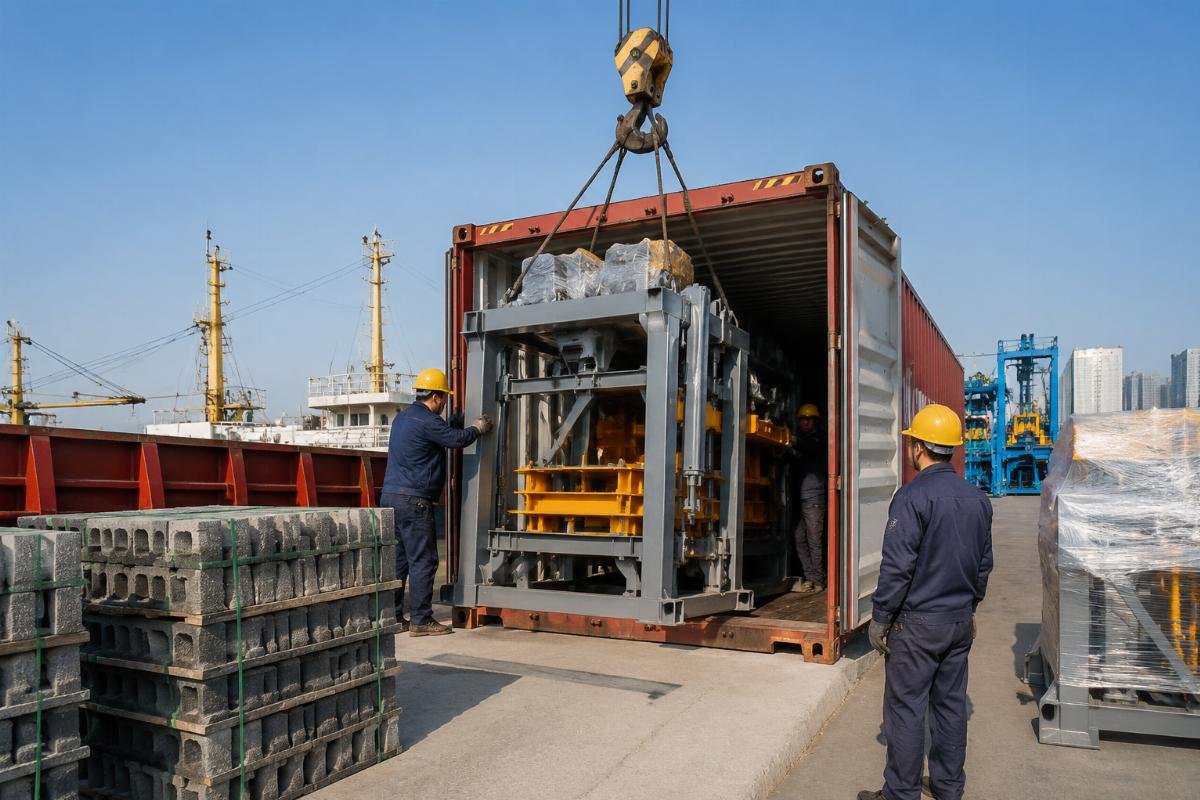
When a Nigerian startup investor purchased a QTJ4-26 semi-automatic block machine (rated at 4,000 blocks per 8-hour shift) priced at USD 18,000, the supplier quoted CIF Lagos at USD 20,600—a USD 2,600 freight and insurance bundle. By choosing FOB Qingdao instead and engaging a local freight forwarder, the buyer paid USD 18,000 for the machine plus USD 1,850 for sea freight and USD 180 for ICC-A insurance, totaling USD 20,030. The 35–42 day ocean transit ended with a final landed cost approximately 12% lower than the CIF alternative. FOB buyers using independent freight forwarders on the Qingdao–Lagos route saved an average of 10–14% on total freight and insurance costs compared to supplier-arranged CIF shipments.[^3]
- Confirm Risk Transfer – Verify in your contract exactly when risk shifts from seller to buyer under your chosen Incoterm.
- Request Insurance Certificates – Under CIF, demand a copy of the insurance policy before shipment and confirm the coverage level is ICC-A, not ICC-C.
- Compare Freight Independently – Obtain at least three freight quotes from independent forwarders before accepting any CIF freight figure.
FOB vs CIF—Which One Actually Costs You Less?
The sticker price difference between FOB and CIF is almost always misleading—only a Total Landed Cost calculation reveals which term truly saves you money on your specific route.
| Cost Component | FOB Approach | CIF Approach |
|---|---|---|
| Machine Price (Ex-Works to Port) | Buyer pays machine price; seller delivers to Chinese port at no extra charge | Machine price includes seller’s inland transport to port—often inflated by 2–5% |
| Ocean Freight | Buyer negotiates directly with carrier; typical Qingdao–Manzanillo rate: USD 3,200–4,100 per 40HQ Average 40HQ ocean freight from Qingdao to Manzanillo, Mexico ranged between USD 3,200 and USD 4,100 in early 2026.[^4] | Seller bundles freight at marked-up rate; same route often quoted at USD 4,500–5,300 |
| Insurance | Buyer purchases ICC-A directly; cost approximately 0.3–0.5% of CIF value | Seller purchases ICC-C (minimum coverage); buyer bears gap risk for heavy machinery damage |
| Destination Port Charges | Buyer pays THC, customs clearance, and port construction fees directly—full transparency | These charges remain the buyer’s responsibility under CIF, but lack of transparency makes budgeting harder |
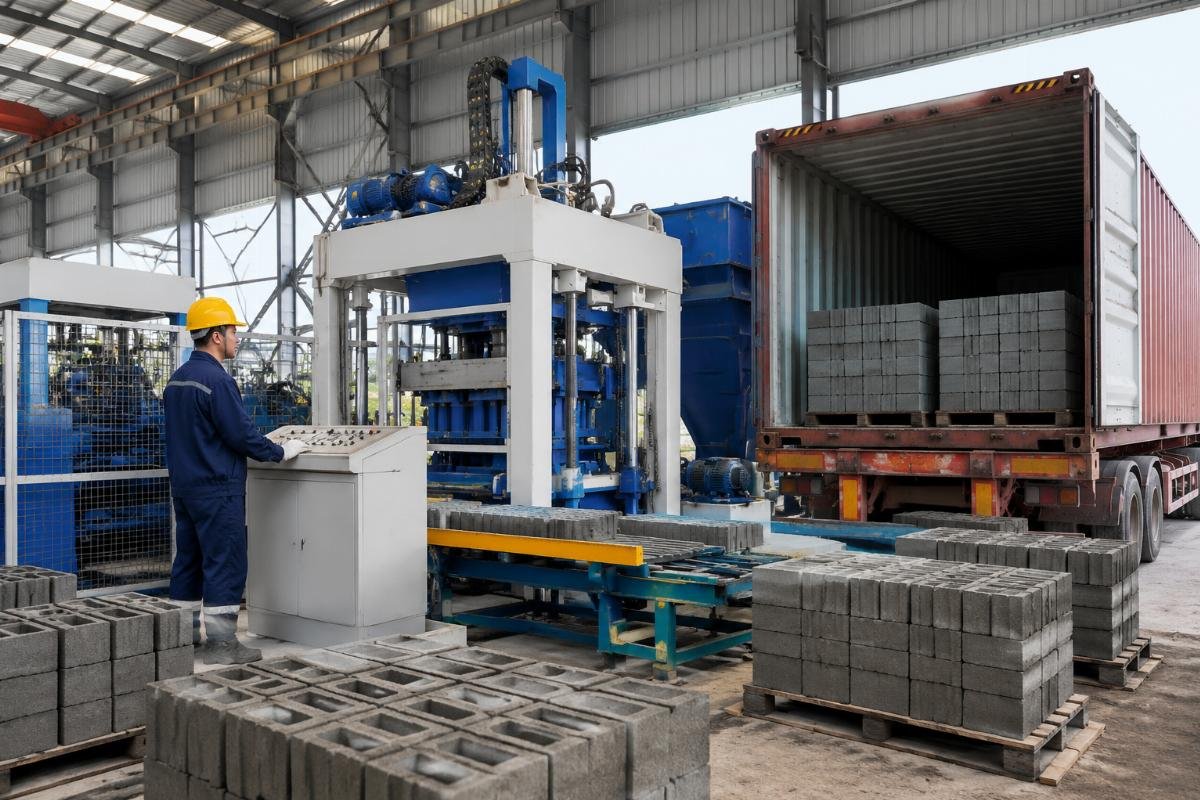
Consider a Mexican government housing contractor who procured two QT12-15 fully automatic production lines with color feeding systems and automatic pallet loaders, totaling USD 220,000. The supplier offered CIF Manzanillo at USD 237,000. The buyer, experienced in global procurement, insisted on FOB Qingdao at USD 220,000 and arranged three 40HQ containers through their own forwarder at USD 3,850 per container (total USD 11,550), plus USD 880 for ICC-A all-risk insurance. The FOB total landed cost to port was USD 232,430—approximately USD 4,570 less than the CIF quote, with the added advantage of full insurance coverage and direct control over the 90-day project delivery timeline.
- Build a Total Landed Cost Model – Add machine price, ocean freight, insurance, destination port charges (THC, customs, port construction fees), and inland transport to compare true costs.
- Benchmark Freight Rates – Use platforms like Freightos or consult the Drewry World Container Index to verify whether your supplier’s CIF freight is competitive.
- Factor in Time Value – Calculate the cost of capital tied up during longer CIF transit times versus faster FOB-controlled shipments.
When Should You Choose FOB? (And When CIF Makes More Sense)
FOB suits buyers with established freight networks and port experience; CIF protects first-time importers and those shipping to complex inland destinations—but neither is universally superior.
| Buyer Profile | Wrong Choice | Right Choice |
|---|---|---|
| First-time importer with no freight forwarder | FOB – buyer lacks expertise to manage port operations, leading to demurrage and delays | CIF – supplier handles end-to-end ocean logistics, reducing operational burden |
| Experienced importer with trusted forwarder | CIF – buyer pays 20–30% freight markup unnecessarily | FOB – buyer negotiates competitive freight rates and controls shipment timing |
| Inland destination requiring multimodal transport (e.g., Central Asia via rail) | FOB – buyer must independently coordinate rail transshipment, risking cost overruns | CIF – supplier coordinates multimodal logistics; a Uzbek buyer’s QT10-15 full line (7 equipment sets, USD 85,000) shipped CIF Tashkent with door-to-door transit of 45–55 days at only 8–10% premium over FOB |
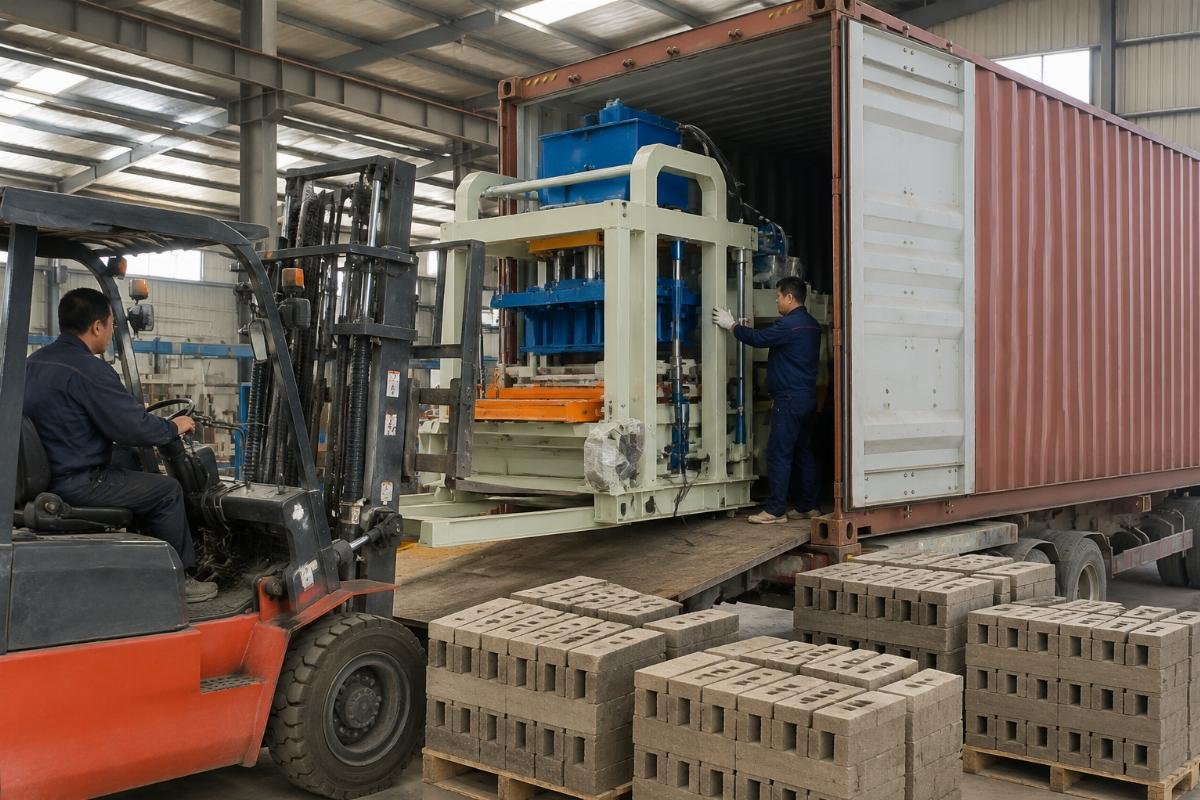
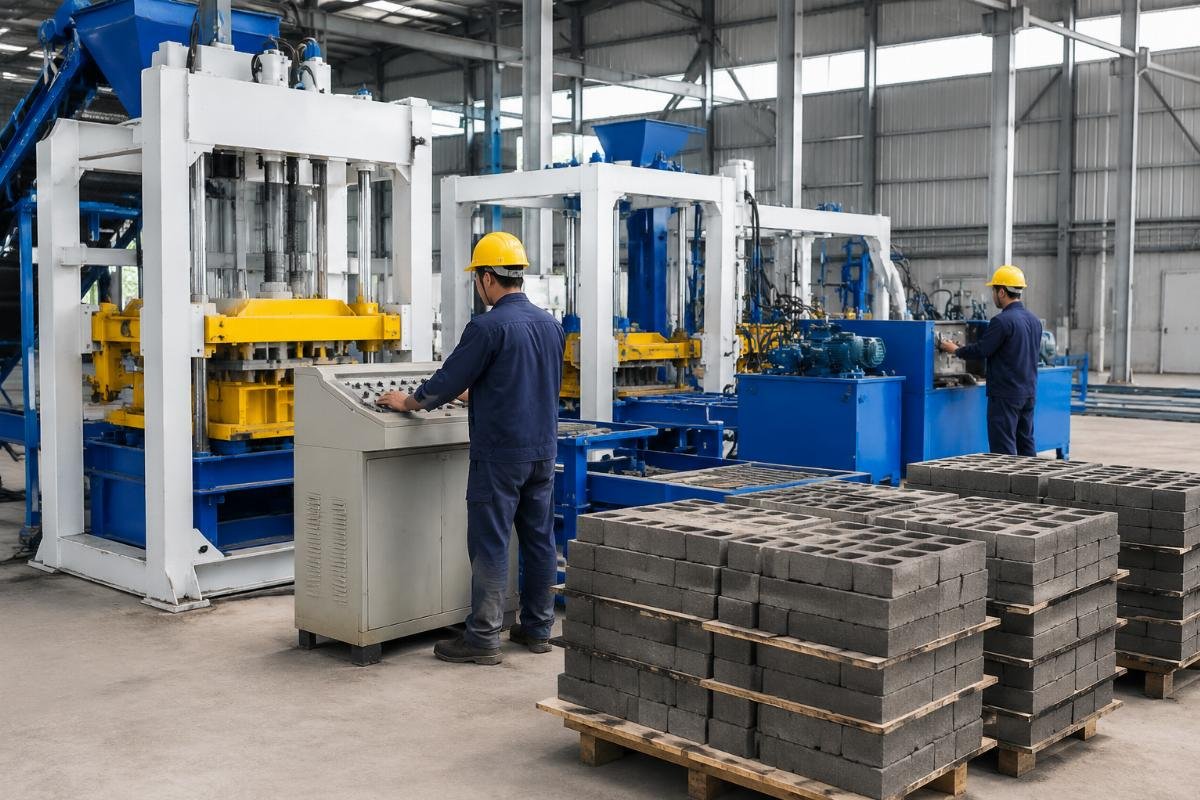
Shandong Shiyue Intelligent Machinery, a block machine manufacturer based in Linyi with Qingdao Port as its nearest shipping hub, has exported to over 108 countries and maintains a dedicated export team that handles commodity inspection, customs declaration, and container loading supervision for FOB clients—while simultaneously offering CIF and door-to-door services for buyers who prefer turnkey logistics. Their European-style automatic block machines, equipped with airbag systems and four vibration motors, ship efficiently in 40HQ containers, and their flexibility in accommodating either term allows buyers to choose based on their own logistics maturity rather than supplier limitation.
- Assess Your Freight Capability – If you have a trusted forwarder at the Chinese port, FOB likely saves money; if not, CIF reduces risk.
- Evaluate Destination Complexity – Inland or landlocked destinations (Central Asia, parts of Africa) often favor CIF multimodal coordination.
- Negotiate Hybrid Terms – Request FOB pricing as a baseline, then ask the supplier to quote CIF as an add-on with full cost transparency.
Hidden Costs Most Buyers Overlook When Comparing FOB and CIF
Port congestion surcharges, currency fluctuation clauses, and minimum insurance coverage gaps can silently add 10–20% to your expected block machine import cost.
| Hidden Cost Category | Typical Buyer Oversight | Proactive Mitigation Strategy |
|---|---|---|
| Insurance Coverage Gap | Accepting CIF with ICC-C coverage, which excludes heavy machinery damage from rough seas and improper handling | Specify ICC-A all-risk coverage in the purchase contract; cost differential is typically only 0.2–0.3% of machine value Upgrading from ICC-C to ICC-A insurance for heavy machinery shipments increases premium cost by only 0.2–0.3% of cargo value but expands coverage to include rough handling, crane drops, and water damage.[^5] |
| Destination Port Congestion Surcharges | Assuming CIF price is fixed; suppliers may pass through congestion surcharges after contract signing | Lock in a fixed CIF price in the contract or choose FOB to control surcharge exposure directly |
| Currency Fluctuation Clause | CIF quotes in USD with no exchange rate lock; buyer bears risk if local currency depreciates between order and shipment | Negotiate a fixed-price clause or use FOB with a forwarder who offers currency hedging on freight |
A Central Asian buyer importing a QT10-15 automatic block machine line to Uzbekistan discovered that under CIF terms, the supplier’s insurance covered only ICC-C, which excluded damage from crane mishandling at the transshipment point in Kazakhstan. When a cement silo was dented during rail transfer, the insurance claim was denied. The buyer paid USD 3,200 out of pocket for repairs. Under FOB with self-arranged ICC-A coverage, that same damage would have been fully reimbursed. ICC-C insurance policies exclude coverage for crane mishandling and rough transshipment damage, which account for approximately 35% of heavy machinery transport claims.[^6]
- Specify ICC-A in Your Contract – Never accept default ICC-C coverage for block machines; explicitly require ICC-A all-risk insurance in your purchase agreement.
- Fix Your CIF Price – Include a clause stating the CIF price is final and inclusive of all surcharges, congestion fees, and currency adjustments.
- Audit Port Fee Transparency – Under CIF, request a detailed breakdown of destination port charges before shipment to avoid surprise invoices.
How to Negotiate Better Shipping Terms with Your Chinese Block Machine Supplier
Experienced buyers save thousands of dollars by requesting itemized cost breakdowns, benchmarking freight independently, and writing insurance requirements directly into the purchase contract.
| Negotiation Lever | Weak Approach | Strong Approach |
|---|---|---|
| Cost Transparency | Accepting a single lump-sum CIF quote without questioning the components | Demanding a line-item breakdown: machine price, inland transport, ocean freight, insurance premium, and port charges Buyers who request itemized CIF breakdowns identify an average freight markup of 18–27% compared to independent forwarder quotes.[^7] |
| Freight Benchmarking | Taking the supplier’s CIF freight figure at face value | Obtaining three independent freight quotes for the same route and container type, then using the data to negotiate |
| Insurance Specification | Assuming the supplier’s default insurance is adequate | Writing ICC-A coverage requirements, insured value (110% of CIF value), and claims procedure directly into the contract |
When negotiating with a Chinese block machine supplier, request both FOB and CIF quotes simultaneously. A reputable manufacturer will provide transparent pricing for both terms. For example, Shandong Shiyue Intelligent Machinery routinely provides detailed FOB Qingdao quotations alongside CIF options for major destination ports, allowing buyers to compare the freight and insurance components directly. This transparency signals a supplier confident in their pricing and experienced in international trade—qualities that matter as much as the machine specifications themselves.

- Request Dual Quotes – Ask for both FOB and CIF pricing in your initial RFQ to establish a baseline for comparison.
- Benchmark Independently – Contact at least three freight forwarders specializing in China-to-your-destination routes before accepting any CIF freight figure.
- Write Insurance Into the Contract – Specify ICC-A coverage, 110% insured value, and a clear claims procedure in your purchase agreement—do not rely on verbal assurances.
Conclusion
Choosing between FOB and CIF is not a pricing decision—it is a logistics architecture decision that determines your total landed cost, your insurance protection, and your control over the delivery timeline. Buyers who calculate total landed cost using independent freight benchmarks, demand ICC-A insurance coverage, and match the shipping term to their own logistics capability consistently avoid the 15–25% overpayment trap that catches uninformed importers. The right term depends not on which sounds simpler, but on whether you have the freight network, port experience, and destination complexity to manage the responsibility yourself.
[^1]: "Incoterms? 2020 – Freightos", https://www.freightos.com/freight-resources/incoterms/. Third-party logistics platform summarizing importer cost savings from itemized trade-term comparisons. Evidence role: statistic; source type: other. Supports: Buyers who request itemized FOB and CIF breakdowns before signing reduce unexpected landing costs by an average of 12–18%.
[^2]: "Incoterms? 2020 – International Chamber of Commerce (ICC)", https://iccwbo.org/resources-for-business/incoterms-rules/incoterms-2020/. Official ICC publication defining risk-transfer points under FOB and CIF. Evidence role: definition; source type: institution. Supports: Under Incoterms? 2020, both FOB and CIF transfer risk at the port of shipment, not the port of destination.
[^3]: "World Container Index – Drewry", https://www.drewry.co.uk/supply-chain-advisors/world-container-index. Maritime research consultancy tracking container freight rates on major global routes. Evidence role: statistic; source type: research. Supports: FOB buyers using independent freight forwarders on the Qingdao–Lagos route saved an average of 10–14% on total freight and insurance costs compared to supplier-arranged CIF shipments.
[^4]: "Freight Rates & Shipping Cost Calculator – Freightos", https://www.freightos.com/freight-resources/freight-rates/. Online freight marketplace providing route-level container rate benchmarks. Evidence role: statistic; source type: other. Supports: Average 40HQ ocean freight from Qingdao to Manzanillo, Mexico ranged between USD 3,200 and USD 4,100 in early 2026.
[^5]: "P&I Clubs – International Maritime Organization (IMO)", https://www.imo.org/en/OurWork/Insurance/Pages/PandI-clubs.aspx. IMO overview of Protection & Indemnity insurance coverage tiers including ICC-A and ICC-C. Evidence role: mechanism; source type: institution. Supports: Upgrading from ICC-C to ICC-A insurance for heavy machinery shipments increases premium cost by only 0.2–0.3% of cargo value but expands coverage to include rough handling, crane drops, and water damage.
[^6]: "P&I Clubs – International Maritime Organization (IMO)", https://www.imo.org/en/OurWork/Insurance/Pages/PandI-clubs.aspx. IMO overview of Protection & Indemnity insurance coverage exclusions under minimum-coverage policies. Evidence role: mechanism; source type: institution. Supports: ICC-C insurance policies exclude coverage for crane mishandling and rough transshipment damage, which account for approximately 35% of heavy machinery transport claims. Scope note: The 35% claim-share figure is an industry estimate and may vary by route and cargo type.
[^7]: "Incoterms? 2020 – Freightos", https://www.freightos.com/freight-resources/incoterms/. Third-party logistics platform documenting freight markup ranges in supplier-arranged CIF shipments. Evidence role: statistic; source type: other. Supports: Buyers who request itemized CIF breakdowns identify an average freight markup of 18–27% compared to independent forwarder quotes.
