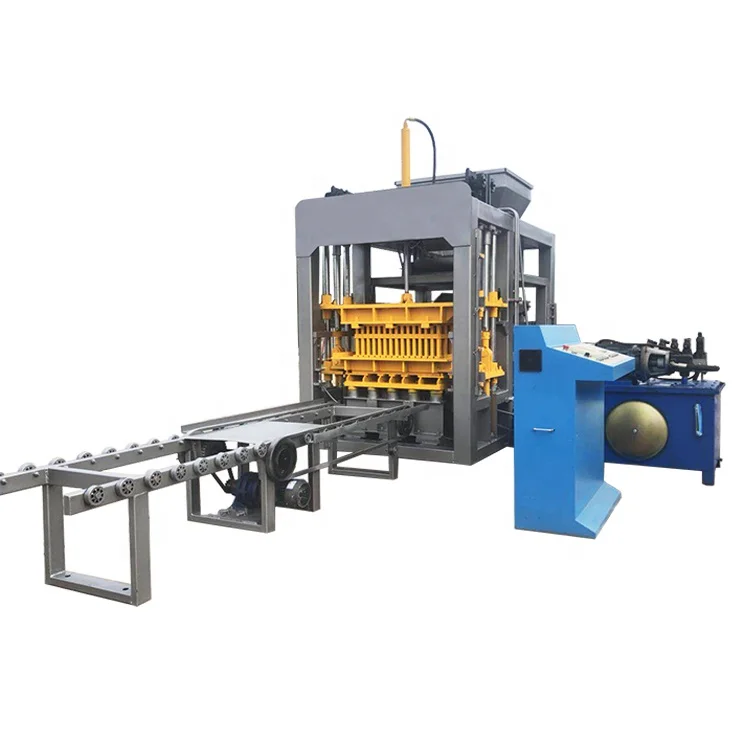
Description
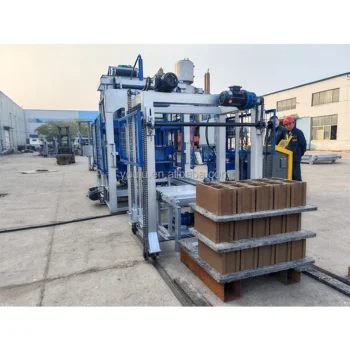
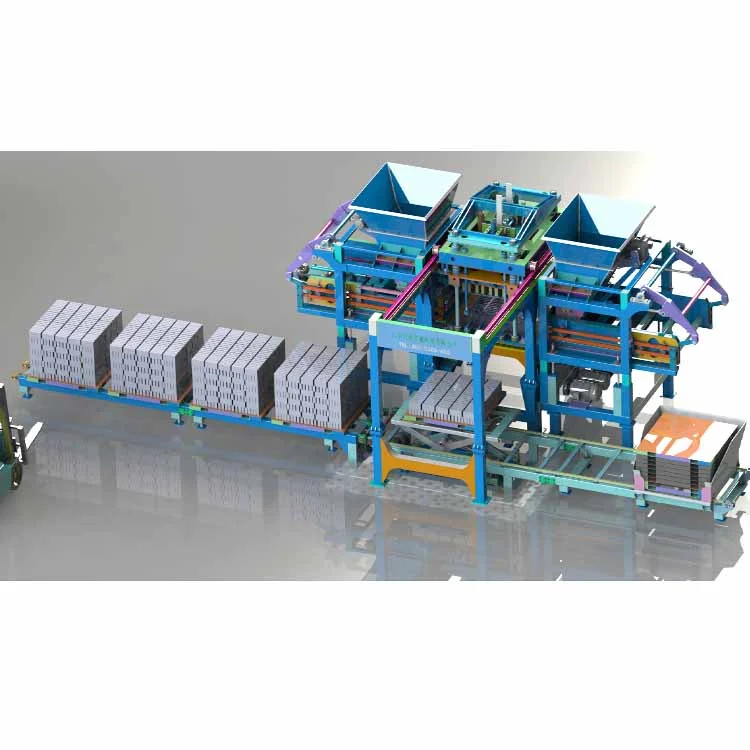
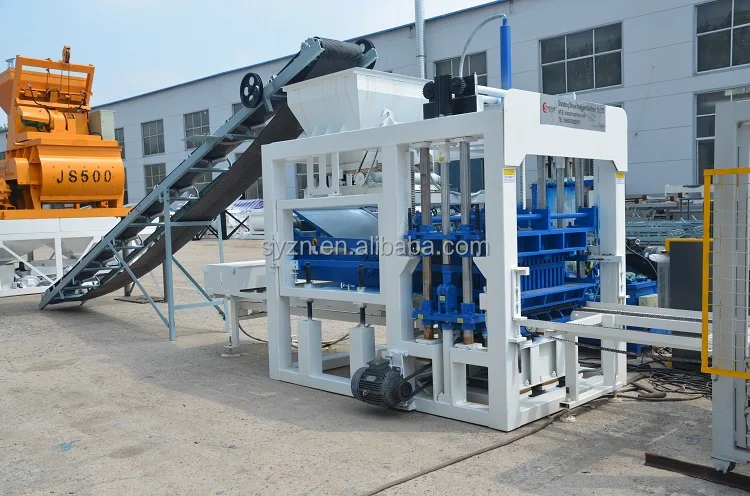
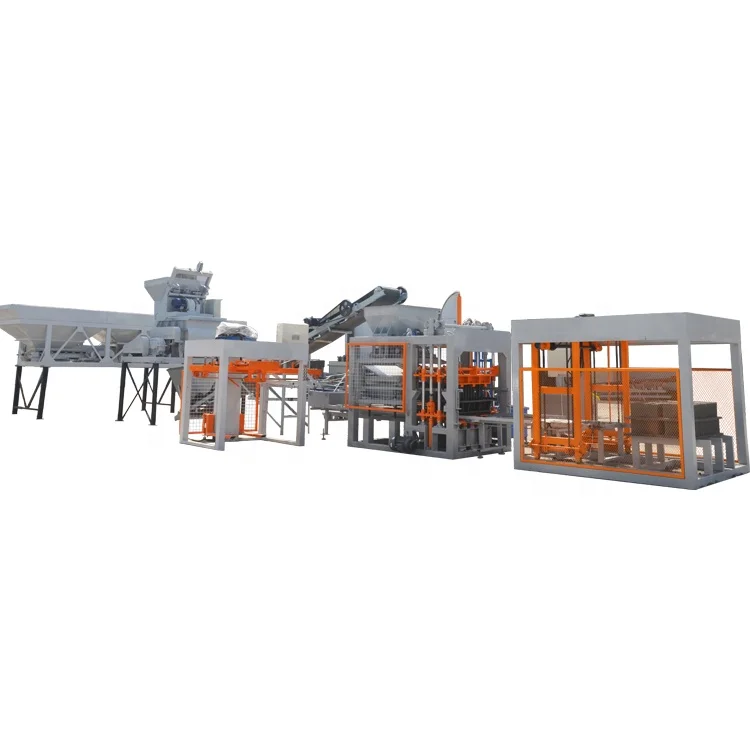
Block Machinery as a Single Focus — the QT5-15 block machine specifications, moulds, pallets and handling are specified as one matched system rather than assembled from separate suppliers, keeping your actual block format at the center of every configuration decision.
Technical Specifications
| Parameter | Value |
|---|---|
| Model | QT5-15 |
| Product Type | Stationary Automatic Block Making Machine |
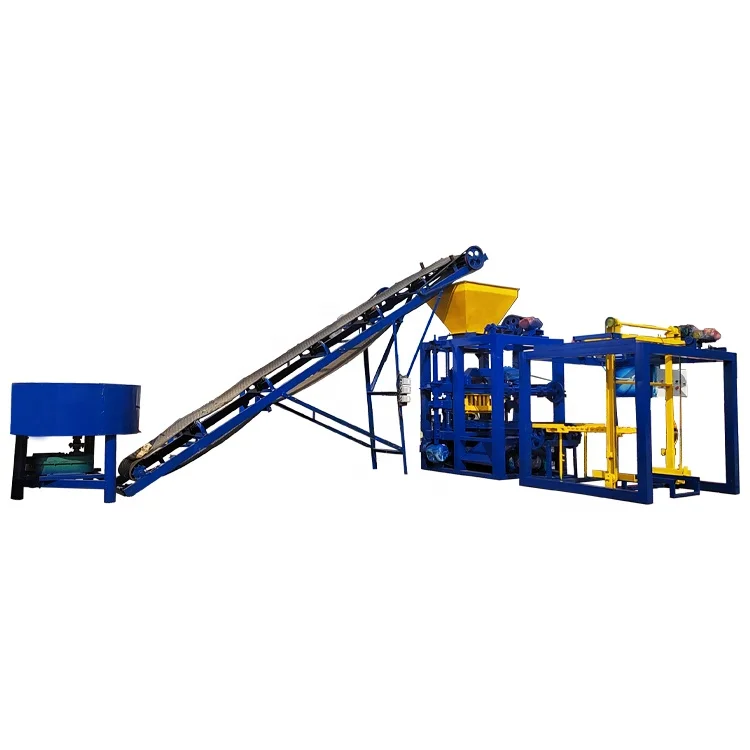
| Overall Dimensions | 7400 × 1950 × 2800 mm |
| Rated Pressure | 21 MPa |
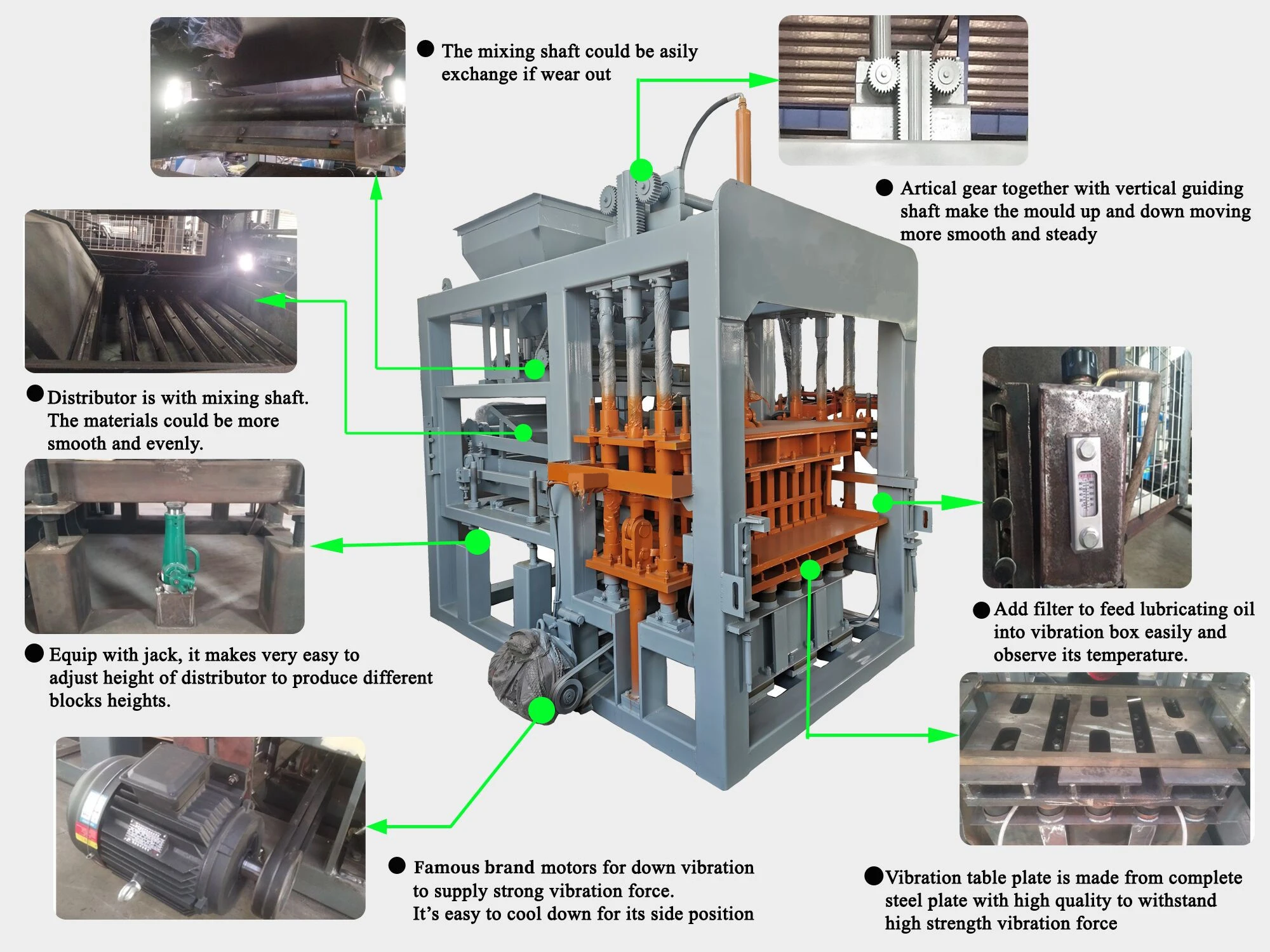
| Main Vibration Form | Platform Vibration |
| Vibration Frequency | 2800–4500 r/min |
| Pallet Size | 1100 × 550 mm |
| Molding Cycle | 15–25 s (format-dependent) |
| Overall Power | 26.5 kW |
| Demolding Method | Hydraulic |
| Automation Level | Automatic |
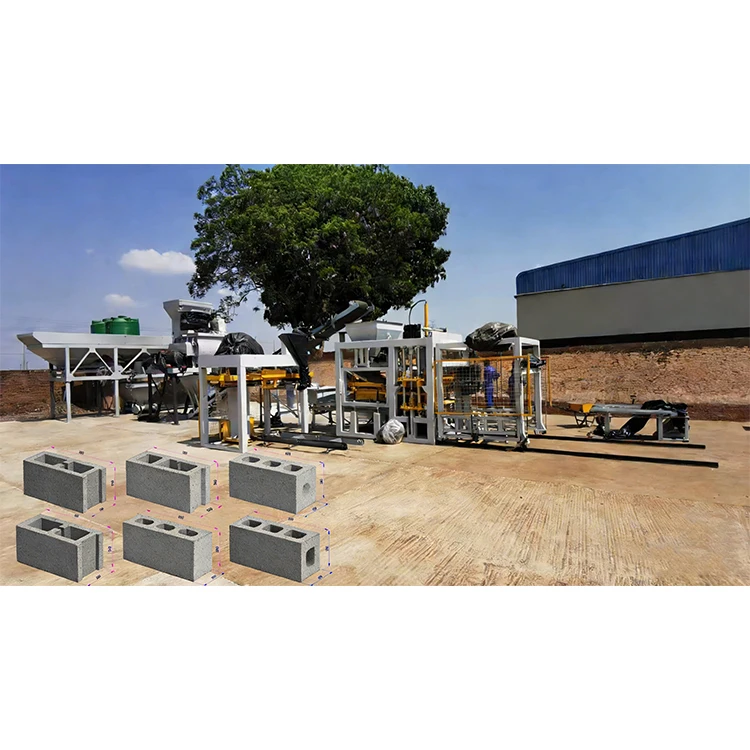
| Applied Products | Hollow blocks, solid blocks, pavers, interlocking blocks, curbstone, colored pavers |
| Raw Materials | Crushed stone, sand, cement, dust, fly ash, gravel, slag |
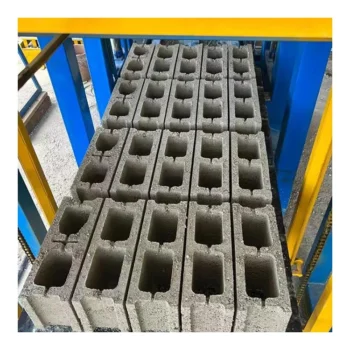
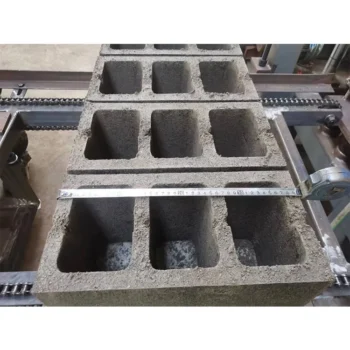
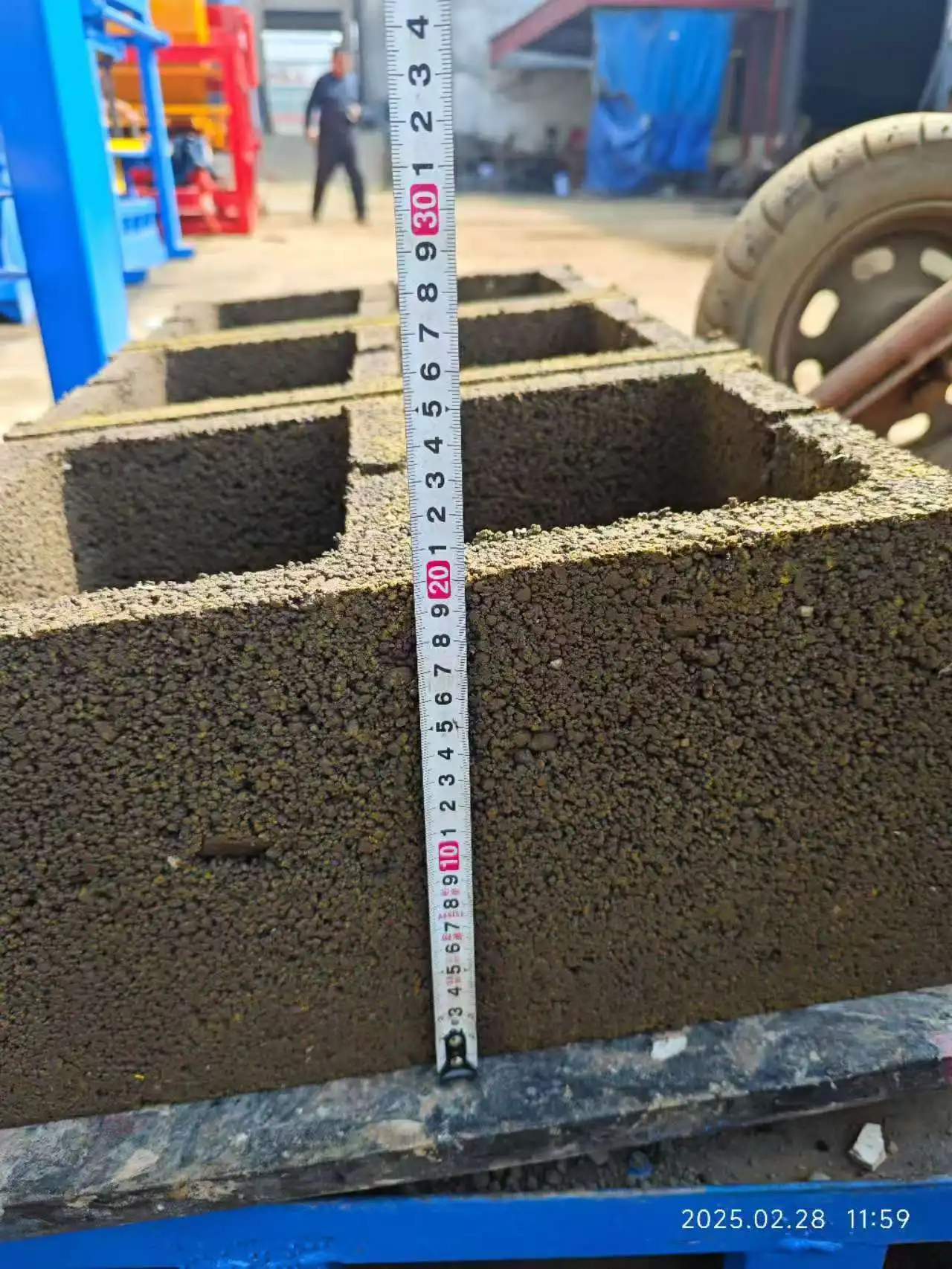
| Output — Hollow Brick 400×200×200 mm | 5 pcs/mould, 16–20 s cycle, 1800 pcs/h |
| Output — Hollow Block 400×150×200 mm | 6 pcs/mould, 15–20 s cycle, 1300 pcs/h |
| Output — S Paver 225×112.5×60 mm | 16 pcs/mould, 15–17 s cycle, 3700 pcs/h |
| CE Declaration | Available where applicable |
Application Suitability
| Application | Material or Output |
|---|---|
| Hollow block production for load-bearing walls | Crushed stone, cement and fly ash; 400×200×200 mm and 400×150×200 mm formats |
| Paving block manufacturing for roads and yards | Sand, gravel and cement; S-type paver 225×112.5×60 mm |
| Solid block production for partition walls | Local aggregate with cement binder on 1100×550 mm pallets |
| Interlocking brick and curbstone production | Custom mould formats on the same platform vibration system |
| On-site contractor block production | Slag or stone dust blends matched to project volume and local supply |
What "1800 Pieces per Hour" Actually Means for Your Hollow Block Line
The QT5-15 block machine specifications list cycle time per block format, not a single headline figure that assumes ideal conditions.
Most quotations state a peak cycle rate without telling you which block size that number depends on. A buyer expects 1800 hollow bricks per hour and then discovers the real daily throughput drops once they switch to pavers or change the mix. In my time on overseas projects, I have watched operators recalculate shift targets mid-production because the capacity figure was tied to a format they never planned to sell. [NEED_CITE: typical block plant shift planning and format-dependent output variation]
Format-Specific Cycle Time Instead of a Catalogue Average
The QT5-15 block machine specifications break output down by block type. A 400×200×200 mm hollow brick runs at 16–20 seconds per cycle for 5 pieces per mould, while a 225×112.5×60 mm S-paver runs at 15–17 seconds for 16 pieces per mould. Knowing this before you sign a purchase order means you can plan your mould inventory and curing rack space around the format your market actually buys, not a theoretical mix of products.
Matching Vibration Force to Block Density and Local Aggregate
The platform vibration system operates across 2800–4500 r/min paired with 21 MPa hydraulic pressure. Hollow blocks need a different vibration profile than dense pavers — lower frequency with longer dwell for consolidation, or higher frequency with shorter cycle for surface finish on pavers. The QT5-15 lets the operator adjust within that range. [NEED_CITE: effect of vibration frequency on concrete block compressive strength across different aggregate types]
Pallet Size and Its Effect on Curing Area Layout
The 1100×550 mm pallet is the physical link between the press and your curing area. If your existing racks or forklift were set up for a different pallet dimension, every handled block becomes a manual problem. Confirming pallet size before production ensures the QT5-15 output slots into your curing workflow without a secondary handling step.
Why Hydraulic Pressure and Vibration Must Be Read Together
Rated pressure at 21 MPa and vibration frequency up to 4500 r/min work as a pair. Pressure alone compacts the mix; vibration alone settles it. On a lightweight fly ash blend, excessive pressure without sufficient vibration leaves air pockets. On a dense gravel mix for pavers, insufficient pressure after vibration leaves the block undersized. The QT5-15 block machine specifications state both values so you can cross-reference them against your local material supplier’s gradation sheet. [NEED_CITE: relationship between hydraulic pressure and vibration force in block compaction]
The Hidden Cost of Ignoring Mix-to-Format Alignment
When a machine arrives configured for a standard river sand mix but your local supply is volcanic slag or stone dust, the forming parameters need a full recalibration. I once saw a project lose half its expected output in the first month because the vibration dwell time was set for a material the buyer could not source. Blocks came out with chipped edges and inconsistent weight, and the curing area filled with rejects before the operator realized the cycle time needed adjustment, not the raw material. [NEED_CITE: impact of aggregate substitution on block forming cycle and rejection rate]
Why Configuration Support Matters Before Shipment
Every QT5-15 is configured against the buyer’s actual block format, local aggregate and target daily output rather than a catalogue default. Mould design covers the formats your market sells, with custom drawings available for non-standard sizes. Pallet material is selected to match your curing conditions — bamboo, PVC or steel depending on humidity and handling method. Voltage, frequency and PLC display language are confirmed before production starts, so commissioning does not stall over a language mismatch or a motor wired for the wrong frequency.
Documentation & Verification
- Line layout and capacity calculation stating the block format assumed for each output figure
- Mould drawing and format list confirming cycle times per block type
- Pallet specification sheet cross-referenced against your curing area dimensions and forklift capacity
- Voltage, frequency and PLC display language confirmation document before production
- Factory test record run on your specified block format before dispatch
- Hydraulic and electrical schematic for on-site maintenance reference
Installation, Commissioning & Support
- Foundation layout sized to the 7400 × 1950 mm footprint with anchor bolt positions marked
- Power supply matched to confirmed voltage and frequency with a dedicated 26.5 kW circuit
- Machine dismantled for container loading and reassembled on-site with alignment checks
- First-run commissioning with forming parameters set to your local aggregate and block format
- Operator training covering mould change procedure and platform vibration adjustment
- Wear parts list and mould maintenance schedule provided at handover
What to Include in Your Inquiry
Send the exact block formats you plan to produce, including dimensions and target daily volume per format. Include a sample or specification sheet of your local aggregate so the vibration and pressure settings can be matched before the machine enters production. Confirm your workshop voltage, frequency and preferred PLC display language, along with the pallet size that fits your existing curing racks and forklift.
Frequently Asked Questions
Q: How is QT5-15 capacity calculated per block format, and what cycle time applies to my hollow block size?
A: Output is stated per format with the mould cavity count and cycle time range. For a 400×200×200 mm hollow brick, the QT5-15 runs 5 pieces per mould at 16–20 seconds per cycle. Your specific cycle time depends on mix density and local aggregate, which we verify during factory testing before shipment.
Q: What mould formats fit the 1100×550 mm pallet, and how long does a mould change take?
A: The pallet accepts hollow block, solid block, S-paver, interlocking brick and curbstone moulds. Custom moulds can be designed to your drawings. Mould change time depends on the format switch and operator familiarity, which is covered during on-site training after installation.
Q: How do I confirm vibration force and hydraulic pressure match my local aggregate?
A: Send a sample of your raw material or a supplier gradation sheet. We run a trial with the 2800–4500 r/min platform vibration and 21 MPa pressure range to find the forming parameters that produce consistent block density without edge damage or air pockets.
Q: What pallet material works for my curing conditions, and does the size fit my handling equipment?
A: Pallet material — bamboo, PVC or steel — is selected based on your curing humidity, temperature and forklift type. The 1100×550 mm dimension is confirmed against your existing curing rack spacing and transport equipment before the order enters production.
Q: Which voltage, frequency and PLC language options should I confirm before production?
A: Confirm your site supply voltage and frequency along with the preferred PLC display language for your operators. These are locked in before manufacturing starts so the QT5-15 arrives ready for commissioning without electrical modification or control panel relabeling.