Description
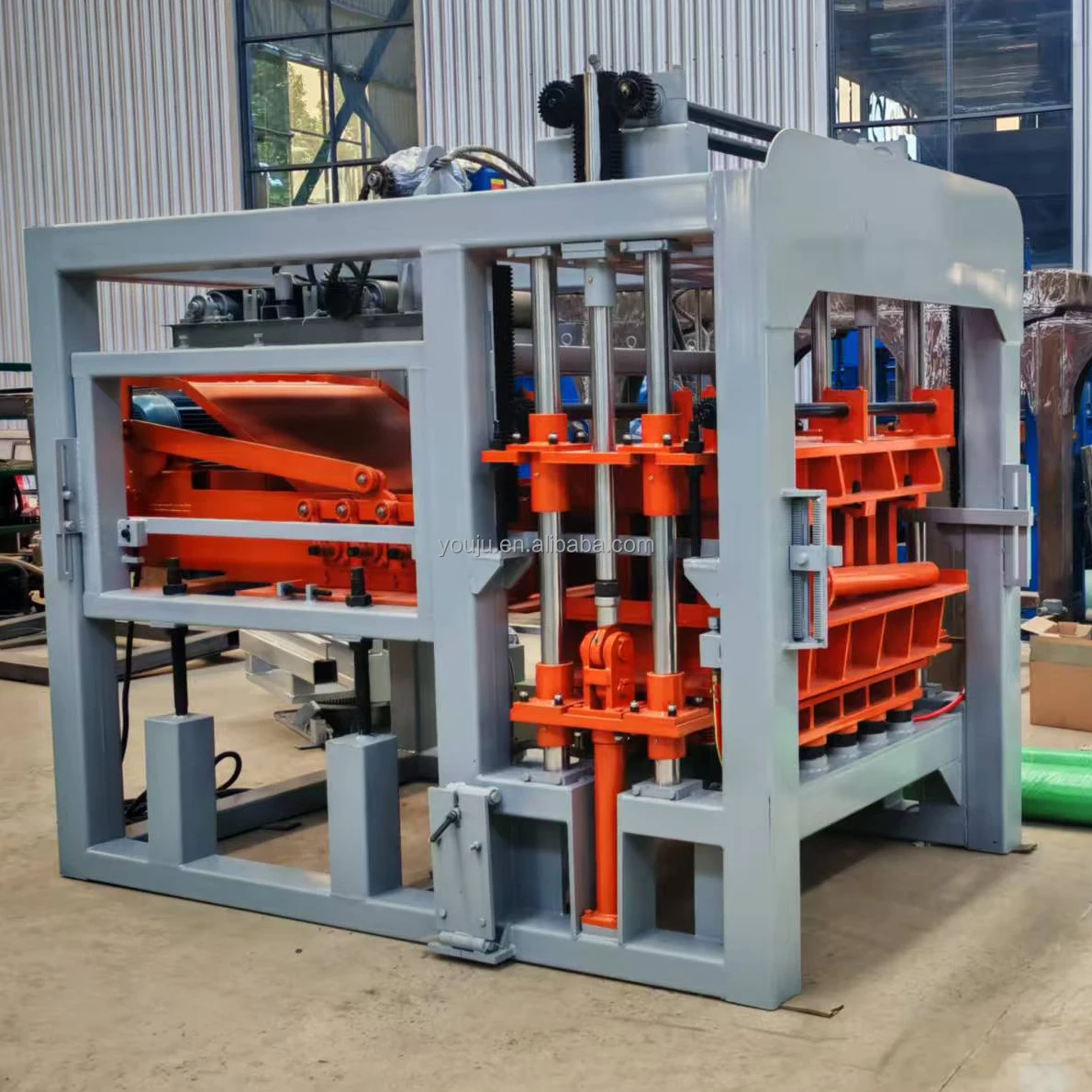
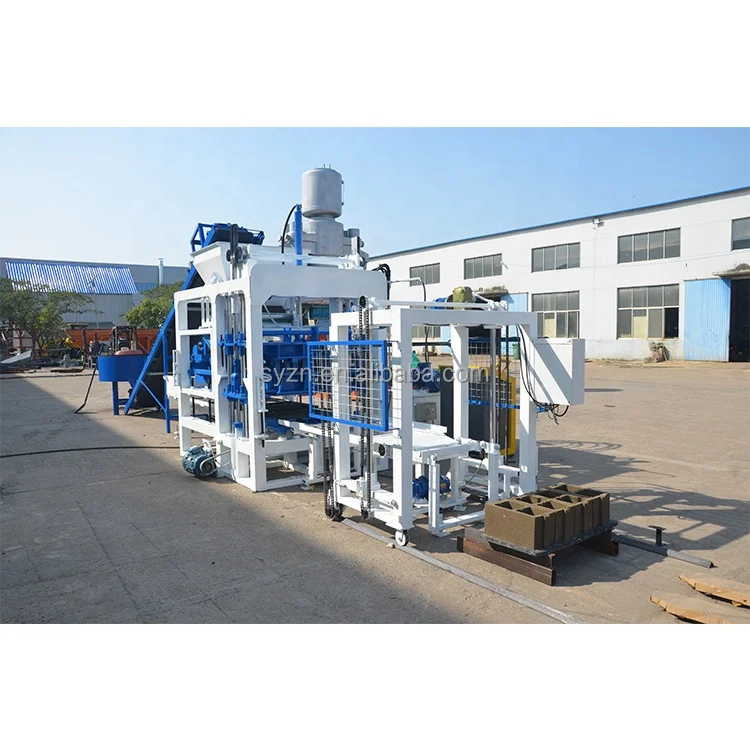
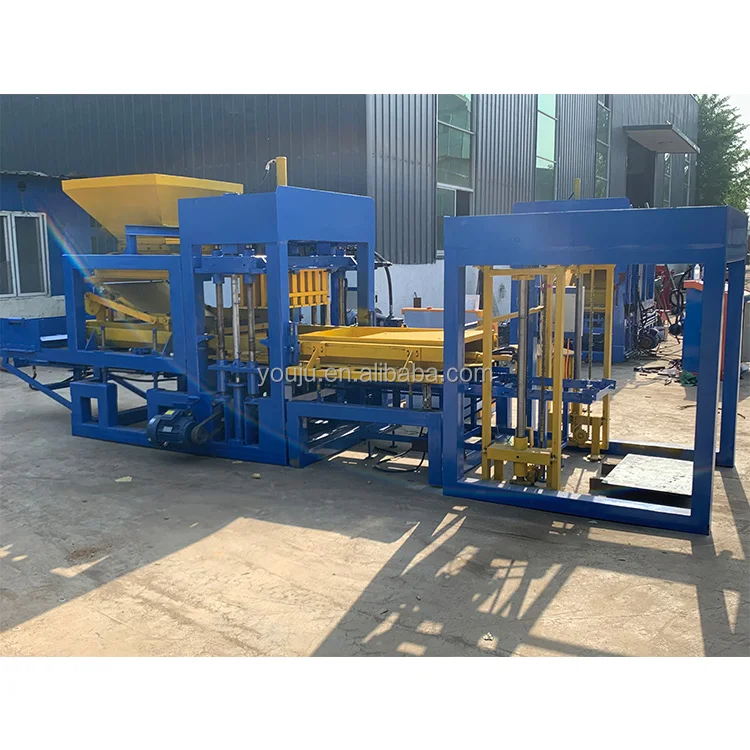
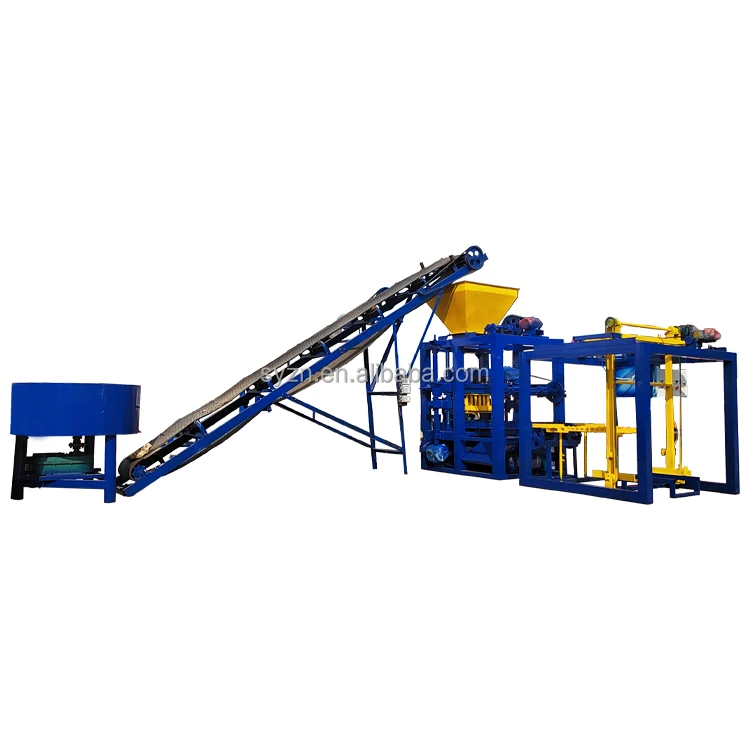
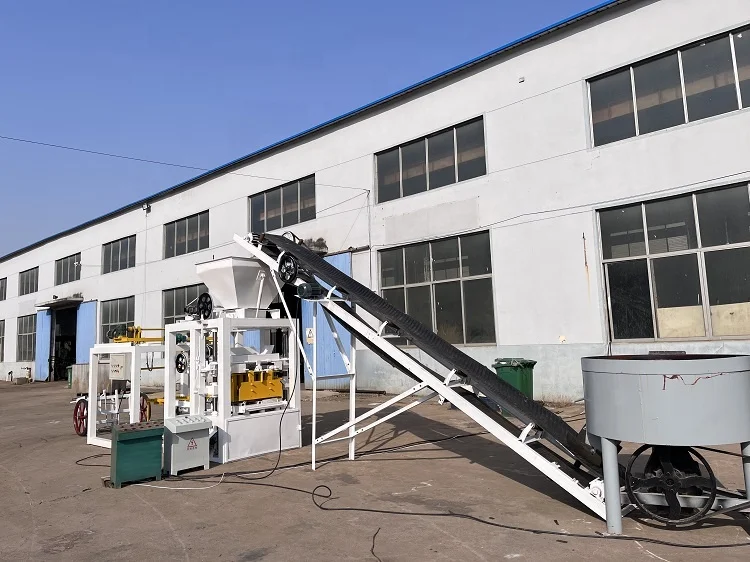
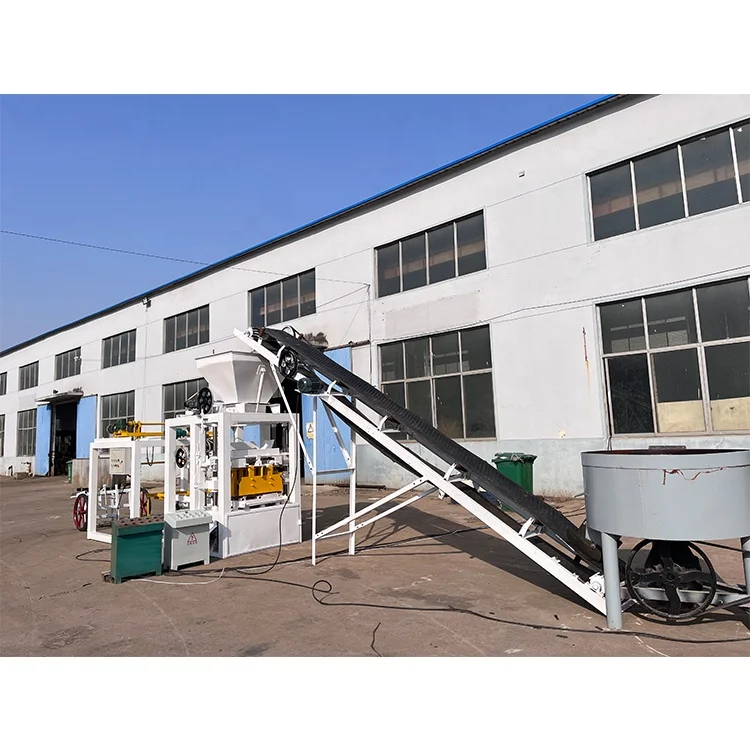
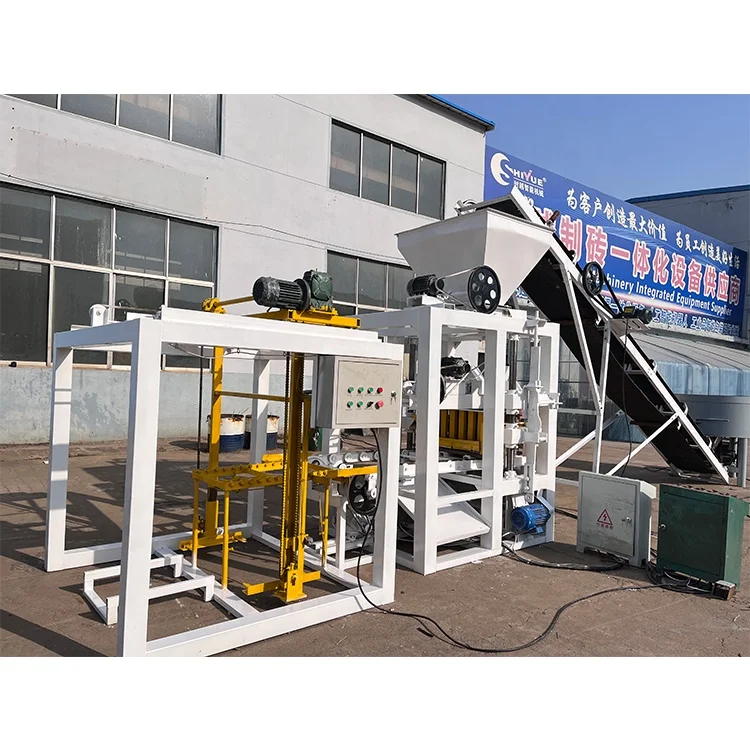
Mould-First Configuration — Every QTJ4-24 block machine we ship starts with the buyer’s actual block format, local aggregate sample, and curing layout, so cycle time and daily output are calculated per product rather than quoted as a single unverified number.
Technical Specifications
| Parameter | Value |
|---|---|
| Model | QTJ4-24 |
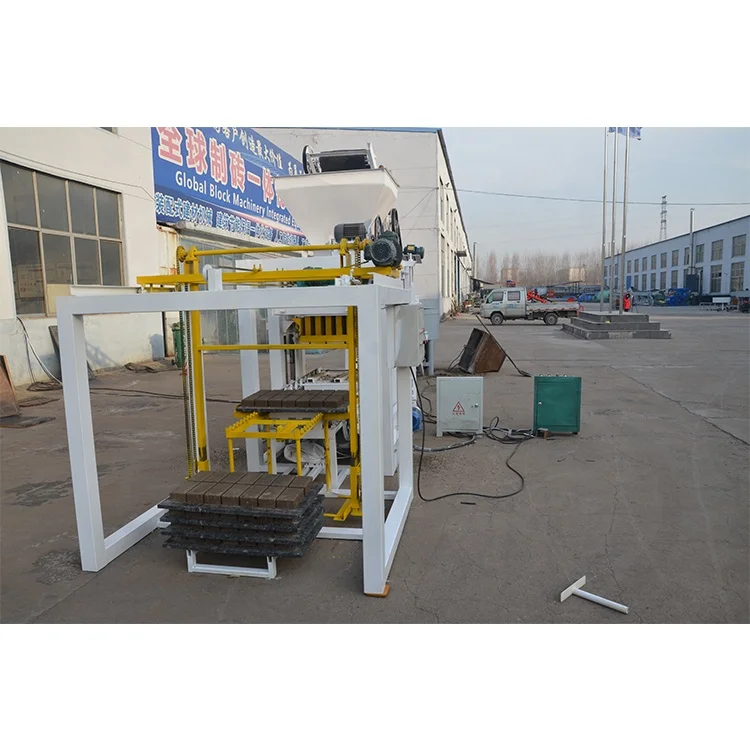
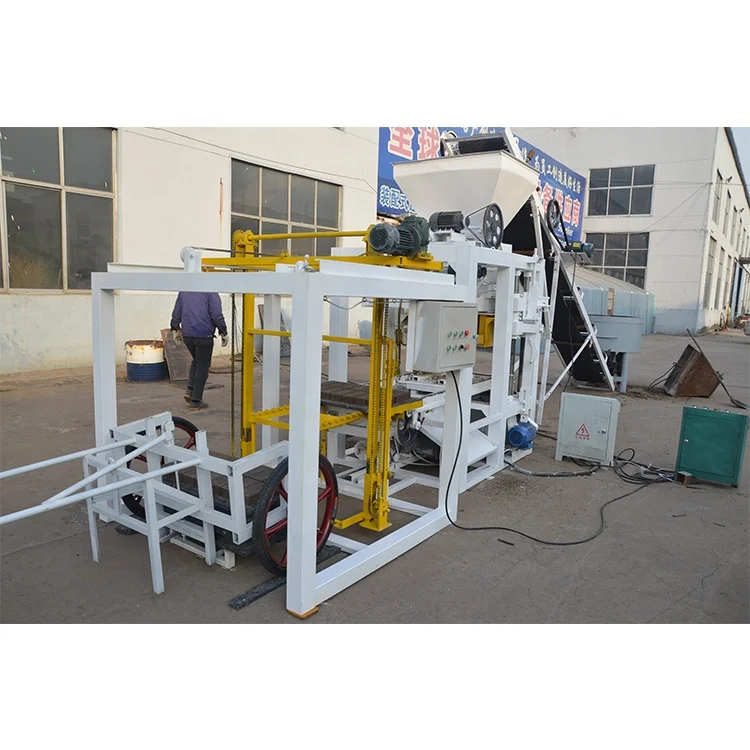
| Product Type | Stationary Block Making Machine |
| Overall Dimensions (L×W×H) | 3600 × 1700 × 2560 mm |
| Pallet Size | 850 × 450 mm |
| Molding Cycle | 24–26 s (baseline; actual varies by block format and mould) |
| Overall Power | 11.95 kW |
| Vibration Force | 45 kN |
| Vibration Configuration | 2 × 3 kW lower vibrators + 2 × 1.5 kW upper vibrators |
| Molding Method | Mechanical |
| Reducer Type (Mold Lifting) | 350-type |
| Material Distribution | Full-automatic spiral |
| Total Mass | 2 T |
| Raw Materials | Cement, sand, stone |
| Voltage & Frequency | Configurable to buyer’s site supply (basis to be confirmed) |
| Control System | Configurable (basis to be confirmed) |
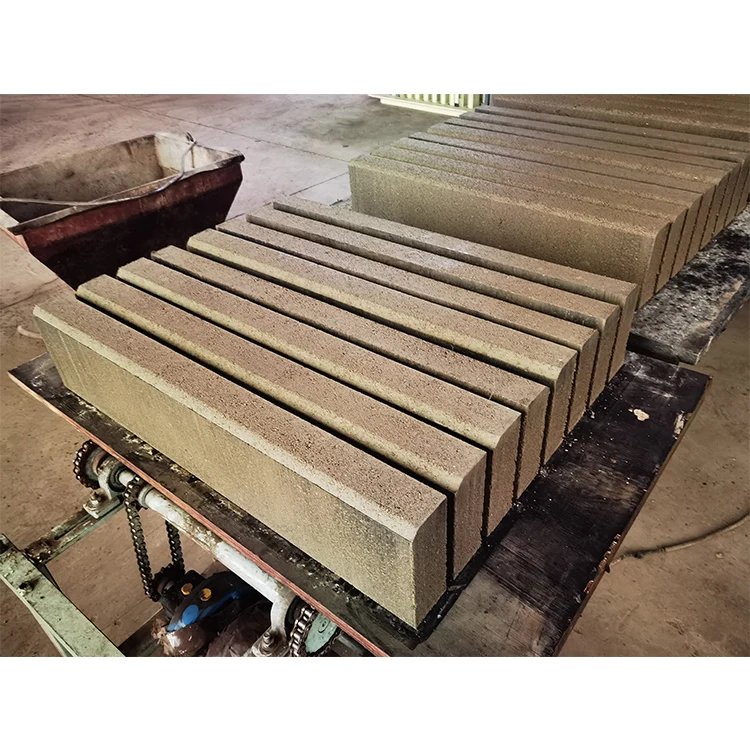
| Mould Formats | Hollow, solid, interlocking, paving (basis to be confirmed) |
| Output Capacity | Dependent on block format and mix design (basis to be confirmed) |
| Hydraulic Pressure | Not applicable — mechanical molding system |
| Automation Level | Semi-automatic with manual pallet handling (basis to be confirmed) |
Application Suitability
| Application | Material or Output |
|---|---|
| Hollow block production for residential wall construction | Cement, crushed stone, and sand mix |
| Solid brick manufacturing for load-bearing structures | Cement and coarse aggregate blend |
| Interlocking brick production for landscaping and retaining walls | Cement, fine sand, and stone dust |
| Paving block production for walkways and light-traffic areas | Cement, graded aggregate, and sand |
| Small-scale block plant for first-time entrepreneurs | Local aggregate with cement binder |
What the "24-Second Cycle" Actually Means for Your Daily Output
A 24-second cycle on a QTJ4-24 block machine does not equal the same number of finished units per hour across every block format.
Most catalog sheets quote a single cycle time without specifying which block format was used during testing. When a buyer assumes that same cycle applies to a thick paving block or a tall hollow block, real daily volume falls noticeably short of expectation. [NEED_CITE: typical cycle time variation across block formats in stationary mechanical machines] The vibration profile, mould cavity depth, and material distribution time all shift as the format changes. In our workshop, we test the QTJ4-24 with the buyer’s chosen mould installed and record the actual cycle per format before finalizing the capacity document. This way, the output figure on the quotation matches what the machine delivers on the production floor.
Matching Vibration to Your Local Aggregate
The QTJ4-24 block machine specifications include a 45 kN vibration force delivered through four independent vibrators — two 3 kW units below the mould and two 1.5 kW units above. This dual-level configuration matters because the lower vibrators compact the material into the mould cavity while the upper vibrators settle the surface. If your local sand has a high clay content or your stone dust retains moisture, the vibration energy required to achieve target block density changes. We adjust the vibration timing based on the aggregate sample the buyer sends before production.
Pallet Size and the Curing Area You Already Have
The 850 × 450 mm pallet size on this machine determines how many blocks move through the line per cycle and how the cured product stacks in your yard. If your existing curing racks, forklift tines, or drying shelves were designed around a different pallet dimension, you face a choice: modify the curing area or request a pallet-compatible machine configuration. [NEED_CITE: pallet handling compatibility in block production plants] Confirming pallet size against the buyer’s current setup is part of our standard pre-production checklist.
Reading the Specs That Actually Affect Block Quality
The 350-type reducer for mold lifting handles the repeated load of raising and lowering the mould box throughout each shift. A smaller reducer would overheat under continuous cycling and wear prematurely. The full-automatic spiral material distribution feeds raw mix into the mould cavity more evenly than gravity-fed hoppers, reducing density variation between the left and right sides of the mould. Mechanical molding with 45 kN vibration means block strength depends on the mix design and vibration duration rather than hydraulic pressure — so the QTJ4-24 block machine specifications must be read alongside the buyer’s cement-to-aggregate ratio and target compressive strength. An 11.95 kW overall power draw also means the electrical supply at the site must support continuous motor starts without voltage drop.
The Cost of Skipping the Format Conversation
When a buyer orders based on catalog output alone, the machine arrives configured for a standard hollow block. Then the buyer discovers that producing interlocking pavers requires longer vibration time, slowing the cycle beyond what was budgeted. The pallets ordered separately do not fit the curing racks already built on site, so workers stack blocks by hand. [NEED_CITE: common mismatches in block machine commissioning] Mould change takes most of a shift because the quick-release mechanism was not included in the quotation. These issues are avoidable when format, pallet, and automation level are confirmed before production begins.
Why Buyers Place the QTJ4-24 Order Through This Channel
Block machinery is our single product focus, which means the press, mould, pallet, and handling equipment are specified as a matched set rather than assembled from unrelated suppliers. Every QTJ4-24 we configure is set against the buyer’s actual mix design and target block format, not a default catalog entry. We supply mould drawings and a format list before production so the buyer sees exactly which block types are included and how the mould change procedure works. Automation level is selectable — a buyer can start with manual pallet handling and add automatic stacking later. Voltage, frequency, and control language are confirmed in writing before the machine enters production. [NEED_CITE: pre-shipment documentation standards for exported machinery]
Documentation & Verification
- Line layout with capacity calculation stating the block format assumed for each output figure
- Mould drawing and format list confirming included block types and change procedure
- Pallet specification matched to buyer’s existing curing area dimensions
- Voltage, frequency, and control display language confirmation before production
- Factory test record with cycle times measured on the buyer’s selected mould
- Operation and maintenance manual with wear parts and mould replacement schedule
Installation, Commissioning & Support
- Foundation plan provided based on 3600 × 1700 mm footprint and 2 T operating mass
- Electrical panel configured for buyer’s confirmed voltage and frequency before shipment
- Machine ships partially assembled to reduce on-site setup time
- Commissioning includes cycle time verification on each ordered mould format
- Operator training covers spiral feeder adjustment and vibration timing for local aggregate
- Wear parts list identifies components requiring first replacement and sourcing procedure
What We Need to Configure Your Machine Correctly
Send us the block format your market sells most — including dimensions and target compressive strength — along with a sample or description of your local sand and stone. Tell us the pallet size your curing area and forklift currently handle, and the voltage and frequency at your site. If you plan to run multiple formats, let us know which ones so we can calculate cycle time and daily output for each before the quotation is issued.
Frequently Asked Questions
Q: How is daily output calculated for different block formats on the QTJ4-24?
A: The 24–26 second cycle is a baseline measured on a standard hollow block. Actual cycle time varies with mould cavity depth, vibration duration needed for your aggregate, and material distribution speed. We test with your chosen mould installed and provide a capacity sheet showing realistic daily output for each format, not a single unqualified number.
Q: What pallet size does the QTJ4-24 use, and why does it matter?
A: The standard pallet is 850 × 450 mm. This dimension must align with your curing racks, forklift tines, and stacking area. If your existing setup uses a different size, we discuss compatibility before production to avoid manual handling bottlenecks after the machine arrives.
Q: How does the vibration system affect block strength with my local aggregate?
A: The dual-level vibration — 2 × 3 kW lower and 2 × 1.5 kW upper — compacts material from both directions. Block strength depends on matching vibration duration and energy to your specific cement-to-aggregate ratio. We adjust timing based on the aggregate sample you provide before the machine is built.
Q: What is the mould change procedure, and can I order custom moulds?
A: Mould change involves releasing the mould box from the vibration table and lifting it via the 350-type reducer. Time depends on operator familiarity and whether quick-release fittings are included. Custom moulds can be produced to your drawings for formats not in the standard range.
Q: Which voltage and control options are available before shipment?
A: Voltage and frequency are configured to match your site supply. Control display language is confirmed during the quotation stage. These details are documented in writing before production begins to prevent commissioning delays when the machine arrives at your facility.