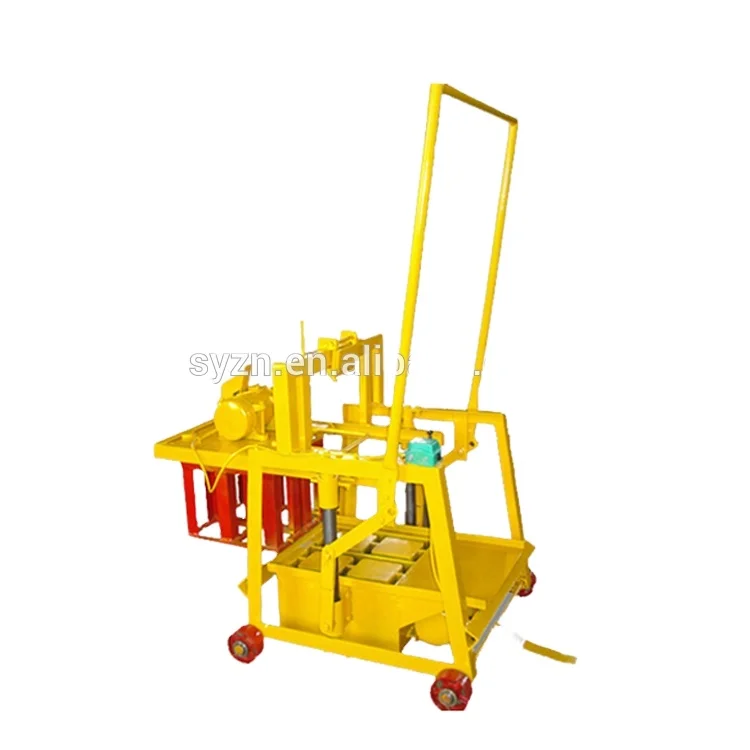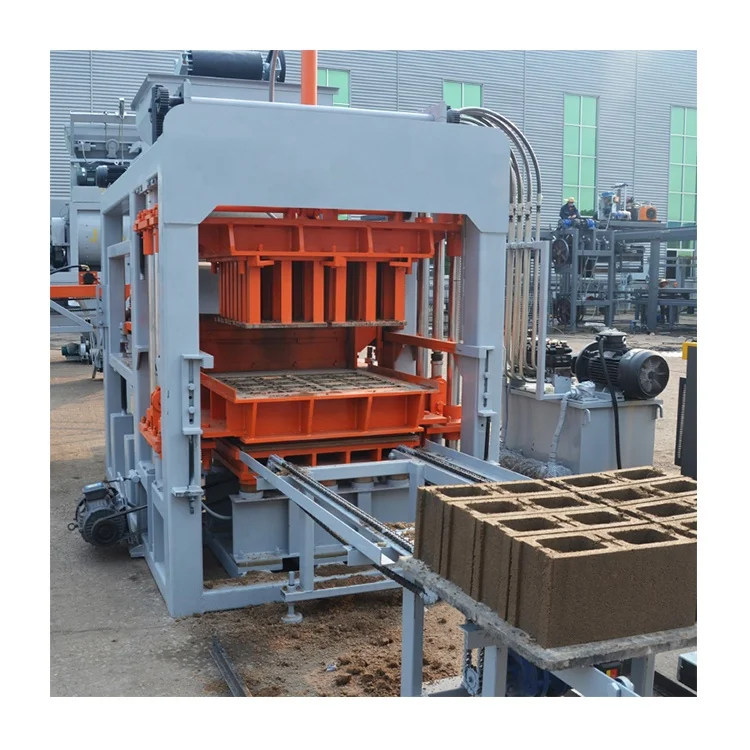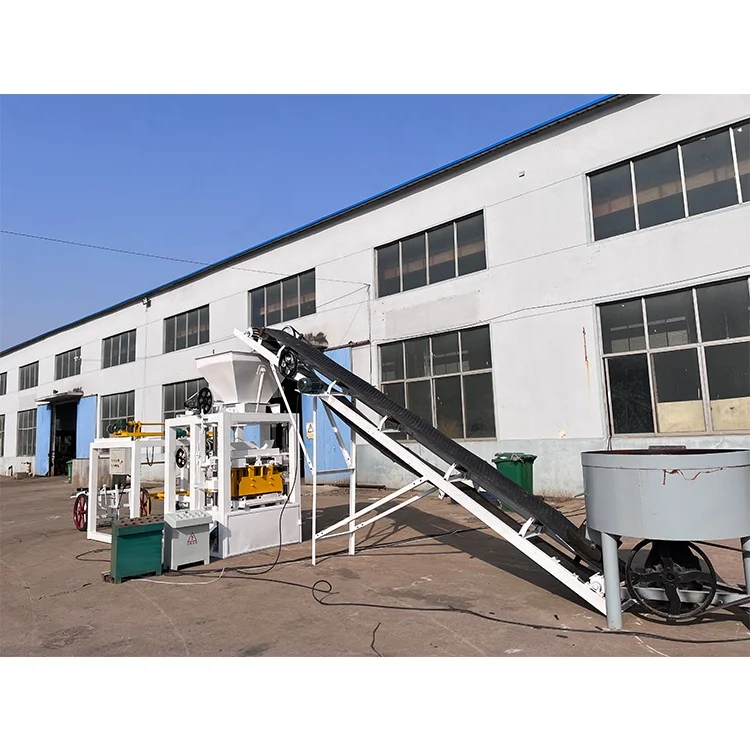
Description
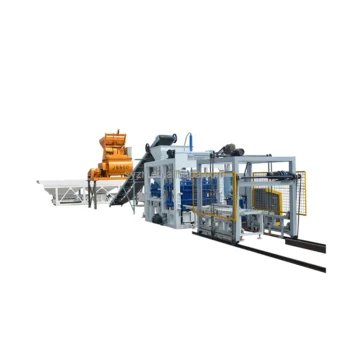
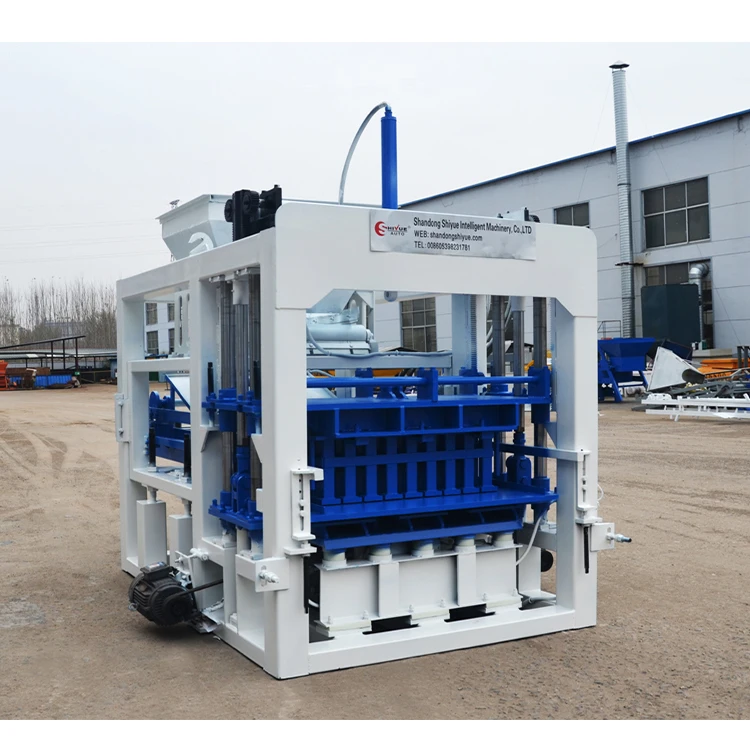
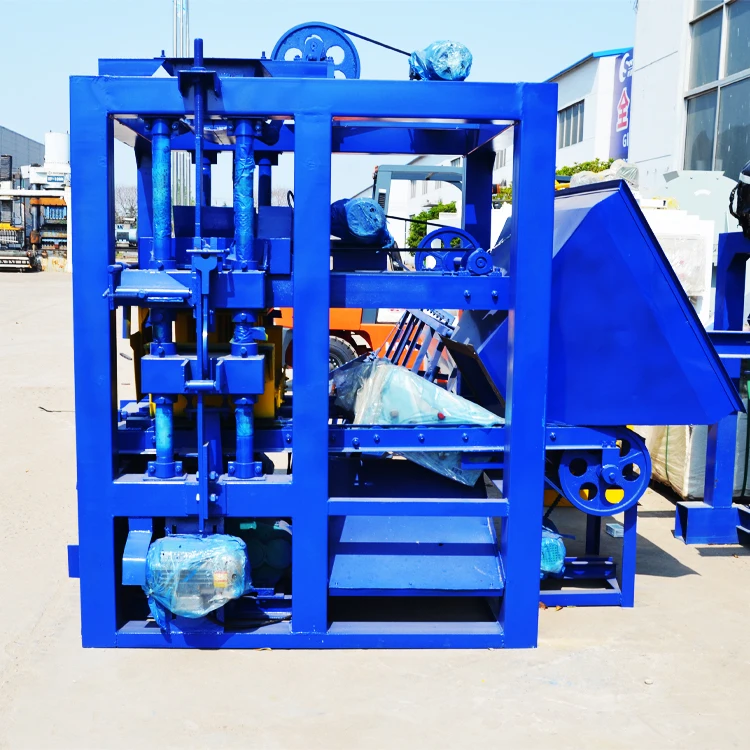
Block machinery as a single focus — the QTJ4-24 is specified as one matched system of machine, mould, pallet and handling rather than assembled from separate suppliers, so every output figure ties back to a real block format and your local aggregate.
Technical Specifications
| Parameter | Value |
|---|---|
| Model | QTJ4-24 |
| Product Type | Semi-Automatic Concrete Block Making Machine |
| Overall Dimensions (L×W×H) | 2060 × 1730 × 2580 mm |
| Molding Cycle | 24 s |
| Vibration Frequency | 4200 r/min |
| Vibration Force (Exciting Power) | 35.5 kN |
| Rated Power | 14.25 kW |
| Mixer Model | JQ350 |
| Pallet Size | 850 × 450 × 20 mm |
| Net Weight | 1800 kg |
| Automation Level | Semi-automatic |
| Stacking Method | Manual with trolley |
| Output Capacity (390×190×190 mm hollow block) | 480 pcs/h (4 pcs/mould) |
| Output Capacity (400×150×200 mm hollow block) | 600 pcs/h (5 pcs/mould) |
| Output Capacity (240×115×53 mm solid brick) | 2100 pcs/h (18 pcs/mould) |
| Daily Output – 8 h shift (390×190×190 mm) | 3800 pcs |
| Daily Output – 8 h shift (400×150×200 mm) | 4800 pcs |
| Daily Output – 8 h shift (240×115×53 mm) | 17000 pcs |
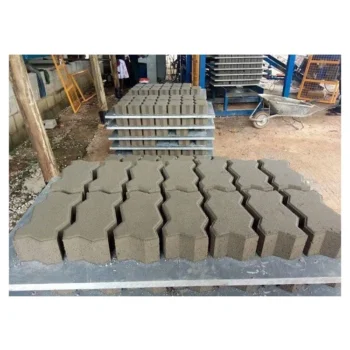
| Applied Products | Concrete hollow blocks (8 inch, 6 inch), solid bricks, pavers (basis to be confirmed for full format range) |
| Raw Materials | Crushed stones, sand, cement, dust, fly ash |
| Hydraulic Pressure | Value not stated in source — confirm MPa rating |
| Control System | Type not stated in source — confirm PLC or relay logic |
| Voltage & Frequency | Not stated in source — confirm target market specification |
| Mould Change Time | Not stated in source — confirm |
| Language Options | Not stated in source — confirm |
| Assembly State | Fully assembled, nude packing in 20GP container |
| Standards | CE |
Application Suitability
| Application | Material or Output |
|---|---|
| Small-scale hollow block plant | 390×190×190 mm and 400×150×200 mm blocks from crushed stone, sand, cement and fly ash |
| On-site production for building contractors | Solid bricks (240×115×53 mm) using locally sourced aggregate delivered to the construction site |
| First block plant for entrepreneurs | Hollow blocks and solid bricks with semi-automatic operation and manual pallet trolley handling |
| Format expansion for existing producers | Switching between hollow block, solid brick and paver moulds on the same machine |
Why "Pieces per Hour" Means Nothing Without the Block Format Attached
Every QTJ4-24 block machine specifications figure on this page is tied to a named block size and a stated mould count — not a single headline number.
I have watched buyers sign off on a capacity number, take delivery, and then discover that the figure was measured on a format they never planned to produce. The daily shortfall compounds across an entire shift. On the QTJ4-24, 480 pcs/h applies only to the 390×190×190 mm hollow block at four pieces per mould. Switch to the smaller solid brick at eighteen per mould and the same cycle delivers 2100 pcs/h. [NEED_CITE: block machine capacity measurement standards and format dependency]. The semi-automatic block machine how to choose conversation has to start with the format you actually sell, not the one that produces the biggest number on the quotation.
Matching the QTJ4-24 to the Block Your Market Actually Buys
The QTJ4-24 block machine specifications show three reference outputs, but your real daily number depends on the mix you run, the pallets you cure on, and how fast your team cycles the trolley. The 24-second moulding cycle is the press portion only; total throughput includes pallet return and block stripping time. Format and mould selection must reflect the dimensions your local builders order in volume.
Honest Per-Format Output Data Instead of a Catalogue Headline
A 400×150×200 mm hollow block runs at 600 pcs/h on this machine because the mould holds five pieces instead of four. That difference in mould cavity count changes the daily tally from 3800 to 4800 over an eight-hour shift. Every semi-automatic block machine how to choose decision should weigh the cavity count against the block format your buyers pay for. [NEED_CITE: practical cycle time versus quoted cycle time in semi-automatic block production].
Vibration Force, Pressure and Pallet Size — What They Mean on the Floor
The 35.5 kN exciting force at 4200 r/min is delivered through bed mould vertical vibration combined with upper mould compression vibration. This dual action compacts the concrete mix from both directions, which matters when your aggregate includes lightweight materials like fly ash. The 850×450×20 mm pallet must match the curing racks and forklift tines already in your yard — ordering the wrong pallet dimension means rebuilding your curing area or replacing your handling equipment. Rated power of 14.25 kW including the JQ350 mixer keeps electrical demand within reach of a standard workshop supply, but voltage and frequency must be confirmed before the machine enters production.
When the Wrong Pallet or Mould Choice Cancels Out Your Flexibility
A buyer who selects a pallet size without measuring the curing area ends up stacking blocks by hand in a space that was never designed for it. Mould change time that stretches across half a shift turns format flexibility into a paper promise. [NEED_CITE: pallet handling bottlenecks in semi-automatic block plants]. The cost is not the mould itself — it is the lost production hours and the crew standing idle while alignment issues are worked out on the floor.
Why Buyers Source This Machine Here
Block machinery is the only product line, so the QTJ4-24 arrives as one matched system of press, mould, pallet and trolley rather than a collection of separately sourced components. Configuration starts from your actual mix design and local aggregate, not a catalogue default, which means the vibration and pressure settings are adjusted before the machine leaves the factory. Mould design covers the formats your market demands, including custom drawings when standard sizes do not fit. The automation level is selectable — you can start with semi-automatic operation and add automatic pallet feeding or stacking later. Installation support includes operator training on the specific formats you will run first.
Documentation & Verification
- Line layout drawing with capacity calculation for each block format you intend to produce
- Mould drawing and format list confirming cavity count and block dimensions before production begins
- Pallet specification sheet covering size, material and recommended quantity matched to your curing area
- Voltage, frequency and control language confirmation document signed off before assembly
- Factory test record run on your target block format with output figures documented per mould
Installation, Commissioning & Support
- Foundation pad must support the 1800 kg machine weight plus dynamic vibration load across the 2060×1730 mm footprint
- Dedicated electrical circuit required for the 14.25 kW total rated power including the JQ350 mixer
- Machine ships fully assembled in a 20GP container; on-site positioning requires a forklift rated for the pallet and machine weight combined
- First commissioning includes vibration parameter adjustment against your local aggregate and target block density
- Operator training covers mould change procedure, pallet handling with the manual trolley, and daily maintenance checkpoints
- Wear parts and mould replacement list provided with part numbers for reordering
Before You Request a Quote
Tell us which block formats sell in your local market and the daily volume you need for each one. Share the raw materials available in your area — especially the type and grading of aggregate — so the vibration settings can be matched before production. Confirm your workshop voltage, frequency and the language your operators will read on the control panel.
Frequently Asked Questions
Q: How is output capacity verified for my specific block format and local aggregate?
A: The QTJ4-24 block machine specifications list three reference outputs, but your real number depends on your mix and aggregate. We run a factory test using your target block size and a sample of your local material, then document the actual pieces per hour and per shift before the machine ships.
Q: What mould formats are available, and how long does a mould change take on the QTJ4-24?
A: Standard moulds cover hollow blocks, solid bricks and pavers listed in the specifications table. Custom moulds can be built to your drawings. Mould change time depends on the format and alignment method, and we confirm this figure for your specific mould set before dispatch.
Q: How do I match pallet size and material to my existing curing area and forklift?
A: The standard pallet is 850×450×20 mm, but we confirm the dimension against your curing rack spacing and forklift tine width before production. Material choice — wood, bamboo or composite — depends on your climate and handling frequency.
Q: What voltage, frequency, and control language options are confirmed before shipment?
A: Voltage and frequency are set to match your local supply standard, and the control panel language is confirmed during the quotation stage. This prevents commissioning delays when the machine arrives and the electrical cabinet does not match your workshop panel.
Q: Which raw materials and mix designs is the QTJ4-24 configured for, and can it use my local aggregate?
A: The machine processes crushed stone, sand, cement, dust and fly ash. We adjust vibration frequency and pressure to suit your aggregate density and grading, because a mix that works with one stone type may produce weak blocks with another if the parameters are not recalibrated.