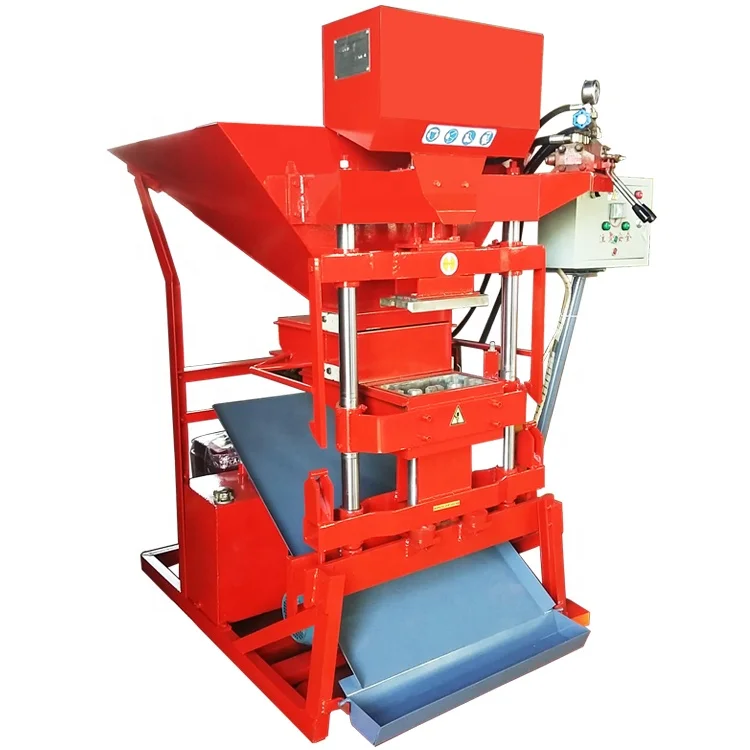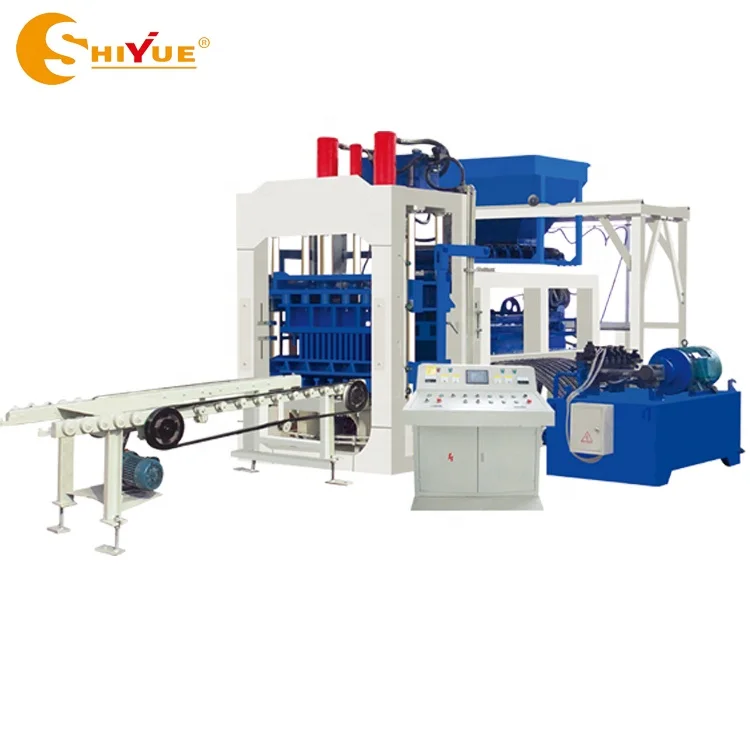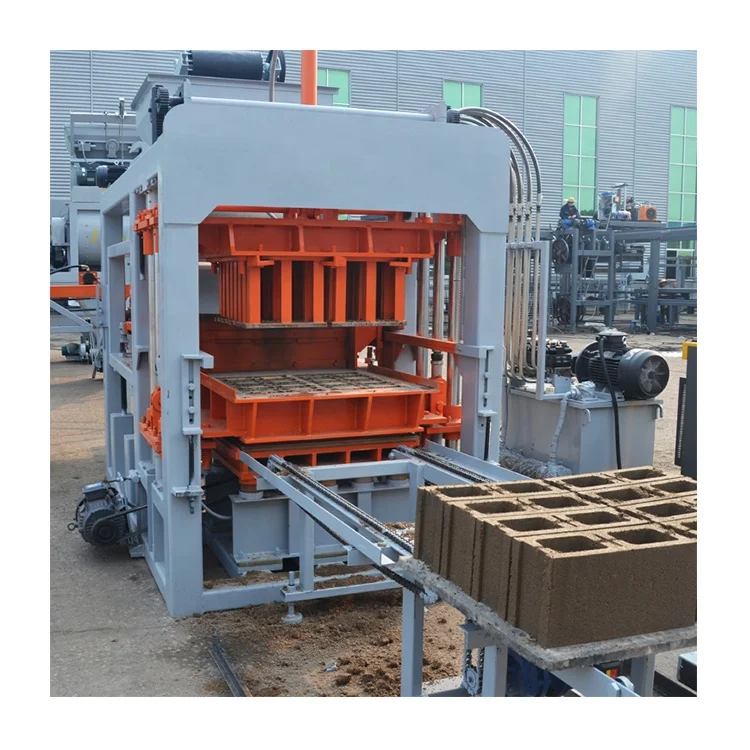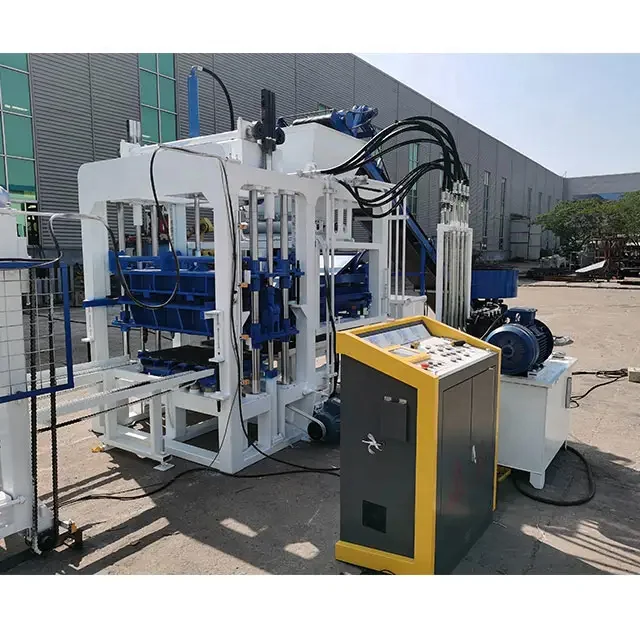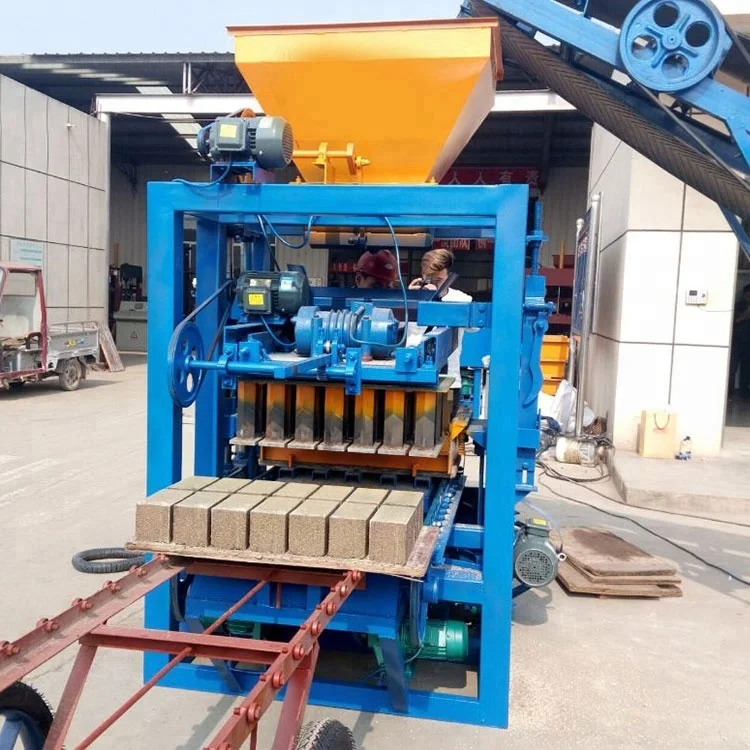
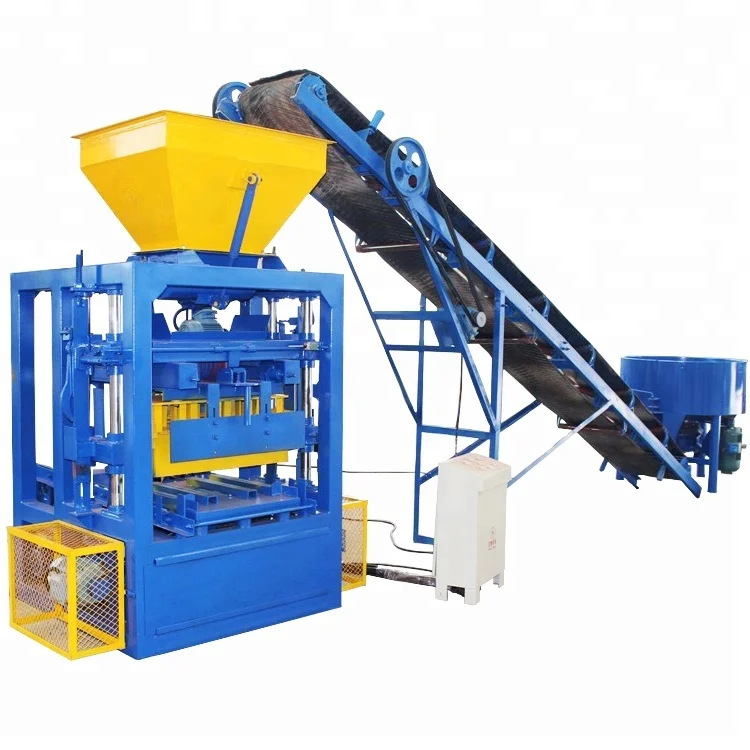
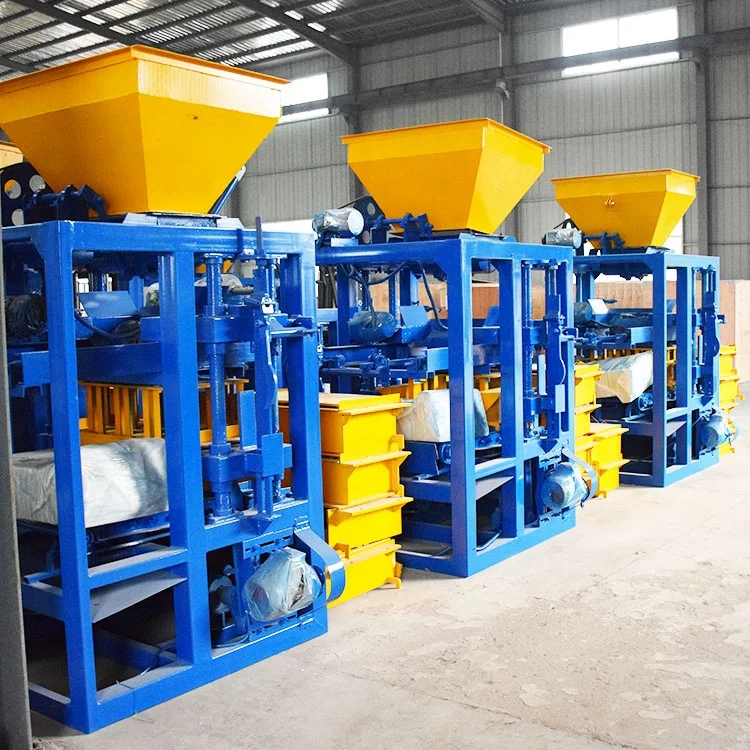
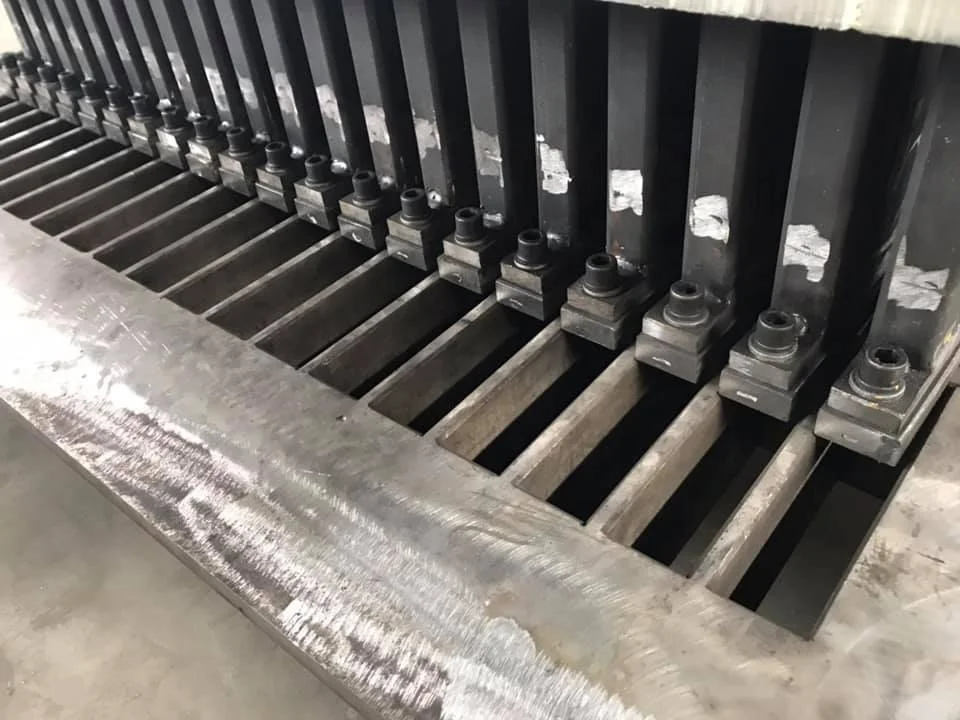

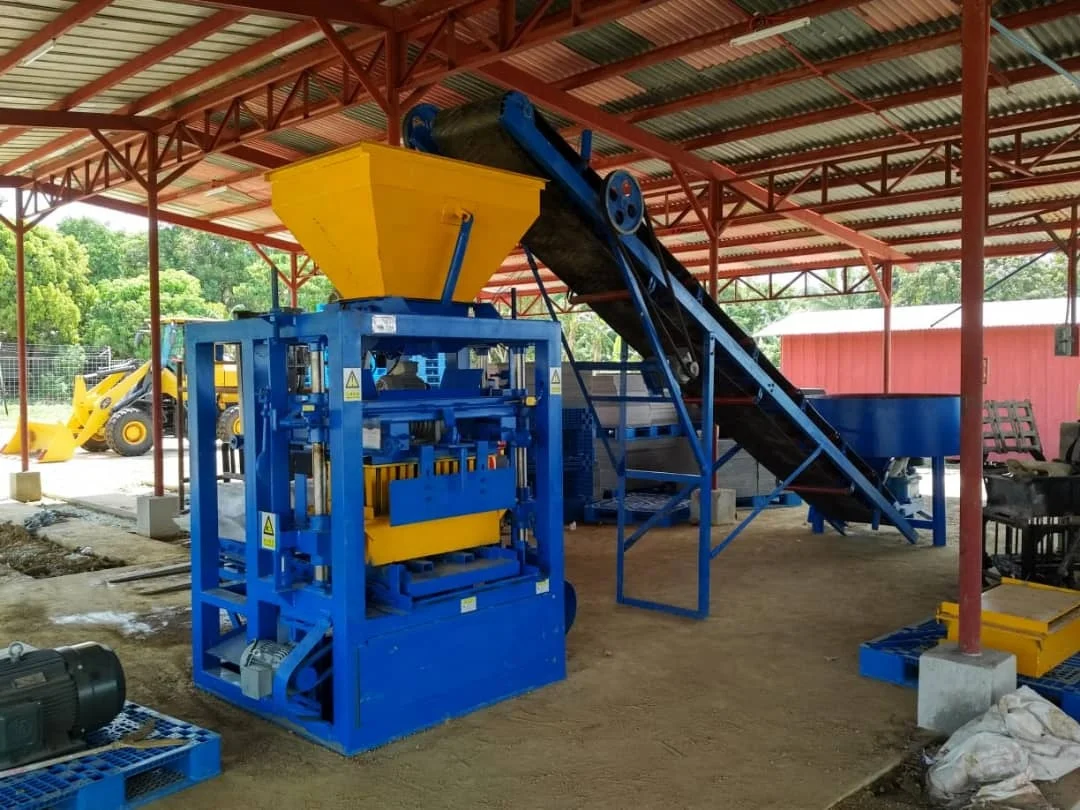
Description
Format-Matched Configuration — the QTJ4-24 is sized against your actual block format, local aggregate and curing setup rather than shipped as a catalogue default.
Technical Specifications
| Parameter | Value |
|---|---|
| Model | QTJ4-24 |
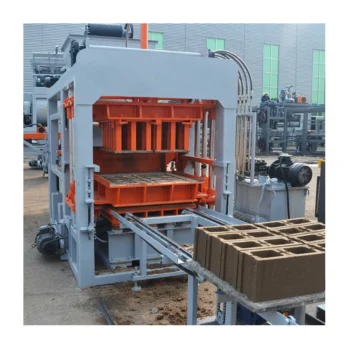
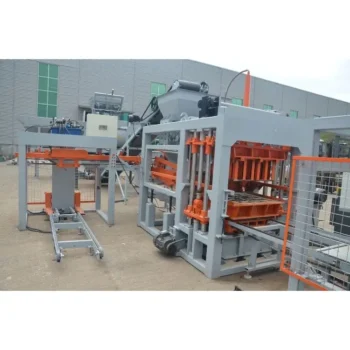
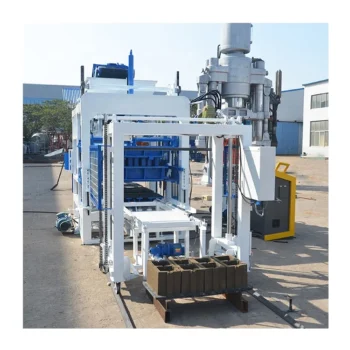
| Product Type | Semi-Automatic Concrete Block Making Machine |
| Overall Dimensions | 2060 × 1730 × 2580 mm |
| Main Vibration Form | Platform vibration |
| Vibration Frequency | 4200 r/min |
| Exciting Force | 35.5 kN |
| Rated Pressure | 15 MPa |
| Pallet Size | 880 × 480 × 38 mm |
| Molding Cycle | 26 s (basis to be confirmed per block format) |
| Rated Power | 14.25 kW |
| Control Technology | Frequency converting control |
| Voltage & Frequency | 380 V, 3-phase, 50 Hz (configurable to local supply) |
| Automation Level | Semi-automatic |
| Mould System | Exchangeable moulds |
| Vibration System | Dynamic and static table structure; low-frequency standby, high-frequency operation |
| Warranty | 1 year (excluding wearing parts) |
Application Suitability
| Application | Material or Output |
|---|---|
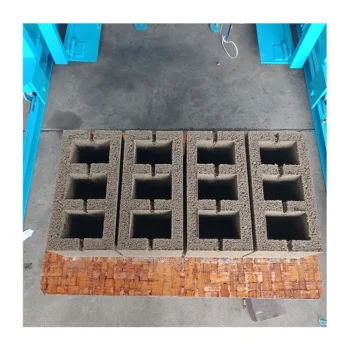
| Hollow block production | Crushed stone, cement, sand and lightweight aggregate mixes |
| Solid block production | Dense aggregate and cement blends for load-bearing walls |
| Road block and paver production | Fine aggregate with cement for interlocking and rectangular pavers |
| Small to medium block plants | Workshop-scale output with manual pallet handling |
| On-site construction manufacturing | Portable setup for housing and infrastructure project sites |
What "26-Second Cycle" Really Means for Your Output
The molding cycle only translates into daily capacity once the block format, mix design and pallet return time are defined.
Many buyers receive a cycles-per-hour figure and assume it applies to every block they plan to produce. On a project in the Gulf, I watched a semi-automatic line sit idle for two days because the quoted cycle assumed a small solid block, while the buyer needed 200 mm hollow blocks that required longer vibration and a different feed sequence. The QTJ4-24 block machine specifications must always be read against the specific format you intend to run. [NEED_CITE: cycle time variation across concrete block formats]
Pallet Size Determines Your Curing Logistics
The 880 × 480 × 38 mm pallet is the interface between the press and your curing area. If your existing curing racks or forklift forks were set up for a different pallet dimension, every wet block coming off the QTJ4-24 will need manual re-stacking before it enters the rack. Confirming pallet compatibility before production avoids a bottleneck that no amount of press speed can fix. This is where honest capacity by format starts — not at the vibration table, but at the rack door.
Mould Selection and Format Changeover
The exchangeable mould system on this semi-automatic block machine allows the same press to produce hollow blocks, solid blocks and pavers. What matters to your daily schedule is how long each change takes and whether the mould mounting hardware matches your operator skill level. A format change that consumes most of a shift cancels out the flexibility the exchangeable mould was meant to provide. When we discuss QTJ4-24 block machine specifications with buyers, we map each target format to a mould drawing before the order is placed. [NEED_CITE: mould change procedures for small block presses]
How Vibration Force and Pressure Shape Block Density
The platform vibration at 4200 r/min and the 35.5 kN exciting force work together with 15 MPa rated pressure to compact the mix inside the mould cavity. If the local aggregate contains a high share of fines or clay, the vibration energy dissipates differently than it would in a clean crushed-stone mix, resulting in lower green strength. The frequency-converting control allows the operator to adjust vibration intensity, but the starting point must be calibrated against your actual material — not a generic laboratory mix. This is how to choose a semi-automatic block machine that produces consistent strength across batches.
The Hidden Cost of Skipping Material Verification
When a block plant starts production with an untested aggregate, the first sign of trouble is usually inconsistent block weight, followed by cracking during curing. By then, several thousand blocks may already be stacked in the yard, and the cost of scrap pallets, wasted cement and lost curing space adds up quickly. On one site, the press ran for a full week before the buyer noticed that blocks from the morning shift were noticeably lighter than those from the afternoon — the aggregate moisture had shifted and no one had adjusted the feed water. [NEED_CITE: aggregate moisture impact on concrete block density]
Why Buyers Source This Machine Here
The QTJ4-24 is specified as part of a matched system: machine, mould, pallet and handling equipment are selected together so that cycle times align across every station. Each configuration is set against the buyer’s actual mix design and target block format, with capacity stated per format rather than as a single headline number. Mould designs cover the formats your local market demands, and custom drawings are available when standard options do not match. The semi-automatic platform allows you to begin with manual pallet handling and add automation stations later. Voltage, frequency and control language are confirmed before production so that commissioning is not delayed by an electrical mismatch on arrival.
Documentation & Verification
- Line layout showing capacity calculation for each block format you plan to produce
- Mould drawing package covering every format on your product list
- Pallet specification matched to your curing rack dimensions and forklift capacity
- Voltage, frequency and control language confirmation sheet signed before production
- Factory test record run on your specified mix and block format prior to dispatch
- Operation and maintenance manual with wear parts and mould replacement intervals
Installation, Commissioning & Support
- Foundation plan referencing the 2060 × 1730 mm footprint and dynamic load from platform vibration
- Dedicated 3-phase circuit sized for the 14.25 kW rated power plus starting surge
- Machine shipped in manageable sections for container loading and on-site reassembly
- First-run parameter tuning against your local aggregate moisture and cement grade
- Operator training on mould change procedure and frequency-converting control adjustment
- Wear parts list covering vibration table components and mould liner replacements
Before You Request a Quote
Tell us the exact block formats your market requires — dimensions, wall thickness and target compressive strength. Share a sample or lab report of your local aggregate so we can calibrate vibration and feed settings. Confirm your site voltage, frequency and preferred control language so the QTJ4-24 arrives ready for commissioning.
Frequently Asked Questions
Q: How is output capacity calculated per block format on the QTJ4-24?
A: We state capacity for each block format separately, factoring in the molding cycle, feed time and pallet return speed for that specific format. A 26-second cycle applies to a reference block; larger or thicker formats extend the cycle. The capacity sheet you receive will list every format you plan to run with its own realistic daily output figure.
Q: Which mould formats are available and what is the changeover process?
A: Standard moulds cover common hollow blocks, solid blocks and rectangular pavers that fit the 880 × 480 mm pallet. Custom moulds can be built to your drawings. The mould mounts on the vibration table with bolted clamps, and changeover involves removing the current mould, aligning the new one and resetting the feed height — a task your operators are trained on during commissioning.
Q: How is vibration matched to my local aggregate and mix design?
A: Before production, we review your aggregate gradation, fines content and cement type. The frequency-converting control on the QTJ4-24 allows vibration intensity to be adjusted across a range, and the starting parameters are set so that the 4200 r/min platform vibration compacts your specific mix to the required green strength without over-vibrating or leaving voids.
Q: What pallet size does the machine use and how does it relate to my curing area?
A: The QTJ4-24 uses 880 × 480 × 38 mm pallets. Before confirming the order, we check your curing rack slot width, rack spacing and forklift fork length to ensure the pallets move from press to rack without manual re-handling. If your existing racks use a different size, we adjust the pallet specification accordingly.
Q: Can voltage, frequency and control language be customized?
A: Yes. The standard configuration is 380 V, 3-phase, 50 Hz, but the electrical cabinet is built to match your site supply. Control panel labels and the frequency-converting drive interface can be provided in your preferred language so operators can read settings and alarms from day one.