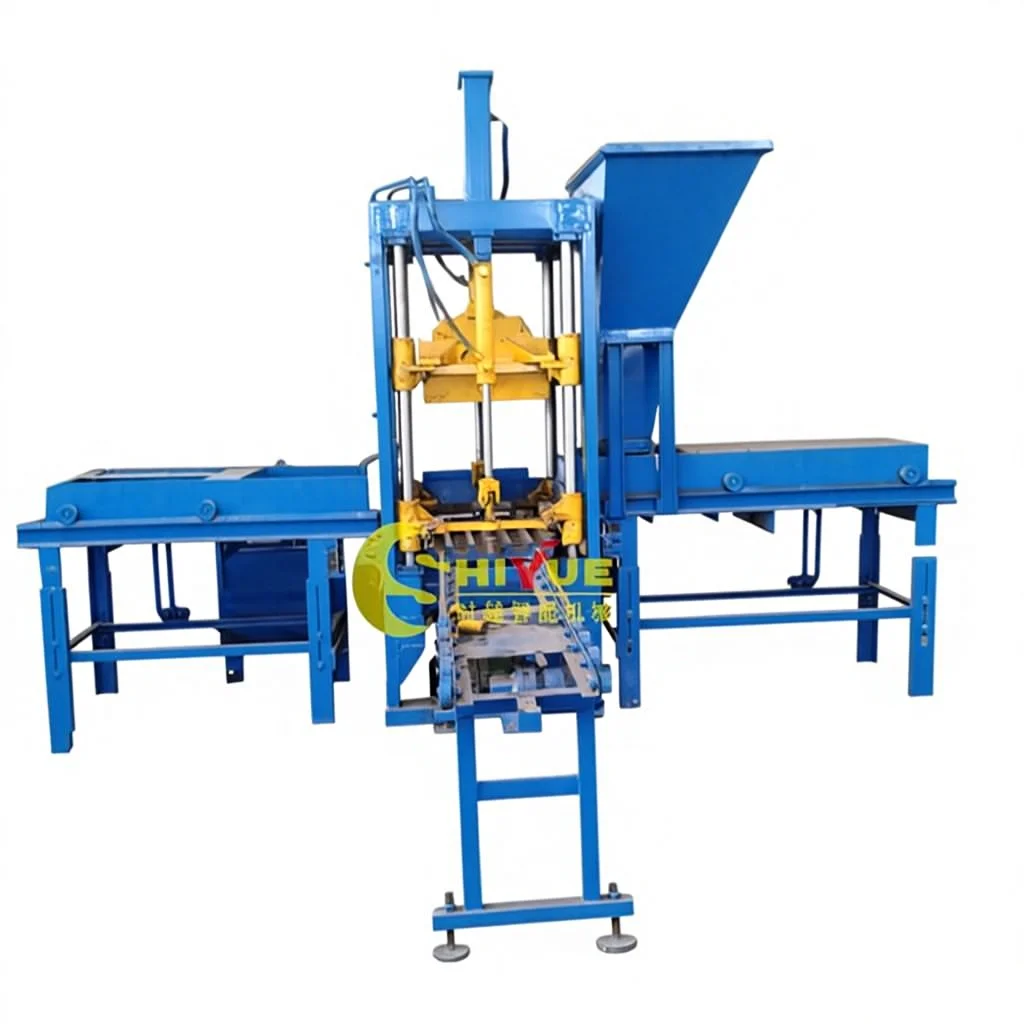
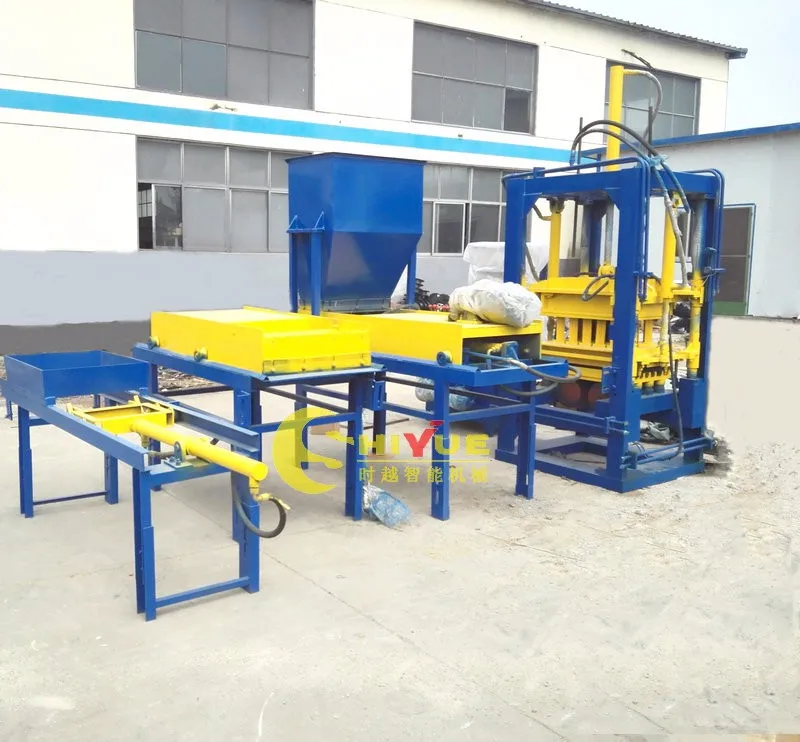
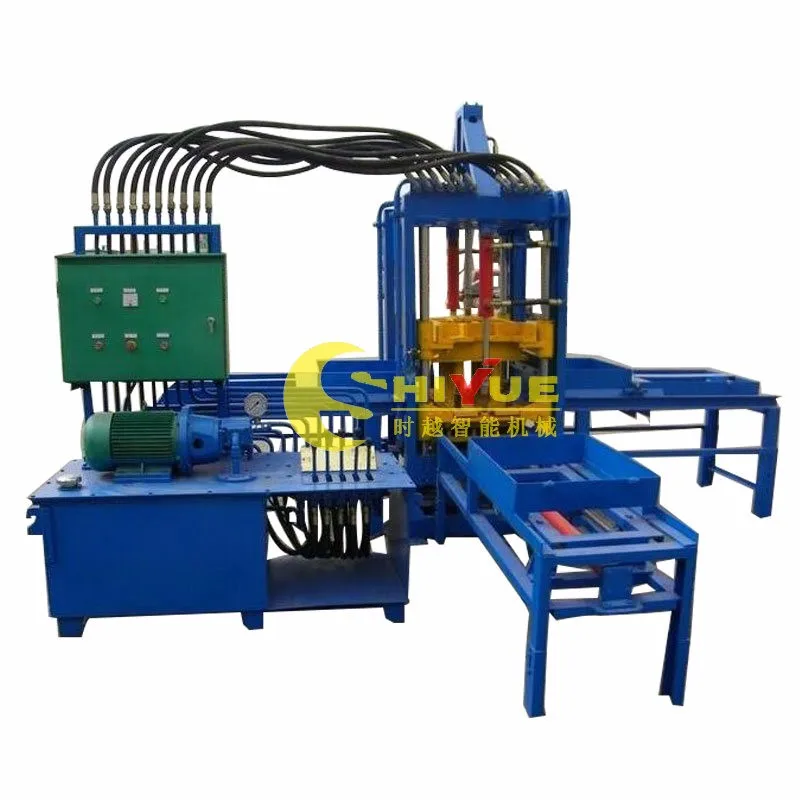
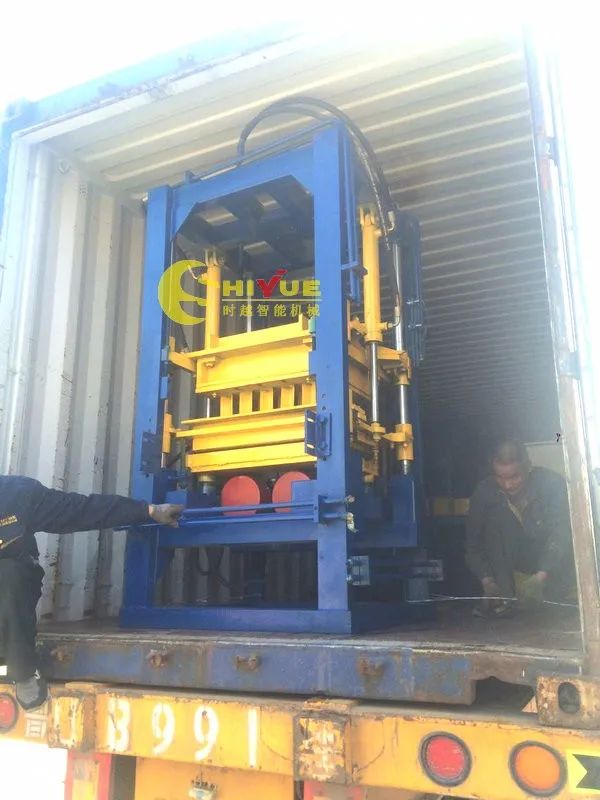
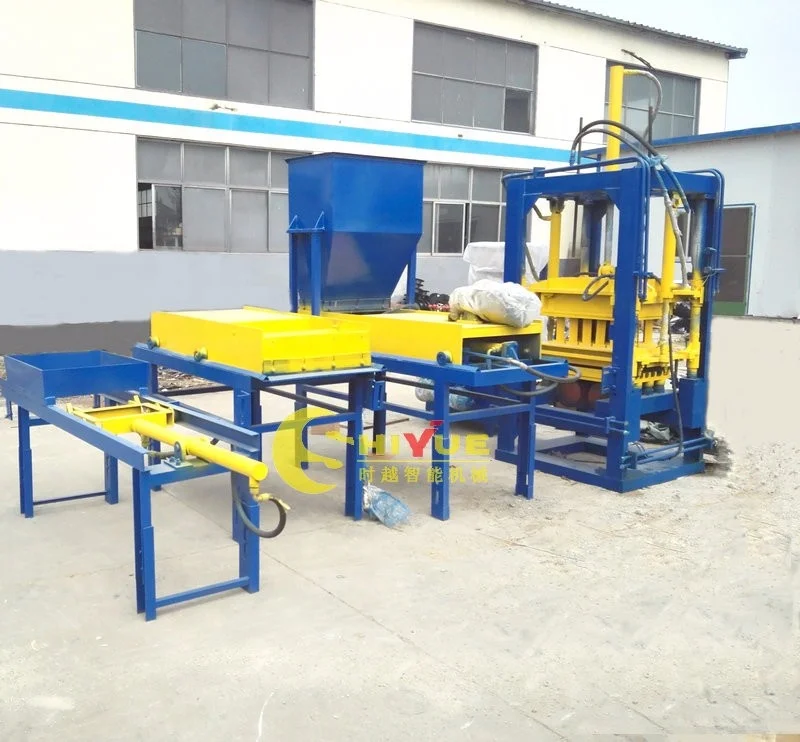

Description
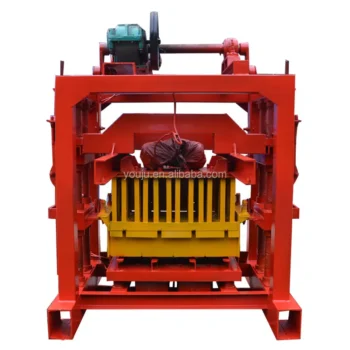
Mould-Matched Sizing — the QTF3-20 stationary block machine is configured around the buyer’s actual block format, local aggregate and curing footprint, not a single catalogue number.
Technical Specifications
| Parameter | Value |
|---|---|
| Model | QTF3-20 |
| Product Type | Stationary Block Making Machine |
| Rated Power | 17.5 kW |
| Voltage & Frequency | Configurable to site standard (basis to be confirmed) |
| Control System | Semi-Automatic, relay logic or optional PLC (basis to be confirmed) |
| Overall Dimensions (L×W×H) | 4000 × 3500 × 2300 mm |
| Net Weight | 2870 kg |
| Output Capacity | 4320 pcs/day (basis not stated in source — varies by block format) |
| Vibration Form | Platform Vibration |
| Hydraulic System | Hydraulic drive, pressure rating to be confirmed per mould load |
| Layer Capability | Double layer — raw material base plus color surface feed |
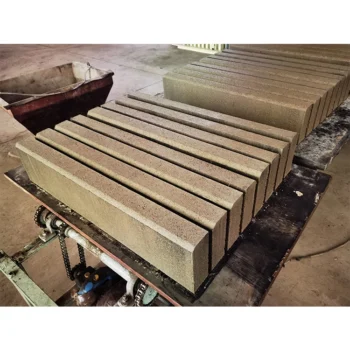
| Mould Compatibility | Hollow brick, interlock brick, color pavers, park grass brick, porous brick, standard brick |
| Pallet Size | To be matched to curing area and forklift (basis to be confirmed) |
| Mould Change System | Manual swap, time per format to be confirmed |
| Automation Level | Semi-Automatic |
| Stacking Method | Manual pallet handling (basis to be confirmed) |
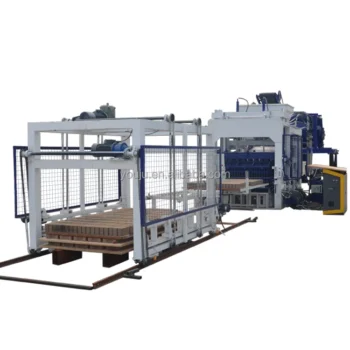
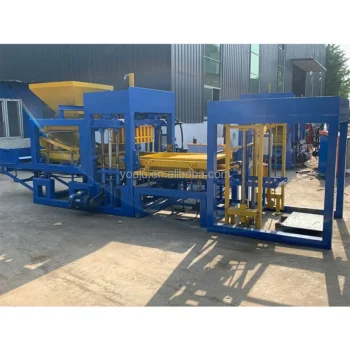
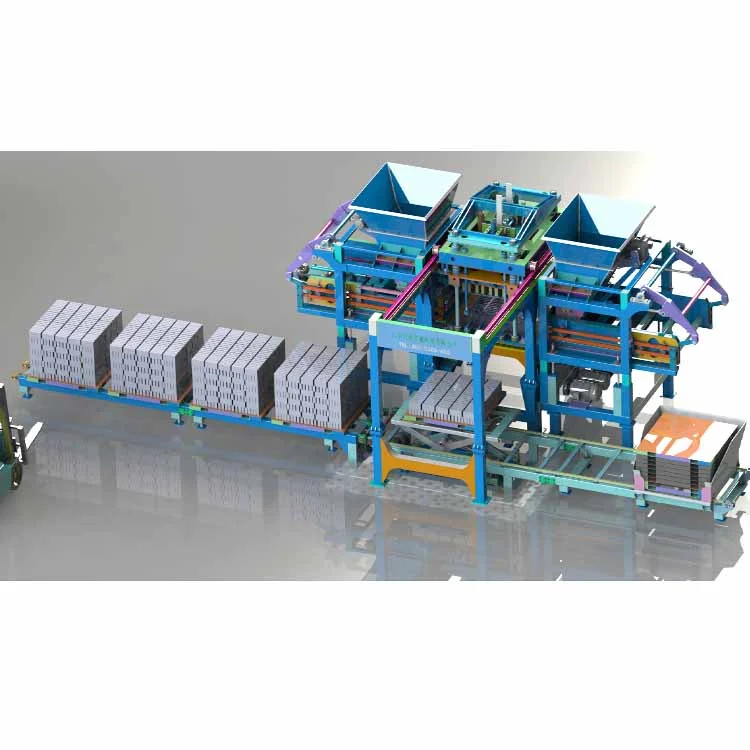
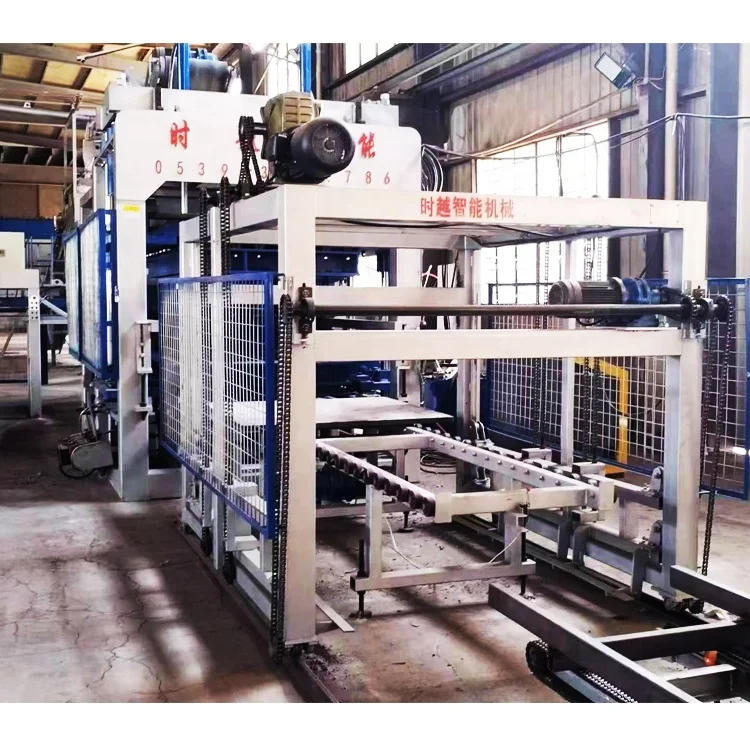
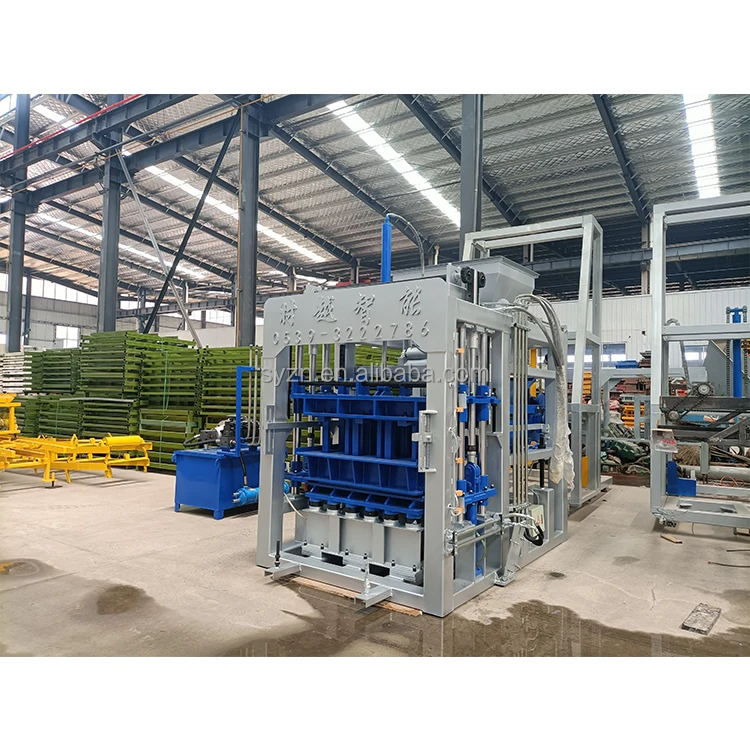
| Supporting Line Components | Host machine, material feeder, color material feeder, pallet feeder, block conveyor, hydraulic station, electricity box |
| Suggested Companion Equipment | JQ350 mixer, 8-meter conveyor belt |
| CE Declaration | Available where applicable |
Application Suitability
| Application | Material or Output |
|---|---|
| Hollow block production for masonry walls | Cement, crushed stone, sand — standard hollow formats |
| Interlocking paver laying for walkways and plazas | Double-layer feed with color face on cement-aggregate mix |
| Grass brick for parking lots and slope protection | Porous mix with coarse aggregate and fly ash |
| Solid standard brick for load-bearing and partition walls | Dense mix from local river sand or slag |
| Color face pavers for landscaping and municipal projects | Pigmented surface layer over standard concrete base |
What the Quoted Daily Capacity Number Hides About QTF3-20 Stationary Block Machine Specifications
The output figure on any block machine spec sheet means nothing without knowing which mould was running when that number was taken.
I have watched contractors in West Africa receive a QTF3-20 stationary block machine and wonder why their daily tally never matched the brochure. The machine was running hollow blocks in the factory test — large format, fewer pieces per mould. Back on site, the buyer switched to interlocking pavers with a denser mix and a longer cycle. The math changed completely. [NEED_CITE: block format impact on real daily output in semi-automatic machines] Without a per-format capacity table, the buyer is guessing at their own revenue. That is why every quotation for the QTF3-20 must list cycle time, pieces per mould and daily output for each block format the buyer intends to produce.
How Block Format Changes the Real Cycle Time
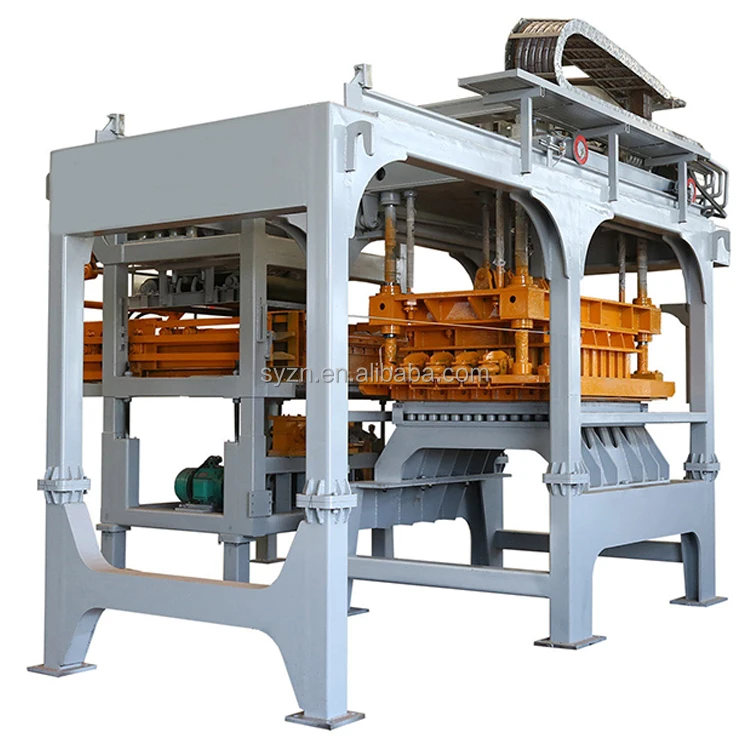
The QTF3-20 stationary block machine uses platform vibration and hydraulic drive to compact concrete into the mould cavity. A hollow block with large voids fills and releases faster because there is less material to vibrate and densify. Switch that same machine to a solid paver with a color face layer, and the cycle extends — the color feeder must deposit a second layer, and the vibration profile must hold longer to achieve surface finish and strength. Every format on the mould list carries its own cycle time, and that is the number that should drive your production plan.
Mould Selection and the Formats Your Market Actually Buys
A single QTF3-20 press can cover hollow bricks, interlocking pavers, grass bricks, porous bricks and standard solid bricks through mould swaps. But a mould swap is only useful if it finishes before the shift ends. [NEED_CITE: typical mould change durations on small stationary block presses] Before ordering, the buyer should confirm which formats sell locally and request a mould drawing for each. Custom mould design from buyer drawings is available, so a niche format — say, a kerbstone profile specific to a municipal tender — can be tooled without waiting for a catalogue match.
Reading the QTF3-20 Specs Through a Production Lens
The 17.5 kW rated power covers the hydraulic pump, vibration motor and conveyor drives together. On a double-layer run with color face material, the color feeder motor adds load, so the electrical supply must handle sustained draw at that level. Platform vibration means the pallet itself sits on the vibrating table — pallet flatness and stiffness directly affect block dimensional consistency. The overall footprint of 4000 × 3500 mm leaves room for the host machine and pallet feeder, but the buyer must also plan space for the JQ350 mixer and the 8-meter conveyor belt that feed raw material into the hopper. Net weight of 2870 kg means the foundation must be a level concrete pad, not compacted earth, to prevent vibration from walking the machine off alignment over time.
The Cost of Skipping the Pallet and Voltage Conversation
I have seen machines sit uncrated at port because the buyer assumed 380V/50Hz was universal. The QTF3-20 stationary block machine voltage and frequency must be confirmed before production starts, not after the container ships. The same goes for pallet size. If the buyer’s curing yard uses a specific forklift fork width, the pallet dimensions must match that fork — otherwise every loaded pallet has to be re-stacked by hand before it leaves the press. [NEED_CITE: pallet dimension mismatch as a cause of post-installation handling delays] These are not engineering problems. They are paperwork problems, and they are entirely avoidable if the checklist is followed before the purchase order.
Why Sourcing This Press Through a Single-Line Supplier Matters
The QTF3-20 is not sold as a standalone press. The host machine, material feeder, color material feeder, pallet feeder, block conveyor, hydraulic station and electricity box are specified as one matched set. That means the cycle timing between stations is coordinated before the line ships, so the press is not left idle waiting for the next pallet or the next batch of mix. Mould design covers the formats the buyer’s market actually moves, and custom drawings are accepted when the catalogue does not have a match. The automation level starts at semi-automatic, but the line layout allows upgrading pallet handling and stacking later without replacing the press. Factory testing runs the exact block format and mix the buyer will use on site, not a default test block. Installation support includes operator training so the crew knows mould change procedure and daily maintenance before the first production shift.
Documentation & Verification
- Capacity calculation sheet listing cycle time and daily output per block format
- Mould drawing and format list confirming each cavity profile and piece count
- Pallet specification with dimensions, material grade and thickness
- Hydraulic and electrical schematic matched to confirmed voltage and frequency
- Factory test record on buyer’s target block format before dispatch
- Operation and maintenance manual in confirmed display language
Installation, Commissioning & Support
- Level concrete pad required; 2870 kg net weight demands stable foundation to prevent vibration drift
- Dedicated electrical circuit sized for 17.5 kW sustained draw plus mixer and conveyor loads
- Host machine ships with supporting line components pre-matched; on-site assembly aligns pallet feeder to press
- First-run commissioning verifies cycle time against buyer’s mix design and chosen block format
- Operator training covers mould swap procedure, hydraulic pressure adjustment and daily lubrication points
- Wear parts list and mould catalogue provided so first replacement order can be placed before stock runs out
Preparing a Useful Inquiry
To size the QTF3-20 stationary block machine correctly, share the block formats your market moves, the dimensions and target strength for each, and your local raw material — especially whether your sand is river-washed or high-clay. Include your site voltage, frequency and preferred control display language. If you already have a curing yard and forklift, send the pallet dimensions you are currently using so the feeder and pallet spec can be matched before production starts.
Frequently Asked Questions
Q: What block format was used to calculate the 4320 pieces per day figure?
A: That number comes from a factory reference run and the specific block format behind it is not stated in the source document. Real daily output depends on which mould is installed, the pieces per cavity, and the cycle time for your mix. A per-format capacity table is provided with every quotation so you can plan against actual numbers.
Q: How long does a mould change take on this press?
A: Mould change duration depends on the mould weight, bolt pattern and whether the operator has done it before. The exact time is confirmed during commissioning and operator training. Dedicated tools, if required, are listed in the documentation. Custom moulds from buyer drawings are also supported.
Q: How is voltage and control language confirmed before shipment?
A: Voltage, frequency and PLC or relay display language are confirmed during the quotation stage and written into the production order. The electrical schematic is reviewed with the buyer before assembly so that the machine arrives ready to connect without on-site rewiring or panel replacement.
Q: My local sand has high clay content — will that affect block strength?
A: Yes. High-clay river sand changes the water demand and reduces cement bonding, which lowers compressive strength. The vibration and hydraulic pressure settings on the QTF3-20 can be adjusted to compensate within limits, but the mix design should be tested with your actual aggregate before the factory test run is scheduled.
Q: Are pallets included in the quotation, and how do I match them to my curing yard?
A: Pallets are part of the supporting line and can be included. To match them, share your existing curing rack dimensions, forklift fork width and stacking height. The pallet size, material and thickness are then specified so loaded pallets move from press to yard without re-handling.