

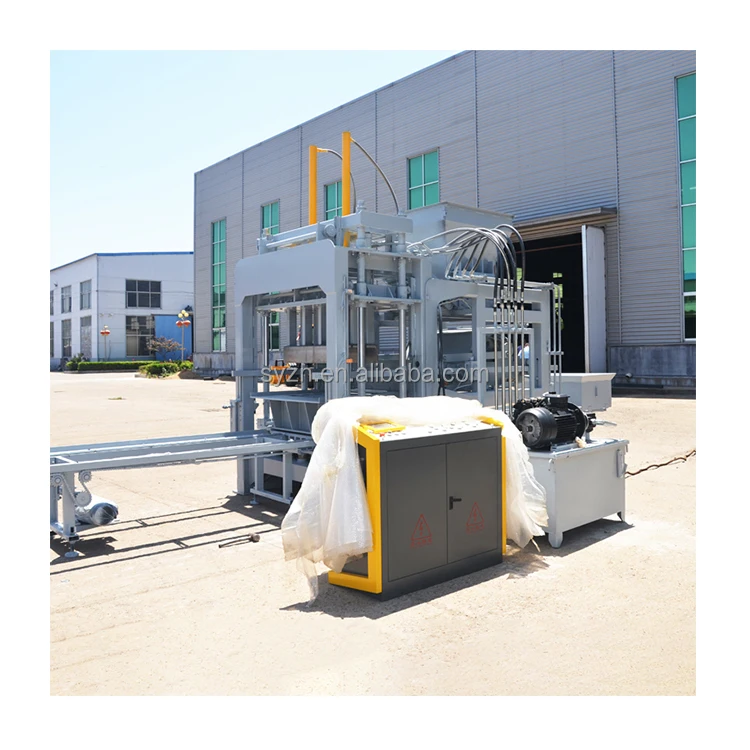
Description
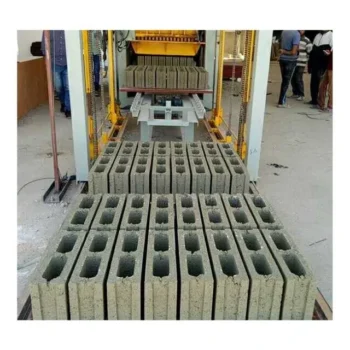
Format-matched capacity — every QT7-15 output figure is calculated against your target block dimensions and local mix, not a generic cycle time that ignores what you actually produce.
Technical Specifications
| Parameter | Value |
|---|---|
| Model | QT7-15 |
| Product Type | Automatic Concrete Block Making Machine |
| Pallet Size | 1150 × 700 mm |
| Molding Cycle | 15–20 s |
| Overall Power | 45 kW |
| Vibration Force | 100 kN |
| Vibration Frequency | 0–60 Hz |
| Vibration Form | Platform Vibration |
| Total Mass | 8 T |
| Demolding Method | Hydraulic |
| Control System | PLC with touch screen interface |
| Output Capacity (Hollow Block 400×200×200 mm) | 1,260–1,680 pcs/hour |
| Output Capacity (Hollow Block 400×150×200 mm) | 1,440–1,920 pcs/hour |
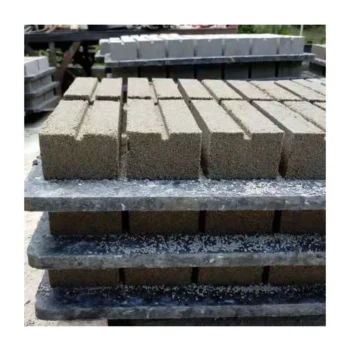
| Output Capacity (Rectangular Brick 200×100×60 mm) | 3,888–4,860 pcs/hour |
| Mould Change System | Quick replacement for multi-format production |
| Remote Diagnostics | Supported with fault diagnosis capability |
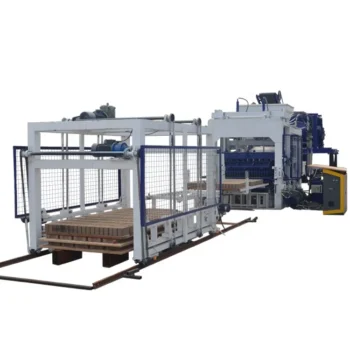
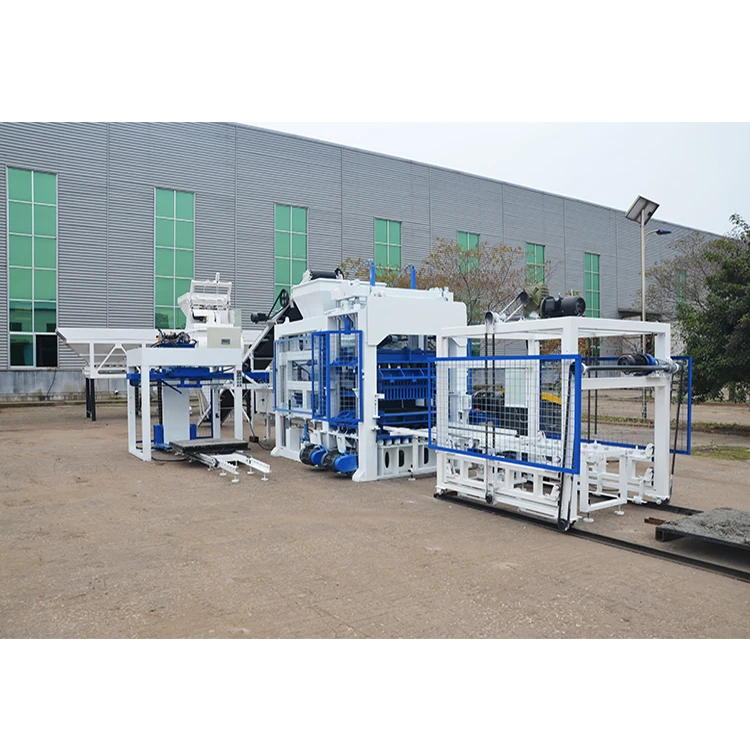
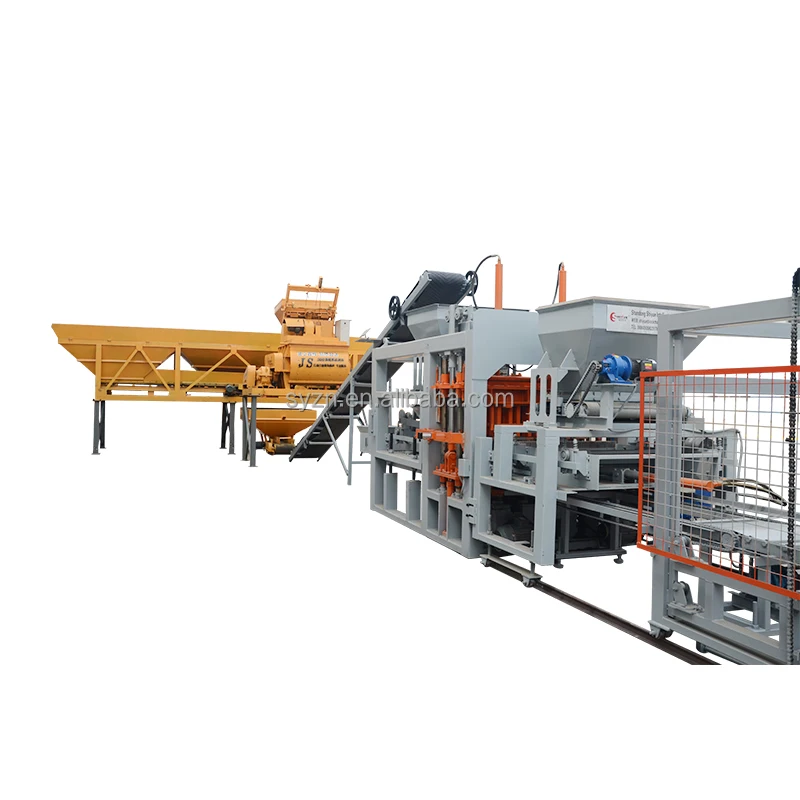
| Key Features | Automatic PLC intelligent control, pallet feed machine, storage hopper, conveyor, hydraulic unit |
Application Suitability
| Application | Material or Output |
|---|---|
| Hollow block production | Crushed stone, sand, cement, and lightweight aggregates for 400×200×200 mm and 400×150×200 mm formats |
| Solid block manufacturing | Dense aggregate mixes for load-bearing and non-load-bearing wall units |
| Paving brick production | Fine aggregate and cement blends for 200×100×60 mm rectangular bricks |
| On-site contractor production | Mobile or fixed plant setups where block format changes between project phases |
| Building material distributor operations | Multi-format runs across hollow, solid, and paving formats from a single machine platform |
What "15–20 Second Cycle" Actually Means for Your Daily Output
Cycle time only matters when tied to the block format you sell and the mix you can source locally.
I spent two weeks on a site outside Dubai recalibrating vibration parameters because the local aggregate had a clay content the original configuration never accounted for. The machine was mechanically sound — the problem was a capacity quote built on a clean-sand assumption that collapsed the moment real material hit the hopper. When you evaluate QT7-15 block machine specifications, the cycle range of 15–20 seconds must be read against the specific block dimensions and your actual mix design, not treated as a universal throughput guarantee [NEED_CITE: aggregate properties and block machine cycle time correlation].
Matching Vibration Force to Your Aggregate Profile
The platform vibration system delivers 100 kN of force across a 0–60 Hz frequency range. This is the parameter that determines whether your blocks reach target compressive strength or crumble at the edges during demolding. QT7-15 block machine specifications list this range because different aggregates demand different frequency-force combinations — coarse crushed stone requires higher amplitude at lower frequency, while fine sand and fly ash blends respond better to high-frequency, lower-amplitude settings. Getting this wrong means inconsistent density across the pallet and blocks that fail strength tests.
Pallet Size and What It Dictates Downstream
The 1150 × 700 mm pallet is not an arbitrary choice. It determines how many blocks per cycle, how the curing racks must be spaced, and which forklift tine width can handle loaded pallets safely. If your existing curing area was built around a different pallet dimension, switching after delivery means rebuilding rack infrastructure. Confirming pallet compatibility before production starts prevents a situation where freshly pressed blocks have nowhere to go and stack up on the floor, negating the automation you paid for [NEED_CITE: pallet and curing infrastructure integration in block plants].
Reading the Specs That Actually Affect Your Block Quality
The hydraulic demolding system works in sequence with platform vibration to release blocks without edge damage. Total machine mass of 8 T provides the static weight needed to dampen vibration transfer into the foundation — a lighter frame would require more extensive concrete footing to maintain molding precision. The 45 kW overall power draw covers the hydraulic pump, vibration motors, conveyor, and PLC cabinet together, so your electrical supply must accommodate startup surge on the hydraulic motor without tripping breakers shared with other plant equipment. The PLC touch screen interface stores mold-specific parameters, meaning once you dial in the right vibration-hydraulic balance for a 400×150×200 mm hollow block, those settings recall instantly on the next run of that format.
The Cost of Skipping Mix-Design Verification
When vibration frequency and hydraulic pressure are set to a default rather than your aggregate report, the consequences arrive gradually. Block density drifts across the pallet. Corner blocks cure weaker than center blocks. Moulds wear unevenly because the mix is not compacting symmetrically. By the time you notice, you have already shipped product that may fail site acceptance tests, and adjusting parameters mid-production means re-running quality checks on everything pressed since the last verified batch [NEED_CITE: block strength variability from unverified mix-machine settings].
Why Sourcing From a Format-Focused Supplier Matters
Configuration starts with your target block format, local aggregate report, and daily output requirement — not a catalogue page. Mould design covers the formats your market actually sells, including custom drawings when standard options do not match. The pallet and handling equipment are specified as one matched system so the press is never waiting on upstream or downstream stations. Automation level is selectable, letting you start with the QT7-15 in a semi-automatic configuration and add automatic stacking later. Installation includes operator training so your team understands parameter adjustment, not just button-pressing.
Documentation & Verification
- Line layout and capacity calculation stating block format assumed for each QT7-15 output figure
- Mould drawing and format list confirming which block types quoted capacity applies to
- Pallet specification sheet with size, material, and curing area compatibility confirmation
- Voltage, frequency, and PLC display language confirmation document before shipment
- Factory test record run on your target block format with cycle time logged per piece
Installation, Commissioning & Support
- Foundation must support 8 T static mass plus dynamic vibration load from the 100 kN platform system
- Dedicated electrical circuit required for 45 kW total draw with hydraulic motor startup surge headroom
- Machine ships dismantled for container loading; reassembly sequence covered in operation manual
- PLC touch screen parameters calibrated on-site against your local aggregate and target block strength
- Quick mould change system training included so your team can switch formats without extended downtime
- Wear parts and hydraulic seal list provided with recommended replacement intervals
What We Need From You to Build an Accurate Proposal
Share your target block formats with dimensions, the daily volume you need per format, and an aggregate sieve analysis or lab report from your local source. Confirm the voltage and frequency at your site along with the preferred PLC display language. Let us know what curing space and forklift equipment you already have so pallet size and handling configuration align with your existing infrastructure.
Frequently Asked Questions
Q: How is QT7-15 capacity verified for my specific block format rather than a generic catalogue figure?
A: We calculate output per format using your target block dimensions and the 15–20 second molding cycle, then document each figure in the capacity sheet. This means the 1,260–1,680 pcs/hour figure applies specifically to 400×200×200 mm hollow blocks and is not conflated with paving brick rates.
Q: What mould formats are available and what is the realistic mould change time?
A: The quick mould change system supports hollow, solid, and paving formats including custom designs from your drawings. Changeover involves releasing hydraulic clamps and lifting the mould cassette — operators trained during commissioning typically complete the switch well within a single shift.
Q: How is vibration force matched to my local aggregate and mix design?
A: The 0–60 Hz frequency range and 100 kN platform vibration are adjustable through the PLC. We review your aggregate report before commissioning and set initial parameters, then fine-tune on-site until block density and compressive strength meet your specification consistently across the pallet.
Q: What pallet size is specified and how does it integrate with my existing curing setup?
A: The 1150 × 700 mm pallet is confirmed against your curing rack spacing and forklift tine width before production. The pallet specification sheet documents material and dimensions so you can verify compatibility with your existing handling infrastructure before the machine ships.
Q: What documentation confirms electrical and control specifications before shipment?
A: You receive a voltage and control language confirmation document listing supply voltage, frequency, and PLC display language. This prevents commissioning delays caused by mismatched electrical supply or operators unable to read the touch screen interface.