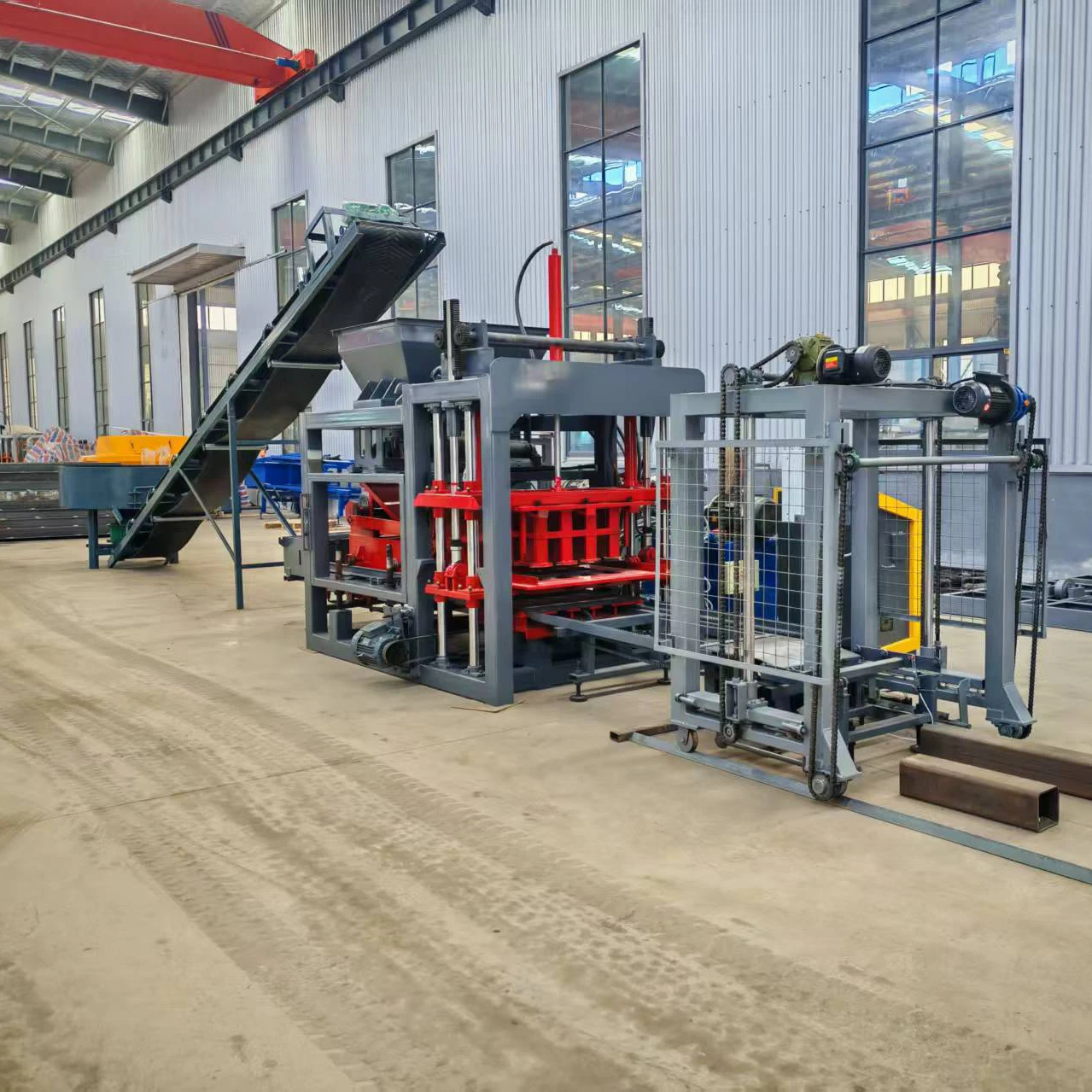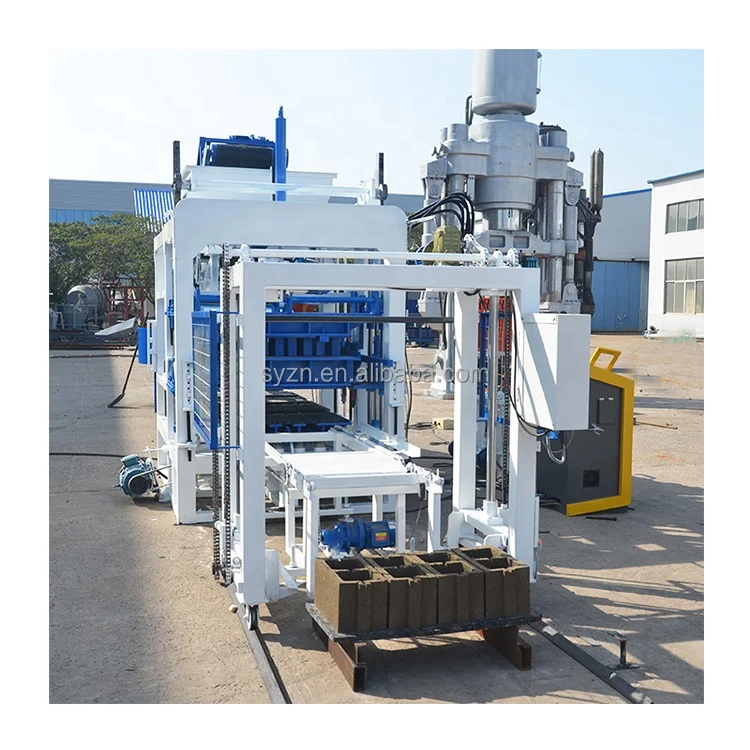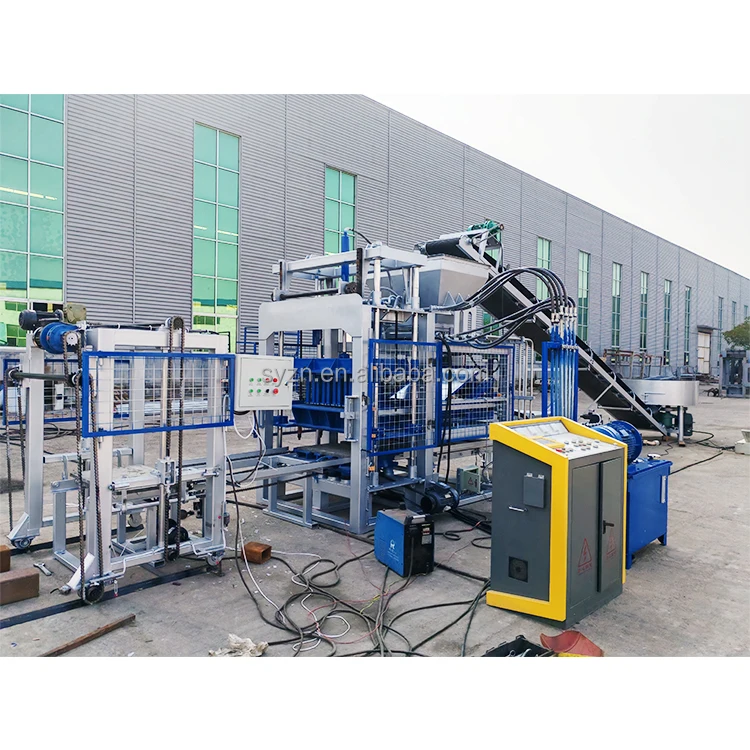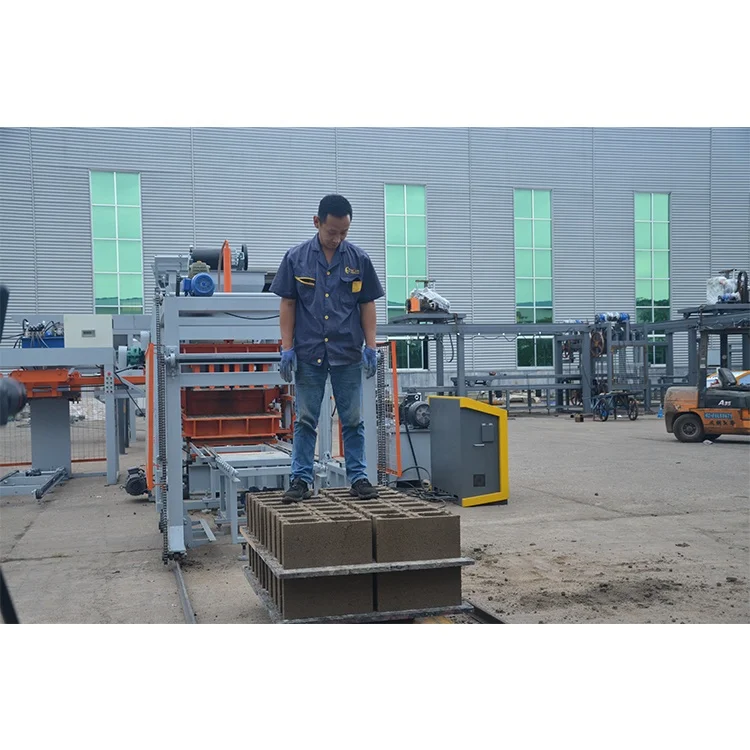


Description
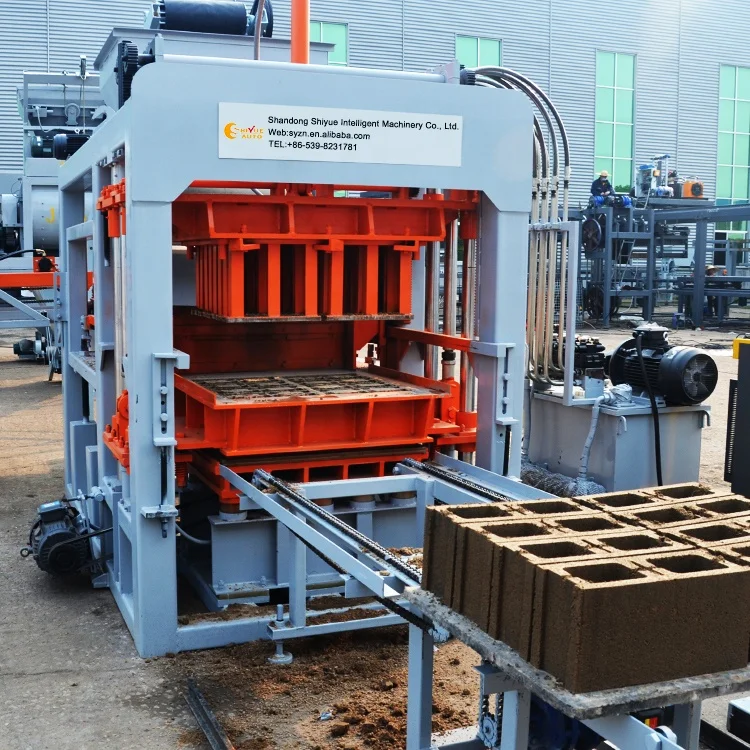
Format-matched configuration — Every output figure for the QT6-15 is tied to a named block size and mould count, eliminating the guesswork buyers face when generic cycles-per-hour claims fall short on site.
Technical Specifications
| Parameter | Value |
|---|---|
| Model | QT6-15 |
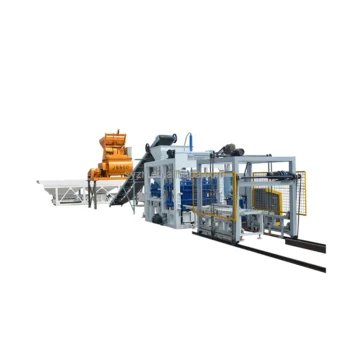
| Product Type | Hollow Block Making Machine |
| Overall Dimensions (L×W×H) | 8200×1700×2950 mm |
| Vibration Frequency | 0–60 Hz |
| Vibration Form | Platform Vibration |
| Vibration Force | 45 kN |
| Moulding Mode | Automatic loading, vibration moulding |
| Pallet Size | 880×850 mm |
| Molding Cycle | 15–20 s (hollow blocks), 20–25 s (pavers) |
| Overall Power | 37 kW |
| Total Mass | 7 T |
| Demolding Method | Hydraulic |
| Factory Area Required | 1200 m² |
| Control System | PLC with touch screen interface |
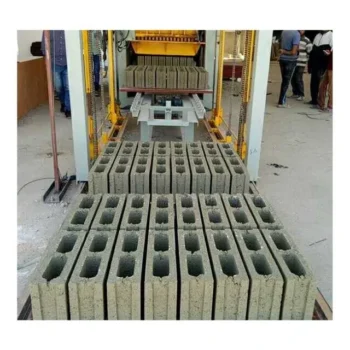
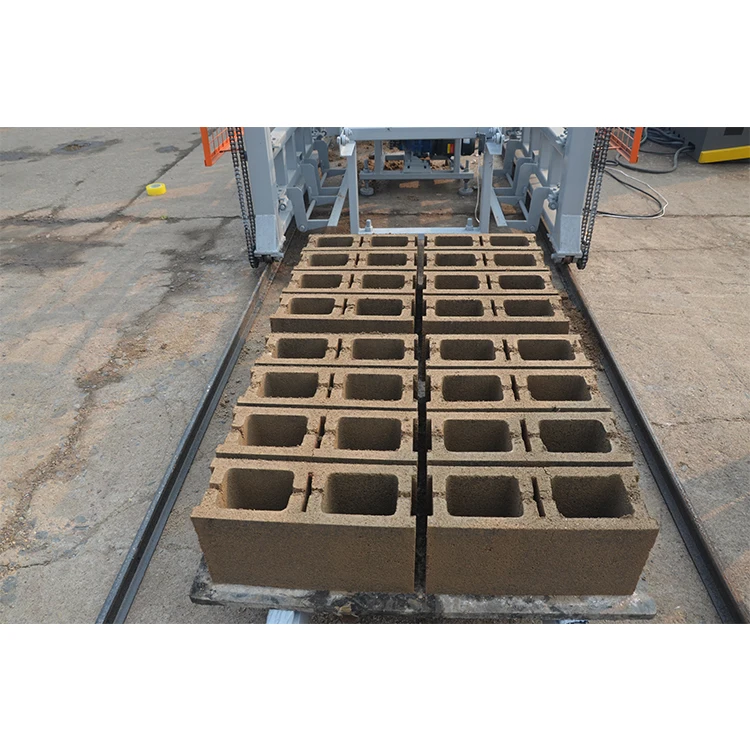
| Output — Hollow Block 400×200×200 mm | 1080–1440 pcs/hour (6 pcs/mould, 15–20 s cycle) |
| Output — Hollow Block 400×150×200 mm | 1440–1920 pcs/hour (8 pcs/mould, 15–20 s cycle) |
| Output — Solid Brick 240×115×53 mm | 5760–7680 pcs/hour (32 pcs/mould, 15–20 s cycle) |
| Output — Rectangular Paver 200×100×60 mm | 2160–2880 pcs/hour (21 pcs/mould, 20–25 s cycle) |
| Output — Zigzag Paver 225×112.5×60 mm | 2160–2880 pcs/hour (15 pcs/mould, 20–25 s cycle) |
| Compressive Strength of Blocks | More than 15 MPa |
| Automation Level | PLC-controlled with intelligent electronic control |
| Raw Material Adaptability | Waste ash, slag, cement-based mixes |
| Standards | CE declaration where applicable |
Application Suitability
| Application | Material or Output |
|---|---|
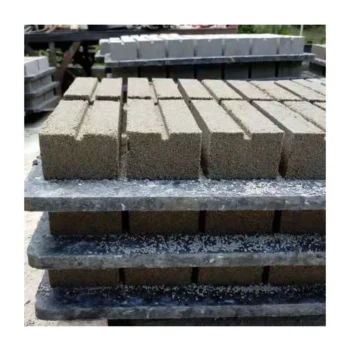
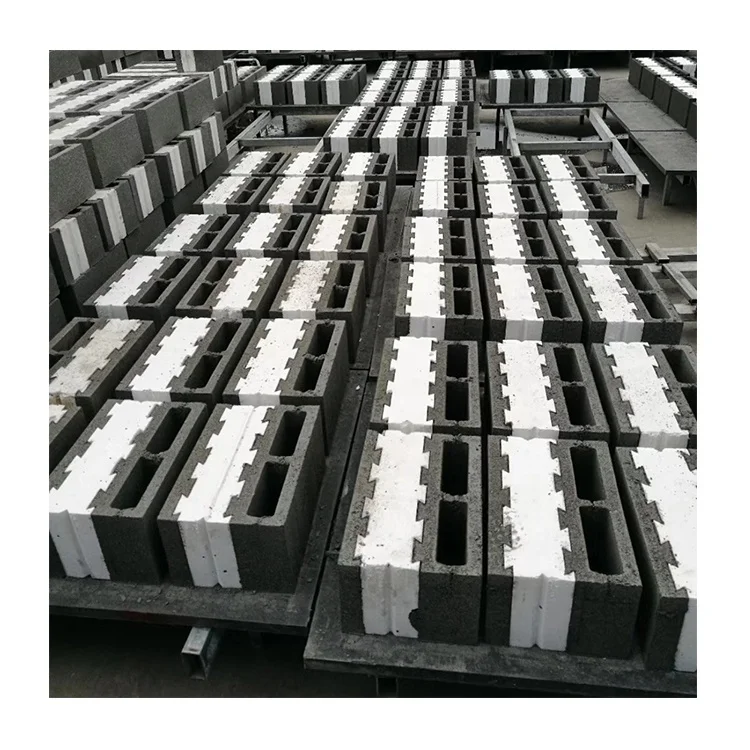
| Hollow block production for building walls | Cement, crushed stone, sand, and fly ash mixes forming 400×200×200 mm or 400×150×200 mm blocks |
| Solid brick manufacturing | Dense cement-aggregate blends producing 240×115×53 mm bricks for load-bearing and infill work |
| Paving block production for roads and walkways | High-strength mixes yielding 200×100×60 mm rectangular or 225×112.5×60 mm zigzag pavers |
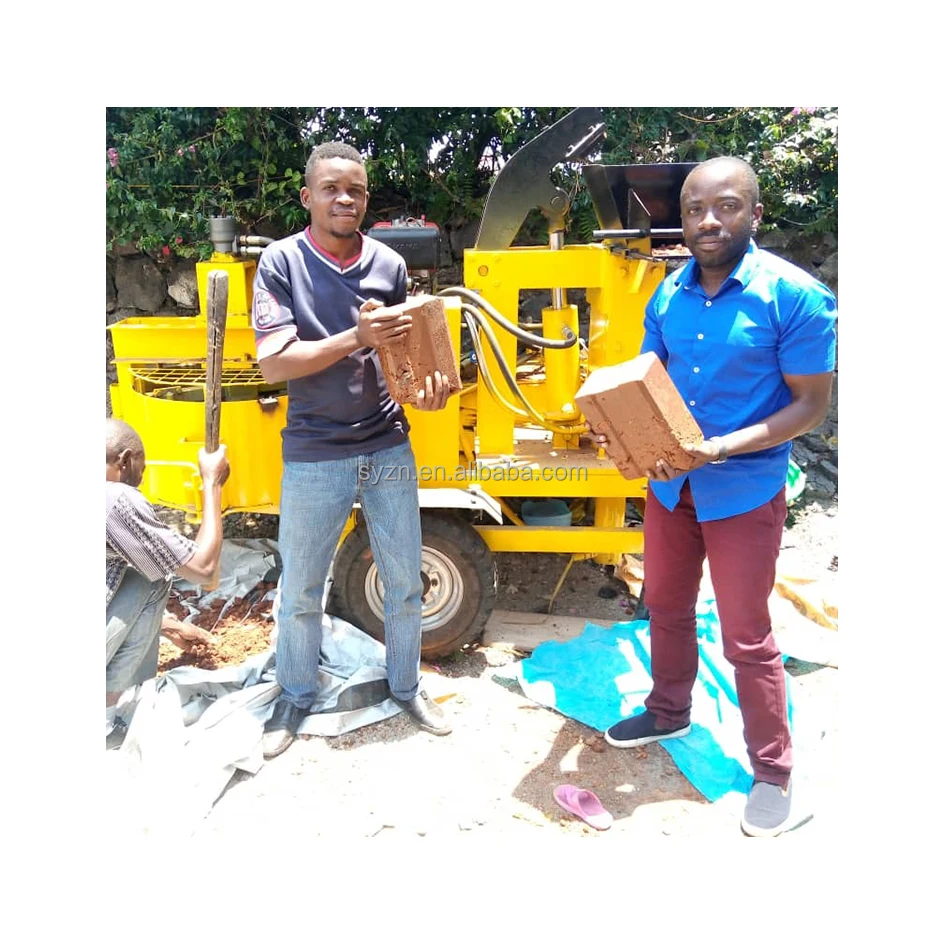
| Interlocking brick formation | Cement-stabilized soil or aggregate for interlocking formats used in retaining walls and erosion control |
| Construction block manufacturing using industrial waste | Fly ash, slag, and other waste ash combined with cement for structural and non-structural blocks |
What "Pieces per Hour" Actually Means for Your Block Format
Capacity is meaningless without naming the exact block size and mould cavity count behind the number.
Too many hollow block making machine specifications quote a single output figure that assumes an ideal format, leaving buyers to discover on site that their actual daily production falls well short. When a plant in Southeast Asia ordered a mid-tier press rated for a certain hourly cycle, the real output on their primary 400×200×200 mm hollow block was noticeably lower because the mould cavity count and local aggregate behaviour were never factored into the original calculation [NEED_CITE: block machine capacity calculation standards]. Workers ended up running overtime shifts to fill the gap between the quoted number and reality.
Matching Cycle Time to the Block You Actually Sell
The QT6-15 hollow block making machine specifications list separate cycle times for each product family: 15–20 seconds for hollow blocks and 20–25 seconds for pavers. This distinction matters because denser paver mixes need longer vibration to achieve full compaction, and a machine that averages the two will either under-vibrate pavers or waste seconds on hollow blocks that cure faster. Every capacity figure above names the exact block dimension, mould cavity count, and cycle range so you can model daily output against your actual product mix.
Pallet Size as a Line Planning Constraint
The 880×850 mm pallet dimension drives more than just the press footprint. It determines the spacing of your curing racks, the fork truck aisle width, and whether existing pallets from a previous line can be reused. Buyers who confirm pallet compatibility before the machine ships avoid the cost and delay of reconfiguring the curing yard after arrival. This hollow block making machine ships with pallet specifications documented upfront so your material handling layout can be finalized in parallel with production [NEED_CITE: pallet handling and curing area planning for block plants].
How Vibration Force and Hydraulic Pressure Shape Block Density
The 45 kN vibration force working through the platform vibration system compacts the mix from below, while the hydraulic demolding system applies controlled pressure during extraction. Together they determine whether the finished block reaches the stated compressive strength of more than 15 MPa. If the local aggregate contains high clay or silt content — a common condition across Philippine and Indonesian quarries — the vibration frequency range of 0–60 Hz allows the operator to tune the input until test blocks meet the target strength. Running at a default frequency without testing the actual mix is a frequent cause of inconsistent block quality in the field.
The Cost of Skipping Format-Level Detail
When a buyer selects a press based on a single headline capacity number, the consequences ripple through the entire operation. Mould changes take longer than expected because the quick-change system was not specified for the number of formats in the production plan. The curing area runs out of space because pallet dimensions were never checked against rack spacing. The electrical panel arrives with a PLC display language the operators cannot read, delaying commissioning by weeks [NEED_CITE: PLC language and voltage configuration for export machinery]. None of these issues appear in a generic spec sheet, yet each one costs real time and money once the machine is on the ground.
Why Sourcing Through a Format-First Process Matters
Block machinery is the single focus here, which means the press, mould, pallet, and handling equipment are specified as one matched system rather than assembled from separate suppliers. Configuration starts with your actual mix design and local aggregate, not a catalogue default, so vibration parameters are set against material you can actually source. Mould design covers the specific formats your market sells, including custom drawings when standard cavities do not match. Automation level is selectable, allowing a buyer to start semi-automatic and add stacking or cubing later. Installation support includes operator training so the crew understands parameter adjustment from day one.
Documentation & Verification
- Line layout with capacity calculation naming each block format and its assumed cycle time
- Mould drawing and format list showing cavity count and dimensions for every product type
- Pallet specification sheet with size, material grade, and weight for curing rack planning
- Hydraulic and electrical schematic matched to your confirmed voltage and frequency
- Factory test record run on your target block format before the machine leaves the workshop
- Voltage and PLC control language confirmation document signed off prior to production
Installation, Commissioning & Support
- Foundation plan sized for the 8200×1700 mm footprint and 7 T operating mass of the QT6-15
- Dedicated power circuit rated for the 37 kW total load with voltage confirmed before wiring
- Machine shipped in dismantled state with reassembly sequence documented for site crews
- First-run parameter tuning on your local aggregate to validate cycle time and block strength
- PLC touch screen training covering fault diagnosis, recipe storage, and cycle adjustment
- Wear parts list covering hydraulic seals and vibration components with reorder intervals
Before You Request a Quote
To size the QT6-15 accurately, share the block formats you plan to produce along with target daily output for each. Provide a sample or description of your local aggregate so vibration parameters can be matched before the machine enters production. Confirm your site voltage, frequency, and preferred PLC display language so commissioning proceeds without electrical delays.
Frequently Asked Questions
Q: How is the 1080–1440 pcs/hour capacity calculated, and which block format does it assume?
A: That figure assumes the 400×200×200 mm hollow block with a 6-cavity mould and a 15–20 second molding cycle. It represents the press output under those specific conditions. Switching to a different block size or mould cavity count changes the hourly number, which is why every capacity row in the specification table names the exact format and cycle range.
Q: What pallet size does the QT6-15 require, and how does this affect my curing area layout?
A: The machine uses 880×850 mm pallets. This dimension determines curing rack spacing, fork truck aisle width, and stacking height. Confirming pallet compatibility with your existing curing infrastructure before shipment prevents costly yard reconfiguration after the machine arrives on site.
Q: Can the mould be changed to produce different block formats, and what is the changeover time?
A: The QT6-15 supports multiple mould formats including hollow blocks, solid bricks, and pavers. Mould change involves swapping the mould box and adjusting PLC recipe parameters. Changeover duration depends on the crew’s familiarity with the system and whether a quick-change frame was included in the configuration.
Q: What raw material mix design and aggregate size work with the 45 kN vibration force rating?
A: The platform vibration system at 0–60 Hz handles cement-based mixes with waste ash, slag, and crushed stone aggregate. High clay or silt content in local aggregate may require frequency adjustment. Running trial blocks with your actual material before finalizing parameters ensures the target compressive strength is met consistently.
Q: Is the PLC display language configurable, and what voltage options are available for the Philippine market?
A: The PLC touch screen interface supports configurable display language, confirmed during the pre-production specification stage. Voltage and frequency are set to match your site supply — the Philippine grid typically runs on 220V/60Hz or 380V/60Hz depending on the region — and this must be locked in before the electrical panel is wired.