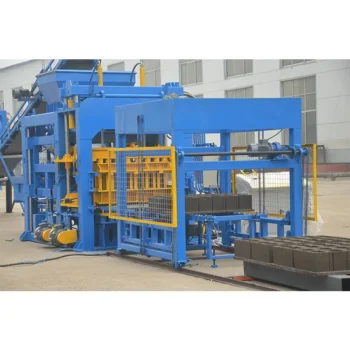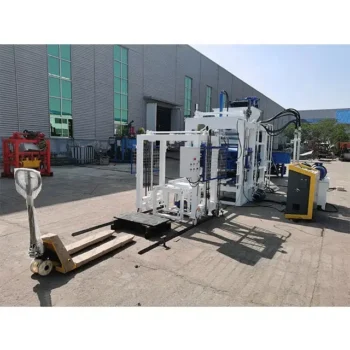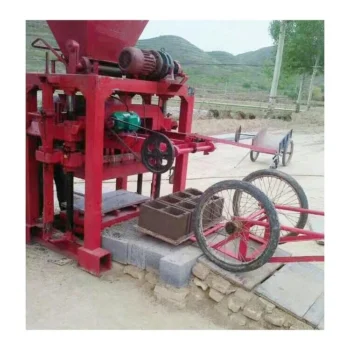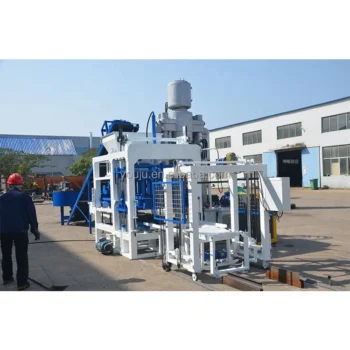
Description
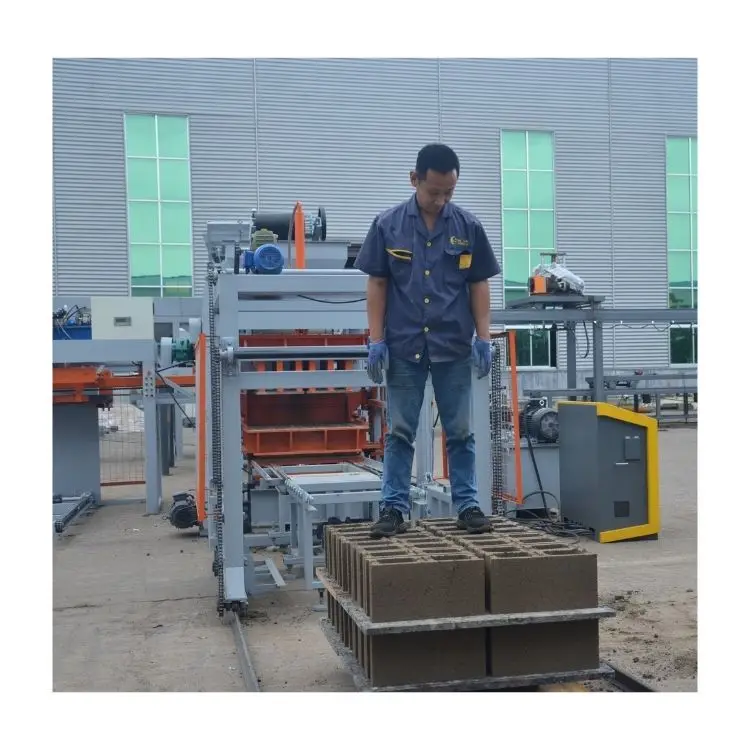
Matched Pallet and Mould Sizing — every capacity figure for the QT6-15 is stated against a named block format on the 900×700mm pallet, so your daily planning starts from real numbers instead of a catalogue headline.
Technical Specifications
| Parameter | Value |
|---|---|
| Model | QT6-15 |
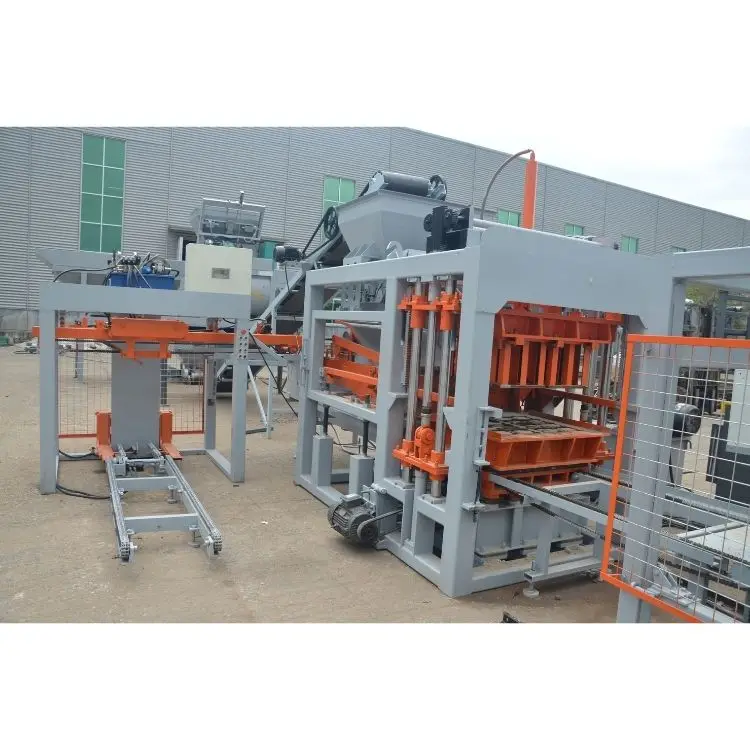
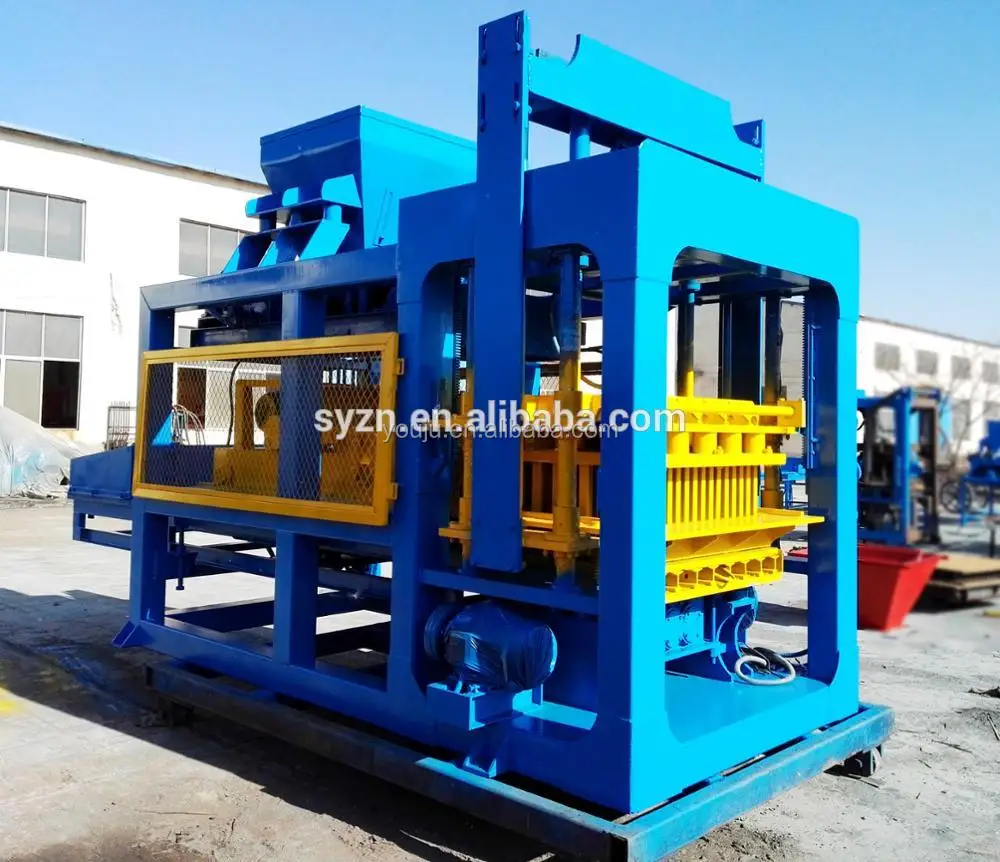
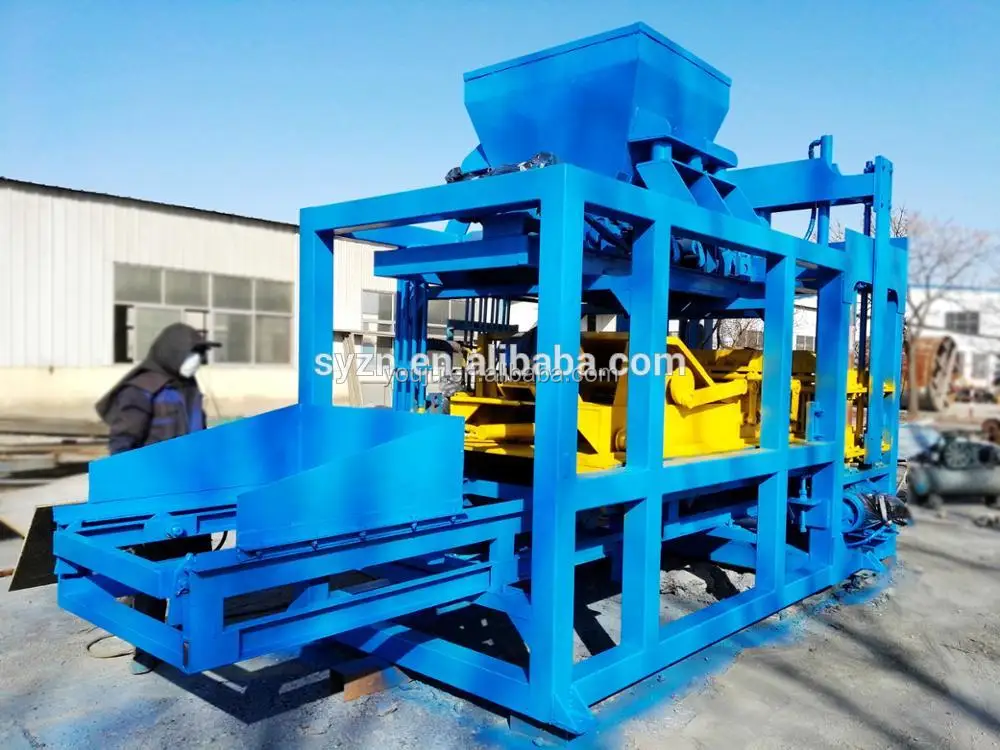
| Product Type | Automatic Concrete Block Making Machine |
| Rated Pressure | 21 MPa |
| Molding Way | Vibration and hydraulic pressing |
| Molding Cycle | 15 s – 20 s |
| Pallet Size | 900 × 700 mm |
| Main Machine Weight | 6 000 kg |
| Voltage | Configurable to local supply (basis to be confirmed before production) |
| Control System | Available with PLC or relay logic depending on line tier |
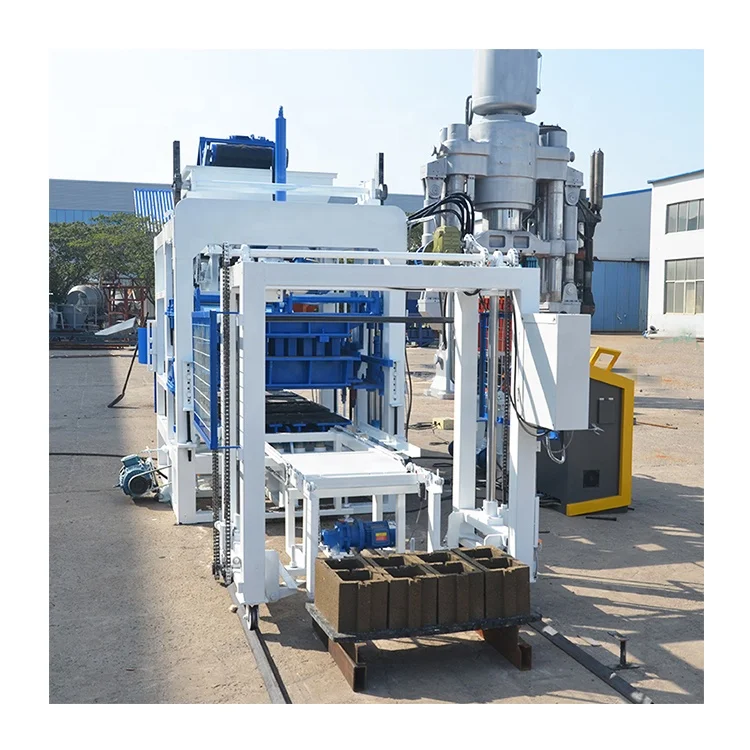
| Automation Level | Fully automatic line or simple semi-automatic configuration |
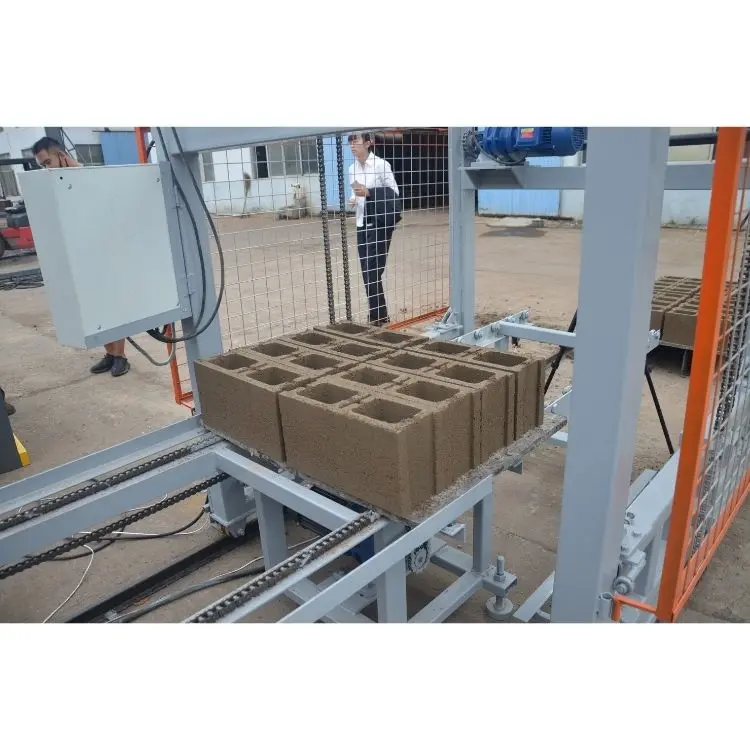
| Output – Hollow Block 400×200×200 mm | 1 440 pcs/h, 11 520 pcs/8 h (basis: stated block size) |
| Output – Paving Brick 200×100×60 mm | 5 040 pcs/h, 40 320 pcs/8 h (basis: stated block size) |
| Output – Solid Brick 240×115×53 mm | 7 680 pcs/h, 61 440 pcs/8 h (basis: stated block size) |
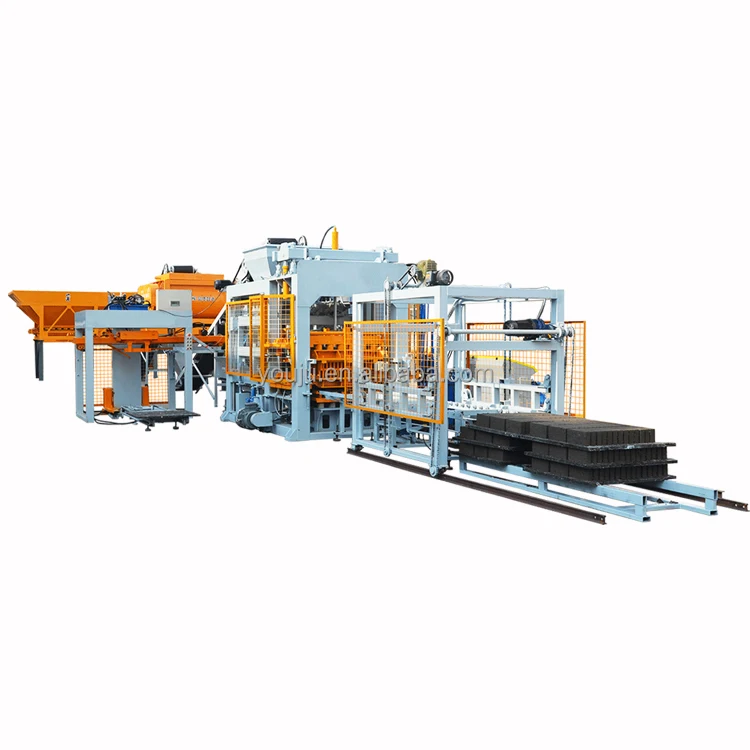
| Simple Line Configuration | JS500 mixer, 8 m belt conveyor, automatic stacker |
| Advanced Line Configuration | Cement silo, screw conveyor, cement scale, batching machine, pallet loader, block-and-pallet separator |
| Warranty | 1 year excluding wearing parts |
Application Suitability
| Application | Material or Output |
|---|---|
| Hollow block production for load-bearing and partition walls | Cement, sand, crushed stone, fly ash |
| Interlocking and paving brick for sidewalks and yards | Cement, stone powder, fine aggregate |
| Solid brick for masonry and infill | Cement, sand, slag, fly ash |
| Kerbstone and pavement edge units | Cement, coarse aggregate, stone dust |
| On-site block production for housing projects | Locally sourced sand and cement blends |
What "Pieces per Hour" Leaves Out When Sizing a QT6-15 Block Machine
The QT6-15 block machine specifications only hold true when the cycle time, mould cavity count and block format are all named together.
I once shipped a QT6-15 to a South Asian yard where the fly ash had high unburnt carbon. The mix stuck in the mould, vibration had to be extended, and the 15 s cycle stretched past 25 s. Daily output dropped sharply and the buyer blamed the machine. Since then I ask every customer to send a sample of their local aggregate and a bag of cement before we finalise the vibration and pressure settings [NEED_CITE: effect of fly ash carbon content on concrete demoulding time]. A concrete block making machine capacity by format is only meaningful when the mix behind it is known.
Matching the Mould to the Format You Actually Sell
The QT6-15 runs on a 900×700 mm pallet, and every mould we supply is designed around that footprint. When a buyer asks for the QT6-15 block machine specifications, we first confirm which block size moves fastest in their market. A hollow block mould with three or four cavities per stroke fills that pallet differently from a paving brick mould with a dozen cavities, and the cycle time shifts with each layout. Stating capacity without naming the cavity count and block dimensions is where most misunderstandings begin.
How Vibration and Pressure Work Together on the QT6-15
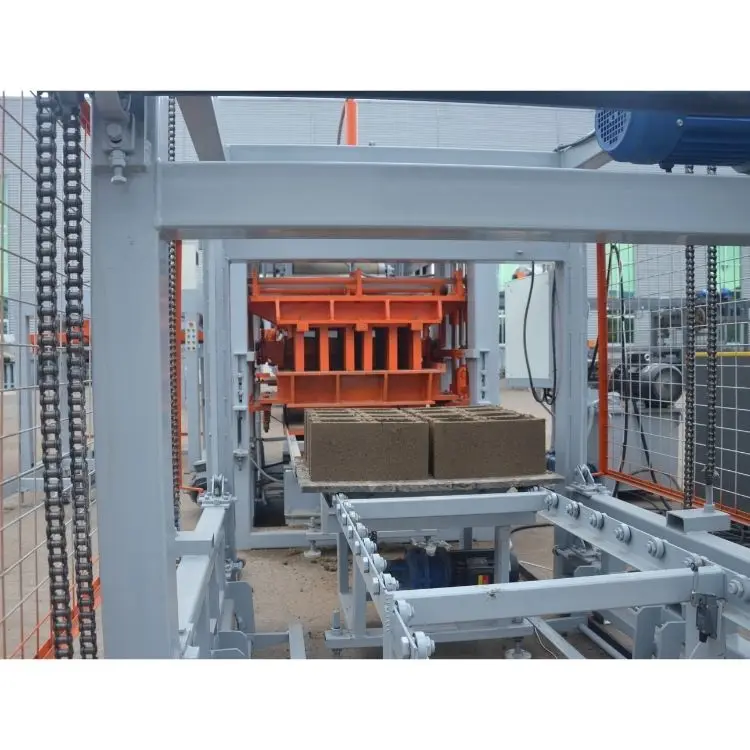
The 21 MPa rated pressure and the vibration table are not independent settings. Pressure compacts the mix from above while vibration fluidises it from below; if one is too high relative to the other, the block either cracks on ejection or comes out under-dense. On the QT6-15 the hydraulic cylinder and the vibration frequency are tuned together during the factory test using the buyer’s own mix sample, so the concrete block making machine capacity by format stays consistent from the first pallet to the last [NEED_CITE: hydraulic pressure and vibration force balance in block forming].
Reading the Numbers Behind the QT6-15 Block Machine Specifications
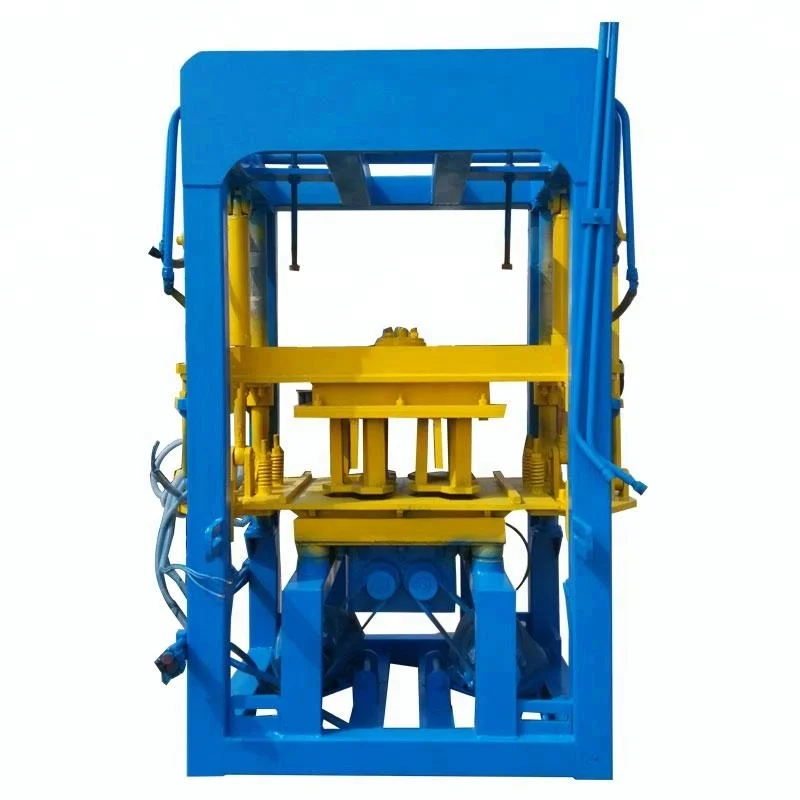
The 15 s – 20 s moulding cycle is the range you will see on standard mixes with well-graded sand. When the aggregate is angular or the cement content is low, the cycle tends toward the upper end because the mix needs longer vibration to fill the mould corners. The 900×700 mm pallet size also governs how many blocks fit per stroke: a 400×200×200 mm hollow block typically runs three or four per pallet, while a 200×100×60 mm paver fills the same pallet with many more cavities. That difference is why the QT6-15 block machine specifications list hollow block output at 1 440 pcs/h and paving brick at 5 040 pcs/h — the machine is the same, but the cavity count per stroke changes everything. Weight at 6 000 kg keeps the frame stable under full vibration without requiring a separate inertia block, which matters when curing space is limited and the machine sits close to the stacking area.
The Cost of Skipping the Pallet and Curing Layout
One buyer in East Africa ordered the QT6-15 with the advanced line but kept his existing wooden pallets from a smaller machine. The pallet feeder jammed on the first shift because the thickness tolerance was outside the rail gap. Another buyer in the Middle East sized the curing racks for a 600×400 mm pallet and then discovered the 900×700 mm pallets would not fit the forklift tines he already owned. Both issues are avoidable when pallet size, curing rack pitch and forklift capacity are confirmed together [NEED_CITE: pallet dimension compatibility with curing rack and forklift]. These mismatches do not show up in the QT6-15 block machine specifications sheet, but they halt production just as fast as a mechanical failure.
Why Buyers Source the QT6-15 Here
Block machinery is the only product line in the workshop, so the press, mould, pallet and handling equipment are designed as one system rather than assembled from separate vendors. Configuration starts with your actual mix design and local aggregate, not a default catalogue page. Moulds are drawn and machined for the formats your market sells, including custom shapes from your own drawings. The automation level is selectable: you can start with the simple line — JS500 mixer, 8 m belt, automatic stacker — and add batching, pallet loading and block separation later without replacing the press. Installation support includes operator training on your own mix, and a wear parts list is provided so first replacements are on hand before they are needed [NEED_CITE: CE machinery directive compliance for block making equipment].
Documentation & Verification
- Line layout drawing with capacity calculation stated per block format and pallet count
- Mould drawing and format list showing every cavity pattern for the 900×700 mm pallet
- Hydraulic and electrical schematic with valve and sensor references
- Voltage, frequency and control language confirmation sheet signed before production
- Factory test record on your submitted mix sample before dispatch
- Packing photographs and customs documentation for container loading
Installation, Commissioning & Support
- Foundation pad sized to the 6 000 kg machine weight plus dynamic vibration load
- Dedicated power circuit matched to the confirmed voltage and frequency
- Machine shipped partially dismantled for standard container loading, reassembled on site
- First-run commissioning using your local aggregate and cement blend
- Operator training covering mould change, cycle adjustment and daily lubrication
- Wear parts and mould inventory list supplied at handover for early replacement planning
What to Send with Your Enquiry
Tell us the exact block dimensions you plan to produce, the daily output you need per format, and the source of your sand, fly ash or stone powder. Include your local voltage and frequency, the control language your operators read, and whether you already have pallets, a forklift or curing racks on site. If you can courier a sample of your aggregate and a bag of cement, we will run a press trial and return the cycle time data with our proposal.
Frequently Asked Questions
Q: How is the QT6-15 capacity verified per block format, and what if my format is not listed?
A: We state cycle time, cavity count and pallets per hour separately for each block size. If your format is not in the standard mould catalogue, we design a custom mould around the 900×700 mm pallet and run a factory test on your mix before quoting a capacity figure.
Q: Which pallet size does the machine use, and how does it affect my curing layout?
A: The QT6-15 uses a 900×700 mm pallet. Your curing racks, forklift tines and stacking height must all accommodate that dimension. We provide a rack layout drawing so pallets move from press to cure without re-handling.
Q: How do I match vibration and pressure to my local aggregate?
A: Send a sample of your sand, fly ash or stone powder along with the cement brand you use. We adjust vibration frequency and hydraulic pressure on the test press, record the cycle time, and lock those values into the PLC before shipment.
Q: What is the mould change procedure and how long does it take?
A: Moulds are bolt-on units aligned by guide pins on the 900×700 mm pallet frame. A trained operator can complete a change in under one shift, including test cycle and adjustment. We supply a change-over checklist with each format.
Q: Can the QT6-15 start as semi-automatic and be upgraded later?
A: Yes. The simple line ships with a JS500 mixer, 8 m belt and automatic stacker. Batching, pallet loading and block separation modules can be added afterward because the press frame and control cabinet reserve space for those stations.