


Description
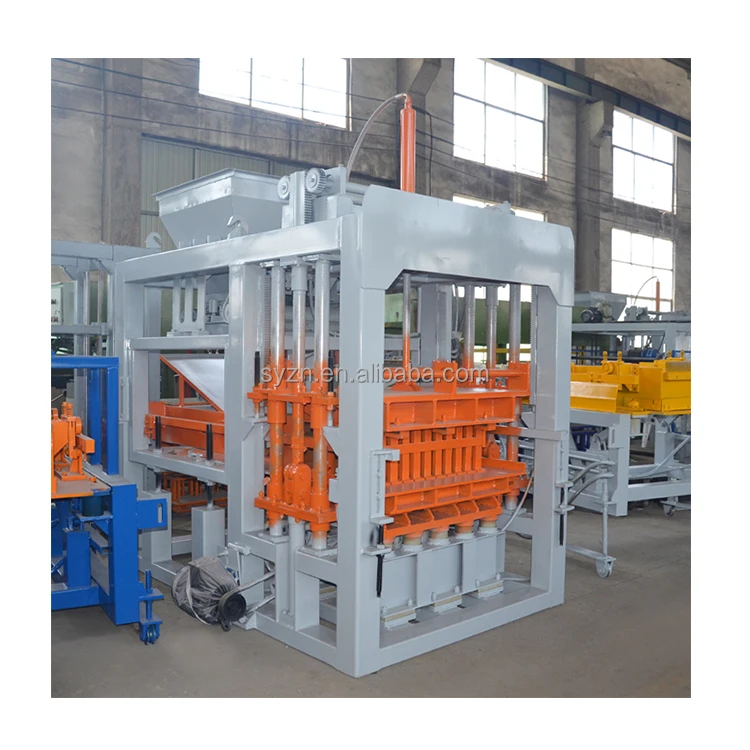
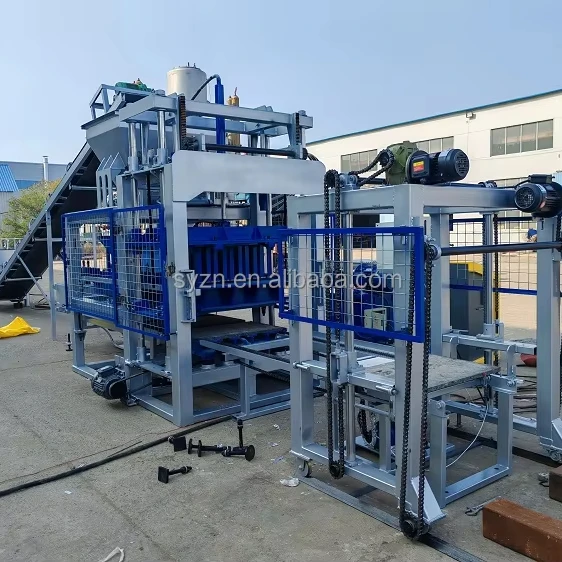
Matched System, Not a Catalogue Pick — every QT6-15 configuration starts from the buyer’s target block format and local aggregate, so the mould, pallet and hydraulic pressure arrive as one tested unit.
Technical Specifications
| Parameter | Value |
|---|---|
| Model | QT6-15 |
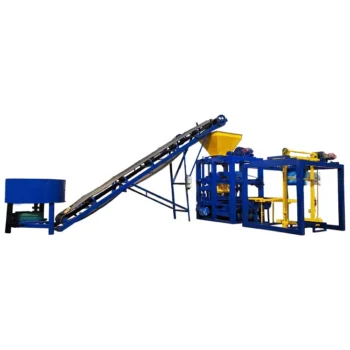
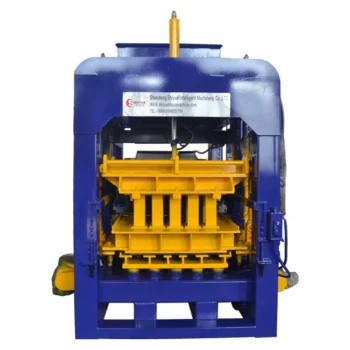
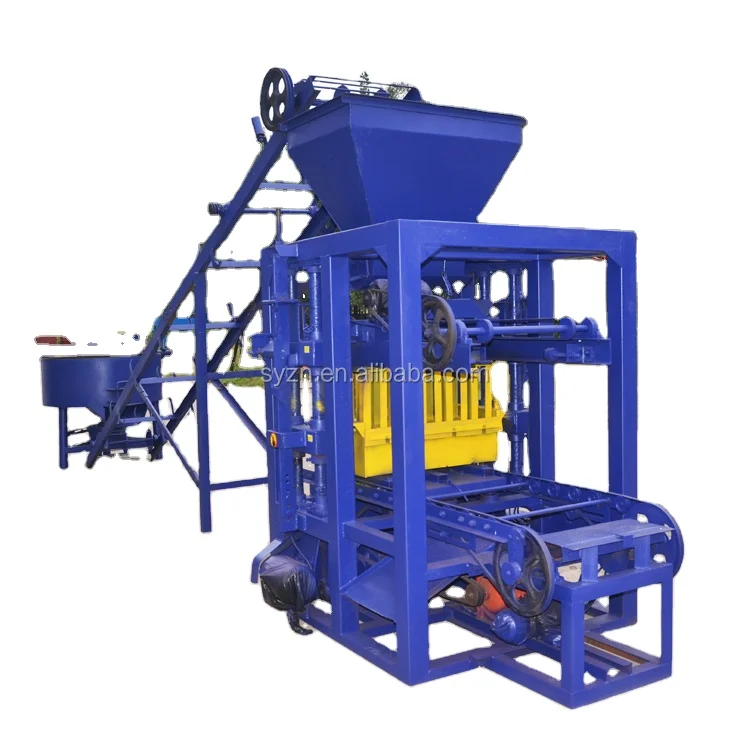
| Product Type | Automatic Concrete Block Making Machine |
| Overall Dimensions (L×W×H) | 7400×1900×2660 mm |
| Total Weight | 7 T |
| Vibration Frequency | 4600 r/min |
| Vibration Force | 40–50 kN |
| Hydraulic System | High-pressure hydraulic station included |
| Control System | PLC control system |
| Mixer Model | JQ350 |
| Pallet Size | 850×550×25 mm |
| Molding Cycle | 15–25 s |
| Total Power | 31.25 kW |
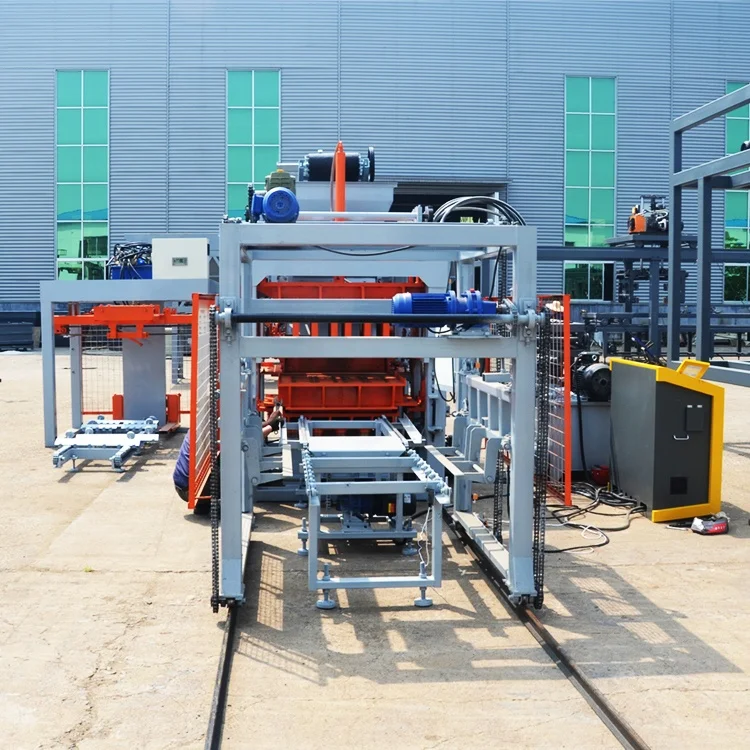
| Included Equipment | Block machine, hydraulic station, PLC system, pallet feeder, brick conveyor, block sweeper |
| Free Accessories | Manual hydraulic trolley, spare parts and tools |
| Output (400×200×200 mm hollow block) | 1200–1680 pcs/h at 15–20 s cycle |
| Output (400×150×200 mm hollow block) | 1800–2400 pcs/h at 15–20 s cycle |
| Output (240×115×53 mm solid brick) | 3240 pcs/h at 15–20 s cycle |
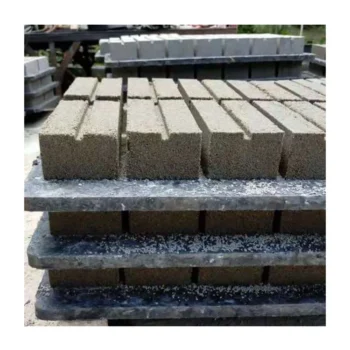
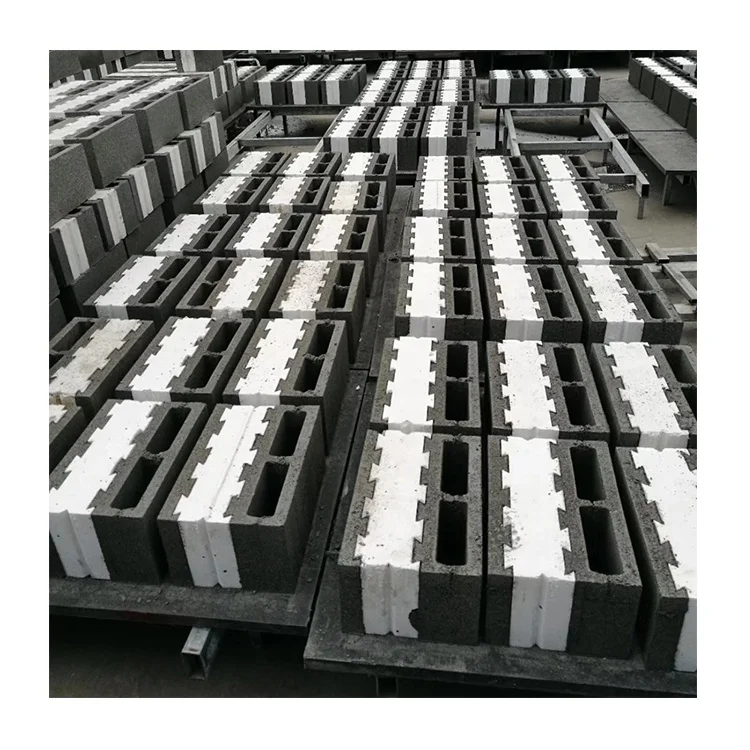
| Applied Products | Paver, solid block, hollow block, curbstone |
| Raw Materials | Crushed stones, sand, cement, dust, fly ash |
| Voltage & Frequency | (basis to be confirmed) |
| Stacking Method | (basis to be confirmed) |
Application Suitability
| Application | Material or Output |
|---|---|
| Hollow block for load-bearing walls | Crushed stone and cement mix, 400×200×200 mm or 400×150×200 mm formats |
| Solid brick for masonry infill | Sand, fly ash and cement, 240×115×53 mm format |
| Interlocking paver for driveways and walkways | Crushed stone and stone dust with cement binder |
| Kerbstone for road and pavement edging | Coarse aggregate and cement under high-pressure hydraulic compaction |
What "1200 Pieces per Hour" Leaves Out When Sizing an Automatic Concrete Block Making Machine
Capacity means nothing until you know which block format the number assumes.
Most automatic concrete block making machine specifications quote a single headline figure tied to the smallest or lightest block the press can form. When a buyer’s market actually demands 400×200×200 mm hollow blocks, the real output can be half that number because each cycle takes longer and the mould holds fewer cavities. I have watched contractors order a line based on a brochure number and then realise on site that daily production will not cover the project deadline. [NEED_CITE: block format assumptions behind published machine capacity figures]
Cycle Time, Mould Format and the Output Number Behind Each One
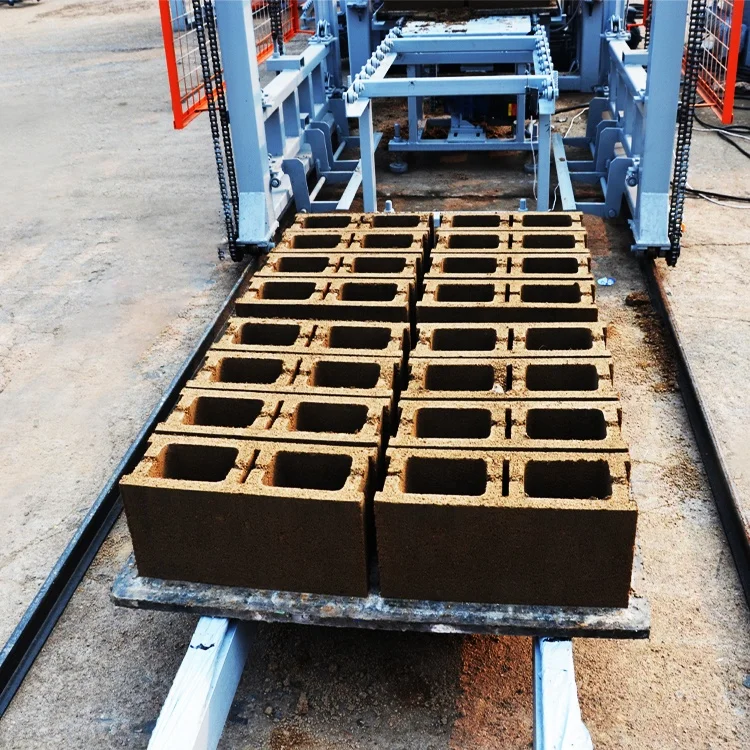
The QT6-15 automatic concrete block making machine runs a molding cycle between 15 and 25 seconds depending on block geometry and mix design. With the 400×200×200 mm hollow block mould installed, the press delivers 1200 to 1680 pieces per hour. Switch to the 400×150×200 mm mould and output rises to 1800–2400 pieces per hour because the cavity count increases. Each capacity figure is tied to a specific format so that plant planning starts from a real number.
Pallet Size, Curing Area and the Forklift You Already Own
The 850×550×25 mm pallet is not a random choice. Its dimensions determine how many blocks sit on each board, how the boards stack inside the curing racks, and whether the forklift tines on site can handle the loaded weight. When a buyer’s existing curing area was designed around a different pallet length, boards pile up on the floor or rack spacing has to be rebuilt. Confirming pallet size against the curing layout before production avoids that mismatch. [NEED_CITE: pallet and curing rack coordination in block plant design]
Vibration Force, Hydraulic Pressure and Block Density
Block strength depends on how well the vibration force and hydraulic pressure work together. The QT6-15 operates with a vibration force of 40–50 kN at 4600 r/min, paired with a high-pressure hydraulic station. If the local aggregate contains a high share of fines or clay, the standard pressure setting may leave blocks friable at the edges. Adjusting hydraulic pressure to match the actual mix design ensures consistent density across the batch, rather than quoting a fixed figure that only works with a laboratory-grade aggregate.
When the Wrong Mould Choice Costs a Whole Shift
Buyers sometimes select a machine for its format flexibility and then discover that changing the mould takes most of a morning. If the QT6-15 mould change procedure and tool requirements are not clear before the machine arrives, operators improvise, bolts get cross-threaded, and production stalls. The included free tools and manual hydraulic trolley are meant to shorten that process, but only if the procedure is practised and the replacement moulds are on site when needed. [NEED_CITE: mould change downtime in multi-format block production]
Why Buyers Source the QT6-15 Here Instead of a Generic Quotation
Block machinery is our single focus, so the press, mould, pallet and handling equipment are specified as one matched system. The configuration is set against the buyer’s actual mix design and local aggregate rather than a catalogue default. Mould design covers the formats the buyer’s market sells, including custom drawings when standard sizes do not fit. Automation level is selectable, allowing a plant to start semi-automatic and add stackers later. Every QT6-15 ships with installation and commissioning support plus operator training on site.
Documentation & Verification
- Line layout and capacity calculation stating the exact block format behind each output figure
- Mould drawing and format list confirming included and optional moulds for the QT6-15
- Voltage, frequency and PLC display language written confirmation before production starts
- Factory test record with the buyer’s specified mould installed and running on the QT6-15
- Operation and maintenance manual with wear parts and mould replacement intervals
- CE declaration documentation where applicable to the destination market
Installation, Commissioning & Support
- Foundation pad sized to the QT6-15 footprint of 7400×1900 mm with level tolerance specified
- Dedicated power circuit matched to the 31.25 kW total load and confirmed site voltage
- Assembly guidance covering the 7 T frame and hydraulic station connection sequence
- First-run parameter setting for vibration force and hydraulic pressure against the buyer’s mix
- Operator training on PLC control system functions and mould change procedure for the QT6-15
- Wear parts and mould list with reorder part numbers for routine maintenance scheduling
What to Share Before Requesting a Quote
Send the target block format, the daily volume you need to hit, and a sample or lab report of the local aggregate you plan to use. Confirm the site voltage and frequency, the PLC display language your operators prefer, and whether your curing area already has rack spacing or forklift capacity that constrains the pallet size. With those details the quotation can carry a per-format capacity calculation instead of a single headline number.
Frequently Asked Questions
Q: How is the QT6-15 daily output calculated for each block format, and what cycle time is assumed?
A: Each output line ties to a specific mould and a 15–20 second cycle. For 400×200×200 mm hollow blocks the QT6-15 produces 1200–1680 pieces per hour; for 400×150×200 mm hollow blocks it produces 1800–2400. Multiply by your planned shift length to get daily volume, keeping in mind that downtime for pallet refill and mould change reduces usable hours.
Q: Which pallet size does the QT6-15 use, and how does it relate to my curing area and forklift?
A: The QT6-15 runs on an 850×550×25 mm pallet. That size determines rack slot width, curing area capacity, and the load each forklift tine must carry. Share your existing rack dimensions and forklift rated capacity so the layout can be checked before the press ships.
Q: How long does a mould change take on the QT6-15, and what tools are required?
A: Mould change time depends on operator familiarity and whether the replacement mould is pre-positioned. The QT6-15 ships with a manual hydraulic trolley and a basic tool set to support the procedure. We recommend practising the change during commissioning so the crew builds a repeatable routine.
Q: Can the vibration force and hydraulic pressure be adjusted to match my local aggregate and mix design?
A: Yes. The QT6-15 vibration force range of 40–50 kN and the high-pressure hydraulic station are set during commissioning against the buyer’s mix. We ask for a local aggregate sample or lab report before the machine ships so the initial parameters start close to the final setting.
Q: What voltage, frequency and PLC language options are confirmed before shipment?
A: These three items are confirmed in writing before the QT6-15 enters production. Voltage and frequency must match the site supply; the PLC display language is set to the operator’s preference. Confirming them early prevents a delay at commissioning when the machine arrives with the wrong electrical configuration.