


Description
Format-Specific Capacity Planning — every QT6-12 output figure is stated per block format with cycle time and mould count, so daily production targets reflect what your market actually sells, not a catalogue peak.
Technical Specifications
| Parameter | Value |
|---|---|
| Model | QT6-12 |
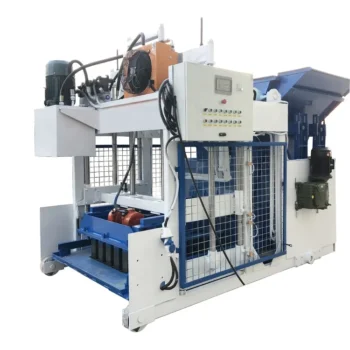
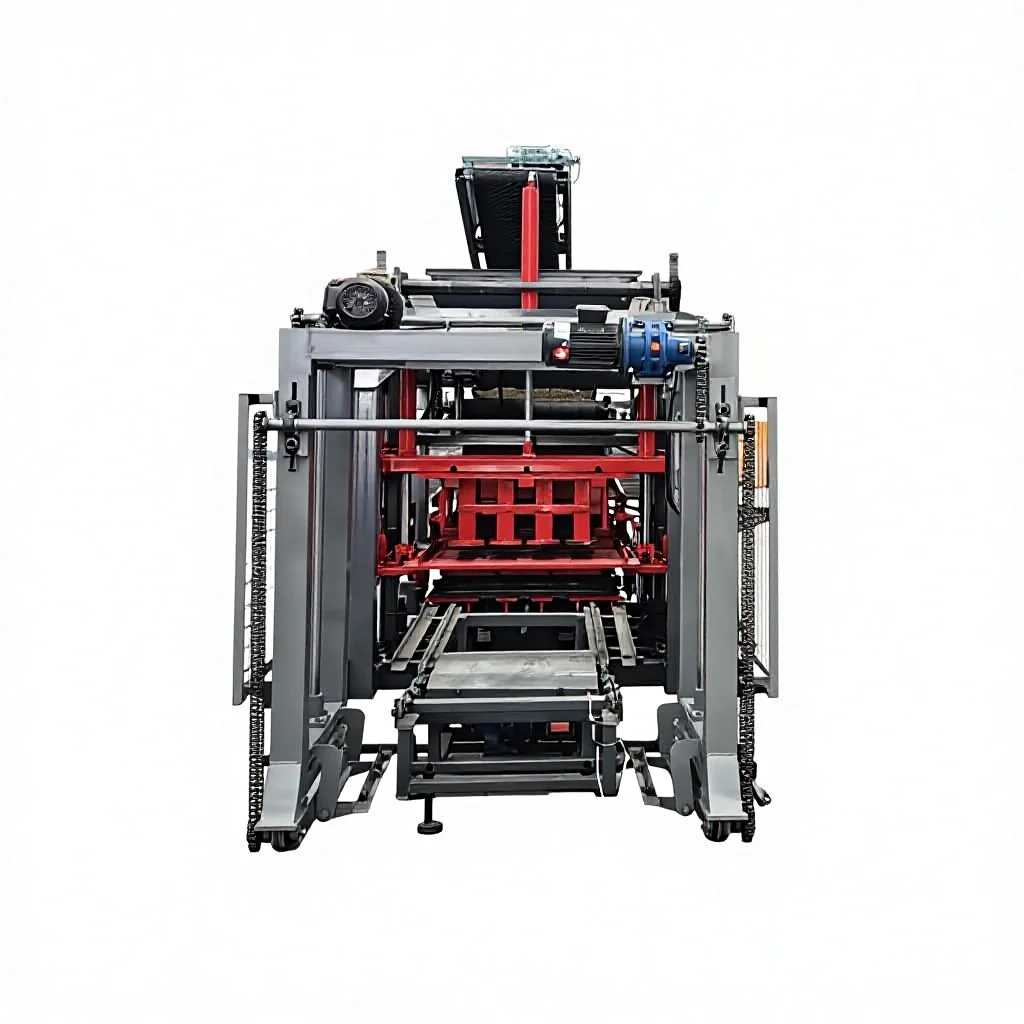
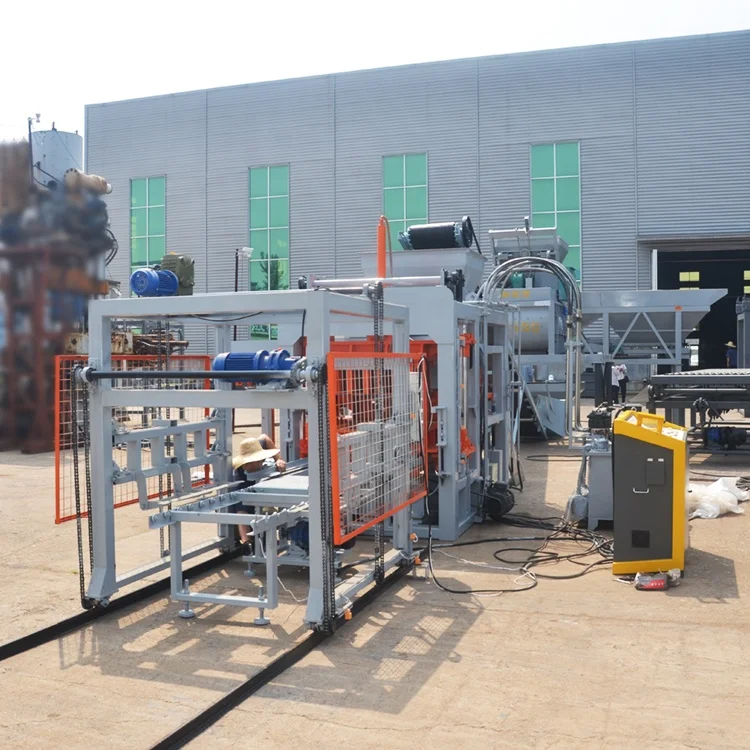
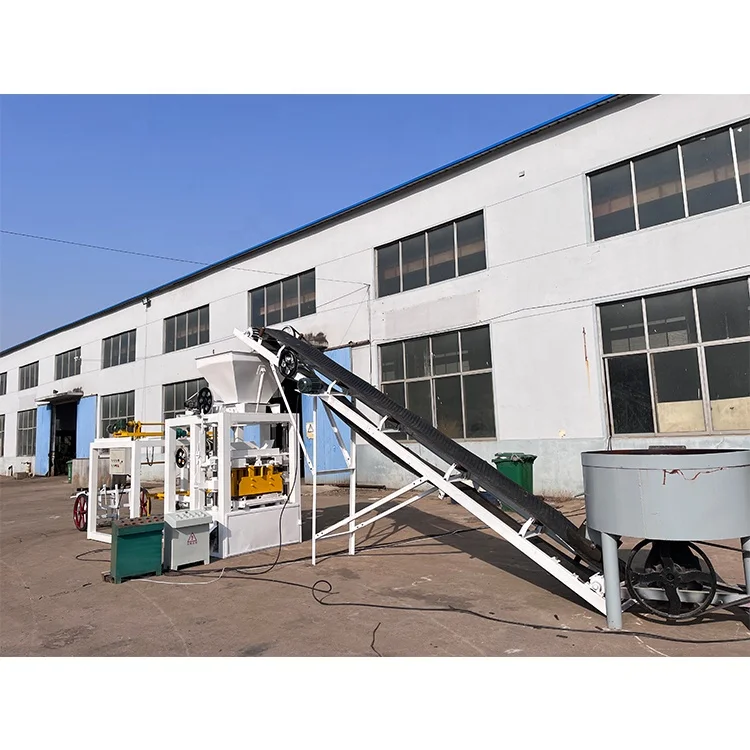
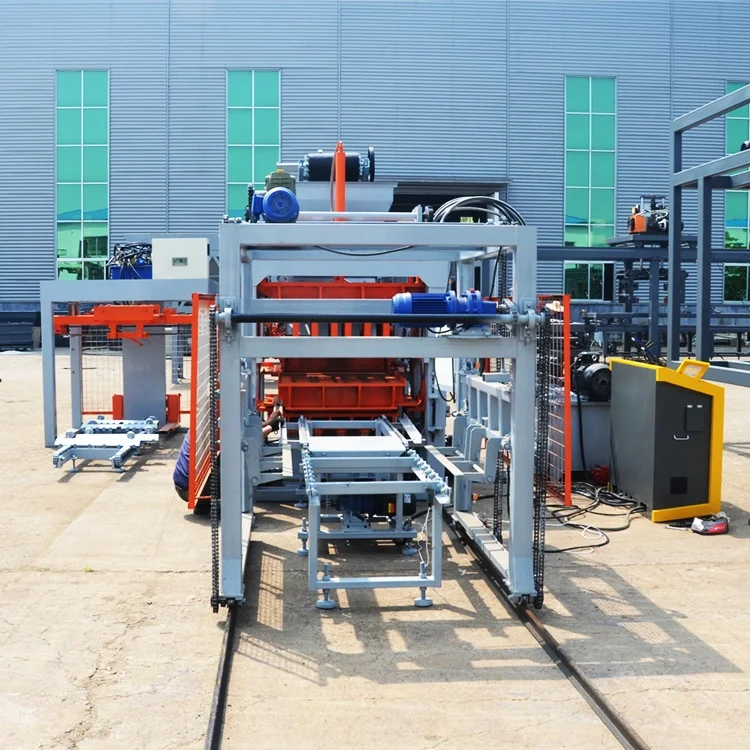
| Product Type | Automatic Concrete Block Making Machine |
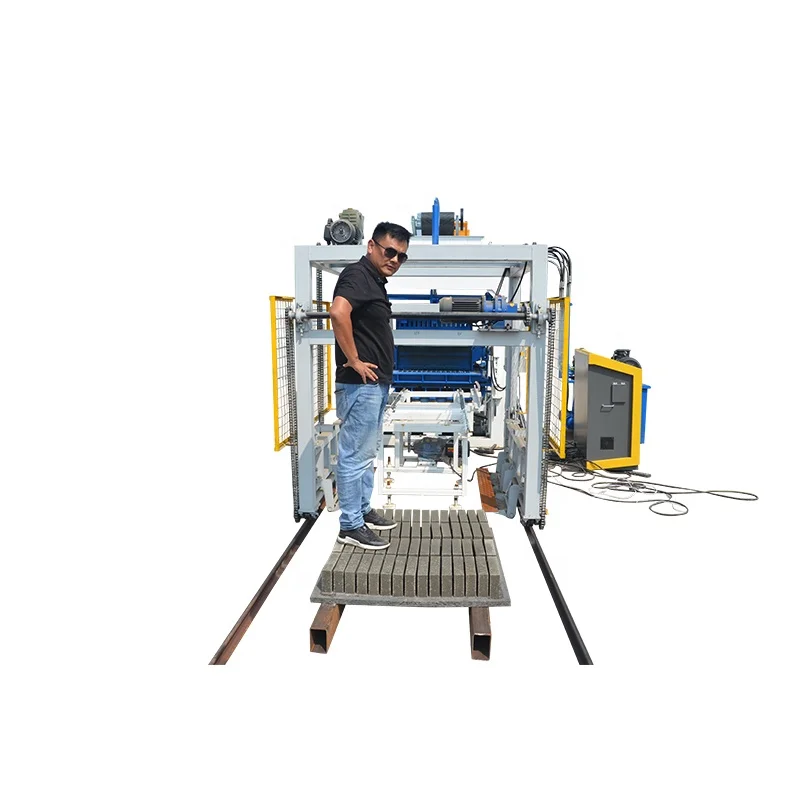
| Overall Dimensions (L×W×H) | 7350×1780×2950 mm |
| Rated Pressure | 16 MPa |
| Main Vibration | Platform vibration |
| Vibration Frequency | 4600 r/min |
| Pallet Size | 880×700 mm |
| Molding Cycle | 15–20 s (varies by block format and wall thickness) |
| Overall Power | 30.5 kW |
| Output Capacity — Hollow Block | 1080 pcs/h (basis: 400×200×200 mm, 6 pcs/mould, 16–20 s cycle) |
| Output Capacity — Porous Brick | 2800 pcs/h (basis: 240×115×90 mm, 14 pcs/mould, 15–18 s cycle) |
| Output Capacity — Standard Brick | 6800 pcs/h (basis: 240×115×53 mm, 30 pcs/mould, 14–17 s cycle) |
| Daily Output — Hollow Block | 8640 pcs/day (basis: 400×200×200 mm, 8 h shift) |
| Daily Output — Porous Brick | 22400 pcs/day (basis: 240×115×90 mm, 8 h shift) |
| Daily Output — Standard Brick | 54400 pcs/day (basis: 240×115×53 mm, 8 h shift) |
| Raw Materials | Crushed stone, sand, cement, dust, coal fly ash, cinder, slag, gangue, gravel, perlite, other industrial wastes |
| Mould Change | Interchangeable moulds for multiple block formats |
| Automation Level | Automatic |
| Voltage & Frequency | Not stated in source — confirm with buyer |
| Control System (PLC) | Not stated in source — confirm with buyer |
| Standards | CE, SGS, ISO 9001 |
Application Suitability
| Application | Material or Output |
|---|---|
| Hollow block production for building walls | Crushed stone, sand, cement mix; 400×200×200 mm format |
| Standard solid brick for masonry | Fly ash, sand, cement blend; 240×115×53 mm format |
| Porous brick for partition walls | Lightweight aggregate, cement, industrial waste; 240×115×90 mm format |
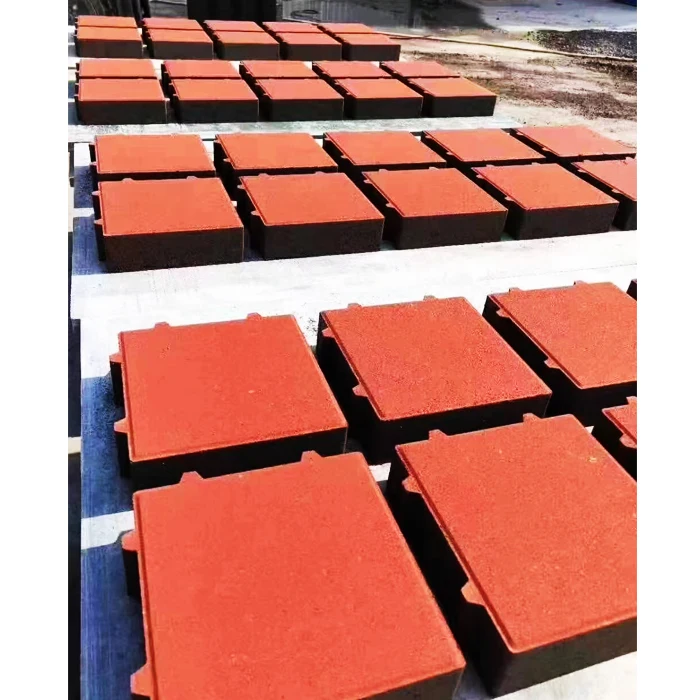
| Paving stones for roads and squares | Crushed stone, sand, cement with optional face mix |
| Kerbstones and edgers for city construction | High-strength concrete mix with coarse aggregate |
| Interlocking blocks for landscaping | Sand, cement, pigment for coloured surfaces |
| Grass blocks and slope protection blocks | Permeable mix design with gravel and cement |
What QT6-12 Block Machine Specifications Leave Out When Format Is Ignored
Capacity only means something when you know which block it refers to.
A brochure may promise a high cycle rate, but if that figure assumes a small standard brick and your plant runs 400 mm hollow blocks eight hours a day, actual throughput can fall to a fraction of the headline number. I have seen project schedules stall because the block count on paper never matched what came off the curing racks. The QT6-12 block machine specifications on this page state the exact format, mould cavity count, and cycle range behind every output figure [NEED_CITE: realistic block output calculation methods]. Without that breakdown, a buyer is guessing at daily revenue.
Matching Mould Format to Market Demand
The QT6-12 accepts interchangeable moulds across hollow block, porous brick, standard brick, paving stone, and interlocking formats. Each format changes the cycle time and the number of pieces per press. A buyer switching from hollow block to pavers will see the QT6-12 block machine specifications shift from a 16–20 second cycle with six cavities to a shorter cycle with a different cavity layout. Selecting the right mould set starts with the format your local construction market orders most, not the format that shows the highest hourly number.
Pallet Size and Downstream Handling Alignment
The 880×700 mm pallet must fit the curing racks and forklifts already in your yard. If your existing racks were built for a different pallet dimension, blocks will not stack properly during the critical early curing period [NEED_CITE: concrete block curing rack compatibility standards]. Confirming pallet size against your site infrastructure prevents a situation where freshly pressed blocks sit on the floor because there is nowhere to rack them.
Vibration Force, Hydraulic Pressure, and Mix Design
Platform vibration at 4600 r/min works together with 16 MPa hydraulic pressure to compact the mix into the mould. The balance between vibration and pressure must match the aggregate grading and cement content of your local raw material. A desert sand with high clay content absorbs vibration differently from washed crushed stone, and the QT6-12 block machine specifications only deliver consistent block strength when the machine settings are adjusted to your specific mix [NEED_CITE: vibration and pressure matching for concrete block density].
The Hidden Cost of Skipping Mix Verification
When a block line is configured for a generic mix but the buyer can only source high-clay sand locally, the vibration force that works on paper produces cracked or under-strength blocks on the plant floor. Output drops because the operator slows the cycle to compensate, and daily production never reaches the quoted figure [NEED_CITE: aggregate mismatch effects on block machine output]. Requesting an aggregate test report before finalising the QT6-12 configuration removes this variable before the machine ships.
Why Sourcing the QT6-12 Through a Block-Focused Supplier Matters
Machine, mould, pallet, and handling equipment are specified as a matched system rather than assembled from unrelated vendors. Configuration is set against your actual mix design and target block format, not a catalogue default. Mould design covers the formats your market sells, with custom drawings available for non-standard shapes. Automation level is selectable, allowing a semi-automatic start with a clear upgrade path. Installation support includes operator training on the specific block formats in your production plan.
Documentation & Verification
- Line layout and capacity calculation stating the block format assumed for each output figure
- Mould drawing and format list confirming every block type your market requires
- Pallet specification sheet with size and material matched to your curing infrastructure
- Voltage, frequency, and PLC display language confirmation before production begins
- Factory test record on your target block format before dispatch
- CE declaration and ISO 9001 documentation for customs clearance
Installation, Commissioning & Support
- Foundation plan based on 7350×1780 mm machine footprint and vibration load
- Dedicated power circuit sized for 30.5 kW overall power draw
- Machine dismantling for container loading and reassembly sequence at site
- First-run parameter setting for your specific mould and mix design
- Operator training covering mould change procedure and cycle adjustment
- Wear parts list with hydraulic seal and vibration motor replacement intervals
Preparing Your QT6-12 Inquiry
Share the block formats your market orders most, along with the target daily output for each format. Provide a local aggregate test report so vibration and pressure settings can be matched before build. Confirm your site voltage, frequency, and preferred PLC display language so commissioning is not delayed after arrival.
Frequently Asked Questions
Q: How is QT6-12 capacity calculated per block format and what cycle time applies?
A: Each capacity figure pairs a specific block dimension, mould cavity count, and cycle range. For example, hollow block output of 1080 pcs/h is based on a 400×200×200 mm format with six cavities and a 16–20 second cycle. Your actual cycle time depends on wall thickness and mix design, so we confirm the figure against your target product.
Q: Which mould formats are available and how long does a mould change take?
A: Interchangeable moulds cover hollow block, porous brick, standard brick, paving stone, interlocking block, kerbstone, and grass block formats. Custom moulds can be designed from your drawings. Mould change time depends on the format pair and the operator’s familiarity with the procedure; we cover the change sequence during on-site training.
Q: How should I evaluate the 880×700 mm pallet against my existing curing setup?
A: Measure your curing rack spacing and forklift fork width before confirming the pallet order. If your racks were built for a different dimension, blocks will not seat correctly during early curing. We supply a pallet specification sheet so you can verify compatibility before the machine ships.
Q: How are vibration force and hydraulic pressure matched to my local aggregate?
A: We request an aggregate test report covering grading, clay content, and moisture absorption. Platform vibration at 4600 r/min and 16 MPa pressure are then balanced to your material so the mix compacts to target density without cracking. Settings are verified during the factory test on your chosen block format.
Q: What voltage, frequency, and control language options must I confirm?
A: Voltage and frequency must match your site supply; this is confirmed before production begins. PLC display language is set to your operator’s preference so that error messages and cycle parameters are readable from day one. Both items are listed on the pre-shipment confirmation document.