Description
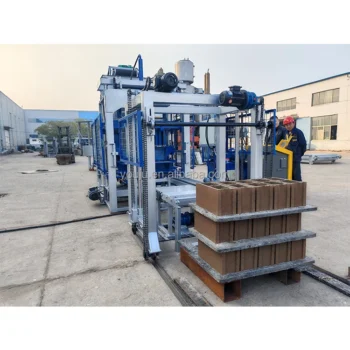
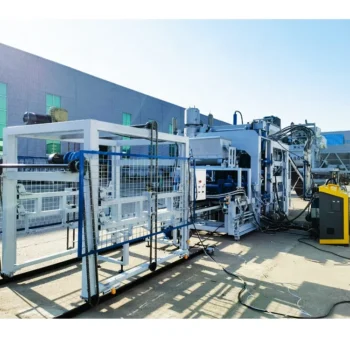
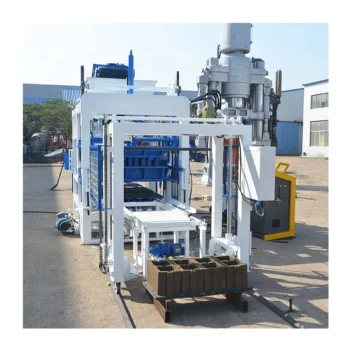
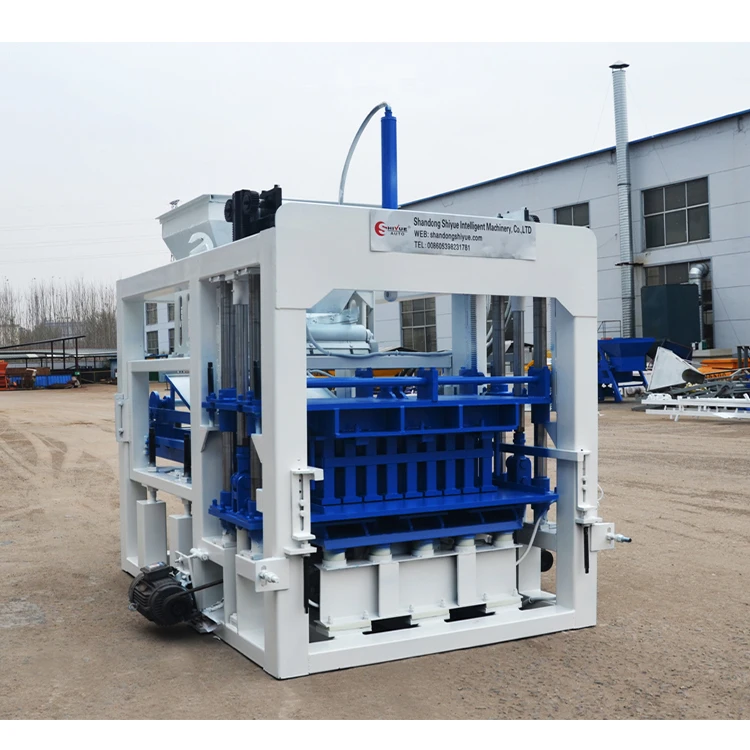
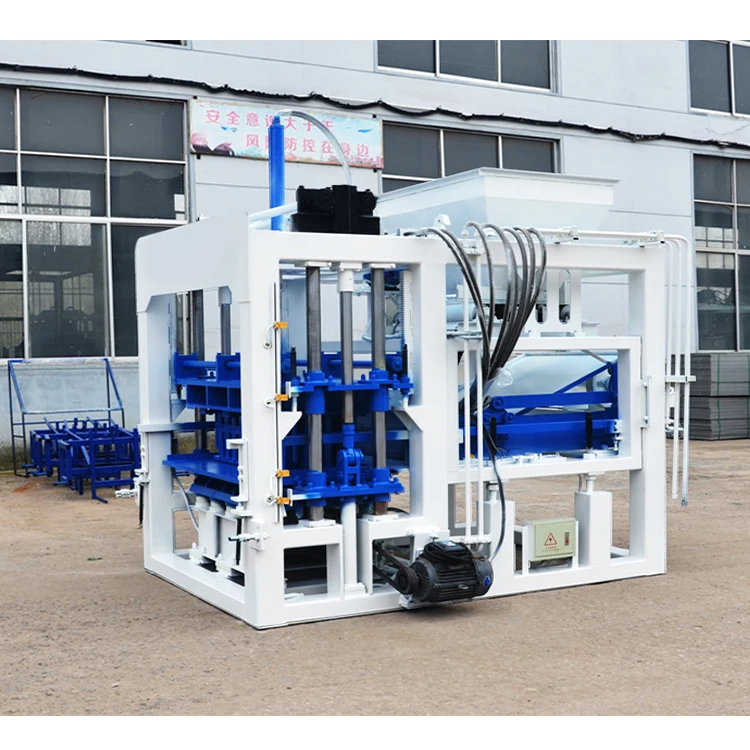
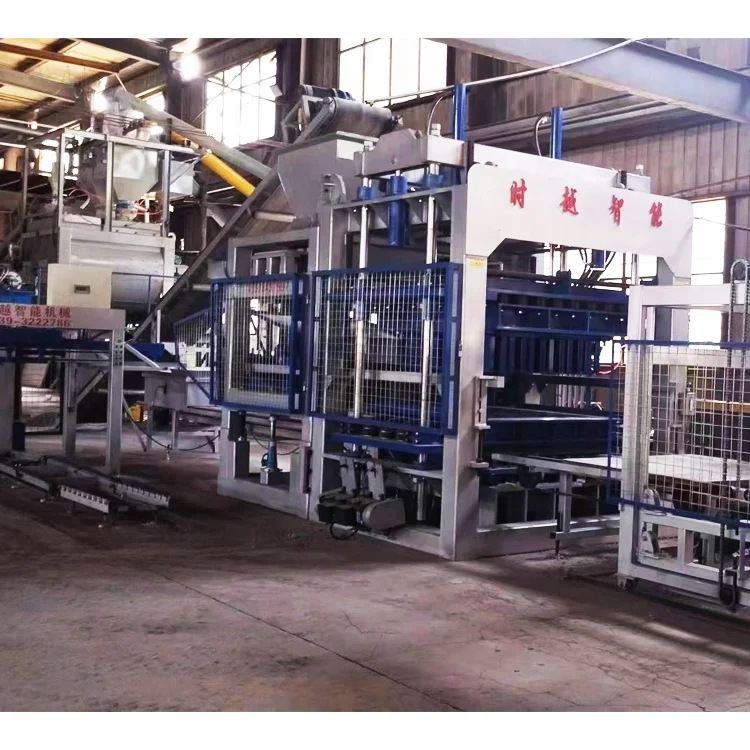
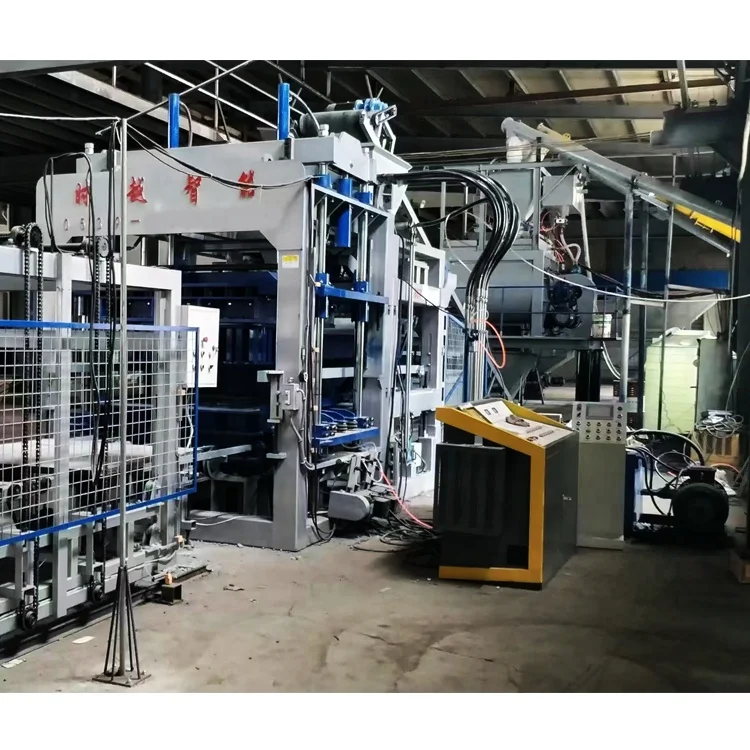
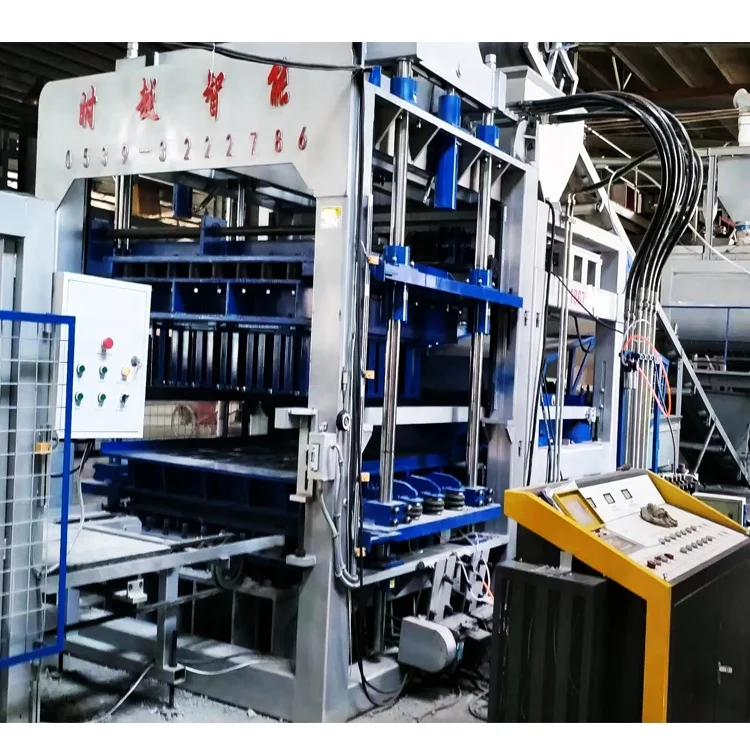
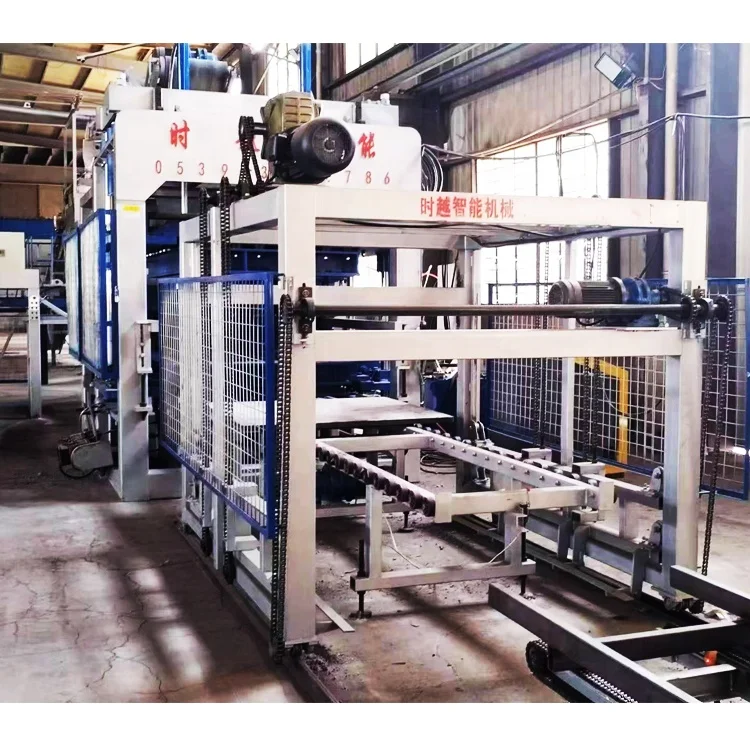
Single focus on block machinery — every QT5-15 configuration we ship pairs the press with the correct mould, pallet size and cycle time for your actual block format, so the output number you plan against is the one the machine delivers.
Technical Specifications
| Parameter | Value |
|---|---|
| Product Type | Hydraulic PLC Controlled Stationary Block Making Machine |
| Model | QT5-15 |
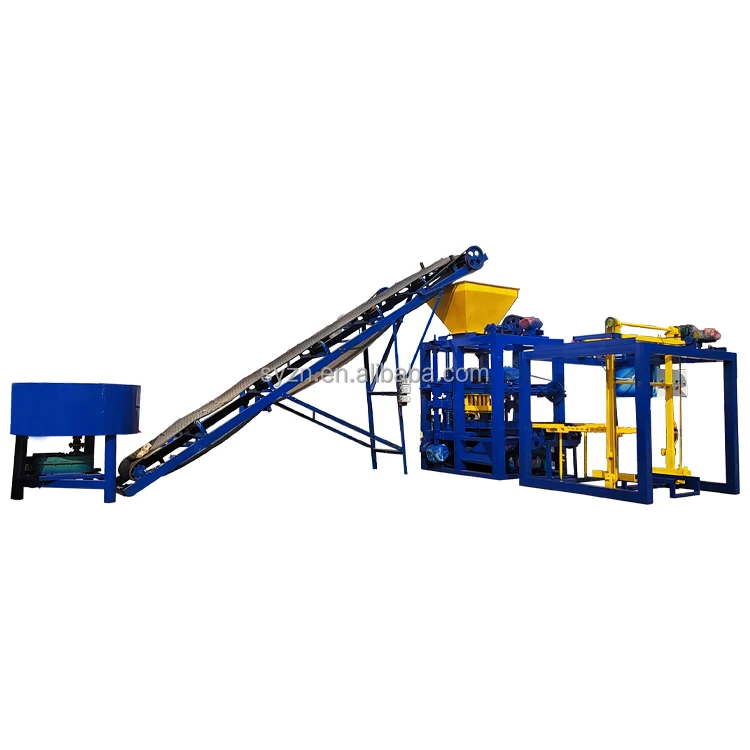
| Overall Dimensions (L×W×H) | 7400 × 1950 × 2800 mm |
| Rated Pressure | 21 MPa |
| Main Vibration Form | Platform Vibration |
| Vibration Frequency | 2800 – 4500 r/min |
| Pallet Size | 1100 × 550 mm |
| Molding Cycle | 15 – 25 s (format dependent) |
| Overall Power | 26.5 kW |
| Demolding Method | Hydraulic |
| Control System | PLC (language configurable) |
| Assembly State | Stationary |
| Output — Hollow Block 400×200×200 mm | 1800 pcs/h (5 pcs/mould, 16–20 s cycle) |
| Output — Hollow Block 400×150×200 mm | 1300 pcs/h (6 pcs/mould, 15–20 s cycle) |
| Output — S-Paver 225×112.5×60 mm | 3700 pcs/h (16 pcs/mould, 15–17 s cycle) |
| Applicable Raw Materials | Crushed stone, sand, cement, fly ash, gravel, slag, dust |
| Applicable Products | Concrete blocks, hollow/solid blocks, pavers, interlocking blocks, curbstone, colored pavers |
| CE Declaration | Available where applicable (verify against current catalog) |
Application Suitability
| Application | Material or Output |
|---|---|
| Hollow block production for residential and commercial masonry | Crushed stone, sand, cement, and fly ash blends |
| Interlocking paver manufacturing for driveways and walkways | Fine aggregate with color pigment additives |
| Kerbstone and curb production for municipal infrastructure | High-strength concrete with coarse gravel |
| Solid block output for load-bearing walls | Dense aggregate mixes with standard cement ratios |
| Colored paver runs for landscape and hardscape projects | Surface-mix pigments over standard concrete base |
| On-site block production for housing developments | Locally sourced sand, stone dust, and cement |
Why "1800 Blocks per Hour" Means Nothing Without the Format Attached
Capacity is meaningless until the block format, mould cavity count and cycle time are all stated together.
A catalogue number like 1800 pieces per hour sounds convincing in a brochure. But that figure only holds true for a 400×200×200 mm hollow block running five cavities per mould at a 16–20 second cycle. Switch to a smaller interlocking paver and the number changes entirely. Switch to a larger kerbstone and it drops again. The QT5-15 block machine specifications sheet we issue names the exact format behind every output claim — no single headline figure, no guesswork. Early in my career in Linyi, I watched a buyer receive a machine rated for a cycle time his local volcanic ash aggregate could not sustain; the blocks came out crumbly and daily volume collapsed [NEED_CITE: aggregate compatibility with vibration parameters in block production].
Matching Vibration Frequency to Your Local Aggregate
The platform vibration system on the QT5-15 operates across a 2800 to 4500 r/min adjustable range. That adjustability matters because different aggregates compact at different frequencies — a coarse crushed stone needs a lower, longer vibration to settle fully, while fine sand and fly ash mixes respond to higher frequency bursts. Getting this wrong means either under-compacted blocks that fail a drop test or over-vibrated blocks with surface cracking. We set the starting parameters against your aggregate report before the machine leaves the factory, then fine-tune during on-site commissioning. The hollow brick making machine capacity by format you see on our specification sheet already reflects this matching process.
Cycle Time Is Negotiable — The Mould Decides
Every block format changes the cycle time. A 400×150×200 mm hollow block completes its press cycle in roughly 15–20 seconds, while a 400×200×200 mm block takes 16–20 seconds because the larger cavity requires a longer vibration and pressing sequence. This difference of a few seconds per cycle compounds across a full shift [NEED_CITE: cycle time impact on daily block plant output]. The mould drawing and format list we supply before production shows you exactly which cycle time applies to which product, so you can calculate realistic daily tonnage against your order book rather than working from a generic number.
How Pressure, Vibration and Mix Design Interact
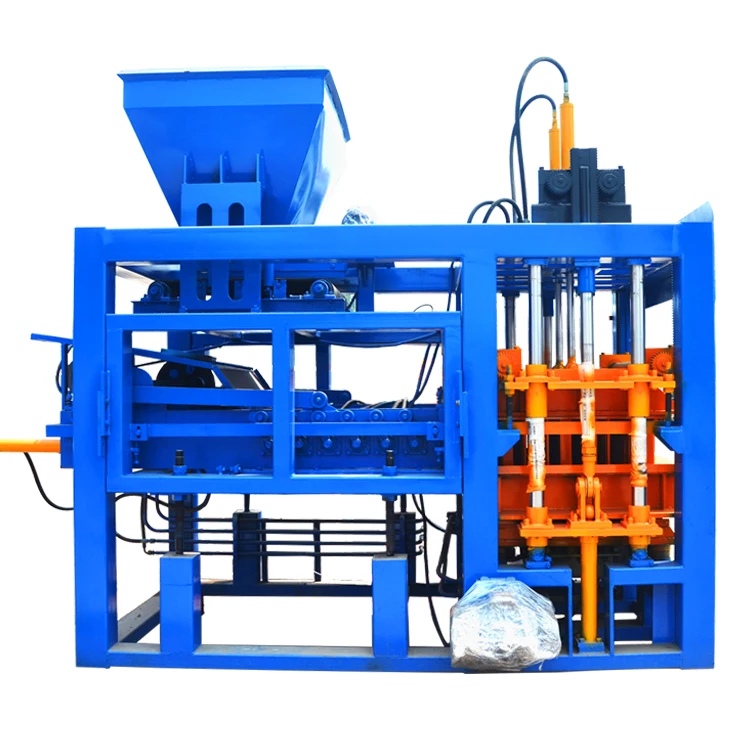
The 21 MPa rated hydraulic pressure and the platform vibration force must work together — pressure alone compresses the top surface while vibration consolidates the full depth of the mould. When the mix is too lean on cement, higher pressure cannot compensate and blocks emerge with weak edges. When the mix is too wet, vibration pushes slurry to the top and leaves voids at the base. The QT5-15 hydraulic block machine is calibrated so that pressure and vibration are balanced for the mix you actually run, not a default catalogue recipe. Pallet size at 1100 × 550 mm is specified to match standard curing rack dimensions and the fork trucks common in block plants, reducing double-handling between the press and the curing yard [NEED_CITE: pallet and curing area logistics in stationary block lines].
What Happens When the Pallet and Mould Are Specified Separately
A buyer once sourced pallets locally to save cost, choosing a size that did not match the curing racks already installed in his yard. Every pallet had to be re-stacked by hand before curing — the press was producing fine, but downstream handling ate up the labour savings. On the QT5-15, we confirm pallet dimensions against your existing curing area and material handling equipment before the order enters production, so the 1100 × 550 mm pallet feeds, stacks and cures without modification. Mould changes also depend on preparation; a mould swap done without the correct bolt pattern and alignment jig can consume most of a shift, cancelling the format flexibility you paid for.
Why This Configuration Approach Works
Block machinery is our single focus — the QT5-15 is specified as a matched system of press, mould, pallet and handling, not assembled from separate suppliers. We configure the machine against your mix design and target block format, not a catalogue default. Mould design covers the formats your market actually sells, including custom drawings to your specifications. Automation level is selectable so you can start with semi-automatic pallet handling and add stacking or cubing later. Installation support includes on-site commissioning and operator training so the crew is running independently before our technician leaves.
Documentation & Verification
- Line layout with capacity calculation stating the block format behind every output figure
- Mould drawing and format list issued for approval before production begins
- Voltage, frequency and PLC display language confirmed in writing at order stage
- Factory test record run with your chosen mould installed, showing actual cycle time per format
- Hydraulic and electrical schematic for local maintenance teams
- Operation and maintenance manual with wear parts and mould replacement list
Installation, Commissioning & Support
- 7400 × 1950 mm footprint requires a level concrete foundation with anchor bolt provisions
- 26.5 kW total power demands a dedicated circuit with correct breaker sizing at your site
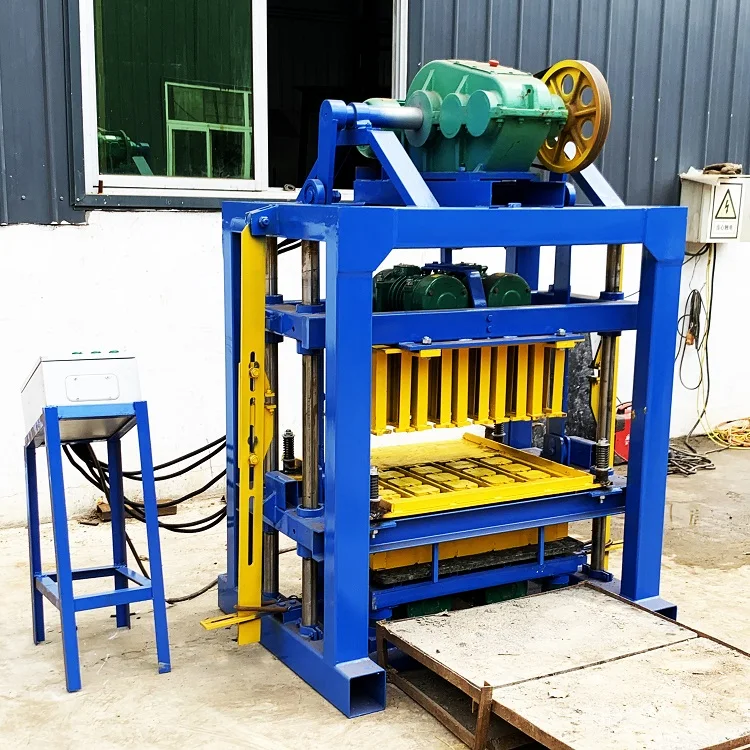
- Machine ships as a stationary assembly; pallet feeder and hydraulic unit connect on arrival
- PLC display language set before production so operators see their own language at first start-up
- Vibration frequency range of 2800–4500 r/min calibrated on-site against your live mix design
- Wear parts list and mould spares schedule provided to plan first replacement order
What We Need to Quote You Accurately
Send us the block format drawing or dimension you sell most, your daily volume target and the aggregate you source locally. Include your site voltage and frequency, the PLC language your operators read and the pallet size your curing racks accept. If you are adding formats to an existing line, tell us which machines and moulds you already run so the QT5-15 slots in without overlap.
Frequently Asked Questions
Q: How is the capacity figure calculated and which block format does it assume?
A: Every output number on our QT5-15 specification sheet names the block format, mould cavity count and cycle time behind it. For example, 1800 pieces per hour assumes a 400×200×200 mm hollow block at five cavities and a 16–20 second cycle. Change the format and the number changes — we recalculate for each product you plan to run.
Q: How do I match vibration force and hydraulic pressure to my local aggregate?
A: We need your aggregate type and a basic sieve analysis. Coarse crushed stone typically requires lower frequency and longer vibration, while fine sand and fly ash respond to higher frequency. The 21 MPa hydraulic pressure and adjustable 2800–4500 r/min vibration are balanced together against your mix during factory testing before shipment.
Q: What is the mould change procedure and how long does it take on the QT5-15?
A: Mould change involves releasing the hydraulic clamps, lifting the current mould with the press overhead mechanism and lowering the replacement into position. With the correct alignment jig and pre-drilled bolt pattern, a trained operator completes a swap within a short shift window. We supply the change procedure and required tools with each mould set.
Q: Which pallet size and material should I choose for my curing area?
A: The standard pallet size is 1100 × 550 mm, which fits common curing racks and fork truck tines. Material choice — hardwood, bamboo composite or steel — depends on your curing humidity, expected pallet lifespan and local replacement availability. We confirm the choice against your existing yard setup before the order enters production.
Q: What voltage and PLC language options are confirmed before shipment?
A: Voltage and frequency are matched to your site supply — we confirm in writing at order stage, not at shipment. The PLC display language is set to your operator’s preference so that commissioning begins without translation delays. Both confirmations are documented before the QT5-15 enters the production schedule.