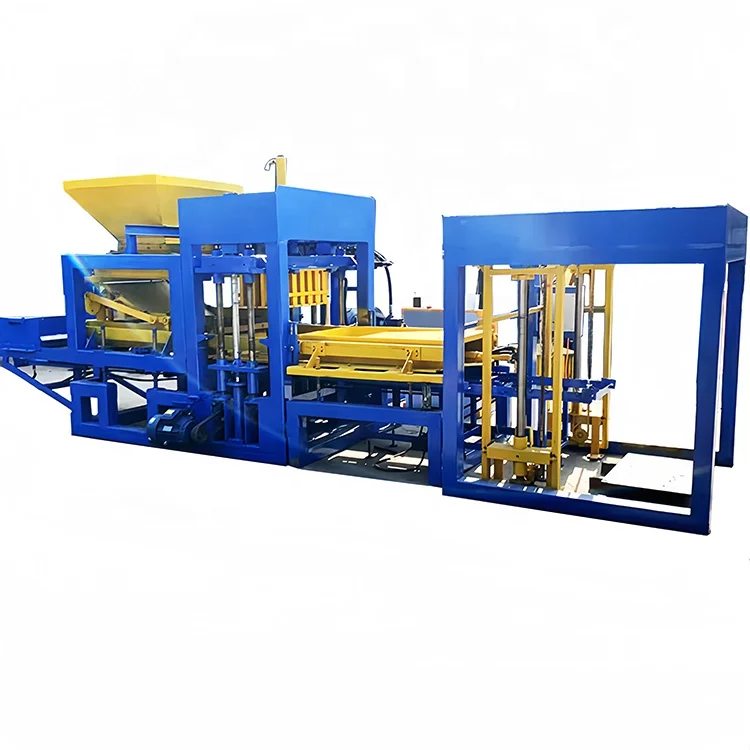
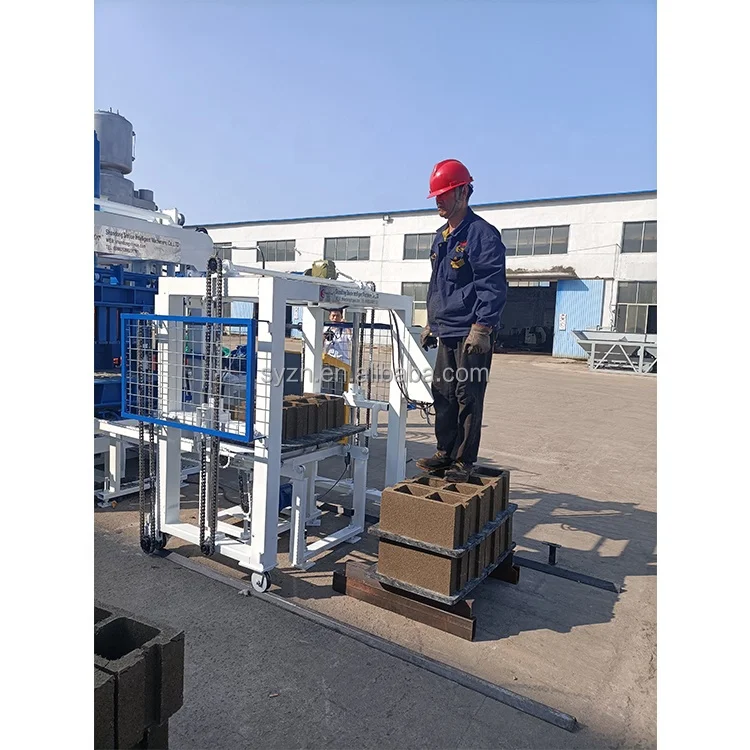


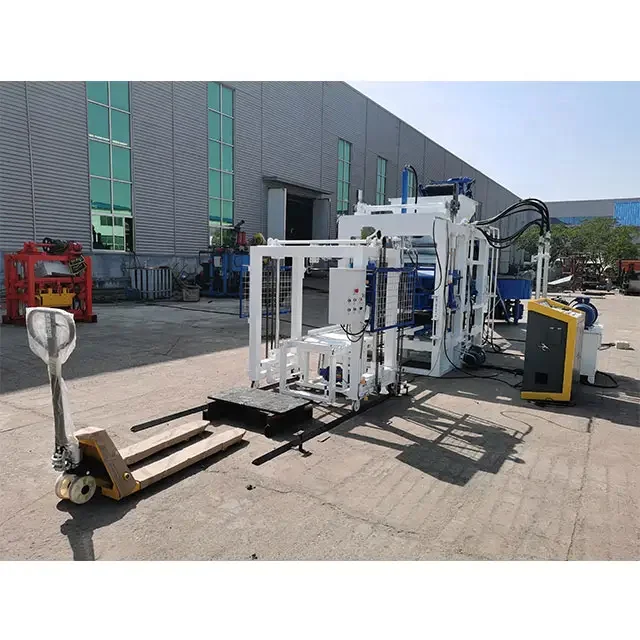

Description
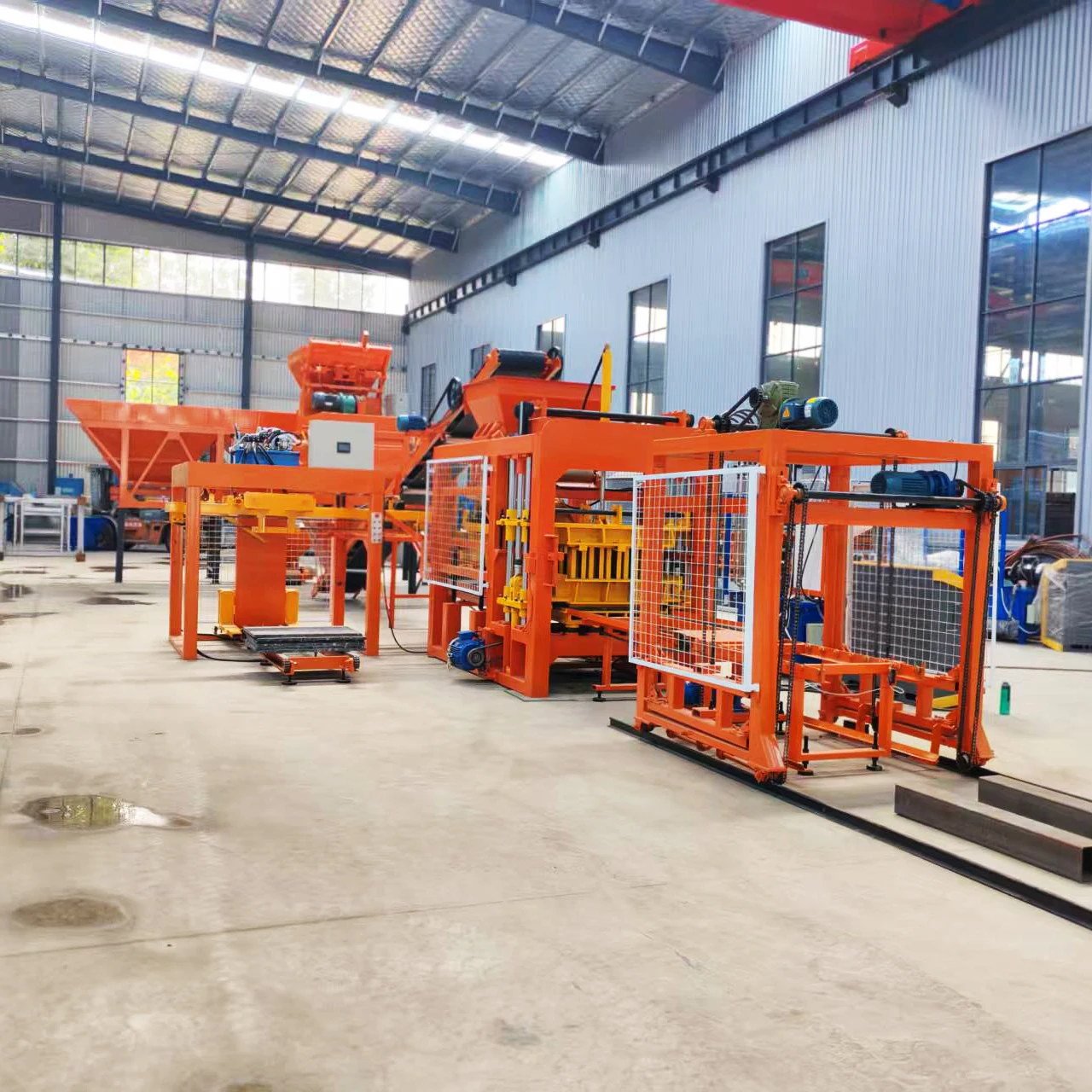
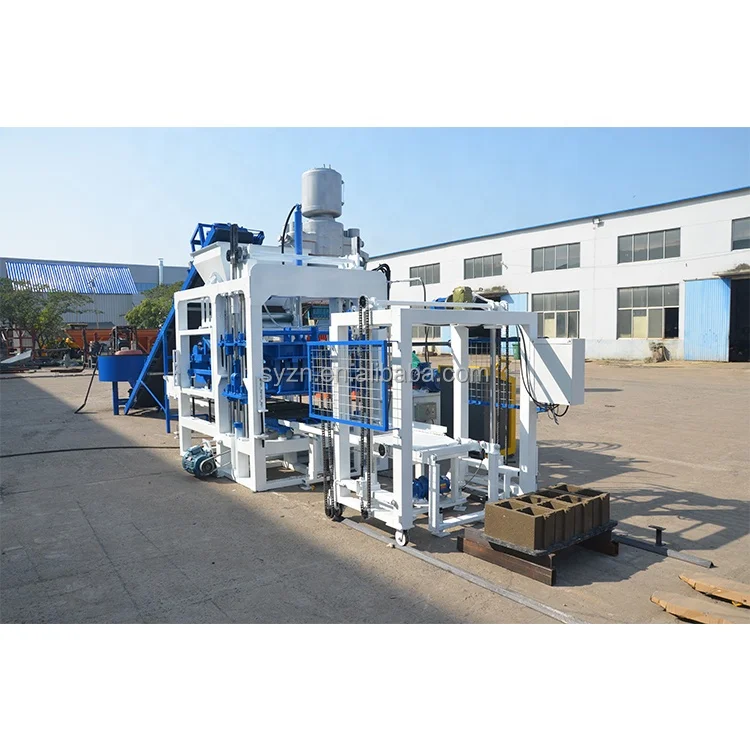
Matched System Design — hydraulic pressure, vibration force, and pallet size are balanced around the specific block format and local mix design, not pulled from a generic catalogue default.
Technical Specifications
| Parameter | Value |
|---|---|
| Model | QT4-18 |
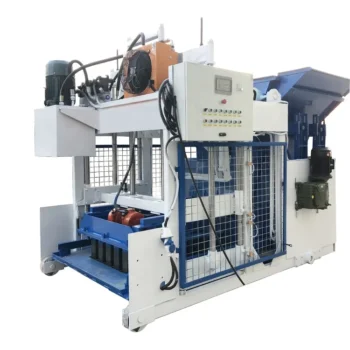
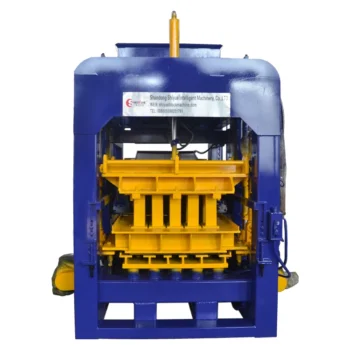
| Product Type | Hydraulic Concrete Block Making Machine |
| Overall Dimensions (L×W×H) | 3900×1600×2300 mm |
| Molding Cycle | 15-25s (basis not stated in source — confirm block format / material / thickness) |
| Vibration Force (Exciting Power) | 40-50 KN |
| Rated Power | 24 kW |
| Mixer Model | JQ350 |
| Pallet Size | 850×550×25 mm |
| Net Weight | 3T |
| Control System | PLC control system |
| Hydraulic Station | Included (high pressure, stable operation) |
| Applied Products | Paver, solid block, hollow block, curbstone (mould change required) |
| Raw Materials | Crushed stones, sand, cement, dust, fly ash |
| Output Capacity (Hollow Block 400×200×200mm) | 1200-1680 pcs/hr, 9600-13440 pcs/8hr |
| Output Capacity (Hollow Block 400×150×200mm) | 1800-2400 pcs/hr, 14400-19200 pcs/8hr |
| Output Capacity (Solid Brick 240×115×53mm) | 3240 pcs/hr, 16200-19440 pcs/8hr |
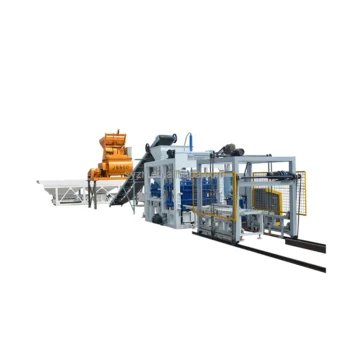
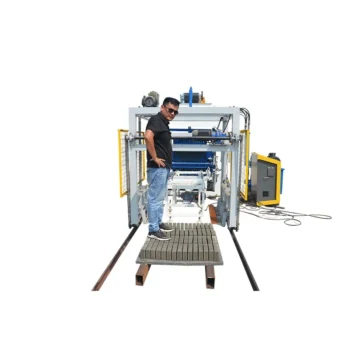
| Included Equipment | Block making machine, hydraulic station, PLC control system, pallet feeder, brick conveyor, block sweeper |
| Free Accessories | Manual hydraulic trolley, spare parts, tools |
Application Suitability
| Application | Material or Output |
|---|---|
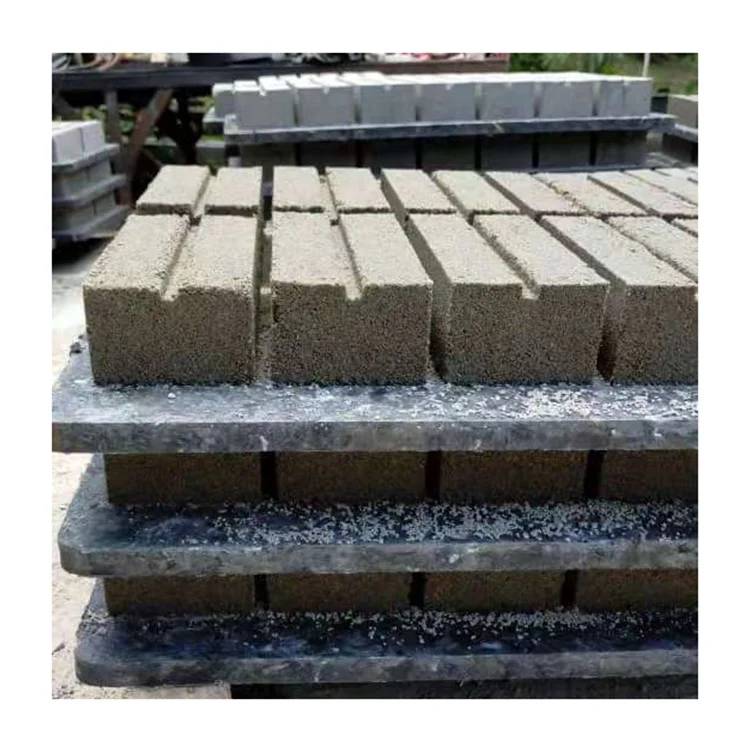
| Hollow block production for wall construction | Crushed stone, sand, cement, fly ash — formats including 400×200×200mm and 400×150×200mm |
| Solid brick manufacturing for load-bearing structures | Sand, cement, and dust blends — 240×115×53mm format |
| Paver and interlocking brick production for landscaping | Crushed stone and cement mixes with mould change |
| Curbstone fabrication for road and infrastructure projects | High-density aggregate blends with specialized mould |
| On-site contractor block production | Local sand and fly ash sourced near the construction site |
What "1200 Blocks per Hour" Actually Means for the QT4-18 Concrete Block Making Machine Specifications
Capacity numbers are meaningless without the block format and mould configuration attached to them.
Every time I walk into a plant where the owner is disappointed with daily output, the story is the same: the quotation said a certain number per hour, but nobody asked which block size that assumed. The QT4-18 concrete block making machine specifications list different throughput figures depending on whether you are running 400×200×200mm hollow blocks or 240×115×53mm solid bricks, and those figures can diverge significantly. [NEED_CITE: common causes of block machine output shortfall in export markets]. A buyer who plans a project around the highest number on the sheet, without confirming the format, will end up short on delivery commitments. That gap between quoted and actual output is where contractor penalties begin.
Mould Format Flexibility and Realistic Cycle Times
The QT4-18 handles hollow blocks, solid bricks, pavers, and curbstones through mould changes, and the molding cycle sits between 15 and 25 seconds depending on the format and material density. This means the realistic daily output shifts every time you swap a mould, which is why the capacity calculation must state the exact format assumed. Buyers adding pavers to an existing hollow block line need to see the cycle time for each product separately before committing.
Pallet Size as a System Constraint, Not an Afterthought
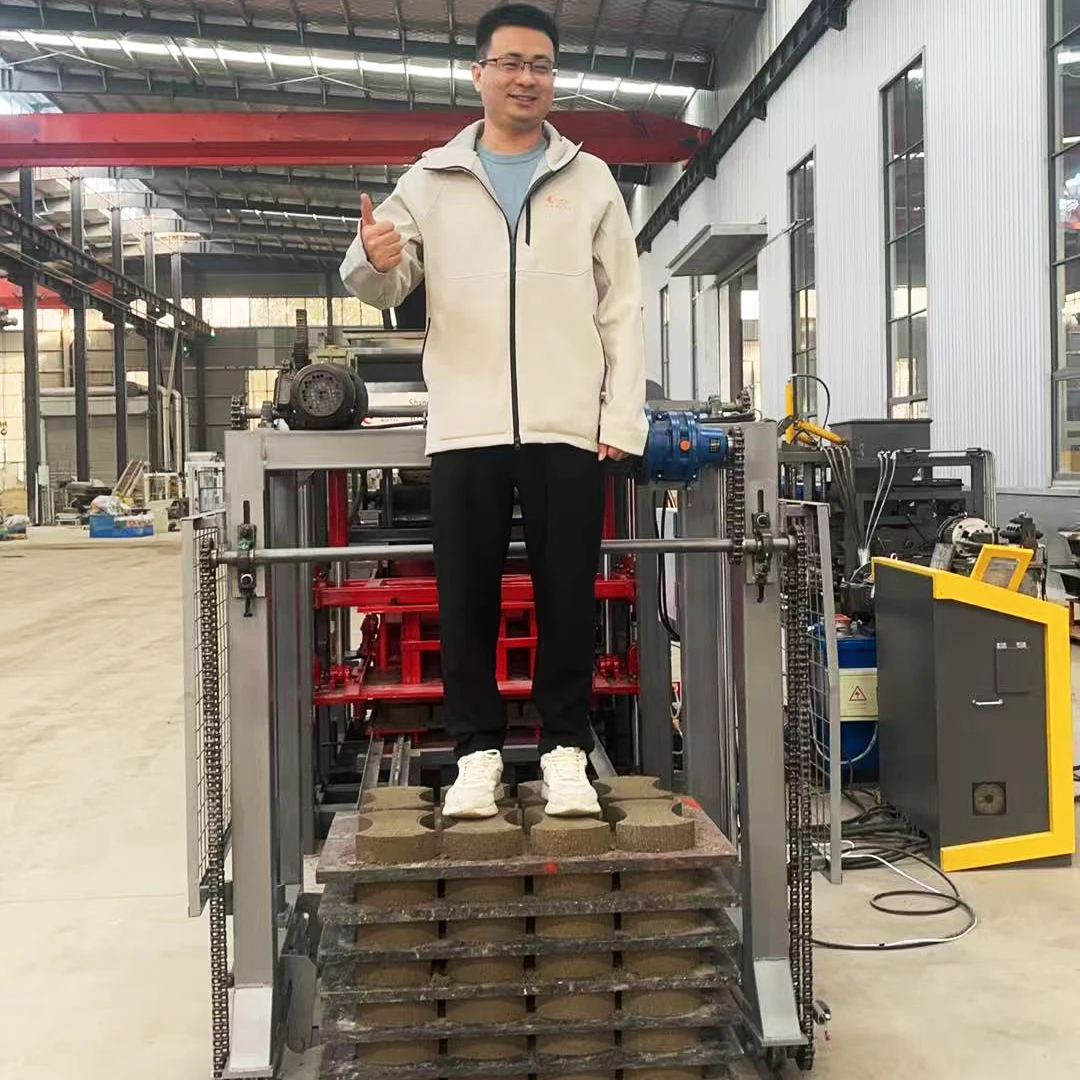
The 850×550×25 mm pallet dimension is not a standalone number — it must align with the curing rack spacing and forklift tine width already in the buyer’s yard. I have visited plants where pallets arrived and could not slide into the existing curing racks, forcing the owner to rebuild the entire curing area. Before confirming the pallet specification, share your curing rack drawings and forklift model so the pallet size and material are validated against your actual handling infrastructure. [NEED_CITE: pallet handling compatibility issues in block production plants].
How Hydraulic Pressure and Vibration Force Shape Block Density
The 40-50 KN vibration force works together with the hydraulic station to compact the concrete mix into a dense, consistent block. If the vibration force is too low for a stiff mix with coarse crushed stone, the block emerges with weak edges and poor compressive strength. If the hydraulic pressure is too high for a lightweight fly ash blend, the block cracks during demoulding. The balance between these two forces must be set against the buyer’s actual mix design and local aggregate, not left at a factory default tuned for standard sand.
The Hidden Cost of Unconfirmed Voltage and Control Language
A QT4-18 concrete block making machine specifications sheet that leaves voltage, frequency, and PLC display language blank is a commissioning delay waiting to happen. I once spent four extra days on a site in Peru because the PLC display was in a language the operators could not read, and the local electrician had to rewire the control panel before we could even power up. [NEED_CITE: voltage and frequency standards by export market]. Confirming these three items before production starts costs nothing, but fixing them after the machine arrives can stall a project for weeks and add unplanned electrical work to the budget.
Why Buyers Source This Block Machine Here
The QT4-18 is specified as a matched system — the press, mould, pallet, and handling stations are configured together so that cycle times at each station align and the press is never left waiting for a pallet or a mix batch. Configuration is set against the buyer’s actual mix design and target block format, not a catalogue default. Mould drawings are provided for the exact formats the buyer’s market demands, including custom dimensions from buyer-supplied drawings. Automation level is selectable, allowing a plant to begin with manual pallet handling and add automatic stacking later. Installation support includes operator training on the specific PLC interface and mould change procedure.
Documentation & Verification
- Line layout and capacity calculation stating the block format assumed for each output figure
- Mould drawing and format list confirming exact dimensions and cycle times per product
- Pallet specification sheet matched to the buyer’s curing rack and forklift dimensions
- Hydraulic and electrical schematic showing station connections and power distribution
- Voltage and control language confirmation document signed before production begins
- Factory test record run on the buyer’s target block format before dispatch
Installation, Commissioning & Support
- Foundation plan sized to the 3900×1600 mm footprint and 3T operating weight of the QT4-18
- Dedicated power circuit sized for the 24 kW rated power plus mixer and conveyor loads
- Machine arrives dismantled for container loading; reassembly sequence provided with labelled connection points
- First-run commissioning includes vibration force and hydraulic pressure tuning to the buyer’s local aggregate mix
- Operator training covers PLC interface navigation, mould change procedure, and daily maintenance checklist
- Wear parts list and mould maintenance schedule provided with recommended replacement intervals
What We Need to Size Your Line Correctly
Share the block formats your market actually buys, the daily output you need for each, and the raw materials available near your site — including any local aggregate samples you can send. Tell us your existing curing rack dimensions and forklift specifications so we can confirm pallet compatibility. Finally, confirm your local voltage and frequency, plus the language your operators need on the PLC display, so commissioning starts the day the machine is powered on.
Frequently Asked Questions
Q: How is realistic daily output calculated for my specific block format?
A: We calculate output per format using the molding cycle time for that exact mould, then multiply by productive hours minus mould change and maintenance windows. The capacity document states the assumed block dimensions and mix so the number matches what you will actually produce, not a catalogue peak.
Q: What is the actual mould change time on the QT4-18?
A: Mould change time depends on the format and whether quick-release clamps are specified. A standard swap between hollow block and paver moulds typically takes one operator a portion of a shift. We confirm the procedure and required tools before delivery so your team is not learning it on the first production day.
Q: Can vibration force be adjusted to match my local aggregate?
A: Yes. The 40-50 KN vibration range is tuned during commissioning against the buyer’s actual mix — whether that is coarse crushed stone, fine sand, or fly ash blends. We set the force so blocks meet the target compressive strength without cracking at demoulding.
Q: Are pallets compatible with my existing curing racks and forklifts?
A: The standard 850×550×25 mm pallet is checked against your curing rack spacing and forklift tine width before production. If your existing infrastructure requires a different dimension or material, the pallet specification is adjusted and confirmed in writing before the order enters manufacturing.
Q: What block formats and mould drawings are available for my market?
A: We supply mould drawings for hollow blocks, solid bricks, pavers, and curbstones in standard and custom dimensions. Send us the formats your market demands, and we provide the corresponding mould drawing with cycle time and output figures for each before you commit.