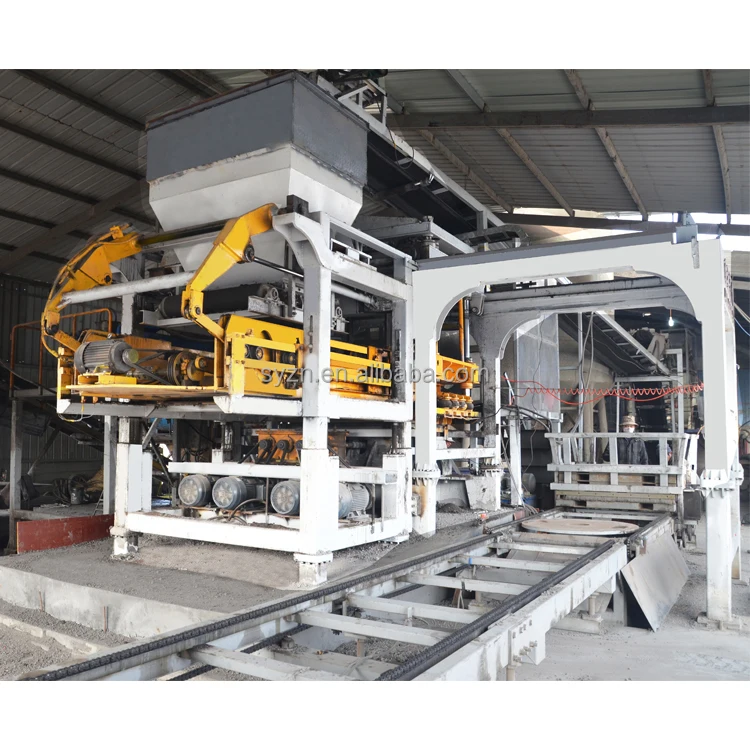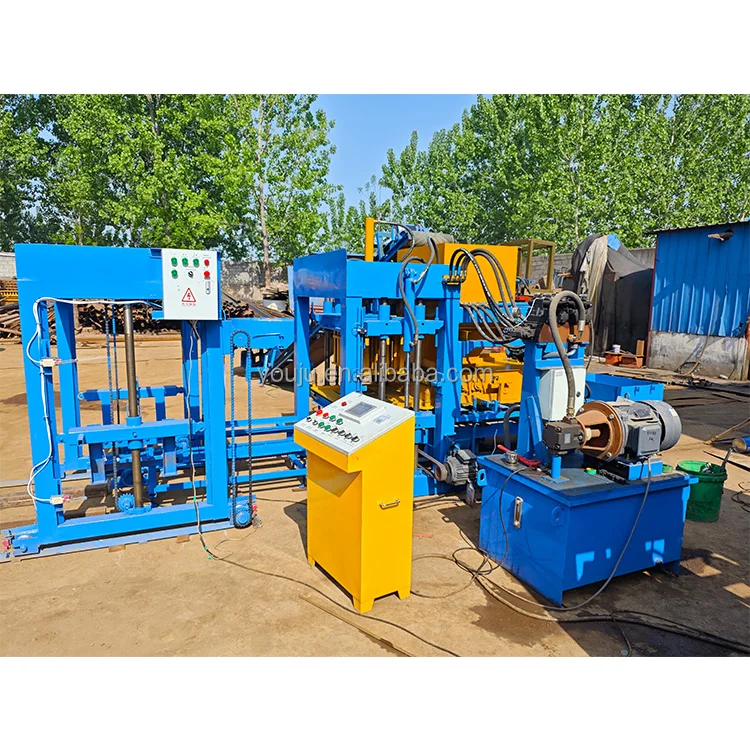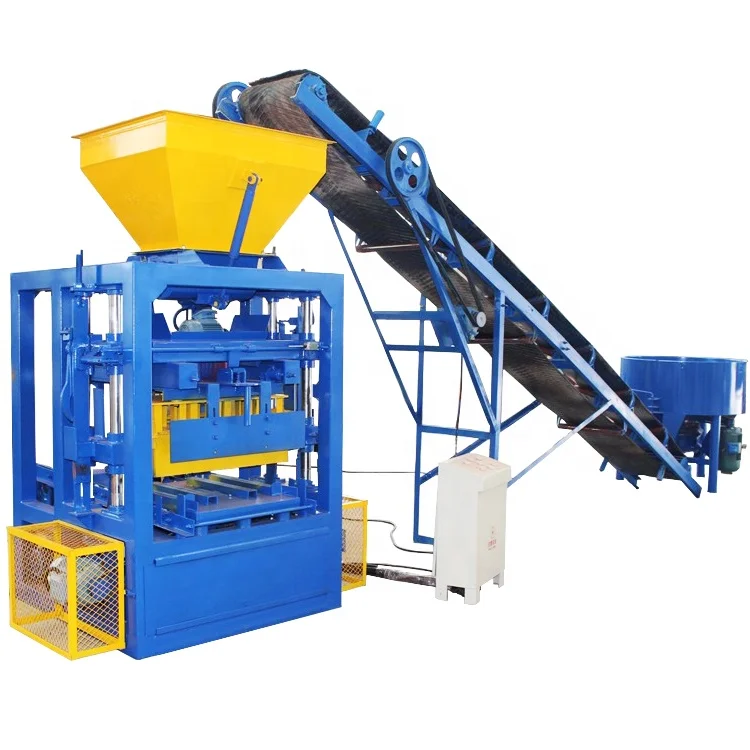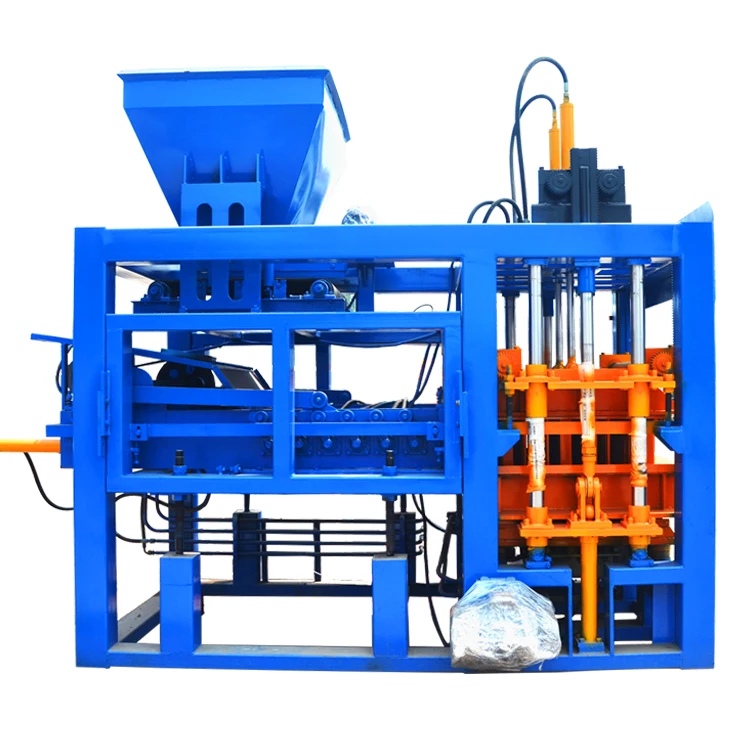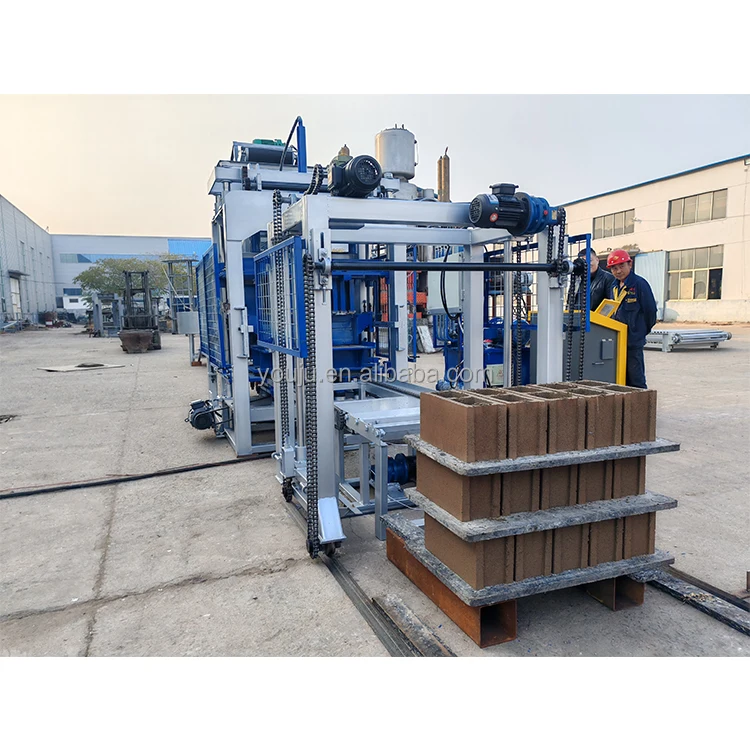
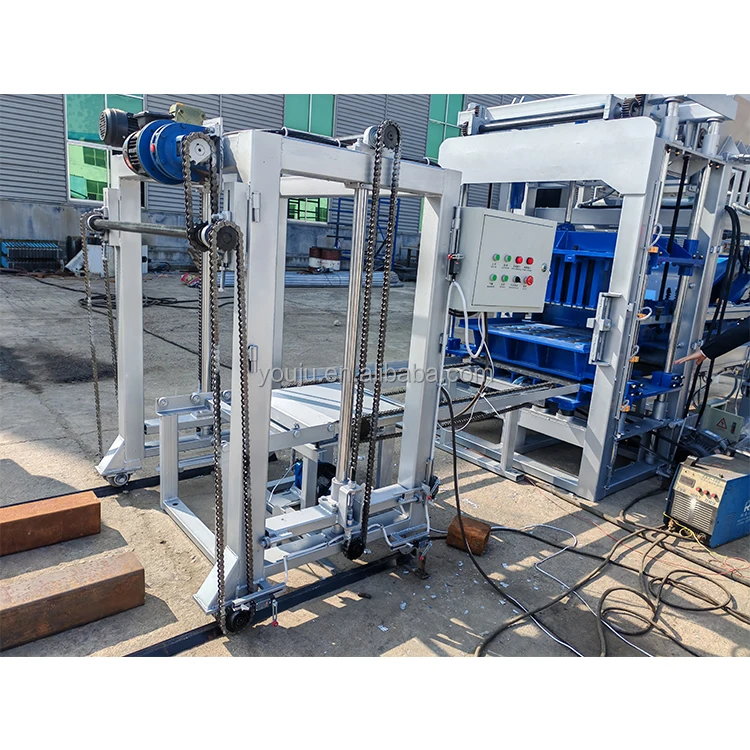
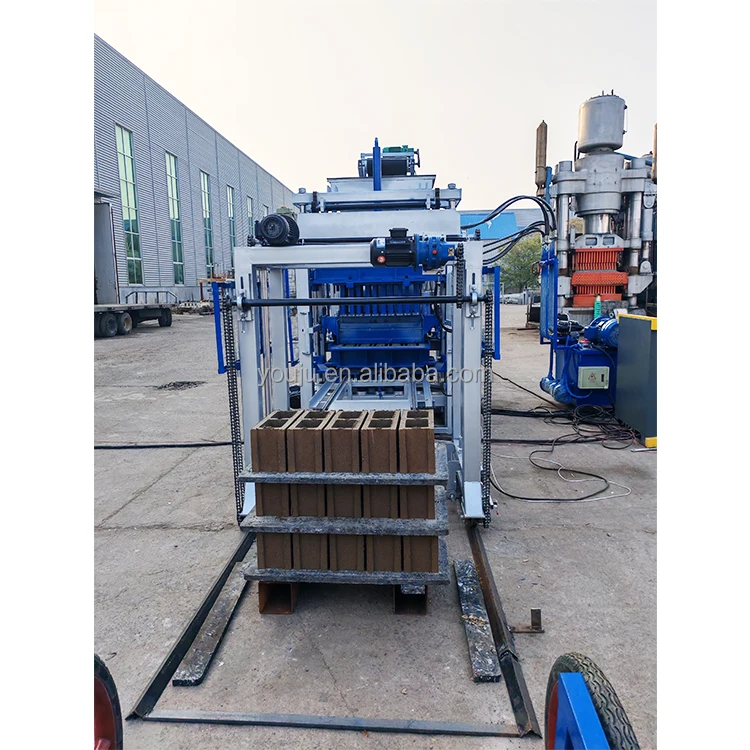

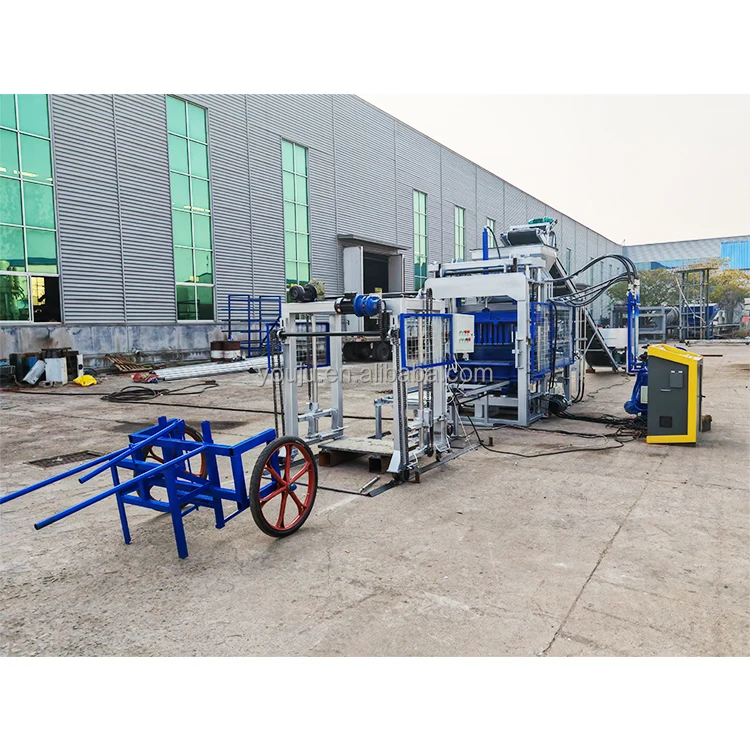
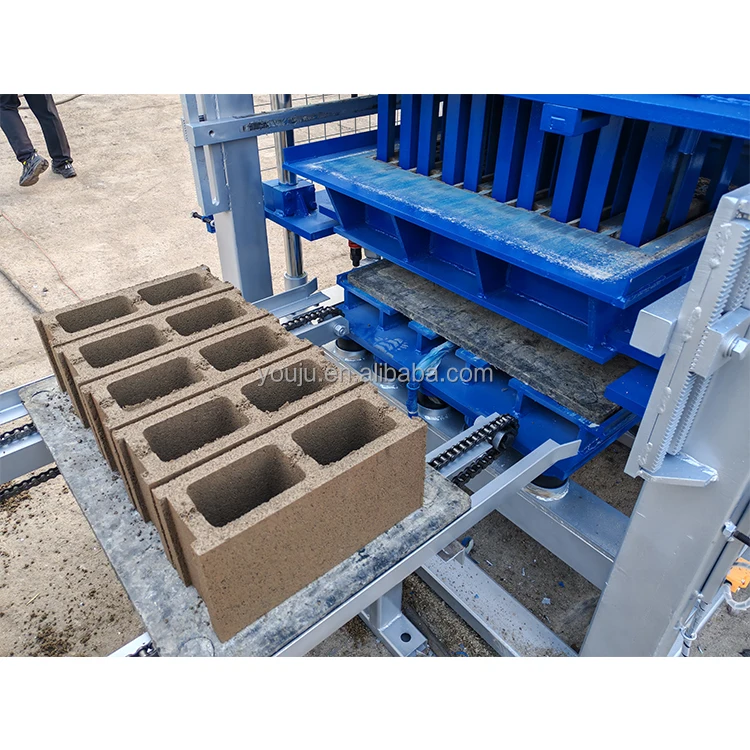
Description
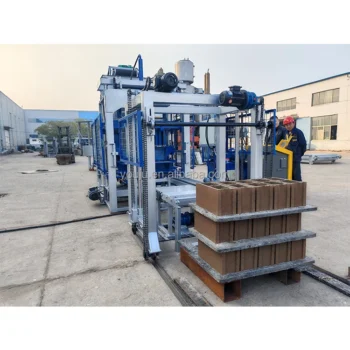
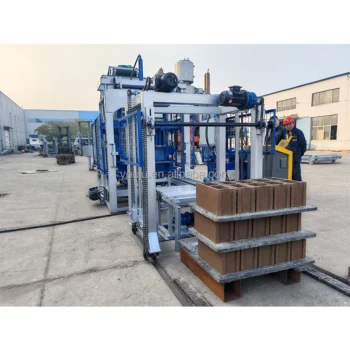
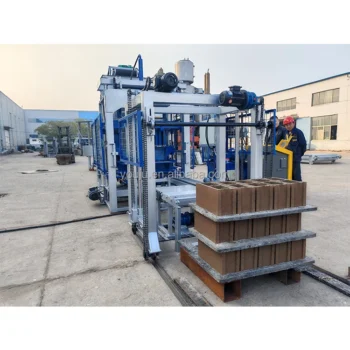
Mould-Format Capacity Match — The QT4-15 is configured around the specific hollow block, paver and solid brick dimensions your market demands, with moulds and cycle times set to match.
Technical Specifications
| Parameter | Value |
|---|---|
| Model | QT4-15 |
| Product Type | Hydraulic Block Making Machine |
| Molding Cycle | 15–30 s (basis not stated in source — confirm block format / material / thickness) |
| Pallet Size | 900 × 500 mm |
| Vibration Type | Platform vibration |
| Vibration Frequency | 50–70 Hz |
| Product Height Range | 50–220 mm |
| Overall Power | 24.5 kW |
| Demolding Method | Hydraulic |
| Control System | PLC |
| Output Capacity (Hollow Block 400×200×200 mm) | 900–1,200 pcs/hour, 7,200–9,600 pcs/8 hr |
| Output Capacity (Hollow Block 400×150×200 mm) | 1,080–1,440 pcs/hour, 8,640–11,520 pcs/8 hr |
| Output Capacity (Hollow Block 400×100×200 mm) | 1,440–1,920 pcs/hour, 11,520–15,360 pcs/8 hr |
| Output Capacity (Paver 200×100×60 mm) | 2,880–3,840 pcs/hour, 23,040–30,720 pcs/8 hr |
| Output Capacity (Solid Brick 240×115×53 mm) | 5,930–6,720 pcs/hour, 47,400–53,700 pcs/8 hr |
| Block Compressive Strength | >15 MPa (source value — verify against manufacturer catalog) |
| Raw Materials | Fly ash, slag, gangue, sand, crushed stone, cement, water |
| Automation Level | PLC controlled, automatic pallet feeding, material feeding, vibrating, demoulding |
| Electrical & Hydraulic Components | Original imported or China famous brand (source value — verify against manufacturer catalog) |
Application Suitability
| Application | Material or Output |
|---|---|
| Hollow block production for building walls | Fly ash or crushed stone mix with cement, 400×200×200 mm / 400×150×200 mm / 400×100×200 mm formats |
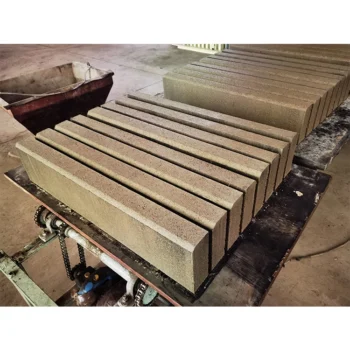
| Paver brick production for landscaping and roadways | Crushed stone and sand mix, 200×100×60 mm interlocking or rectangular formats |
| Solid brick production for masonry | Sand, slag or gangue blend, 240×115×53 mm standard format |
| Mid-to-small scale block plants | Configured for 8-hour shift output with automatic pallet and material feed |
| On-site concrete product manufacturing | Industrial residue blends including fly ash, slag and gangue |
Why "Cycles per Hour" Misses the Point for the QT4-15
Real output depends on the block format you actually produce, not the fastest cycle the machine can run.
A supplier quoting 15-second cycles might be running the thinnest solid brick in their test, while your market buys 200 mm hollow blocks that need 25 seconds or more. I have seen buyers receive a QT4-15 hydraulic block making machine and wonder why daily tonnage falls short, only to discover the capacity figure assumed a format they never planned to sell. The vibration time, hydraulic pressure hold and demoulding stroke all shift when you change block height and wall thickness [NEED_CITE: how block geometry affects molding cycle time in hydraulic presses].
Per-Format Output Instead of a Single Headline Number
The QT4-15 hydraulic block making machine specifications list output separately for each block format: 400×200×200 mm hollow blocks, 400×150×200 mm and 400×100×200 mm hollow blocks, 200×100×60 mm pavers and 240×115×53 mm solid bricks. Each figure carries its own cycle range because the vibration duration and hydraulic hold change with product geometry. This approach lets a technical buyer size the machine against the format their distributors actually order, rather than extrapolating from a number that may not apply.
Matching Vibration and Pressure to Local Aggregate
Platform vibration at 50–70 Hz works in combination with hydraulic pressure to compact the mix into the mould cavity. The right balance depends on whether your aggregate is clean crushed stone or a fly ash blend with higher fines content. A mix with more fines typically needs longer vibration at moderate frequency to achieve full cavity fill, while a coarse aggregate responds to shorter, higher-frequency bursts. Confirming this balance before the machine ships avoids the situation where blocks leave the press with inconsistent density across the pallet [NEED_CITE: vibration frequency and aggregate gradation in concrete block compaction].
Pallet Size, Product Height and Mould Changeover
The 900×500 mm pallet and 50–220 mm product height range define what the QT4-15 can physically form. A pallet this size fits standard curing racks used in mid-scale plants and works with common forklift tine widths. Switching from hollow block to paver production requires a mould change — the hydraulic demoulding system releases the old mould and accepts the new one, but the time involved depends on whether the operator has done the swap before. Specifying the full set of moulds you need at order stage means they arrive together and can be validated during commissioning.
What the Specs Mean on the Shop Floor
The 24.5 kW overall power rating covers the hydraulic pump, vibration motor, pallet feeder and PLC cabinet running together. This is a mid-range draw for a stationary block press and determines the transformer capacity and cable sizing you need on site. The PLC-controlled automatic cycle handles pallet feeding, material dosing, vibration and hydraulic demoulding in sequence, which keeps cycle-to-cycle timing consistent regardless of operator experience. Product height adjustability from 50 to 220 mm means the same press can produce a thin paver one shift and a 200 mm hollow block the next, provided the correct mould is installed. The hydraulic demoulding method applies even uplift force on the mould box, reducing edge chipping on taller hollow blocks where mechanical stripping can damage the top face.
The Cost of Skipping the Format Conversation
When a buyer approves a quotation based on a single capacity number without confirming which block format it assumes, the machine arrives and daily output disappoints. The pallet size may not match the curing racks already welded in the yard. Voltage and frequency get assumed rather than confirmed, and the PLC display shows text in a language the operators cannot read. I have walked onto sites where the first week of production was spent re-wiring the control cabinet and re-ordering pallets — all avoidable if those details had been locked before the machine entered production [NEED_CITE: common commissioning delays in exported concrete block machinery].
Why Sourcing This Machine Here Makes Sense
Block machinery is the single focus of this operation, so the QT4-15 press, its moulds, pallets and handling equipment are specified as one matched set rather than pulled from separate suppliers. Machine configuration is set against your actual mix design and target block format, not a catalogue default. Mould design covers the formats your market sells, and custom drawings are available when standard sizes do not fit. Automation level is selectable, allowing a plant to start with PLC-controlled automatic cycling and add stacking or cubing later. Installation support includes on-site commissioning and operator training so the crew can run mould changes independently from the first week.
Documentation & Verification
- Line layout and capacity calculation stating the block format assumed for each output figure
- Mould drawing and format list confirming included and optional block sizes
- Pallet specification for 900×500 mm cross-checked against curing rack dimensions
- Hydraulic and electrical schematic for the QT4-15 control circuit
- Voltage, frequency and PLC display language confirmation signed before production
- Factory test record on your target block format before dispatch
Installation, Commissioning & Support
- Foundation plan matched to the QT4-15 overall dimensions and vibration isolation needs
- Power supply confirmation for 24.5 kW total draw with dedicated circuit breaker sizing
- PLC display language and voltage set to site requirements before the machine leaves the factory
- Commissioning run on your chosen block format to validate cycle time and block density
- Operator training covering mould change procedure and daily hydraulic system checks
- Wear parts and mould maintenance list with replacement intervals for your production schedule
What to Share When Requesting a Quote
Provide the block formats your market buys most, including dimensions and required compressive strength. Confirm your local aggregate type, whether it is crushed stone, sand, fly ash or a blend, and any moisture or fines content you have measured. State your available voltage, frequency and preferred PLC display language, along with the curing rack and forklift specifications already on site.
Frequently Asked Questions
Q: How is QT4-15 capacity calculated per block format, and why does output differ?
A: Each format has its own moulding cycle because block height, wall thickness and cavity count change the vibration time and hydraulic hold needed. The 400×200×200 mm hollow block runs a longer cycle than the 240×115×53 mm solid brick, so hourly output is stated separately for each. This avoids the common problem of quoting a single number based on the fastest format.
Q: Which moulds are included, and how long does a mould change take?
A: Standard mould inclusion depends on the quotation package — typically one hollow block format is included, with paver and solid brick moulds as options. Mould change time depends on operator familiarity; the hydraulic demoulding system releases the mould box, but alignment and test cycles add to the total. Confirming all needed moulds at order stage avoids later downtime.
Q: How do I confirm the 900×500 mm pallet works with my curing racks and forklift?
A: Measure your existing curing rack slot width and forklift tine spacing before finalising the order. A 900×500 mm pallet fits most mid-scale rack designs, but if your racks were built for a different pallet dimension, new racks or pallet adapters may be needed. Sharing rack drawings at inquiry stage prevents a mismatch on arrival.
Q: What voltage, frequency and PLC language options are available?
A: These must be confirmed before the QT4-15 enters production. Voltage and frequency are set to your site supply, and the PLC display language is configured to match your operators. Late changes after the control cabinet is wired cause commissioning delays, so this confirmation is part of the standard order process.
Q: How are vibration force and hydraulic pressure matched to my aggregate?
A: The 50–70 Hz platform vibration and hydraulic pressure are adjusted during commissioning based on your local mix design. A fly ash blend with high fines content may need longer vibration at moderate frequency, while coarse crushed stone responds to shorter high-frequency cycles. Providing aggregate samples or test data at inquiry stage allows pre-configuration before shipping.