

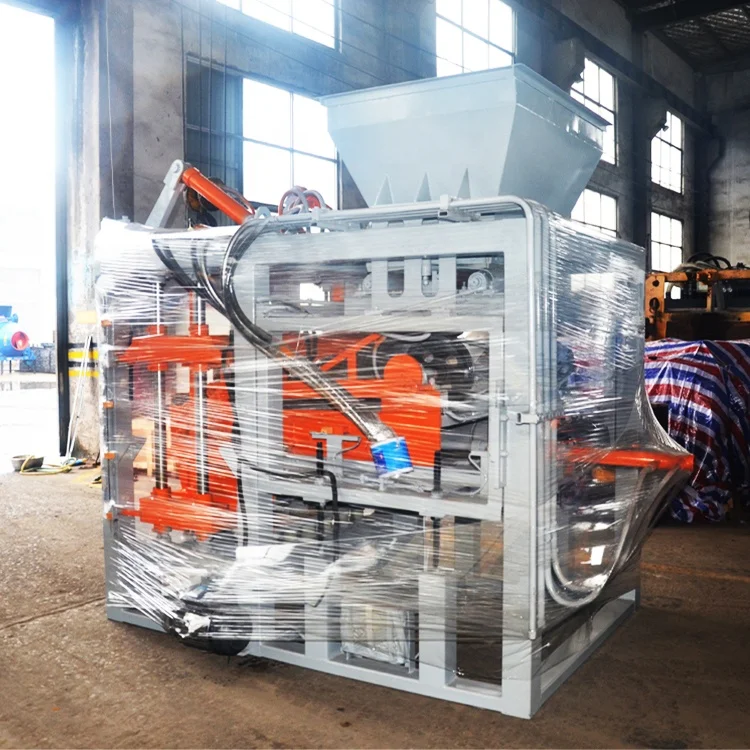
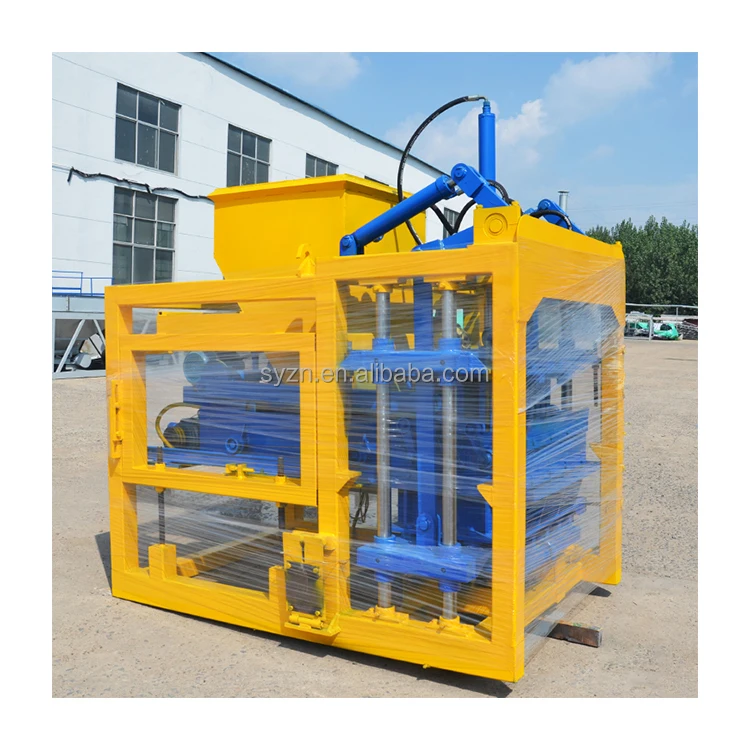
Description
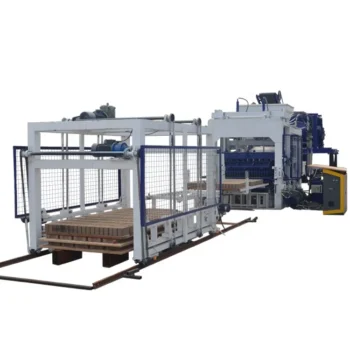
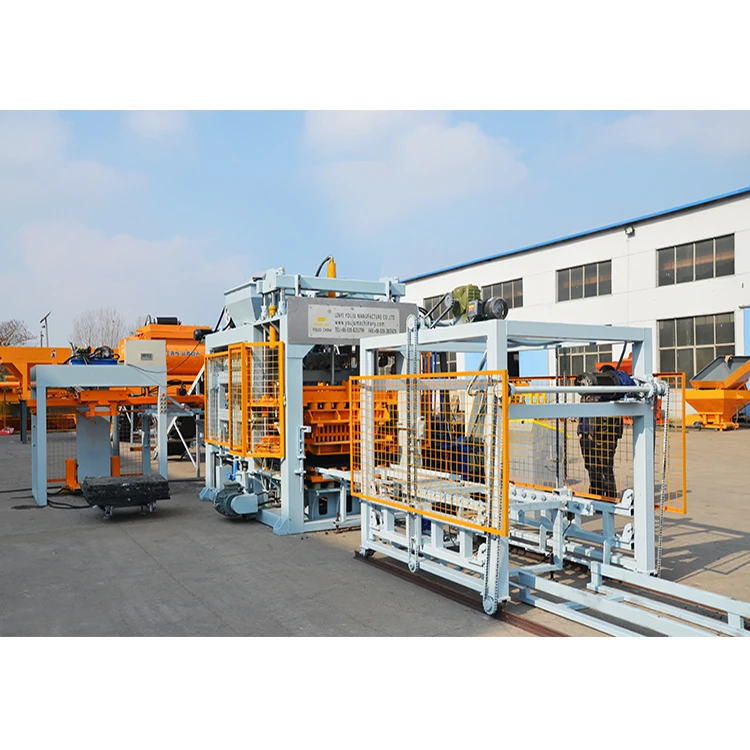
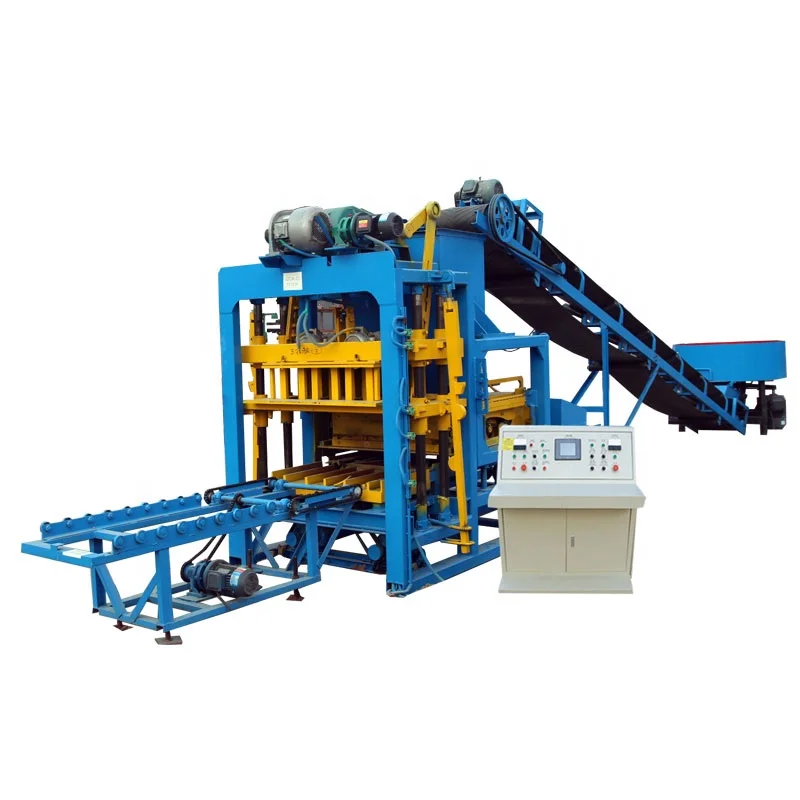
Block machine matched to your market — the QT4-15 configuration starts with the block format your buyers actually pay for, not a catalogue default, so capacity and mould selection are set before production begins.
Technical Specifications
| Parameter | Value |
|---|---|
| Model | QT4-15 |
| Product Type | Fully Automatic Hydraulic Block Making Machine |
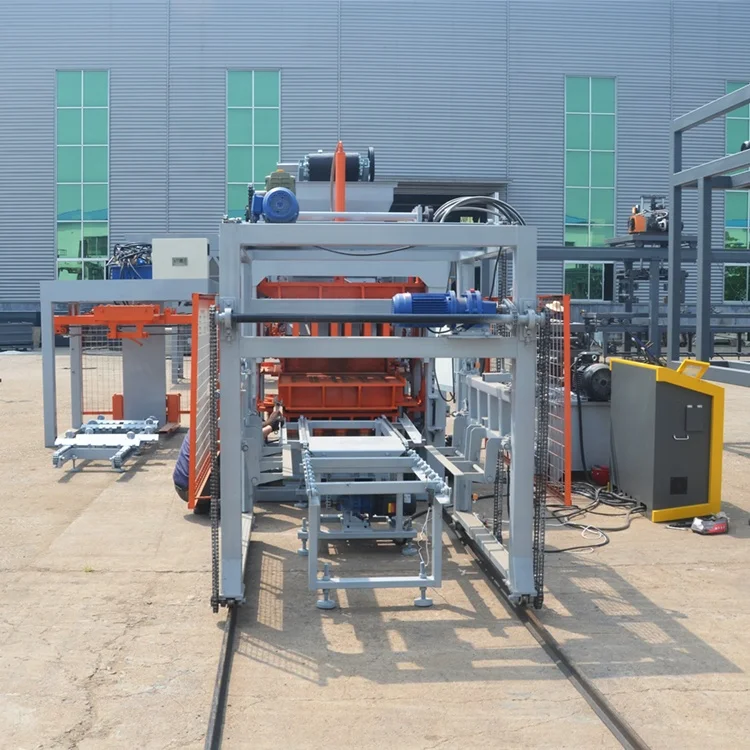
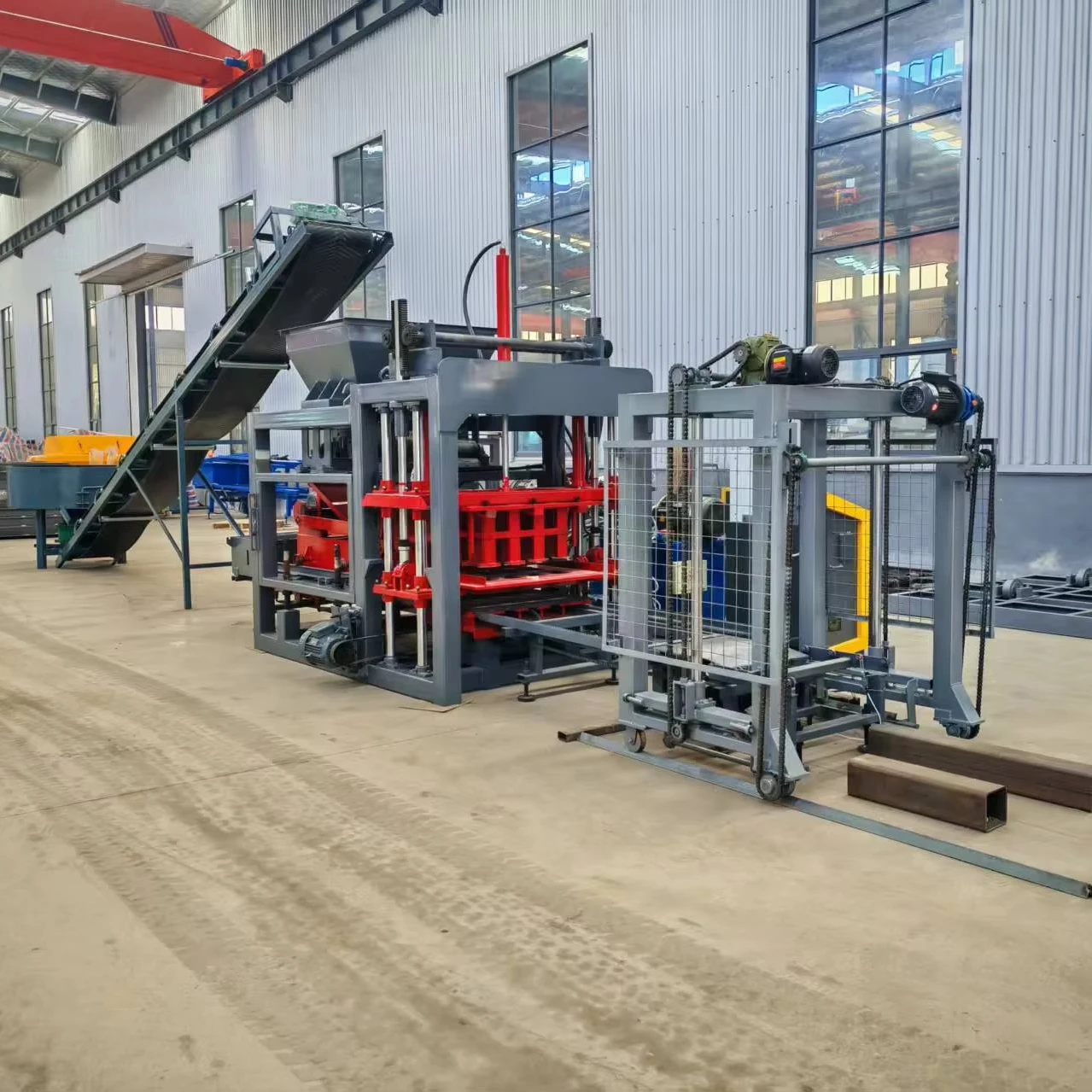
| Overall Dimensions (L×W×H) | 7100×1600×2610 mm |
| Net Weight | 5800 kg |
| Rated Power | 27.5 kW |
| Voltage & Frequency | 380V or configurable to buyer requirements |
| Control System | PLC (brand and language options to be confirmed) |
| Vibration Force | 60 kN |
| Hydraulic System | Adopted hydraulic circuit, even and dependable working procedure |
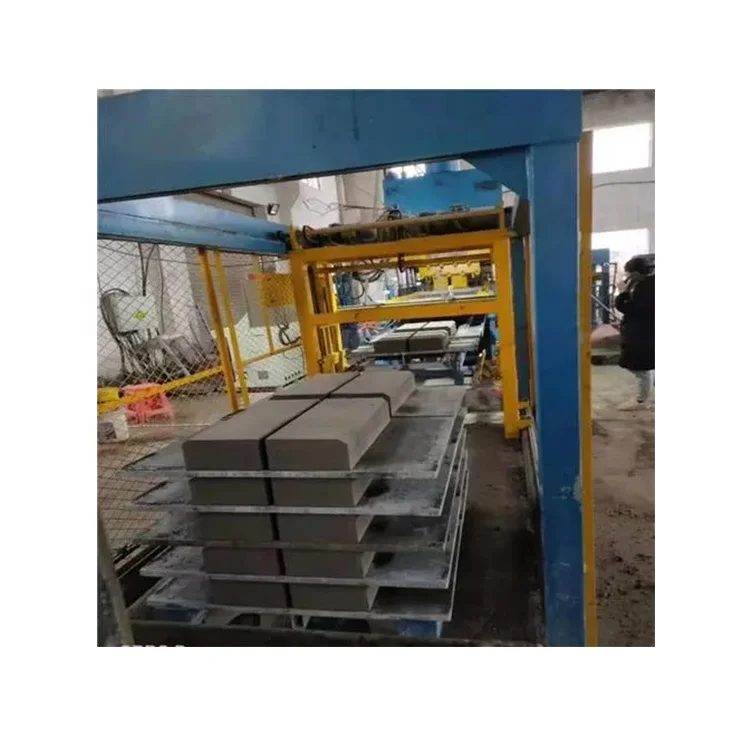
| Pallet Size | 1020×850×40 mm (material to be confirmed) |
| Automation Level | Fully automatic |
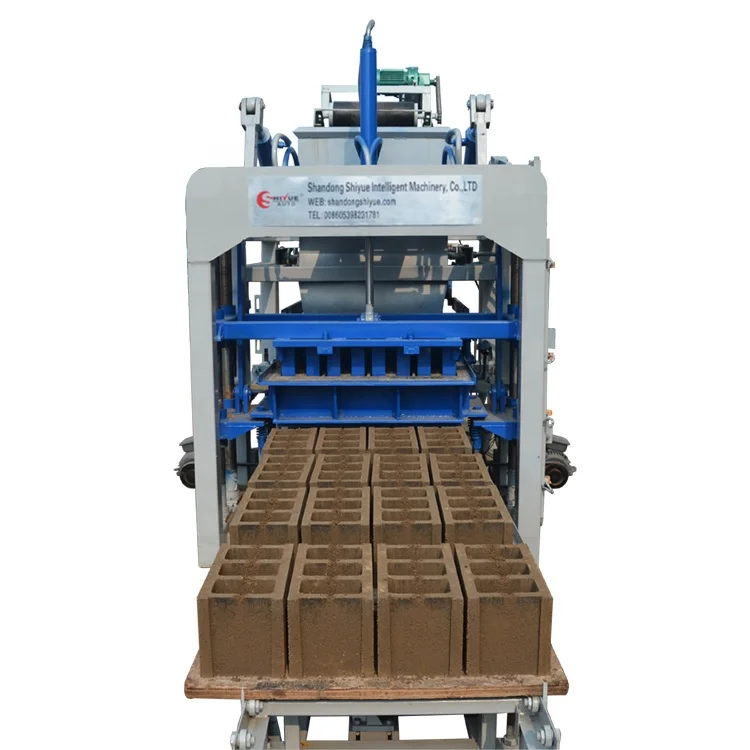
| Hollow Block 400×200×200 mm | 4 pcs/mould, 960 pcs/hour (basis to be confirmed) |
| Hollow Block 400×150×200 mm | 6 pcs/mould, 1440 pcs/hour (basis to be confirmed) |
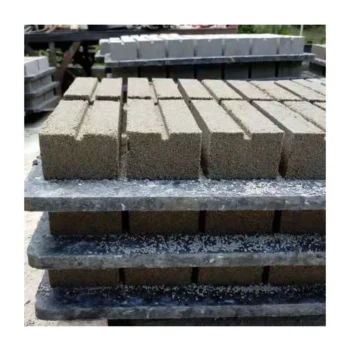
| Solid Brick 225×112.5×53 mm | 16 pcs/mould, 3840 pcs/hour (basis to be confirmed) |
| Mould Change Time | To be confirmed |
| Color Options | According to buyer request |
| Warranty | 1 year |
| Standards | ISO 9001:2008, CE |
Application Suitability
| Application | Material or Output |
|---|---|
| Hollow block production for building walls | Crushed stone, sand, cement, fly ash |
| Solid brick manufacturing for load-bearing structures | River sand or crushed aggregate with cement binder |
| Interlocking block production for paving and retaining walls | Graded aggregate blend with pigment addition |
| Paving block manufacturing for roads and walkways | High-strength concrete mix with fine aggregate |
| On-site block production for housing projects | Locally sourced sand, gravel and Portland cement |
What "960 Blocks per Hour" Actually Means for Your Plant
Capacity numbers are meaningless unless they name the exact block format, cycle time, and shift length behind them.
I once watched a West African buyer take delivery of a block machine whose brochure promised impressive hourly output. The machine arrived, the operator started production on 200 mm hollow blocks, and the daily count fell well short of what the buyer had promised his own customers. The problem was not the machine — the quoted figure had been based on a smaller solid brick format with a shorter cycle time. Nobody had asked which block the buyer’s market actually purchased. [NEED_CITE: common block machine capacity misrepresentation in trade catalogues]
When you evaluate the QT4-15 block making machine specifications, every output figure on this page is tied to a specific block format. The 400×200×200 mm hollow block carries its own cycle time, mould cavity count, and daily total. The same applies to the 400×150×200 mm hollow block and the 225×112.5×53 mm solid brick. This is the only way to compare machines honestly and plan your production schedule without surprises.
Matching Machine Output to the Block Your Market Buys
The QT4-15 block making machine serves buyers who already know which block format sells in their region. In some markets the 200 mm hollow block dominates wall construction, while in others the 150 mm variant is standard. This machine handles both from the same press platform, but the daily totals differ because the mould cavity count and pressing cycle vary by format. Choosing the right starting configuration means telling us which block you will run most shifts of the week.
Why Mould Selection Drives the Investment Decision
A block machine is only as flexible as its mould inventory. The QT4-15 platform supports custom mould design built to buyer drawings, so if your market demands an interlocking profile or a specific kerbstone dimension, the mould is engineered before the machine ships. [NEED_CITE: block machine mould engineering and custom design process] Swapping between formats depends on the mould change procedure, which is worth confirming before you commit to a multi-format production schedule.
Reading the QT4-15 Specifications Beyond the Brochure
The 60 kN vibration force works together with the hydraulic system to compact the concrete mix inside the mould cavity. Higher vibration force is not automatically better — it must suit the aggregate grading and moisture content of your local raw material. A mix with coarse crushed stone may need the full 60 kN to achieve target density, while a finer river-sand mix might require less force to avoid segregation. The pallet size of 1020×850×40 mm determines how much curing floor space you need and whether your existing forklift can handle loaded pallets without modification. The 27.5 kW rated power indicates the electrical supply requirement; confirming voltage and frequency before production avoids a situation where the machine sits idle on the dock while transformers are sourced locally. The PLC control system is configurable in language and brand preference, which matters when your operator needs to read fault codes in a familiar script during a night shift.
The Cost of Skipping the Configuration Conversation
Buyers who order on catalogue specifications alone often discover problems after the machine is bolted to the floor. A pallet size chosen without checking the curing rack dimensions means pallets do not stack properly, forcing manual restacking that slows the entire line. [NEED_CITE: pallet handling issues in concrete block production] A PLC display in a language the operator cannot read leads to ignored alarm codes and preventable downtime. Voltage mismatch can trip the site breaker repeatedly or damage the hydraulic solenoid valves during the first week of operation. These are not manufacturing defects — they are configuration gaps that a proper pre-order conversation would have eliminated.
Why Technical Buyers Source This Machine Here
Block machinery is our single focus, so the press, mould, pallet, and handling equipment are specified as one matched system rather than assembled from separate suppliers. The QT4-15 configuration is set against your actual mix design and local aggregate, not a generic default. We provide mould design for the formats your market sells, including custom drawings when standard catalogue moulds do not match local building codes. The automation level is selectable, meaning a buyer can start with a simpler pallet handling arrangement and add automatic stacking later as production volume grows. Installation and commissioning support includes operator training on the specific block formats you plan to run, not a generic machine overview.
Documentation & Verification
- Line layout showing pallet flow from the QT4-15 press through curing and stacking
- Capacity calculation sheet stating the block format assumed for each output figure
- Mould drawing and format list confirming every block profile included in your order
- Pallet specification matched to your curing area dimensions and forklift rating
- Voltage, frequency, and PLC display language written into the production order
- Factory test record run on your chosen block format before container loading
Installation, Commissioning & Support
- Foundation plan based on the 7100×1600 mm footprint and dynamic load from 60 kN vibration
- Dedicated circuit sized for 27.5 kW rated power with confirmed voltage and frequency
- Machine assembly and levelling on-site after container transport and dismantling
- First-run parameter setting on your specific block format and local mix design
- Operator training covering PLC fault reading, mould change procedure, and daily maintenance
- Wear parts list and mould inventory plan covering the first replacement cycle
What We Need to Configure Your QT4-15
Tell us which block format your market buys most — dimensions, wall thickness, and whether you need solid, hollow, or interlocking profiles. Share your local raw material source so we can match vibration force and hydraulic pressure to your aggregate. Confirm the voltage and frequency available at your site, the PLC language your operators prefer, and the pallet size that fits your existing curing racks and forklift.
Frequently Asked Questions
Q: How is capacity verified per block format on the QT4-15?
A: Each output figure is tied to a specific block format, mould cavity count, and pressing cycle. We provide a capacity calculation sheet that states the shift length and cycle time assumed for every format you plan to produce, so you can compare daily totals against your sales commitments before the machine is built.
Q: How do I choose moulds that match my local market demand?
A: We review the block dimensions and profiles that sell in your region, then include those moulds in the QT4-15 order. If your market requires a non-standard interlocking shape or a kerbstone profile outside the catalogue, we engineer a custom mould to your drawings before production begins.
Q: How is vibration force matched to my local aggregate?
A: The 60 kN vibration force on the QT4-15 is evaluated against your aggregate grading and cement ratio. Coarse crushed material may require the full force, while finer sand blends need adjustment to prevent segregation. We confirm the setting during factory testing using your specified mix proportions.
Q: What pallet size and material work with my existing curing setup?
A: The standard 1020×850×40 mm pallet is checked against your curing rack spacing and forklift tine width. We confirm pallet material — wood, bamboo, or steel — based on your local climate, curing method, and expected pallet lifespan before the order enters production.
Q: How does a mould change affect daily format flexibility?
A: Mould change time on the QT4-15 determines how many different block formats you can run in a single shift. We state the change procedure and estimated duration during the configuration stage, so you can plan your weekly production schedule around the formats your customers actually order.