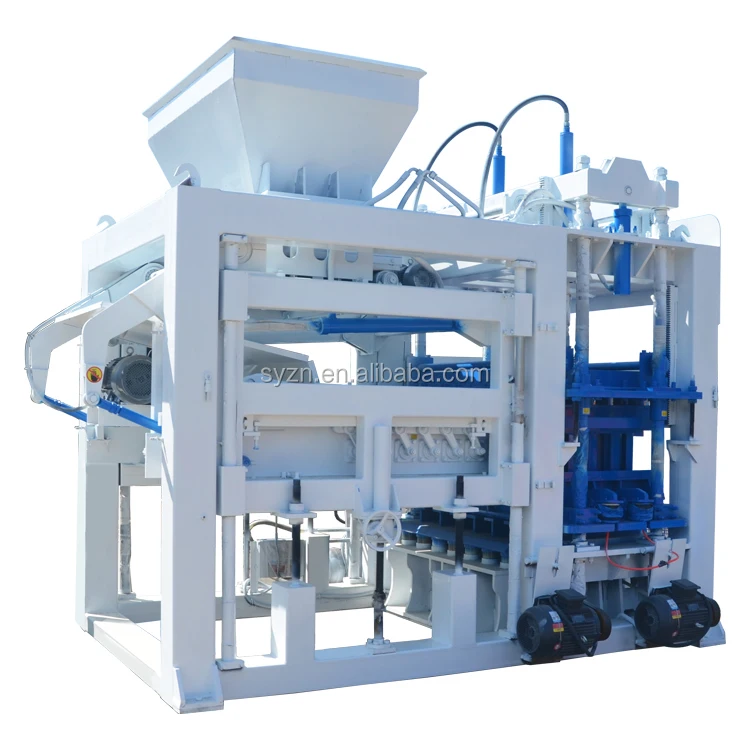
Description
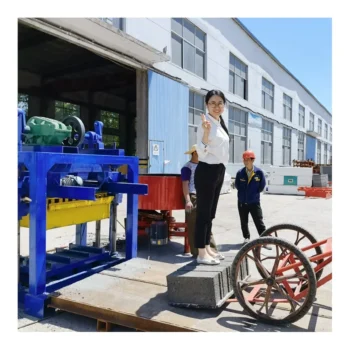
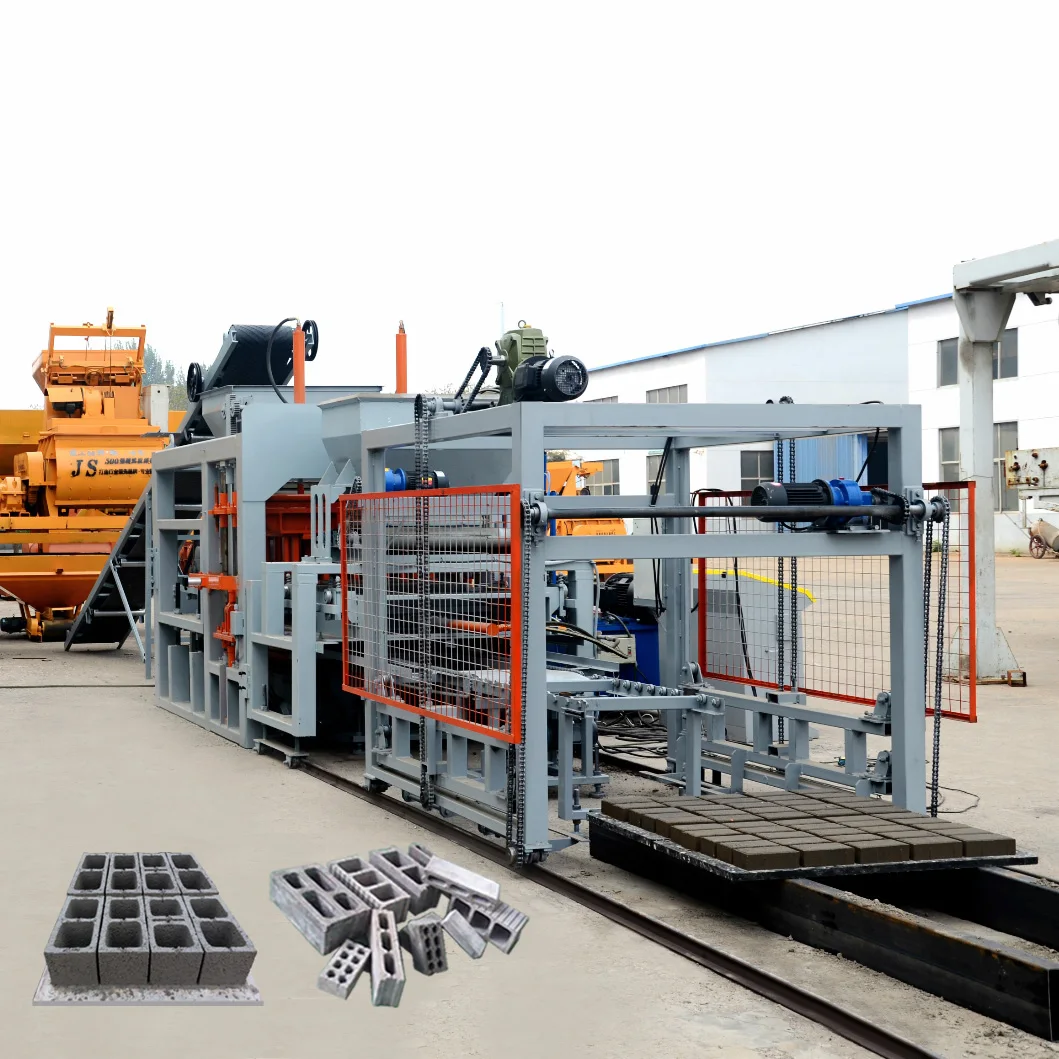
Matched System Design — every QT10-15 unit ships with pallet, mould, and handling equipment sized to the buyer’s target block format rather than pulled from a catalogue default.
Technical Specifications
| Parameter | Value |
|---|---|
| Model | QT10-15 |
| Product Type | Stationary Fully Automatic Hydraulic Concrete Block Making Machine |
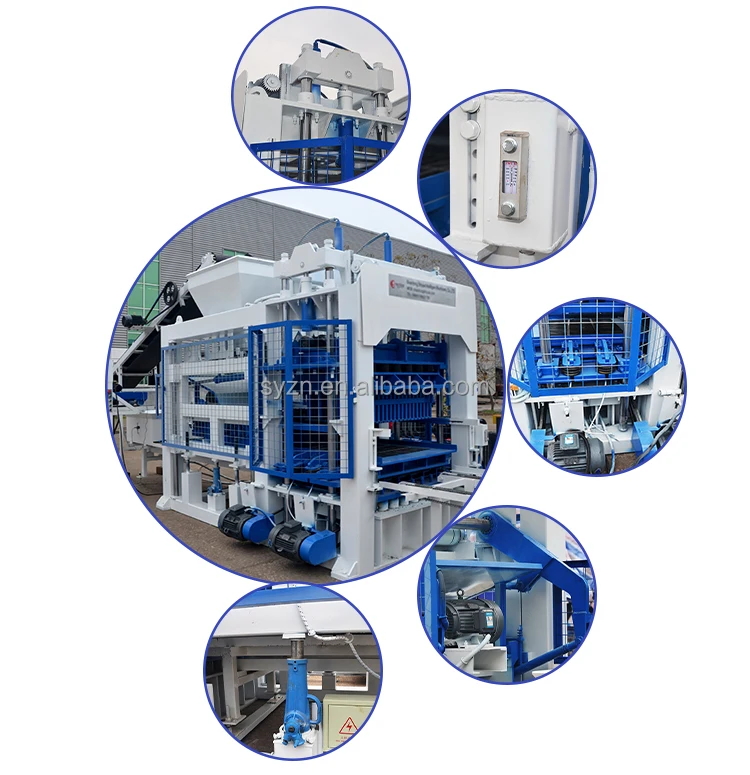
| Control System | PLC control cabinet |
| Hydraulic System | Independent integrated hydraulic station |
| Automation Level | Fully automatic |
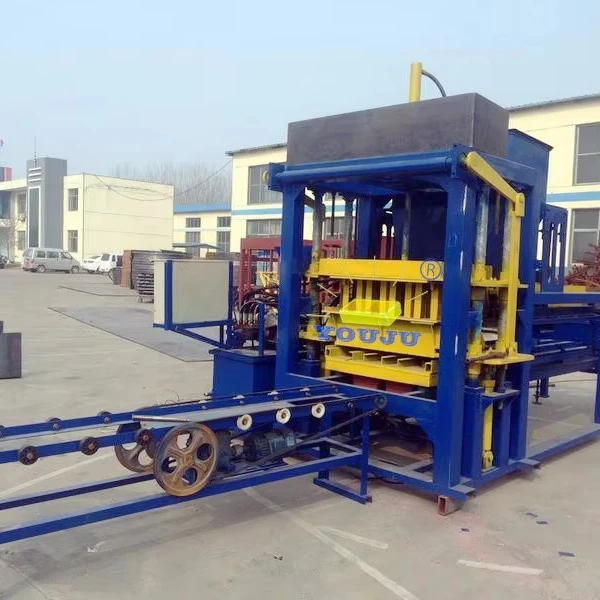
| Machine Type | Stationary (vertical vibration mode resonance) |
| Mould Change | Simple replacement, multi-function with one machine |
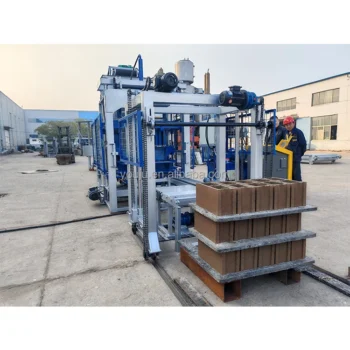
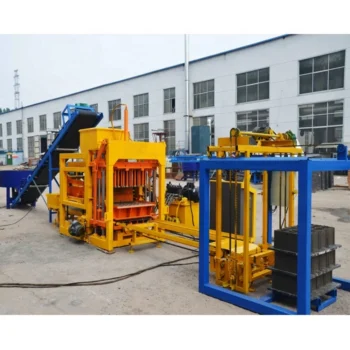
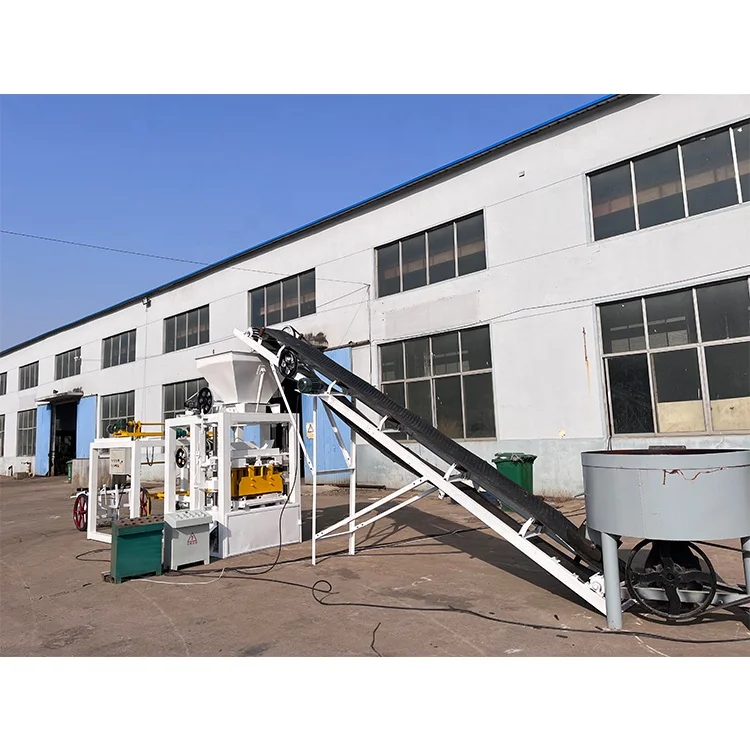
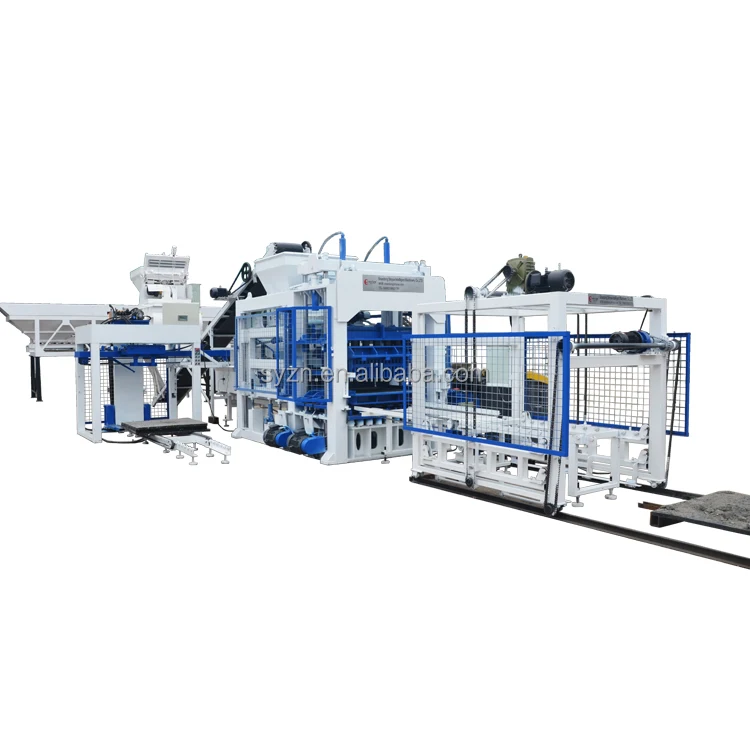
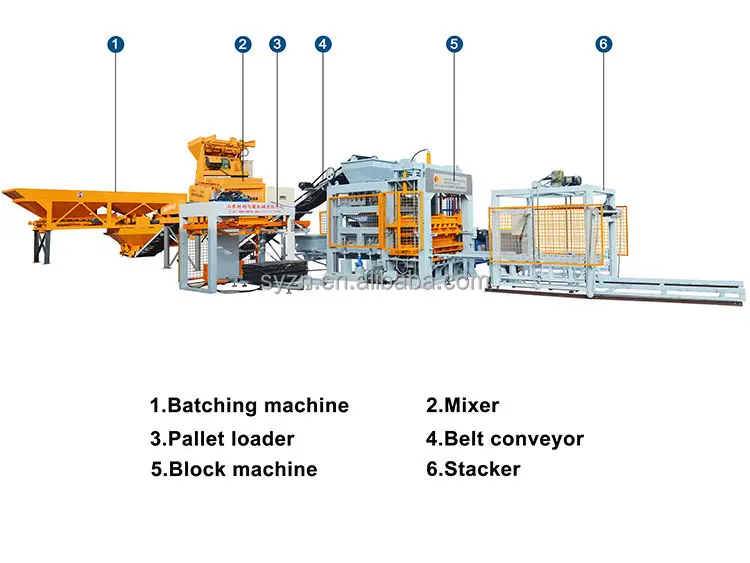
| Components Included | Pallet feed machine, block making machine, storage hopper, conveyor, hydraulic unit, PLC control cabinet |
| Output Capacity (400×200×200mm hollow block) | 1800–2400 pcs/hour, 14400–19200 pcs/8hr (basis: 10 pcs/mould, 15–20s cycle) |
| Output Capacity (400×150×200mm hollow block) | 2160–2880 pcs/hour, 17280–23040 pcs/8hr (basis: 12 pcs/mould, 15–20s cycle) |
| Output Capacity (240×115×53mm solid brick) | 8928–11160 pcs/hour, 71424–89280 pcs/8hr (basis: 62 pcs/mould, 15–20s cycle) |
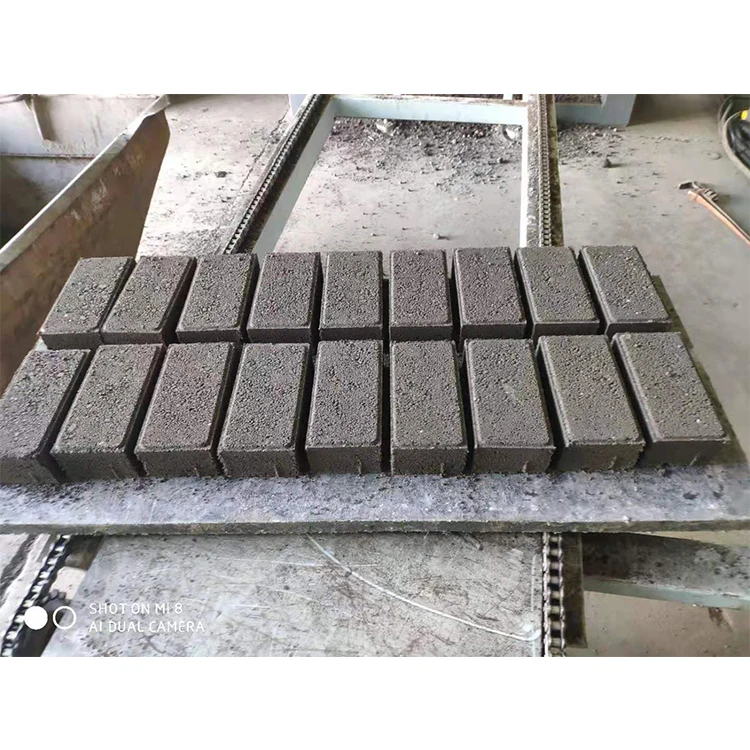
| Output Capacity (200×100×60mm paving block) | 5184–6480 pcs/hour, 41472–51840 pcs/8hr (basis: 27 pcs/mould, 20–25s cycle) |
| Output Capacity (225×112.5×60mm paving block) | 4032–5040 pcs/hour, 32256–40320 pcs/8hr (basis: 24 pcs/mould, 20–25s cycle) |
| Cycle Time (hollow block) | 15–20s |
| Cycle Time (paving block) | 20–25s |
| Warranty | 1 year for whole machine (excluding spare parts) |
| Rated Power | To be confirmed with manufacturer |
| Voltage & Frequency | To be confirmed with manufacturer |
| Overall Dimensions (L×W×H) | To be confirmed with manufacturer |
| Net Weight | To be confirmed with manufacturer |
| Hydraulic Pressure | To be confirmed with manufacturer |
| Vibration Force | To be confirmed with manufacturer |
| Pallet Size | To be confirmed with manufacturer |
| Mould Change Time | To be confirmed with manufacturer |
Application Suitability
| Application | Material or Output |
|---|---|
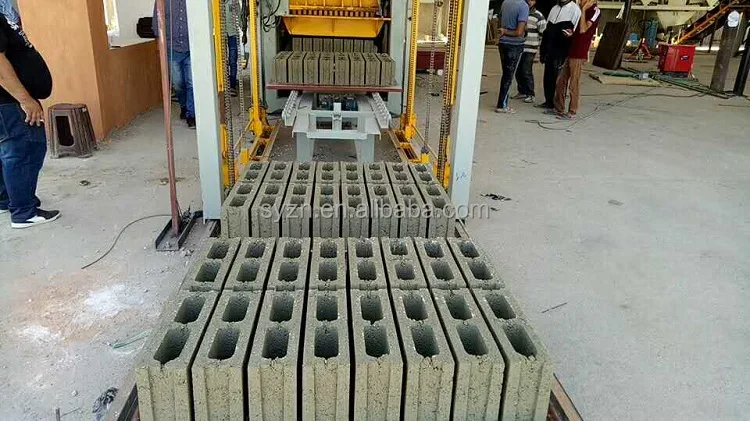
| Hollow block production | Crushed stone, sand, cement, and fly ash mixes for 400×200×200mm and 400×150×200mm formats |
| Standard solid brick production | Fine aggregate and cement blends for 240×115×53mm bricks |
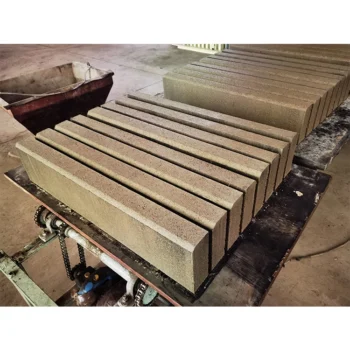
| Interlocking paving block production | Coarse aggregate, sand, and pigment mixes for 200×100×60mm and 225×112.5×60mm pavers |
| Multi-cellular brick production | Lightweight aggregate or standard mixes depending on local block market demand |
| On-site project block supply | Housing and infrastructure contractors producing hollow blocks locally to meet masonry schedules |
Why "Pieces per Hour" Means Nothing Without a Block Format
Capacity is only honest when tied to a specific mould, cavity count, and cycle time.
The QT10-15 block machine specifications become meaningful only once the buyer states which block format the plant will actually sell. A headline figure of 2400 pieces per hour looks impressive until you discover it assumes a 400×200×200mm hollow block at ten cavities per mould and a 15-second cycle. Switch that same machine to a 200×100×60mm paving block with 27 cavities and a longer 25-second cycle, and the hourly output shifts entirely. Technical buyers sizing a stationary plant need the per-format breakdown before they can compare machines or plan curing area logistics [NEED_CITE: realistic daily output planning for concrete block plants].
I once watched a project in the Gulf stall because the supplier quoted capacity based on a lightweight aggregate mix the buyer could not source locally. The local sand carried high clay content, forcing longer vibration cycles and cutting daily output well below the promised number. That mismatch is exactly what per-format capacity documentation prevents.
Per-Format Capacity Breakdown for Technical Buyers
Every output figure for the QT10-15 block machine specifications is stated with its mould cavity count and cycle time range. The 400×200×200mm hollow block runs at ten cavities per mould with a 15–20 second cycle, yielding 14400–19200 pieces per eight-hour shift. The same platform running 240×115×53mm solid bricks at 62 cavities per mould produces 71424–89280 pieces per shift. This level of detail lets plant planners calculate pallet circulation requirements and curing rack capacity against their actual product mix.
Mould Flexibility Without Sacrificing Cycle Performance
The multi-function design allows a single QT10-15 platform to produce hollow blocks, solid bricks, and paving blocks through mould replacement. The independent integrated hydraulic station sits apart from the main vibration zone, which keeps hydraulic oil temperature stable and reduces seal wear during continuous paving block runs where cycle times extend to 20–25 seconds. Concrete product manufacturers adding new formats to an existing range can evaluate whether the mould change interval fits their production scheduling before committing [NEED_CITE: mould change procedures for stationary block machines].
How Vibration and Pressure Shape Block Density
On a stationary block machine, the vibration force and hydraulic pressure must work together to compact the mix into a dense, consistent product. Vertical vibration mode resonance on the QT10-15 drives the aggregate particles into tight alignment while the hydraulic press applies downward holding force. If the local aggregate contains high fines or clay, the vibration duration must increase to achieve full compaction, which lengthens the cycle and reduces hourly output. Matching these parameters to the buyer’s actual mix design — not a laboratory ideal — is what keeps block strength consistent across every shift. Pallet size also enters the equation: the curing area and forklift capacity already on site determine which pallet dimension makes sense, and the QT10-15 pallet specification must align with that existing infrastructure rather than forcing a separate investment.
The Hidden Cost of Skipping Format-Level Verification
When a buyer accepts a single capacity number without asking which block format it assumes, the consequences surface after installation. Curing racks ordered for the wrong pallet size sit empty while blocks pile up on the factory floor. Forklifts cannot handle the loaded pallets, so workers move them by hand and output drops further. Voltage and frequency confirmed only at shipment mean the PLC cabinet arrives with the wrong breaker rating, delaying commissioning by weeks while a local electrician sources replacements. These are not equipment failures — they are specification failures that a thorough pre-order dialogue would have prevented [NEED_CITE: common commissioning delays in exported concrete machinery].
Why Sourcing This Machine Here Makes Sense for Format-Driven Buyers
The QT10-15 is configured against the buyer’s target block format and local aggregate, not a default catalogue setting. Mould design covers the specific formats the buyer’s market sells, including custom drawings when standard options do not match regional demand. The machine, pallet, and handling equipment are specified as one matched system, so pallet feed rate, stacking capacity, and curing rack spacing all align with the press output. Automation level is selectable, meaning a buyer can begin with semi-automatic pallet handling and add automatic stacking later as production volume justifies the investment. Installation support includes operator training on mould change procedures and PLC parameter adjustment for different mix designs.
Documentation & Verification
- Line layout drawing showing pallet flow from feed machine through curing rack with capacity stated per block format
- Mould drawing and format list confirming cavity count and product dimensions for each quoted mould
- Factory test record run on the buyer’s specified mix design before dispatch
- Voltage, frequency, and PLC display language confirmation sheet signed before production begins
- Hydraulic and electrical schematic with component list for local maintenance sourcing
- Operation and maintenance manual covering mould change sequence and daily inspection checklist
Installation, Commissioning & Support
- Foundation plan sized to the QT10-15 overall dimensions and vibration load, provided before concrete pouring
- Dedicated electrical circuit with confirmed voltage and frequency matching the PLC control cabinet rating
- Machine arrives in dismantled shipping configuration with reassembly sequence documented step by step
- First-run commissioning includes parameter tuning for the buyer’s local aggregate and target block strength
- Operator training covers mould change procedure, PLC fault code reading, and hydraulic pressure adjustment
- Wear parts and mould list provided with recommended replacement intervals based on production volume
What to Prepare Before Requesting a Quote
Share the exact block format and dimensions your market demands, along with the daily output target for that specific format. Provide details on the local aggregate type, cement grade, and any admixtures already in use so the vibration and pressure settings can be matched before production. Confirm the voltage, frequency, and preferred PLC display language at your site, plus the pallet size that fits your existing curing area and forklift capacity.
Frequently Asked Questions
Q: How is the QT10-15 capacity figure calculated for each block format?
A: Every capacity number ties to a specific mould cavity count and cycle time range. For example, the 400×200×200mm hollow block uses ten cavities at a 15–20 second cycle. We provide a line layout document showing the format assumed for each output figure so buyers can compare against their actual product mix.
Q: What pallet size does the QT10-15 require and how does it match my curing setup?
A: Pallet dimensions are confirmed against the buyer’s existing curing rack spacing and forklift capacity before production. Specifying the pallet size early prevents mismatches that force manual handling or require curing area reconstruction after the machine arrives on site.
Q: How long does a mould change take and what formats can the QT10-15 produce?
A: The machine supports hollow block, solid brick, and paving block formats through simple mould replacement. Exact mould change time depends on the format and operator experience, and is confirmed during commissioning training. A format list with cavity counts is provided with each quotation.
Q: What voltage and PLC language options are available for the QT10-15?
A: Voltage, frequency, and PLC display language are confirmed with the buyer before production starts. This prevents commissioning delays caused by mismatched electrical standards or an interface the operator cannot read. The confirmation sheet is part of the documentation package.
Q: How is the machine configured to handle my local aggregate and mix design?
A: The QT10-15 vibration force and hydraulic pressure settings are adjusted based on the buyer’s actual raw material sample. Local sand with high clay content, for instance, requires longer vibration cycles to achieve full compaction, and this is factored into the per-format capacity calculation from the start.