

Description
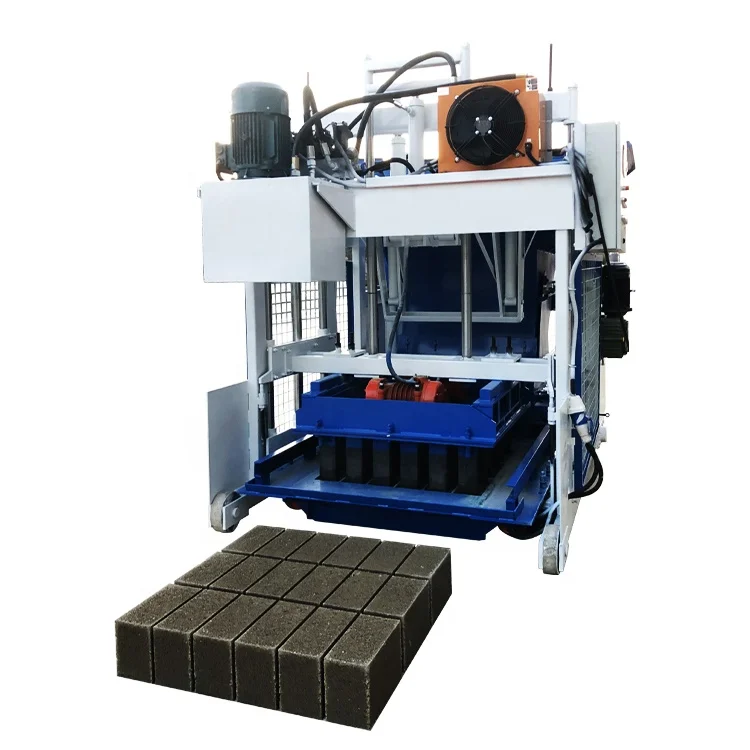
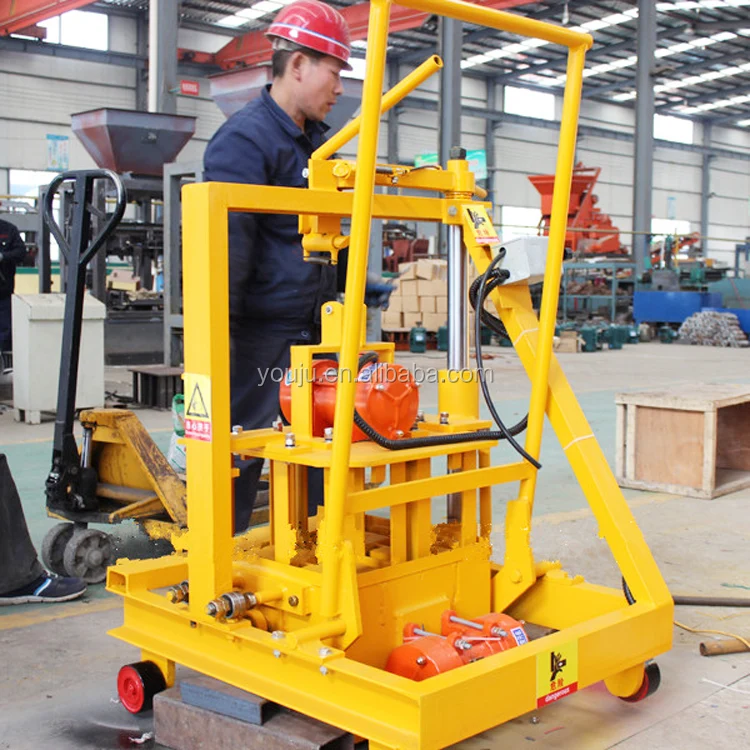
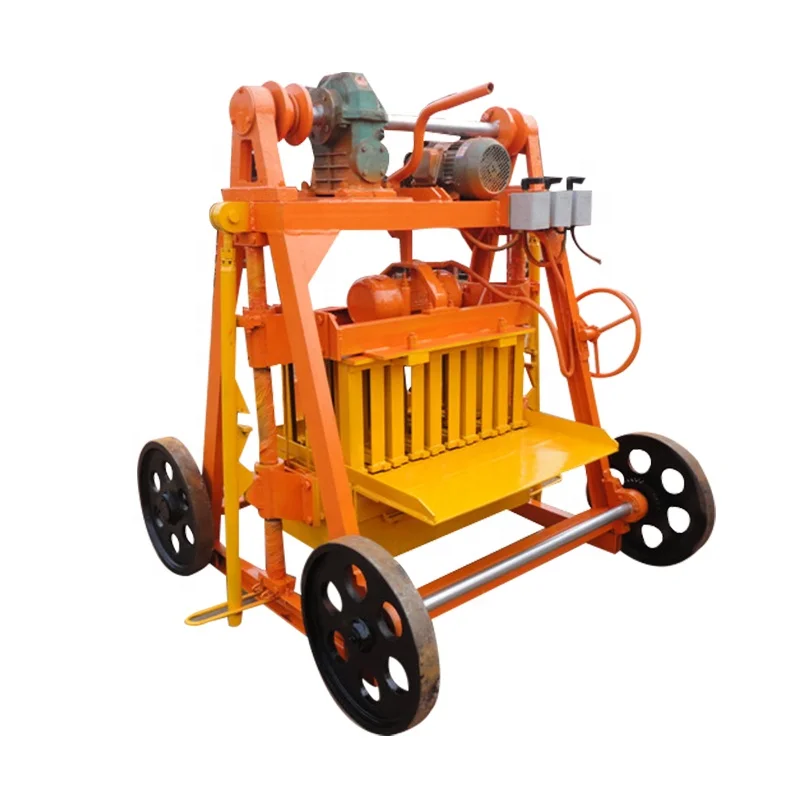
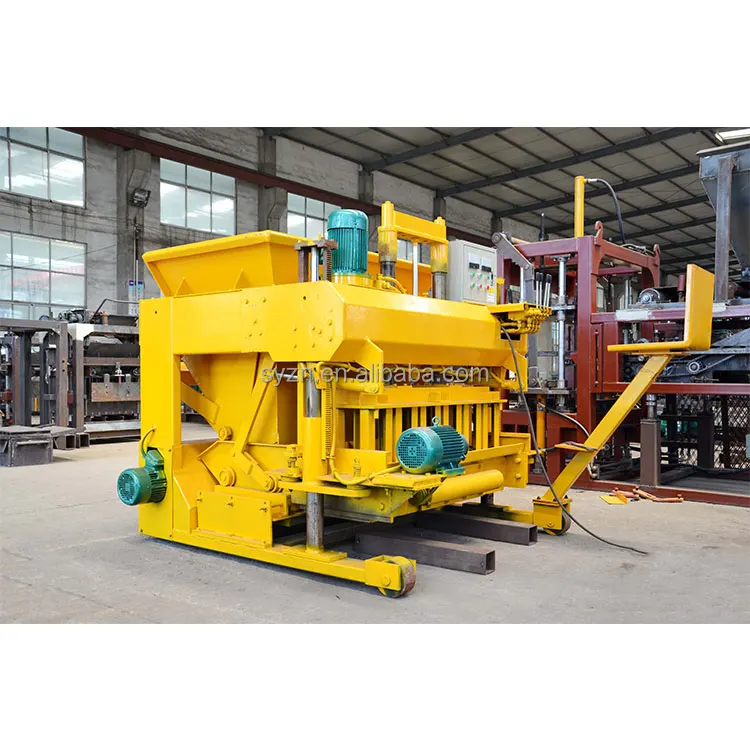
Matched System Design — every QMY6-25 mobile hollow block making machine leaves our Linyi workshop with mould, vibration setting and electrical configuration aligned to the buyer’s stated block format and local mix, not a catalogue default.
Technical Specifications
| Parameter | Value |
|---|---|
| Model | QMY6-25 |
| Product Type | Mobile Hollow Block Making Machine |
| Main Vibration Form | Three-dimensional excitation |
| Vibration Frequency | 3200 Hz |
| Overall Power | 9.6 kW |
| Moving Method | Automatic movement with hydraulic steering |
| Moulding Cycle | 25–30 s |
| Output Capacity (400×200×200mm Hollow) | 1080 pcs/h (basis: 6 pcs/mould, 25–30s cycle) |
| Output Capacity (400×150×200mm Hollow) | 1260 pcs/h (basis: 7 pcs/mould, 25–30s cycle) |
| Output Capacity (400×120×200mm Solid) | 1620 pcs/h (basis: 9 pcs/mould, 25–30s cycle) |
| Output Capacity (400×100×200mm Solid) | 1800 pcs/h (basis: 12 pcs/mould, 25–30s cycle) |
| Shift Output, 8h (400×200×200mm Hollow) | 8600 pcs |
| Shift Output, 8h (400×150×200mm Hollow) | 10000 pcs |
| Shift Output, 8h (400×120×200mm Solid) | 12960 pcs |
| Shift Output, 8h (400×100×200mm Solid) | 14400 pcs |
| Overall Dimensions (L×W×H) | 2000×2100×1650 mm |
| Pallet Requirement | None (egg-laying type) |
| Automation Level | Manual operation with hydraulic-assisted movement; single-operator capable |
| Control System | Basic electrical control (PLC not stated in source) |
| Voltage & Frequency | To be confirmed before order |
| Mould Change System | To be confirmed (method and change time not stated in source) |
| Warranty | 1 year for whole machine (excluding spare parts) |
Application Suitability
| Application | Material or Output |
|---|---|
| On-site housing project block production | Hollow and solid concrete blocks laid directly on a prepared concrete floor |
| Remote infrastructure job fulfilment | Soil-cement or standard concrete mix using locally available aggregate |
| First block plant with minimal investment | Common masonry formats from 400×200×200mm hollow down to 400×100×200mm solid |
| Supplementary mobile unit for existing producers | Short-run or site-specific formats produced without a fixed factory line |
What "Pieces per Hour" Leaves Out When Format Is Not Stated
Capacity is meaningless unless tied to a specific block size and piece-per-mould count.
Suppliers often quote a single hourly figure for a mobile hollow block making machine without naming the format it assumes. A buyer expecting 1800 hollow blocks per hour on a 400×200×200mm mould will be disappointed when the machine actually delivers 1080, because the higher figure was based on a smaller solid block. I have watched contractors miss masonry deadlines because their daily output plan was built on a catalogue number that silently assumed a different product [NEED_CITE: honest capacity quoting practices in block machinery]. The QMY6-25 capacity figures on this page are each tied to a defined block dimension, piece count and cycle range, so a buyer can calculate a realistic shift total before the machine arrives.
Capacity Breakdown Across the Formats Buyers Actually Sell
Every mobile hollow block making machine specifications sheet should list output per format, not a single peak number. The QMY6-25 produces six 400×200×200mm hollow blocks per cycle in 25–30 seconds, yielding a stated 8600 pieces over an eight-hour shift. Switching to a 400×150×200mm hollow mould raises the per-cycle count to seven and the shift total to 10000 pieces. Solid formats push the count higher because the mould cavities are smaller and denser, reaching 14400 solid 400×100×200mm blocks per shift. These numbers assume continuous operation with a prepared mix and a flat curing surface; actual site conditions, mix setting time and operator rhythm will influence the final tally.
Pallet-Free Production Eliminates a Hidden Cost Layer
Egg-laying mobile block machines lay fresh blocks directly on the ground, so there is no pallet purchase, no pallet return loop, no curing rack and no forklift dedicated to pallet handling. For a contractor producing on a housing site, this means the only material flows are aggregate, cement, water and finished blocks. The QMY6-25 moves forward hydraulically after each cycle, leaving the block in place to cure. One operator can manage the machine, the mix feed and the next-day block collection, which keeps labour planning straightforward on a project site with limited crew [NEED_CITE: labour planning for site-based block production].
How Vibration and Pressure Interact With Local Aggregate
Three-dimensional vibration at 3200 Hz is the stated excitation method for this mobile hollow block making machine. Vibration frequency alone does not determine block strength; it must be matched to the mix design and the local aggregate grading. A high-sand soil-cement mix needs a different vibration duration than a crushed-stone concrete mix to achieve the same density. Before we confirm an order, we ask for a sample of the buyer’s intended mix and adjust the excitation time accordingly. Getting this wrong means blocks that crumble during handling or fail a site compression test.
Reading the Spec Sheet Against Your Site Conditions
The overall power draw of 9.6 kW covers the vibration motor, hydraulic steering and basic electrical control. Site generators must be sized to handle the starting surge of the vibration motor, not just the continuous rating. The 2000×2100×1650 mm footprint requires a flat, compacted concrete strip at least 2.5 m wide for the machine to travel and lay blocks without tilting. Voltage and frequency are not stated in the source data, so these must be confirmed against the site supply before production begins to avoid motor rewinding or transformer delays on arrival.
The Cost of Skipping the Mix-Design Conversation
When a mobile block machine is configured for a generic catalogue mix rather than the buyer’s actual aggregate, the consequences appear in the first week. Blocks may stick in the mould, crack during early curing, or show inconsistent density across a single batch. I have seen a contractor discard an entire day’s output because the sand fraction was too fine for the default vibration setting, and the mould release left the top course ragged [NEED_CITE: mix design impact on block surface finish]. Matching vibration time and hydraulic pressure to a site-specific mix takes a short trial before the machine leaves the factory, and it prevents expensive rework on the project.
Why Buyers Source This Machine From Our Workshop
Block machinery is our single focus, so the QMY6-25 is specified as a matched system of machine, mould and electrical configuration rather than assembled from unrelated suppliers. Configuration is set against the buyer’s target block format and local raw material, not a catalogue default. Mould design covers the formats the buyer’s market actually sells, and custom mould drawings are available when a project calls for a non-standard size. Automation level is selectable, so a buyer can start with the basic manual operation shown here and plan a future upgrade path. Installation guidance and operator training are included so the first production run happens with the supplier present, not after a long-distance troubleshooting call.
Documentation & Verification
- Capacity calculation sheet stating block format, piece-per-mould count and cycle time for each quoted output figure.
- Mould drawing and format list showing included block sizes and the procedure for changing moulds.
- Voltage, frequency and control language confirmation document signed before production begins.
- Factory test record run on the buyer’s specified block format, with photographs of the test blocks.
- Operation and maintenance manual covering daily checks, vibration motor care and hydraulic steering service.
- Wear parts and mould list with part numbers for the first replacement order.
Installation, Commissioning & Support
- Site floor must be a level concrete strip at least 2.5 m wide to accommodate the 2100 mm machine width and steering path.
- Power supply confirmed for 9.6 kW continuous plus motor starting surge, with voltage and frequency matched to the nameplate.
- Machine arrives with hydraulic steering fluid and electrical connections to be completed on site by a qualified electrician.
- First-day commissioning includes trial cycles on the buyer’s mix to set vibration duration and cycle timing.
- Operator training covers single-person operation, mould change procedure and daily vibration motor inspection.
- Wear parts list provided at handover so the first mould or hydraulic seal replacement can be ordered before stock runs out.
Tell Us What You Need to Produce
To prepare a configuration proposal for the QMY6-25, share the block formats your market sells, the daily output target and the aggregate source available at your site. We also need the local voltage and frequency, plus the preferred language for any control labels or manuals. If you have an existing curing area or a specific project deadline, mention the dimensions and the start date so we can align the delivery schedule.
Frequently Asked Questions
Q: How is QMY6-25 capacity calculated per block format, and what daily output can I realistically expect?
A: Each capacity figure is tied to a specific block size, piece-per-mould count and a 25–30 second cycle. The 400×200×200mm hollow block, for example, is rated at 1080 pcs/h based on six pieces per mould, giving an eight-hour shift total of 8600 pieces. Actual daily output depends on mix readiness, curing surface availability and operator rhythm on your site.
Q: Which block sizes and mould formats are available, and how long does a mould change take?
A: Standard moulds cover common hollow and solid formats from 400×200×200mm down to 400×100×200mm. Custom mould drawings are available for non-standard sizes. The mould change method and time are not stated in the source data, so we confirm the procedure and supply a format list before shipment.
Q: Is the machine configured for my local aggregate and mix design, or a generic default?
A: We request a sample of your intended mix or a description of the local aggregate before finalising the vibration and pressure settings. The machine is then adjusted to suit that specific material, rather than shipped with a catalogue-default configuration that may not match your raw materials.
Q: What voltage, frequency and control options are confirmed before shipment?
A: Voltage and frequency are not pre-set in the standard specification, so we confirm your site supply details during the proposal stage. The control language for any labels or documentation is also agreed at that point to avoid commissioning delays when the machine arrives.
Q: What spare parts and mould replacements are available after the first year of operation?
A: A wear parts and mould list with part numbers is supplied at handover. The warranty covers the whole machine for one year, excluding consumable spare parts. Replacement moulds and hydraulic wear components can be ordered against the list, and we advise placing the first spare order before initial stock is depleted.

![QMY10-15 Mobile Block Machine – Technical Guide QMY10-15 Mobile Block Machine – Technical Guide QMY10-15 Mobile Block Machine Specifications QMY10-15 Mobile Block Machine Technical Guide ===== 关键决策说明 ===== - 记录ID 81396 数字和=28,28 mod 6 = 4,句式:[品类词] with [核心配置] – [站点修饰词] - 目标站 shiyuebrickmachine.com → 技术选型类 → 池:Specifications / Technical Guide / Model Selection - 第三层:28 mod 3 = 1 → Technical Guide 按句式4填入:Mobile Block Machine with Hydraulic Pressure – Technical Guide(62字符)](https://shiyuebrickmachine.com/wp-content/uploads/2026/04/H5d0ed98e7d244cb5a89c3f713b6c2eb82.webp)