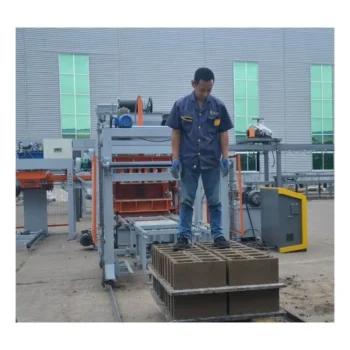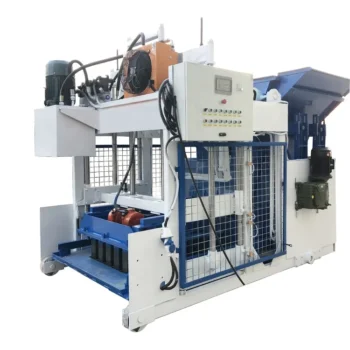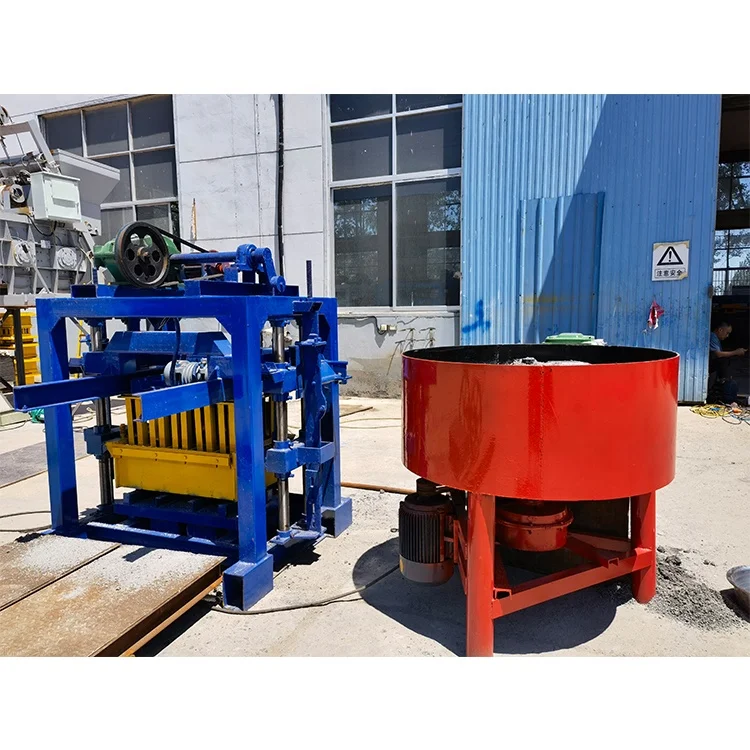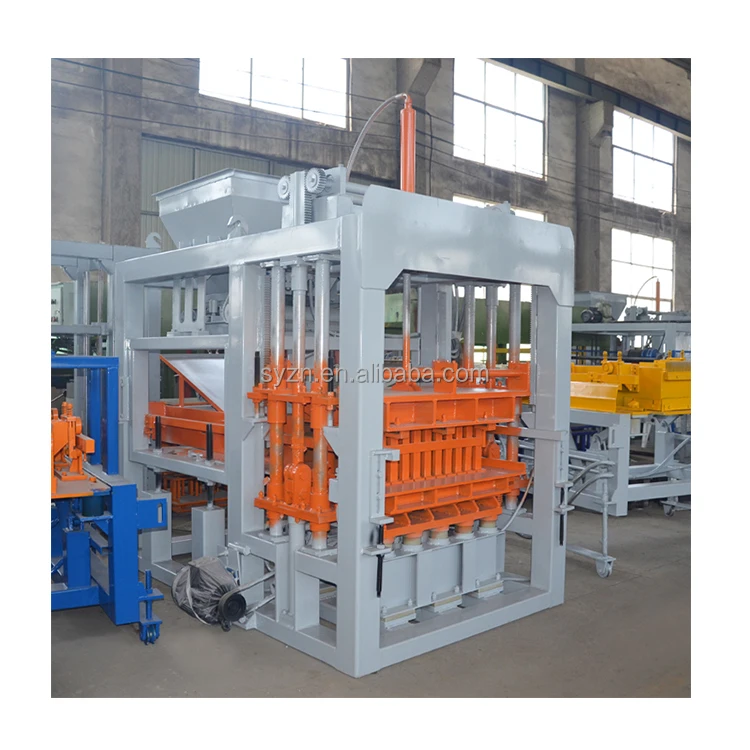


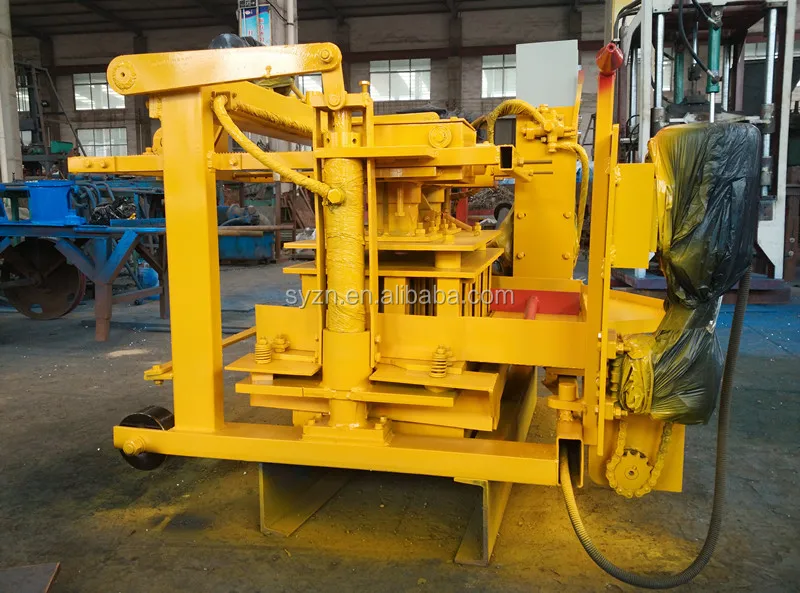
Description
Format-driven configuration — every QMY4-30 block making machine is matched to the exact block size, local aggregate, and daily output you need, not a generic catalogue default.
Technical Specifications
| Parameter | Value |
|---|---|
| Model | QMY4-30 |
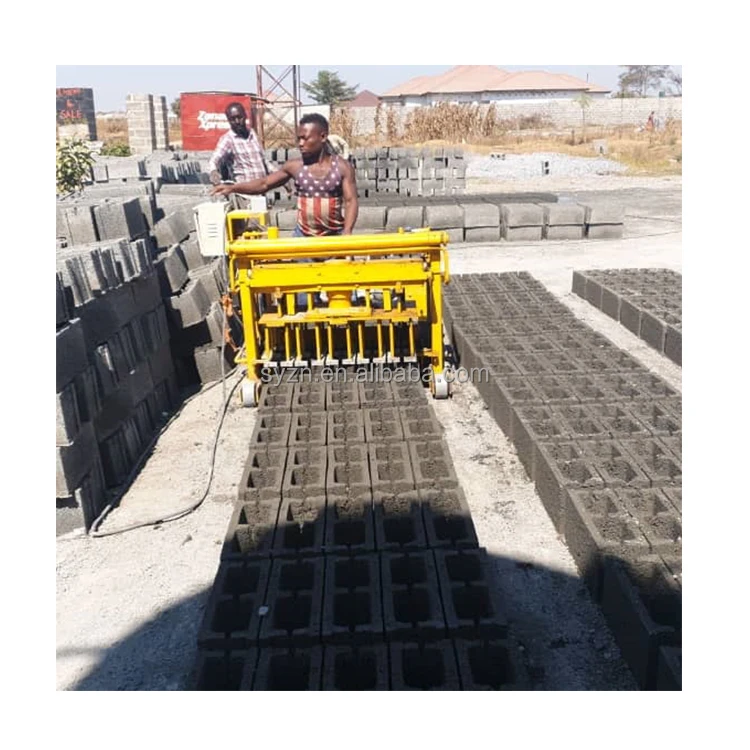
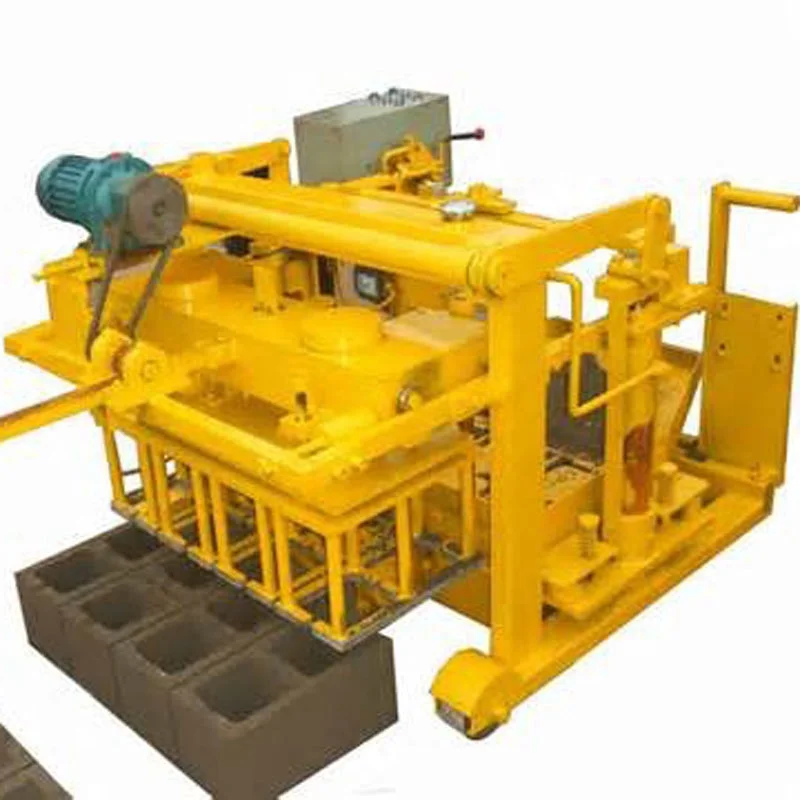
| Product Type | Mobile Egg-Laying Block Making Machine |
| Overall Dimensions (L×W×H) | 1300 × 1500 × 1000 mm |
| Net Weight | 950 – 1000 kg |
| Vibration Method | Mold Vibration |
| Vibration Force | 28.6 kN |
| Vibration Frequency | 4500 r/min |
| Total Power | 5.95 kW |
| Molding Cycle | 30 seconds |
| Output Capacity | 3,000 pcs/day (8 hours) (basis not stated in source — confirm block format and material) |
| Raw Material Compatibility | Concrete, sand, cement, fly ash, lime, gypsum, stone dust, construction waste, slag, mine tailings, river sand, coal gangue, stone nitrate, porcelain granule, carpolite, sandrock |
| Mould Format | Customizable (standard or buyer-supplied drawings) |
| Automation Level | Manual (handle-operated mould movement and material feeding) |
| Control System | Manual (no PLC) |
| Voltage & Frequency | To be confirmed with buyer |
| Pallet Requirement | To be confirmed (egg-laying on ground or pallet-dependent) |
Application Suitability
| Application | Material or Output |
|---|---|
| On-site construction block production | Concrete and crushed stone mix for hollow and solid blocks |
| Small-scale rural block plant | Sand, cement, and fly ash for standard building blocks |
| Mining area brick making | Slag, mine tailings, and coal gangue for paving and solid bricks |
| Remote or off-grid building projects | Local river sand and stone dust for interlocking formats |
| Entrepreneur start-up production | Versatile mix of cement, lime, and gypsum for varied block types |
What the "3,000 Pieces per Day" Label Does Not Tell You
Capacity means nothing until you know which block format the number assumes.
In my years moving between installation sites across East Africa, the most common dispute at commissioning was not about the QMY4-30 block machine specifications themselves — it was about output. A supplier writes "3,000 pcs/day" on the nameplate, but that figure might assume a small solid paver while the buyer actually needs 200 mm hollow blocks. The molding cycle stays at 30 seconds, yet one format produces four units per cycle and another produces only one. The daily total drops, the project deadline slips, and the buyer feels misled. This gap between quoted and actual output is avoidable when capacity is stated per format from the start [NEED_CITE: capacity calculation standards for concrete block machinery].
Matching Mould Selection to Your Market’s Best-Selling Block
Every regional market has one or two block formats that dominate demand, whether that is a 200 mm hollow block in West Africa or a 60 mm interlocking paver in coastal developments. The QMY4-30 block machine specifications allow for custom mould design to buyer-supplied drawings, which means the press can be fitted to produce the format your customers actually purchase rather than forcing you to push a size the market does not want.
Vibration Force and Your Local Aggregate
The 28.6 kN mould vibration at 4,500 r/min is a fixed mechanical output, but how that energy transfers into block density depends entirely on your raw material. River sand behaves differently from crushed granite dust. A mix with high clay content absorbs vibration differently from clean washed sand. I recall a site in Kenya where the local aggregate contained fine silt that dampened the vibration transfer, and block edges came out crumbly until we adjusted the water-to-cement ratio and curing time [NEED_CITE: aggregate grading and vibration transfer in concrete block molding]. The machine was not at fault — the specification simply had not accounted for the material.
Reading the Specifications That Matter for Output
Molding cycle, vibration force, and mould cavity count together determine what the QMY4-30 block making machine can realistically deliver. A 30-second cycle is consistent across formats, but the mould cavity count changes with block size: a small paver mould may have six cavities while a large hollow block mould has only one. The total power of 5.95 kW is modest, which suits mobile and egg-laying operation where three-phase industrial supply may not be available. Vibration frequency at 4,500 r/min sits in the mid-range for this class of machine, adequate for standard concrete mixes but requiring verification against your specific aggregate gradation. The net weight of 950–1,000 kg provides enough mass for stable egg-laying on prepared ground without anchoring.
The Cost of Skipping the Format and Material Conversation
When a buyer orders based on a headline capacity figure without confirming block format, the mould arrives and does not match local demand. A second mould must be ordered, freight paid again, and weeks pass with the machine idle. If the vibration force was never checked against the local aggregate, blocks may fail a compressive strength test at the building inspector’s office, forcing a costly mix redesign after production has already started. These problems are not manufacturing defects — they are specification gaps that surface only when the machine meets the buyer’s real conditions [NEED_CITE: common causes of concrete block machine underperformance at commissioning].
Why Sourcing Through a Format-First Approach Works
Block machinery is the single focus here, so the QMY4-30 block making machine is specified as a matched system of press, mould, and handling rather than assembled from disconnected suppliers. Mould design covers both standard formats and custom drawings, meaning your market’s specific block dimensions are addressed before production begins. Configuration is set against your actual mix design and local aggregate, not a catalogue default. Automation level is selectable — you can start with manual operation and plan a future path toward semi-automatic feeding if production grows.
Documentation & Verification
- Capacity calculation sheet stating the exact block format assumed for the daily output figure
- Mould drawing and format list confirming block dimensions included in the quotation
- Voltage and frequency confirmation document matched to your local grid supply
- Wear parts and mould replacement list for first-year maintenance planning
- Factory test record using your specified raw material mix before dispatch
Installation, Commissioning & Support
- Level ground preparation required; 1,300 × 1,500 mm footprint suits compact sites and remote building yards
- Power supply verification for 5.95 kW total load; dedicated circuit recommended at confirmed voltage and frequency
- Machine arrives as a single unit; no major assembly required beyond mould mounting and handle fitting
- First-run test with your local aggregate to verify vibration transfer and block edge quality
- Manual handle operation training for mould movement and material feeding included at commissioning
- Mould and hydraulic wear parts availability confirmed before shipment for ongoing replacement
What to Include in Your Inquiry
To specify a QMY4-30 that matches your production needs, share the block format and dimensions your market demands, the type of local aggregate you plan to use, and your available voltage and frequency. If you have existing curing space or plan to produce on uneven ground, mention those site conditions so the egg-laying setup can be adjusted accordingly.
Frequently Asked Questions
Q: What block format does the 3,000 pcs/day capacity assume?
A: That figure is listed in the source documentation without a stated block format or material type. Actual daily output varies significantly depending on whether the mould produces small solid pavers with multiple cavities per cycle or larger hollow blocks with fewer cavities. We provide a capacity calculation that names the exact format, mould cavity count, and assumed cycle time before you commit to the purchase.
Q: How is vibration force matched to my local aggregate and mix design?
A: The QMY4-30 delivers 28.6 kN of mould vibration at 4,500 r/min, but effective compaction depends on your aggregate type and moisture content. We request a sample or lab report of your local sand, stone dust, or tailings material so we can confirm the mix design will produce consistent block strength. Adjustments to water ratio or curing time may be needed based on your specific material.
Q: Can I order custom mould sizes for my market’s specific block dimensions?
A: Yes. The mould format is fully customizable. You can select from standard sizes or send your own block design drawings, and the mould will be manufactured to those dimensions. This ensures the machine produces the format your customers actually buy rather than a generic size that does not match local construction standards.
Q: Does this machine require pallets, or does it lay blocks directly on the ground?
A: The QMY4-30 is designed as an egg-laying machine, meaning it can produce blocks directly on a prepared ground surface without pallets. However, the ground must be level and firm enough to support fresh blocks during initial curing. We confirm the site preparation requirements based on your soil conditions before shipment.