

Description
Format-matched output — capacity is calculated against the buyer’s actual hollow block width and cavity count, not a single catalogue headline figure.
Technical Specifications
| Parameter | Value |
|---|---|
| Model | QMR4-45 |
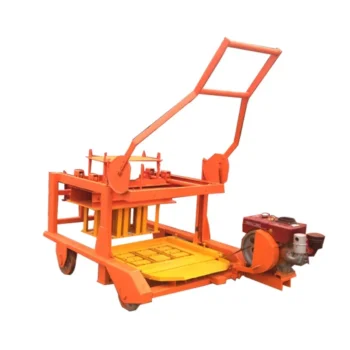
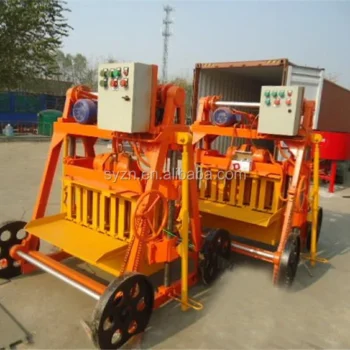
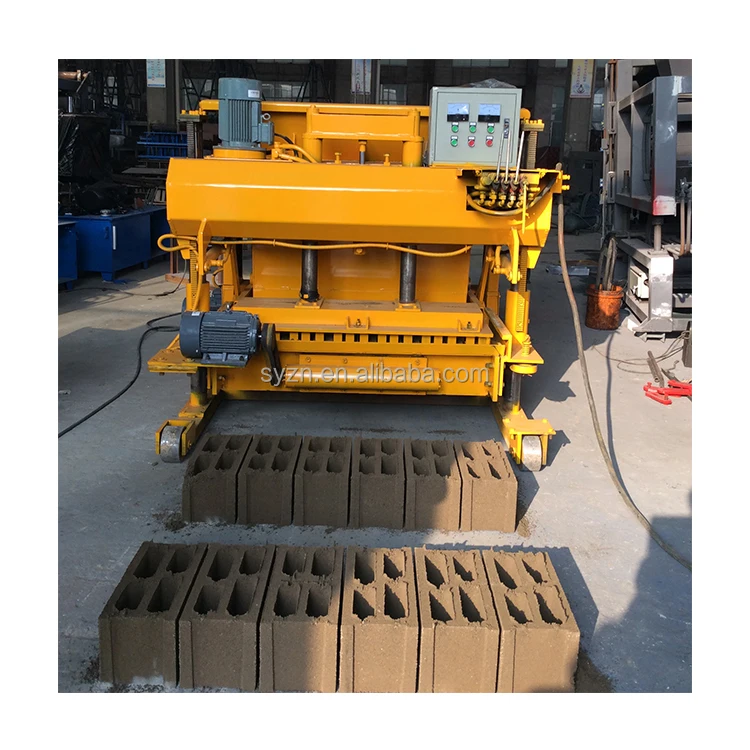
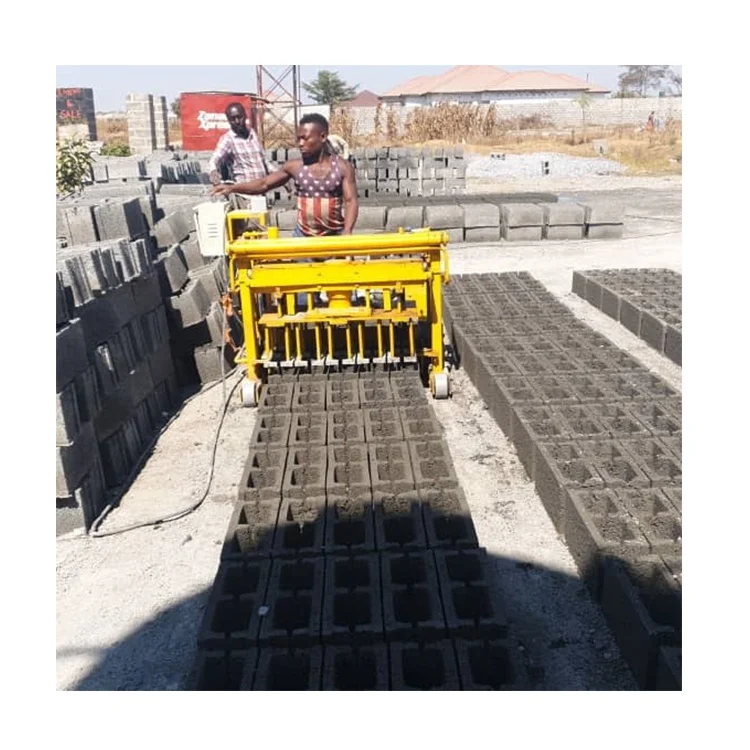
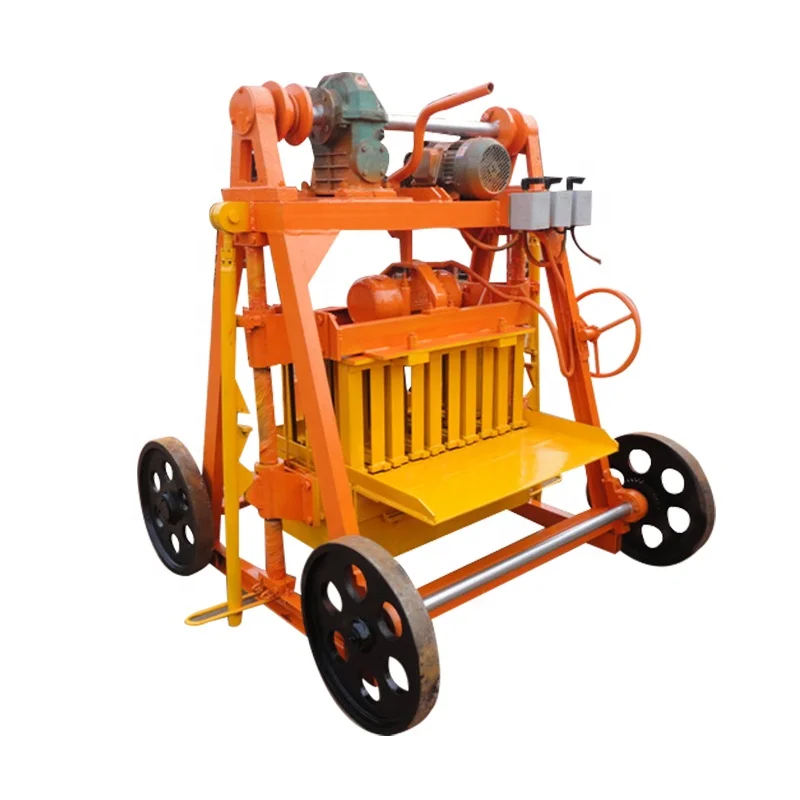
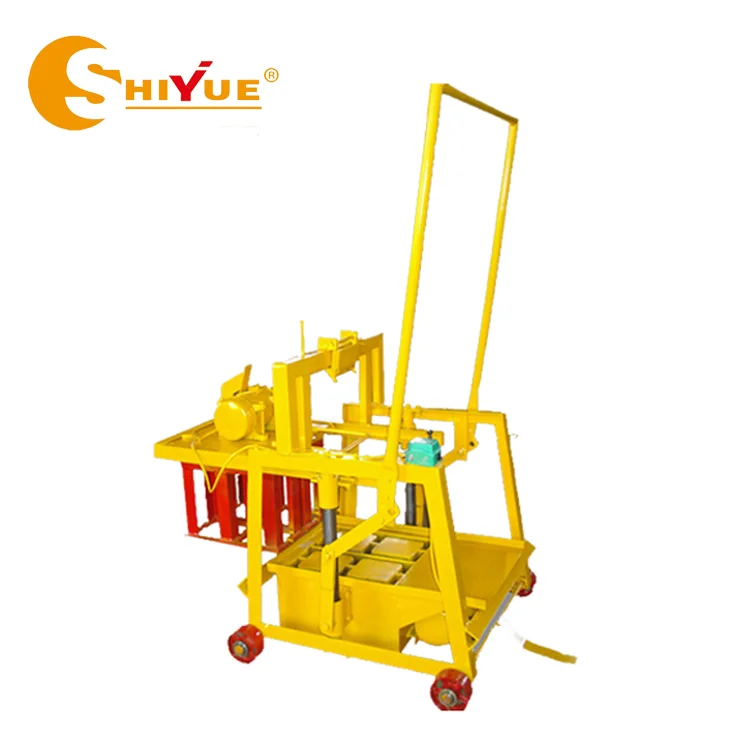
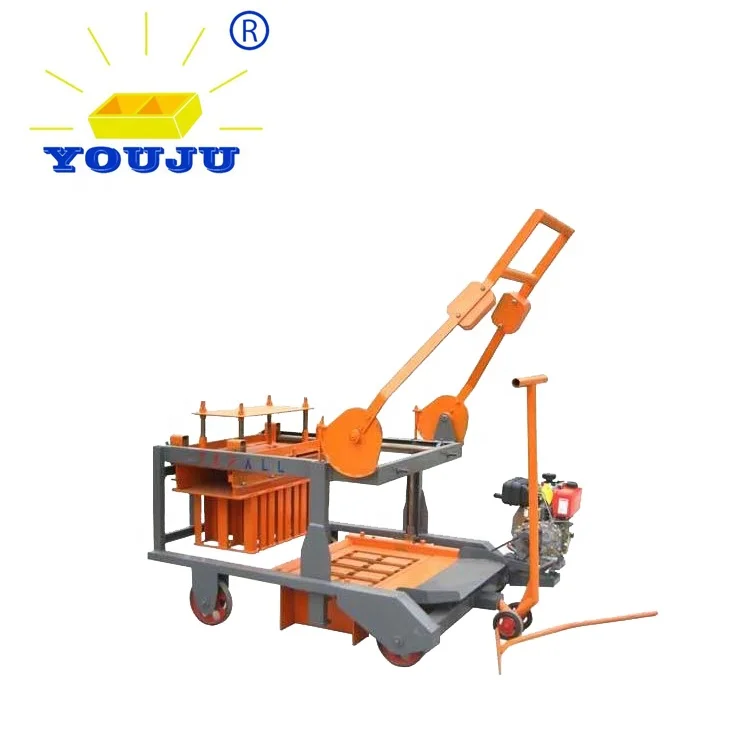
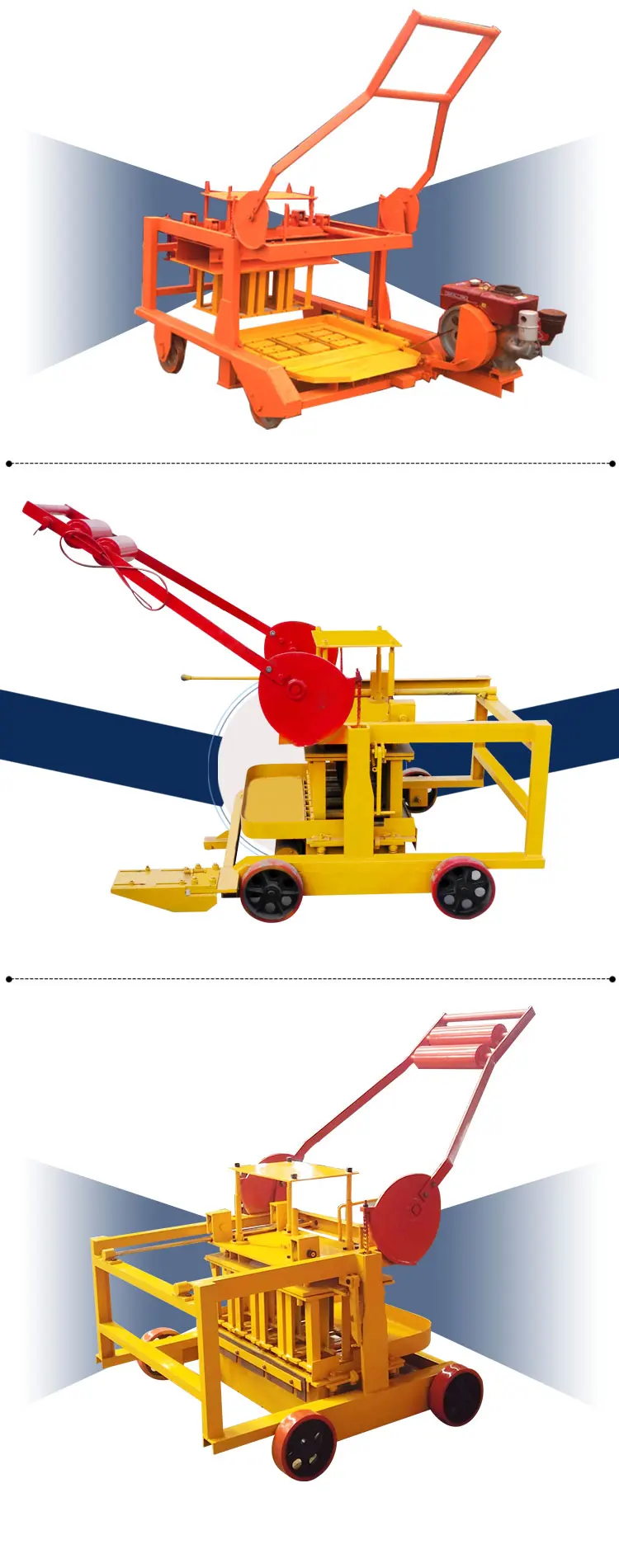
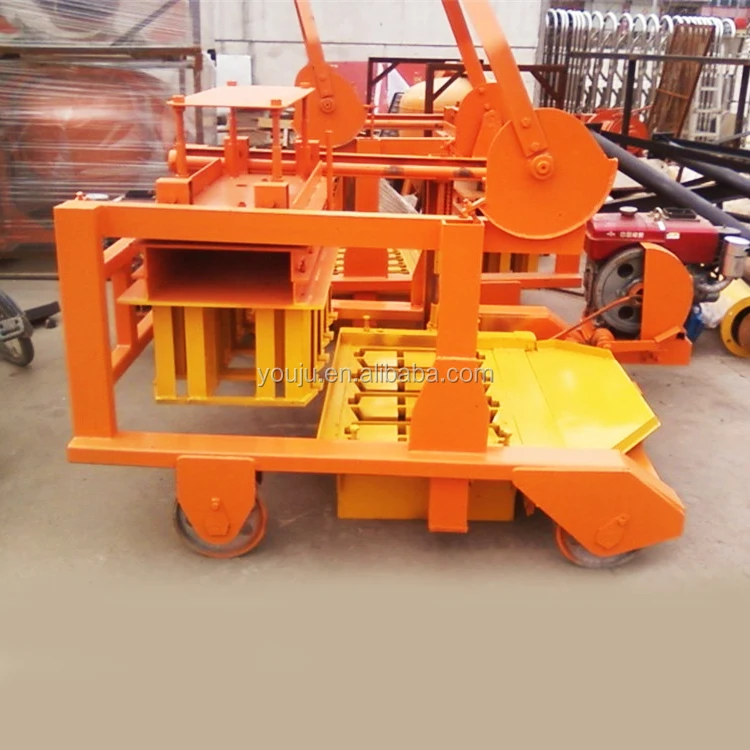
| Product Type | Mobile Egg Laying Block Making Machine |
| Overall Dimensions (L×W×H) | 2420×1320×1650 mm |
| Net Weight | 810 kg |
| Rated Power | 6 kW |
| Diesel Engine Option | 6 kW or 6-8 HP |
| Voltage | 220V / 380V or configurable to site supply |
| Moulding Cycle | 40-45 s |
| Pallet Requirement | Pallet-free egg-laying operation |
| Pressure Source | Diesel engine driven hydraulic system |
| Automation Level | Manual operation, mobile unit |
| Mould Change | Manual exchange for different block formats |
| Assembly State | Fully assembled, ready for relocation |
| Productivity (400×200×200 mm hollow, 4 pcs/mould) | 3000 pcs / 8-hour shift |
| Productivity (400×150×200 mm hollow, 5 pcs/mould) | 3500 pcs / 8-hour shift |
| Productivity (400×120×200 mm hollow, 6 pcs/mould) | 4500 pcs / 8-hour shift |
| Certification | CE |
Application Suitability
| Application | Material or Output |
|---|---|
| On-site building projects without fixed plant | Hollow blocks from locally sourced aggregate and cement |
| Remote or off-grid construction locations | Diesel-powered production where grid electricity is unavailable |
| First-stage block entrepreneurship | Hollow blocks on existing concrete floor surfaces |
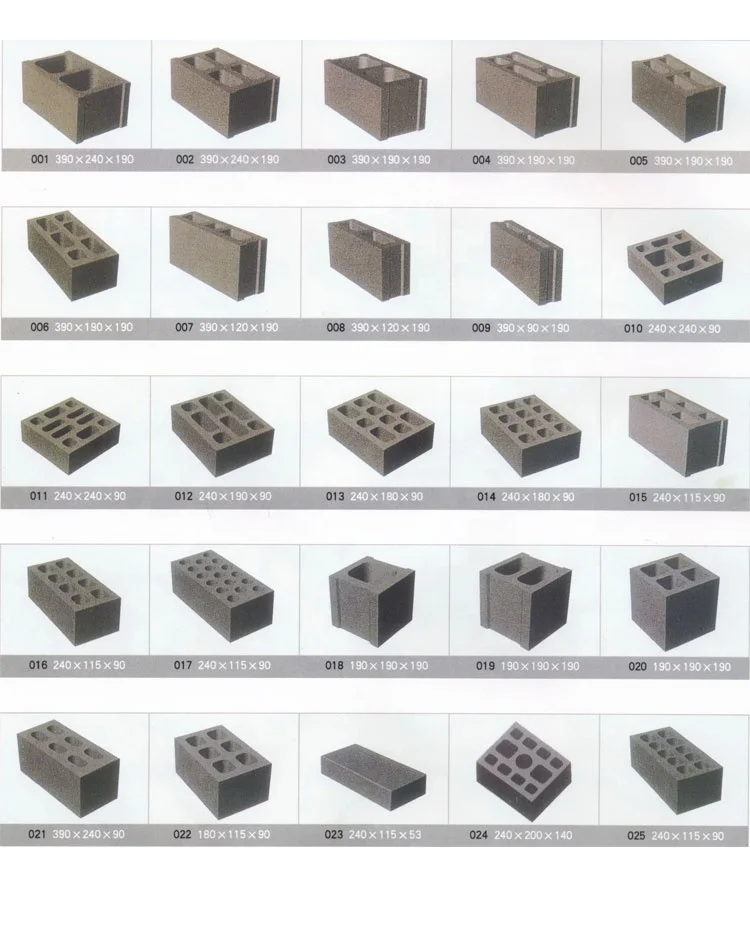
| Multi-format hollow block supply | 200 mm, 150 mm and 120 mm width formats via mould change |
What the Headline Output Figure Never Tells You
Every capacity number on this page is tied to a specific block dimension and pieces-per-mould count.
Suppliers often quote a mobile egg laying block making machine specifications sheet with a single daily output figure, leaving the buyer to discover on site that the number assumed a block format their market does not purchase. I once watched a contractor receive a machine rated for a production rate that only applied to the widest block in the catalogue, while their actual orders ran a narrower format with different cavity counts. The gap between quoted and real throughput disrupted their entire project schedule [NEED_CITE: buyer capacity expectation versus actual format output].
Matching Cycle Time to Your Block Format
The QMR4-45 runs a moulding cycle of 40-45 seconds, but what that cycle actually produces depends entirely on which mould is mounted. A four-cavity mould laying 400×200×200 mm hollow blocks completes a different volume per shift than a six-cavity mould producing 120 mm widths. Buyers evaluating mobile egg laying block making machine specifications should request the output table broken down per format before comparing machines, because the cycle time alone does not predict daily tonnage or piece count.
Diesel Hydraulic Pressure and Block Density
The diesel engine drives the hydraulic pressure source that forms each block, making the machine independent of grid supply quality. On sites where voltage fluctuation would cause an electric motor to stall mid-cycle, the diesel option maintains consistent hydraulic pressure through each moulding stroke. This consistency directly affects block wall density and compressive strength, which are the figures inspectors check before approving a load-bearing wall [NEED_CITE: hydraulic pressure consistency and block compressive strength].
Reading the Numbers That Actually Matter
The rated power of 6 kW applies to the electric motor variant; the diesel option delivers equivalent output through a 6-8 HP engine, so the choice depends on site power availability rather than performance difference. The 810 kg net weight keeps the machine within the towing or light-truck transport range, meaning contractors can relocate it between job sites without hiring a low-bed trailer. Pallet-free egg-laying design removes the need to purchase, store and rotate curing pallets — a cost that often exceeds the machine’s own price for a first-time block producer working on a flat concrete slab.
The Cost of Skipping the Format Conversation
Buyers who confirm a machine without specifying their primary block format often arrive at commissioning with a mould that does not match their market. The manual mould change system on the QMR4-45 allows format switching, but if the required mould was never included in the original order, production halts until the additional tooling is manufactured and shipped. I have seen this delay stretch project timelines by weeks, because the buyer assumed the quoted capacity applied universally rather than to one specific cavity configuration [NEED_CITE: mould lead time impact on project scheduling].
Why Buyers Specify Through This Supplier
Block machinery is the single focus of the workshop, so the QMR4-45 arrives as a matched system — machine, mould, and hydraulic source configured together rather than assembled from separate vendors. Configuration is set against the buyer’s local aggregate and target block format, not pulled from a catalogue default. Mould design covers the hollow block sizes the buyer’s market actually sells, with custom drawings available for non-standard dimensions. Automation level is selectable across the broader range, so a buyer starting with this manual mobile unit retains a clear upgrade path. Installation support includes operator training on mould change procedure and cycle timing.
Documentation & Verification
- Capacity calculation sheet stating block format and pieces-per-mould for each output line
- Mould drawing and format list confirming included hollow block sizes
- Voltage and control language confirmation completed before production starts
- Factory test record showing actual cycle time achieved with buyer’s specified mix
- CE declaration documentation for customs and site inspection clearance
Installation, Commissioning & Support
- Requires a level concrete floor surface for pallet-free egg-laying operation
- Diesel engine variant needs no dedicated electrical circuit at site
- Machine ships fully assembled; no on-site structural assembly required
- First-run commissioning includes moulding cycle adjustment to local aggregate mix
- Manual mould change training covers all included hollow block formats
- Wear parts list provided with recommended replacement intervals for hydraulic seals
What to Prepare Before Requesting a Quote
Share the exact hollow block dimensions your market purchases most frequently, along with the daily piece count your project schedule demands. Confirm whether your site has reliable grid electricity or requires the diesel engine option. If you have an existing concrete working surface, note its dimensions so the relocation footprint can be assessed against your curing area layout.
Frequently Asked Questions
Q: How do I confirm the daily output matches my block format?
A: Request the capacity calculation sheet that lists output per specific hollow block size and mould cavity count. The QMR4-45 produces different volumes for 200 mm, 150 mm, and 120 mm widths because each mould has a different number of cavities. A single headline figure without format context does not predict your actual shift output.
Q: Should I choose the diesel engine or the electric motor?
A: If your site has stable 220V or 380V supply with adequate amperage, the electric motor offers lower running noise. For remote locations, construction sites with temporary power, or areas with frequent outages, the diesel engine maintains hydraulic pressure independently and prevents mid-cycle stalls that damage partially formed blocks.
Q: How long does a mould change take between block formats?
A: The manual mould change system requires the operator to unbolt the current mould, lift it clear, position the replacement, and re-secure it before resuming production. Plan for this downtime when scheduling shifts that run multiple hollow block widths in a single day, and confirm the procedure during operator training.
Q: Does diesel hydraulic pressure affect block strength consistency?
A: The diesel engine delivers steady hydraulic force through each moulding stroke, maintaining block wall density comparable to the electric motor variant. Consistency depends more on mix design and aggregate grading than on the pressure source itself, so confirm your local material properties before finalizing the configuration.
Q: What site preparation does the machine need on arrival?
A: The QMR4-45 requires a flat, cured concrete surface for egg-laying operation and adequate clearance for the machine to travel between laying positions. No pallets, curing racks, or fixed plant infrastructure are needed. Confirm voltage or diesel fuel supply before the commissioning visit begins.