


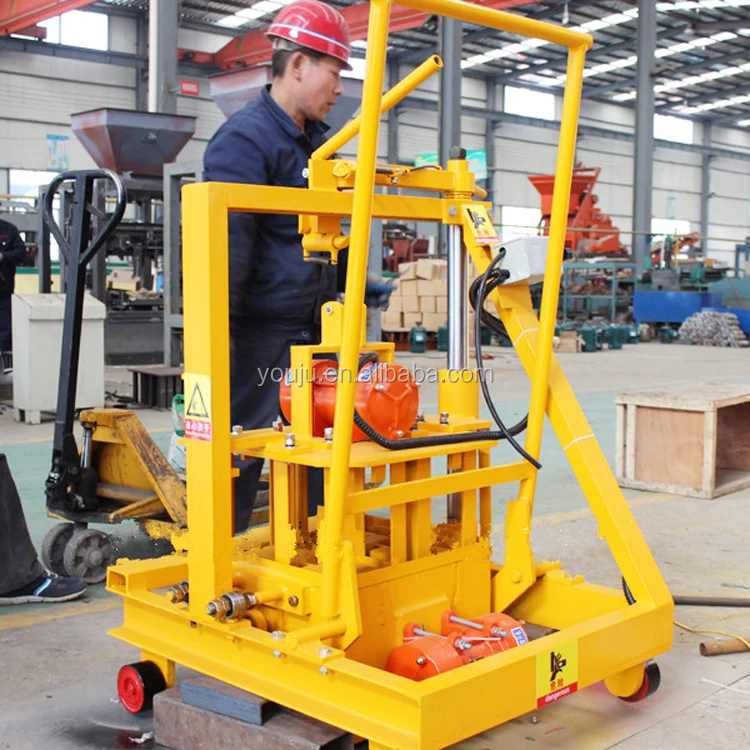
Description
Format-Matched Output — every capacity figure for the QMJ2-45 is stated against the hollow brick size it was measured on, so daily planning starts from real numbers instead of catalogue peaks.
Technical Specifications
| Parameter | Value |
|---|---|
| Model | QMJ2-45 |
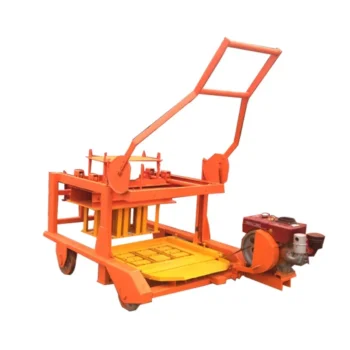
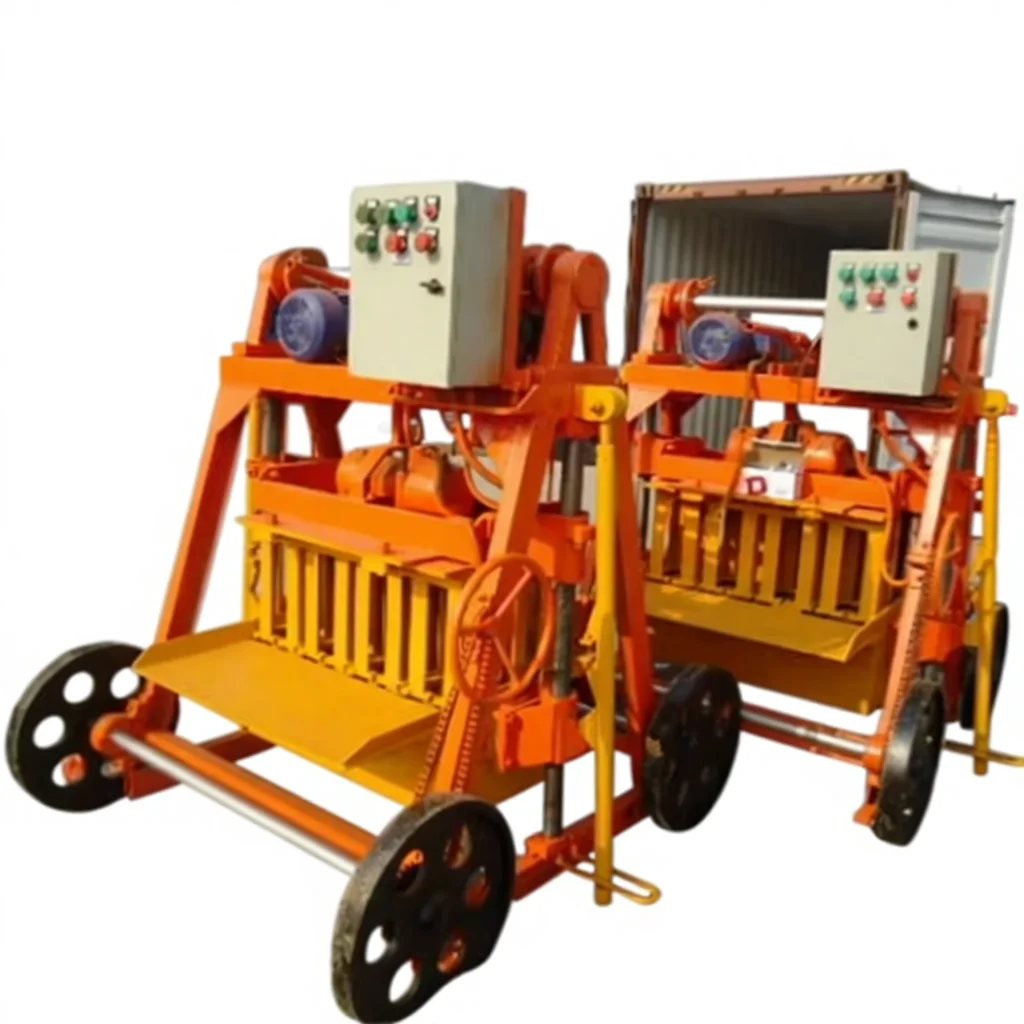
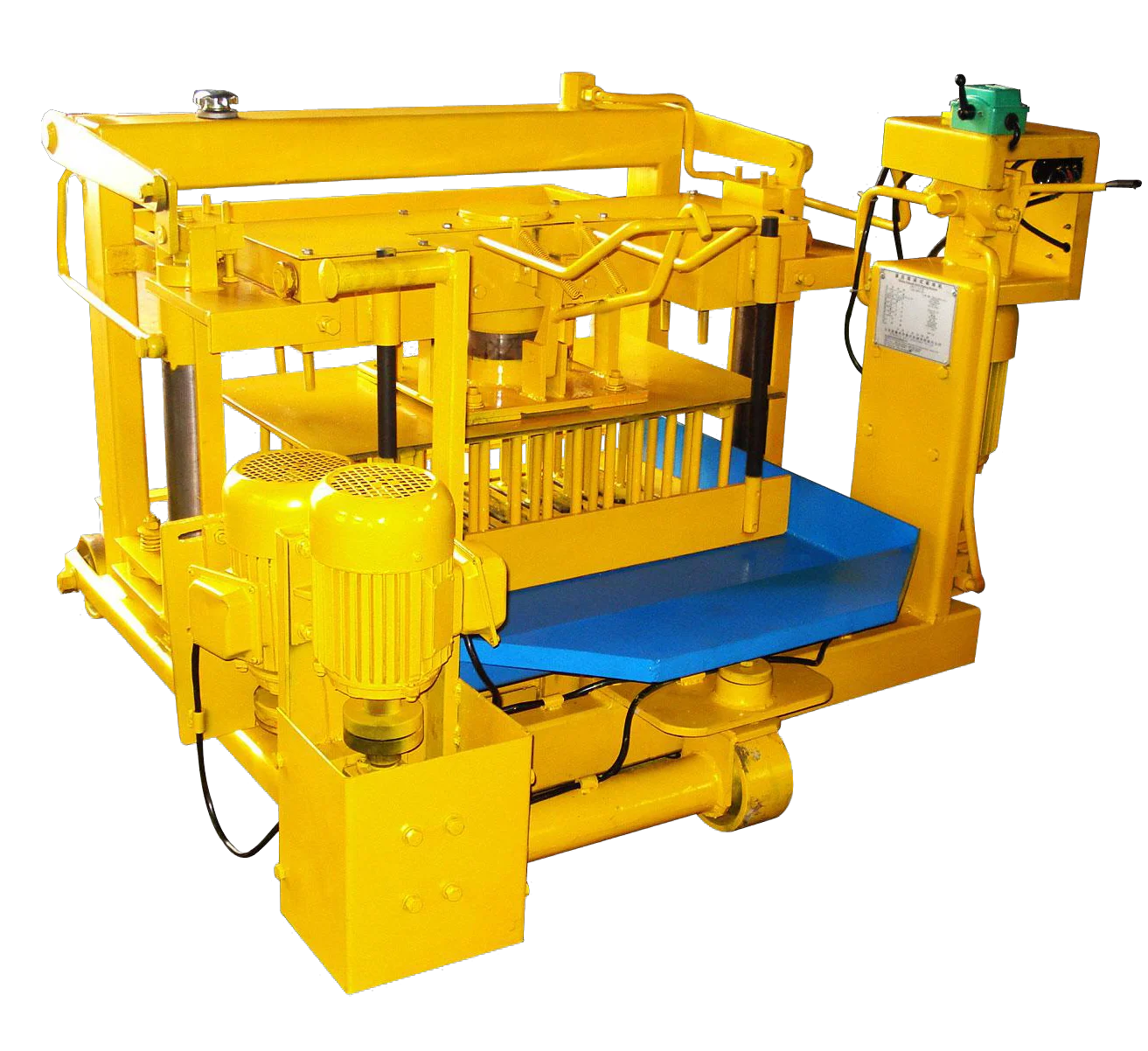
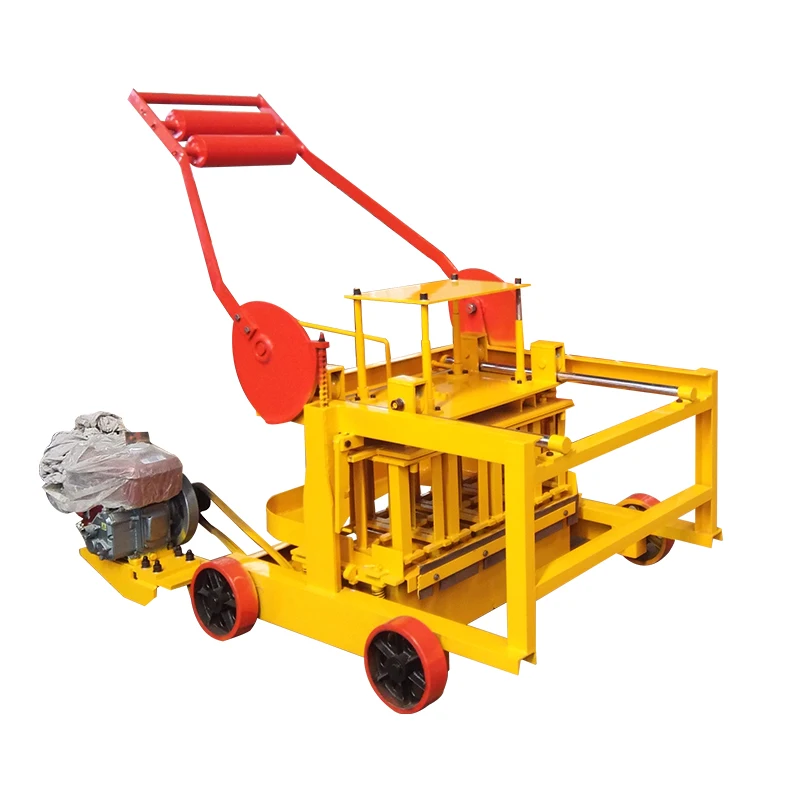
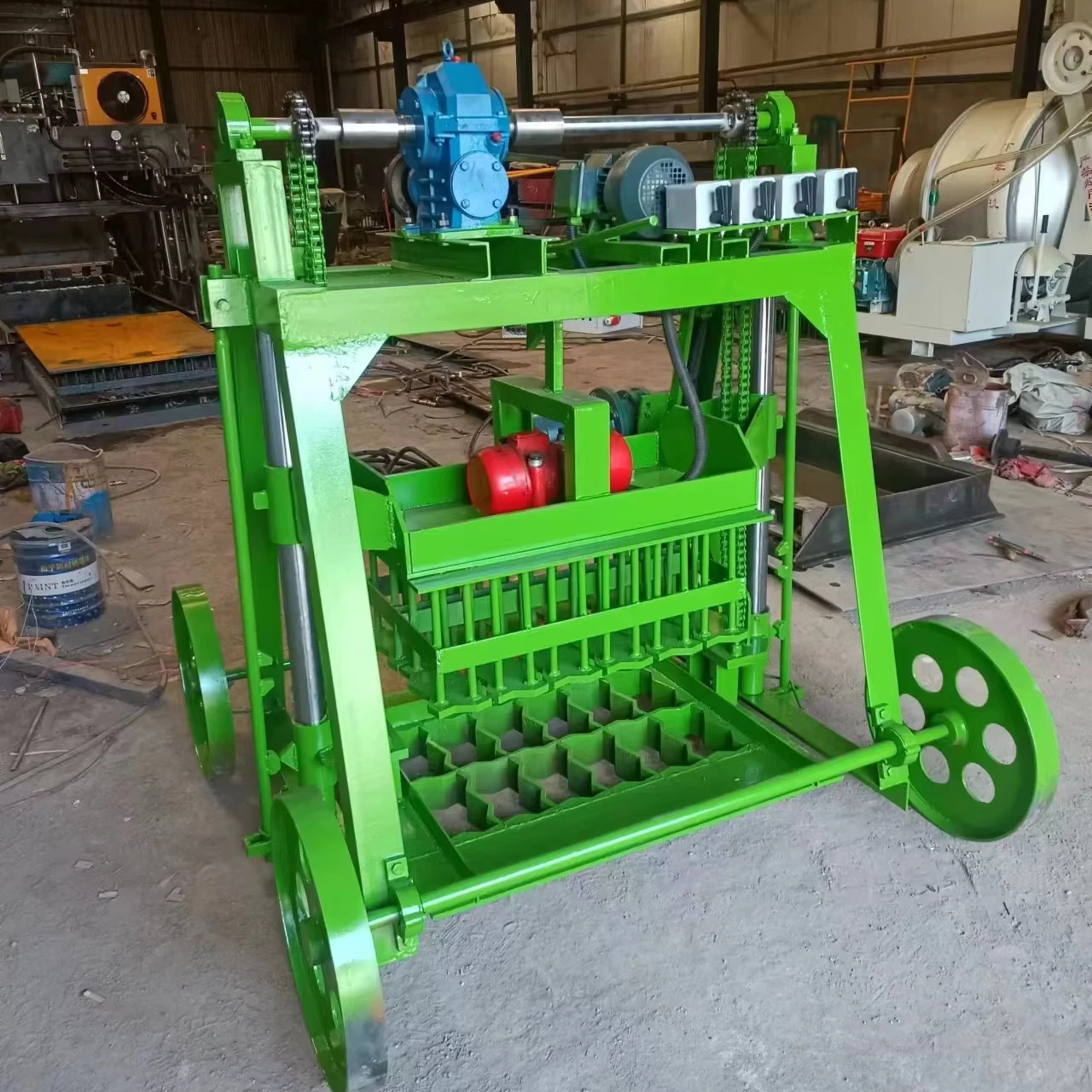
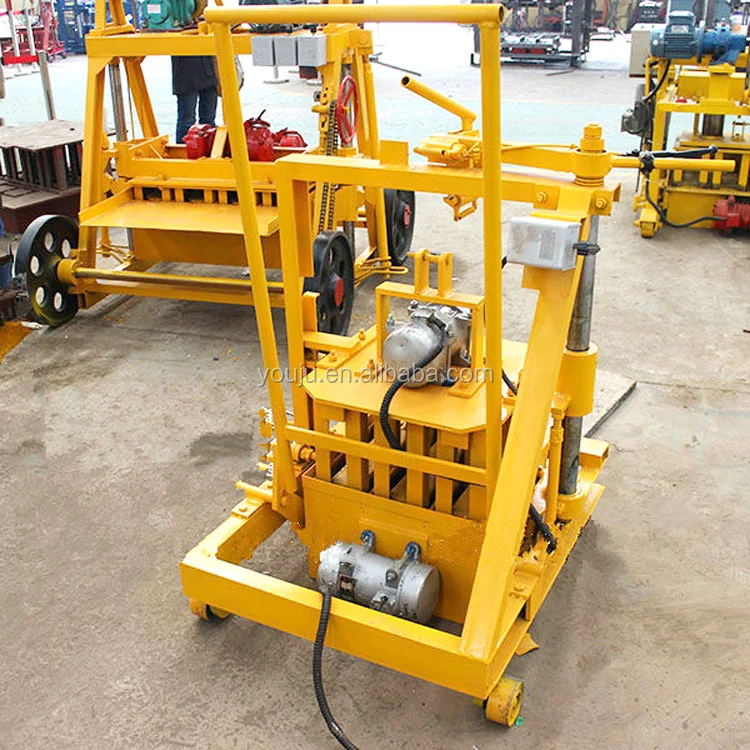
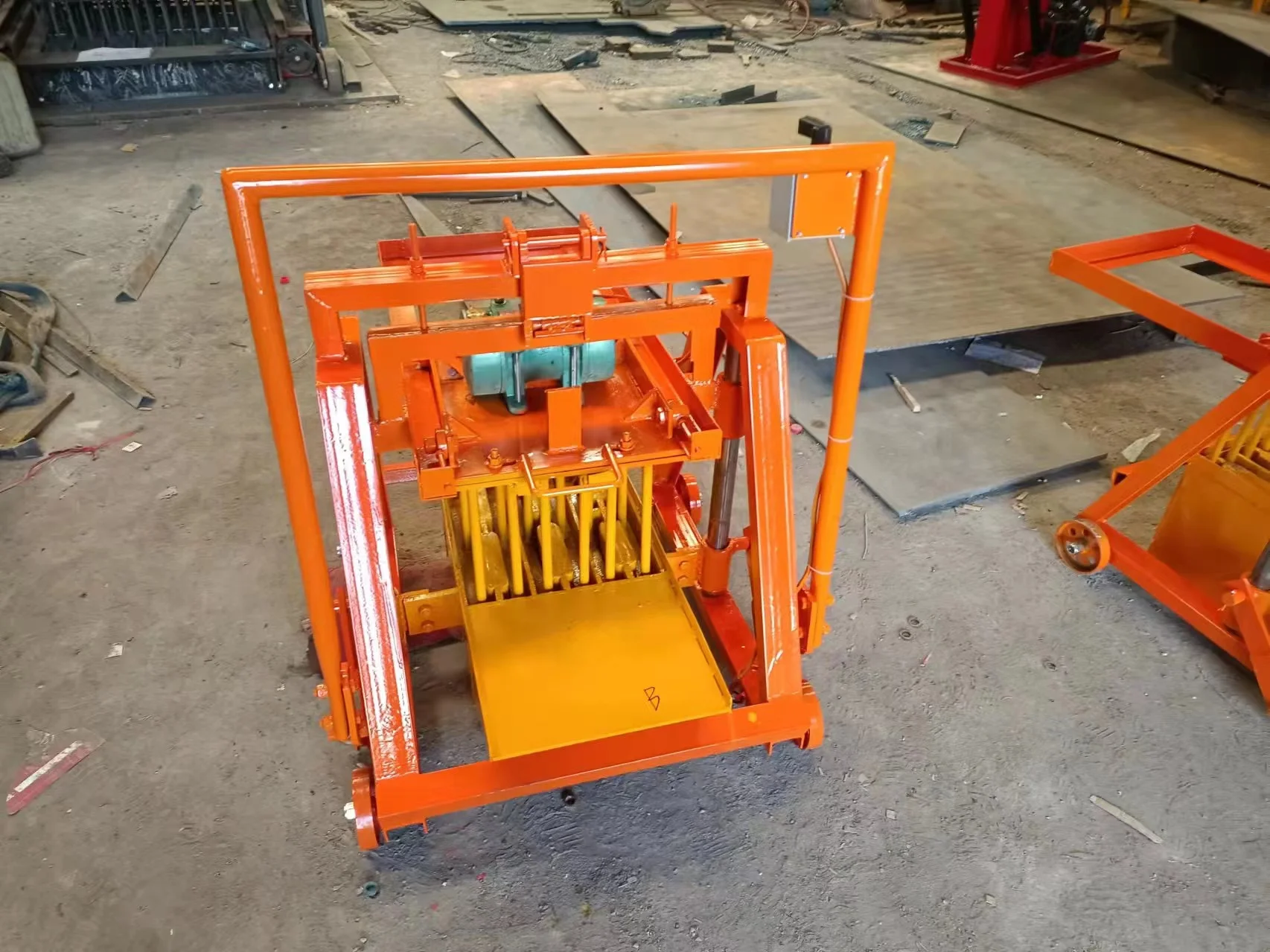
| Product Type | Mobile Egg-laying Concrete Block Machine |
| Block Format & Capacity (400×200×200 mm) | 2 pcs/mould, 160 pcs/hour, 1280 pcs/8hr (basis: 400×200×200mm hollow brick, molding cycle 25-30s) |
| Block Format & Capacity (400×150×200 mm) | 3 pcs/mould, 240 pcs/hour (basis: 400×150×200mm hollow brick, molding cycle 25-30s; 8hr output to be confirmed) |
| Block Format & Capacity (400×100×200 mm) | 4 pcs/mould, 320 pcs/hour, 2560 pcs/8hr (basis: 400×100×200mm hollow brick, molding cycle 25-30s) |
| Molding Cycle | 25-30 seconds |
| Pallet Requirement | None (egg-laying design) |
| Labour Requirement | 1 to 3 workers |
| Control System | Manual operation |
| Mould Change | Interchangeable moulds for hollow brick formats |
| Certification | ISO9001:2000, CE |
Application Suitability
| Application | Material or Output |
|---|---|
| On-site hollow brick production for housing projects | Crushed stone, river sand and cement mixed locally |
| Low-investment startup block yards | Red soil, stone dust or fly ash blended with cement |
| Supplementary mobile unit for existing block plants | Hollow bricks in 100 mm, 150 mm and 200 mm wall thicknesses |
| Rural building and infrastructure contractors | Small-batch production directly on the construction footprint |
What "160 Blocks per Hour" Actually Means on Site
Capacity only counts when the block format behind the number is named.
Most mobile block machine quotations lead with a single hourly figure and leave the buyer to discover on commissioning day that the number assumed the smallest, lightest format in the mould set. With the QMJ2-45, the 160-piece hour applies to 400×200×200 mm hollow bricks at two cavities per cycle; switch to 100 mm wall thickness and the same machine reaches 320 pieces per hour because four cavities fit the mould box. Stating mobile block machine specifications per format keeps daily output honest and prevents the gap between quoted and real production that stalls project timelines [NEED_CITE: common discrepancies between quoted and achieved block output on mobile machines].
Matching the Mould to the Wall Thickness Your Market Sells
A mobile egg-laying machine earns its keep by covering the hollow brick sizes that local builders actually order. The QMJ2-45 ships with interchangeable moulds for three standard formats, and the cycle time stays within the 25-30 second window across all three because the manual compaction stroke does not change with cavity count.
Where the Egg-laying Design Removes Cost
Eliminating pallets removes a capital line and a daily handling labour. On a typical housing site, curing space is simply the compacted ground the machine travels over, so the curing area scales with the pour sequence rather than with a pallet rack investment. This is where mobile block machine specifications diverge most sharply from stationary presses: the floor becomes the pallet.
Reading the Numbers That Matter for Hollow Brick Density
Block strength in a manual mobile machine comes from vibration force combined with the weight of the concrete column inside the mould box. The QMJ2-45 relies on an electric vibrator and the operator’s downward pressure on the mould lid. When local aggregate shifts from rounded river sand to angular crushed dust, the mix needs slightly higher moisture to flow into the cavity corners, otherwise the block edges crumble on demoulding [NEED_CITE: effect of aggregate shape on manual block compaction density]. Mould change involves unbolting the box, lifting out the insert and seating the next format — a task two workers complete within a short break, keeping format switches inside a single shift.
What Happens When the Mix Does Not Match the Machine
I once watched a QMJ-class machine produce hollow bricks that passed visual inspection but failed a simple drop test after curing. The buyer had substituted locally available red soil for the river sand used in factory trials, and the finer particle size absorbed vibration energy before it reached the bottom of the mould. The fix was not a new machine but a sieve adjustment and a small moisture increase, confirmed over two trial batches before full production restarted.
Sourcing Decisions Grounded in Format Reality
- Per-format capacity documentation — every output figure is tied to a named block size and cavity count, not an aggregate headline.
- Mould set matched to your market — the included format list is confirmed against the wall thicknesses your builders order before the machine ships.
- Manual simplicity as a feature — no PLC, no sensors to fail in dusty site conditions, just a vibrator and a lever that two workers can maintain.
- Pallet-free operation — curing footprint grows with the project, not with a separate rack purchase.
- Voltage and frequency confirmed before production — motor winding is built to the buyer’s grid specification, avoiding rewinding delays on arrival [NEED_CITE: electrical standard variations across export markets].
Documentation & Verification
- Capacity calculation sheet stating block format and cycle time for each output figure
- Mould drawing and format list confirming included and optional hollow brick sizes
- Factory test record showing achieved cycle time per mould on your specified mix
- Voltage, frequency and motor nameplate confirmation before crating
- Operation manual covering mix proportioning for local aggregate types
Installation, Commissioning & Support
- Level compacted ground required; no fixed foundation or anchor bolts for the QMJ2-45
- Dedicated circuit sized to the confirmed motor kW rating and local voltage
- Machine arrives assembled; only the mould box and hopper need fitting on site
- First-run trials include cycle timing on each supplied mould format
- Operator training covers mix adjustment for site-specific aggregate gradation
- Spare vibration motor brushes and mould wear strips included in the initial shipment
Before You Request a Quote
Tell us the hollow brick sizes your market orders most, the daily volume you need per format, and the aggregate available within hauling distance of your site. Share your local voltage and frequency so the motor can be wound correctly before dispatch. If you already run a stationary plant and need the QMJ2-45 as a supplementary unit, let us know your existing curing layout so the egg-laying path can be planned around it.
Frequently Asked Questions
Q: How is QMJ2-45 capacity verified, and which block format is each output figure based on?
A: Each hourly and eight-hour figure is measured on a specific hollow brick size — 400×200×200, 400×150×200, or 400×100×200 mm — with the cavity count and 25-30 second cycle stated beside it. We supply a test record from our shop floor showing the actual pieces produced per format before the machine is crated.
Q: Which hollow brick formats can the mould set cover, and how long does a change take?
A: Standard moulds cover 100 mm, 150 mm and 200 mm wall thicknesses at 400 mm length. Two workers unbolting and reseating the mould box complete the change within a short break. Custom formats can be quoted from your drawings before the machine ships.
Q: What mix design works best with the QMJ2-45 on local aggregate?
A: The manual compaction stroke needs a mix that flows under vibration without slumping after demoulding. We ask for a sample or description of your local sand, stone dust or fly ash, then recommend moisture and cement ratios confirmed on a trial batch before you commit to full production.
Q: What are the electrical requirements for the QMJ2-45?
A: Motor kW rating and voltage are confirmed against your site supply before production. We need your voltage, phase and frequency so the winding and control switchgear match your grid, avoiding rewinding or transformer costs after arrival.
Q: What is realistic eight-hour daily output under normal site conditions?
A: For 400×200×200 mm hollow bricks, plan on roughly 1280 pieces per eight-hour shift; for 400×100×200 mm, roughly 2560 pieces. These figures assume continuous material feed and ground curing space available ahead of the machine; the 400×150×200 mm shift total is confirmed once the three-cavity cycle is timed on your mix.