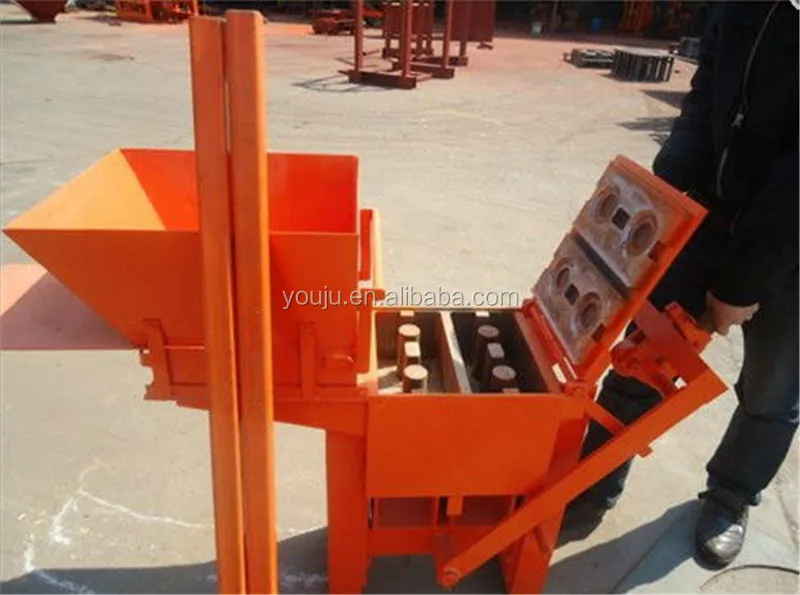
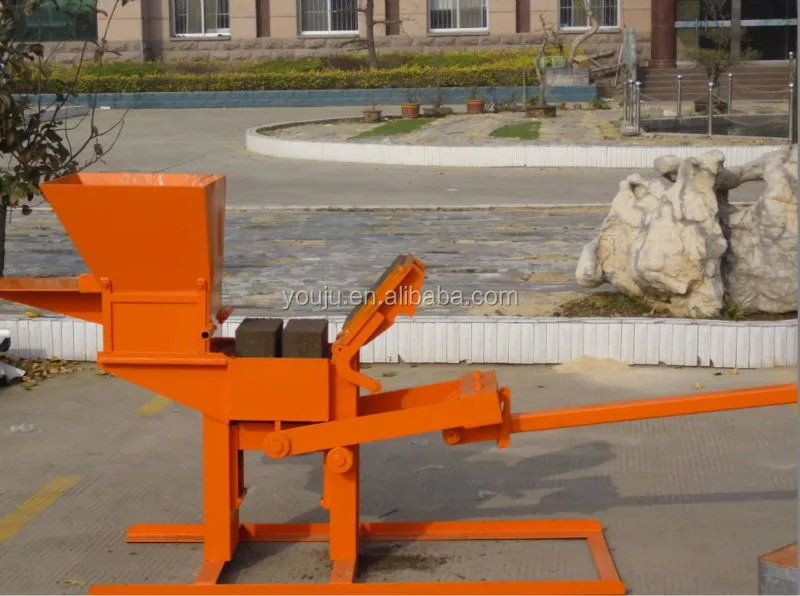
Description
Matched Mould and Mix — every LY2-40 configuration starts from the interlocking brick profile your market actually buys and the soil you can source locally, not a catalogue default.
Technical Specifications
| Parameter | Value |
|---|---|
| Model | LY2-40 |
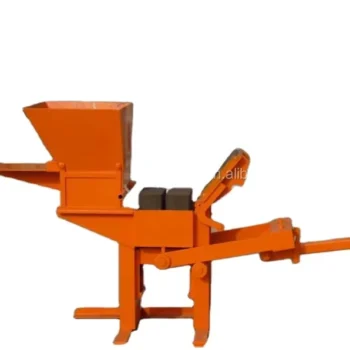
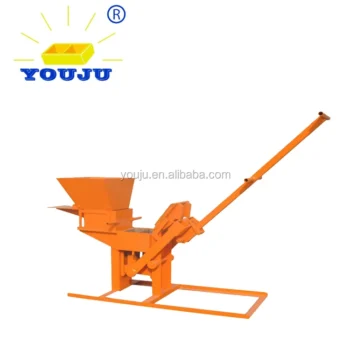
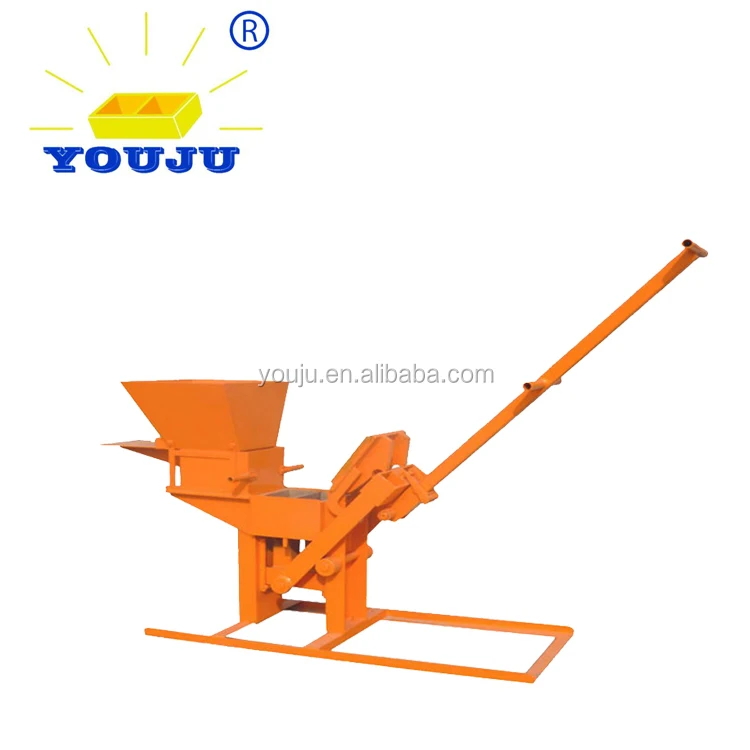
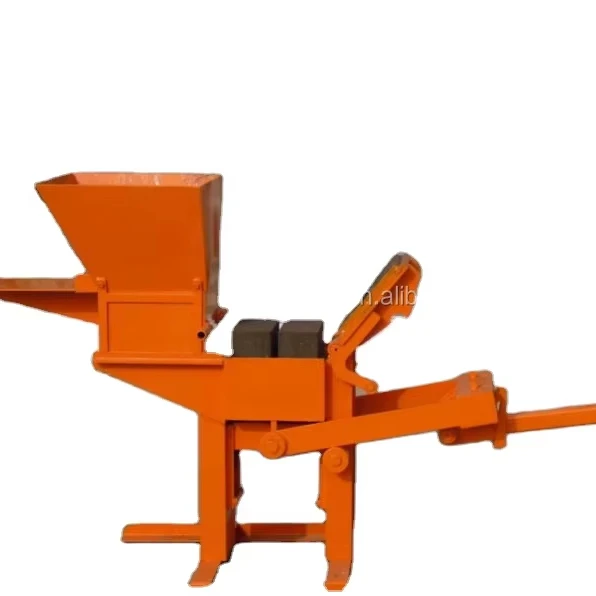
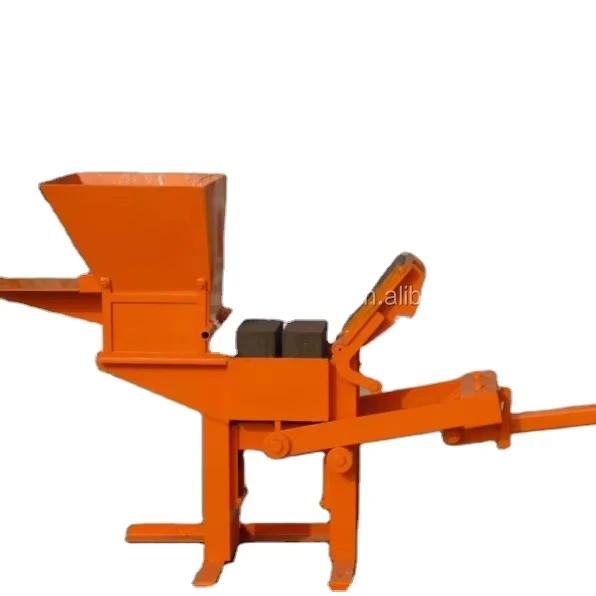
| Product Type | Manual Earth Brick Making Machine |
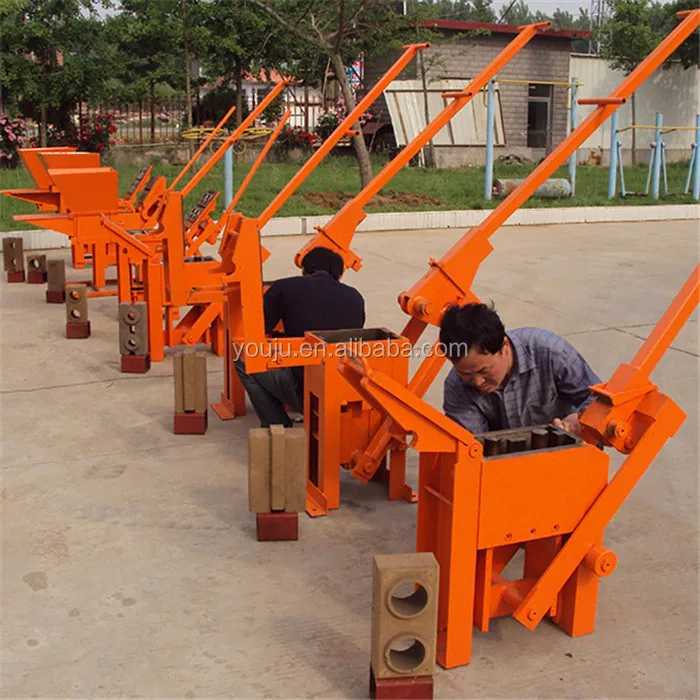
| Operation Mode | Completely Manual, No Power Required |
| Lifting System | Manual Lever |
| Mobility | Steel Wheels |
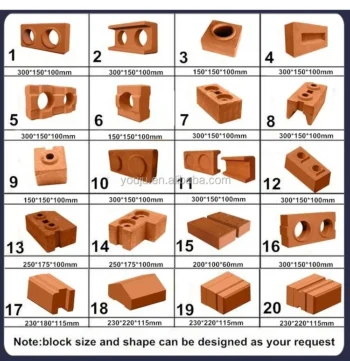
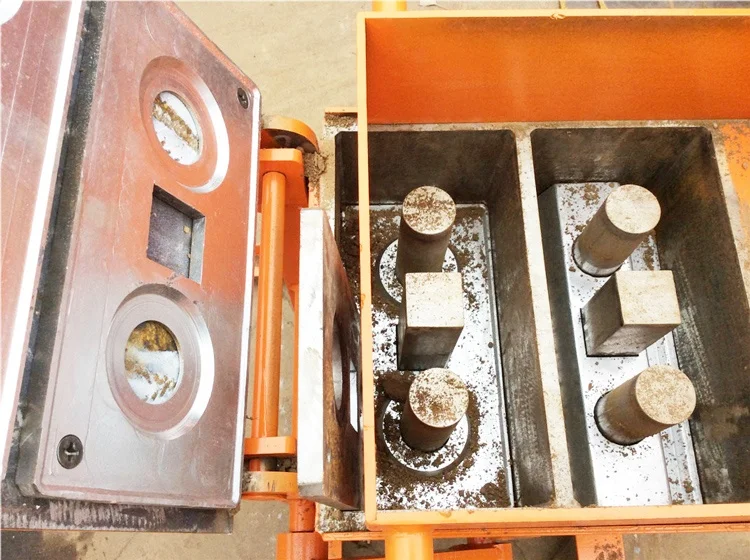
| Mould System | Changeable for Various Interlocking and Solid Formats |
| Overall Dimensions | 1600 x 700 x 1200 mm |
| Net Weight | 200–240 kg |
| Total Power | None (Fully Manual) |
| Molding Cycle | 30–40 seconds per stroke |
| Capacity | 400–1000 pcs/day (basis not stated in source — confirm block format, material, and thickness before quoting) |
| Compatible Mixer Options | JFA-1 Mixer or JQ350 Mixer |
| Assembly State | Mobile Single-Unit Press |
| Warranty | 1 Year |
Application Suitability
| Application | Material or Output |
|---|---|
| Small-scale interlocking brick production | Clay, laterite, or sandy loam stabilised with cement |
| On-site earth brick manufacturing for housing projects | Locally excavated soil blended with 5–10% Portland cement |
| Off-grid rural building material supply | Compressed earth blocks with no electrical dependency |
| Contractor-led development site production | Interlocking and solid formats from available site soil |
What "400–1000 Pieces per Day" Actually Depends On
Daily output for a manual earth brick making machine changes entirely once you name the brick format and wall thickness.
The range printed on the spec sheet covers everything from a thin solid paver to a large hollow interlocking profile. A 30–40 second stroke cycle is realistic for one operator on a standard interlocking brick, but larger formats demand more fill volume per cycle and careful demoulding, pulling real output toward the lower end. We have seen contractors arrive on a West African site, press a full day, and count only a fraction of the expected tally because the format they chose required a longer fill and release rhythm. Before you commit, ask your supplier for a capacity calculation that names the exact interlocking profile, wall thickness, and stabiliser ratio assumed. [NEED_CITE: capacity calculation methodology for manual brick presses]
Mould Selection Against Your Market Format
The LY2-40 ships with a changeable mould system, which means the interlocking profile is not fixed at the factory. You can run one format in the morning and swap to another after lunch, provided the operator knows the bolt sequence and the new mould is on hand. The decision that matters is which moulds are included in the base quotation and which must be ordered separately. A manual earth brick making machine specifications sheet should list every included profile by drawing number, wall thickness, and interlocking geometry so you can match it to what builders in your region actually lay.
Matching Soil Type to Compaction Pressure
Manual presses rely on operator force through a lever, so the soil-cement mix must compact cleanly under that fixed pressure. Sandy laterite with moderate clay content typically releases well from the mould and holds a sharp edge. High-clay soils shrink and crack during curing unless the mix includes a sand fraction or fibre additive. High-sand soils with little binder may press cleanly but crumble before reaching the curing rack. We once received bricks back from a site in West Africa where the local red earth carried too much fine sand and no stabiliser correction was made — the bricks looked fine fresh from the mould but disintegrated within days of air drying. [NEED_CITE: soil classification for compressed earth block production]
Reading the Core Parameters
Molding cycle of 30–40 seconds. This is the press stroke itself — fill, compress, release, extract. Total throughput per hour also depends on how fast the operator can refill the mould cavity and move finished bricks to the curing area. For larger interlocking profiles, fill time increases noticeably.
Overall dimensions at 1600 x 700 x 1200 mm. The footprint is small enough to position next to a stockpile on a tight construction site, but you still need clear space on both sides for material feed and brick extraction. Plan the site layout so the mixer, raw soil pile, and curing racks form a short loop around the press.
Net weight of 200–240 kg. Heavy enough to stay stable during the compression stroke without bolting to a slab, yet light enough to relocate on its steel wheels when the work area shifts. No foundation bolts are required, but a level, compacted ground surface prevents the frame from twisting under load.
Zero-power operation. No generator, no voltage matching, no control panel language to configure. The trade-off is that output ceiling depends entirely on human stamina and crew organisation. Plan realistic shift lengths and rotation intervals for the operator pulling the lever.
The Cost of Skipping a Soil Sample
Sending a soil sample before ordering feels like it slows the process down, but it prevents a far more expensive mistake. If the machine arrives and the local earth cannot produce a structurally sound brick at the lever pressure this press delivers, you face material import costs, cement over-dosing, or project rejection after walls are already laid. We have seen a contractor pay for shipping, customs, and site mobilisation only to discover on the first production day that the soil required a stabiliser ratio that made the brick uneconomical. A simple sieve analysis and Atterberg limit test, reviewed before the purchase order is signed, removes this risk entirely. [NEED_CITE: field soil testing methods for earth block construction]
Why Source This Manual Press Here
Block machinery is our single focus, so the LY2-40 is specified as part of a matched system — press, moulds, mixer, and curing approach considered together rather than sourced from separate suppliers. Configuration begins with the interlocking brick format your market sells and the soil available on your site, not a default setting from a catalogue page. Mould drawings are provided for every included profile, and custom interlocking geometries can be designed to your market drawing if the standard range does not cover your requirement. The automation level is yours to choose: the LY2-40 sits at the fully manual end of the range, and you can add a JFA-1 or JQ350 mixer to the line without changing the press itself. Installation guidance covers site levelling, mould changeover procedure, and operator technique so the crew is producing acceptable bricks from the first shift.
Documentation & Verification
- Mould drawing and format list confirming every interlocking profile included in the shipment
- Capacity calculation stating the specific brick format and stabiliser ratio assumed
- Material mix recommendation matched to your submitted soil sample and target block strength
- Operation manual covering lever technique, mould change sequence, and daily maintenance checks
- Factory test record with brick samples pressed from your soil mix before dispatch
- Wear parts list identifying pins, springs, and mould liner replacement intervals
Installation, Commissioning & Support
- Level compacted ground required — the 1600 x 700 mm footprint needs a flat surface to prevent frame twist during compression
- No electrical connection needed — the 200–240 kg manual press operates without power, generator, or voltage configuration
- Steel wheels allow on-site repositioning — move the unit between soil stockpile and curing area without dismantling
- First-run mould adjustment with operator training on fill volume, lever stroke rhythm, and clean brick extraction
- Spare mould liners, lever pins, and spring assemblies identified in the wear parts list for early replacement planning
- JFA-1 or JQ350 mixer pairing guidance to ensure consistent soil-cement blend reaches the press cavity
What to Include in Your Inquiry
Tell us the exact interlocking brick profile you intend to produce, including wall thickness and interlocking geometry, so we can confirm which mould ships with the press and calculate realistic daily output for that format. Share a soil sample or a recent geotechnical report from your site so the mix recommendation matches your actual ground conditions. Let us know whether you need a JFA-1 or JQ350 mixer included, and how many operators you plan to run per shift, so the line layout accounts for fill speed and curing space.
Frequently Asked Questions
Q: What brick format does the 400–1000 pcs/day capacity assume?
A: That range spans from a small solid paver to a large hollow interlocking block. The upper figure assumes a thin, fast-filling format with an experienced operator maintaining a steady rhythm. For the specific interlocking profile you intend to sell, request a capacity calculation that names the exact dimensions and fill volume before placing the order.
Q: Which moulds are included, and can I order a custom profile?
A: The standard quotation includes one or more interlocking moulds, but the exact profiles vary. We provide a mould drawing and format list before you confirm. If your market requires a geometry not in the standard range, custom mould design to your drawing is available with lead time confirmed at the quotation stage.
Q: What soil type works best for load-bearing interlocking bricks?
A: Laterite and sandy loam with moderate clay content compact well under manual lever pressure and cure to adequate strength with cement stabilisation. High-clay or high-sand soils need correction. Submit a soil sample before ordering so the mix ratio is adjusted to your ground conditions rather than guessed on arrival.
Q: How long does a mould changeover take on site?
A: A trained operator can swap moulds on the LY2-40 within minutes using basic hand tools, provided the new mould is staged nearby. The bolt pattern is straightforward. Full format changeover including clearing the cavity, bolting the new mould, and running test bricks typically fits within a short break between production runs.
Q: Is a mixer included with the press?
A: The LY2-40 can be paired with a JFA-1 or JQ350 mixer as optional basic equipment. The mixer is specified separately to match your soil type and daily volume. Consistent blending of soil and cement before the mix reaches the press cavity is what gives each brick uniform density and strength across the production run.