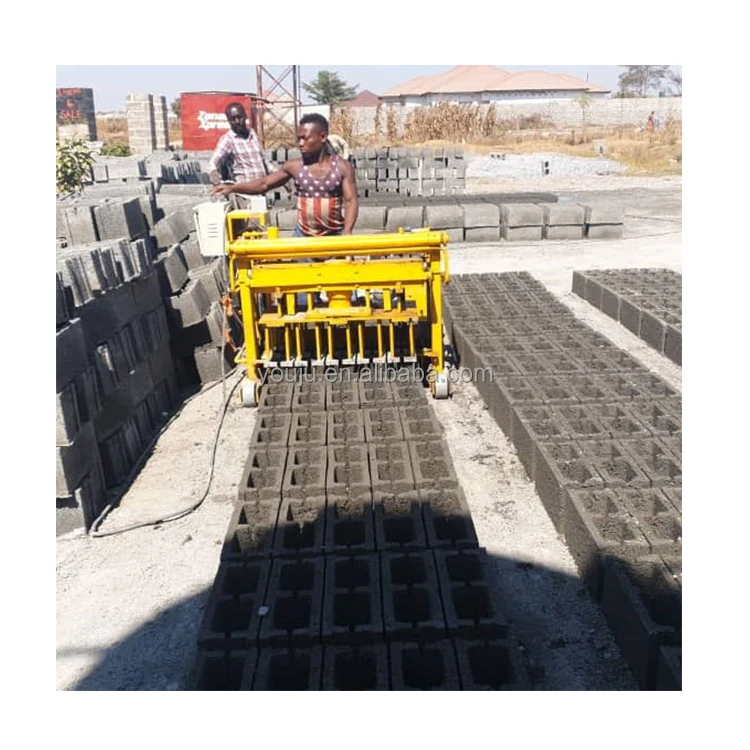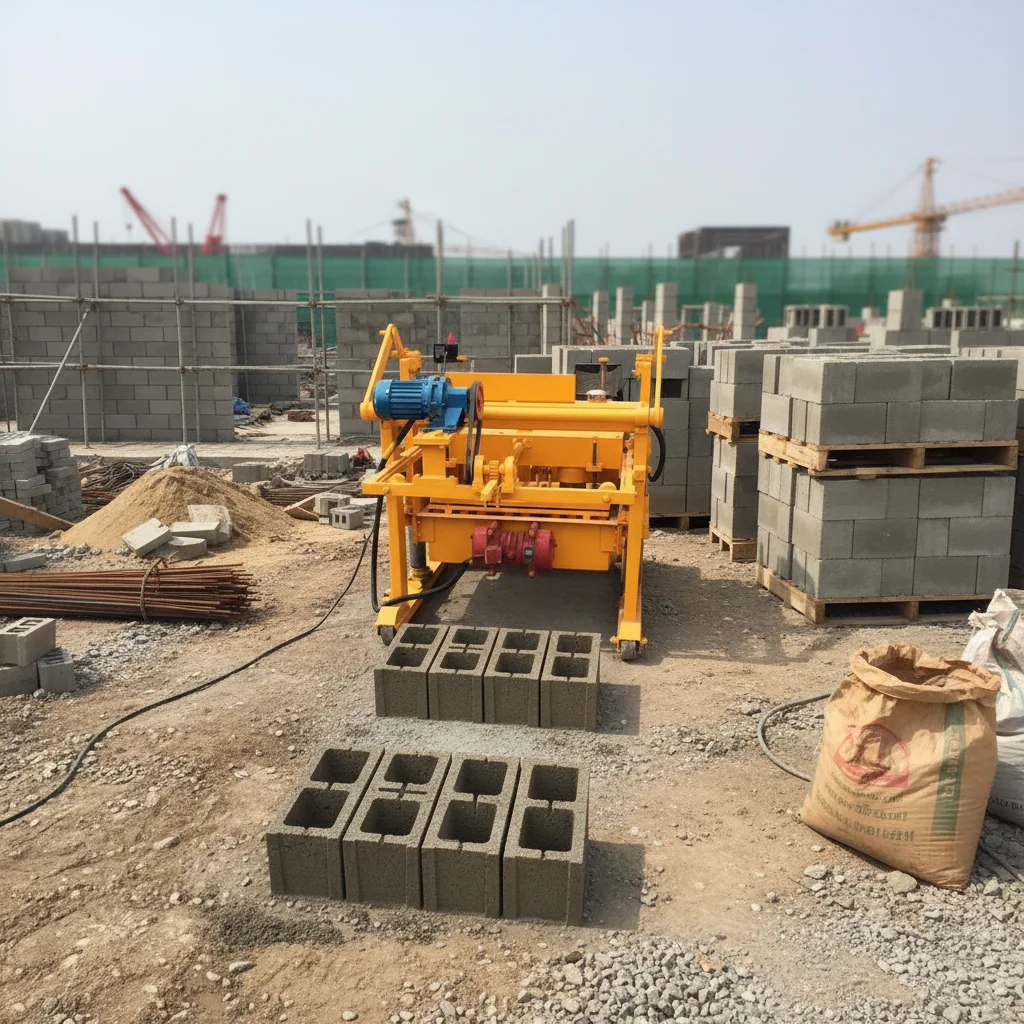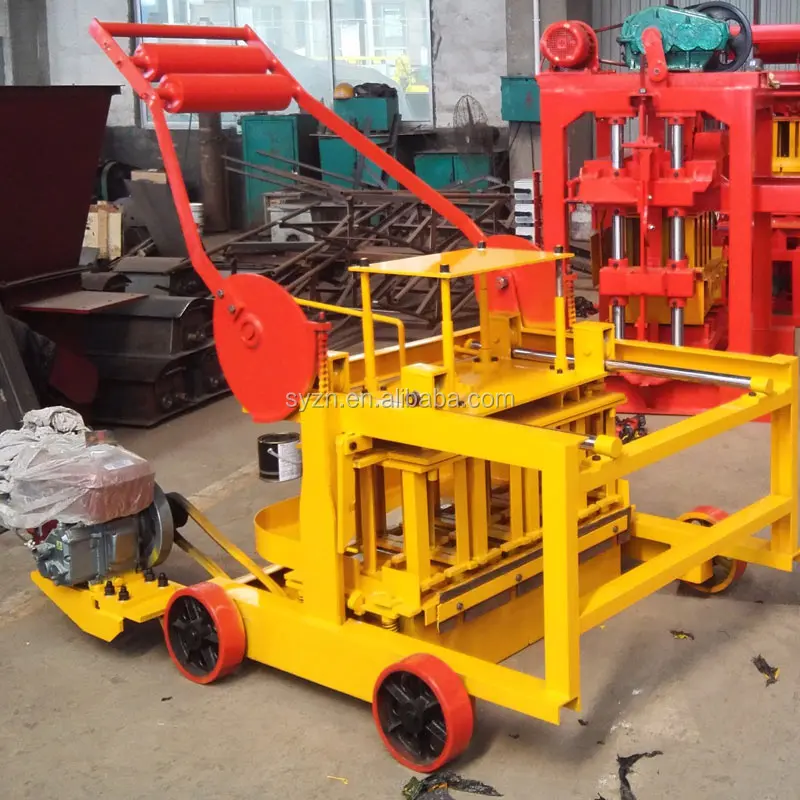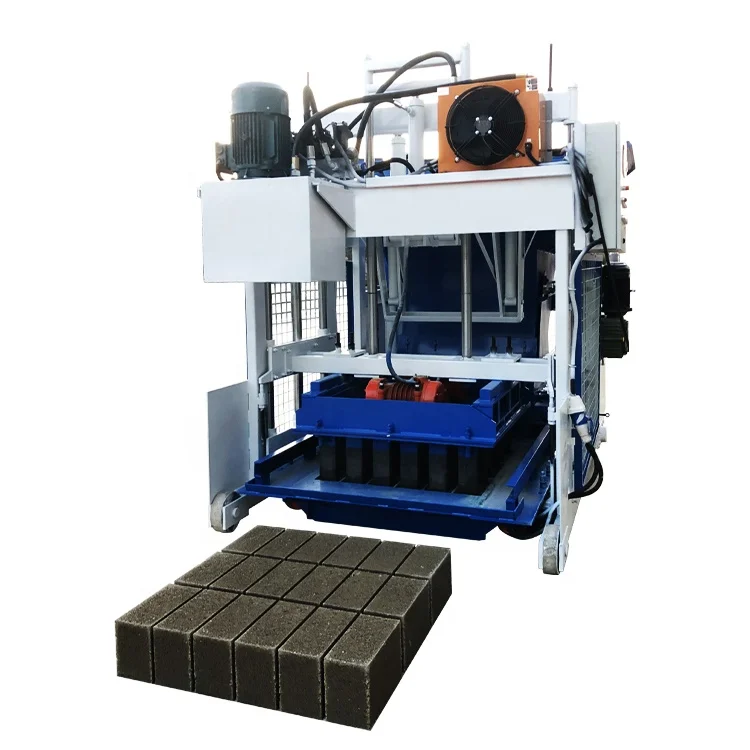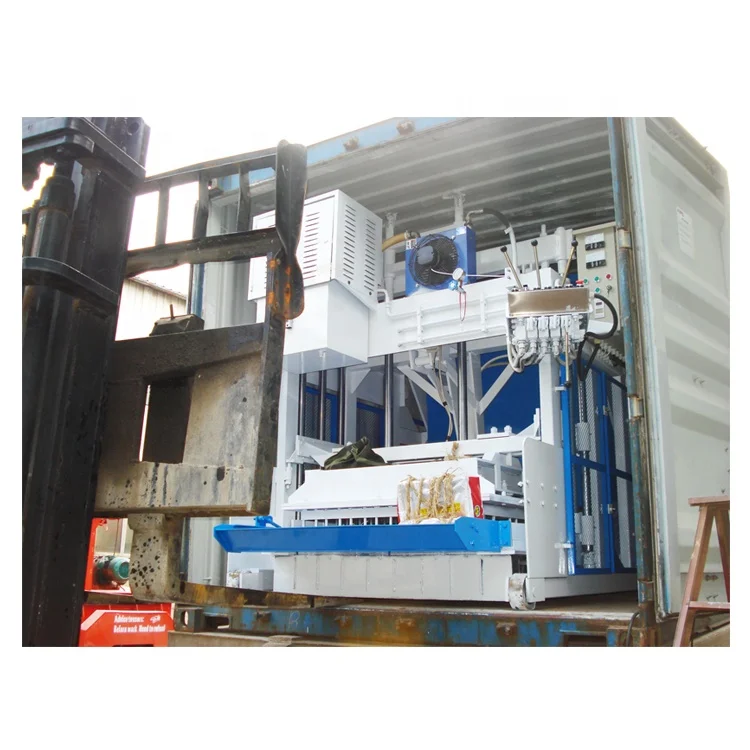

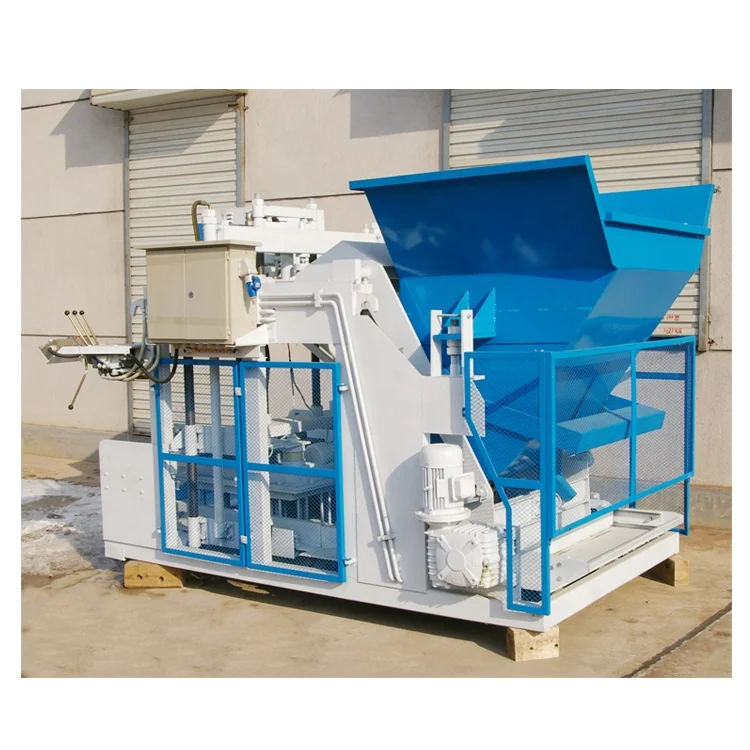
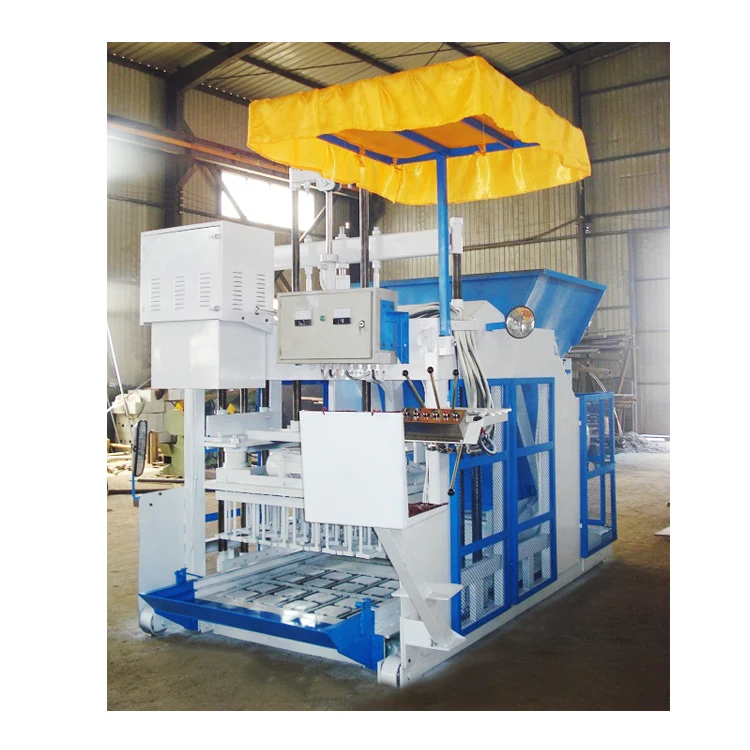
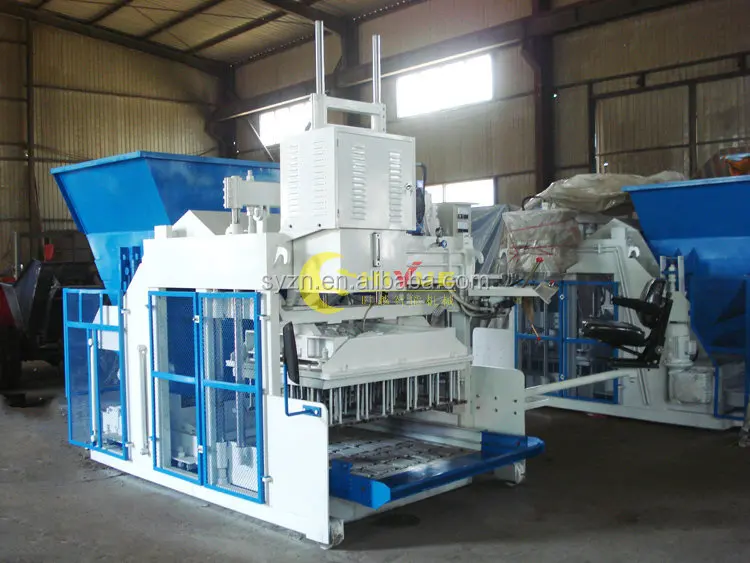
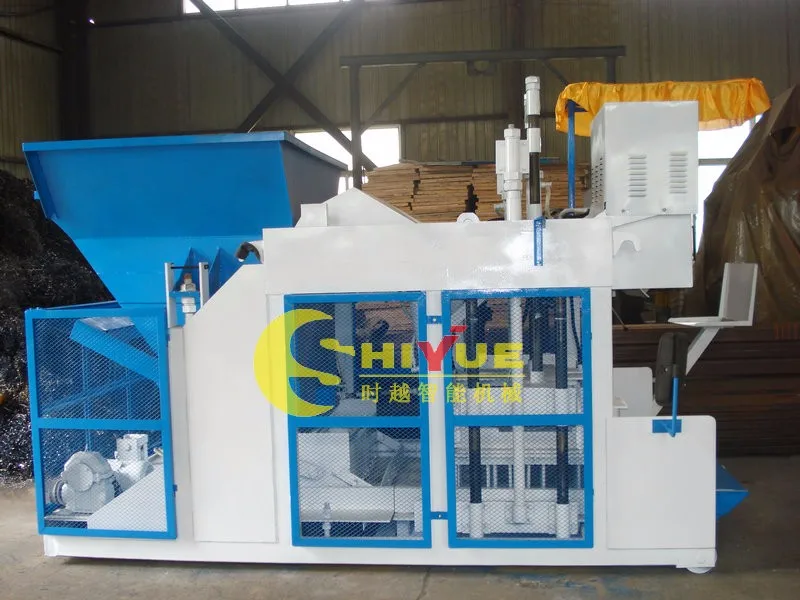
Description
Matched System Design — The QMY10-15 is specified against your actual block format, local aggregate, and target daily output rather than pulled from a generic catalogue, ensuring the machine, mold, and operation method work as one coordinated unit on your site.
Technical Specifications
| Parameter | Value |
|---|---|
| Model | QMY10-15 |
| Product Type | Mobile Hollow Block Making Machine |
| Molding Capacity | 10 pcs/mold |
| Molding Cycle | 10s-15s (basis not stated in source — confirm block format / material / thickness) |
| Daily Capacity | 11000 pcs/day based on 8 hours operation (basis not stated in source — confirm block format) |
| Total Power | 16 kW |
| Vibration System | Dual vibration motors |
| Hydraulic System | Controls upper and lower demould, equipped with heat dissipator |
| Movement | Electric walking, hydraulic steering |
| Pallet Requirement | No pallets needed (egg-laying type) |
| Basic Equipment | QMY10-15 Host Machine, JS7500 Concrete Mixer, Dump Truck |
| Optional Equipment | PL1200 Batching Machine, Cement Silo, Screw Conveyor, Loader |
Application Suitability
| Application | Material or Output |
|---|---|
| On-site concrete hollow block production | Crushed stone, river sand, cement, and water without a fixed plant |
| Mobile brick manufacturing for construction projects | Local aggregate blends producing hollow and solid blocks at the job site |
| Small to medium block production operations | Various formats including paving blocks and interlocking bricks via mold change |
| Remote job site supply | Concrete products manufactured directly where they are laid, eliminating transport |
What "11000 Pieces per Day" Actually Means for Your Block Format
The daily output figure only holds true when the block format, material density, and cycle time match the test conditions — and those conditions must be confirmed against your specific product before the machine ships.
Many mobile block machine quotations lead with a single capacity number that assumes an ideal block format and perfect material flow. In practice, a 400×200×200mm hollow block cycles differently from a thinner paving block, and local river sand with high clay content demands adjusted vibration and pressure settings that extend the molding cycle. When we first commissioned a QMY10-15 mobile hollow block making machine in Southeast Asia, the local sand had a clay content far above what the standard cycle assumed, and the first two weeks produced an unacceptable volume of cracked and undersized blocks [NEED_CITE: impact of clay content on concrete block curing strength]. We now require sand samples before finalizing the machine configuration so the vibration force and hydraulic pressure match your actual mix design.
Matching Vibration Force to Your Aggregate Profile
The dual vibration motor system on this mobile hollow block making machine delivers consistent compaction across the mold cavity, but the effectiveness depends entirely on how well the vibration frequency aligns with your aggregate particle size. Coarse crushed stone requires a different amplitude profile than fine river sand to achieve uniform density without segregating the mix. The hydraulic upper and lower demould mechanism works in sequence with the vibration to release the formed block cleanly, reducing surface damage that typically occurs when mechanical stripping forces fight against uneven compaction.
Pallet-Free Operation and Curing Area Layout
The egg-laying design means the QMY10-15 deposits each formed block directly onto the ground surface, eliminating the need for pallet inventory, pallet return conveyors, and the curing rack space that a pallet-based system demands. This mobile hollow block making machine specifications advantage becomes significant when your project site has limited flat area or when transporting pallets to a remote location would add considerable logistics cost [NEED_CITE: pallet-free versus pallet-based block production site requirements]. The trade-off is that the ground surface must be level, clean, and capable of supporting wet concrete blocks during the initial curing period without settlement.
Interpreting the Power and Hydraulic Ratings
The 16 kW total power rating encompasses the dual vibration motors, hydraulic pump, and electric walking system running simultaneously. In a mobile configuration, this power draw must be matched to your on-site generator capacity, accounting for the startup surge when the hydraulic pump engages under load. The heat dissipator fitted to the hydraulic circuit extends oil service life during continuous operation in high ambient temperatures, a factor that directly affects demould consistency across a full production shift. Without adequate heat rejection, hydraulic fluid viscosity drops and the upper mold pressure becomes inconsistent from cycle to cycle, producing blocks with variable compressive strength.
The Hidden Cost of Unconfirmed Voltage and Control Language
When voltage, frequency, and PLC display language are not confirmed before production, the machine arrives on site and cannot be commissioned until transformers are sourced or control panels are rewired. A mobile block machine sitting idle at a project site while electrical components are modified represents a compounding cost in delayed construction schedules and idle labor [NEED_CITE: voltage and frequency standards by export market]. We confirm the exact electrical specification and control interface language during the quotation stage, not after the machine is built.
Why Source This Machine Through Our Configuration Process
Block machinery is our single focus, which means the QMY10-15 host machine, JS7500 mixer, and optional batching equipment are specified as a matched production cell rather than assembled from unrelated suppliers. Each mobile hollow block making machine is configured against the buyer’s actual mix design and target block format, not a catalogue default that assumes standard materials. Mold design covers the specific formats your local market demands, with custom drawings available when standard mold options do not match your product range. The automation level is selectable — you can begin with the basic equipment package and add the PL1200 batching machine or cement silo as production volume justifies the investment. Installation support includes operator training at your site, and the mold and wear parts list is provided so your local maintenance team knows exactly which components to stock.
Documentation & Verification
- Line layout showing block format assumed in the capacity calculation
- Mold drawing and format list confirming included and optional molds
- Hydraulic and electrical schematic for local maintenance reference
- Voltage, frequency, and control language confirmation record
- Factory test record on your specified block format before dispatch
- Operation and maintenance manual with wear parts schedule
Installation, Commissioning & Support
- Site leveling requirements for egg-laying operation across the production path
- Generator sizing to cover the 16 kW total draw plus hydraulic startup surge
- Machine delivered assembled with electric walking system operational on arrival
- First-run parameter tuning against your local aggregate and mix proportions
- Operator training covering mold change procedure and hydraulic system checks
- Wear parts list identifying vibration motor and hydraulic seal replacement intervals
Preparing Your Inquiry
To provide a meaningful configuration rather than a generic quotation, we need to know your target block format and dimensions, the local aggregate type you intend to use, and your site electrical supply specification. Share your daily output requirement stated per specific block format, and we will return a capacity calculation that accounts for the actual molding cycle your material demands.
Frequently Asked Questions
Q: What is the actual daily output for my specific block format and size?
A: The 11000 pieces per day figure is based on 8 hours of operation, but the actual output depends on your block dimensions, material density, and the resulting molding cycle time. We calculate realistic daily capacity per format once your block drawings and aggregate sample are confirmed, so the quotation states output for the product you will actually manufacture.
Q: Which mold formats are included and what is the mold change procedure?
A: The standard package includes the mold matched to your primary block format. Additional molds for solid blocks, paving blocks, or interlocking bricks are available as optional equipment. The mold change procedure uses the hydraulic demould system for alignment, and we provide a step-by-step guide during operator training at your site.
Q: How do I confirm voltage, frequency, and PLC display language for my market?
A: We require your site electrical specification and preferred control language before production begins. The voltage, frequency, and display language are documented in the confirmation record that accompanies your quotation, ensuring the machine arrives ready for immediate commissioning without electrical modification.
Q: What local aggregate and mix design does the machine configuration assume?
A: The dual vibration motor system and hydraulic pressure settings are calibrated to a specific aggregate profile and cement ratio. We request a sand and aggregate sample from your local source before finalizing the machine parameters, preventing the mismatch between machine settings and actual material that causes inconsistent block strength.
Q: How does pallet-free egg-laying operation affect my curing area layout?
A: The egg-laying design eliminates pallet storage and return systems, but requires a level, clean ground surface along the machine travel path where blocks cure in place. Your curing area must be planned to accommodate the daily output footprint, with protection from rain and direct sun during the initial setting period before blocks reach handling strength.