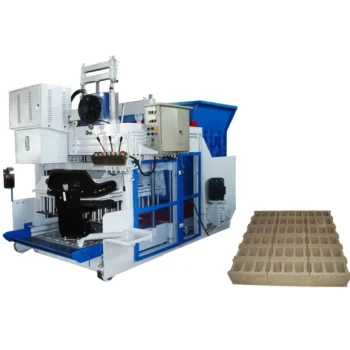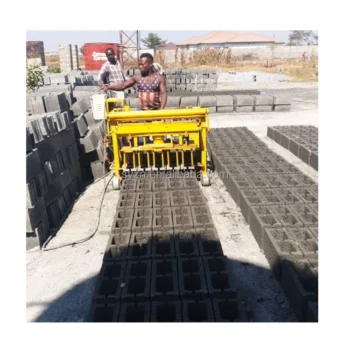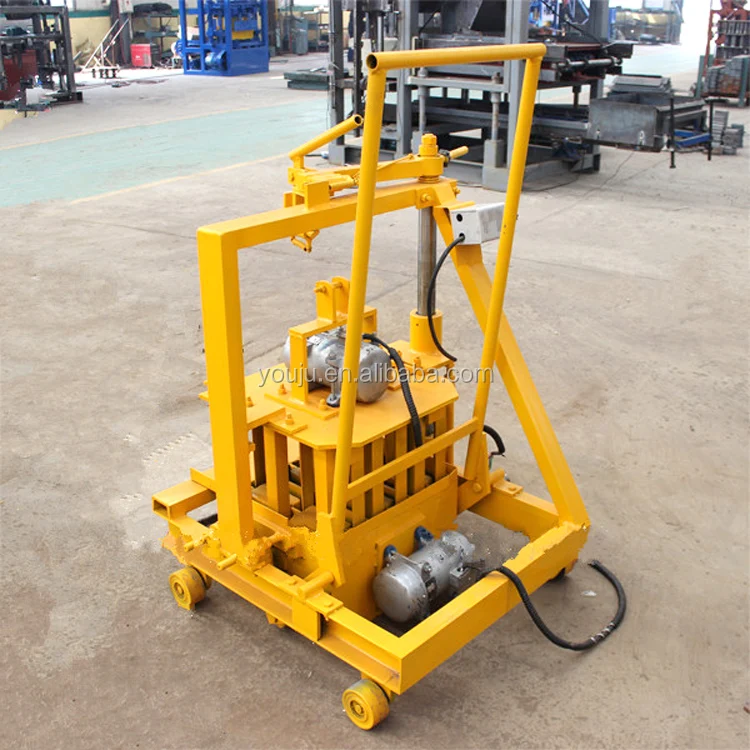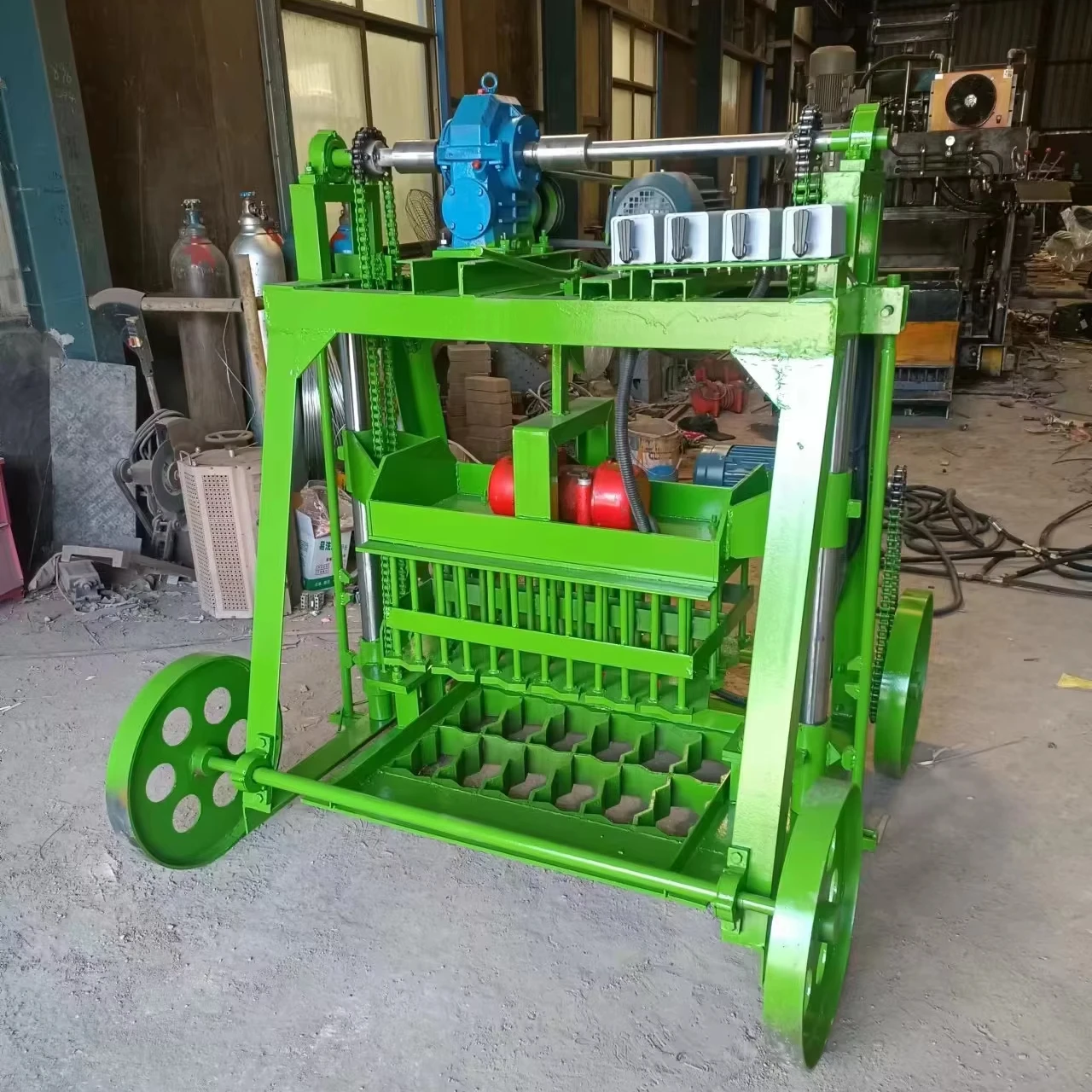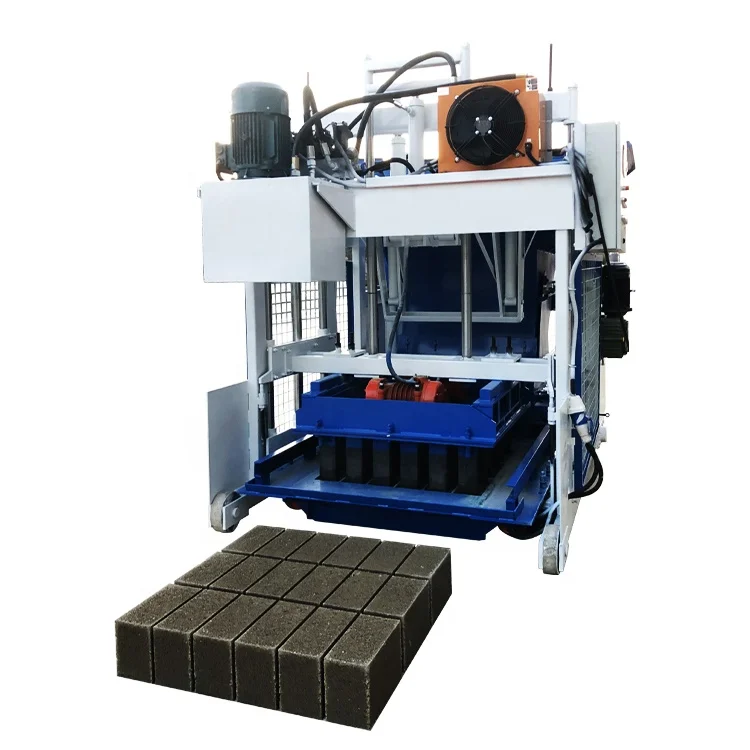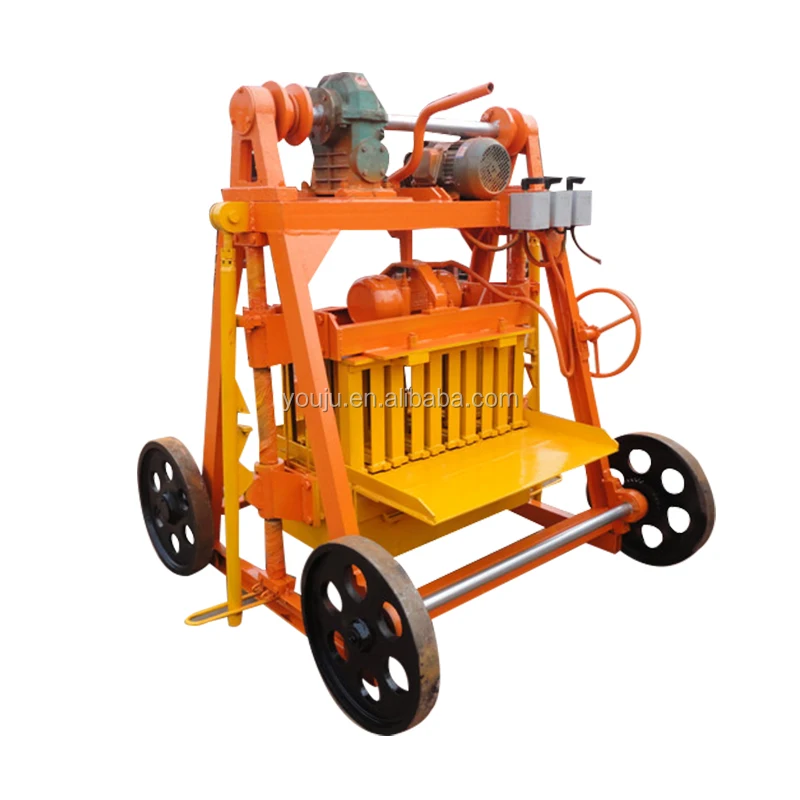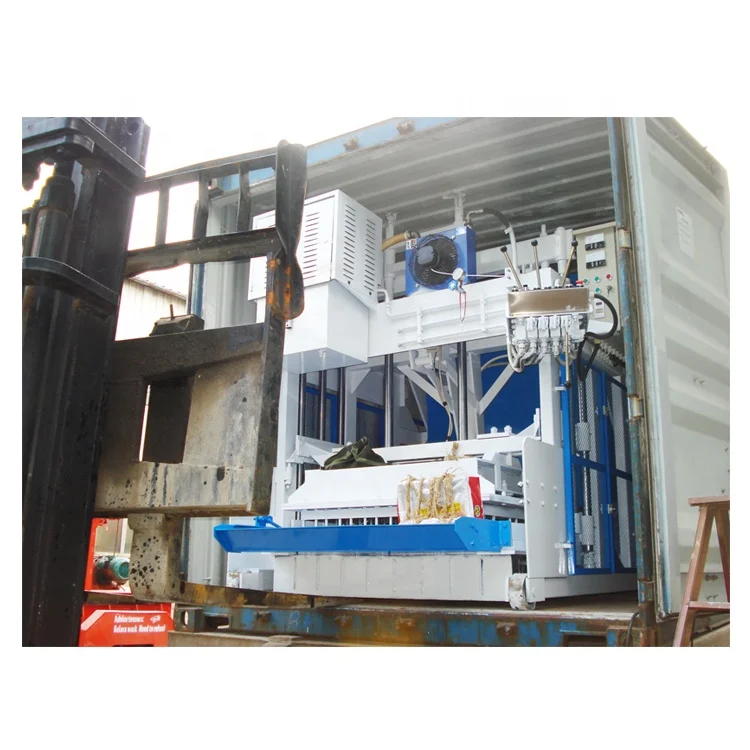
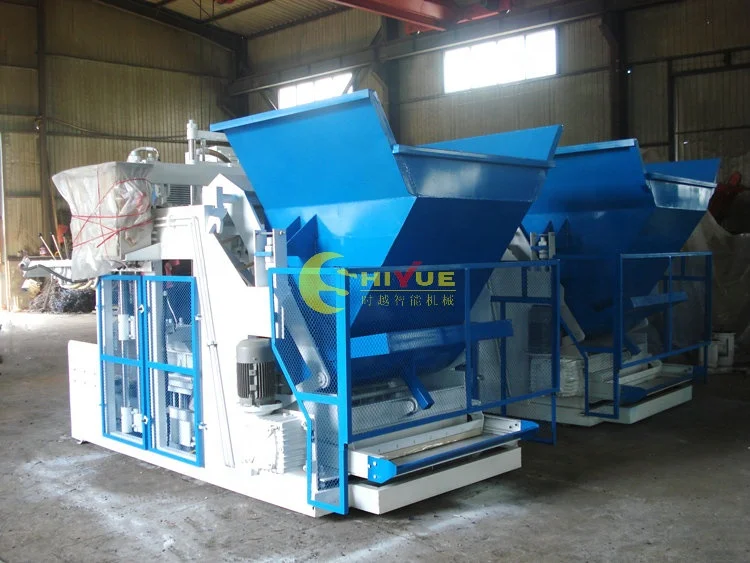
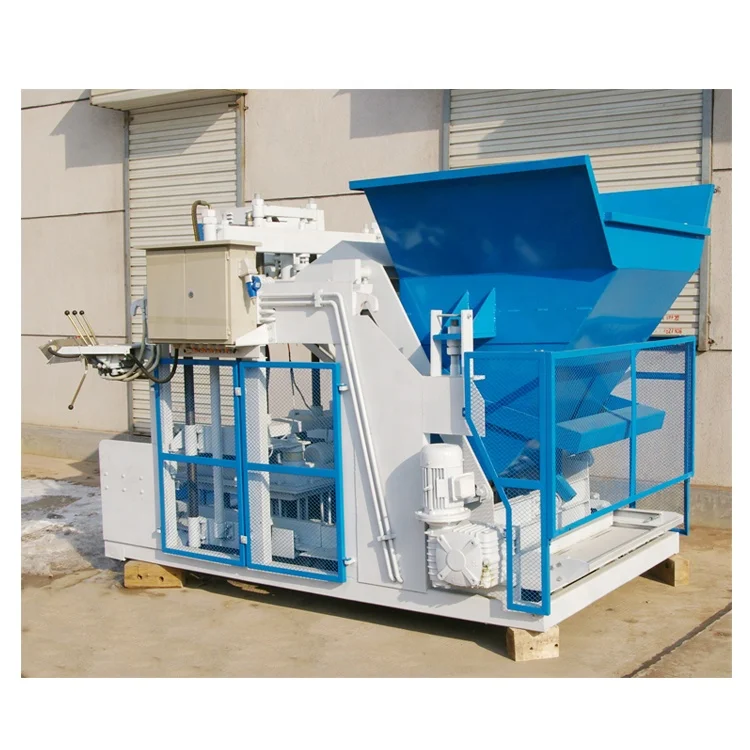
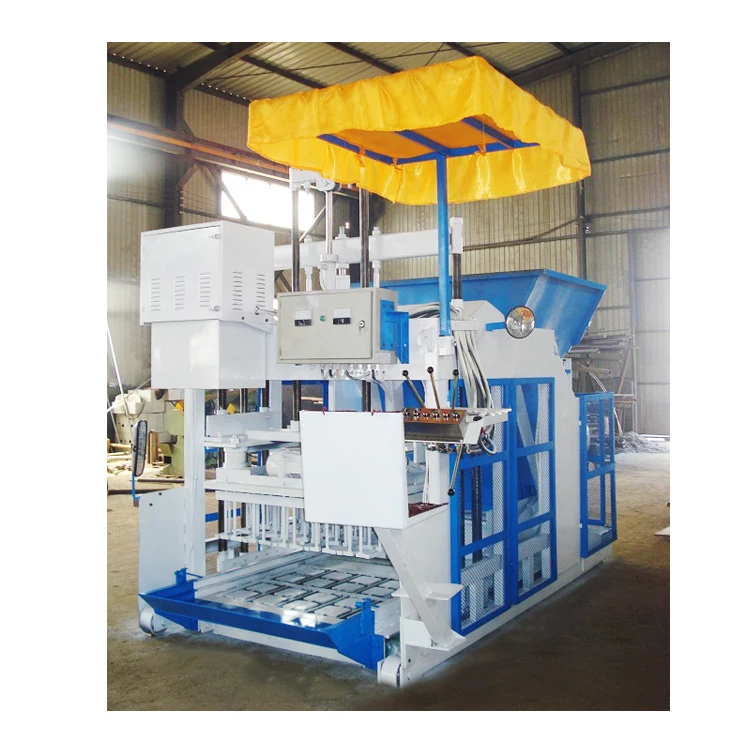
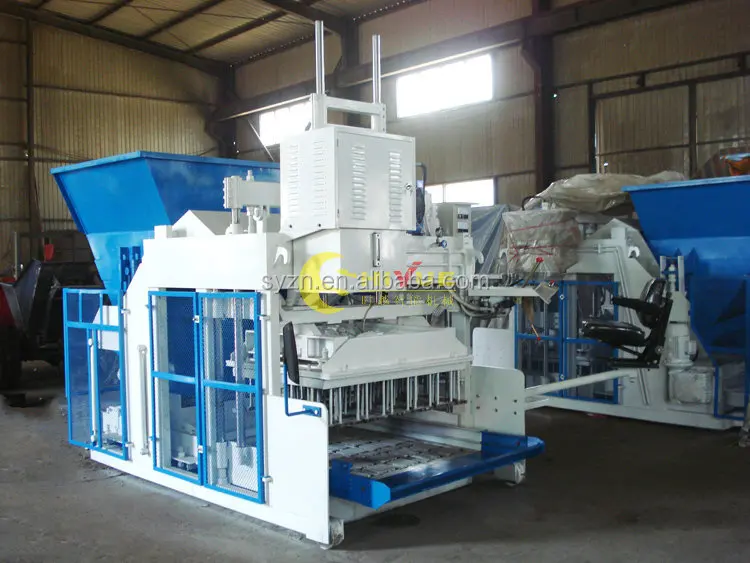
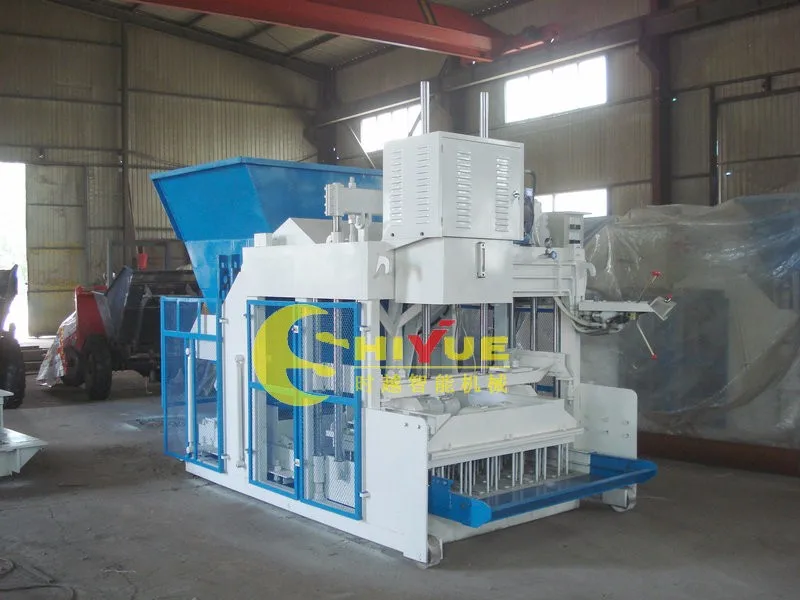
Description
Honest Capacity by Block Format — every QMY10-15 mobile block machine quotation we issue states the exact block format, local aggregate, and cycle time assumed, so the daily output you plan for is the output you actually achieve on site.
Technical Specifications
| Parameter | Value |
|---|---|
| Product Type | Mobile Concrete Block Making Machine |
| Model | QMY10-15 |
| Molding Capacity | 10 pcs/mold |
| Molding Cycle | 10s-15s (basis to be confirmed: depends on block format, material, and thickness) |
| Total Power | 16 kW |
| Output Capacity | 11,000 pcs/day based on 8-hour shift (basis to be confirmed: depends on block format) |
| Vibration System | Dual vibration motors |
| Hydraulic System | Controls upper and lower demoulding, equipped with heat dissipator |
| Movement | Electric walking, hydraulic steering |
| Pallet Requirement | None (egg-laying type, produces directly on ground) |
| Basic Equipment Included | QMY10-15 Host Machine, JS7500 Concrete Mixer, Dump Truck |
| Optional Equipment | PL1200 Batching Machine, Cement Silo, Screw Conveyor, Loader |
| Automation Level | Semi-automatic (self-propelled) |
Application Suitability
| Application | Material or Output |
|---|---|
| On-site hollow block production for building contractors | Crushed stone, sand, cement, and water mix laid directly on compacted ground |
| Solid block manufacturing for housing projects | Local aggregate and cement blends without pallet dependency |
| Paving block and interlocking brick runs for site developers | Custom mould formats changed on-site to match project phases |
| First plant setup for entrepreneurs | Low-infrastructure egg-laying production using regional raw materials |
What "11,000 Pieces per Day" Actually Means for Mobile Block Machine Specifications
The quoted daily output is only valid for the specific block format, mix design, and cycle time used during the calculation.
Mobile block machine specifications often list a single peak capacity number without revealing which block size or material recipe that number assumes. When a buyer takes delivery and runs a different format—say a thicker hollow block instead of a standard solid brick—the real cycle time stretches and daily volume drops noticeably. [NEED_CITE: common discrepancies between quoted and actual block machine output in export markets] The QMY10-15 molding cycle ranges between 10 and 15 seconds, but where your production lands within that window depends entirely on your local aggregate gradation, cement ratio, and the exact mould installed.
Matching the Mould to Your Market’s Block Format
The QMY10-15 supports multiple block formats through mould changes, covering hollow blocks, solid blocks, and other shapes your local construction market demands. Each format carries its own cycle time and demoulding behavior because the vibration force and hydraulic pressure interact differently with varying cavity depths and wall thicknesses. Selecting the right mould is not just about dimensions; it is about ensuring the dual vibration motors deliver consistent density across the specific geometry you sell.
Cycle Time, Local Aggregate, and Honest Daily Output
When we configure a QMY10-15 for a buyer, the capacity calculation is rebuilt around the actual block format and the aggregate sourced near the project site. [NEED_CITE: impact of local aggregate moisture and gradation on concrete block cycle times] A laterite-heavy mix common in tropical regions behaves very differently under vibration than the standard quartz sand used in factory testing. The hydraulic demoulding system, equipped with a heat dissipator to maintain oil temperature during continuous operation, must be calibrated to the stickiness and weight of your specific mix so that each egg-laying cycle releases a clean block without cracking.
How Hydraulic Pressure and Vibration Define Block Strength
The QMY10-15 uses a hydraulic system to control both upper and lower demoulding while dual vibration motors compact the mix inside the mould cavity. The interplay between vibration amplitude and hydraulic clamping pressure determines the final block density and compressive strength. If the vibration force is set too high for a lean mix, the concrete segregates and the block surface crumbles; if the pressure is too low for a stiff mix, the block remains under-compacted and fails strength tests. The 16 kW total power rating supplies both the vibration motors and the hydraulic pump simultaneously, so voltage stability at your site directly affects whether each cycle produces a uniform result.
The Hidden Cost of Skipping the Mix Design Conversation
Buyers who order based on a catalogue capacity figure often discover after commissioning that their local aggregate requires a completely different vibration profile and cycle time. [NEED_CITE: frequency of post-delivery recalibration requests for mobile concrete block machines] The mould may produce blocks that look acceptable visually but fail compressive strength requirements because the compaction energy was never matched to the material. Mould changes then become a workaround rather than a flexibility feature, and the machine sits idle while new parameters are tested manually across multiple shifts.
Why Configuration Verification Matters Before Shipment
Every QMY10-15 we build is configured against the buyer’s confirmed block format, target daily output, and local raw material profile rather than a default factory setting. The mould drawing and format list are reviewed together so that cycle time per format is documented before production begins. Voltage, frequency, and control display language are confirmed upfront to prevent commissioning delays once the machine arrives on site. Our focus remains on matching the press, mould, and mix as one system, which is the core principle behind every mobile block machine specifications sheet we issue.
Documentation & Verification
- Line layout showing QMY10-15 placement and walking path relative to curing area
- Capacity calculation sheet stating the exact block format and mix assumed for daily output
- Mould drawing and format list confirming available block types and individual cycle times
- Hydraulic and electrical schematic for local maintenance and troubleshooting planning
- Voltage and control language confirmation record signed before production starts
- Factory test record on your specified block format and aggregate before dispatch
Installation, Commissioning & Support
- Level compacted ground required for QMY10-15 electric walking and stable egg-laying operation
- Dedicated power circuit matching confirmed voltage and frequency for the 16 kW total load
- JS7500 mixer and dump truck positioned to feed the host machine without cycle interruption
- On-site vibration and hydraulic pressure calibration against your actual aggregate and mix design
- Operator training covering mould change procedure, cycle time adjustment, and heat dissipator checks
- Wear parts list and hydraulic seal kit provided for first replacement cycle planning
Planning Your Mobile Block Machine Inquiry
To receive a configuration proposal that reflects your actual production conditions, share the block formats your market sells, the target daily output per format, and a sample or description of your local aggregate. Include your site voltage and frequency, the available curing area dimensions, and whether existing equipment like a loader or cement silo will integrate with the line. This information allows us to calculate realistic cycle times and specify the correct mould from the start.
Frequently Asked Questions
Q: How is the 11,000 pcs/day capacity calculated for the QMY10-15?
A: That figure is based on an 8-hour shift using a specific block format and cycle time. When you request a quotation, we rebuild the calculation around your actual target format and local aggregate, so the daily output stated in our proposal reflects the block you will produce, not a generic catalogue number.
Q: What block formats can the QMY10-15 produce, and how long does a mould change take?
A: The machine supports hollow blocks, solid blocks, and other formats through interchangeable moulds. Each format has its own cycle time within the 10 to 15 second range depending on cavity depth and mix behavior. Mould change requires basic hand tools and is completed within a single shift once operators are trained.
Q: Does the machine configuration account for my local aggregate and mix design?
A: Yes. Before production, we review your aggregate type, moisture content, and cement ratio to set the vibration and hydraulic parameters accordingly. A machine configured for standard sand will not perform correctly with laterite or volcanic ash, so this step is built into our sales process.
Q: What voltage and frequency options are available for the QMY10-15?
A: Voltage and frequency are configured to match your site supply before production begins. We also confirm the control display language at the same stage to ensure operators can read cycle parameters and fault codes immediately upon commissioning.
Q: Is a batching machine required, or can I use the basic equipment package?
A: The basic package includes the QMY10-15 host, a JS7500 concrete mixer, and a dump truck, which is sufficient for many on-site operations. The PL1200 batching machine and cement silo are optional additions for buyers who want higher consistency in mix proportions across long production runs.