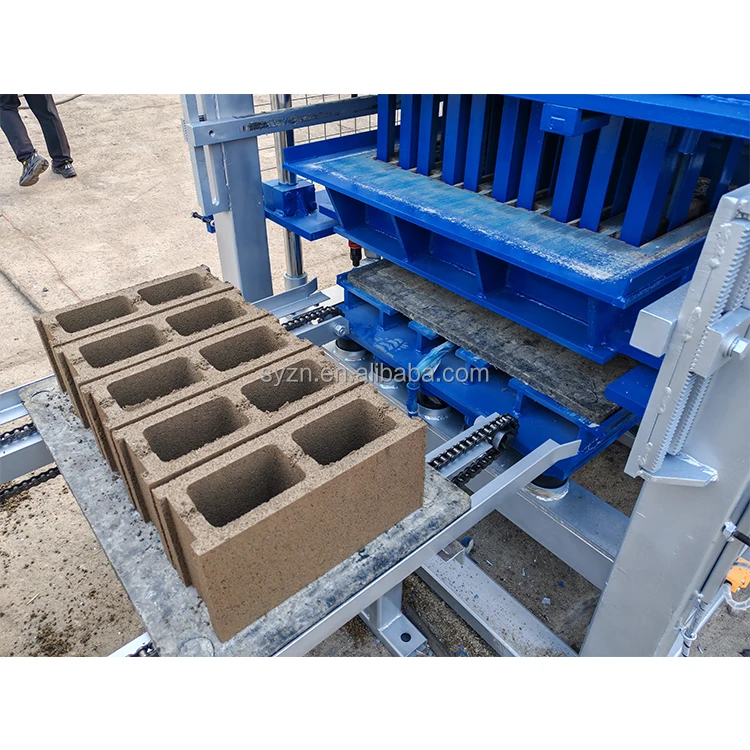
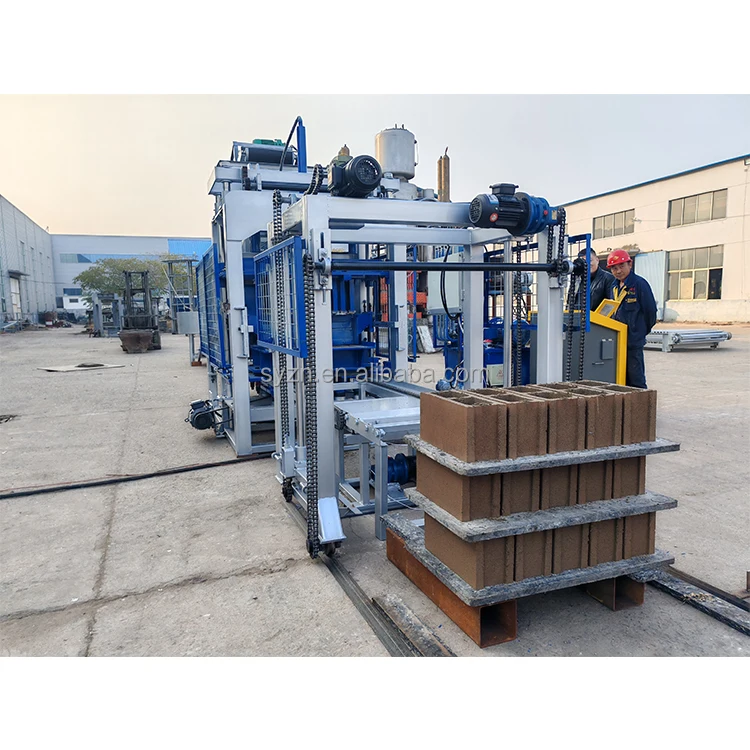
Description
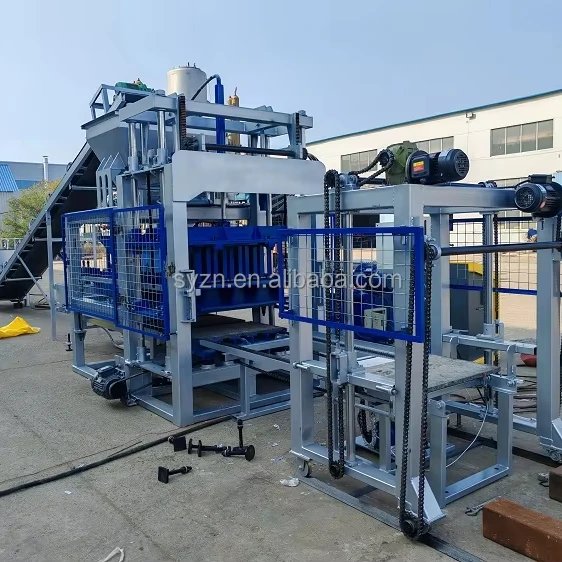
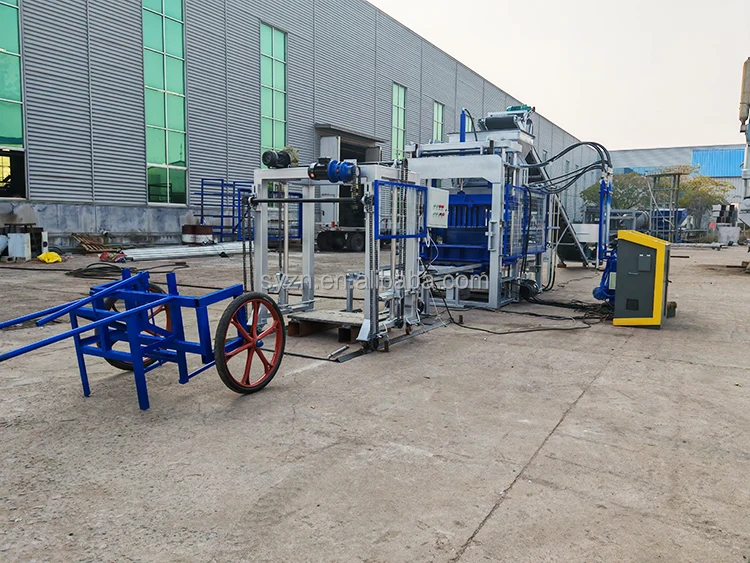
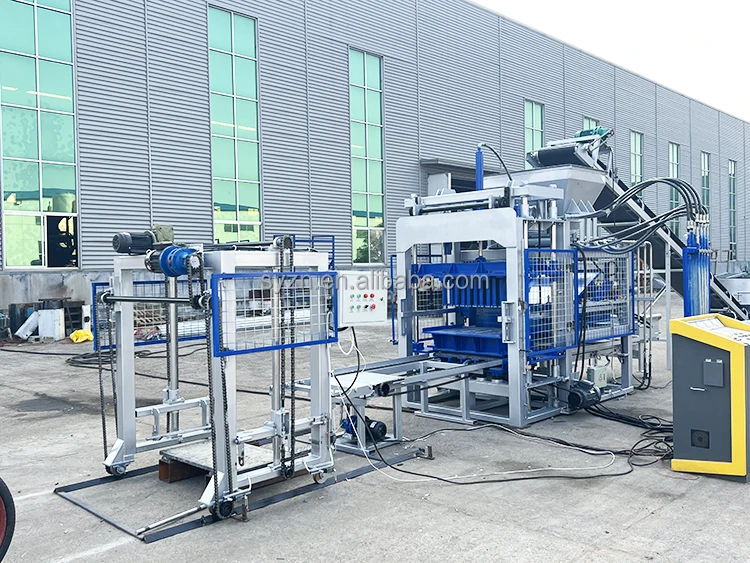
Matched System Sizing — every mould, pallet and vibration setting is configured against your actual block format and local aggregate before the QT4-18 leaves the factory.
Technical Specifications
| Parameter | Value |
|---|---|
| Model | QT4-18 |
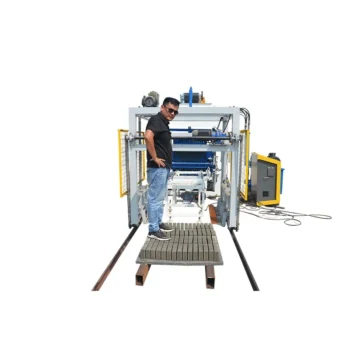
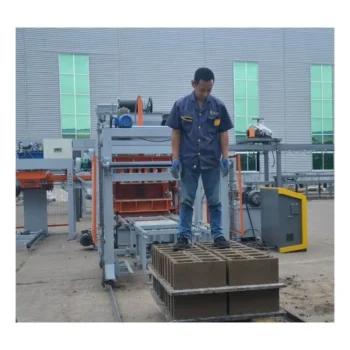
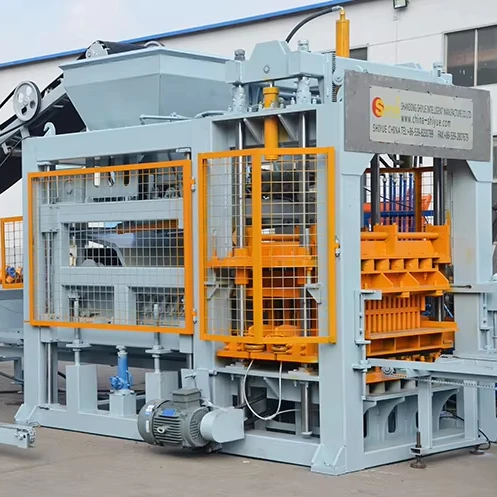
| Product Type | Automatic Concrete Block Making Machine |
| Overall Dimensions (L×W×H) | 3900×1600×2300 mm |
| Molding Cycle | 15–25 s |
| Exciting Power (Vibration Force) | 40–50 kN |
| Total Power | 24 kW |
| Mixer Model | JQ350 |
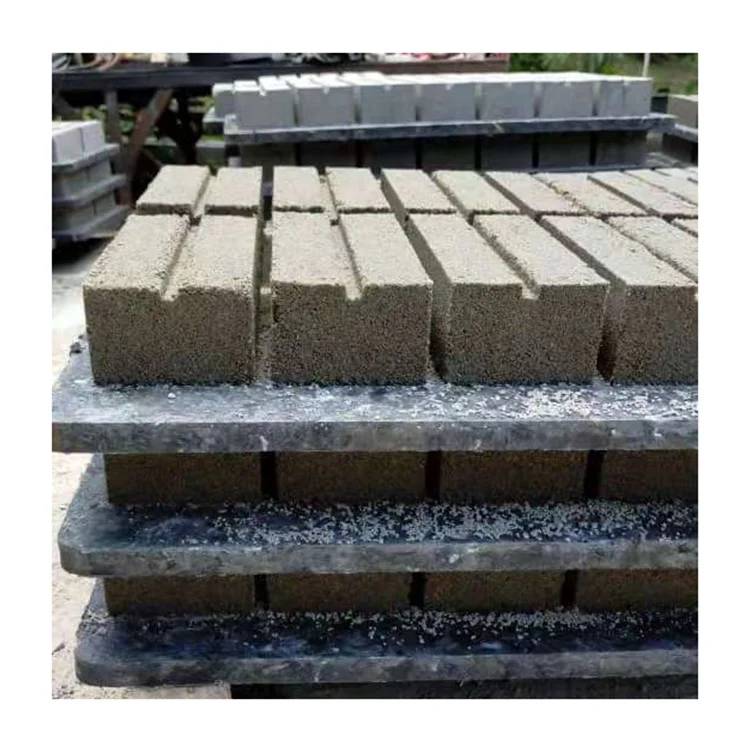
| Pallet Size | 850×550×25 mm |
| Net Weight | 3 T |
| Hydraulic Station | Equipped, high pressure |
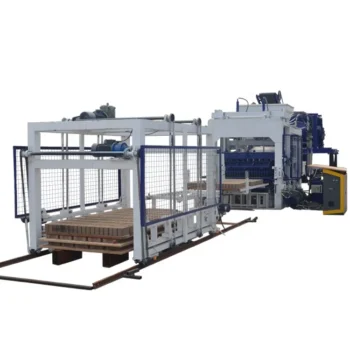
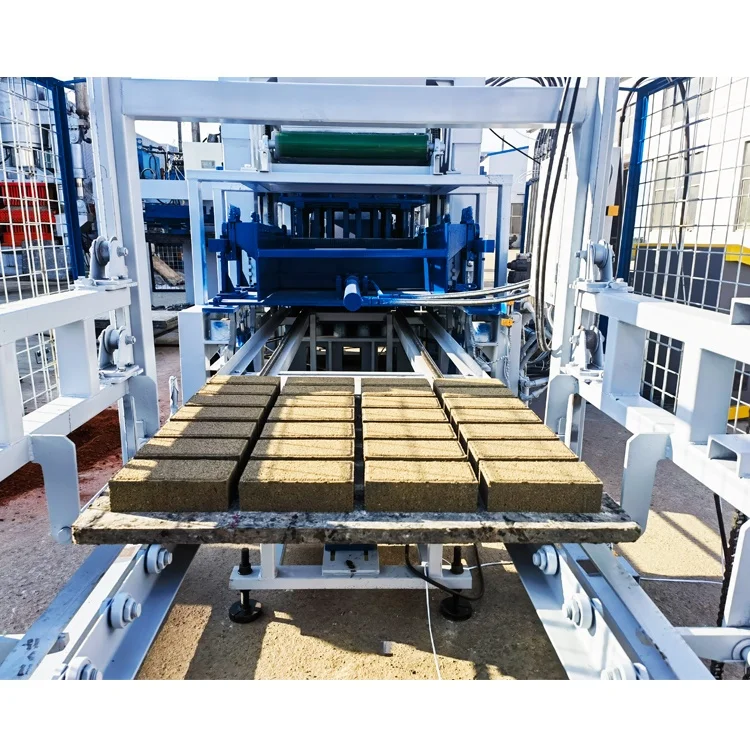
| Vibration System | Bed mould vertical vibration + upper mould compression vibration |
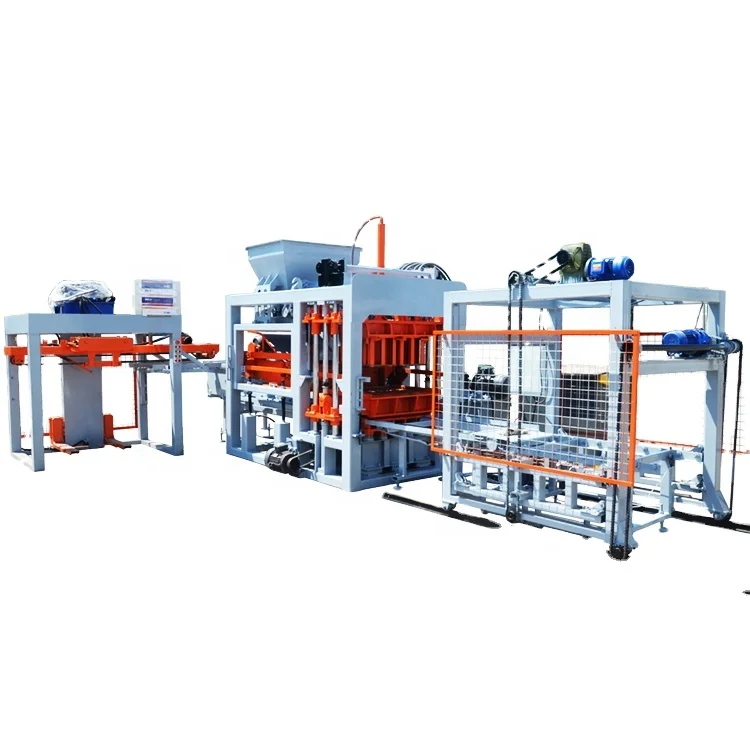
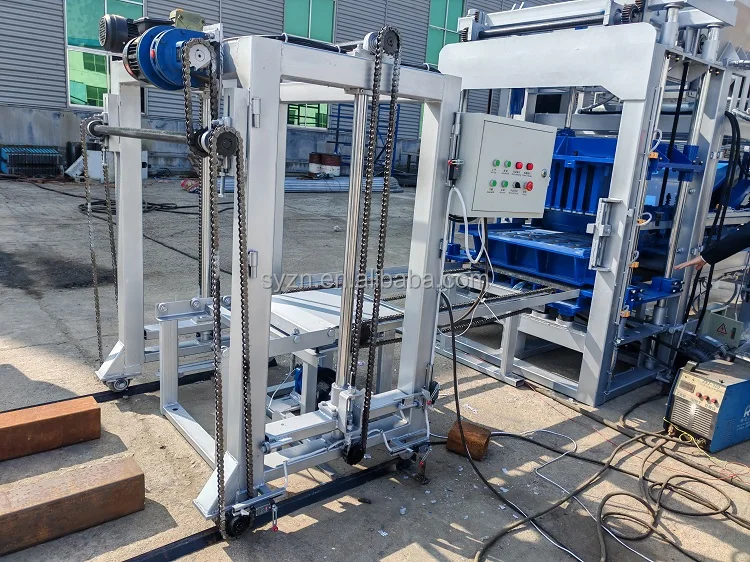
| Stacking Method | Automatic stacker included |
| Pallet Material Option | Fibre glass (wooden pallet also compatible) |
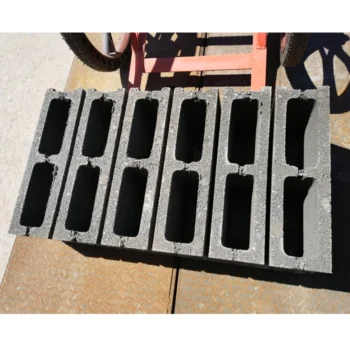
| Applied Products | Paver, solid block, hollow block, curbstone |
| Raw Materials | Crushed stones, sand, cement, dust, fly ash |
| Output Capacity — Hollow Block 400×200×200 mm | 9600–13440 pcs/8hr (basis: 4 pcs/mould, 15–20 s cycle) |
| Output Capacity — Hollow Block 400×150×200 mm | 14400–19200 pcs/8hr (basis: 15–20 s cycle) |
| Output Capacity — Solid Brick 240×115×53 mm | 16200–19440 pcs/8hr (basis: 15–20 s cycle) |
| Container Loading | Nude packing in 20GP, approx. 500 pcs pallets loadable |
| Control System / PLC | Configuration to be confirmed with buyer |
| Voltage & Frequency | To be confirmed per target market |
Application Suitability
| Application | Material or Output |
|---|---|
| Hollow block production | 400×200×200 mm, 400×150×200 mm formats from crushed stone, sand and cement |
| Solid brick production | 240×115×53 mm standard brick from fly ash, stone dust and cement |
| Paving block production | Interlocking and standard pavers from aggregate and cement |
| Kerbstone / curbstone production | Roadside kerbs from crushed stone and cement mix |
Why "Cycles Per Hour" Tells You Nothing About Daily Output
A machine rated at 20 seconds per cycle only delivers that speed on the block format used during factory testing.
When I started following senior engineers on overseas trips, I learned that the gap between catalogue capacity and real daily output is where most block plant projects fail. A buyer in West Africa once specified a mid-size automatic press based on a generic cycles-per-hour figure. Once installed, the local sand had a high clay content that slowed the mould fill, stretching the cycle well beyond the rated range. The daily output dropped to roughly half of what the quotation implied. That is why the block making machine specifications you review must state which exact block format and mould size each capacity figure assumes. The QT4-18 output data above is tied to specific dimensions and a 15–20 second cycle so you can calculate shifts and curing rack space with real numbers. [NEED_CITE: common causes of block machine output shortfall in export markets]
Matching the Press to Your Local Block Market
In many regions, the hollow block format that sells is not the one the factory used to generate the brochure number. If your market runs 400×150×200 mm hollow blocks rather than the 400×200×200 mm standard, the mould cavity count changes, and the daily yield shifts accordingly. This is where honest block making machine specifications matter. The QT4-18 data sheet lists capacity separately for each format so you can pick the mould set that matches your market and plan pallet circulation and curing area around verified numbers.
How to Choose a Block Machine Without Guessing the Aggregate
Local aggregate varies widely — river sand, crushed basalt, quarry dust, laterite — and each one responds differently to vibration force and hydraulic pressure. Before we finalise any configuration, I ask buyers to send a sample of their sand and stone. We run a test batch, adjust the exciting power within the 40–50 kN range, and record the demoulding strength. This step prevents the situation where a machine arrives on site and the operator has to source a completely different raw material just to get acceptable block density. [NEED_CITE: aggregate testing requirements for concrete block production]
Reading the Specifications That Actually Matter
The dual vibration system on the QT4-18 combines vertical vibration through the bed mould with compression vibration from the upper mould. This two-direction approach compacts the mix from both sides, producing consistent density across the block face — important when you are selling pavers that must meet a compressive strength class. The 850×550×25 mm pallet size is not arbitrary; it determines how many blocks cure per square metre of rack space and whether your existing forklift can handle a loaded pallet without overhang. The JQ350 mixer pairs with this press to deliver a batch size that keeps the hopper fed without material sitting too long and losing workability. Mould change across hollow, solid, paver and kerbstone formats is supported on a single host, so one machine can serve multiple product lines as your market develops.
The Hidden Cost of Ignoring Pallet and Voltage Details
I have seen a block plant sit idle for weeks because the buyer ordered a machine wired for 380V/50Hz while the local grid runs 440V/60Hz. The control panel had to be rewired on site, and the PLC display arrived in a language the operators could not read. These are not warranty issues — they are specification failures that happen when voltage, frequency and control language are left unconfirmed. Pallet material is another quiet trap. A buyer who chose bamboo pallets to save cost found they warped after repeated steam curing, causing blocks to crack during transport to the stacking area. Fibre glass pallets on the QT4-18 resist that moisture cycle, but the choice must be made before the order is placed, not after the first batch of warped boards arrives. [NEED_CITE: voltage and frequency standards by export market]
Why Source the QT4-18 Through This Line
Block machinery is the single focus here, so the press, mould, pallet and handling equipment are specified as one matched system rather than assembled from unrelated suppliers. Configuration is set against your actual mix design and target block format, not pulled from a catalogue default. Mould design covers the formats your market sells, including custom drawings if you need a non-standard paver profile. Automation level is selectable — you can start with the semi-automatic QT4-18 and add pallet feeding or stacking automation later as volume grows. Installation support includes operator training on mould change procedure, vibration adjustment and daily maintenance routines.
Documentation & Verification
- Line layout and capacity calculation stating the block format assumed for each output figure
- Mould drawing and format list confirming every block size before production begins
- Pallet specification matched to your curing rack dimensions and forklift capacity
- Hydraulic and electrical schematic showing circuit routing and component ratings
- Factory test record on your requested block format before dispatch
- Voltage, frequency and PLC display language confirmation sheet
Installation, Commissioning & Support
- Foundation plan sized to the 3900×1600 mm footprint and 3 T operating weight
- Dedicated power circuit sized for the 24 kW total draw at your confirmed voltage
- Nude packing in 20GP with pallets shipped separately to prevent transit damage
- On-site vibration force and hydraulic pressure tuning against your live mix
- Operator training on dual vibration adjustment and automatic stacker sequence
- Wear parts list covering hydraulic seals, vibration springs and mould liner plates
What to Share Before Requesting a Quotation
Send the exact block formats your market demands, including dimensions and target compressive strength. Confirm your local aggregate type and whether you can supply a sample for testing. Let us know your site voltage, frequency and preferred PLC display language so the control system is configured before the machine ships rather than adjusted on arrival.
Frequently Asked Questions
Q: How is daily output calculated, and which block format is the capacity figure based on?
A: Each capacity figure for the QT4-18 is stated per specific block format — hollow 400×200×200 mm, hollow 400×150×200 mm, or solid 240×115×53 mm — with a 15–20 second cycle as the basis. Daily output is then calculated by multiplying the per-hour rate by your planned shift hours, minus mould change and maintenance stops.
Q: How long does a mould change actually take on the QT4-18?
A: Mould change time depends on operator familiarity and whether the next mould is pre-staged. On a well-organised line, a trained operator can swap from hollow block to paver mould within a single shift break. The real question is whether your production schedule has enough volume per format to justify the changeover rather than dedicating a second press.
Q: Is the pallet size chosen to match my existing curing area and forklift?
A: The standard 850×550×25 mm pallet is sized so that loaded pallets fit common curing rack bays and standard forklift tines without overhang. Before shipment, we confirm your rack spacing and forklift capacity so the pallet specification is locked to your actual site conditions.
Q: Can the machine handle my local raw material without a mix change?
A: We ask for a sample of your sand, crushed stone or fly ash before finalising the configuration. The vibration force is adjustable within the 40–50 kN range, and the hydraulic pressure is set to match your mix density target. This testing step ensures the machine runs your available material rather than forcing you to source an expensive alternative.
Q: What block strength can I expect from the dual vibration system?
A: Block strength depends on the combination of vibration force, hydraulic pressure and your mix design. The QT4-18 applies vertical vibration through the bed mould and compression vibration from the upper mould simultaneously, which improves density uniformity. Final compressive strength is verified during the factory test using your specific aggregate and cement ratio.