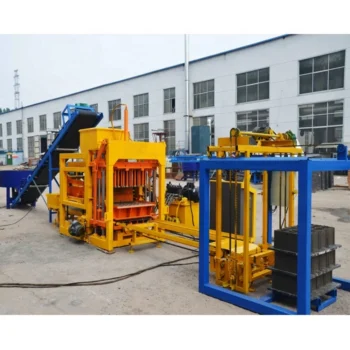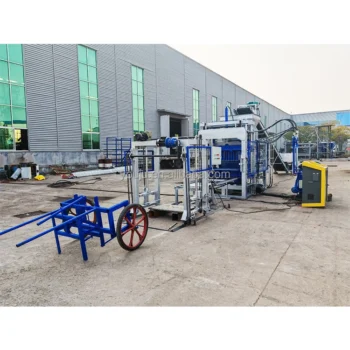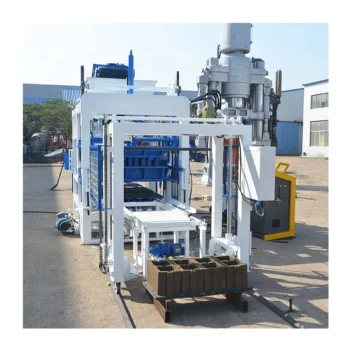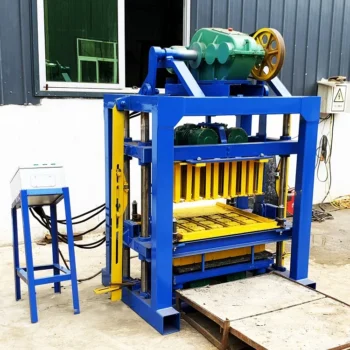
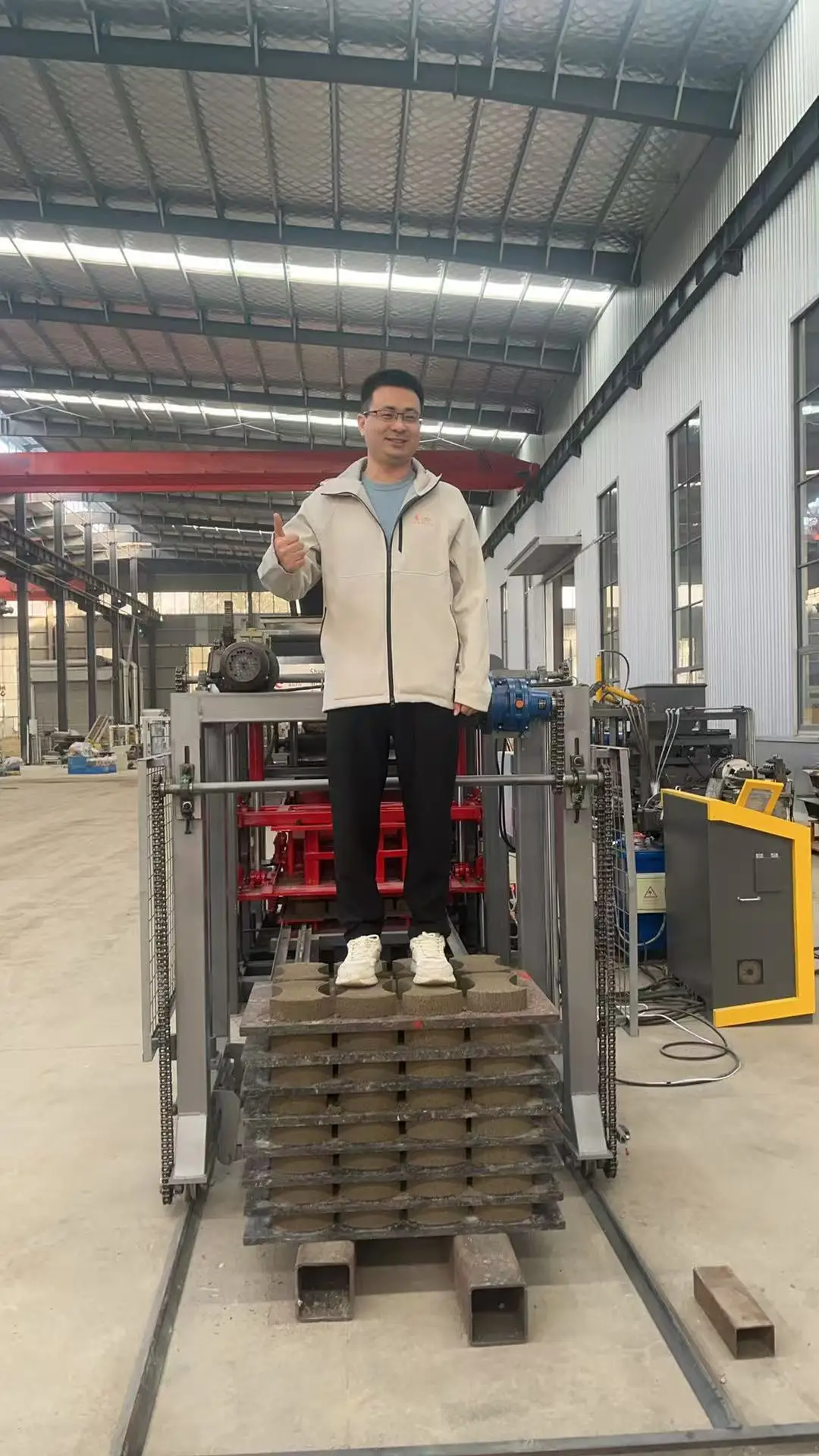

Description
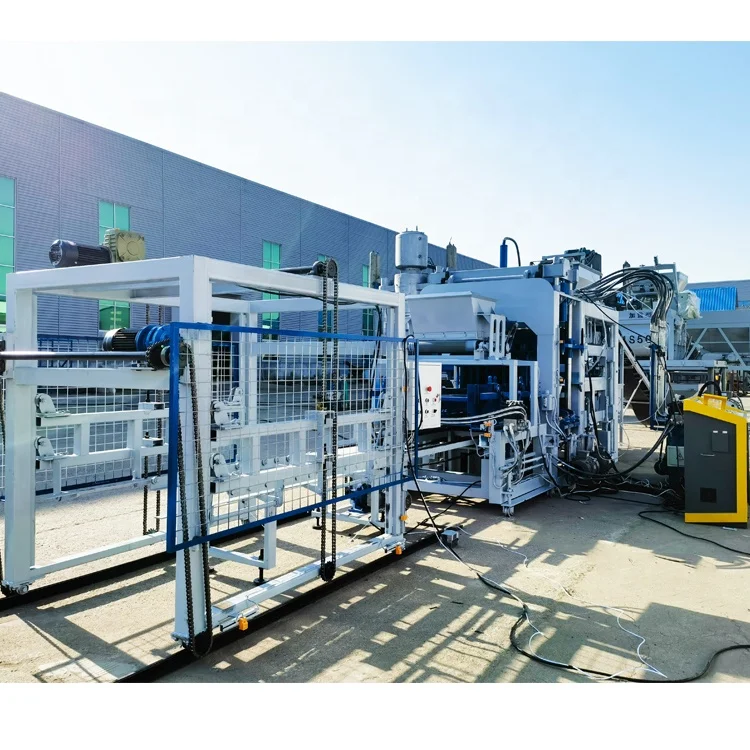
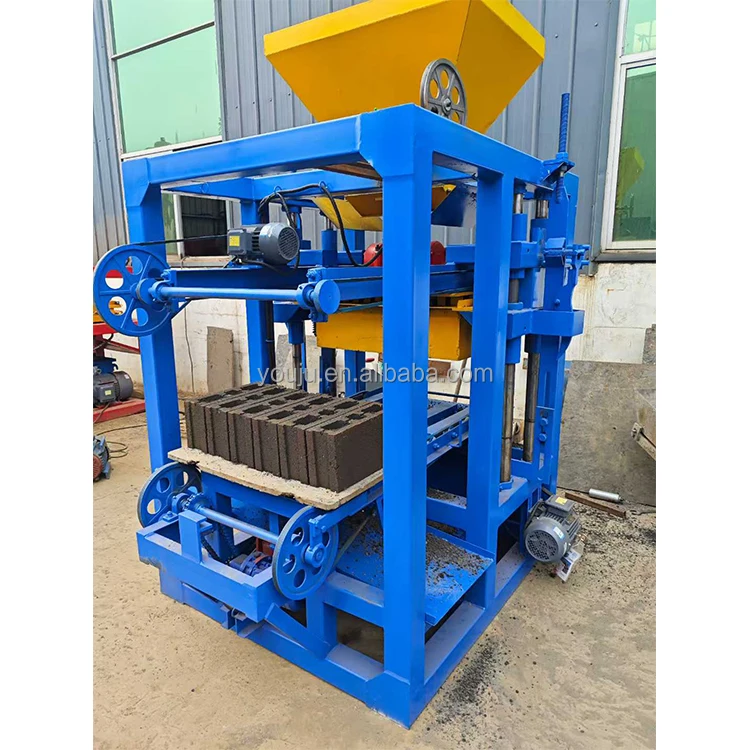
Configuration Set Against Your Actual Mix and Block Format — Every capacity figure for the QT4-15 block making machine specifications how to choose is stated per mould and per format, verified against your local aggregate and cement ratio before production begins.
Technical Specifications
| Parameter | Value |
|---|---|
| Model | QT4-15 |
| Product Type | Automatic Hydraulic Block Making Machine |
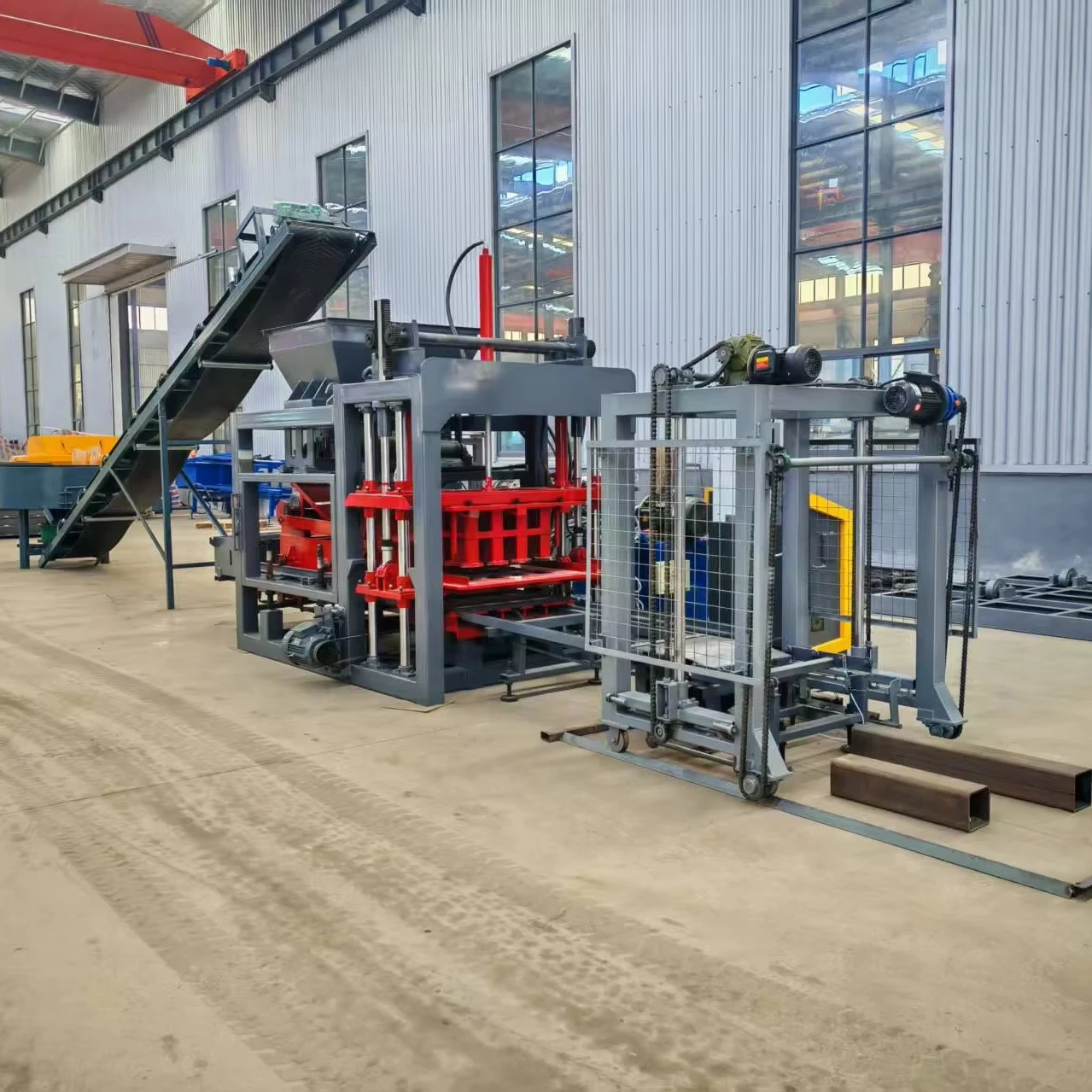
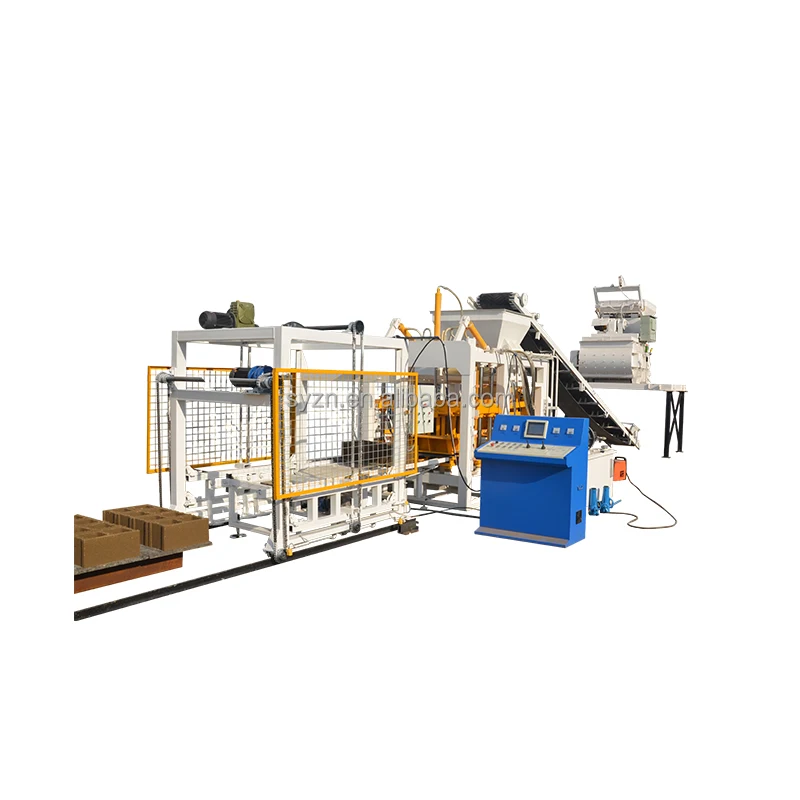
| Overall Dimensions | 7100×1600×2610 mm |
| Host Machine Dimensions | 2800×1800×2550 mm |
| Rated Hydraulic Pressure | 16 MPa |
| Main Vibration Form | Platform Vibration |
| Vibration Frequency | 4600 r/min |
| Vibration Force | 40 kN |
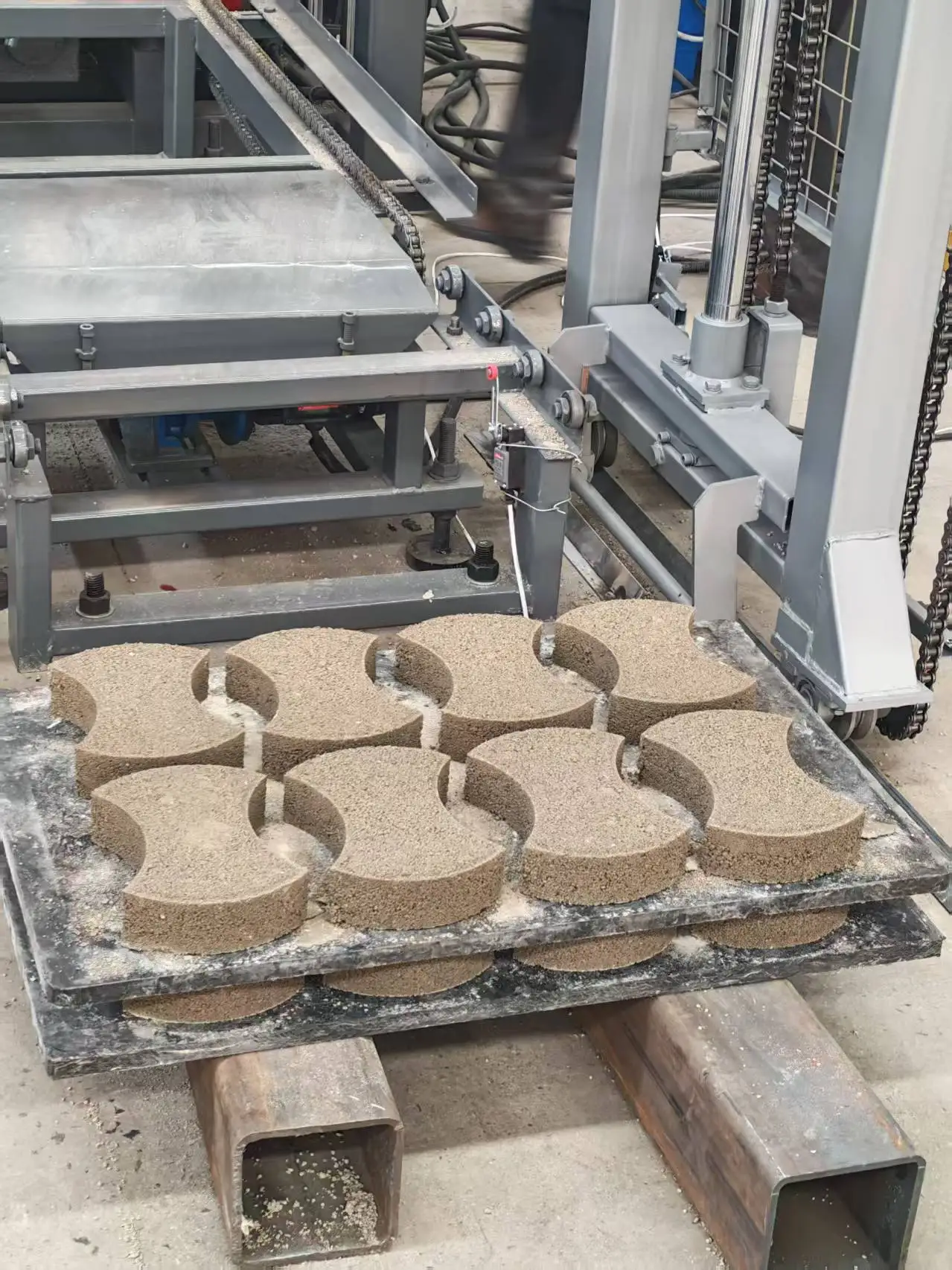
| Pallet Size | 950×550×20/25 mm |
| Molding Cycle | 15–25 s |
| Overall Power | 27.5 kW |
| Host Machine Power | 19.2 kW |
| Total Mass | 5 T |
| General Water Consumption | 4 T/day |
| Motor Brand | Siemens or ABB (buyer selectable) |
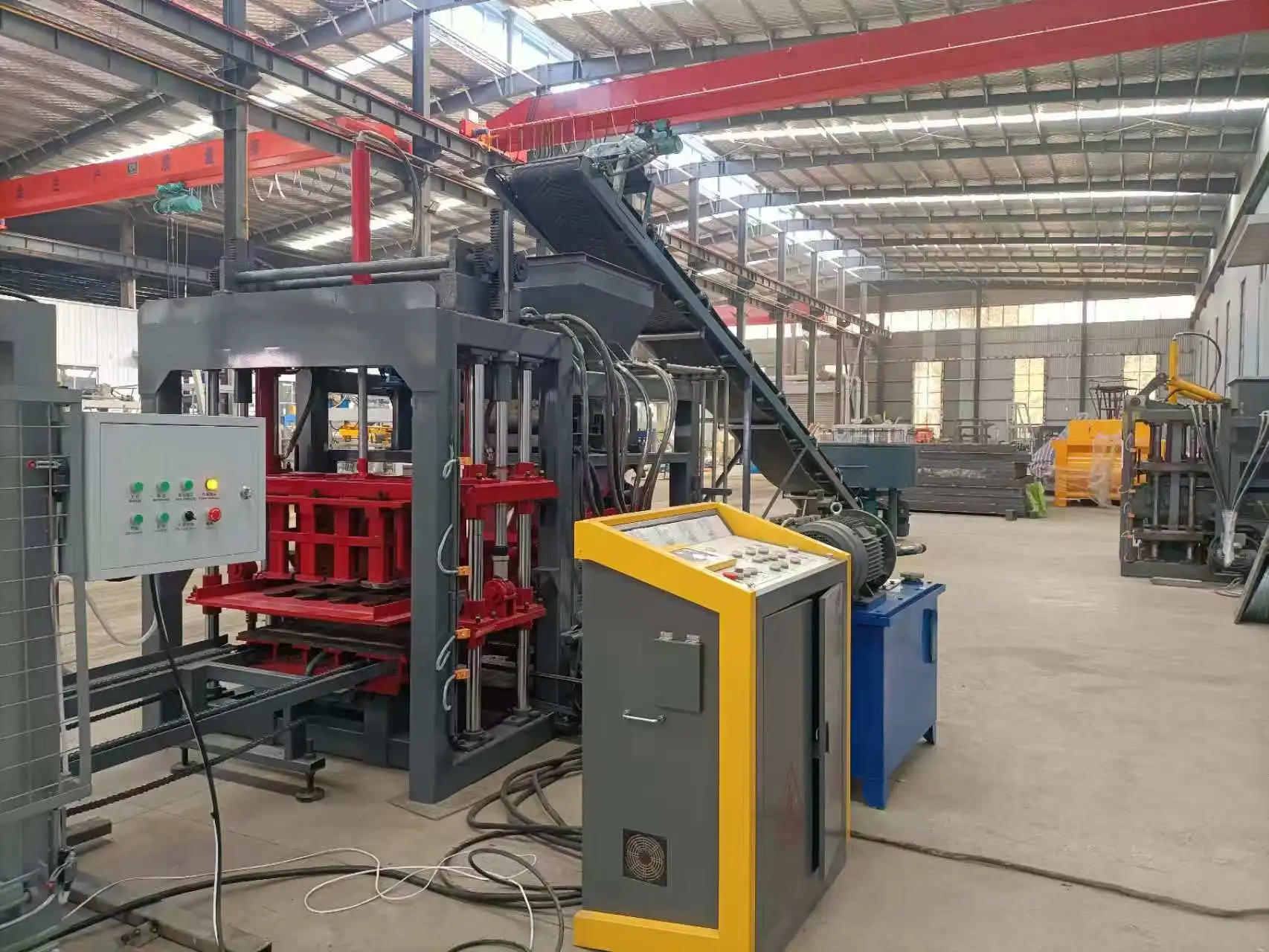
| Control System | Siemens PLC with customizable program |
| Hydraulic System | Double proportional hydraulic valve, Calyca or Youken brand |
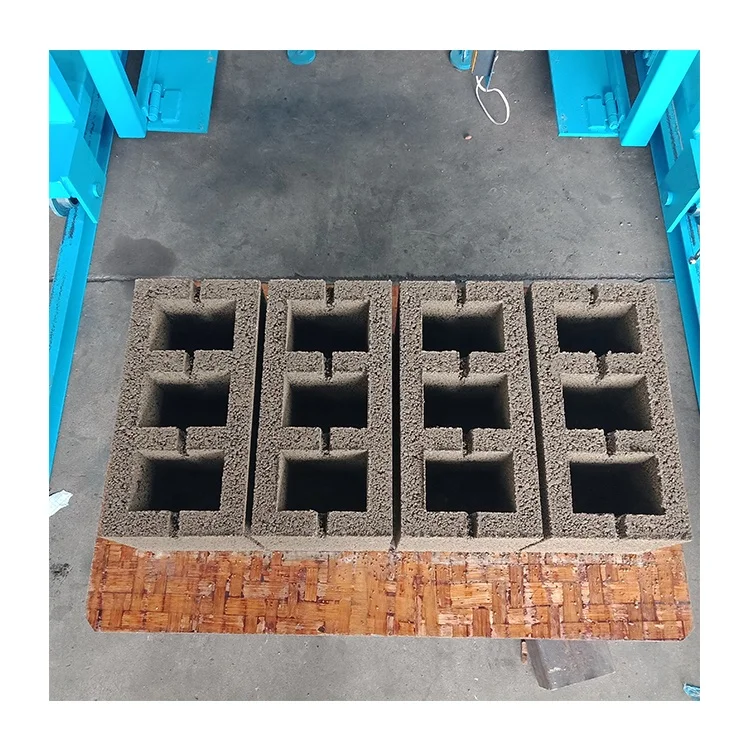
| Output — Hollow Brick (390×190×190 mm) | 4 pcs/mould, 720–960 pcs/h (basis: 15–20 s cycle) |
| Output — Porous Brick (240×115×90 mm) | 14 pcs/mould, 2520–3360 pcs/h (basis: 15–20 s cycle) |
| Output — Standard Brick (240×115×53 mm) | 28 pcs/mould, 5930–6720 pcs/h (basis: 15–17 s cycle) |
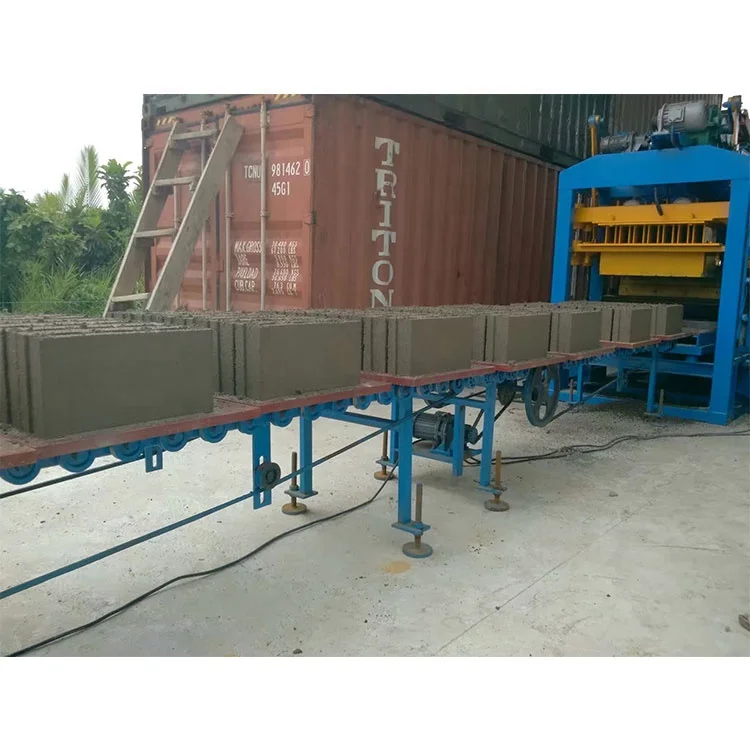
| Assembly State | Stationary, requires fixed plant setup |
Application Suitability
| Application | Material or Output |
|---|---|
| Hollow block production for load-bearing and partition walls | Crushed stone, sand, cement, fly ash blends |
| Porous brick manufacturing for thermal insulation masonry | Cement, lightweight aggregate, sand mixes |
| Standard solid brick for general construction | Sand, gravel, cement at conventional ratios |
| Paving brick and interlocking paver for hardscape projects | Coarse aggregate, cement, pigment additives |
What "720 to 960 Pieces per Hour" Actually Means for Your Plant
Capacity without a named block format is not capacity — it is a guess.
I have seen buyers in Southeast Asia sign contracts based on a headline cycles-per-hour figure, only to find their actual hollow block output sitting at half the promised number once local volcanic ash replaced standard river sand in the mix. The QT4-15 block making machine specifications how to choose are tied to exact brick dimensions and cavity counts here: 390×190×190 mm hollow blocks at four per mould, 240×115×90 mm porous bricks at fourteen per mould, and 240×115×53 mm standard bricks at twenty-eight per mould. Each line carries its own cycle range, and each cycle range assumes a specific mix consistency. When your aggregate shifts, the vibration frequency and hydraulic dwell must shift with it, or the cycle stretches and the daily tonnage drops [NEED_CITE: impact of aggregate moisture variation on block cycle time].
Matching the Mould to the Format Your Market Sells
The QT4-15 block making machine supports three standard mould formats out of the crate, and custom mould design is available for dimensions outside this table. Buyers often assume that a mid-tier machine will produce any brick size at the same cycle speed, but mould cavity count and block height directly govern the vibration dwell and hydraulic press stroke. A taller hollow block demands a longer press cycle than a thin paver, and the PLC program must be adjusted to match. This is the core of the QT4-15 block making machine specifications how to choose conversation — before you commit, you need a capacity sheet that names your exact target format and the cycle time attached to it.
Pallet Size, Curing Area, and the Forklift You Already Own
The standard pallet specification for this machine is 950×550×20/25 mm, and that dimension is not arbitrary. It governs how many wet blocks can move from the press to the curing rack in a single trip, how the curing rack must be spaced, and whether your existing forklift tines can handle the loaded pallet without modification. If your curing shed was built around a different pallet footprint, you either change the pallet and risk rack interference, or you change the rack at unplanned cost [NEED_CITE: pallet and curing rack compatibility in block plants]. Confirming pallet size against your site layout before the machine ships prevents a costly realignment on arrival.
Reading the Hydraulic Pressure and Vibration Force Together
A 16 MPa rated hydraulic pressure paired with 40 kN vibration force at 4600 r/min is a specific combination, not a collection of independent numbers. The vibration force compacts the aggregate while the hydraulic pressure holds the mould frame and applies top compression — if either value is mismatched to the local aggregate gradation, block density drops and breakage during handling increases. Coarse crushed granite needs a different vibration amplitude than fine fly ash blends. The Siemens PLC allows the press operator to adjust cycle timing and pressure curves, but the starting parameters must be set against your actual raw material. This is where a factory test using your mix design matters far more than a generic demonstration run.
The Hidden Cost of Overlooking Mould Change Time
When buyers compare machines, they focus on peak output and overlook the shift time consumed by a full mould swap. A machine that takes most of a working shift to reconfigure from hollow block to paver format effectively cancels the flexibility the buyer paid for [NEED_CITE: mould change procedures and downtime in stationary block production]. With the QT4-15, the mould change procedure involves disconnecting the vibration platform bolts, lifting the mould cassette, and recalibrating the PLC cycle parameters for the new format. If your production schedule demands frequent format switches, you need to understand this time cost up front and plan your shift rotation around it rather than discovering it during your first changeover.
Why Sourcing the Configuration Here Matters
Block machinery as a single focus means the machine, mould, pallet, and handling equipment are specified as one matched system rather than assembled from separate suppliers. For the QT4-15, this means the pallet specification, the mould cavity count, and the vibration platform are validated together before the machine leaves the factory. Configuration is set against your actual mix design and local aggregate — not a catalogue default that assumes Chinese river sand. Mould design covers the formats your market actually sells, including custom drawings for non-standard dimensions. Documentation includes a line layout with capacity calculations that state the block format assumed for every output figure.
Documentation & Verification
- Line layout with capacity calculation stating your target block format and cycle time
- Mould drawing and format list confirming cavity count before production
- Pallet specification sheet matched to your curing rack spacing
- Hydraulic and electrical schematic with voltage and frequency confirmation
- Factory test record on your mix design before dispatch
Installation, Commissioning & Support
- Fixed plant foundation required for the 5 T host machine and vibration platform
- 27.5 kW overall power draw needs a dedicated three-phase circuit at confirmed voltage
- Siemens PLC display language and interface configured before shipment
- On-site vibration frequency and hydraulic pressure calibration against your aggregate
- Operator training covering mould change procedure and cycle parameter adjustment
- Wear parts list and hydraulic valve replacement schedule provided at handover
What to Include in Your First Inquiry
To generate a configuration proposal that reflects your actual production environment, provide the target block format and daily volume you intend to sell, the local aggregate type and any supplementary cementitious materials you plan to use, and your existing pallet size and curing rack dimensions. Include your site voltage, frequency, and the language your operators will need on the PLC display. If you have an existing mixer or batching plant upstream, note its capacity so the feeding system can be matched to avoid bottlenecking the press.
Frequently Asked Questions
Q: How is the per-hour capacity calculated, and which block format does each number assume?
A: Each capacity figure is derived from the mould cavity count multiplied by the number of cycles completed in one hour at the stated cycle range. For example, the hollow block figure of 720–960 pieces per hour assumes the 390×190×190 mm mould at four cavities and a 15–20 second cycle. No single headline number applies across all formats.
Q: Can the mould be changed to produce a different block dimension, and what is the procedure?
A: Yes, the QT4-15 accepts replacement moulds for different block formats. The change involves unbolting the mould cassette from the vibration platform, installing the new mould, and adjusting the PLC cycle parameters to match the new block height and cavity count. Custom mould design to buyer drawings is available for non-standard dimensions.
Q: How does the vibration force and hydraulic pressure interact with my local aggregate and mix design?
A: The 40 kN vibration force compacts the aggregate while the 16 MPa hydraulic system provides top compression. Coarse aggregate may require longer vibration dwell than fine sand or fly ash blends. The PLC allows cycle adjustment, but the starting parameters should be validated against your specific mix during the factory test.
Q: What pallet size does the QT4-15 require, and can it match my existing curing setup?
A: The standard pallet is 950×550×20/25 mm. This size must align with your curing rack spacing and forklift tine width. If your existing curing infrastructure uses a different pallet footprint, confirm compatibility before ordering to avoid rack modification or pallet replacement after arrival.
Q: How do I confirm the voltage, frequency, and control language before the machine ships?
A: Provide your site voltage, frequency, and preferred PLC display language during the inquiry stage. These parameters are confirmed in writing before production so the motor, hydraulic pump, and Siemens PLC are configured correctly, avoiding commissioning delays when the machine arrives at your plant.