Block Cuber End-of-Life Recycling & Disposal Wholesale Supplier
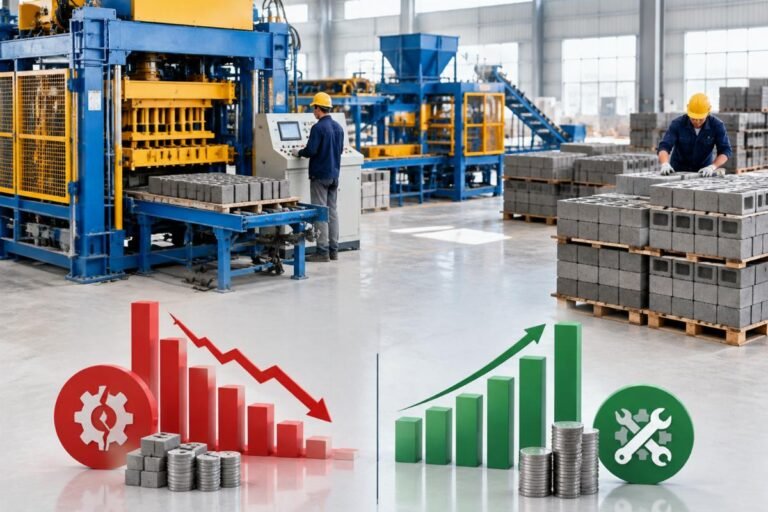
Most plant owners assume an old block cuber is worthless scrap, but proper segregation can recover enough value to offset the entire decommissioning labor cost.
Proper end-of-life planning for block cubers prevents environmental penalties and recovers residual asset value through structured dismantling and material segregation. When a concrete block machine reaches its operational limit, the immediate impulse is often to clear the floor space quickly. However, treating a block cuber end-of-life recycling process as simple waste removal invites regulatory fines and forfeits significant scrap revenue. The steel frames, hydraulic components, and electronic modules each require distinct handling protocols to ensure compliance and maximize return. By implementing a systematic drainage and separation strategy, facility managers in emerging markets can transform a costly disposal burden into a streamlined, value-retaining operation.

The transition from active production to decommissioning is rarely linear. It involves navigating local waste regulations, managing hazardous fluids, and identifying buyers for specific metal grades. This guide outlines the practical steps derived from field experiences across Africa and Southeast Asia, ensuring that your block cuber end-of-life recycling effort is both compliant and economically sound.
Why End-of-Life Planning Matters for Block Plants?
Ignoring end-of-life protocols turns a manageable asset liquidation into a regulatory liability with hidden costs.
Many investors view the purchase of new equipment as the primary financial event, overlooking the exit strategy. Yet, the cost of improper disposal often exceeds the initial savings from skipping professional services. In regulated zones, fines for improper fluid disposal can exceed professional recycling service fees by several times. [NEED_CITE: comparative cost analysis of industrial waste fines vs recycling fees] Furthermore, unplanned downtime during site clearance can delay the installation of new lines, impacting production schedules and revenue.
Consider the case of a plant upgrade in West Africa. The management team decided to remove an old QT series unit themselves to save on contractor fees. They lacked a plan for the hydraulic fluid containment. When the local environmental agency inspected the site, they found oil seepage into the soil. The resulting cleanup mandate and fines halted operations for days, costing far more than a planned draining service would have. This scenario highlights why block cuber end-of-life recycling must be integrated into the initial project budget, not treated as an afterthought.
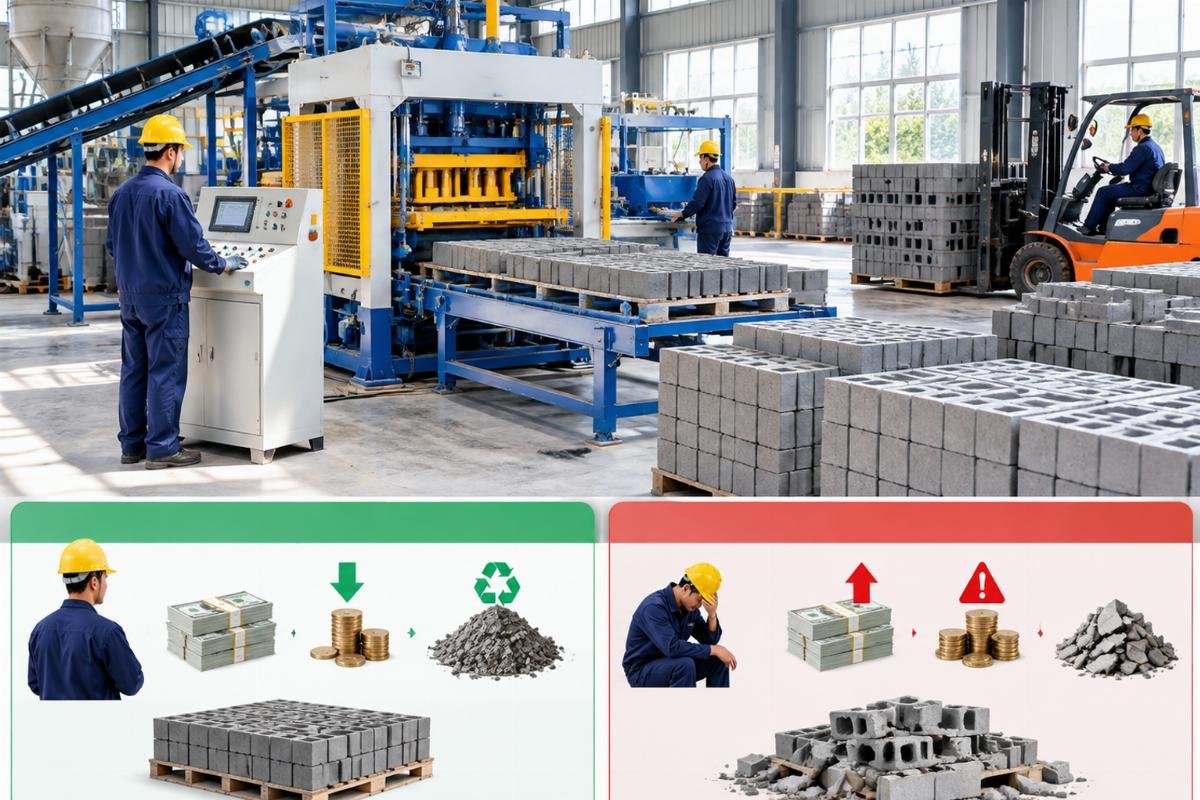
Effective planning also unlocks hidden value. Segregated steel frames and pallets often cover a significant portion of decommissioning labor costs. By identifying these assets early, plant managers can negotiate better terms with scrap dealers or even trade them in for credits on new machinery. The key is to view the old machine not as junk, but as a collection of raw materials with established market values.
What Are the Hidden Hazards in Old Cubers?
Hydraulic oils and electronic waste pose severe environmental risks that require specialized handling beyond standard industrial waste protocols.
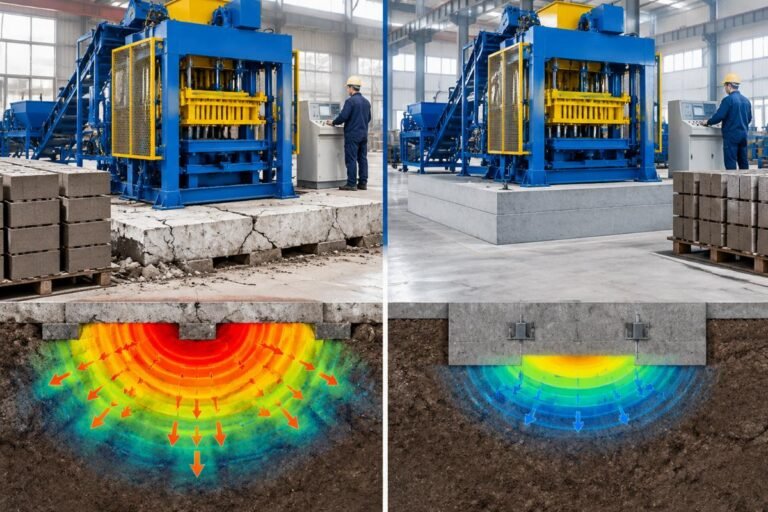
The most immediate danger in decommissioning a block cuber lies in its fluid systems. Hydraulic oils, lubricants, and coolants are classified as hazardous waste in most jurisdictions. Simply draining them into open containers or letting them spill onto the factory floor violates international environmental standards such as ISO 14001 principles. [NEED_CITE: ISO 14001 guidelines on hazardous waste management] These fluids can contaminate groundwater and soil, leading to long-term liability for the plant owner.
In addition to fluids, the electronic components present a growing challenge. Modern block cubers rely on PLCs, sensors, and variable frequency drives. These devices contain heavy metals and other toxic substances that classify them as e-waste. Dumping them with general industrial trash is illegal in many regions and poses health risks to workers. A regulatory audit in Latin America once flagged a facility for missing documentation on disposed PLC units, forcing a costly retrospective tracking exercise. [NEED_CITE: e-waste regulatory compliance requirements for industrial electronics]
To mitigate these risks, a strict fluid drainage protocol is essential. This involves using sealed drums for hydraulic oil and labeling them clearly for certified handlers. For electronic parts, maintaining a record of serial numbers and disposal certificates ensures audit readiness. Ignoring these hazards not only threatens the environment but also jeopardizes the company’s operating license. Proper block cuber end-of-life recycling begins with containing these hazards before any cutting or dismantling occurs.
How to Maximize Scrap Value During Dismantling?
Segregating materials by type and purity transforms scrap from a bulk commodity into high-value individual streams.
The assumption that all metal is equal leads to significant revenue loss. Steel frames, copper wiring, and aluminum housings have vastly different market values. Mixing them reduces the overall price per ton because recyclers must spend extra energy separating them. A structured dismantling approach ensures that each material stream remains pure and commands the highest possible price.
Start with the steel structure. The main frame of a block cuber is typically made of high-grade structural steel. Cutting this into manageable pieces without contaminating it with rubber or plastic increases its appeal to steel mills. Next, focus on non-ferrous metals. Copper wires from motors and control panels are highly valuable. Stripping insulation carefully preserves the copper’s purity. Aluminum components, such as heat sinks or housing covers, should be kept separate from steel to avoid magnetic sorting issues at the recycling plant.
Usable parts also hold value. Pallets, molds, and certain hydraulic cylinders may still be functional or repairable. Selling these as used spare parts can yield higher returns than melting them down. In a Southeast Asia site clearance, selling steel pallet frames as scrap versus dumping them resulted in a noticeable difference in net recovery. The revenue from the scrap helped offset the labor costs of dismantling. [NEED_CITE: scrap metal pricing trends for ferrous vs non-ferrous materials]
Shiyue’s durable steel frame design facilitates easier cutting and higher scrap purity, making the separation process more efficient. By designing for disassembly, the manufacturer ensures that the block cuber end-of-life recycling process is less labor-intensive and more profitable for the owner.

What Compliance Documents Do You Need?
Maintaining a clear paper trail for waste streams is critical for passing environmental audits and avoiding legal penalties.
Regulatory bodies increasingly require proof of responsible disposal. Simply handing over waste to a collector is no longer sufficient. Plant managers must obtain and file certificates of destruction or recycling for hazardous materials. This documentation serves as legal protection against future claims of environmental negligence.
Key documents include waste transfer notes for hazardous fluids, e-waste disposal certificates for electronic components, and bills of lading for scrap metal shipments. Each document should detail the type of waste, quantity, date of transfer, and the licensed status of the recipient. In some regions, missing documentation for electronic PLC components can trigger a full site audit, disrupting operations. [NEED_CITE: industrial waste documentation requirements in emerging markets]
Creating a centralized logbook for all disposal activities simplifies this process. Record every transaction, from the draining of hydraulic oil to the sale of steel frames. This log should be accessible for inspection at any time. Digital records are preferable, as they are easier to search and back up. Ensuring that all third-party handlers are certified and licensed is equally important. Using unlicensed disposers shifts the liability back to the plant owner if violations occur.
Proper documentation also enhances the company’s reputation. Demonstrating commitment to environmental stewardship can improve relationships with local communities and government agencies. It signals that the business operates with integrity and foresight. For block cuber end-of-life recycling, this administrative diligence is as crucial as the physical dismantling work.
When Should You Involve Professional Recyclers?
Professional intervention is necessary when hazardous materials are present or when internal resources lack the capacity for safe segregation.
Not every decommissioning job requires external help, but certain thresholds make professional involvement mandatory. If the volume of hydraulic oil exceeds small-scale containment capabilities, or if the facility lacks trained personnel for handling e-waste, hiring a certified recycler is the safest option. Professionals bring specialized equipment for fluid extraction and certified channels for hazardous waste disposal.
Criteria for engaging professionals include the presence of large volumes of contaminated soil, complex electronic assemblies, or strict local regulatory deadlines. In regulated zones, the cost of professional services is often lower than the potential fines for non-compliance. Additionally, professional recyclers can provide accurate valuations for scrap materials, ensuring that the plant owner receives fair market value.
For plants upgrading to new Shiyue lines, trade-in consultations can simplify this decision. The manufacturer can assess the old equipment and offer a structured removal service that includes compliance handling. This approach reduces the administrative burden on the plant manager and ensures that the block cuber end-of-life recycling process aligns with international best practices. Knowing when to call in experts prevents costly mistakes and ensures a smooth transition to new production capabilities.

Conclusion
Strategic decommissioning turns a logistical challenge into a value-recovery opportunity while ensuring full regulatory compliance.
Treating the end of a block cuber’s life as a structured project rather than a waste problem yields financial and operational benefits. By segregating materials, managing hazardous fluids correctly, and maintaining rigorous documentation, plant owners can avoid fines and recover significant asset value. This disciplined approach supports sustainable manufacturing practices and prepares the facility for future upgrades. Proper block cuber end-of-life recycling is not just about disposal; it is about responsible asset management throughout the machine’s entire lifecycle.