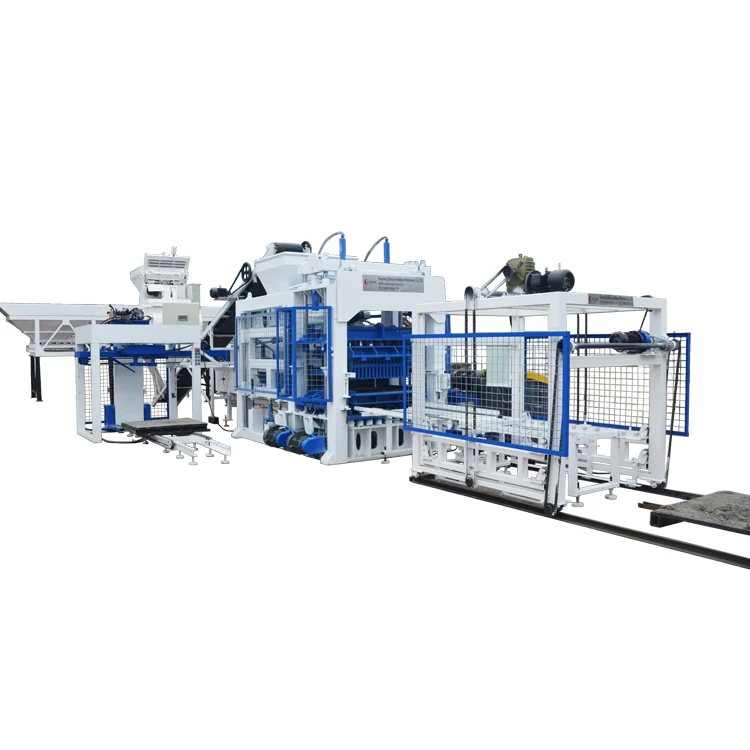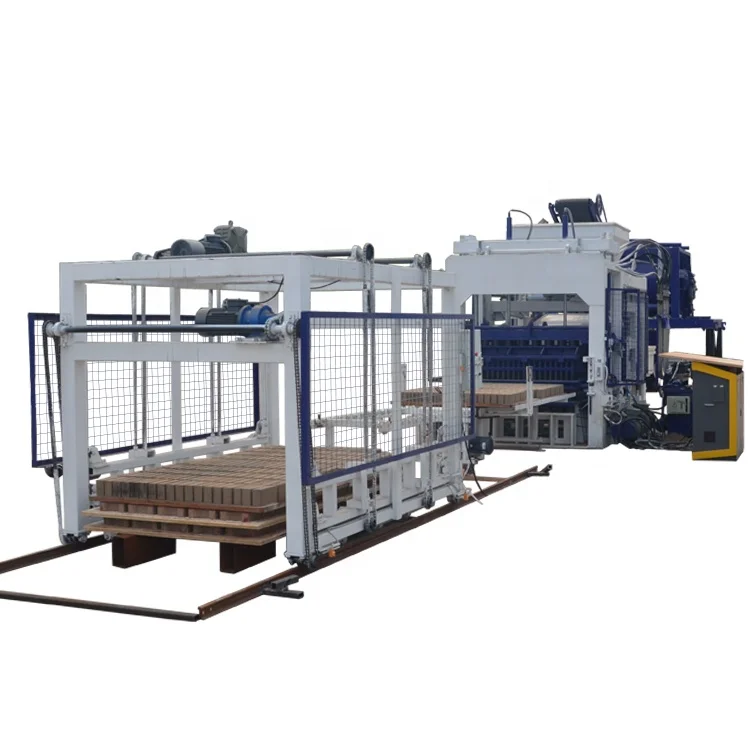
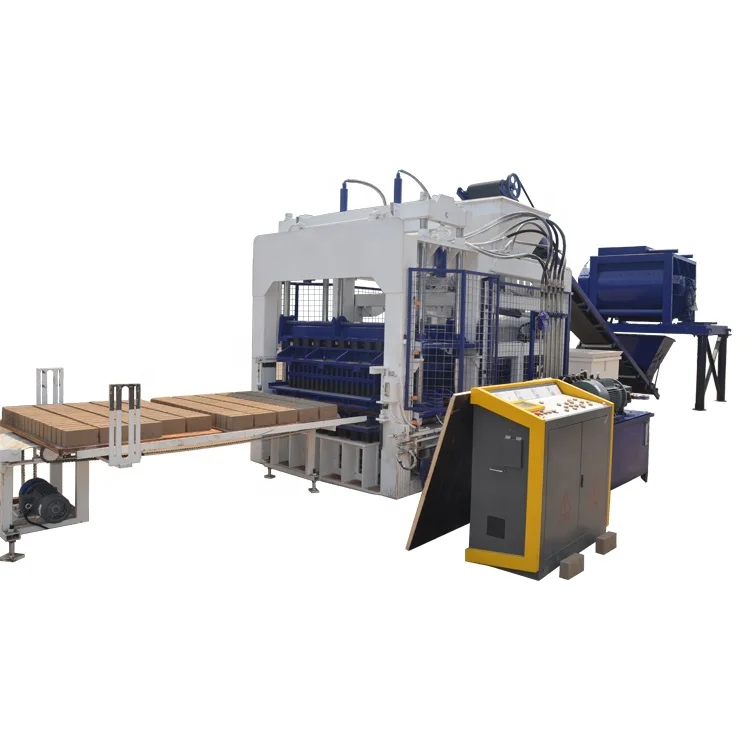

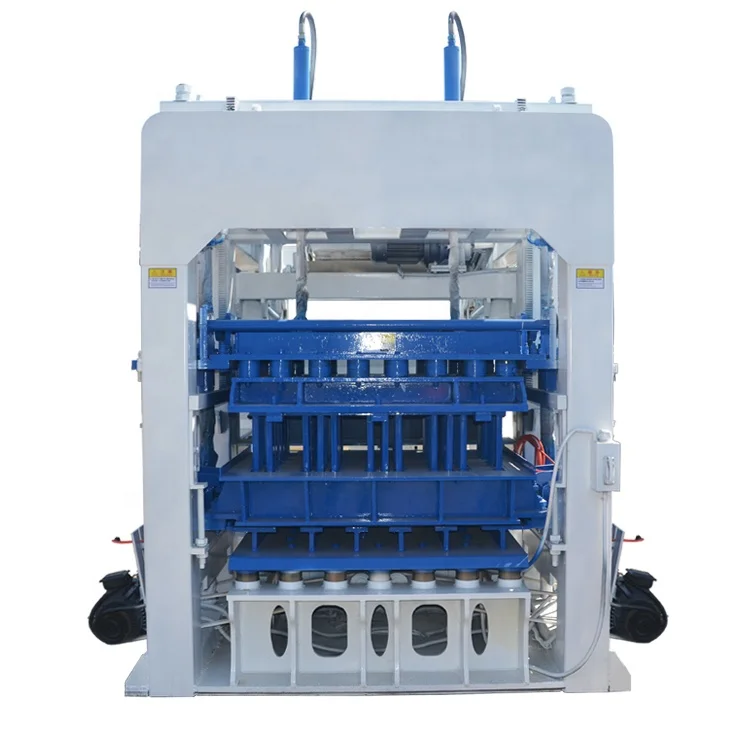
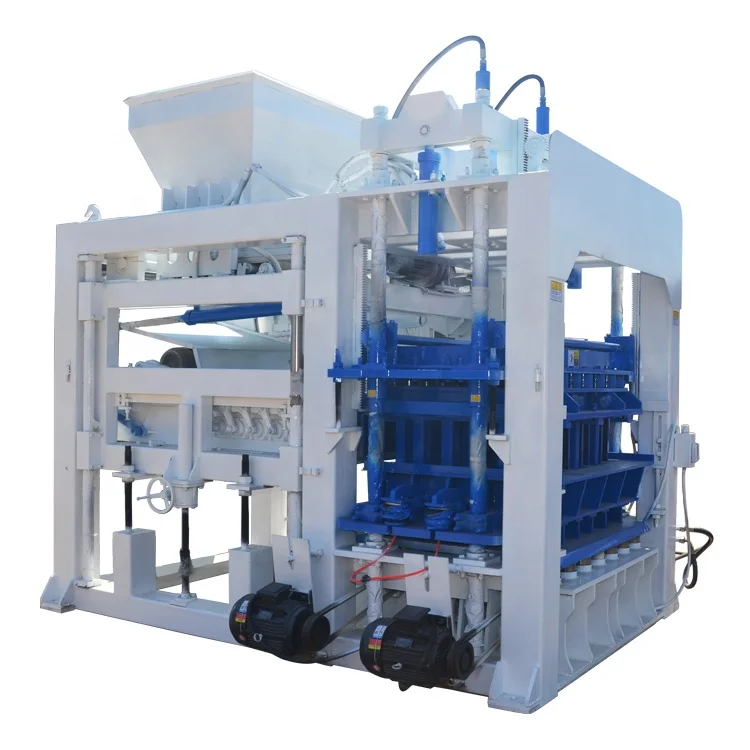
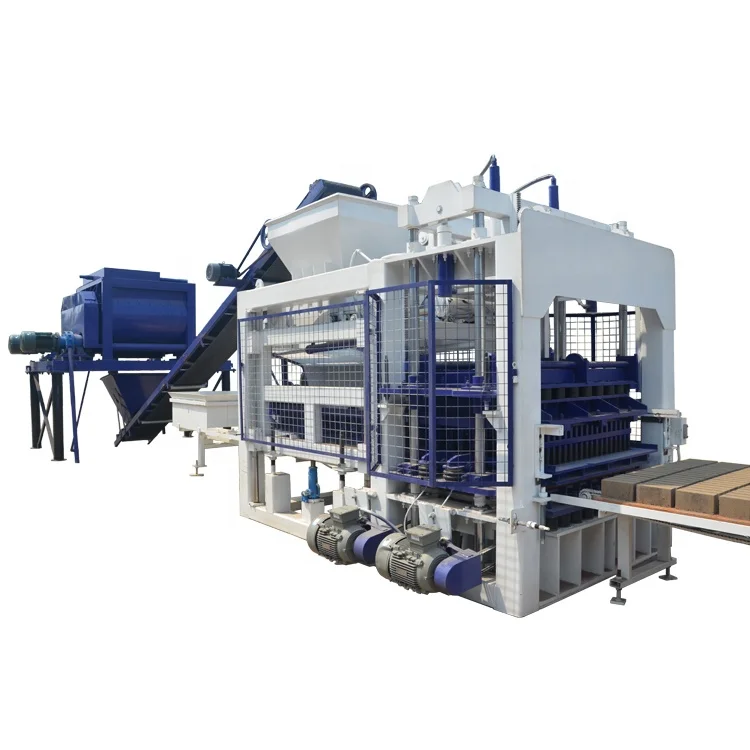
Description
Mould-to-market matching — QT12-15 block making machine specifications are sized against your target format and local aggregate, not a default catalogue cycle.
Technical Specifications
| Parameter | Value |
|---|---|
| Model | QT12-15 |
| Product Type | Fully Automatic Hydraulic Block Making Machine |
| Rated Power | 62 kW |
| Voltage & Frequency | Configured to buyer’s local industrial supply (exact V/Hz confirmed before order) |
| Control System | PLC (display language confirmed prior to build) |
| Pallet Size | 1300 × 900 mm |
| Vibration Type | Table vibration (dynamic + static table with frequency conversion) |
| Vibration Acceleration | 20g (basis not stated in source — confirm block format / material / thickness) |
| Vibration Force | 120 kN |
| Moulding Cycle | 15–30 seconds (depends on block format and wall thickness) |
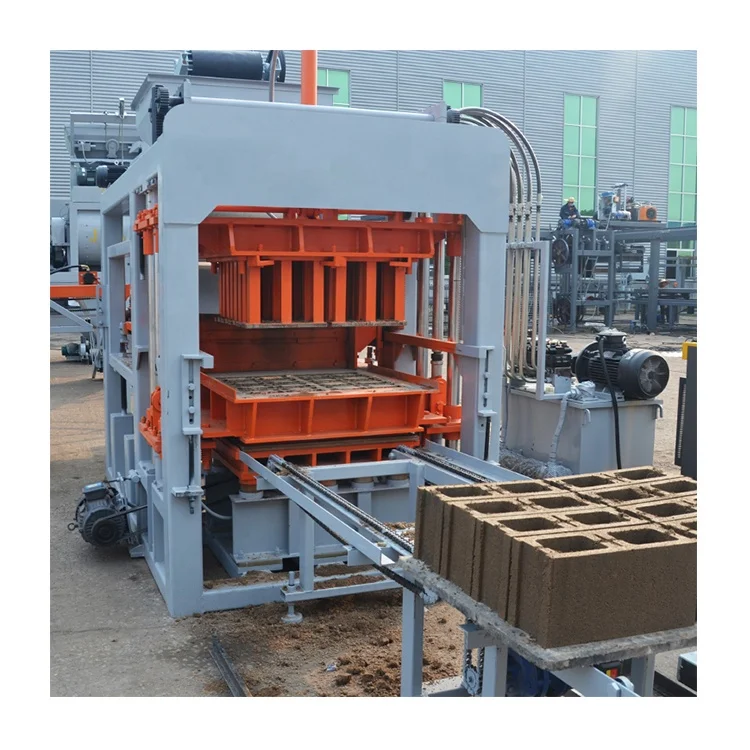
| Feeding System | 360° rotating press-in arch breaker |
| Noise / Vibration Damping | Flexible pressure-head damping + adjustable air-bag mould-box damping |
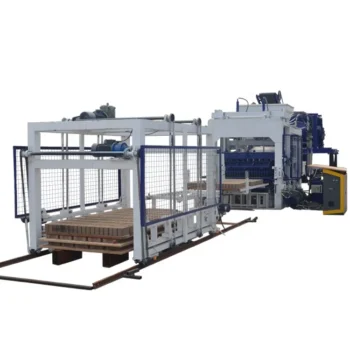
| Automation Level | Fully automatic (pallet feeding; stacking extent confirmed per line layout) |
| Certification | CE (referenced in company documentation scope; certificate details to be confirmed) |
Application Suitability
| Application | Material or Output |
|---|---|
| Hollow block production | Fly ash, cement, sand and coarse aggregate blends |
| Paving block manufacturing | High-density concrete mixes with fine aggregate |
| Solid block for load-bearing walls | Cement, crushed stone and graded sand |
| Kerbstone and interlocking brick | Semi-dry concrete with pigment additives |
| Porous brick and slope-protection units | Lightweight aggregate and permeable concrete formulations |
Why "Cycles per Hour" Misses the Real Output of the QT12-15 Block Making Machine
Daily output depends on the block format, not just the press speed.
Many quotations quote a single cycles-per-hour figure that assumes a small, fast-cycling paver and then apply it to a large hollow block that needs a longer vibration hold. On site, the actual pallet count falls noticeably short of the projected shift total, leaving contractors chasing missed targets. When the QT12-15 block making machine specifications are reviewed, the moulding cycle ranges from 15 to 30 seconds depending on cavity depth and mix behaviour. [NEED_CITE: concrete block cycle time variation by format and compaction requirement] A honest capacity sheet must state the assumed format alongside every output number.
Pallet Size and Curing Area Alignment
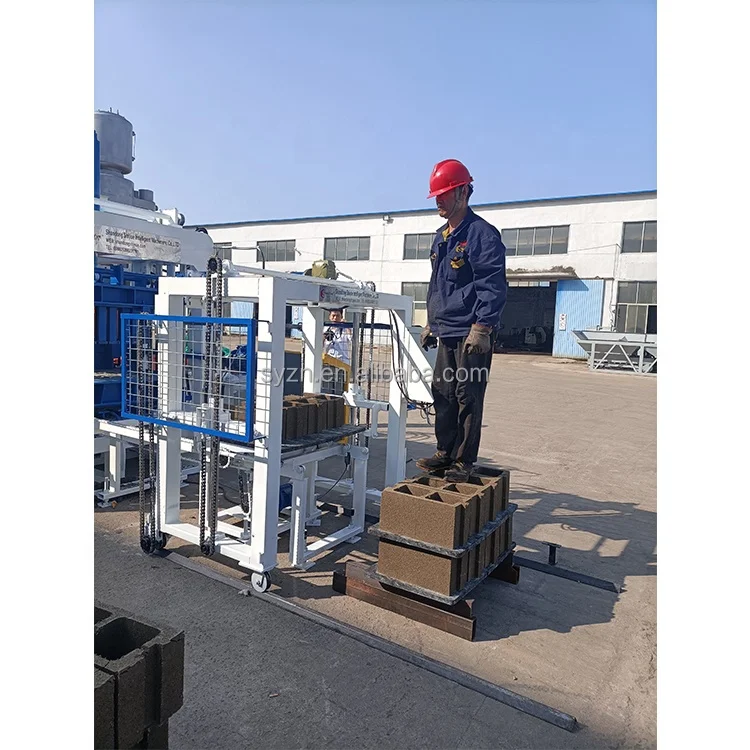
The 1300 × 900 mm pallet defines how many blocks travel through the press each cycle and how they stack in the curing yard. If the curing racks or forklift tines at the destination plant were sized for a different pallet dimension, blocks will need manual re-stacking before they even enter the kiln or steam room. Confirming pallet compatibility before the QT12-15 block making machine specifications are finalised prevents costly yard rearrangements after arrival.
Vibration and Hydraulic Pressure as a Matched Pair
Table vibration at 20g acceleration works in concert with hydraulic head pressure to compact the mix. Different aggregates — river sand versus crushed basalt versus fly ash — demand different vibration durations to reach full density. If the vibration force is set too high for a brittle fly-ash mix, the green block cracks on demoulding; too low and the paver fails a drop-weight test. The frequency-conversion table on the QT12-15 block making machine specifications allows the operator to dial in the acceleration curve that suits the local material. [NEED_CITE: vibration compaction principles in concrete block production]
Reading the Core Parameters Beyond the Datasheet
Rated power of 62 kW tells you the electrical supply must handle sustained peak draw during simultaneous vibration and hydraulic pump operation. The 360° rotating press-in arch breaker eliminates bridging in the hopper, which matters when the mix contains sticky fly ash or recycled crusher dust. Flexible pressure-head damping and adjustable air-bag mould-box damping reduce transmitted shock to the machine frame, extending wear-part intervals. Together these features shape the consistency of block density from the first pallet of the shift to the last.
The Hidden Cost of Skipping Format-Level Capacity Checks
When a plant buys on headline cycle time alone, the first week of production often reveals that the target hollow block needs a longer vibration hold than the quoted figure assumed. The shortfall compounds across every shift, and the owner either accepts lower revenue or pushes the machine beyond its thermal limits to catch up. [NEED_CITE: industrial equipment capacity verification practices] Aligning the QT12-15 block making machine specifications with the buyer’s exact block drawing and mix design removes that risk before the machine ships.
Why Buyers Source This Format-Matched Approach Here
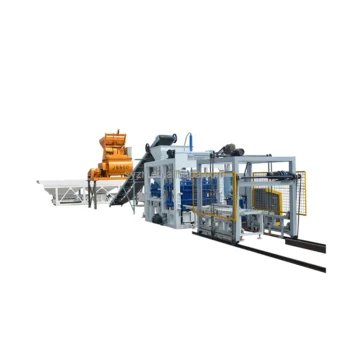
Block machinery is the single focus, so the press, mould, pallet and handling equipment are specified as one matched system rather than assembled from separate suppliers. Configuration is set against the buyer’s actual mix design and target format, not a catalogue default. Mould design covers the formats the buyer’s market sells, including custom drawings. Automation level is selectable, so a plant can start with automatic pallet feeding and add stacking later. Installation support includes operator training on the specific PLC language confirmed at order.
Documentation & Verification
- Line layout and capacity calculation stating the block format assumed for the QT12-15.
- Mould drawing and format list covering every block the buyer plans to produce.
- Pallet specification matched to the 1300 × 900 mm size and buyer’s curing rack system.
- Voltage and control language confirmation signed off before production begins.
- Factory test record run on the buyer’s specified block format before dispatch.
Installation, Commissioning & Support
- Foundation plan sized to the 62 kW power draw and dynamic vibration loads of the QT12-15.
- Dedicated circuit and voltage verification matching the confirmed local V/Hz supply.
- Press and hydraulic station arrive partially dismantled; reassembly supervised on site.
- PLC display language and mould-change sequence validated during first-day commissioning.
- Operator training covers mix adjustment, vibration tuning and daily greasing routines.
Next Steps for a Format-Accurate Quotation
Share the target block drawing, desired daily output per format, and local aggregate source so the moulding cycle can be calculated for each product. Provide the exact voltage, frequency and preferred PLC display language to avoid commissioning delays. Indicate whether the existing curing yard uses racks or floor curing, and the forklift tine spacing, so the 1300 × 900 mm pallet is verified against your handling equipment.
Frequently Asked Questions
Q: How is QT12-15 output verified for my specific block format?
A: The capacity sheet lists the moulding cycle and pallets per hour for each block drawing you supply, not a single blanket figure. This ensures the daily output projection matches the hollow block, paver or kerbstone you actually sell.
Q: Can my local fly ash and sand mix reach the required block strength?
A: Mix design is reviewed against your target compressive strength, and the table vibration parameters are adjusted accordingly. The 20g acceleration and 120 kN vibration force are tuned to the specific aggregate blend during commissioning.
Q: How long does a mould change take on this press?
A: Mould change time depends on the format size and whether quick-release clamps are specified. It is confirmed in the proposal so you can plan shift schedules around the formats you rotate most often.
Q: Will the 1300 × 900 mm pallet fit my existing curing racks and forklift?
A: Pallet dimensions are cross-checked against your curing rack spacing and forklift tine width before order. If a mismatch is found, the line layout is adjusted or a different pallet size is discussed to avoid manual re-handling.
Q: How are voltage and PLC language locked in before production?
A: The buyer’s exact V/Hz supply and preferred PLC display language are confirmed in writing during the proposal stage. These values are then hard-coded into the electrical schematic and control program before the QT12-15 leaves the factory.