

Description
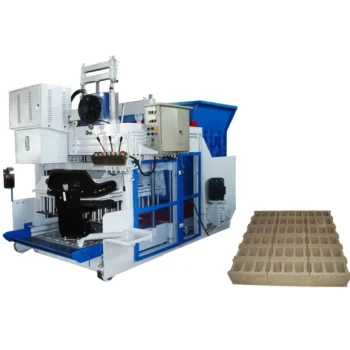
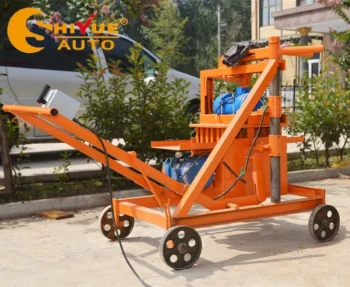
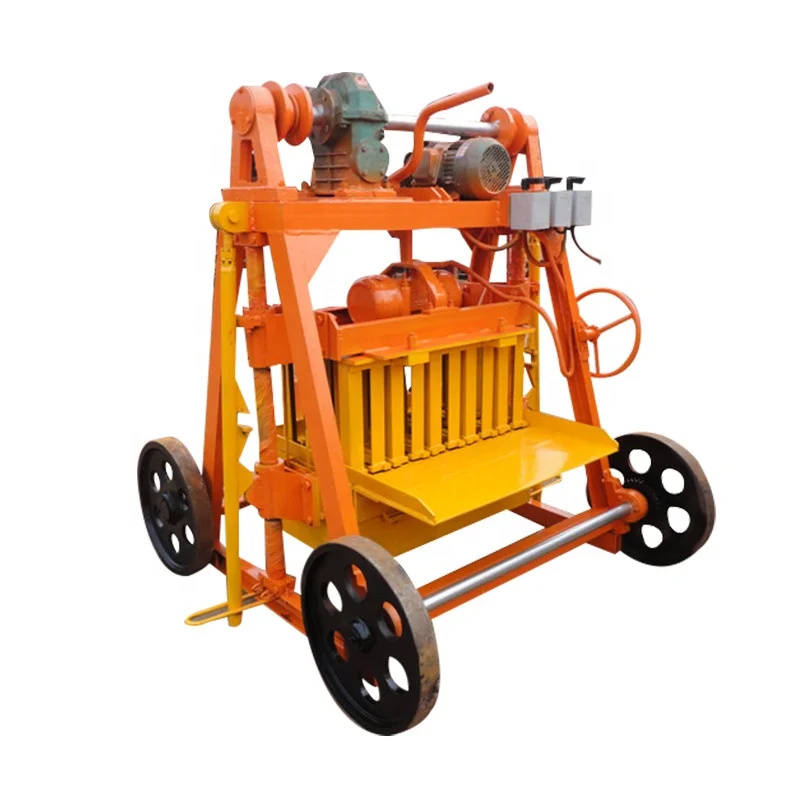
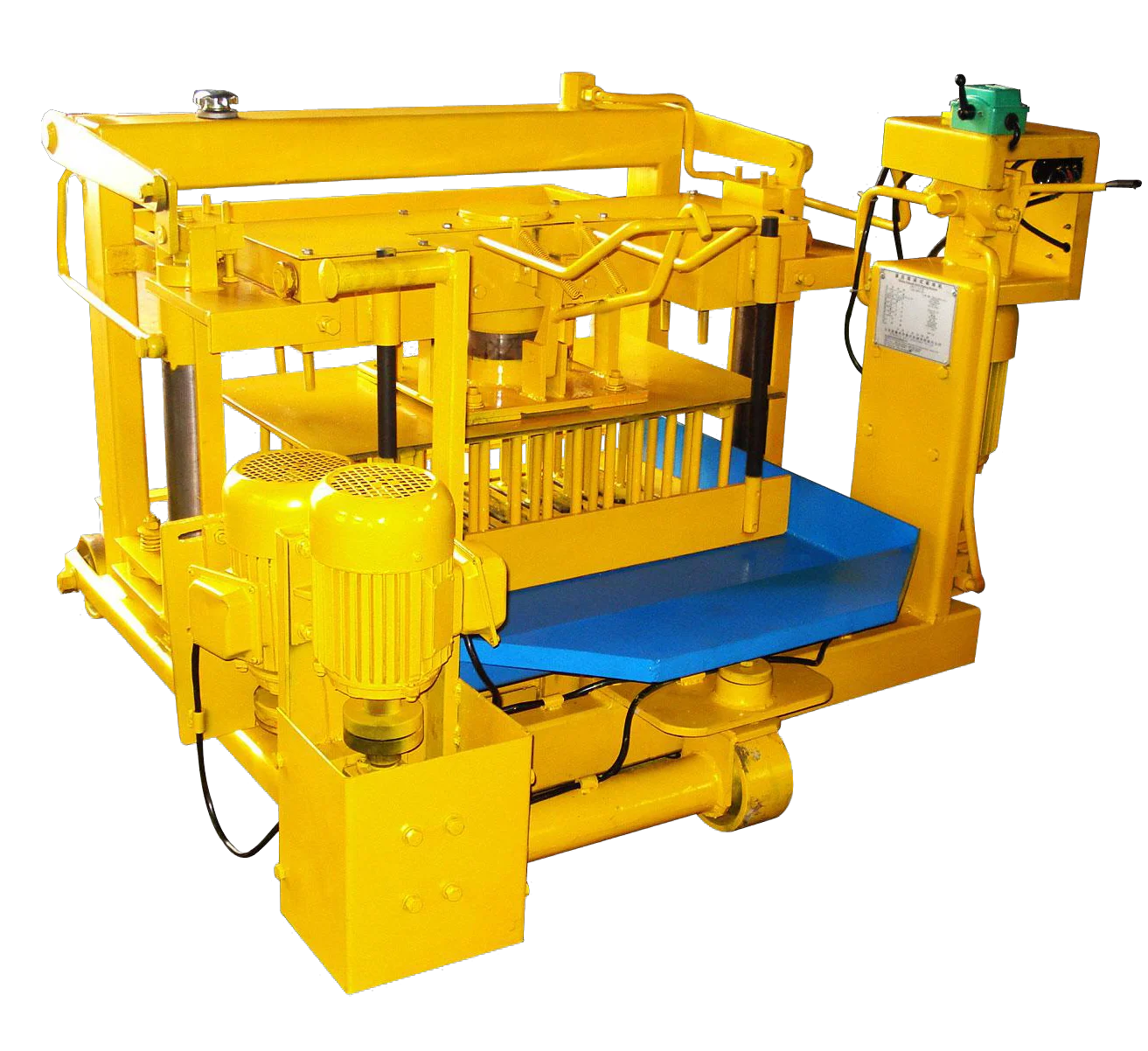
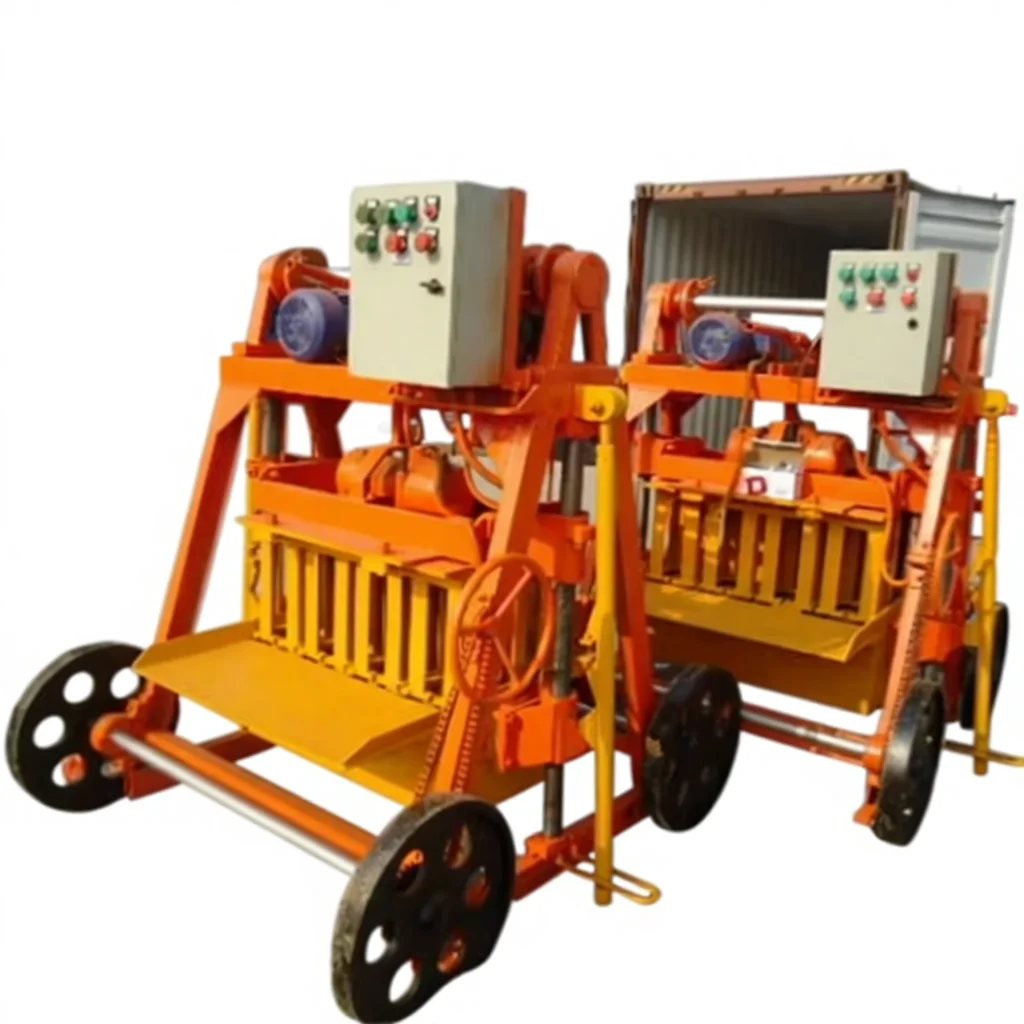
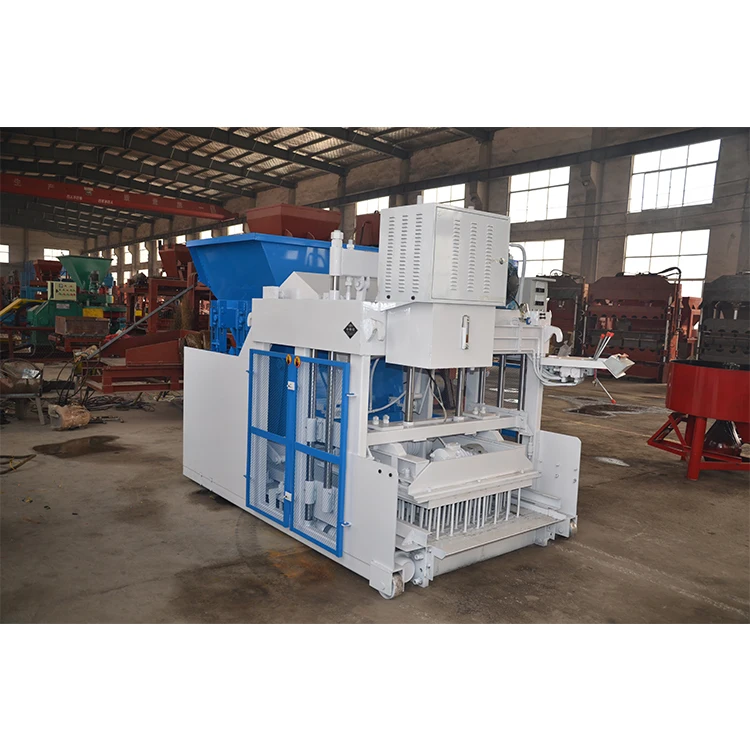
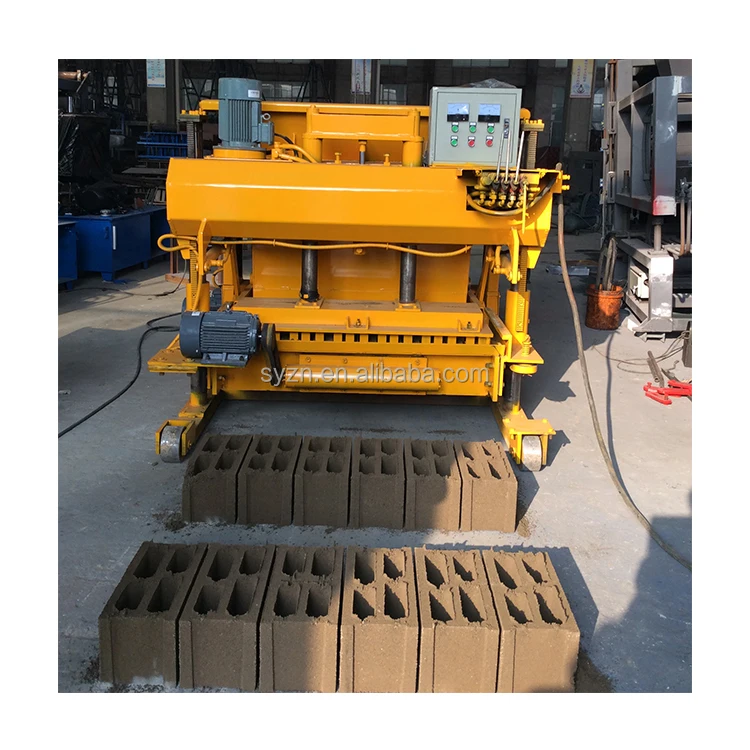
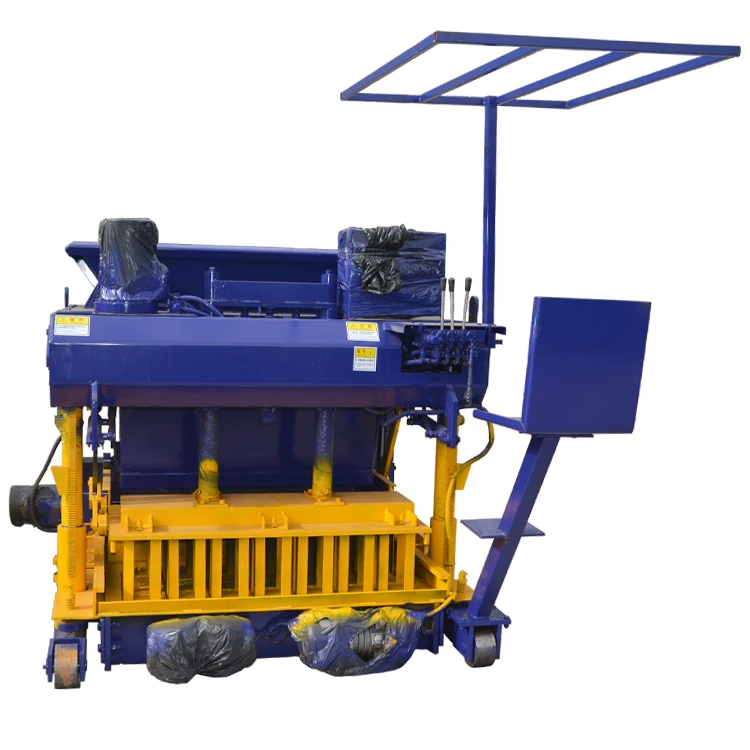
Single Focus Block Line — QMY6-25 mobile block machine and moulds configured to your block format, not a catalogue default.
Technical Specifications
| Parameter | Value |
|---|---|
| Model | QMY6-25 |
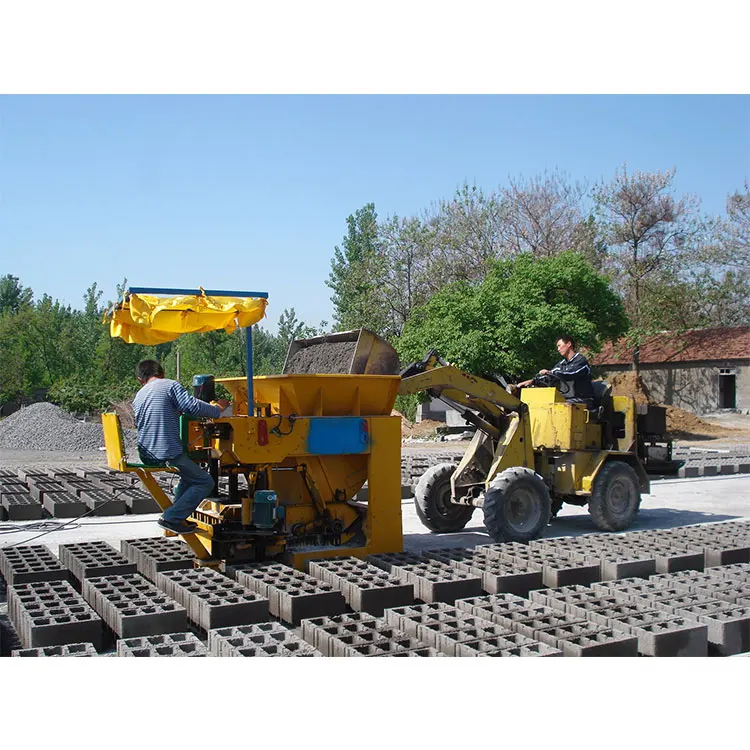
| Product Type | Mobile Egg Laying Block Making Machine |
| Molding Capacity | 6 pcs/mold |
| Hydraulic Pressure | 16 MPa |
| Vibration Form | Mold Vibration |
| Molding Cycle | 20s–25s (basis not stated in source — confirm block format and material) |
| Turning Method | Hydraulic |
| Total Power | 9.6 kW |
| Total Mass | 2.5 Tons |
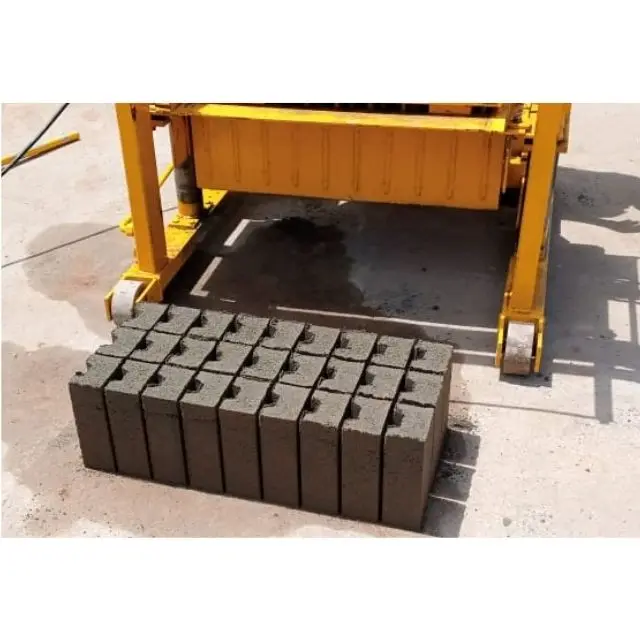
| Pallet Requirement | No pallet required (egg-laying) |
| Operator Requirement | One person can operate |
| Block Format Capability | Any size of hollow blocks and big solid blocks |
| Basic Configuration | QMY6-25 host machine, JS500 Concrete Mixer, Dump truck |
| Optional Configuration | PLD800 Batching Machine, Cement Silo, Screw conveyor, Loading machine |
| Voltage | Customizable according to requirement |
| Mould Customization | Customizable according to requirement |
| Warranty | 1 year for the whole machine (excluding spare parts) |
Application Suitability
| Application | Material or Output |
|---|---|
| Mobile on-site hollow block production | Concrete, cement, sand, crushed stone aggregate |
| On-site big solid block manufacturing | Concrete mix designs with local aggregates |
| Housing project block production | Various hollow and solid formats directly on ground |
| First plant block manufacturing | Low-investment hollow and solid block output |
| Testing new block formats | Trial production before committing to a full automatic line |
Why the Voltage Question Must Come Before the Block Machine Order
Confirm voltage, frequency, and panel language before production starts — not after the QMY6-25 arrives on site.
Capacity claims on mobile block machines often assume ideal conditions that never exist on a real construction site. I have watched a QMY6-25 sit idle for three weeks because the local grid could not supply the required voltage, and the transformer lead time destroyed the project schedule [NEED_CITE: voltage and frequency standards by export market]. The electrical mismatch is the single most common reason commissioning gets delayed, and it is entirely preventable with one conversation before the purchase order.
Matching Cycle Time to Your Actual Block Format
The QMY6-25 mobile block machine specifications list a 20s–25s molding cycle, but that number only becomes meaningful when tied to a specific block size and mix design. A standard hollow block and a large solid block have vastly different compaction needs, so the realistic output per shift depends entirely on the format you plan to sell most. Always ask for a capacity calculation document that states the exact block dimensions assumed, so daily output expectations align with what the machine actually delivers on your site.
Mould Options and the Format Your Market Demands
Mould customization on this unit allows production of any hollow block and big solid block size your local market requires. The hydraulic turning method simplifies demoulding, but switching between formats still takes operator time that must be factored into shift planning. When evaluating how to choose the right mould set, confirm which formats are included in the base quotation and which require custom drawings, because a machine configured for one block type cannot simply produce another without the corresponding mould tooling [NEED_CITE: mould interchange standards for mobile block presses].
Reading the Specs That Actually Matter
Hydraulic pressure at 16 MPa combined with mold vibration determines the density and compressive strength of every block the QMY6-25 produces. If your local aggregate is coarse or your cement content is lower than typical, the vibration force and pressure must be matched to that specific mix — otherwise blocks emerge weak or crumble during curing. The egg-laying design eliminates pallets entirely, which removes the cost of pallet inventory, pallet handling labor, and curing rack infrastructure from your initial setup. Total power consumption at 9.6 kW means the machine can run from a standard site generator, but that generator must be sized to handle startup surge, not just running load. Total mass at 2.5 Tons keeps the unit mobile enough to relocate across a project site without a heavy crane, yet heavy enough to maintain stability during the vibration cycle.
The Hidden Cost of Skipping Mix Design Verification
Specifying a mobile block machine without testing your local aggregate against the hydraulic pressure and vibration force leads to inconsistent block strength across every batch. I have seen contractors receive machines configured for a fine sand mix when only coarse crushed stone was available locally, forcing an expensive material substitution or accepting substandard output. The pallet-free design also means your curing area must be flat, level, and prepared before the first block is laid — an oversight that causes breakage and waste during the critical early hours of curing [NEED_CITE: concrete curing surface preparation requirements].
Why Sizing the QMY6-25 Here Reduces Site Risk
Every QMY6-25 configuration starts with your target block format, local raw material sample, and site conditions — not a stock catalogue setting. Mould design is matched to the hollow and solid block dimensions your market actually sells, including custom drawings when standard tooling does not fit. The pallet-free system is specified as a complete package, so there are no hidden costs for pallets or curing racks arriving after the machine is already on site. Voltage, frequency, and PLC display language are confirmed line by line before production begins, eliminating the commissioning delays that strand machines at customs or on the job site. Wear parts and mould replacement availability is mapped out before shipment, so the first maintenance cycle does not halt production.
Documentation & Verification
- Capacity calculation sheet stating exact block format and dimensions per cycle time
- Mould drawing and format list showing included sizes and custom options
- Mix design assessment confirming 16 MPa pressure suits your local aggregate
- Voltage, frequency, and control language confirmation record before production
- Factory test record on your specified block format prior to dispatch
- Hydraulic and electrical schematic for on-site troubleshooting
Installation, Commissioning & Support
- Flat level curing area prepared to receive egg-laid blocks from the 2.5 Ton machine
- Generator or grid supply verified against the 9.6 kW total power and startup surge requirement
- Voltage and frequency confirmed before production to match site electrical infrastructure
- Operator training covering the hydraulic turning method and single-person operation workflow
- Mould change procedure demonstrated for each block format included in your tooling set
- Wear parts list and reorder schedule established before the first replacement cycle is due
What to Include in Your QMY6-25 Inquiry
Provide your target block dimensions, required daily output, and a sample or description of your local aggregate so the mould and hydraulic settings can be matched before quotation. Include your site voltage, frequency, and preferred control panel language to prevent electrical mismatches during commissioning.
Frequently Asked Questions
Q: What is the realistic daily output for my specific hollow block size on the QMY6-25?
A: The 20s–25s molding cycle applies to a specific block format that must be confirmed against your dimensions and mix design. We provide a capacity calculation document stating the exact block size assumed, so daily output figures reflect your actual product rather than a generic cycles-per-hour claim.
Q: Which block formats can the QMY6-25 mould produce, and how long does a change take?
A: The machine produces any hollow block and big solid block size through custom mould tooling. Standard formats are available, and custom drawings are accepted for non-standard dimensions. Mould change time depends on the format and is confirmed during operator training on your specific tooling set.
Q: How is the hydraulic pressure matched to my local aggregate and mix design?
A: The 16 MPa hydraulic pressure and mold vibration are calibrated against your raw material sample before production. If your local aggregate differs from standard sand, the mix design assessment ensures block strength meets your target without requiring costly material substitution on site.
Q: What site conditions does the pallet-free QMY6-25 require for consistent block quality?
A: The egg-laying design requires a flat, level curing area prepared before production begins. No pallets or curing racks are needed, but the ground surface must be smooth enough to prevent block damage during the initial curing period and large enough to accommodate your planned daily output.
Q: Can the mould be customized to my market dimensions, and what format do you accept?
A: Yes, mould customization is available for any hollow or solid block size your market requires. We accept technical drawings in standard CAD formats and will confirm the mould design against the QMY6-25 mold cavity and hydraulic turning clearance before tooling fabrication begins.