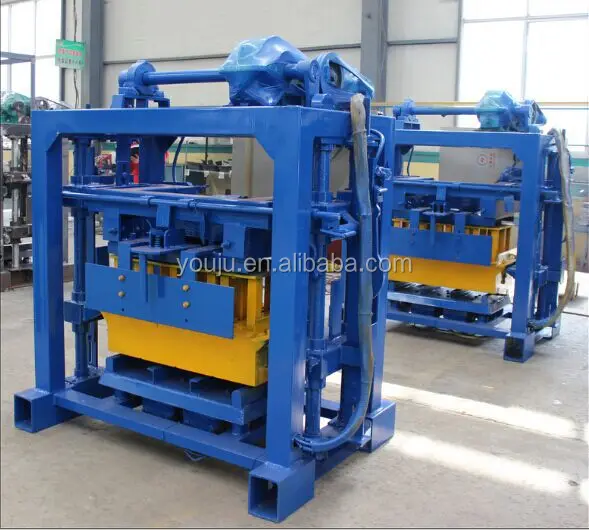
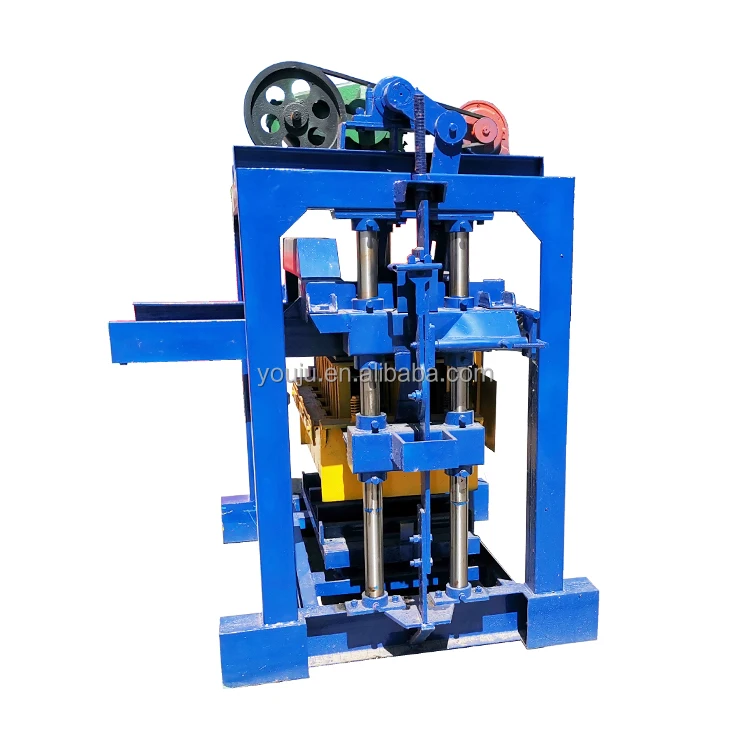
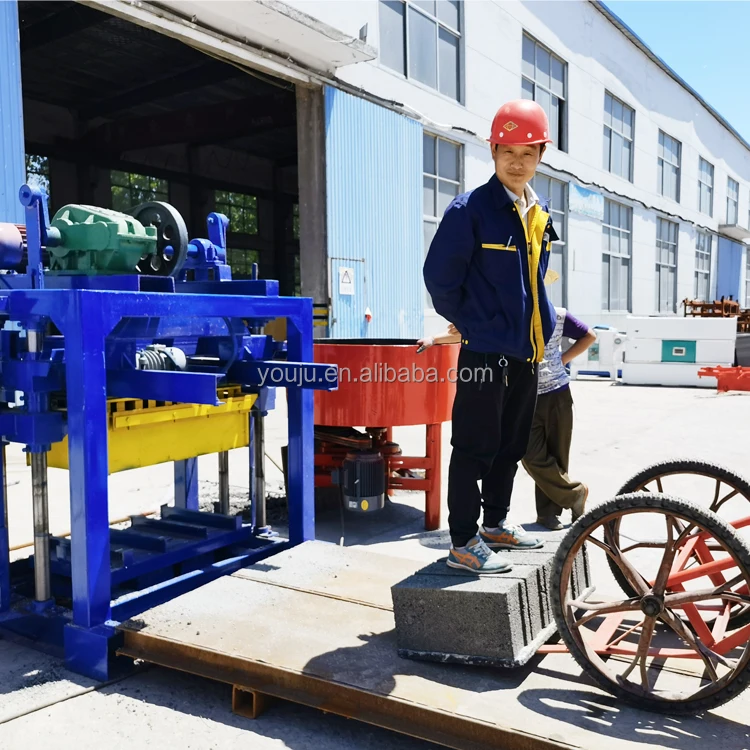
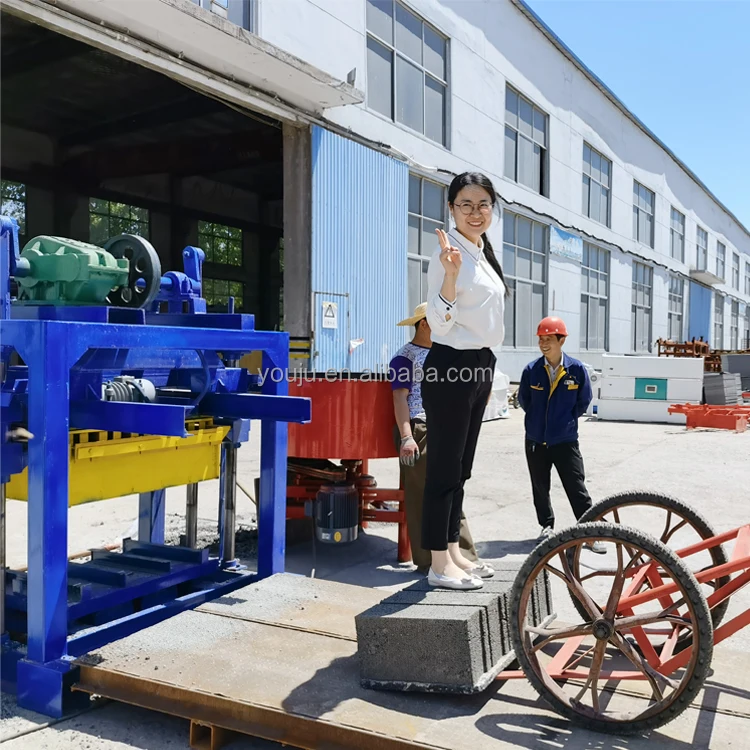
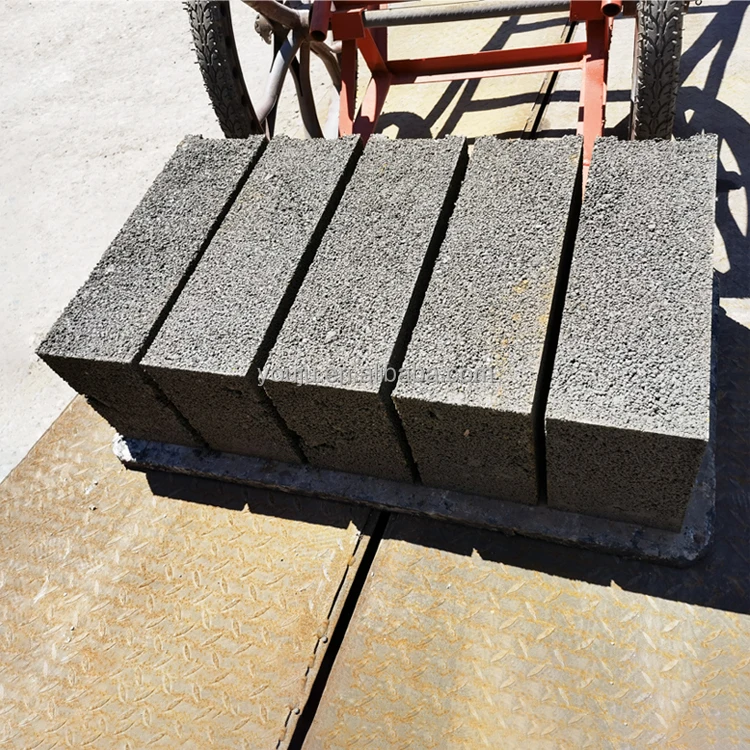
Description
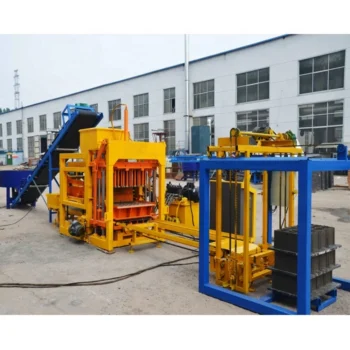
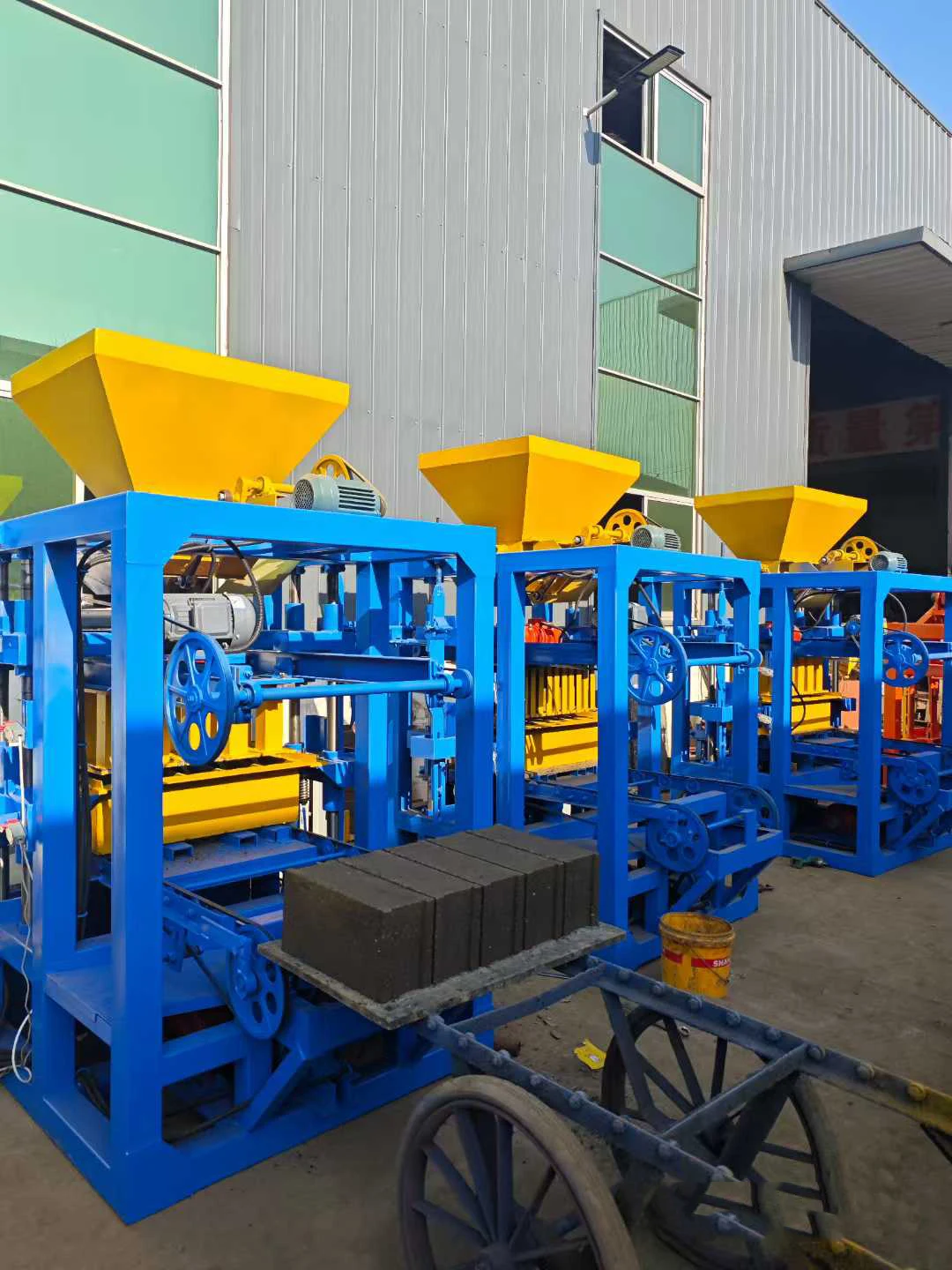
Matched system specification — QTJ4-40 block machine, mould, pallet and handling are scoped together so capacity calculations reflect the block format you actually sell, not a generic catalogue figure.
Technical Specifications
| Parameter | Value |
|---|---|
| Model | QTJ4-40 |
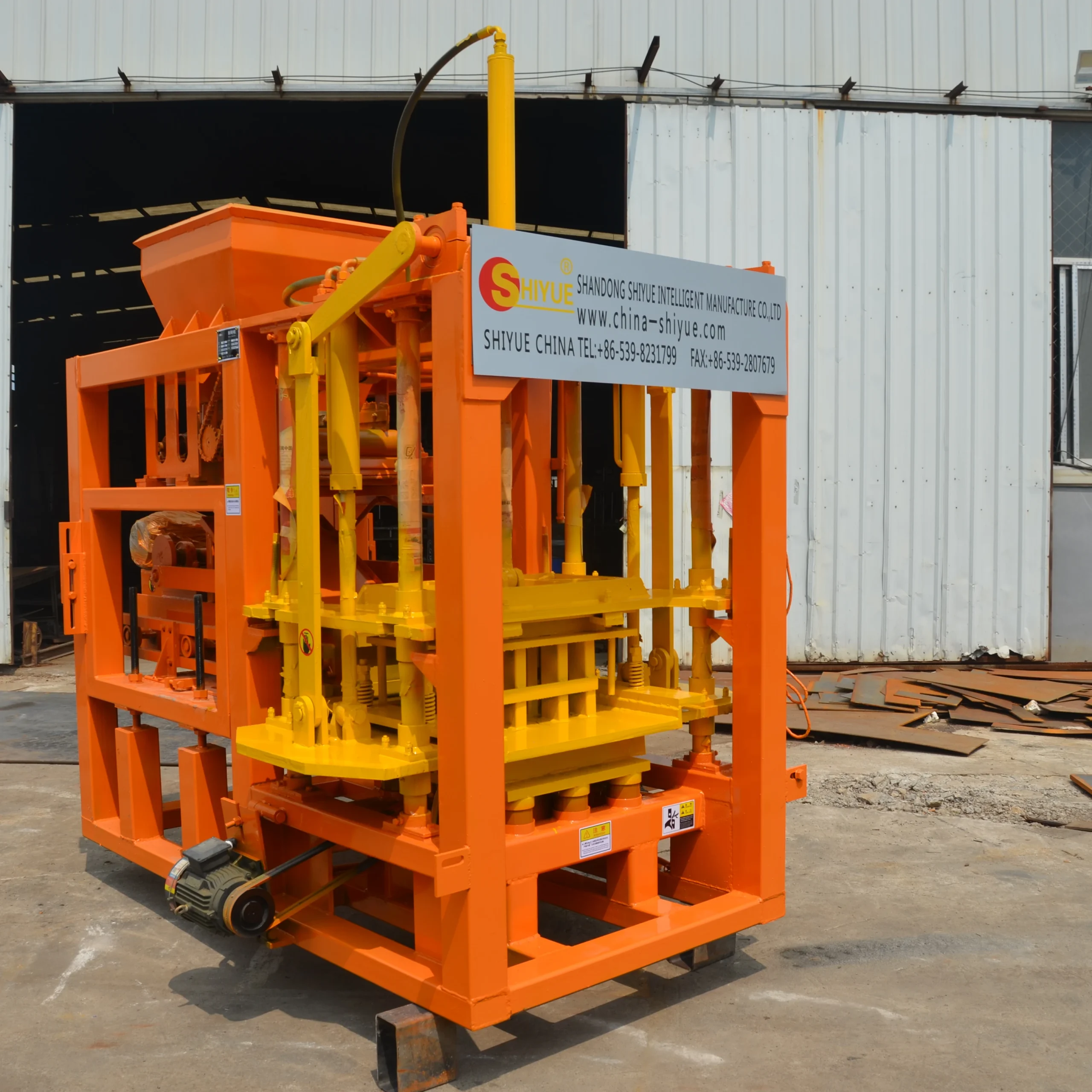
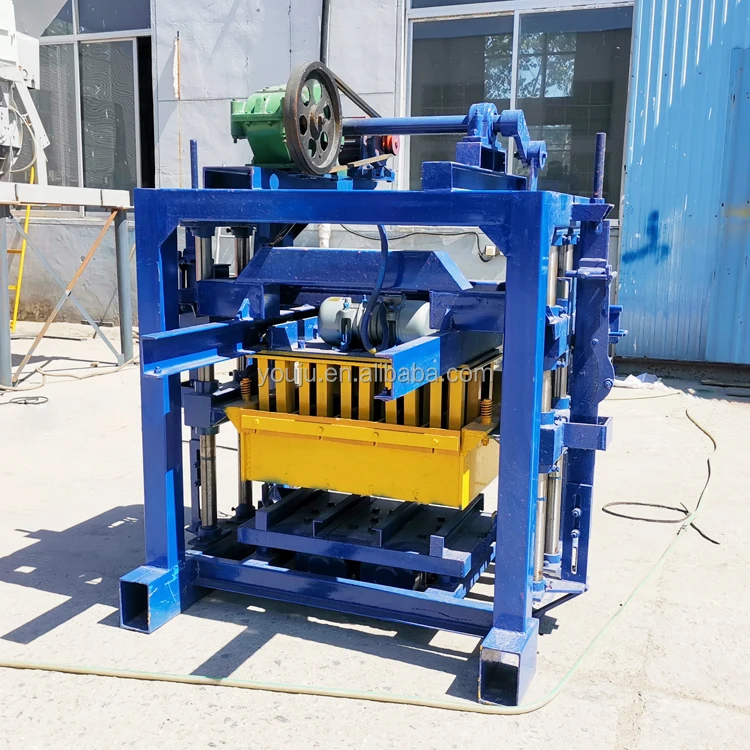
| Product Type | Hydraulic Concrete Block Making Machine |
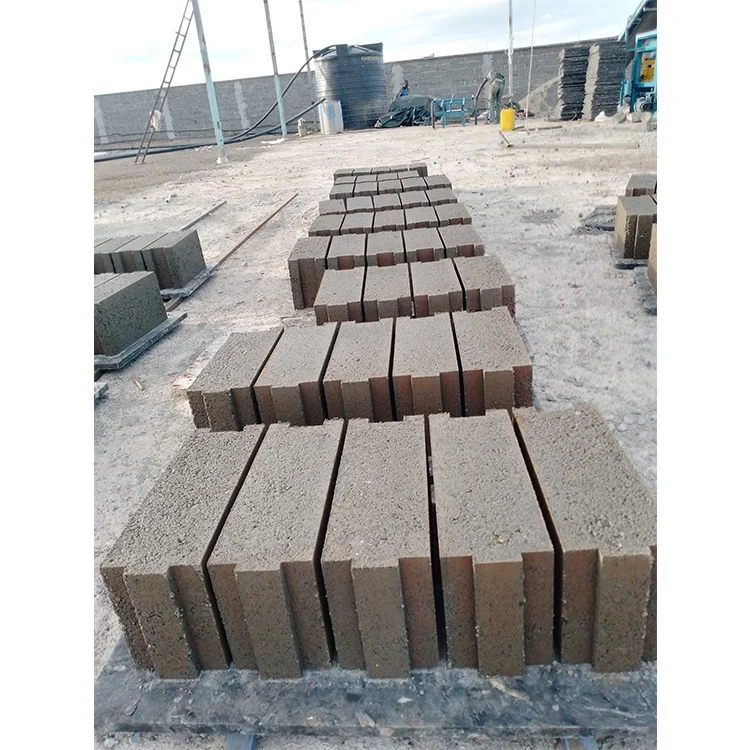
| Daily Capacity (Hollow Block) | 2880 pcs/day based on 400×200×200mm format, 4 pcs/mould |
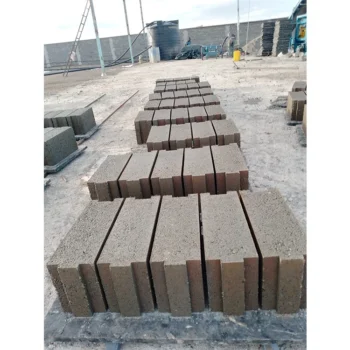
| Daily Capacity (Solid Block) | 4000 pcs/day based on 400×150×200mm format, 5 pcs/mould |
| Daily Capacity (Paver) | 7200 pcs/day based on 225×112.5×60mm format, 9 pcs/mould |
| Main Vibration Form | Platform Vibration |
| Vibration Frequency | 2800 r/min |
| Pallet Size | 850×450mm |
| Recommended Mix Ratio | Cement 8-10%, Sand 30-40%, Stone 50-60% (approx. 1:4:5) |
| Overall Dimensions | 1350×1460×1800mm |
| Machine Weight | 1T |
| Factory Area Requirement | 200m² |
| Worker Requirement | 1-3 people |
| Automation Level | Semi-automatic (top die push and pull, automatic scraper) |
| Applicable Raw Materials | Concrete, cement, fly ash, crushed stone, sand, dust, gravel, slag |
Application Suitability
| Application Scenario | Output Focus and Material |
|---|---|
| Startup Block Plant | Hollow and solid blocks from standard crushed stone and cement mixes for local supply. |
| On-Site Construction Production | Concrete blocks produced directly at housing project locations using site-sourced aggregate. |
| Format Expansion for Distributors | Interlocking blocks and colored pavers added to an existing product range using interchangeable moulds. |
What QTJ4-40 Block Machine Specifications Leave Out of the Headline Capacity
Daily output only means something when tied to a specific block format and local mix.
Buyers often receive a single cycles-per-hour number that sounds promising until the machine arrives and runs their local aggregate. I have seen QTJ4-40 block machine specifications quoted at full cycle speed, only for the buyer to discover their high-clay sand forces a longer vibration period to achieve acceptable block density. The actual daily output then drops noticeably because each cycle takes longer than the catalogue assumed [NEED_CITE: effect of aggregate clay content on concrete block cycle time]. Real capacity planning starts with the format you sell most and the raw materials you can actually source.
Mould Formats and the Block the Market Actually Buys
The QTJ4-40 supports interchangeable moulds for hollow block, solid block, and paver formats, giving a small plant the flexibility to serve different buyer segments. The pallet size of 850×450mm defines the maximum mould footprint, so every format must fit within that boundary. When sizing QTJ4-40 block machine specifications to your market, confirm which block dimensions your distributors and contractors request most frequently before locking in the mould order.
Pallet Size and the Curing Area You Already Have
The 850×450mm pallet is compact enough for small curing yards but must align with the rack spacing and forklift tine width already in use at your facility. A mismatch here means either replacing your curing racks or handling pallets manually off the machine — both adding cost after the machine arrives. Confirming pallet dimensions against your existing infrastructure is a step that belongs in the QTJ4-40 block machine specifications review, not after delivery [NEED_CITE: pallet handling compatibility in small block plants].
Vibration, Pressure and Mix Design Alignment
Platform vibration at 2800 r/min works effectively with standard concrete mixes where the cement-to-aggregate ratio falls near 1:4:5. The vibration frequency compacts the mix against the mould walls, while the hydraulic top die provides the compression needed for consistent block density. If your local sand carries high silt or your crushed stone has an unusual grading curve, the standard mix ratio will need adjustment — and the vibration duration may need extending to achieve target strength. This is why requesting a raw material report before finalizing configuration matters more than comparing quoted cycle times across suppliers.
The Cost of Skipping Format-Specific Capacity Checks
Ordering a machine based on a single headline capacity number leads to production shortfalls that surface only after installation. A buyer expecting output calculated on a small paver format will see a significant drop when switching to 400×200×200mm hollow blocks, simply because fewer pieces come off per cycle and each cycle may run longer with a coarser mix. The gap between expectation and reality then gets blamed on the machine rather than on the specification process [NEED_CITE: common causes of block machine output shortfalls in emerging markets].
Why Buyers Source the QTJ4-40 Here
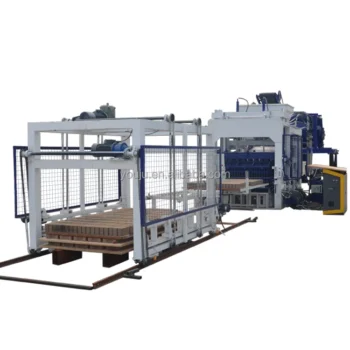
Block machinery is the single focus of this operation, so the QTJ4-40 is specified alongside its mould, pallet and handling equipment as one matched system rather than assembled from separate catalogue pages. Machine configuration is set against the buyer’s actual mix design and target block format, not a default setting. Mould design covers the formats the buyer’s market demands, including custom drawings where standard options do not fit. Automation level is selectable, so a plant can begin semi-automatic and add automatic stacking later. Installation includes on-site commissioning and operator training so the crew knows mould change procedure and daily maintenance from the first shift.
Documentation & Verification
- Capacity calculation sheet stating the assumed block format and cycle time for the QTJ4-40
- Mould drawing and format list confirming cavity count per pallet for each product type
- Pallet specification matched to the 850×450mm size and buyer’s curing rack dimensions
- Voltage, frequency and control language confirmation signed off before production
- Factory test record run on the buyer’s target block format before dispatch
Installation, Commissioning & Support
- Foundation pad leveled to QTJ4-40 overall dimensions of 1350×1460mm with drainage clearance
- Dedicated power circuit confirmed for local voltage and frequency before machine wiring
- Semi-automatic scraper and top die mechanism calibrated during on-site commissioning
- Mould change procedure trained with the operator crew using the supplied format set
- Vibration platform inspection schedule set based on 2800 r/min operating frequency
- Wear parts list provided covering hydraulic seals and vibration motor consumables
Before You Send an Inquiry
Provide the block format your market buys most, including exact dimensions and target daily volume, so the capacity calculation reflects reality rather than a catalogue default. Include your local aggregate type and any available test data on sand grading or clay content, along with your site voltage and frequency. If you have existing curing racks or forklifts, share the dimensions so pallet compatibility is confirmed before the QTJ4-40 enters production.
Frequently Asked Questions
Q: How is QTJ4-40 capacity calculated, and which block format does the daily output assume?
A: Daily output figures are tied to specific block formats: 2880 pieces for 400×200×200mm hollow blocks at 4 per mould, 4000 pieces for 400×150×200mm solid blocks at 5 per mould, and 7200 pieces for 225×112.5×60mm pavers at 9 per mould. Each figure assumes a standard mix and cycle time that may shift with your local aggregate.
Q: Which mould formats are available, and how long does a mould change take on this machine?
A: The QTJ4-40 accepts interchangeable moulds for hollow, solid and paving formats within the 850×450mm pallet boundary. Mould change time depends on the clamping system and operator familiarity — confirm the specific changeover procedure and tooling requirements during the configuration stage before placing your order.
Q: Is the 850×450mm pallet compatible with my existing curing racks and forklift?
A: The 850×450mm pallet must align with your curing rack slot width and forklift tine spacing. A mismatch forces manual handling or rack replacement after the machine arrives. Share your existing equipment dimensions during the inquiry so pallet material and size are confirmed as part of the QTJ4-40 block machine specifications package.
Q: How do I match the mix ratio to my locally available aggregate?
A: The recommended cement-sand-stone ratio of approximately 1:4:5 is a starting point for standard concrete mixes. Local sand with high silt content or unusual stone grading may require proportion adjustments and extended vibration time. Providing an aggregate test report allows the configuration to reflect your actual materials rather than a generic assumption.