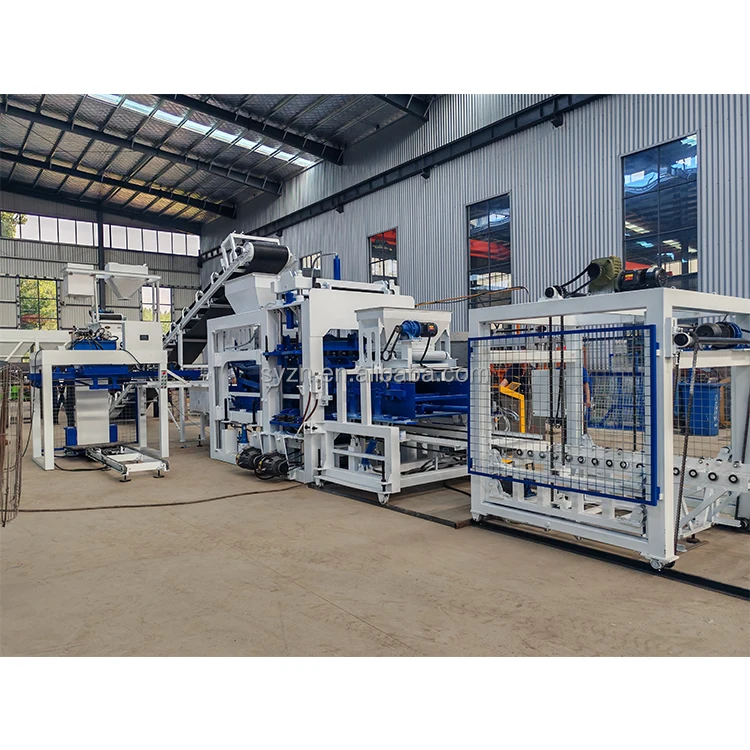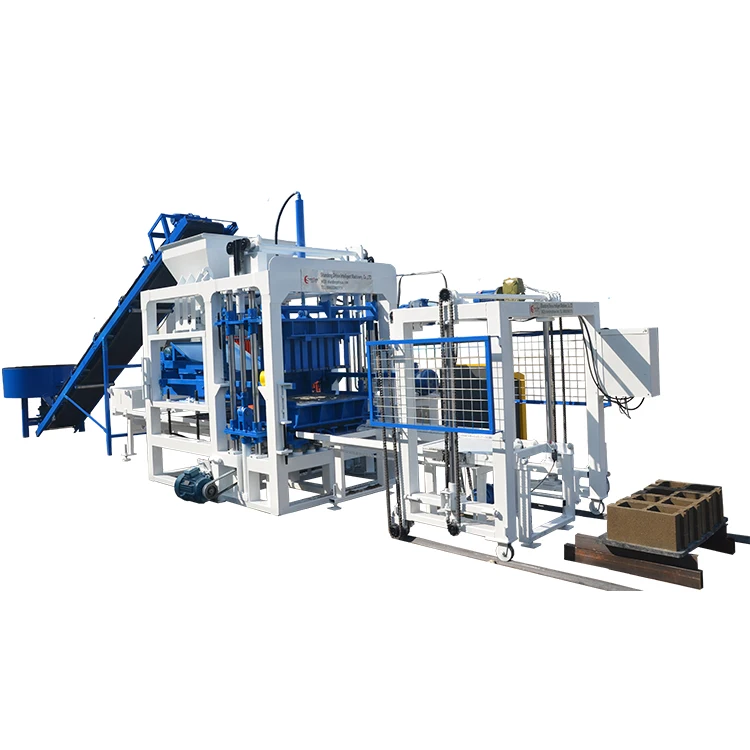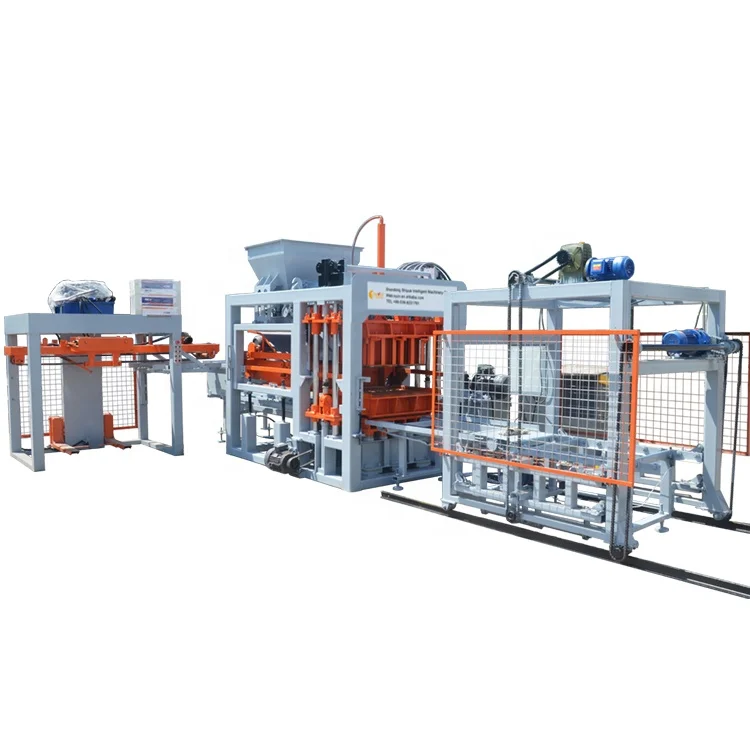


Description
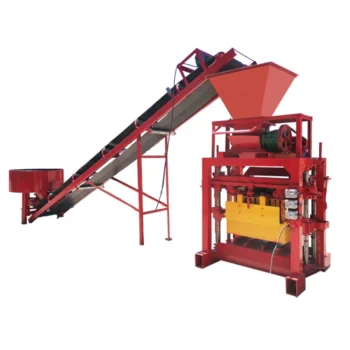
Matched system design — Every output figure on this page is tied to a named block format and mould configuration, not a catalogue best-case, so the QTJ4-35 block machine specifications reflect what your plant will actually produce.
Technical Specifications
| Parameter | Value |
|---|---|
| Model | QTJ4-35 |
| Product Type | Small Automatic Concrete Block Making Machine |
| Overall Dimensions (L×W×H) | 1350×1460×1800 mm |
| Molding Cycle | 35 s |
| Vibration Frequency | 2800 r/min |
| Exciting Power (Vibration Force) | 30 kN |
| Total Power | 11.15 kW |
| Mixer Model | JQ350 |
| Pallet Size | 850×450×20 mm |
| Net Weight | 1500 kg |
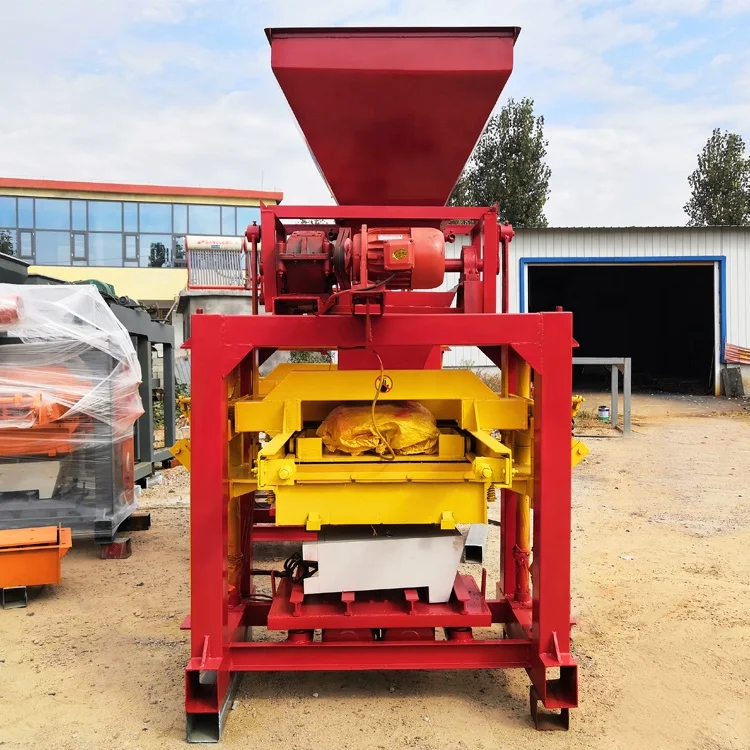
| Frame Structure | Four-lead channel steel stand |
| Mould Compression | Upper mould and bottom mould compression |
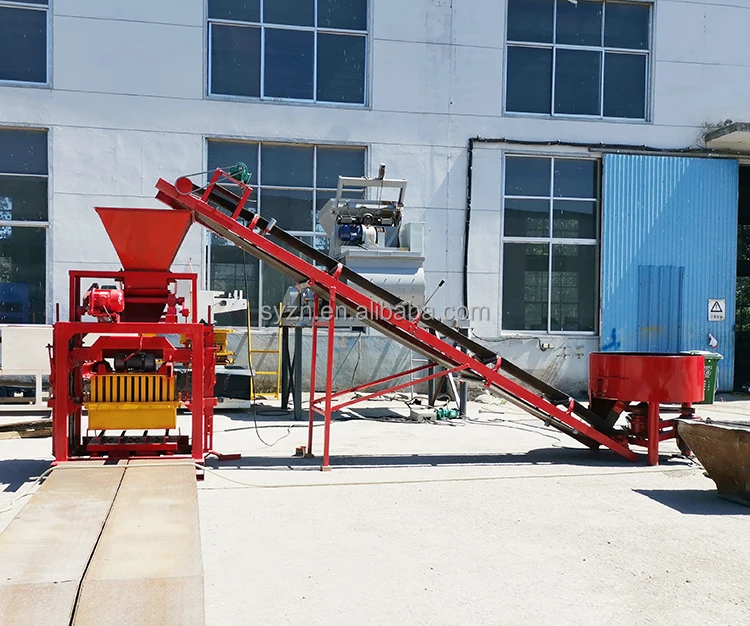
| Automation Level | Semi-automatic (belt conveyor feeding, manual pallet handling) |
| Output Capacity | 408 pcs/h based on 400×200×200 mm hollow block, 4 pcs/mould |
| Output Capacity | 510 pcs/h based on 400×150×200 mm hollow block, 5 pcs/mould |
| Output Capacity | 2100 pcs/h based on 240×115×53 mm solid brick, 18 pcs/mould |
| Daily Output (8 hr) | 3264 pcs based on 400×200×200 mm hollow block |
| Daily Output (8 hr) | 4080 pcs based on 400×150×200 mm hollow block |
| Daily Output (8 hr) | 17000 pcs based on 240×115×53 mm solid brick |
| Raw Materials | Crushed stones, sand, cement, dust, fly ash |
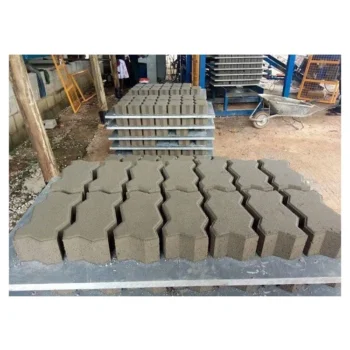
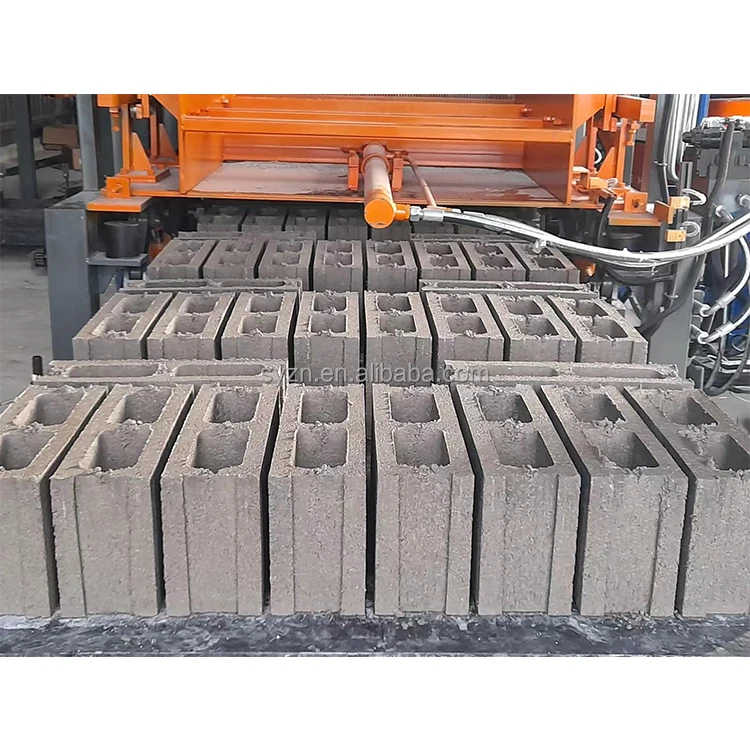
| Applied Products | Concrete blocks, hollow block (8 inch, 6 inch), solid brick |
| Voltage & Frequency | (basis not stated in source — confirm target market voltage) |
| Control System | (basis not stated in source — confirm PLC or manual control) |
| Mould Change Time | (basis not stated in source — confirm) |
| Certification | (basis not stated in source — confirm CE or other) |
Application Suitability
| Application | Material or Output |
|---|---|
| Small-scale block production plants | Hollow blocks and solid bricks from crushed stone, sand, cement, and fly ash |
| On-site block making for construction contractors | Portable production using locally available aggregates and dust |
| Entrepreneurs setting up a first block plant | Low-investment entry with semi-automatic operation and manual pallet handling |
| Building material distributors adding formats | Mould swaps between 8-inch hollow block, 6-inch hollow block, and standard solid brick |
What "408 Pieces per Hour" Actually Means for the QTJ4-35 Block Machine Specifications
Capacity only matters when you know which block format it refers to.
Many buyers discover too late that a quoted cycle rate was measured on the smallest, fastest format the machine can run — not the hollow block their market actually buys. I have seen plants arrive at a jobsite expecting to run 8-inch hollow blocks at full catalogue speed, only to find the real throughput drops because the mould cavity count and vibration settling time are different for that format. The QTJ4-35 block machine specifications on this page state output per named block size so you can plan against your actual product mix [NEED_CITE: block format and mould cavity relationship to cycle time].
Mould Format and Realistic Daily Output
When sizing a small block machine to a specific product, the mould cavity count drives everything downstream — pallet consumption, curing rack space, and labour pacing. The QTJ4-35 produces 4 pieces of 400×200×200 mm hollow block per cycle, reaching a daily output of 3,264 pieces over an 8-hour shift. Switch to the 400×150×200 mm format with 5 cavities and the daily figure rises to 4,080 pieces. For solid brick at 240×115×53 mm, the 18-cavity mould delivers 17,000 pieces per shift. Each figure is bound to its specific format, giving you a reliable basis for plant planning.
Matching Vibration Force to Your Local Aggregate
Consistent block strength depends on whether the vibration force and frequency suit the mix you can actually source. The QTJ4-35 delivers 30 kN of exciting power at 2,800 r/min through upper and bottom mould compression, which works well with standard concrete mixes using crushed stone and sand. However, if your local aggregate carries high clay or silt content, the same vibration settings may not compact the mix to target density, leading to weak blocks that fail drop tests. I once worked with a buyer whose river sand had elevated fines content; adjusting the water-cement ratio and vibration duration brought strength back in line, but only because the machine’s semi-automatic control allowed manual cycle adjustment [NEED_CITE: aggregate fines content effect on vibration compaction].
How Pallet Size and Frame Design Shape Your Plant Layout
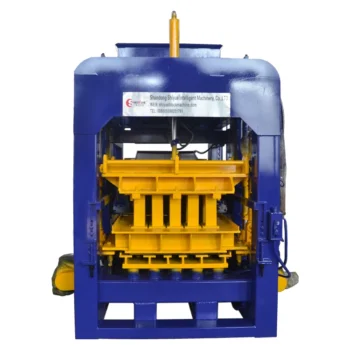
The 850×450×20 mm pallet used by this machine is not a universal standard — it must match the curing racks and forklift tine spacing you already have on site. Before ordering, measure your curing area dimensions and confirm your handling equipment can accommodate this pallet footprint. The four-lead channel steel frame provides the rigidity needed to absorb repeated vibration loads without frame distortion over time, which is critical when the machine runs multiple shifts. A stable frame also keeps mould alignment consistent, reducing uneven block height that causes rejection at the construction site.
The Cost of Skipping Voltage and Control Confirmation
Voltage, frequency, and control language are often treated as afterthoughts, but getting them wrong delays commissioning by weeks. A machine wired for 380V/50Hz arriving in a market running 440V/60Hz will not start, and rewiring on site is neither fast nor inexpensive [NEED_CITE: voltage and frequency standards by export market]. The QTJ4-35 total power draw is 11.15 kW, which determines your transformer and circuit breaker sizing. Control system details and PLC display language must be confirmed before production begins — not after the machine is bolted to your factory floor. Buyers who skip this step frequently face idle machines while replacement electrical components ship internationally.
Why Technical Buyers Source This Machine Here
Block machinery is the single focus of this operation, meaning the press, mould, pallet, and handling equipment are specified as one matched system rather than assembled from separate suppliers. Every configuration is set against the buyer’s actual mix design, local aggregate, and target block format — not a catalogue default. Mould design covers the formats your market sells, including custom drawings when standard options do not match local building codes. The semi-automatic automation level means you can start with manual pallet handling and upgrade the line later as volume grows. Installation support includes operator training so your team understands cycle adjustment and mould change procedures from day one.
Documentation & Verification
- Line layout drawing with capacity calculation stating the exact hollow block format assumed
- Mould drawing and format list confirming included and optional block sizes
- Pallet specification sheet matched to your curing area and forklift dimensions
- Voltage, frequency, and control language written confirmation before production
- Factory test record on your specified block format before dispatch
- Operation and maintenance manual with wear parts and mould replacement schedule
Installation, Commissioning & Support
- Foundation pad sized to the 1350×1460 mm footprint with vibration isolation provisions
- Dedicated electrical circuit rated for the 11.15 kW total power draw at confirmed voltage
- Machine shipped as a single unit at 1500 kg net weight with mixer and belt conveyor
- First-run commissioning with mould installed and cycle time verified on your block format
- Operator training covering mould change procedure, vibration adjustment, and pallet feeding
- Wear parts list with lead times for replacement moulds and vibration motor components
What to Include in Your Inquiry
To move past a generic quotation and get a configuration that fits your plant, provide the specific hollow block or solid brick dimensions your market requires, along with your target daily output. Include details on locally available aggregates — especially any lab reports showing clay or silt content in your sand supply. Confirm your site voltage, frequency, and preferred control display language so electrical specifications are locked before production begins [NEED_CITE: electrical standards for imported industrial machinery].
Frequently Asked Questions
Q: How is the QTJ4-35 capacity calculated, and which block format does each figure assume?
A: Every capacity figure is stated against a named block size and mould cavity count. For example, 408 pieces per hour applies to 400×200×200 mm hollow blocks with a 4-cavity mould and a 35-second cycle. Switching to a different format changes both the cavity count and effective throughput, so always confirm output against your actual product.
Q: What mould formats are available, and how long does a mould change take on this machine?
A: Standard moulds cover 8-inch hollow block, 6-inch hollow block, and 240×115×53 mm solid brick. Custom moulds can be designed to buyer drawings. Mould change time depends on the specific changeover system fitted; confirm the exact procedure and duration during the quotation stage so you can plan shift schedules.
Q: How do I match vibration force to my local aggregate for consistent block strength?
A: The 30 kN vibration force at 2,800 r/min suits standard crushed stone and sand mixes. If your aggregate has high fines or clay content, the mix may not compact to target density under default settings. Provide a lab report of your raw materials so vibration duration and water-cement ratio can be adjusted before factory testing.
Q: What pallet size does the QTJ4-35 use, and how do I confirm it fits my curing setup?
A: The machine uses 850×450×20 mm pallets. Before ordering, measure your curing rack spacing and forklift tine width to confirm compatibility. If your existing pallets are a different size, discuss alternatives during the configuration stage to avoid handling bottlenecks after installation.
Q: What voltage, frequency, and control language options are confirmed before shipment?
A: These must be specified during the quotation stage based on your local electrical grid and operator requirements. Total power is 11.15 kW, which determines circuit sizing. Confirming voltage, frequency, and control display language before production prevents commissioning delays caused by electrical mismatch on arrival.