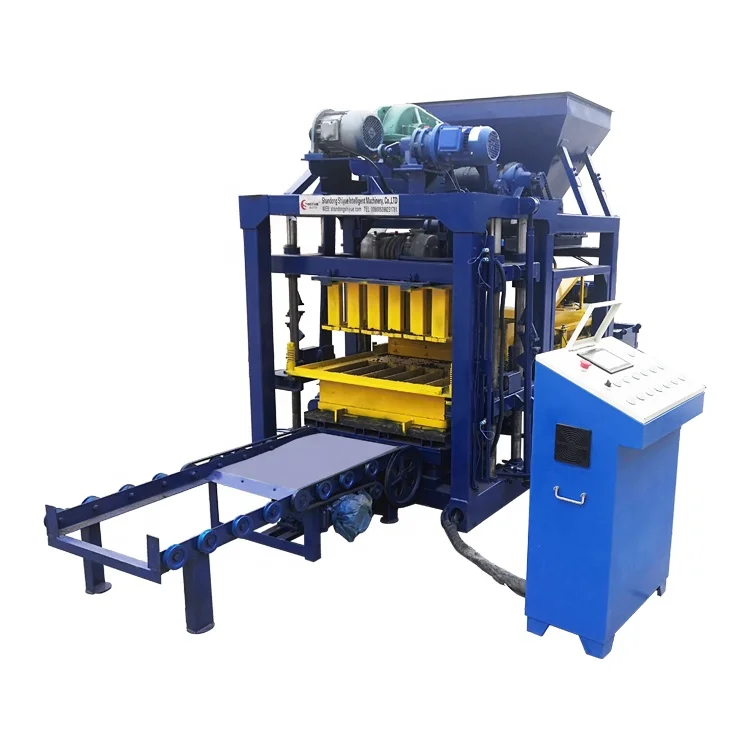
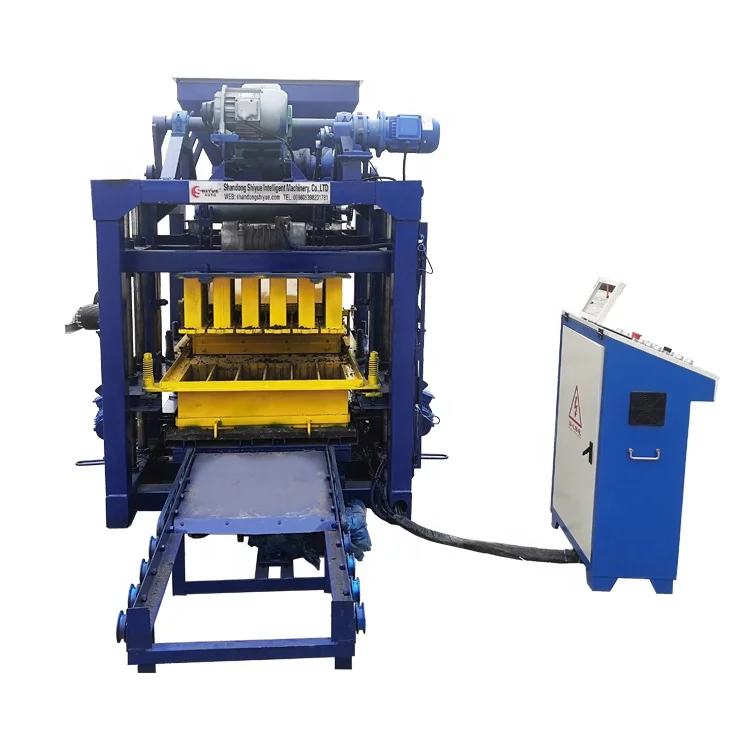
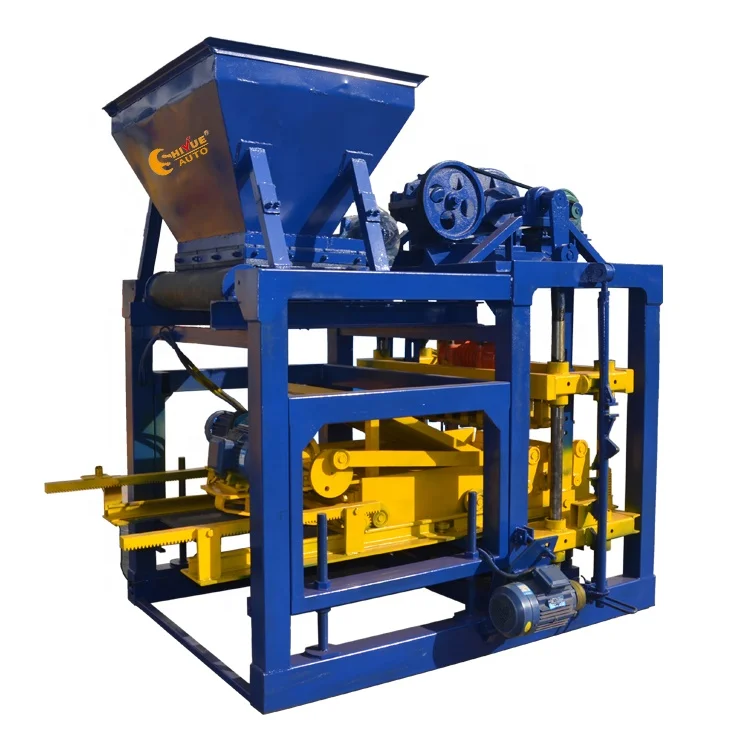
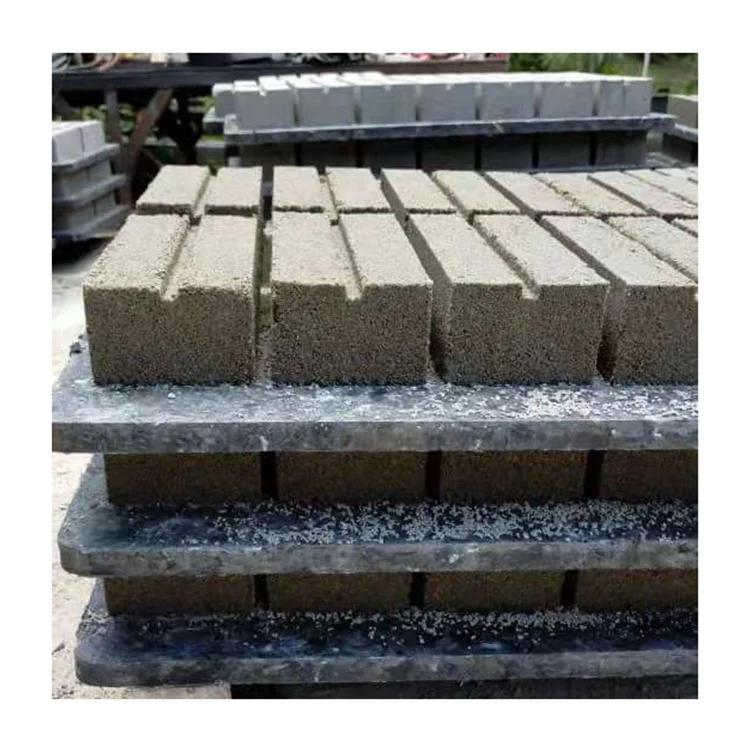
Description
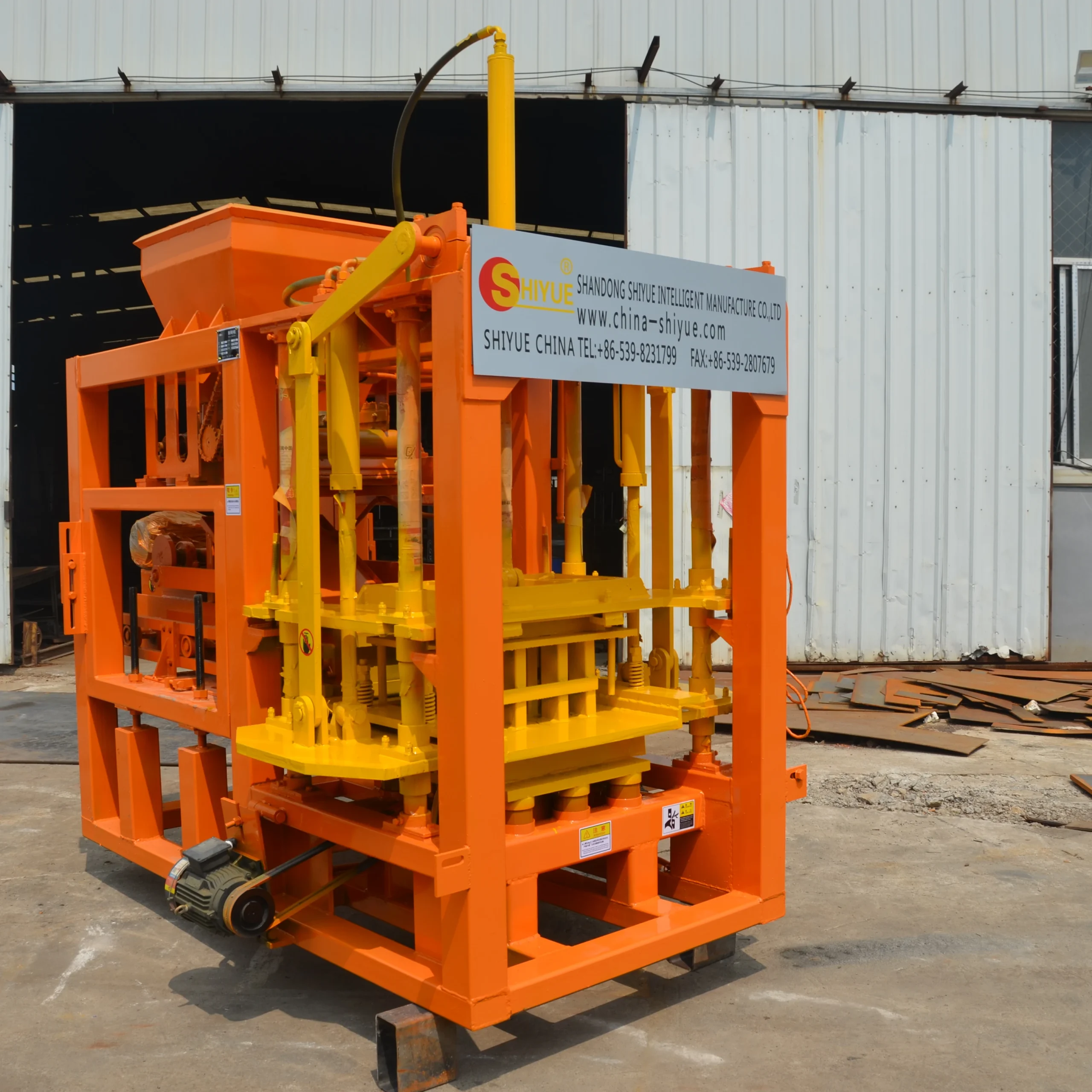
Matched Mould and Press Settings — every QTJ4-25 configuration is validated against the buyer’s target block format and local aggregate sample before quotation, not pulled from a catalogue default.
Technical Specifications
| Parameter | Value |
|---|---|
| Model | QTJ4-25 |
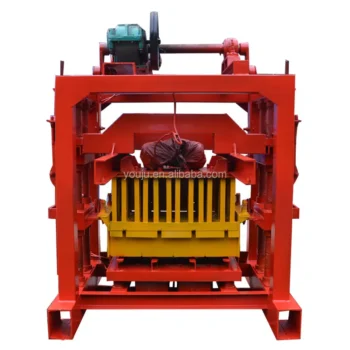
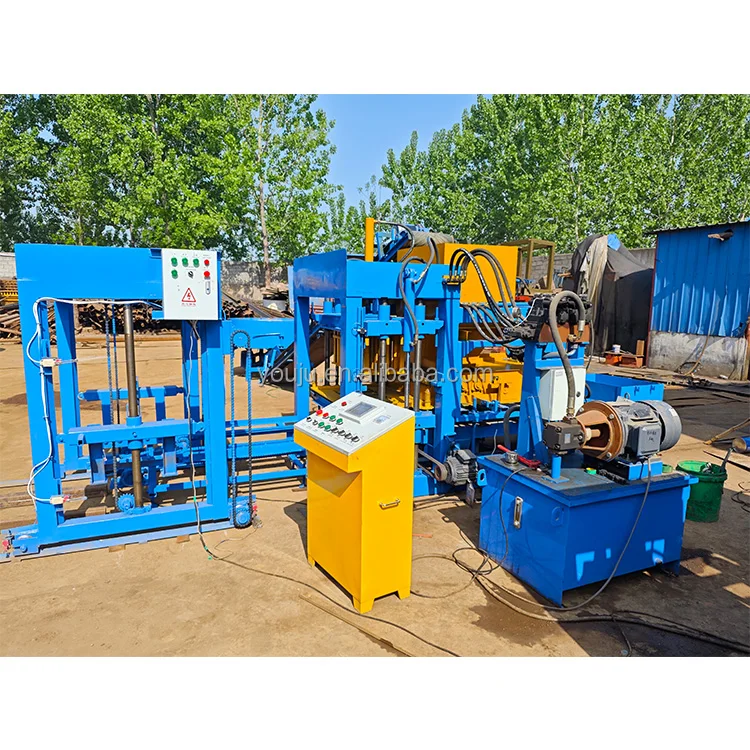
| Product Type | Stationary Concrete Block Making Machine |
| Overall Dimensions (L×W×H) | 3060 × 1730 × 2580 mm |
| Rated Pressure | 16–21 MPa |
| Main Vibration Form | Platform Vibration |
| Vibration Frequency | 4200 r/min |
| Vibration Force | 45.5 kN |
| Pallet Size | 850 × 550 mm |
| Moulding Cycle | 25–30 s (basis not stated in source — confirm block format and material) |
| Overall Power | 14.9 kW |
| Total Mass | 4 T |
| Demoulding Method | Vibration |
| Recommended Factory Area | 200 m² |
| Raw Materials | Crushed stone, sand, cement, fly ash, gravel, slag, dust |
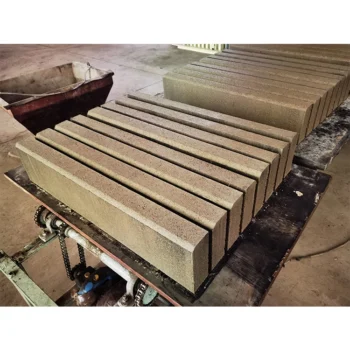
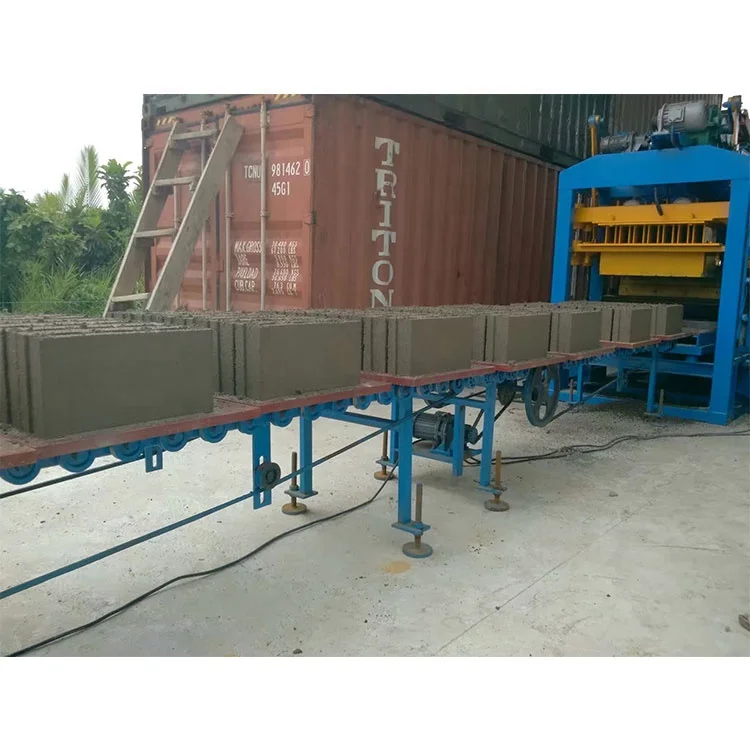
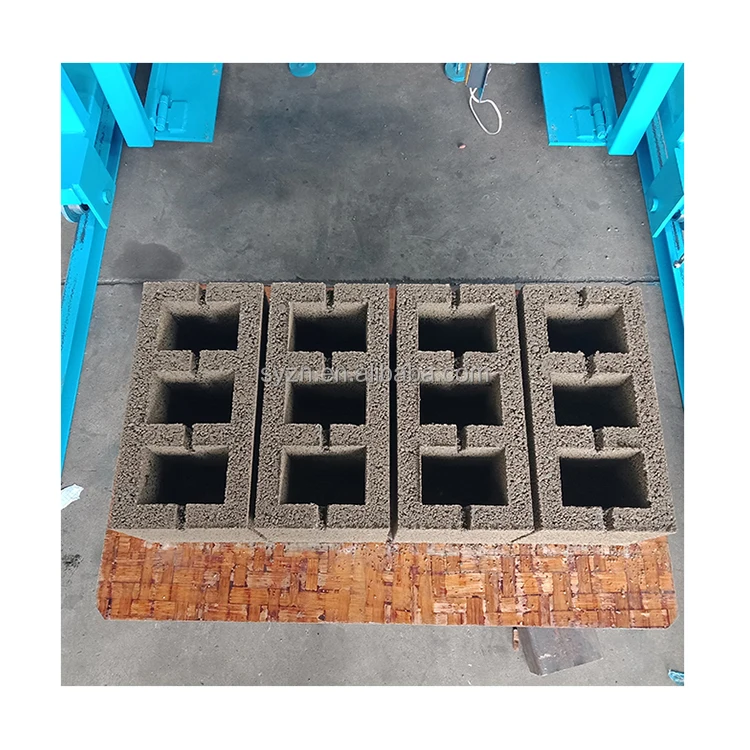
| Applied Products | Hollow blocks, solid blocks, pavers, interlocking blocks, kerbstones |
| Automation Level | Semi-automatic |
| Warranty | 1 year (excluding spare parts) |
| Loading | 1 × 40HQ container |
Application Suitability
| Application | Material or Output |
|---|---|
| Hollow block production for residential walls | Crushed stone, sand, cement mix on 850 × 550 mm pallets |
| Solid brick manufacturing for load-bearing structures | Gravel and fly ash blends with platform vibration compaction |
| Paving block runs for driveways and walkways | Fine aggregate and cement with colour oxide additives |
| Interlocking brick production for retaining walls | Sand-cement mix demoulded via vibration on standard pallets |
| Kerbstone forming for road and perimeter edging | Coarse aggregate concrete in dedicated kerb moulds |
Why "Cycles per Hour" Means Nothing Without the Block Format
The moulding cycle only becomes meaningful when tied to the exact block you intend to sell.
Buyers often see QTJ4-25 block machine specifications listing a 25–30 second cycle and calculate daily output from that number alone. The problem is that a six-inch hollow block, a 60 mm paving slab, and an interlocking brick each require a different vibration duration, hydraulic dwell time, and demoulding stroke. A cycle that holds for a thin paver may not produce adequate compaction for a tall hollow block [NEED_CITE: block format impact on cycle time and daily output]. The real daily output can fall well below expectations if the format is not factored in from the start.
That gap between catalogue output and actual production is the single most common complaint I hear from first-time block plant owners in West Africa. It is also entirely avoidable when capacity calculations are stated per format rather than as one blanket figure.
Mould Selection and Format-Specific Capacity
The QTJ4-25 supports multiple mould formats including hollow blocks, solid bricks, pavers, interlocking bricks, and kerbstones. Each format demands its own cycle time, vibration force duration, and hydraulic pressure setting. When sizing a QTJ4-25 block machine for a specific market, the buyer should request a capacity table that lists output per format rather than a single production figure.
This approach also reveals which formats are economically viable on this tier of machine. A thin paving block may cycle quickly and produce high volume, while a large hollow block takes longer per press and yields fewer units per shift. Knowing both figures upfront lets a buyer plan mould inventory and production scheduling around the products that actually sell in their region.
Matching Vibration Force to Local Aggregate
The 45.5 kN vibration force and platform vibration system must be tuned to the buyer’s specific raw material blend. Laterite soils common across parts of West Africa carry higher clay and fine-sand content than the standard crushed-stone mix used in factory trials. If the vibration parameters are set for a clean aggregate blend and the buyer feeds a laterite-heavy mix, the resulting blocks will show inconsistent density and lower compressive strength [NEED_CITE: aggregate variation and block strength consistency].
Trial pressing with the buyer’s actual material sample is the only reliable way to lock in vibration duration and hydraulic pressure settings. This step prevents the situation where a machine arrives on site and produces substandard blocks for weeks while parameters are adjusted through trial and error.
Reading the Specs That Actually Matter
The rated pressure range of 16–21 MPa combined with the 45.5 kN vibration force determines the compaction density the QTJ4-25 can achieve. Higher pressure is needed for taller hollow blocks where the concrete column must support its own weight during demoulding, while pavers require sustained vibration to produce a smooth surface finish.
The 850 × 550 mm pallet size is another critical dimension. It must align with the buyer’s existing curing racks and forklift tine spacing. A mismatch here means either building new curing racks or manually restacking every pallet after pressing — both of which erode the output advantage of the machine. The overall power draw of 14.9 kW sets the electrical supply requirement; the workshop panel must provide adequate circuit capacity to avoid voltage drops during the vibration phase that would weaken compaction.
The Cost of Skipping Configuration Checks
When voltage and frequency are not confirmed before production, a machine wired for 380 V / 50 Hz may arrive in a market running 440 V / 60 Hz. The motor overheats within days, the PLC display fails, and commissioning stalls while replacement components are shipped [NEED_CITE: voltage mismatch and commissioning delays in block machine installations]. Similarly, when pallet specification is left to chance, buyers discover their forklift cannot handle the pallet dimensions, forcing a manual handling bottleneck that cuts effective output.
These issues are not equipment failures. They are specification gaps that turn a straightforward installation into a multi-week troubleshooting exercise. Every one of them is preventable through a confirmation checklist completed before the machine leaves the factory.
Why Buyers Source This Machine Through Us
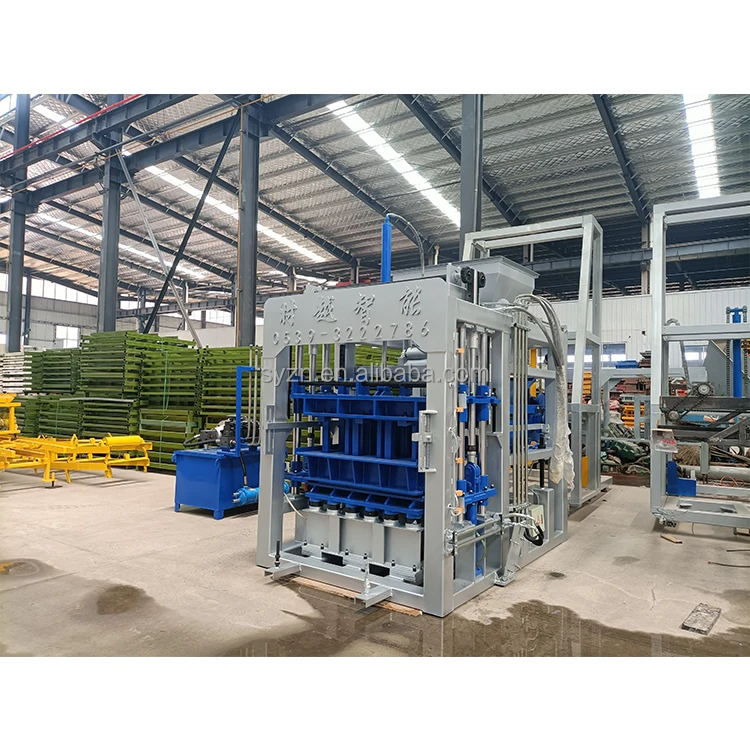
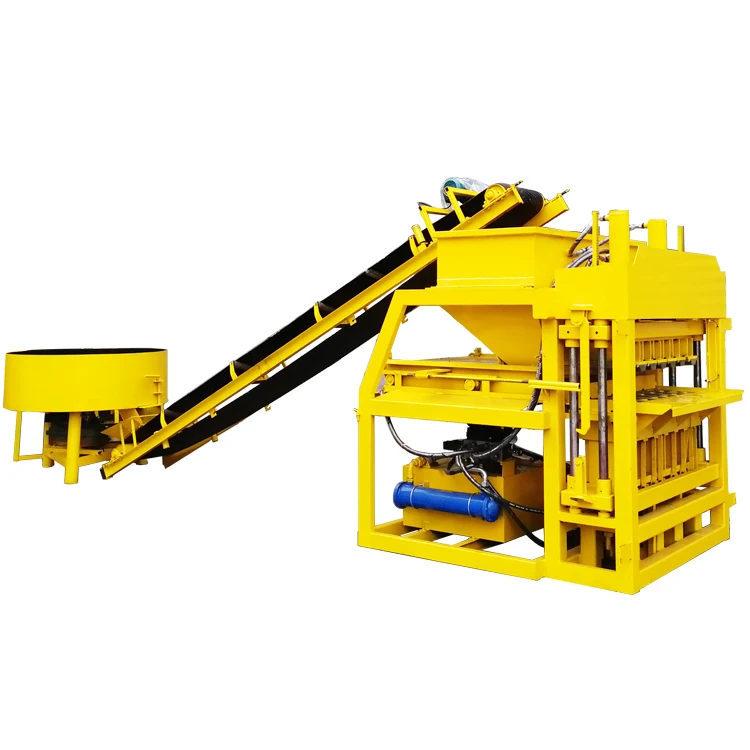
Block machinery is our single focus, so the QTJ4-25 press, moulds, pallets, and handling equipment are specified as one matched system rather than assembled from separate suppliers. Each configuration is set against the buyer’s actual mix design and local aggregate, not a catalogue default.
Mould design covers the formats the buyer’s market sells, with custom drawings available when standard options do not match local demand. The automation level is selectable, allowing a buyer to start with semi-automatic operation and plan a future upgrade path. Installation and commissioning support includes operator training so the crew can run independent production from the first week.
Documentation & Verification
- Line layout with capacity calculation stating the block format assumed for each output figure
- Mould drawing and format list confirming included and optional block types
- Pallet specification matched to curing rack system and forklift dimensions
- Voltage, frequency, and control language confirmation signed before production
- Factory test record on buyer’s target block format before dispatch
- Operation and maintenance manual with wear parts and mould replacement list
Installation, Commissioning & Support
- Foundation slab must support the 4 T total mass with level tolerance across the 3060 × 1730 mm footprint
- Dedicated circuit required for the 14.9 kW overall power draw with voltage confirmed before wiring
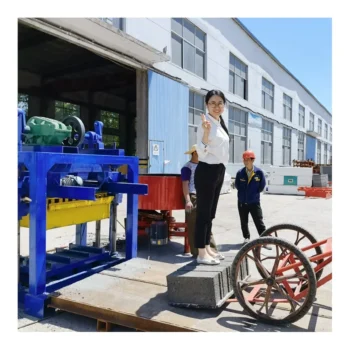
- Machine ships dismantled in one 40HQ container; reassembly covers frame, press head, and pallet feeder
- First-run parameter tuning covers vibration force and hydraulic pressure for buyer’s confirmed mix design
- Operator training includes mould change procedure and daily maintenance checkpoints
- Wear parts list and mould spares shipped with the machine to cover initial replacement needs
What to Share Before Requesting a Quotation
Provide the specific block formats your market demands along with the target daily output for each. Include a sample or description of your locally available raw materials — aggregate type, sand source, and cement grade. Confirm your site’s voltage, frequency, and the control language your operators need. Sharing your curing area dimensions and existing forklift capacity lets us size pallets and handling equipment to match.
Frequently Asked Questions
Q: How is daily output calculated for each block format on the QTJ4-25?
A: The moulding cycle varies by format because hollow blocks, pavers, and interlocking bricks each require different vibration duration and hydraulic dwell. We provide a capacity table listing output per specific format based on trial pressing, not a single blanket figure. This lets buyers plan production around the products they actually sell.
Q: Can custom moulds be designed for block formats not in the standard range?
A: Yes. Mould design is available to buyer drawings when the local market demands a format outside the standard hollow, solid, paver, interlocking, and kerbstone options. We confirm dimensions, compaction requirements, and demoulding method before manufacturing so the new mould integrates with the existing press cycle.
Q: How do I confirm the pallet size matches my existing setup?
A: The standard pallet dimension is 850 × 550 mm. Before production, we verify this against your curing rack spacing and forklift tine width. If your existing equipment uses a different size, pallet specifications are adjusted to prevent manual restacking and handling bottlenecks after pressing.
Q: What electrical and control language options are available?
A: Voltage and frequency are configured to match the buyer’s site supply before production begins. The control display language is confirmed at the same stage so operators can read settings and diagnostics from day one, avoiding commissioning delays caused by language or electrical mismatches.
Q: How is vibration force matched to local raw materials?
A: We request a raw material sample and press trial blocks in our workshop to test compaction and strength. Vibration force and hydraulic pressure are then set to the buyer’s actual aggregate blend, ensuring consistent block density rather than relying on factory-default parameters calibrated for a different mix.