


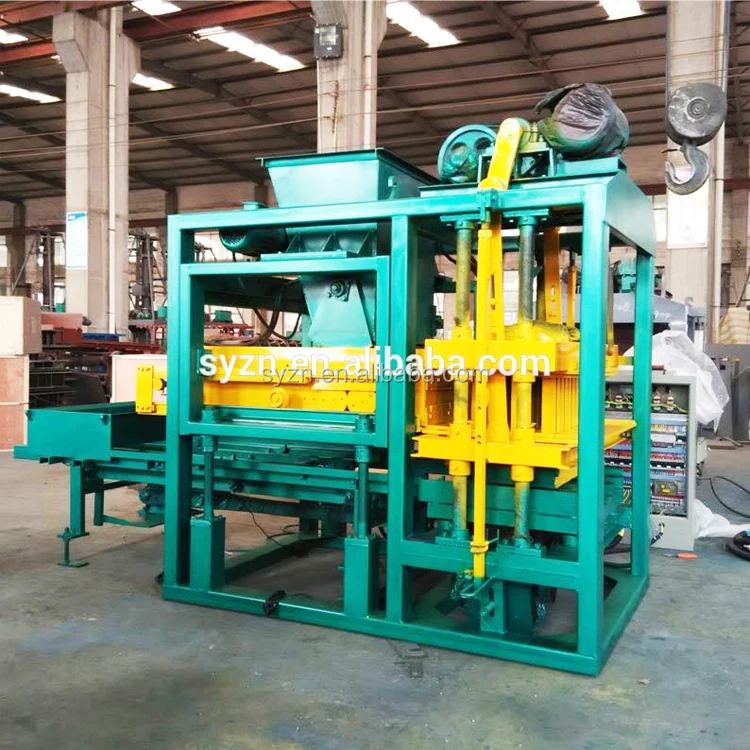
Description
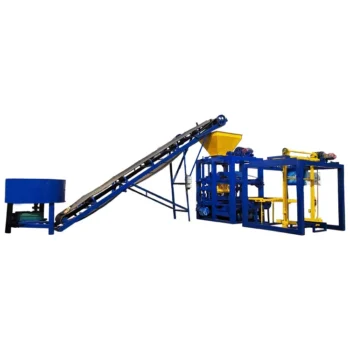
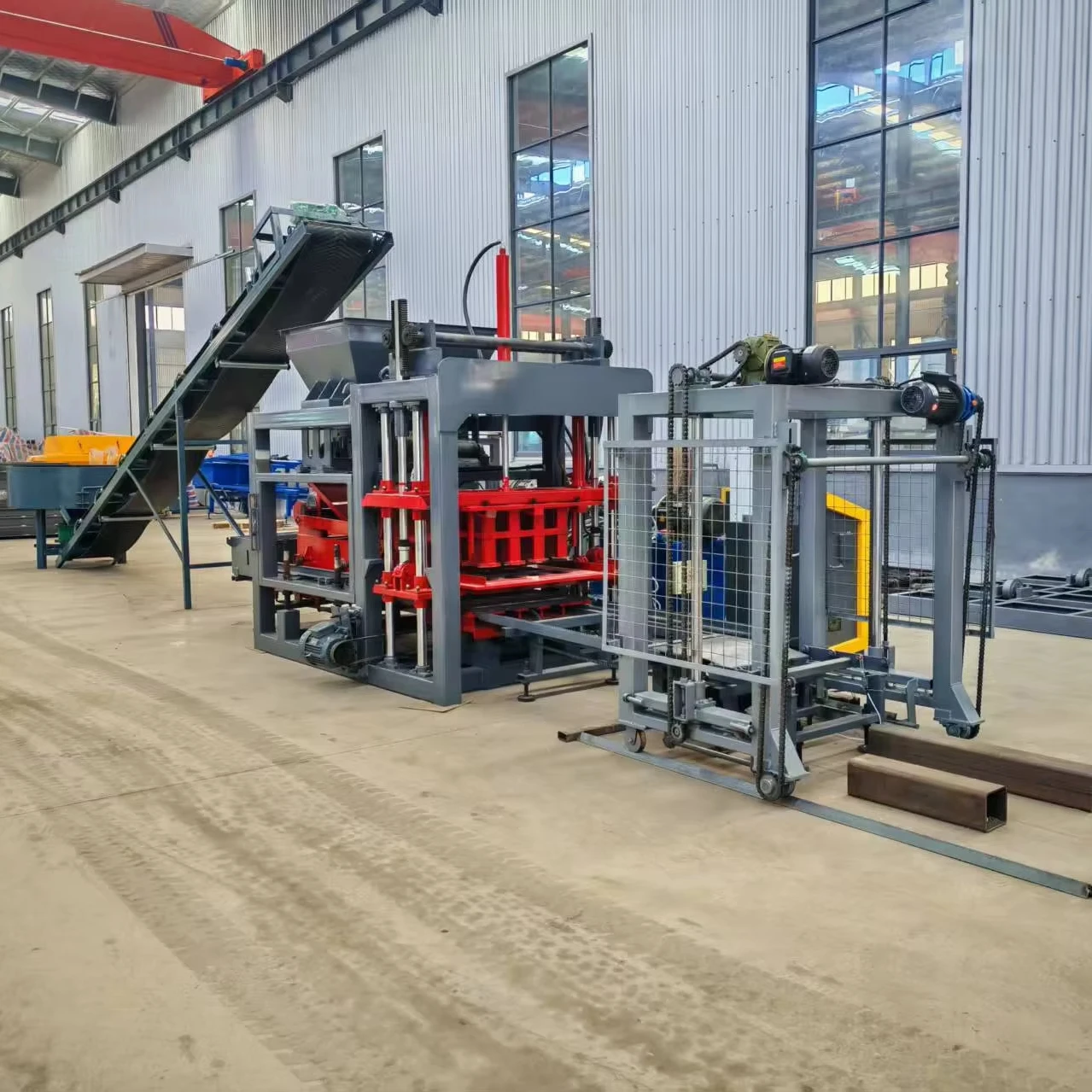
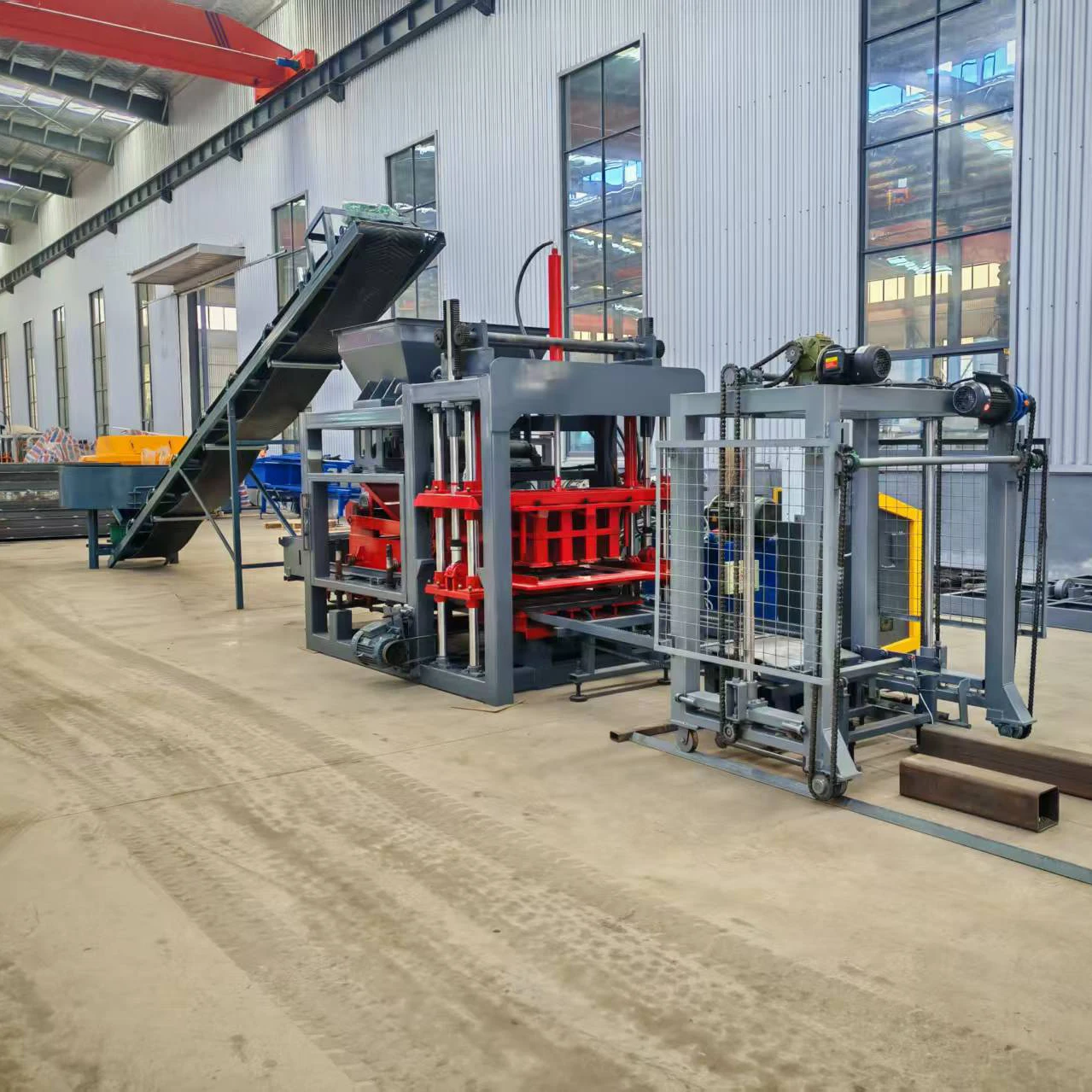
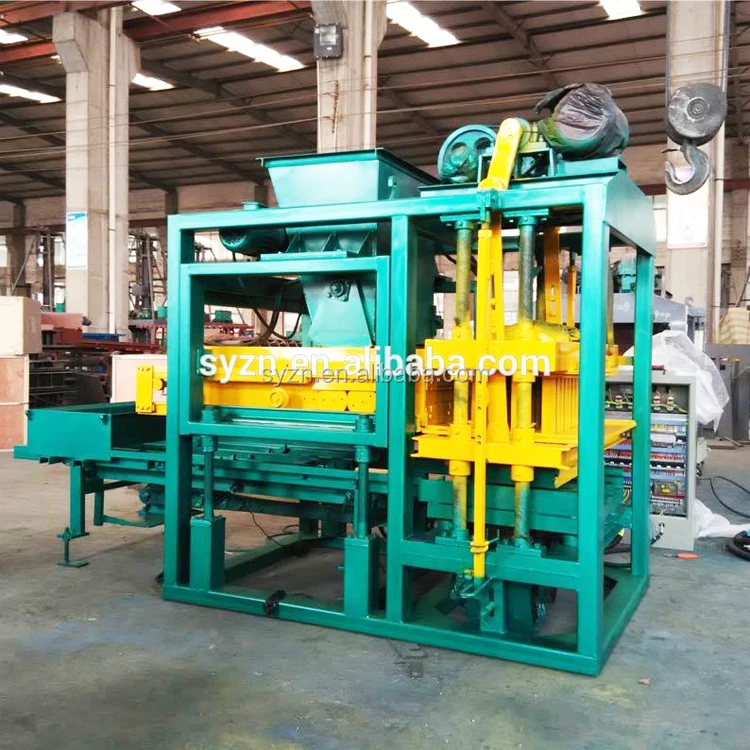
Matched System Sizing — every QTJ4-25 block making machine specification is set against the buyer’s actual mix design, local aggregate and target block format rather than a catalogue default.
Technical Specifications
| Parameter | Value |
|---|---|
| Model | QTJ4-25 |
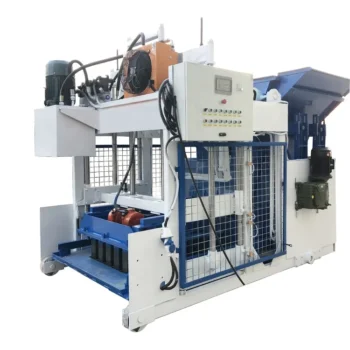
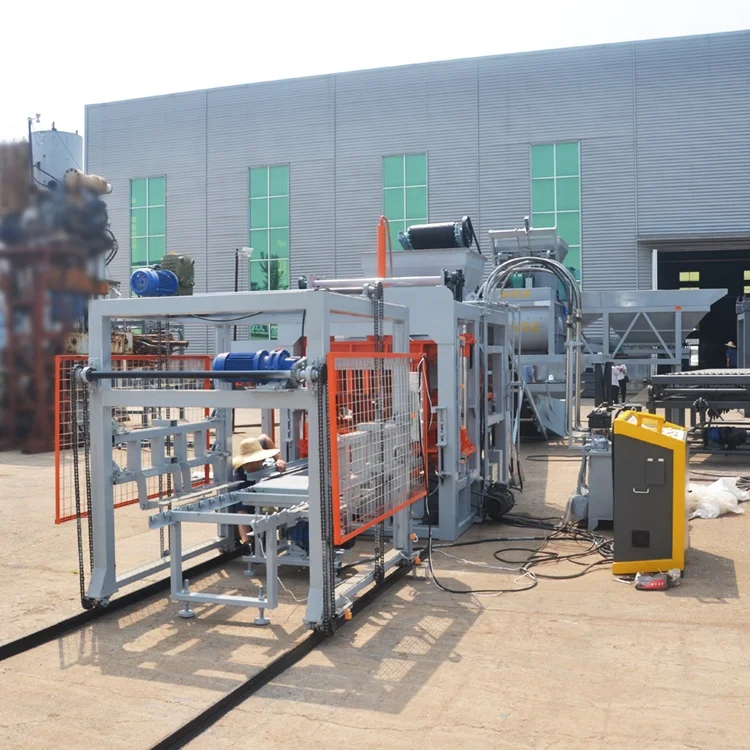
| Product Type | Automatic Concrete Block Making Machine |
| Overall Dimensions | 6400 × 1500 × 2700 mm |
| Net Weight | 2500 kg |
| Molding Cycle | 25 s |
| Vibration Frequency | 2800 – 5100 r/min |
| Exciting Power (Vibration Force) | 60 kN |
| Total Power | 17.9 kW |
| Mixer Model | JQ350 |
| Pallet Size | 850 × 550 × 20 mm |
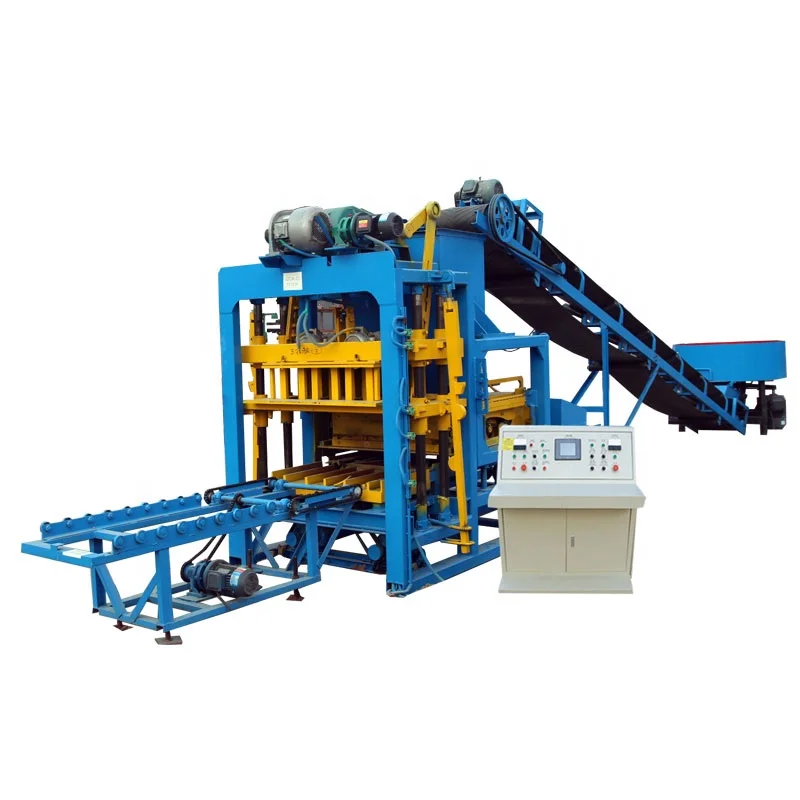
| Control System | PLC control with automatic plate-supplying, material-disturbing and brick-discharging |
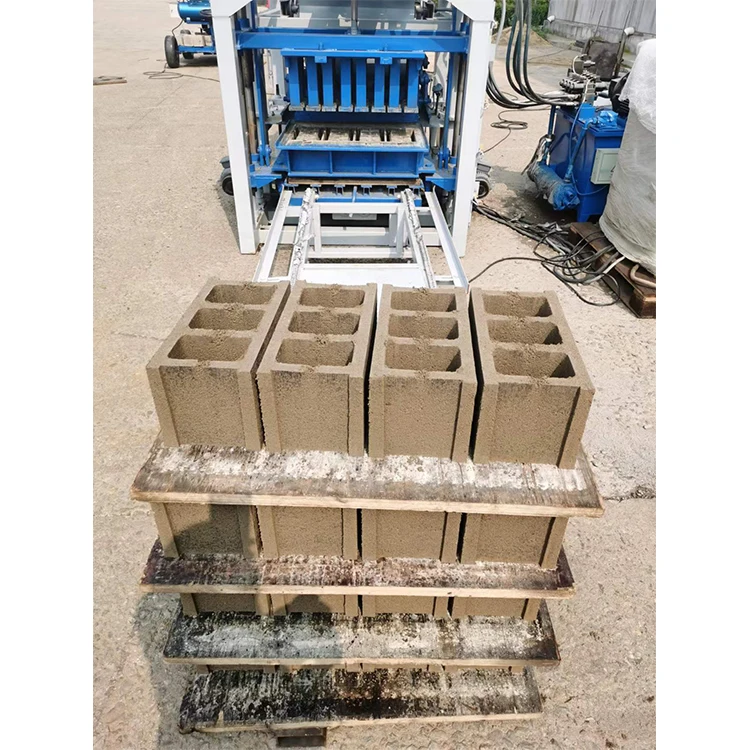
| Applied Products | Concrete hollow blocks (8 inch, 6 inch), solid bricks |
| Raw Materials | Crushed stones, sand, cement, dust, fly ash |
| Output — Hollow Block 390×190×190 mm | 480 pcs/h, 3800 pcs/8 hr (4 pcs/mould) |
| Output — Hollow Block 400×150×200 mm | 600 pcs/h, 4800 pcs/8 hr (5 pcs/mould) |
| Output — Solid Brick 240×115×53 mm | 2100 pcs/h, 17000 pcs/8 hr (18 pcs/mould) |
| Hydraulic Pressure | Basis to be confirmed |
| Mould Change Time | Basis to be confirmed |
| Voltage & Frequency | Configurable to target market requirement |
| Automation Level | Automatic (PLC-controlled material feed, vibration, discharge) |
| Stacking Method | Basis to be confirmed |
| Standards | CE declaration where applicable |
Application Suitability
| Application | Material or Output |
|---|---|
| Small-scale hollow block plant | 390×190×190 mm and 400×150×200 mm hollow blocks from crushed stone, sand and cement |
| On-site contractor production | Solid bricks 240×115×53 mm for masonry walls, produced directly at the project location |
| First block plant for entrepreneurs | Standard concrete masonry formats using locally available river sand, fly ash or stone dust |
| Format expansion for existing manufacturers | Adding 8 inch and 6 inch hollow block or solid brick to a current paving or kerb range |
| Building material distributor stocking | Machines sized to the hollow block and solid brick formats demanded by the local construction market |
What "Pieces per Hour" Hides When the Block Format Is Not Stated
A cycle time only becomes meaningful once the mould cavity count and block dimensions are fixed.
The most common reason a new block plant disappoints its owner within the first quarter is a capacity figure that was quoted without naming the block format behind it. A machine that cycles in 25 seconds can produce anything from a few hundred large hollow blocks to over two thousand small solid bricks in the same shift, depending entirely on what sits inside the mould box. I have walked onto sites in Southeast Asia where the owner was expecting a single headline number and instead found the crew running a format the machine was never configured for, producing blocks with low density and poor edge definition because the vibration force was never matched to their local river sand [NEED_CITE: concrete block density standards and vibration force matching]. With the QTJ4-25 block making machine specifications, every output number on the sheet is tied to a named block size, a stated cavity count and a 25-second cycle, so the daily figure in your business plan matches what actually comes off the pallet.
Honest Output per Block Format
When you review the QTJ4-25 block making machine specifications, the first thing that stands out is the three-format capacity table. Hollow blocks at 390×190×190 mm run four per mould, giving 480 pieces per hour or 3800 pieces across an eight-hour shift. Switch to the 400×150×200 mm cavity layout and the count rises to five per mould, lifting hourly output to 600 pieces. Drop in the solid brick mould with eighteen cavities and the same 25-second cycle now yields 2100 bricks per hour. This per-format transparency lets you size the curing yard, the forklift fleet and the pallet inventory against the product you actually sell, not against an abstract cycle count.
Matching Vibration to Your Local Aggregate
The adjustable vibration frequency band of 2800 to 5100 r/min combined with a 60 kN exciting force is not a fixed setting shipped from the factory. In my time running trials across humid coastal workshops, I have seen the same sand source produce weak, crumbly blocks on one frequency and dense, clean-edged blocks on another. Before the machine is configured, a sample of your crushed stone, river sand or fly ash is tested so that the vibration parameters are locked to your actual material. This step prevents the scenario where the first production run has to be scrapped because the default setting was calibrated for a different aggregate altogether [NEED_CITE: aggregate gradation effect on concrete block compressive strength].
Reading the Specs That Actually Matter on Site
Several line items in the QTJ4-25 block making machine specifications deserve a closer look before you sign off on the order. The pallet size of 850 × 550 × 20 mm dictates the curing rack spacing and the fork tine width you will need — order pallets or racks before confirming this dimension and you risk a mismatch that slows the whole line. The total installed power of 17.9 kW tells the electrician whether the existing workshop panel can absorb the start-up surge of the JQ350 mixer plus the vibration motor simultaneously, or whether a dedicated feeder is required. The PLC-controlled automatic plate-supplying, material-disturbing and brick-discharging sequence removes three manual handling steps from every cycle, which is where most small plants lose consistency between the first hour and the last hour of a shift. Voltage and frequency remain configurable, so a 50 Hz market and a 60 Hz market both receive a motor and transformer package suited to their grid rather than a generic compromise [NEED_CITE: voltage and frequency standards by export market].
What Wrong Configuration Choices Cost After Arrival
Skipping the pallet-size confirmation means your existing curing racks may be too narrow, forcing the crew to restack every pallet by hand before the blocks can enter the curing zone. Running the vibration force at a catalogue default instead of testing your local sand produces blocks that pass visual inspection but fail the drop test, quietly eroding your reputation with contractors. If the PLC display language is not confirmed before shipment, the operator spends the first week guessing at alarm codes instead of running production. These are not warranty issues — they are configuration gaps that no amount of on-site adjustment can fully correct once the machine is bolted to the floor [NEED_CITE: CE machinery directive requirements for industrial equipment].
Why Buyers Source This Format Range Through Shiyue
Block machinery is the single focus here, so the machine, the mould, the pallet and the handling equipment are specified as one matched system rather than assembled from separate vendors. Configuration is set against your actual mix design and target block format, not a catalogue default. Mould design covers the hollow block and solid brick sizes your local market moves, and custom drawings are accommodated when a non-standard format is needed. The automation level is selectable, meaning a buyer can begin with the PLC-controlled automatic cycle and add upstream batching or downstream stacking later without replacing the press. Installation support includes on-site commissioning and operator training, so the crew understands the mould change procedure and the daily maintenance checklist before the first commercial run.
Documentation & Verification
- Line layout and capacity calculation stating the block format assumed for each output figure
- Mould drawing and format list confirming cavity count and block dimensions
- Pallet specification matched to your curing area and forklift capacity
- Hydraulic and electrical schematic showing every valve and sensor reference
- Voltage, frequency and PLC display language confirmation in writing before production
- Factory test record run on your target block format before dispatch
Installation, Commissioning & Support
- Foundation plan sized to the 6400 × 1500 mm footprint and 2500 kg static load of the QTJ4-25
- Dedicated electrical feeder rated for the 17.9 kW total draw including JQ350 mixer start-up current
- Machine shipped in dismantled state with bolt-together reassembly on site to fit standard container loading
- First-run commissioning includes vibration frequency tuning against your local aggregate sample
- Operator training covers PLC alarm codes, mould change procedure and daily greasing points
- Wear parts and mould list provided so first replacement order can be placed before stock runs low
Before You Request a Quotation
To move from general interest to an accurate proposal, share the block format you intend to sell, the daily output target for that specific format and a sample description of your local sand or crushed stone. Include the voltage and frequency at your site, the PLC display language your operators need and the pallet dimensions your curing yard currently accommodates. If stacking and curing equipment are expected in the same quotation, mention the available floor area and ceiling height so the line layout can be drawn to scale.
Frequently Asked Questions
Q: How is the output capacity verified for each block format?
A: Each capacity figure is tied to a specific block dimension and mould cavity count — for example, 480 pieces per hour assumes the 390×190×190 mm hollow block at four cavities per mould and a 25-second cycle. No single headline number is quoted without stating the format behind it, so your business plan reflects actual production.
Q: Can the QTJ4-25 run on my local river sand and aggregate?
A: Yes, but the vibration frequency and exciting force must be matched to your material. A sample of your local sand, crushed stone or fly ash is tested before the machine is configured, ensuring the 2800–5100 r/min range is set to deliver uniform density rather than relying on a generic factory default.
Q: What is the mould change procedure and how long does it take?
A: The mould is bolted into the mould box and connected to the vibration table. Exact changeover time depends on the format and whether quick-release clamps are specified. Confirm the procedure and expected duration during the proposal stage so your shift plan accounts for the downtime.
Q: Which voltage and PLC language options are available?
A: Voltage and frequency are configured to your site supply before production begins. The PLC display language is confirmed in writing so operators read alarms and cycle data in their working language, avoiding misinterpretation during the first weeks of operation.
Q: Are pallet handling and stacking included in the quotation?
A: Pallet specification is confirmed upfront, but stacking and curing equipment are separate line items unless explicitly included. State your requirement during the inquiry so the quotation covers the full workflow from press output to cured block, not just the machine itself.