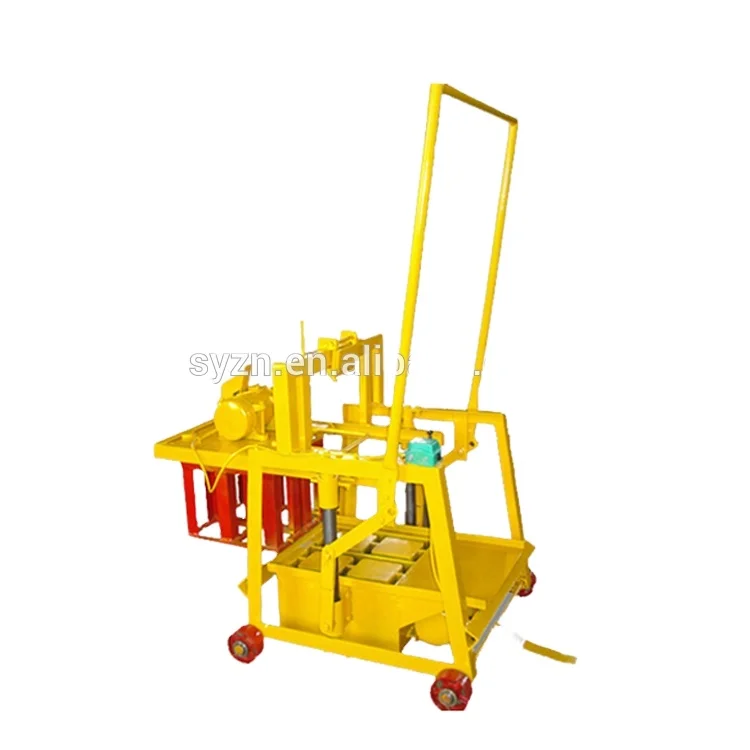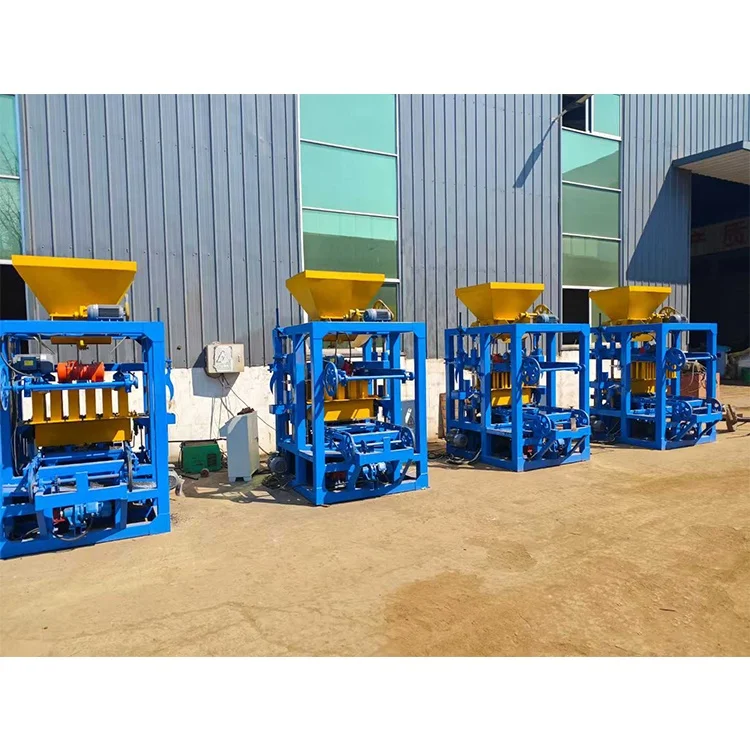
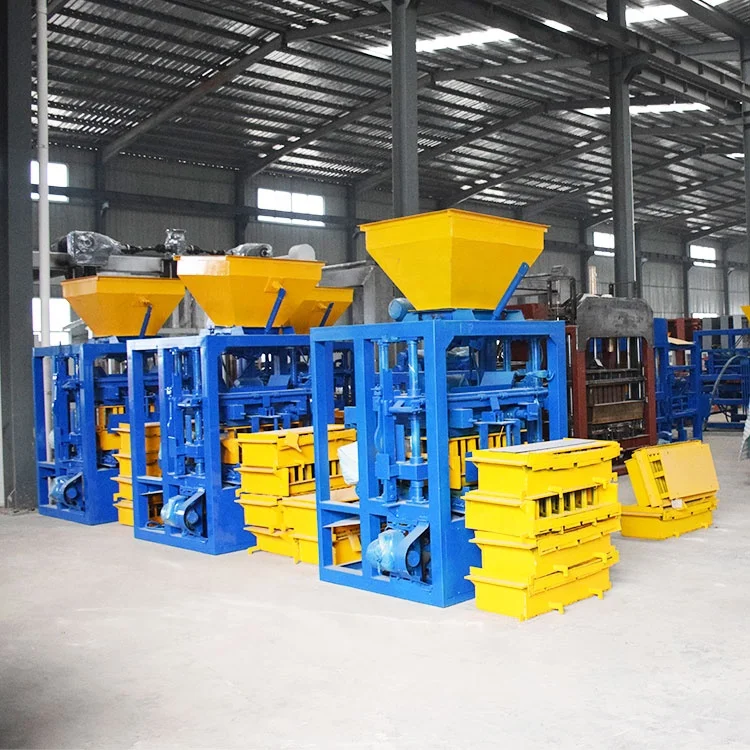
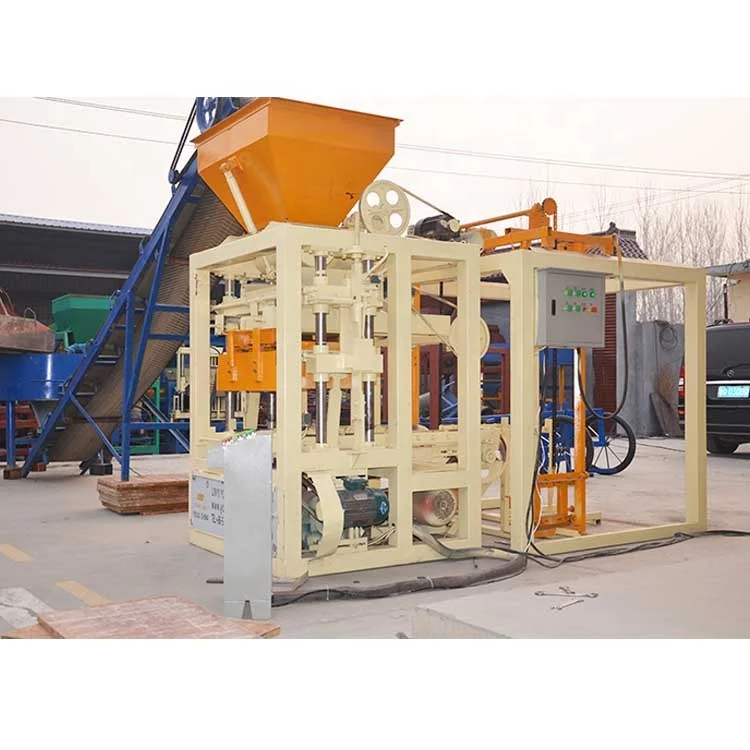
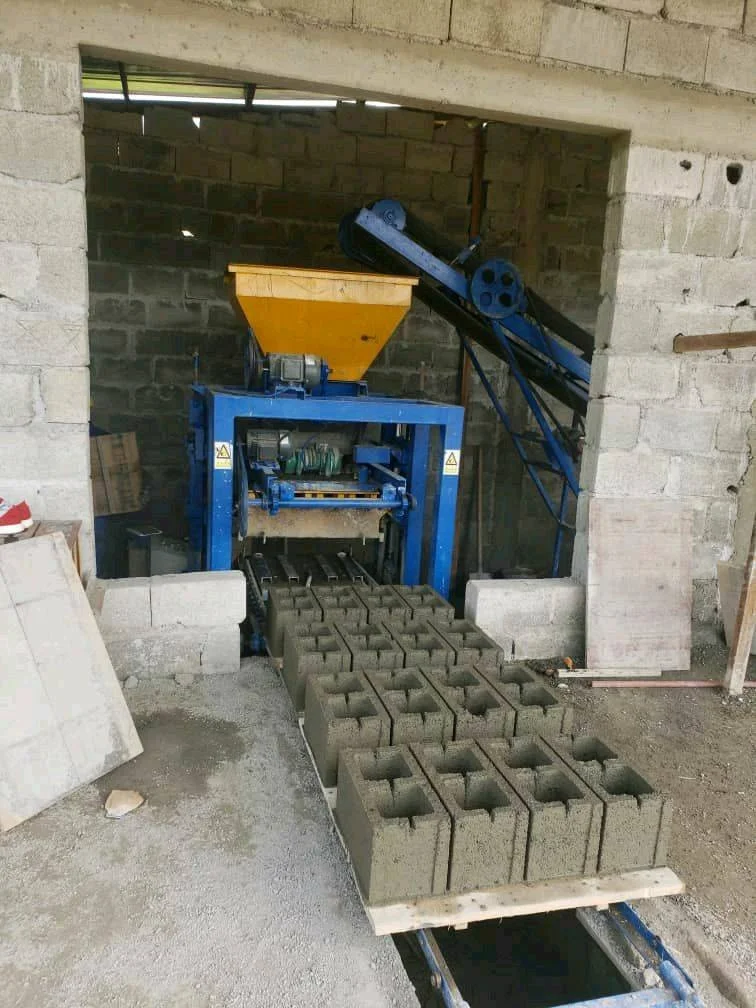
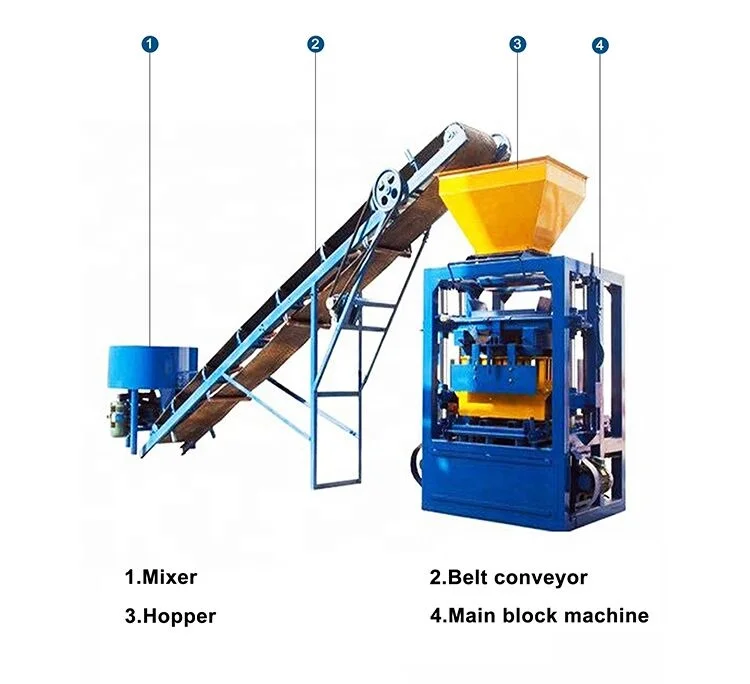
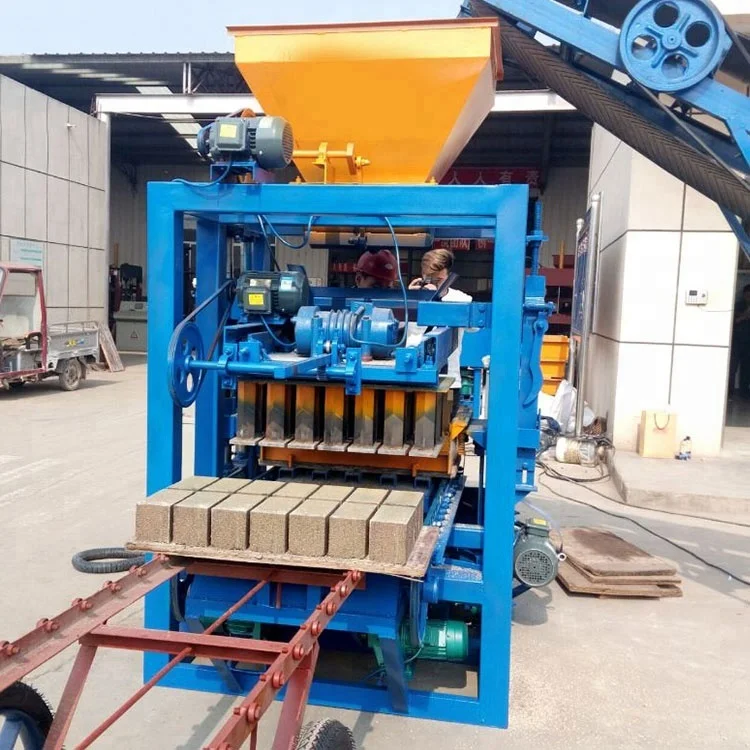
Description
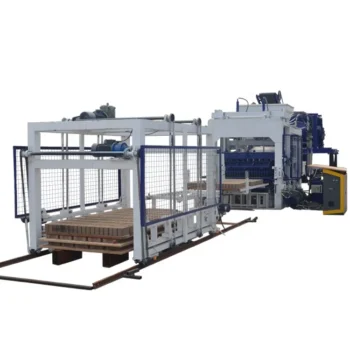
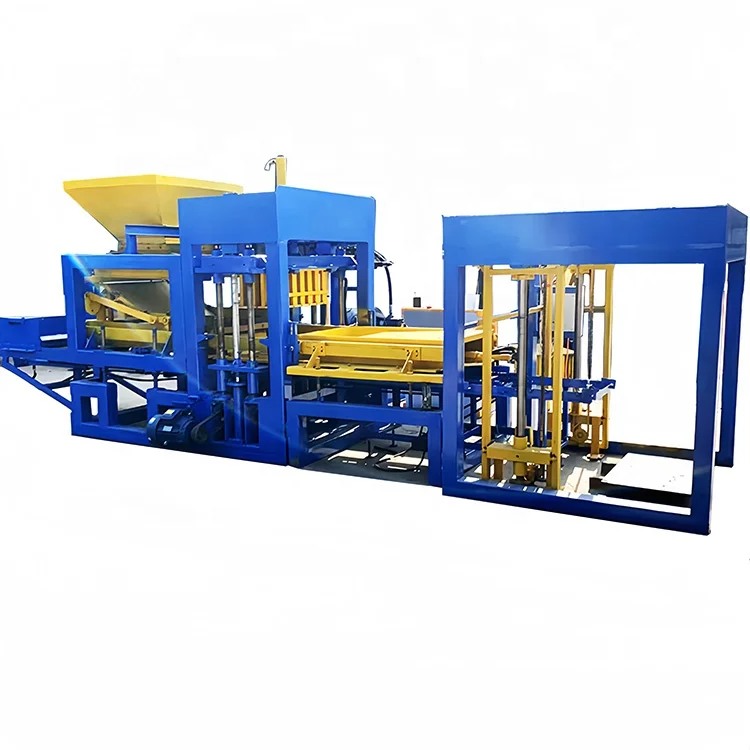
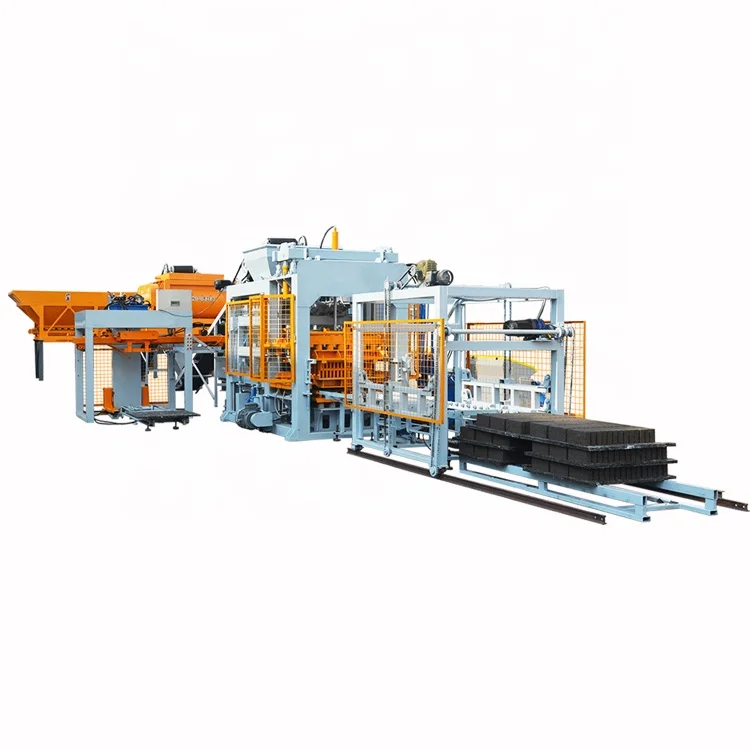
Mould-First Configuration — we size the QTJ4-24 around the specific hollow block dimensions your market actually buys, not a catalogue default.
Technical Specifications
| Parameter | Value |
|---|---|
| Model | QTJ4-24 |
| Product Type | Semi-Automatic Concrete Block Making Machine |
| Rated Power | 11.95 kW |
| Overall Dimensions (L×W×H) | 3600 mm × 1700 mm × 2560 mm |
| Net Weight | 3.5 T |
| Pallet Size | 900 mm × 450 mm |
| Moulding Cycle | 24–26 s |
| Vibration Type | Table vibration feeding, fluctuation vibration moulding |
| Feeding Method | Manual feeding with two feed-way options |
| Automation Level | Semi-automatic (mechanical and manual combined) |
| Control System | Electrical control cabinet with mechanical interworking |
| Recommended Mixer | JQ350 or JQ500 vertical mixer |
| Recommended Conveyor | 6 m or 8 m belt conveyor |
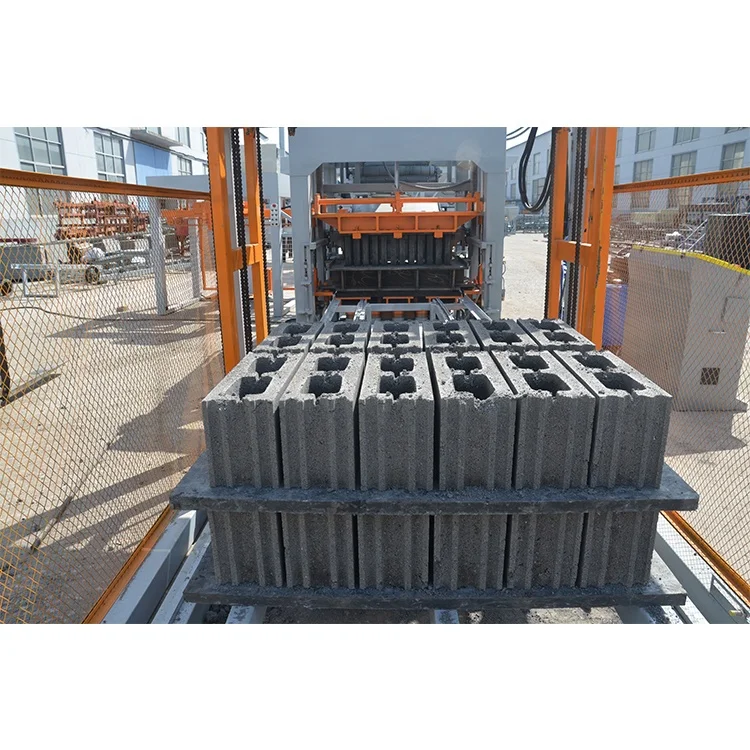
| Mould Formats | 400×200×200 mm (4 pcs/mould), 390×240×190 mm (3 pcs/mould), 390×120×190 mm (6 pcs/mould), 240×115×53 mm (21 pcs/mould) |
| Assembly State | Stationary installation on precast concrete ground |
| Standard | CE |
Application Suitability
| Application | Material or Output |
|---|---|
| Small-scale hollow block production | Cement, crushed stone, sand aggregate |
| Standard solid brick manufacturing | Cement, fly ash, stone dust blends |
| On-site production for housing contractors | Locally sourced aggregate and cement |
| Entry-level plant for entrepreneurs | Multiple block formats on one machine |
What "Cycles per Hour" Hides About Your Daily Output
Honest capacity only matters when tied to the exact block format you intend to produce.
A supplier quoting a generic cycles-per-hour figure without naming the assumed block shape is handing you a number that will not survive the first week of production. The QTJ4-24 block machine specifications list a 24–26 second moulding cycle, but that cycle produces four 400×200×200 mm hollow blocks or twenty-one 240×115×53 mm solid bricks per press. Those two outputs differ drastically in daily tonnage and curing-space demand. Buyers who skip this calculation end up with a machine that technically runs all day yet ships far fewer blocks than the business plan assumed [NEED_CITE: capacity calculation methods for concrete block plants].
Mould Format and Piece-Count Reality
Choosing the right mould is the single most consequential decision on this machine. Each cavity count — three, four, six, or twenty-one — locks in a specific pallet coverage and raw-material draw per cycle. Switching formats later is possible, but the daily output recalculation must happen before the first order is placed. A technical buyer comparing the QTJ4-24 against alternatives should line up piece-count-per-mould figures rather than headline cycle times.
Pallet Size and Curing-Area Planning
The 900×450 mm pallet governs how many blocks cure at once and which forklift can handle the racks. If your existing curing yard was laid out for a different pallet footprint, the mismatch compounds into wasted floor space and double-handling. Confirming pallet dimensions early avoids costly yard reconfiguration and ensures the semi-automatic workflow stays continuous from press to stacking area [NEED_CITE: pallet handling standards in concrete block production].
How Vibration and Pressure Interact
Table vibration feeding distributes the mix evenly into the mould cavity, while fluctuation vibration moulding compacts the material against the hydraulic pressure. If the vibration force is set too high for a lean mix, fines separate and block edges chip. Too low, and the block leaves the mould before achieving sufficient green strength. Both parameters must be tuned to your local aggregate gradation and cement ratio, not left at factory defaults.
The Cost of Ignoring Local Aggregate
Desert sand with high clay content absorbs water differently from washed river sand, altering the mix viscosity that reaches the mould. When vibration and hydraulic pressure are calibrated for a standard test mix, blocks made from uncharacterised local aggregate crack during curing or fail compressive-strength tests. Recalibrating on-site adds days to commissioning and disrupts the project schedule that justified the purchase in the first place [NEED_CITE: effects of aggregate clay content on concrete block strength].
Why Configuration Transparency Matters Here
Block machinery is our single focus, so the QTJ4-24, its moulds, pallets, and handling equipment are specified as one matched system rather than assembled from separate suppliers. We set the configuration against your actual mix design and target block format, not a catalogue default. Mould drawings are provided for the exact formats your market sells, and custom dimensions are available from buyer-supplied drawings. Automation level is selectable, letting you start with manual pallet handling and add stacking later. Installation support includes operator training on your specific block type and local material behaviour.
Documentation & Verification
- Line layout with capacity calculation stated per block format
- Mould drawing and format list confirming your target dimensions
- Hydraulic and electrical schematic matching your voltage and frequency
- Factory test record run on your specified aggregate blend
- Pallet specification aligned to your curing rack and forklift
- Operation manual covering mould-change procedure and cycle settings
Installation, Commissioning & Support
- Stationary assembly on precast concrete ground measuring at least 3600×1700 mm footprint
- Dedicated electrical circuit rated for 11.95 kW with confirmed local voltage and frequency
- Electrical control cabinet calibrated to operator language before dispatch
- Vertical mixer JQ350 or JQ500 positioned to match manual feed height and cycle timing
- On-site vibration and pressure tuning using your delivered aggregate sample
- Wear-part and mould inventory list supplied at commissioning for first replacement planning
What to Include in Your Enquiry
Provide the exact block dimensions and daily volume your market requires so we can return a per-format capacity sheet. Include a sample or laboratory analysis of your local aggregate — sand source, maximum particle size, and clay percentage — so vibration and pressure settings are matched before shipping. Specify your site voltage, frequency, and preferred control-panel language to eliminate commissioning delays.
Frequently Asked Questions
Q: How is daily output calculated for each block format on this machine?
A: We multiply the piece count per mould by the number of achievable cycles in an eight-hour shift, minus pallet handling and mould-change time. Each format — hollow, solid, or standard brick — receives its own line on the capacity sheet so you can compare realistic volumes before committing.
Q: What pallet size does the machine require and how does that affect my curing yard?
A: The machine uses a 900×450 mm pallet. Your curing racks and forklift must accommodate that footprint. We confirm pallet material and stacking height during the proposal stage so your yard layout matches the press output without double-handling.
Q: Can I start semi-automatic and add automation later?
A: Yes. The mechanical and manual combined operation lets you begin with hand-fed pallets. Automatic stacking and cubing modules can be integrated on the same frame when volume justifies the investment, preserving your initial capital outlay.
Q: Which mixer and conveyor setup matches the moulding cycle?
A: A JQ350 or JQ500 vertical mixer paired with a 6 m or 8 m belt conveyor keeps material flowing at the 24–26 second cycle pace. Undersized mixers cause the press to idle between batches, cutting actual daily output well below the calculated figure.
Q: How do I confirm the mould will produce blocks that match my local market dimensions?
A: We provide a mould drawing and format list before production. You verify the cavity dimensions against your regional block standard. Custom moulds are built to buyer-supplied drawings, ensuring the finished product matches what your distributors already stock.