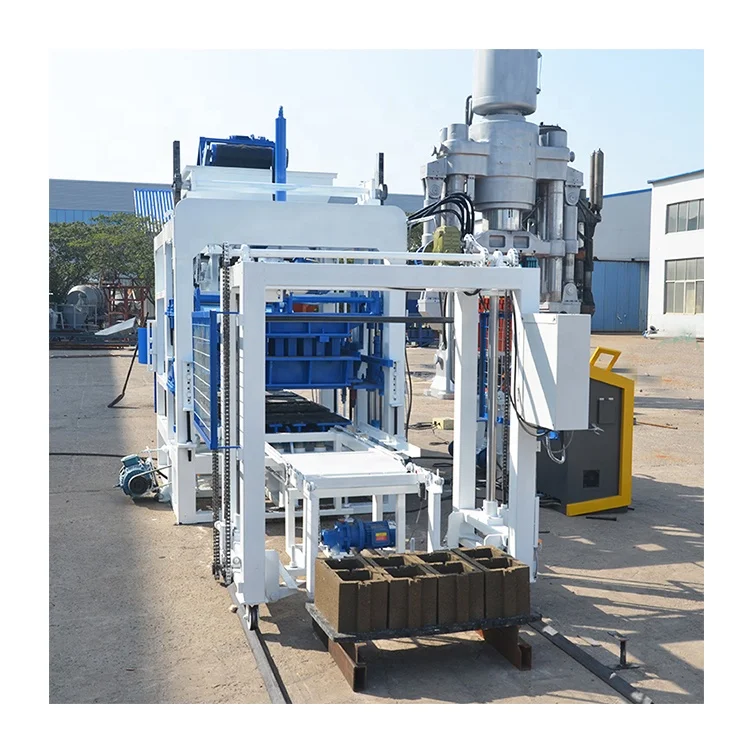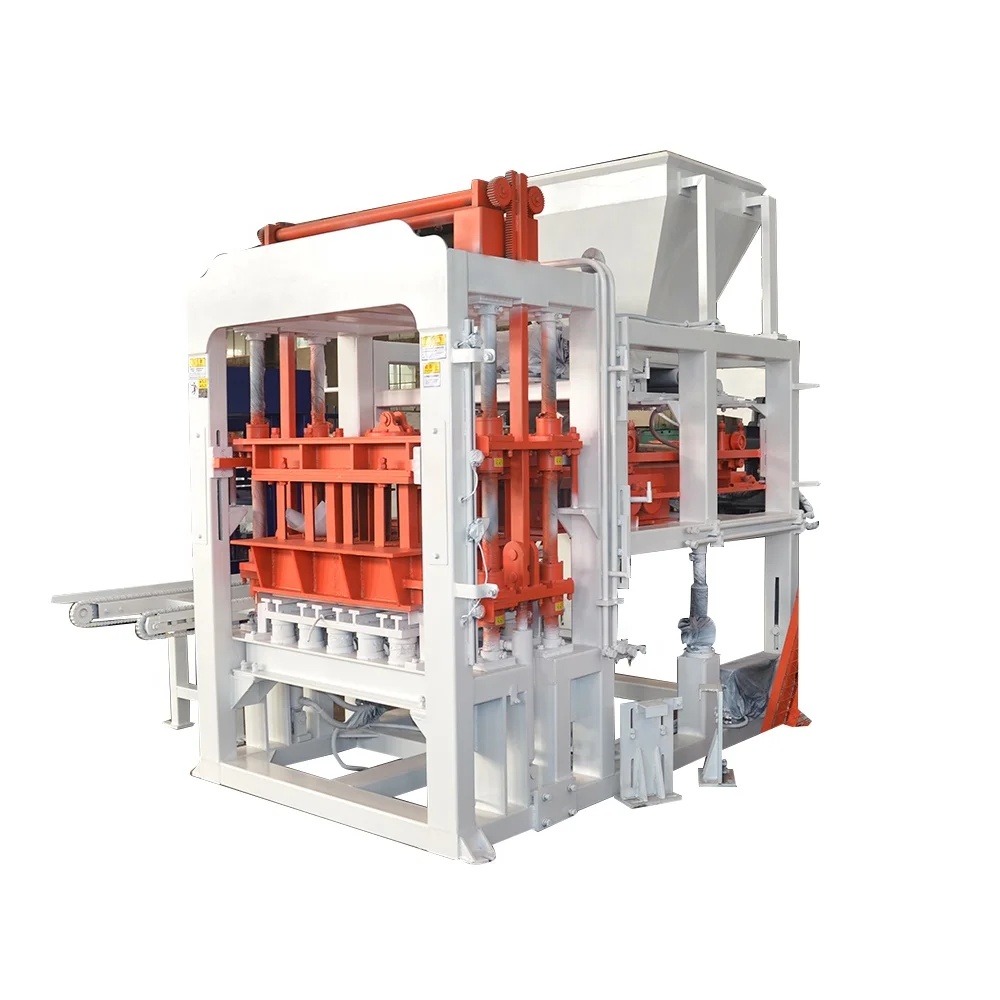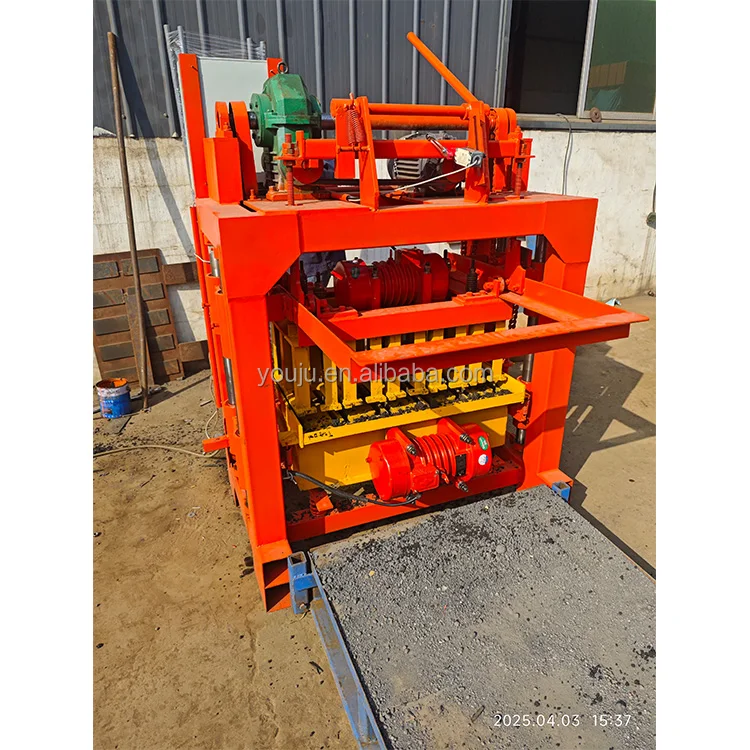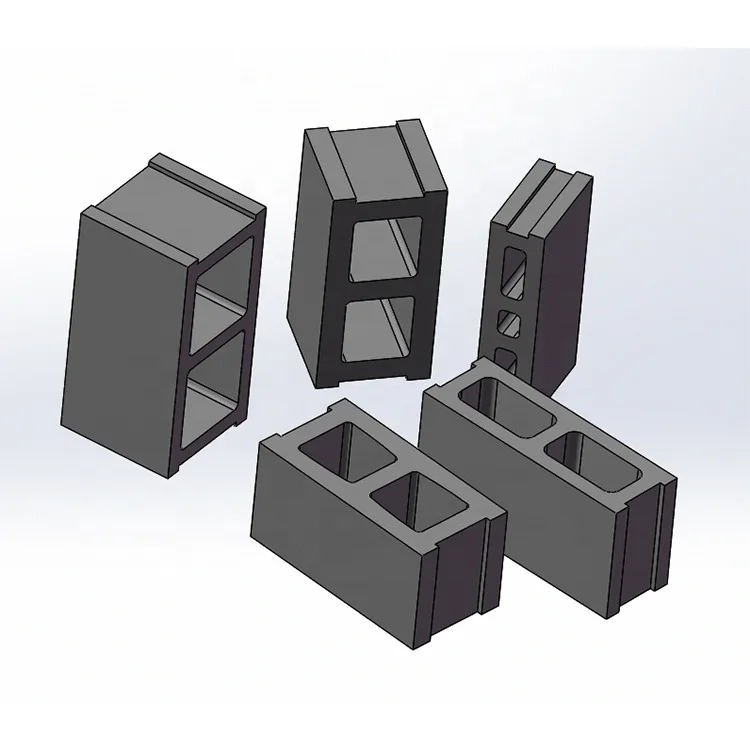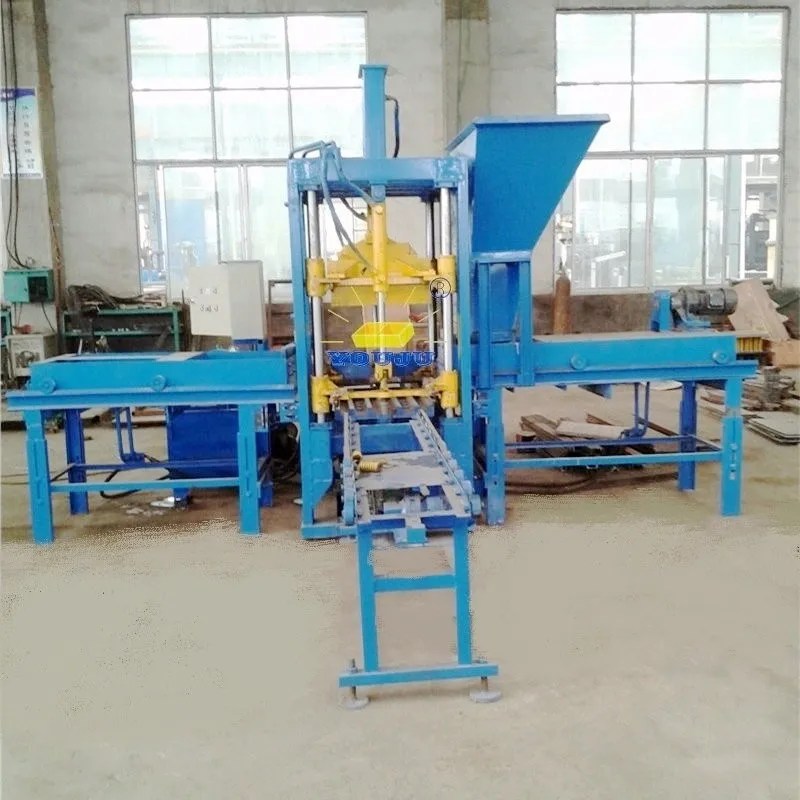
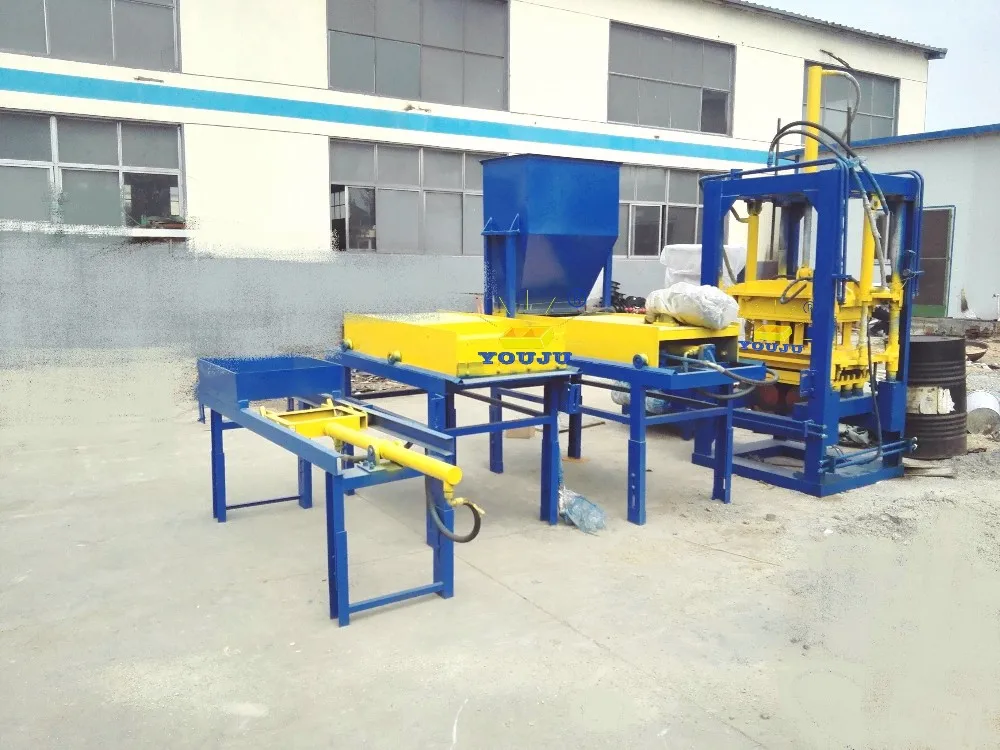
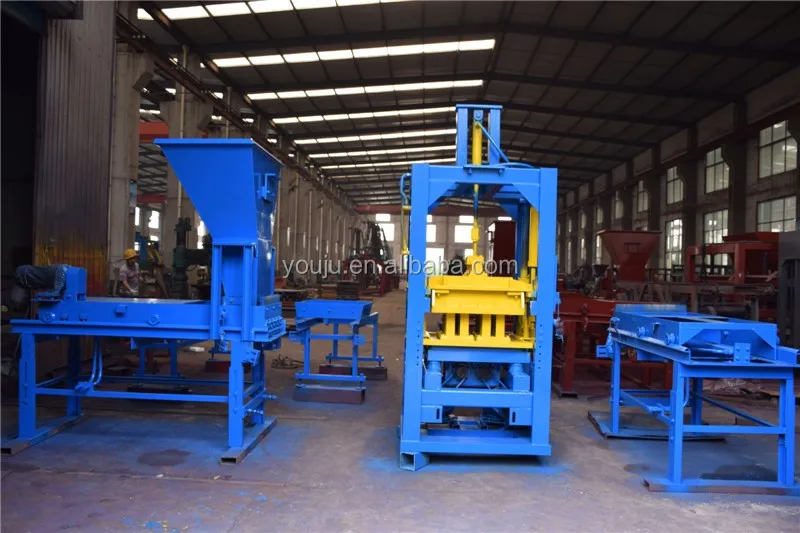
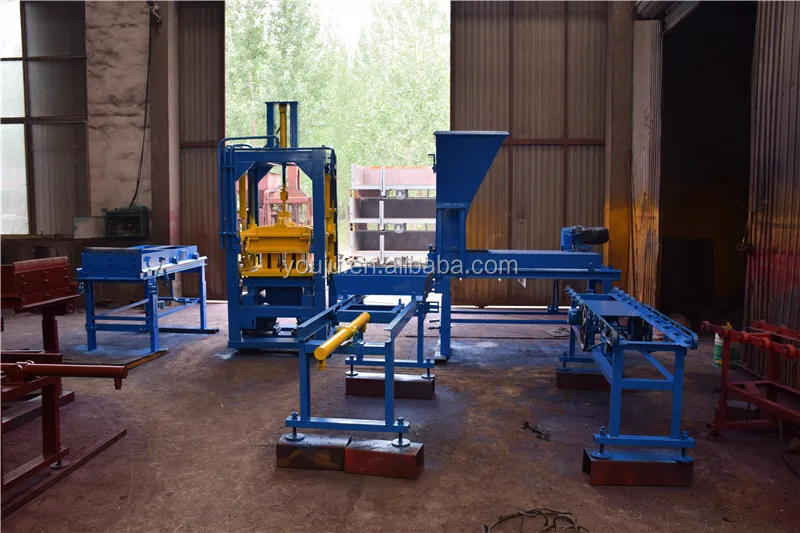
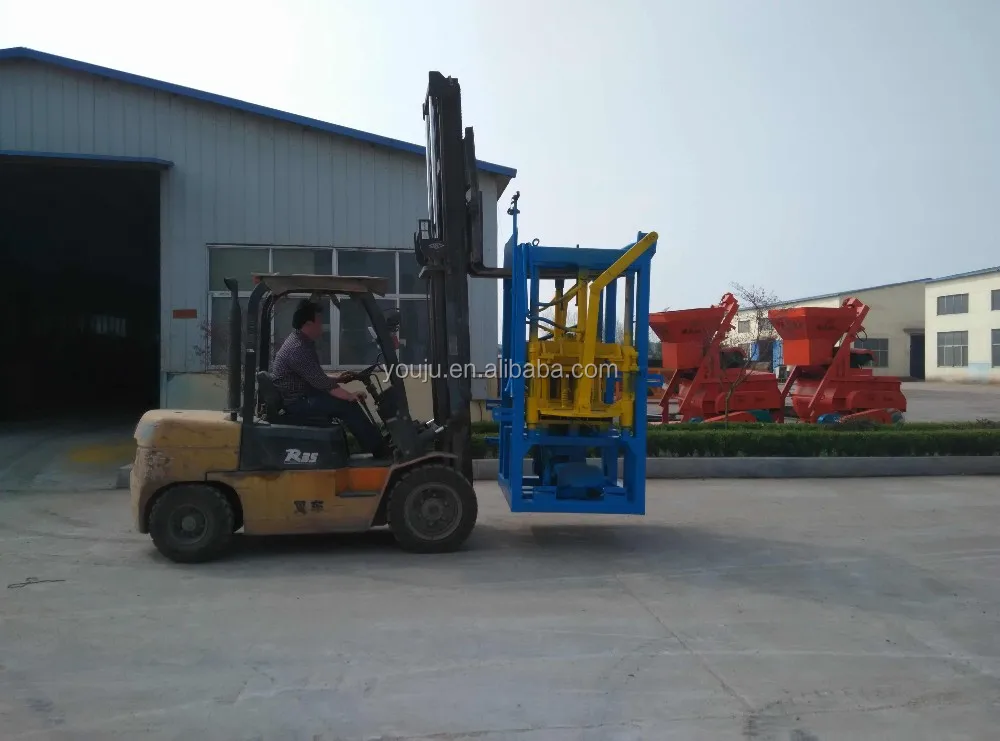
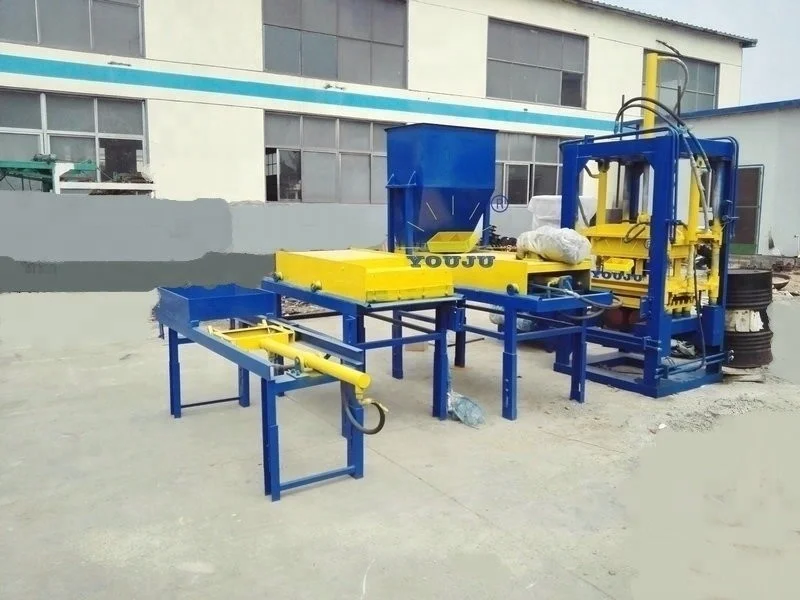
Description
Honest Capacity by Format — The QTF3-20 block machine is configured around your actual hollow, solid, or paving block dimensions, so every cycle time and pallet count reflects what you will produce on your own site, not a catalogue default.
Technical Specifications
| Parameter | Value |
|---|---|
| Model | QTF3-20 |
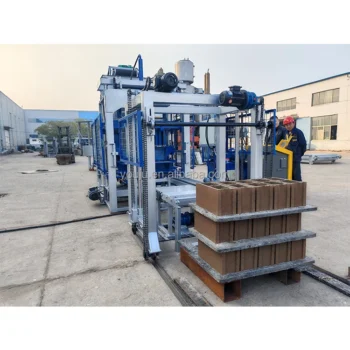
| Product Type | Automatic Hydraulic Concrete Block Making Machine |
| Main Vibration Form | Platform vibration and pressure |
| Vibrating Frequency | 4600 rolls/minute |
| Cycle Time | 20 seconds (basis not stated in source — confirm block format / material / thickness) |
| Motors Power | 14.25 kW |
| Pallet Size | 680 × 530 mm |
| Drive System | Hydraulic drive compression molding |
| Raw Materials | Crushed stone, sand, cement, dust and coal fly ash, cinder, slag, gangue, gravel, perlite, and other industrial wastes |
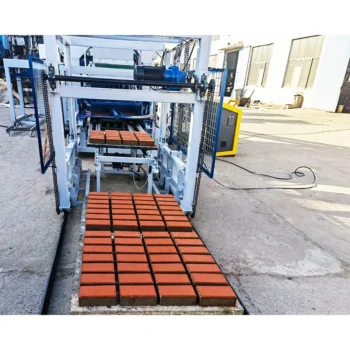
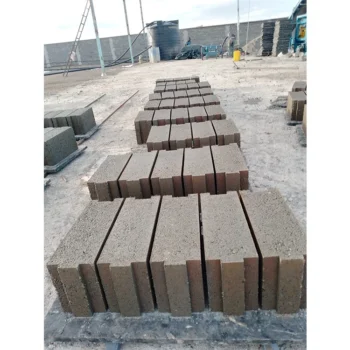
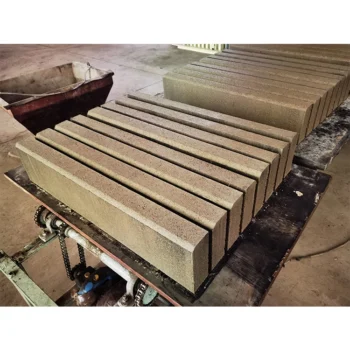
| Applied Products | Concrete blocks, solid/hollow/cellular masonry products, paving stones with or without face mix, garden and landscaping products, slabs, edgers, kerbstones, grass blocks, slope blocks, interlocking blocks |
| Standards | CE, ISO 9001 |
Application Suitability
| Application | Material or Output |
|---|---|
| Urban and rural wall block production | Hollow and solid concrete blocks from crushed stone and cement |
| Roadway and pavement projects | Paving stones and interlocking blocks from aggregate blends |
| High-volume fly ash brick plants | Solid bricks from high-mixture fly ash, cinder, and slag |
| Garden and landscaping supply | Grass blocks, kerbstones, and edgers from standard concrete mixes |
| Urban construction and square paving | Colored paving bricks with face mix layer |
| Slope protection and retaining walls | Interlocking slope blocks from local gravel and cement |
Why "20 Seconds Per Cycle" Does Not Tell the Whole Story
Cycle time means nothing without the block format it was measured on.
A supplier might quote the QTF3-20 block machine specifications showing a 20-second cycle, but that figure could have been measured on a thin solid brick. Switch to a 200 mm hollow block and the same press needs longer vibration and pressure hold to achieve target density. Buyers who plan their daily output on the shorter cycle end up running two shifts to hit the numbers they were promised. That gap between quoted capacity and real output is the most common complaint we hear from plants that bought on spec sheet alone. [NEED_CITE: concrete block machine capacity claims versus actual output by format]
Matching Vibration to Your Block Format
The platform vibration system runs at 4600 rolls/minute, generating the compaction energy needed for consistent block density. However, vibration frequency alone does not determine output quality. A hollow wall block requires a different vibration profile than a dense paving stone because the core voids change how energy travels through the mix. The QTF3-20 automatic hydraulic concrete block making machine addresses this through hydraulic drive compression molding, which pairs vibration with controlled pressure to compact the material evenly across the 680 × 530 mm pallet surface.
Pallet Size and What It Controls
The 680 × 530 mm pallet is the physical constraint that determines how many blocks you produce per cycle. A mould that nests four hollow blocks per cycle on this pallet will produce fewer units per hour than a mould placing twelve solid bricks on the same surface. The QTF3-20 block machine specifications list pallet size without prescribing which mould to run — that decision belongs to the buyer based on the block formats the local market actually purchases. Confirming pallet size against your existing curing racks and forklift capacity prevents handling bottlenecks downstream. [NEED_CITE: pallet size matching to curing infrastructure in block plants]
Reading the Specs That Actually Matter
The 14.25 kW motor power drives both the hydraulic pump and the vibration platform, so the electrical supply must handle peak draw during the compression stroke. The hydraulic drive compression molding system is what allows this machine to process high-mixture fly ash blends that a pure mechanical press would struggle with — fly ash particles are fine and angular, requiring sustained pressure to interlock properly. The 4600 rolls/minute vibrating frequency sits in the range suited for standard concrete mixes with crushed stone aggregate, though very coarse gravel may need adjusted amplitude to achieve full compaction within the stated cycle time. Raw material availability in your area determines whether the QTF3-20 can run your local sand and cement blend without costly additive changes.
The Cost of Skipping the Mix Design Conversation
A machine configured for a clean quartz sand mix will underperform when fed the locally available crushed limestone or river gravel that your plant actually uses. The vibration force and hydraulic pressure settings must match the aggregate shape and gradation, or blocks emerge with inconsistent strength from one batch to the next. Buyers who skip this step often discover the problem only after the first production run, when rejected blocks pile up and the mould change to a different format fails to fix the root cause. [NEED_CITE: aggregate variability effects on concrete block strength consistency]
Why Configuration Matters More Than Catalogue Price
Block machinery is a single focus here, meaning the QTF3-20 press, its mould, pallet, and handling equipment are specified as one matched system rather than assembled from separate suppliers. The machine is configured against your actual mix design and local aggregate, not a default setting that worked for the last buyer in a different region. Mould design covers the formats your market sells, including custom drawings when standard options do not fit. Automation level is selectable so a plant can start with semi-automatic pallet handling and add automatic stacking later without replacing the press. Installation includes operator training so your team understands mould change procedure, cycle adjustment, and daily maintenance before the first production shift.
Documentation & Verification
- Line layout and capacity calculation stating the block format assumed for each QTF3-20 output figure
- Mould drawing and format list confirming which products fit the 680 × 530 mm pallet
- Voltage, frequency, and PLC display language confirmation signed before production begins
- Factory test record showing cycle time and block strength on your specified mix design
- Hydraulic and electrical schematic for on-site troubleshooting during commissioning
Installation, Commissioning & Support
- Foundation must support the 14.25 kW motor load and vibration forces without resonance transfer to adjacent structures
- Power supply must match confirmed voltage and frequency with a dedicated circuit for the hydraulic pump startup surge
- Machine ships dismantled for container loading and is reassembled on-site during commissioning
- First production run includes cycle time verification and block strength testing against your mix design
- Operator training covers mould change procedure, PLC fault codes, and daily vibration platform inspection
- Wear parts list identifies hydraulic seals and vibration springs with lead times for first replacement order
What We Need to Quote Accurately
Tell us which block formats your market buys most — hollow wall blocks, solid bricks, paving stones, or a mix — along with the dimensions and target daily output for each. Share your local raw material source, including aggregate type and whether fly ash or slag is available, so we can configure the mix design and vibration settings before the QTF3-20 enters production. Confirm your site voltage, frequency, and the language your operators read on a control screen.
Frequently Asked Questions
Q: What is the real daily output of the QTF3-20 for each block format?
A: Output depends entirely on which mould is running. A hollow block mould placing fewer units per cycle on the 680 × 530 mm pallet produces less volume per hour than a solid brick mould. We provide a capacity calculation that states the assumed block format, wall thickness, and mix design for each output figure, so you can plan shifts around actual numbers rather than a single generic claim.
Q: How are vibration force and hydraulic pressure matched to my local aggregate?
A: The 4600 rolls/minute vibration frequency and hydraulic compression are adjusted based on your aggregate gradation and particle shape. Coarse crushed stone needs different energy input than fine fly ash or river sand. We ask for a sample of your raw materials or a lab analysis before finalizing the machine settings, ensuring consistent block density from your specific mix rather than a default profile.
Q: What mould formats are available for the 680 × 530 mm pallet?
A: The pallet accepts moulds for hollow blocks, solid bricks, paving stones, kerbstones, interlocking blocks, and grass blocks within the surface area constraint. Custom mould designs are available when standard formats do not match your market requirements. We confirm the mould drawing and product dimensions with you before production so the delivered mould produces the exact block your buyers expect.
Q: Which voltage and control language options are confirmed before shipment?
A: Voltage, frequency, and PLC display language are confirmed in writing before the QTF3-20 enters production. This prevents commissioning delays caused by a control panel the on-site operator cannot read or a motor wired for a frequency that does not match the local grid. We verify these details during the quotation stage, not after the machine is built.
Q: What wear parts and mould spares should I order with the machine?
A: Hydraulic seals, vibration springs, and pallet contact strips are the primary wear items. We include a wear parts list with part numbers and recommended first-order quantities based on your planned production volume. Mould wear depends on aggregate abrasiveness, so plants running crushed stone typically reorder moulds sooner than those using fine sand blends.