
Description
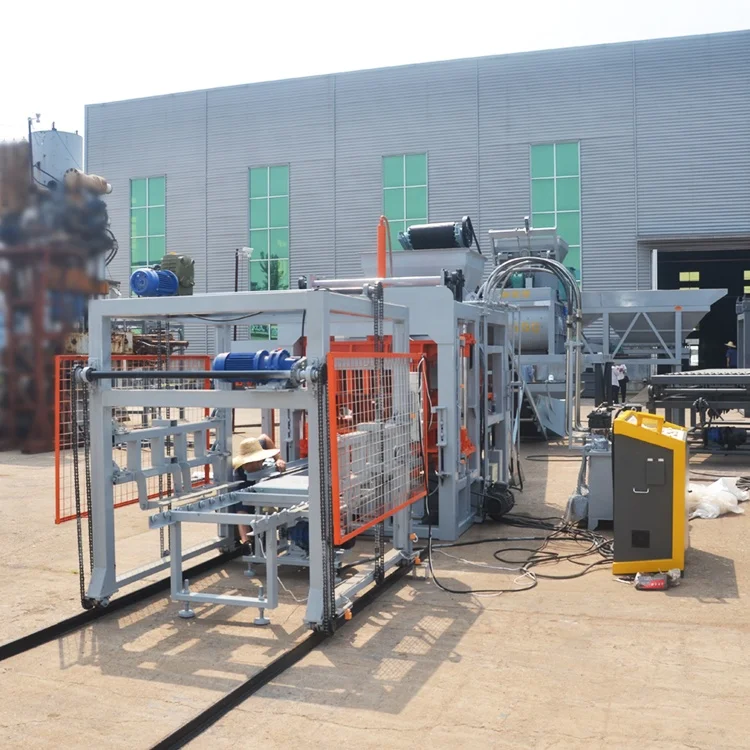
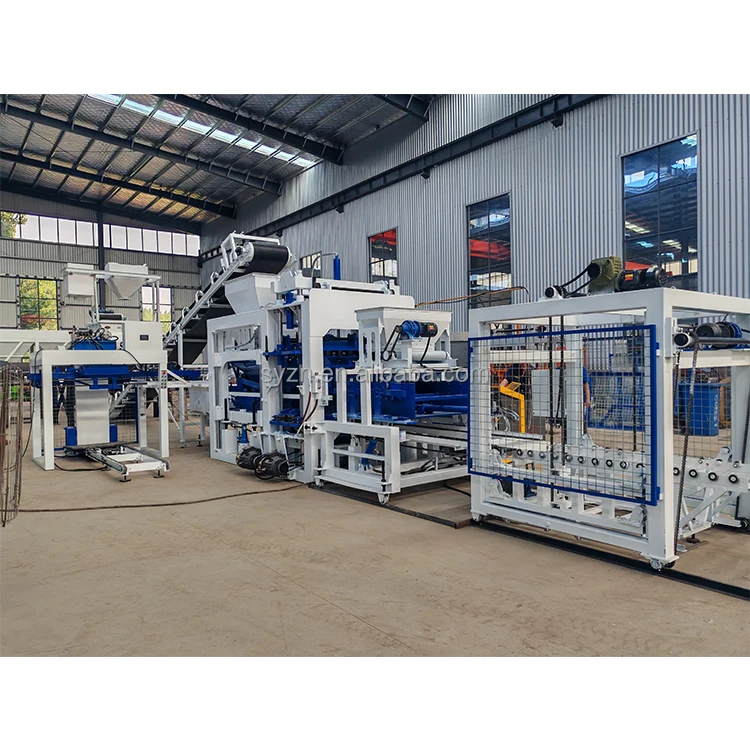
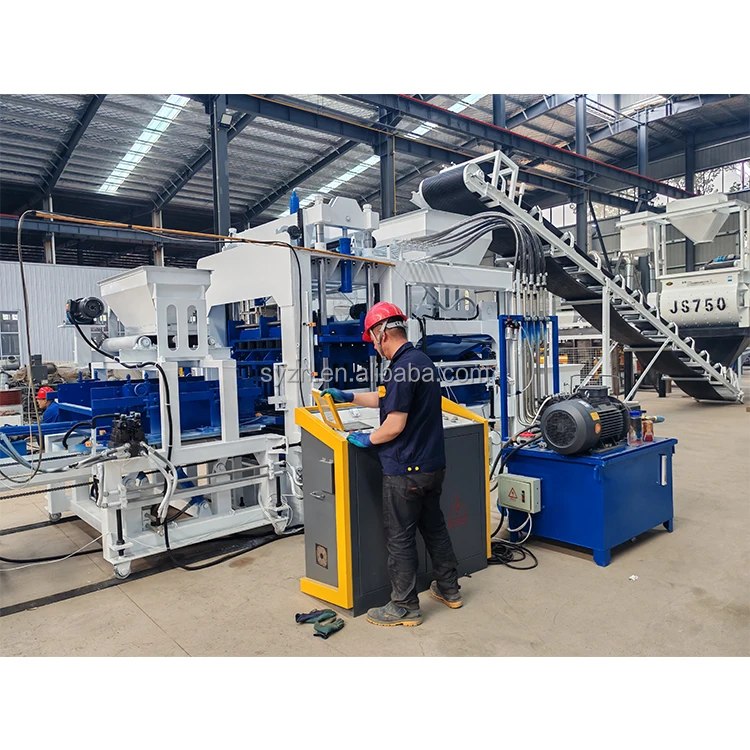
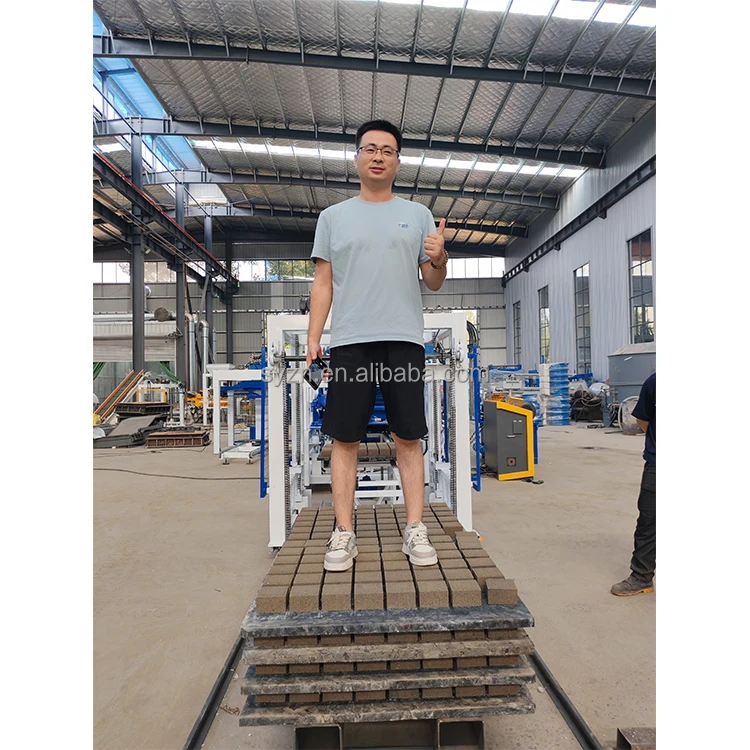
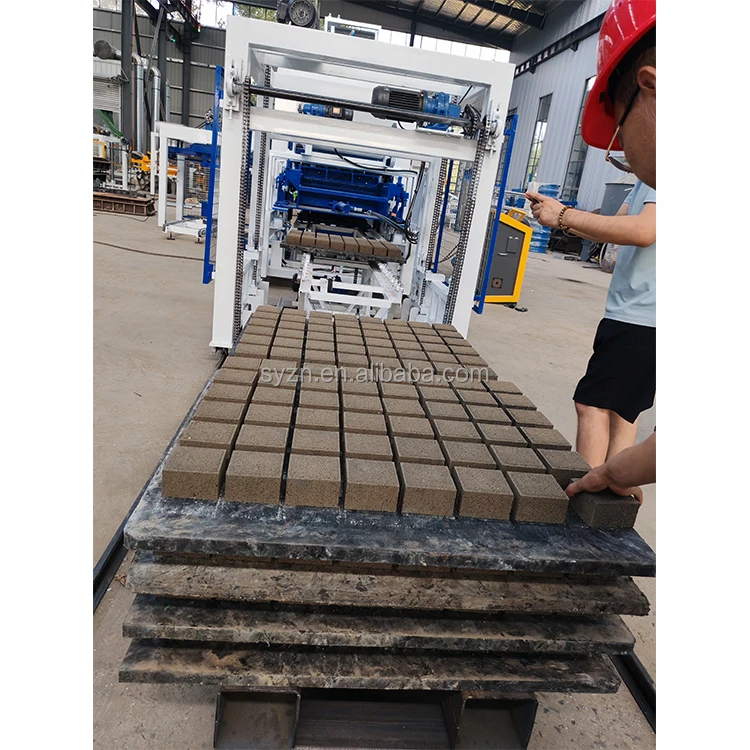
Hydraulic pressure matched to block format — The QT8-15 hydraulic block making machine is configured against the buyer’s actual mix design, local aggregate, and target block format rather than a catalogue default.
Technical Specifications
| Parameter | Value |
|---|---|
| Model | QT8-15 |
| Product Type | Hydraulic Block Making Machine |
| Overall Dimensions (L×W×H) | 8300 × 1860 × 3000 mm |
| Rated Pressure | 21 MPa |
| Main Vibration Form | Platform Vibration |
| Vibration Frequency | 2800–4500 r/min |
| Vibration Force | 45 KN |
| Pallet Size | 950 × 900 mm |
| Molding Cycle | 15–20 s (basis to be confirmed per block format) |
| Overall Power | 55.5 kW |
| Total Mass | 8 T |
| Demolding Method | Hydraulic |
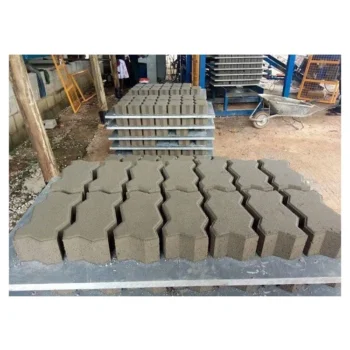
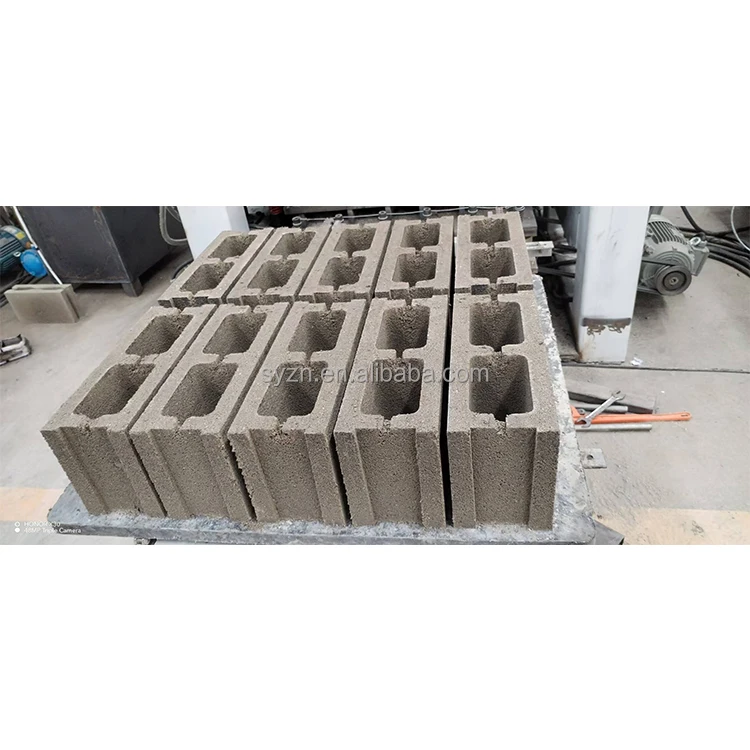
| Applied Products | Hollow blocks, solid blocks, pavers, interlocking blocks, curbstone |
| Factory Area Required | 300 m² |
| Warranty | 1 Year |
Application Suitability
| Application | Material or Output |
|---|---|
| Hollow block production | Crushed stone, sand, cement, fly ash |
| Paving block manufacturing | Gravel, slag, cement, color pigment |
| Interlocking brick production | Sand, cement, crushed stone |
| Curbstone forming | Coarse aggregate, cement, slag |
| Solid block production | Fly ash, dust, sand, cement |
Why "15-Second Cycle Time" Means Nothing Without Block Format
A cycle time only matters when tied to the exact block dimensions, mix design, and target strength the buyer is producing.
Catalogues often quote a single molding cycle for a QT8-15 block machine specifications sheet without clarifying whether that number applies to a 400 mm hollow block or a thin paving stone. A 15-second cycle on a lightweight paver can stretch well past 20 seconds when the press switches to a tall hollow block requiring full hydraulic compression and extended vibration. Buyers who plan a daily production schedule around the shortest quoted figure typically find their real output falls noticeably short once the first mould change happens on the shop floor [NEED_CITE: realistic cycle time variation by block format in hydraulic presses].
Platform Vibration Tuned to Aggregate Density
The platform vibration system on this QT8-15 hydraulic block making machine runs between 2800 and 4500 r/min, producing 45 KN of vibration force. That range allows the operator to dial in the correct frequency for dense crushed stone mixes or lighter fly ash blends. Vibration must be matched to the aggregate size and cement ratio so that consolidation happens evenly across the pallet surface without over-compacting fine material or leaving voids in coarse mixes.
Hydraulic Pressure as the Second Half of the Equation
Vibration alone does not create block strength. The 21 MPa rated pressure applied during demolding and compression stages ensures that particles lock together once vibration settles them into position. When the QT8-15 block machine specifications are reviewed alongside a buyer’s laboratory mix trial, the pressure can be adjusted to suit local aggregate hardness. A soft limestone aggregate requires different compression behaviour than a hard basalt, and setting the pressure blindly leads to cracked edges or under-compressed cores [NEED_CITE: hydraulic pressure adjustment relative to aggregate type in block forming].
Reading the Specs That Actually Affect Output
The 950 × 900 mm pallet determines how many blocks form per cycle, but its size must match the curing racks and forklift tines already on site. The 55.5 kW total power draw tells the electrician what dedicated circuit the press demands before other line equipment is added. The 8 T mass indicates the foundation slab thickness needed to absorb vibration without resonance transfer to adjacent structures. Molding cycle time, vibration force, and rated pressure together define the density and compressive strength achievable with a given mix, which is why the QT8-15 block machine specifications should always be validated against a sample of the buyer’s raw material before the order is confirmed.
The Cost of Skipping Mix Validation
A machine set up for standard silica sand will underperform when the local quarry supplies high-clay river sand. Vibration tuned for one aggregate type leaves clay-bound mixes either too loose or too brittle. Buyers who skip the material sample step often spend weeks recalibrating pressure and frequency on site, losing production time and burning through mould wear parts faster than expected. Pallet handling and stacking arrangements left out of the quotation then force manual labour into a process that was supposed to reduce it [NEED_CITE: on-site recalibration delays caused by unvalidated aggregate in block production].
Why Configuration Matters More Than Catalogue Defaults
Block machinery is the sole focus of this supply chain, meaning the QT8-15 hydraulic block making machine, its moulds, pallets, and handling equipment are specified as one matched system. Configuration is set against the buyer’s actual mix design and target block format rather than a generic table. Mould design covers the formats the buyer’s market actually sells, with custom drawings available when standard options do not fit. Automation level can start semi-automatic and expand later, protecting the initial capital outlay. Factory test records are generated using the buyer’s material sample before the machine leaves the workshop.
Documentation & Verification
- Capacity calculation sheet stating the assumed block format for each output figure
- Mould drawing package listing every compatible format and its cycle time
- Pallet specification confirming dimensions, material grade, and forklift compatibility
- Voltage, frequency, and PLC display language confirmation signed before production
- Factory test record using the buyer’s submitted raw material sample
- Operation and maintenance manual with wear parts and mould replacement intervals
Installation, Commissioning & Support
- Foundation slab must support the 8 T static mass plus dynamic vibration loads across the 8300 mm frame length
- Dedicated power circuit rated for the 55.5 kW total draw at confirmed voltage and frequency
- Hydraulic and electrical schematics provided for local maintenance teams before arrival
- Mould change procedure validated on site during commissioning to match the buyer’s production schedule
- Operator training covers platform vibration adjustment and hydraulic pressure tuning for different mixes
- Wear parts list and first replacement interval documented in the maintenance manual
What to Prepare Before Requesting a Quotation
Share the exact block formats your market demands, including dimensions and target compressive strength. Provide a representative sample of the aggregate and sand you plan to source locally so the vibration and pressure settings can be validated before build. Confirm the voltage, frequency, and preferred control language at your facility, along with the pallet size your existing curing racks and forklifts can handle.
Frequently Asked Questions
Q: How do I verify realistic daily output for my target block format?
A: Request a capacity calculation that names the specific block dimensions, mix ratio, and curing method assumed. A single cycles-per-hour figure without those details is unreliable. The QT8-15 molding cycle of 15–20 seconds shifts depending on block height and material density, so the calculation should reflect the format you will actually produce most days.
Q: What pallet size works with my existing curing area and forklift?
A: The standard 950 × 900 mm pallet must fit your curing rack spacing and forklift tine width. If your racks are built for a different dimension, pallet and mould need to be re-specified together before the order is placed to avoid handling bottlenecks after arrival.
Q: How do I confirm voltage and control language before shipment?
A: Provide your facility voltage, frequency, and preferred PLC display language during the inquiry stage. A written confirmation document is signed before production begins, preventing commissioning delays caused by mismatched electrical components or unreadable control screens.
Q: Which mould formats are available and what is the actual changeover time?
A: Mould options cover hollow blocks, solid blocks, pavers, interlocking bricks, and curbstones. Changeover time depends on whether the machine uses a manual bolt-on system or a hydraulic clamp arrangement, and this should be stated in the proposal so you can plan shift schedules around format switches.
Q: How are vibration force and hydraulic pressure matched to my mix?
A: Submit a sample of your local aggregate and sand. The platform vibration frequency range of 2800–4500 r/min and the 21 MPa hydraulic pressure are adjusted during the factory test to suit your material’s density and particle shape, ensuring consistent block strength from the first production run.