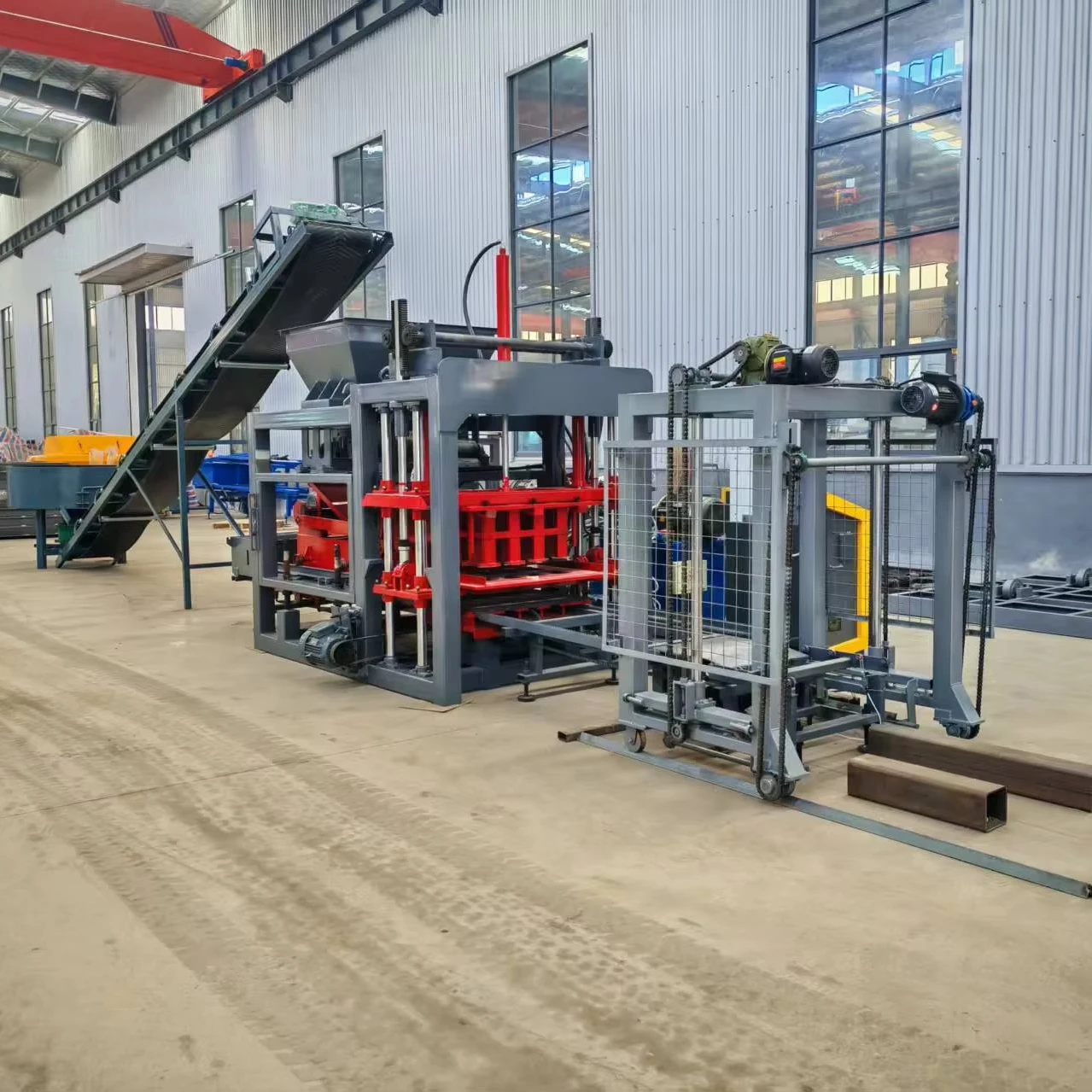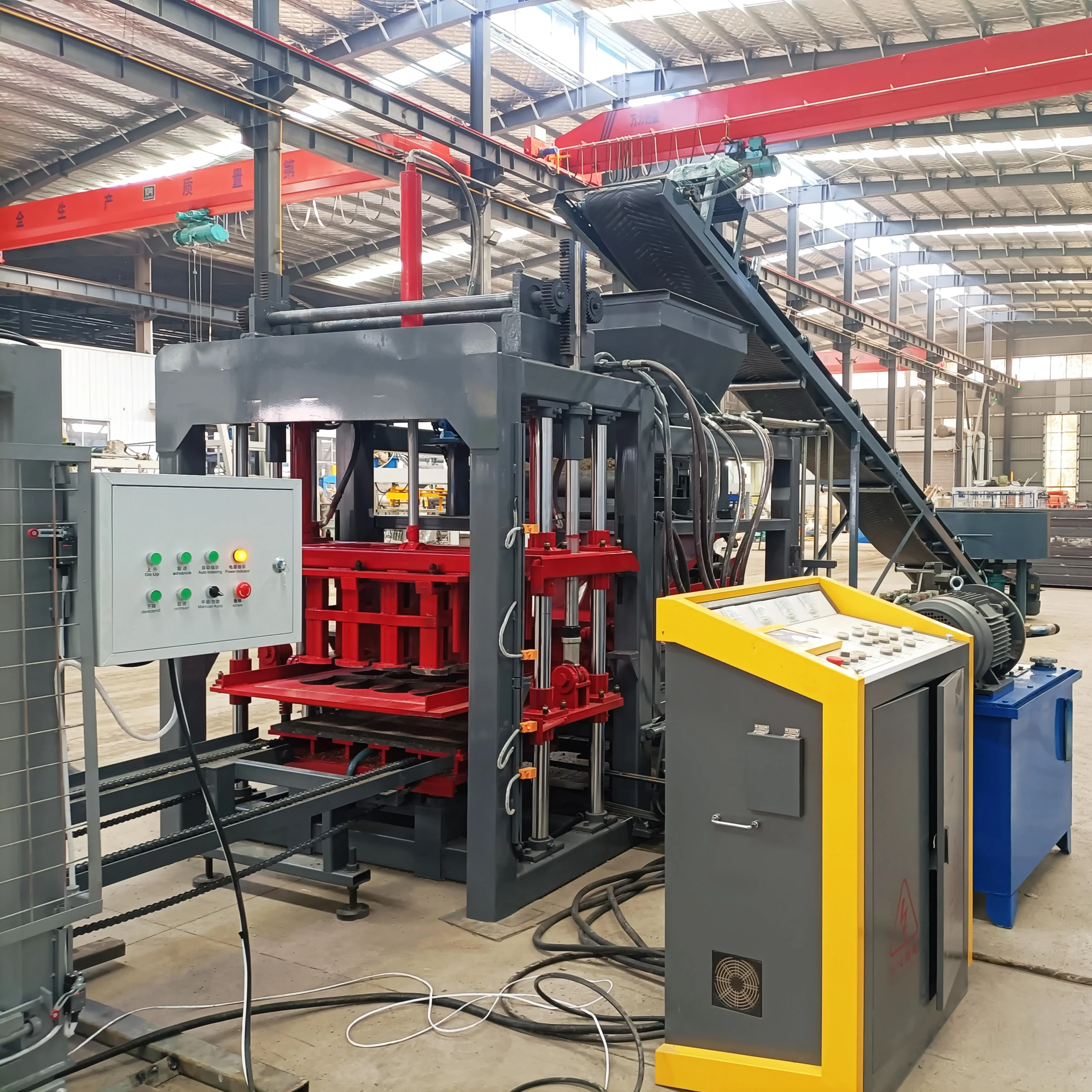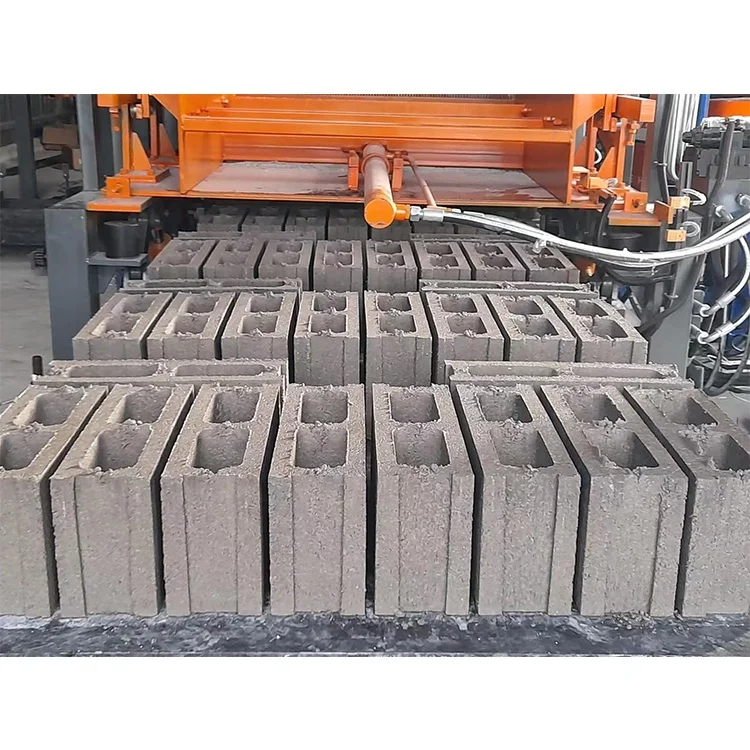
Description
Honest capacity reporting — every output figure we quote for the QT7-15 names the block format, mould cycle and pallet size it is based on, so a buyer can match the machine to the product the local market actually purchases rather than a catalogue promise.
Technical Specifications
| Parameter | Value |
|---|---|
| Model | QT7-15 |
| Product Type | Hydraulic Concrete Block Making Machine |
| Pallet Size | 1150×700mm |
| Molding Cycle | 15-20s (basis not stated in source — confirm block format / material / thickness) |
| Overall Power | 45KW |
| Vibration Force | 100KN |
| Vibration Frequency | 0-60HZ adjustable |
| Vibration Form | Platform Vibration |
| Demolding Method | Hydraulic |
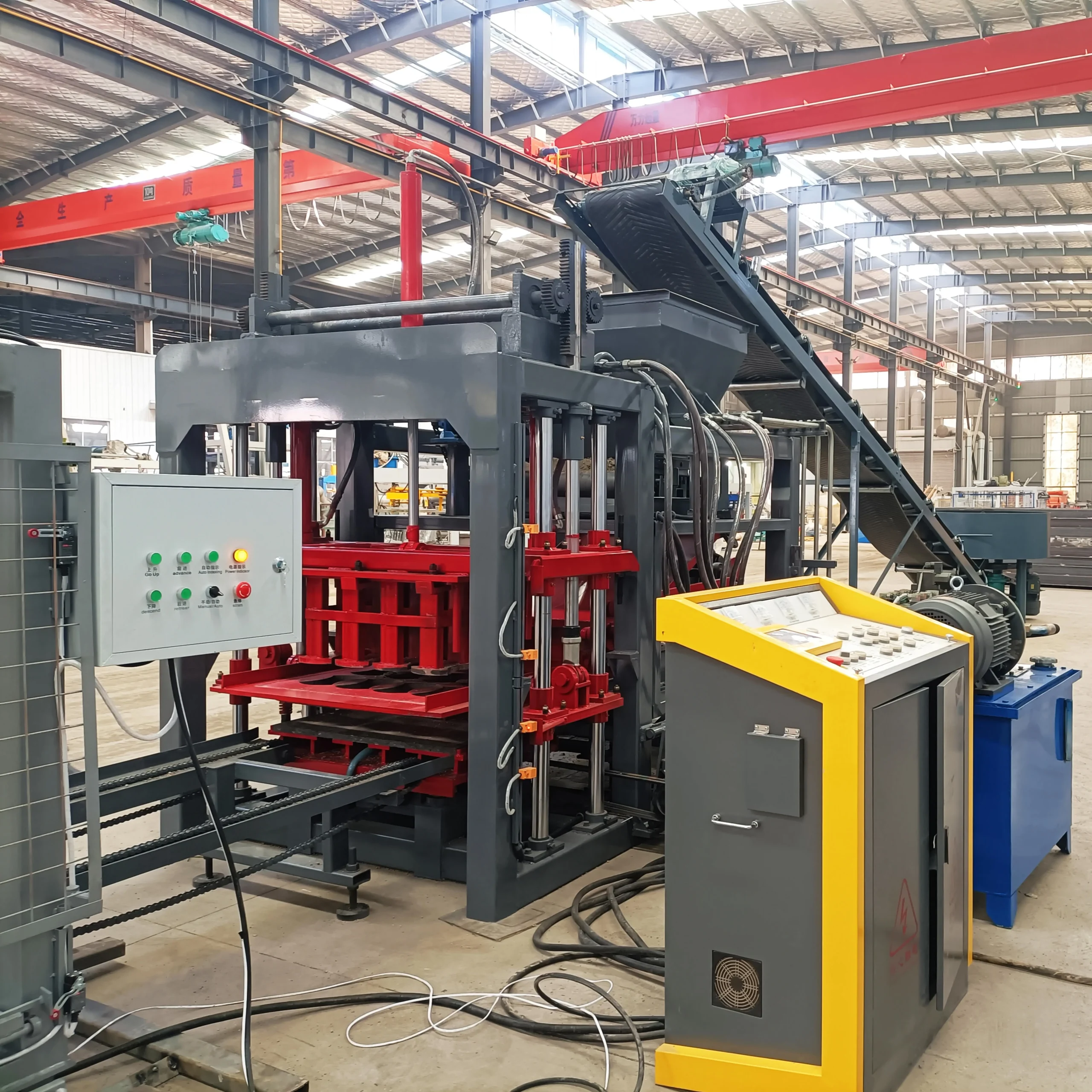
| Control System | PLC with touch screen interface, remote fault diagnosis capability |
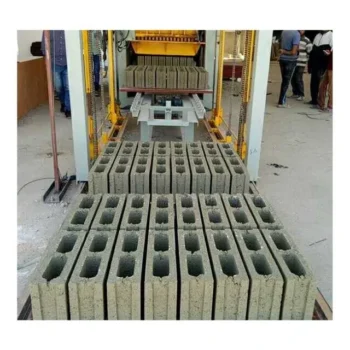
| Output — Hollow Block 400×200×200mm | 1260-1680 pcs/hour, 10080-13440 pcs/8hr |
| Output — Hollow Block 400×150×200mm | 1440-1920 pcs/hour, 11520-15360 pcs/8hr |
| Output — Rectangular Paver 200×100×60mm | 3888-4860 pcs/hour, 31104-38880 pcs/8hr (molding cycle 20-25s) |
| Total Mass | 8T |
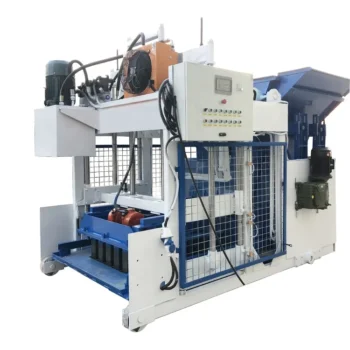
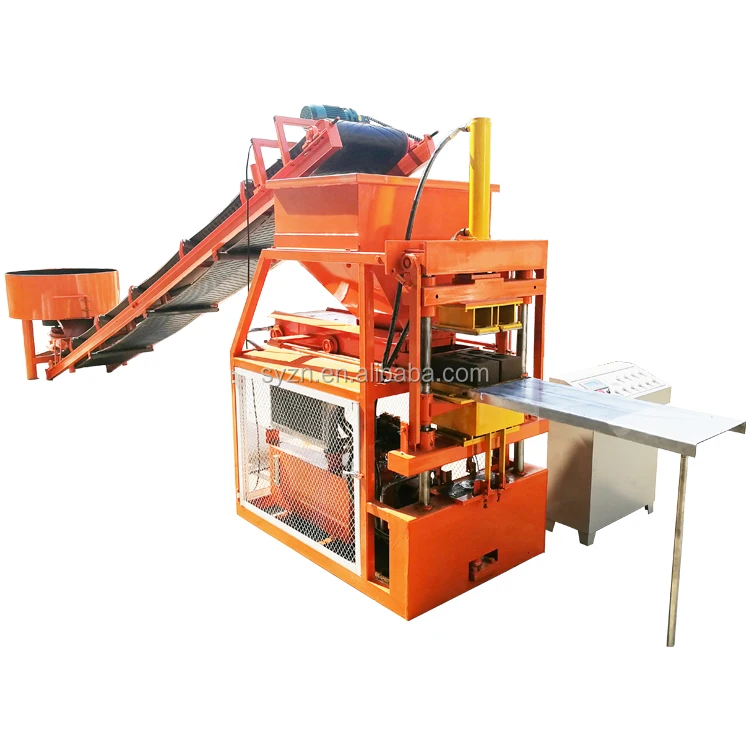
| Machine Components | Pallet feed machine, block making machine, storage hopper, conveyor, hydraulic unit, PLC control cabinet |
| Mould Change | Quick replacement system |
| Standards | CE declaration where applicable (source value — verify against manufacturer catalog) |
Application Suitability
| Application | Material or Output |
|---|---|
| Hollow block production 400×200×200mm | Crushed stone, sand, cement, fly ash blends |
| Hollow block production 400×150×200mm | Same aggregate base with adjusted mould cavity |
| Rectangular interlocking paver 200×100×60mm | Fine aggregate and cement with surface layer option |
| Solid block production | Standard concrete mix adapted to local aggregate grading |
| On-site construction block making | Mobile plant layout with raw material staged near press |
| Format expansion for existing plants | Additional mould sets fitted to the same pallet and press |
Why "Pieces per Hour" Means Nothing Without the Block Format Named
A capacity number without a named format and mould cycle is a guess, not a specification.
I learned this the hard way when a QT7-15 block making machine we shipped to the Middle East produced only half its quoted output for the first two weeks. The quotation stated a shift capacity based on hollow blocks, but the buyer’s local aggregate had a high clay content that demanded different vibration pressure and longer cycle times. Nobody had asked for a material report before production. The capacity figures on this page are each tied to a specific block dimension and the mould cycle that dimension requires, which is the only honest way to present the QT7-15 block machine specifications [NEED_CITE: aggregate clay content effect on concrete block vibration parameters].
Mould Formats and the Cycle Time Each One Demands
The QT7-15 block making machine handles hollow blocks, solid blocks and rectangular pavers on the same 1150×700mm pallet, but each format runs at a different cycle. Hollow blocks at 400×200×200mm press in the 15-20 second window, while the 200×100×60mm paver needs 20-25 seconds because the thinner profile requires controlled vibration to avoid surface cracking. Quoting a single cycle time across all formats would mislead a buyer who plans to run pavers for most of the shift.
What the Quick Mould Change System Actually Saves
A format switch on the QT7-15 involves releasing the mould clamps, lifting the old mould with the plant overhead crane or forklift, seating the new one and re-aligning the feed shoe. The quick replacement system reduces that sequence compared to bolted mould frames, but the real time cost comes from clearing the press area and running test cycles to confirm block dimensions. Buyers who plan to change formats daily should account for this in their shift schedule rather than assuming the switch is instantaneous [NEED_CITE: typical mould change procedure for hydraulic block presses].
Reading the Vibration and Pressure Numbers Together
The 100KN vibration force and 0-60Hz adjustable frequency work with the hydraulic demolding system to compact the mix and then strip the block from the mould. Higher frequency suits fine aggregate pavers where surface finish matters, while lower frequency with sustained pressure produces denser hollow blocks. Platform vibration distributes force across the full pallet area rather than concentrating it at one end, which keeps block-to-block density variation within acceptable tolerance across the 1150×700mm surface.
When a Wrong Pallet Size Decision Follows You for Years
The QT7-15 requires 1150×700mm pallets, and that dimension must match the curing rack spacing and forklift tine width already in the buyer’s plant. I have seen plants receive machines with pallets that did not fit their existing curing racks, forcing them to either rebuild the rack system or order custom pallets at a premium. The pallet material — bamboo, steel or composite — also affects strip quality and lifespan, and the choice depends on the block weight and the local humidity during curing [NEED_CITE: pallet material comparison for concrete block curing environments].
Why Buyers Choose This Configuration Approach
Block machinery is our single focus, which means the QT7-15 press, mould, pallet and handling equipment are specified as one matched system rather than assembled from separate suppliers. Machine settings are configured against the buyer’s actual mix design and local aggregate, not a catalogue default. Mould design covers the formats the buyer’s market sells, with custom drawings available for non-standard dimensions. Automation level is selectable so a buyer can start with manual pallet handling and add automatic stacking later. Installation support includes on-site commissioning and operator training so the crew understands cycle adjustment for different formats.
Documentation & Verification
- Line layout drawing with capacity calculation stating the block format assumed for each output figure
- Mould drawing and format list confirming included dimensions and optional custom designs
- Pallet specification sheet listing size, material and thickness matched to curing rack layout
- Hydraulic and electrical schematic with voltage, frequency and PLC display language confirmed
- Factory test record showing block dimensions and cycle times on the buyer’s specified format
- Operation and maintenance manual with wear parts and mould replacement intervals listed
Installation, Commissioning & Support
- Foundation pad sized for the QT7-15 total mass of 8T with anchor bolt pattern provided before pour
- Dedicated 45KW power circuit with voltage and frequency confirmed to match local supply standards
- Machine arrives with hydraulic unit and PLC cabinet separated for container loading, reassembled on site
- First production run supervised to set vibration frequency and pressure for the buyer’s specific aggregate
- Operator training covers mould change sequence, PLC fault diagnosis and daily lubrication points
- Wear parts list supplied with the machine identifying items to stock before first replacement is due
What We Need From You Before Quoting
Send us the block formats your market actually buys, along with daily volume targets for each format so we can calculate realistic shift output. Include a sample of your local aggregate or a lab report showing grading and clay content, because that determines the vibration and pressure settings we configure before shipment. Confirm your plant voltage, frequency and preferred PLC display language early in the process so commissioning is not delayed after the machine arrives.
Frequently Asked Questions
Q: How is QT7-15 capacity calculated for each block format and why do the numbers differ?
A: Each output figure is based on the mould cycle for that specific block dimension. The 400×200×200mm hollow block runs a 15-20 second cycle producing 1260-1680 pieces per hour, while the 200×100×60mm paver needs 20-25 seconds because the thinner profile requires slower vibration to maintain surface quality. The cycle difference is why a single blanket capacity number would be misleading.
Q: Which mould formats come standard and how long does a change actually take on site?
A: Standard formats include 400×200×200mm and 400×150×200mm hollow blocks plus 200×100×60mm rectangular pavers. The quick replacement system allows a trained operator to swap moulds using plant lifting equipment. Actual change time includes clearing the press, aligning the new mould and running test cycles to confirm dimensions, so buyers planning daily format switches should budget shift time accordingly.
Q: What pallet size does the QT7-15 require and how does that affect my curing layout?
A: The machine uses 1150×700mm pallets. Before ordering, check that your existing curing rack spacing accommodates this dimension and that your forklift tine width can handle the loaded pallet weight. Pallet material — bamboo, steel or composite — should be selected based on the block weight you will produce and the humidity conditions in your curing area.
Q: How do I confirm the machine is set up for my local aggregate rather than a default?
A: Provide a local aggregate sample or lab grading report during the inquiry stage. We use that data to set vibration frequency range and hydraulic pressure parameters before the factory test. The test record shipped with the machine documents the settings used so your operator can reference them or adjust within the documented range as material batches vary.
Q: What voltage, frequency and PLC language options are available and when must I confirm them?
A: The QT7-15 block making machine is configured to the buyer’s plant voltage and frequency, and the PLC touch screen display language is set before production begins. These must be confirmed at the order stage, not at shipment, because the electrical cabinet and control software are prepared during assembly. Late changes delay dispatch and may require component replacement.