

Description
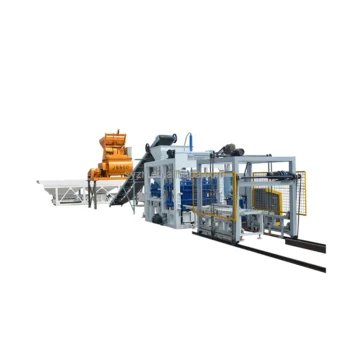
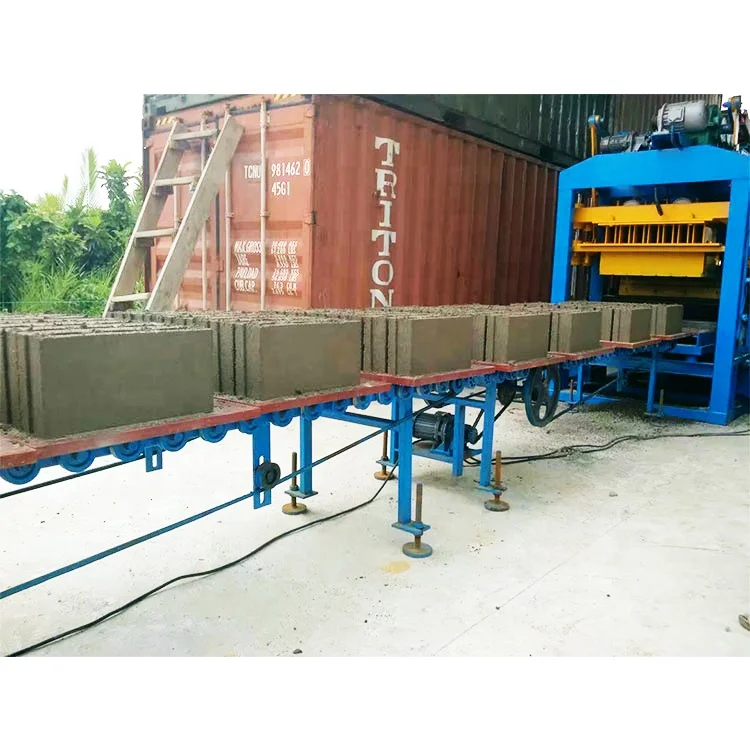
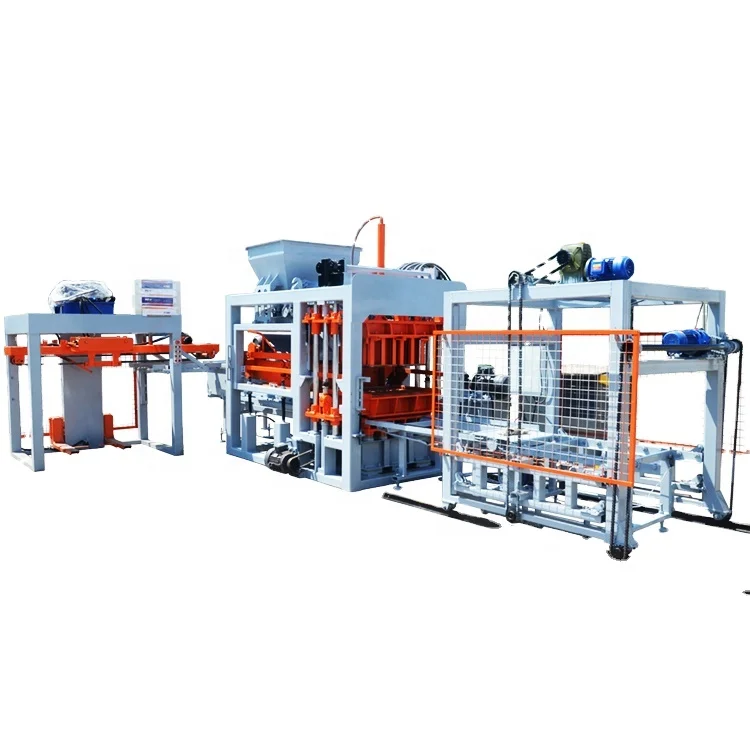
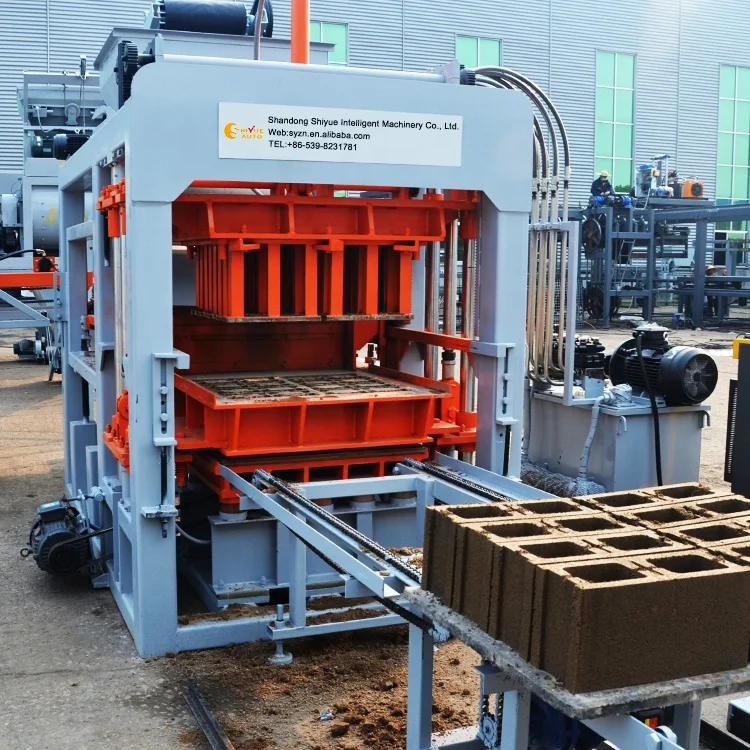
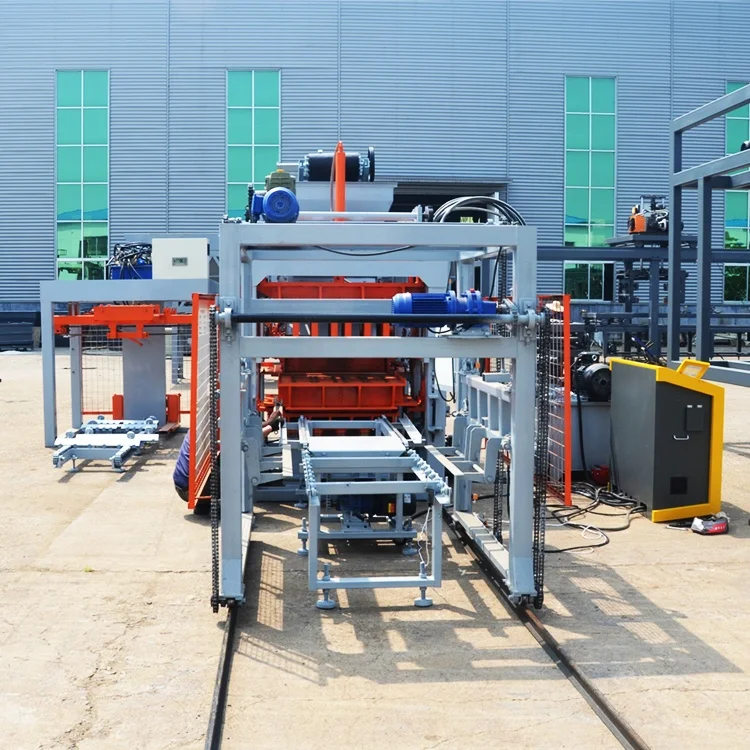
Format-Matched System Design — machine, mould, pallet and hydraulic station specified as one coordinated set against the interlocking block or paver your market actually moves, not assembled from unrelated catalogue defaults.
Technical Specifications
| Parameter | Value |
|---|---|
| Model | QT6-15 |
| Product Type | Interlocking Block Making Machine |
| Overall Dimensions (L×W×H) | 8200×1700×2950 mm |
| Total Mass | 7 T |
| Vibration Force | 45 kN |
| Vibration Frequency | 0-60 Hz (adjustable) |
| Vibration Form | Platform Vibration |
| Moulding Mode | Automatic loading, vibration moulding |
| Demolding Method | Hydraulic |
| Pallet Size | 880×850 mm |
| Molding Cycle | 15-20 s (basis not stated in source — confirm block format / material / thickness) |
| Overall Power | 37 kW |
| Control System | PLC with touch screen interface, fault diagnosis |
| Hydraulic System | Independent integrated hydraulic station |
| Block Compressive Strength | >15 MPa |
| Recommended Factory Area | 1200 m² |
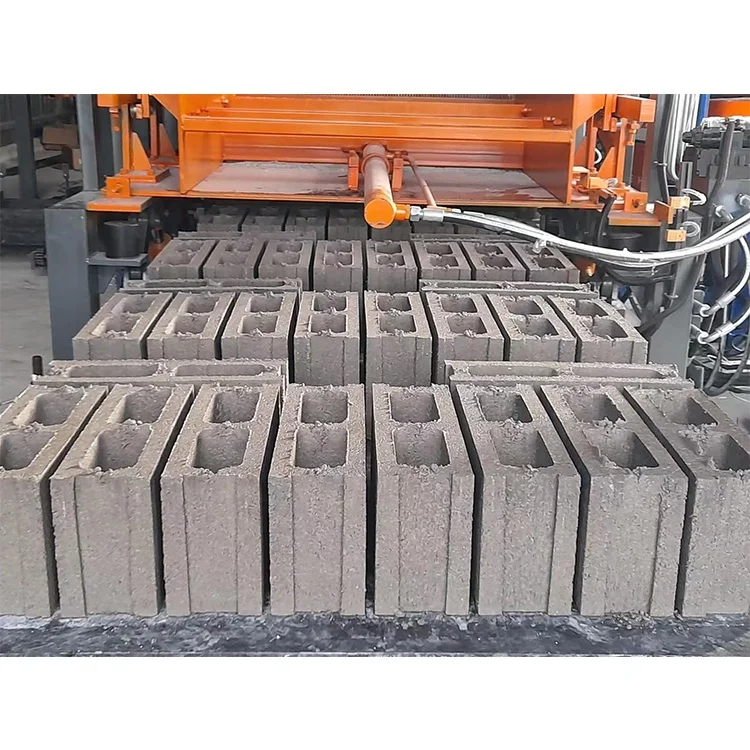
| Output (Hollow Block 400×200×200 mm) | 1080-1440 pcs/h (based on 6 pcs/mould, 15-20s cycle) |
| Output (Hollow Block 400×150×200 mm) | 1440-1920 pcs/h (based on 8 pcs/mould, 15-20s cycle) |
| Output (Solid Brick 240×115×53 mm) | 5760-7680 pcs/h (based on 32 pcs/mould, 15-20s cycle) |
| Output (Rectangular Paver 200×100×60 mm) | 2160-2880 pcs/h (based on 21 pcs/mould, 20-25s cycle) |
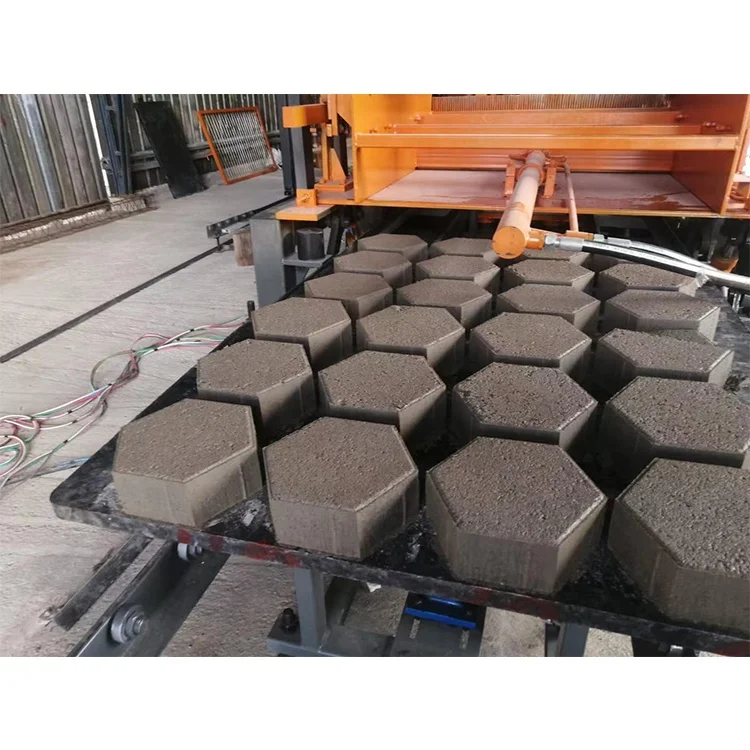
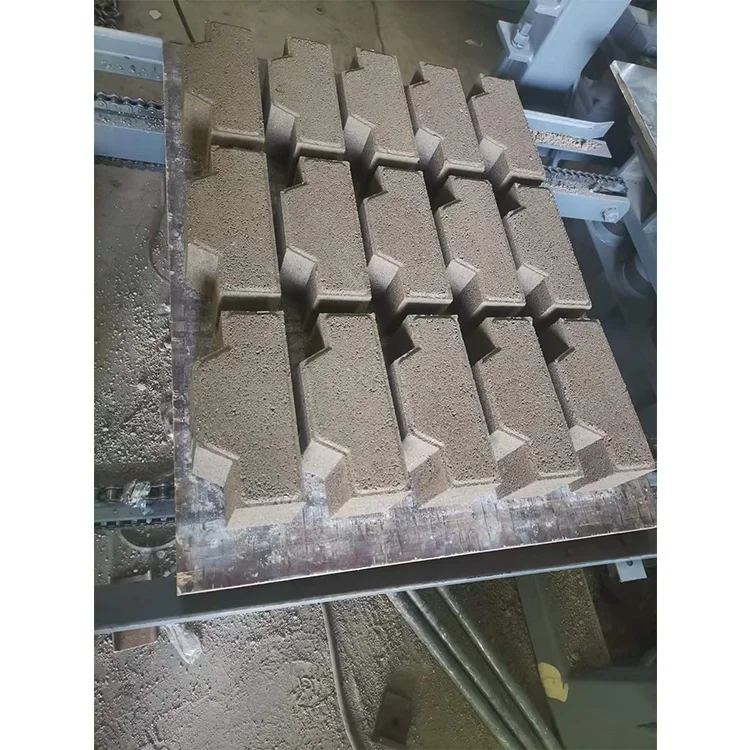
| Output (Zigzag Paver 225×112.5×60 mm) | 2160-2880 pcs/h (based on 15 pcs/mould, 20-25s cycle) |
Application Suitability
| Application | Material or Output |
|---|---|
| Interlocking block production | Crusher dust, river sand, stone aggregate with cement binder |
| Hollow block manufacturing | Waste ash, slag, gravel, and adjustable cement dosage mixes |
| Solid brick forming | Local aggregate blends, fly ash, and recycled construction material |
| Rectangular paving brick | High-density aggregate with fine sand for surface finish |
| Zigzag interlocking paver | Graded crushed stone and cement for heavy-duty pavement |
What "2880 Pavers per Hour" Leaves Out When Nobody Names the Format
The cycle time and mould cavity count behind every capacity figure determine whether your daily output actually covers the order book — not a single headline number pulled from a brochure.
I spent years specifying equipment for plants across Southeast Asia, and the most common argument I hear after commissioning is that the machine does not produce what the quotation promised. The interlocking block making machine specifications on paper almost always assume a standard reference material and a specific block format. When the buyer runs volcanic aggregate with a different density or switches to a thicker paver, the cycle extends and the hourly count drops. [NEED_CITE: impact of aggregate density on block machine cycle time] Without a format-by-format breakdown tied to a stated mould layout, the buyer is left guessing which number will actually appear on the production floor.
Matching Mould Geometry to the Block Your Market Buys
A machine rated for six-cavity hollow block production will behave very differently when the same buyer orders a twenty-one-cavity rectangular paver mould. The QT6-15 interlocking block making machine specifications list separate cycle bands for each format because the vibration energy must travel through a different mass of wet concrete, and the hydraulic demolding stroke changes with block height. Specifying the machine without naming the exact block format leaves the vibration force and frequency unverified against what the mould actually demands.
Honest Capacity Tied to Format, Not a Single Headline Number
Every capacity figure in the table above names the block dimensions, mould cavity count, and cycle range it rests on. A buyer producing 400×150×200 mm hollow blocks with an eight-cavity mould at a 15-20 second cycle will see output in the 1440-1920 pieces per hour band, while the same machine switching to a 200×100×60 mm rectangular paver with twenty-one cavities at a 20-25 second cycle produces a different hourly count entirely. [NEED_CITE: block format influence on realistic daily output] This format-level transparency is the only way a technical buyer can size a line against a confirmed order volume.
How Vibration Force and Hydraulic Pressure Decide Block Density
The 45 kN vibration force delivered through platform vibration works together with the independent hydraulic station to compact the mix into the mould cavity. Higher vibration frequency, adjustable from 0 to 60 Hz, is needed for fine-aggregate paver mixes where surface finish matters, while a lower frequency with sustained hydraulic pressure suits coarse aggregate hollow blocks where core compaction is the priority. The pallet size of 880×850 mm must match the curing rack spacing and forklift tine width already in the buyer’s yard, otherwise wet blocks are moved by hand and daily throughput suffers regardless of what the press itself can cycle.
When the Wrong Pallet Size Cancels Out the Machine’s Speed
I have watched a plant owner accept a standard pallet dimension without checking it against the curing racks his welder built the year before. The pallets did not sit on the rack rails, so every rack had to be re-welded during the week the machine was being commissioned. Pallet specification must be confirmed against the buyer’s existing curing infrastructure and material handling equipment before the order is placed. [NEED_CITE: pallet size and curing rack compatibility in block plants] The cost of the pallets themselves is small, but the downtime from a mismatch is not.
Why the QT6-15 Is Specified Around the Buyer’s Actual Format List
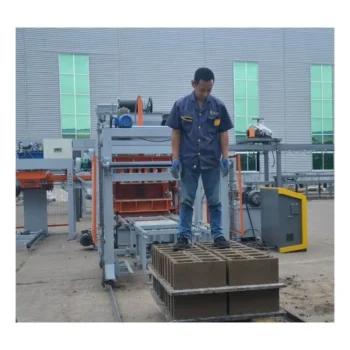
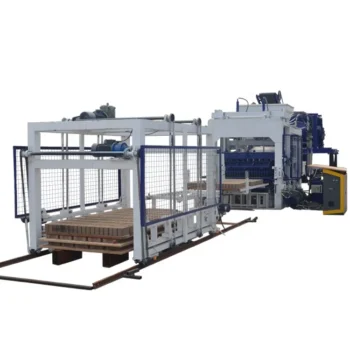
Block machinery is the single focus here, so the machine, mould, pallet, and handling equipment are selected as one matched system rather than assembled from separate suppliers. The configuration is set against the buyer’s mix design and local aggregate, not a catalogue default that assumes materials the buyer cannot source. Mould design covers the formats the buyer’s market actually sells, including custom drawings when a standard cavity layout does not fit. Automation level is selectable, letting a buyer start semi-automatic and add stacking or cubing later. Installation support includes operator training so the crew understands cycle adjustment and mould change procedure from the first day.
Documentation & Verification
- Line layout and capacity calculation naming the block format assumed for each output figure
- Mould drawing and format list confirming every cavity layout and cycle time per block type
- Pallet specification sheet with size and material matched to buyer’s curing racks and forklift
- Voltage, frequency, and PLC display language confirmation document signed before production
- Factory test record on buyer’s specified block format before dispatch
- Hydraulic and electrical schematic with component identification for local maintenance
Installation, Commissioning & Support
- Foundation plan sized to the 8200×1700 mm footprint and 7 T operating mass
- Dedicated power circuit for the 37 kW total load confirmed against local supply
- Machine dismantled for container loading and reassembled on-site during commissioning
- PLC touch screen calibrated with fault diagnosis and action interlock logic verified format by format
- Operator training on mould change procedure and cycle time adjustment per block type
- Wear parts and mould list provided with first replacement intervals noted
What We Need from You to Build an Accurate Quotation
To move past generic interlocking block making machine specifications and build a configuration that holds up on your production floor, the conversation has to start with your actual product mix. Tell us which block formats your market buys most, the daily volume each format must hit, and the aggregate and cement sources available near your site. Share your existing pallet size if you already have curing racks, along with the voltage and frequency at the plant, and the language your operators need on the PLC screen.
Frequently Asked Questions
Q: How is the capacity figure for each block format calculated, and what does it assume?
A: Every capacity line names the block dimensions, mould cavity count, and cycle time range it rests on. For example, 2160-2880 rectangular pavers per hour assumes a 200×100×60 mm format, twenty-one cavities per mould, and a 20-25 second cycle. If your mix design or block height changes, the cycle extends and the hourly output shifts accordingly.
Q: Can the QT6-15 run my local aggregate and how is vibration matched to the mix?
A: The machine handles waste ash, slag, and various natural aggregates with adjustable cement dosage. Vibration frequency is adjustable from 0 to 60 Hz, and the 45 kN force is set during commissioning to match your specific mix density and target compressive strength. We confirm the mix before building so the vibration profile is not a catalogue guess.
Q: What determines mould change time, and is tooling included in the quote?
A: Mould change time depends on the format jump and whether the machine is fitted with a quick-clamp system. Each mould is designed and supplied for the formats you confirm, including custom drawings when standard layouts do not fit your market. We state the expected change time per format pair in the proposal so you can plan shift scheduling.
Q: How is pallet size confirmed against my curing racks before shipment?
A: The standard pallet size is 880×850 mm, but we confirm this against your curing rack spacing and forklift tine width before production starts. If your existing racks require a different dimension or material, the pallet specification is adjusted so wet blocks move straight from the press to the curing area without manual re-handling.
Q: Which voltage and PLC language options are available, and when must they be confirmed?
A: Voltage, frequency, and PLC display language are confirmed in writing before the machine enters production. This prevents commissioning delays caused by mismatched power supply or an interface the operator cannot read. We include the confirmation document in the shipping set so the electrical contractor on-site knows exactly what to expect when the container arrives.