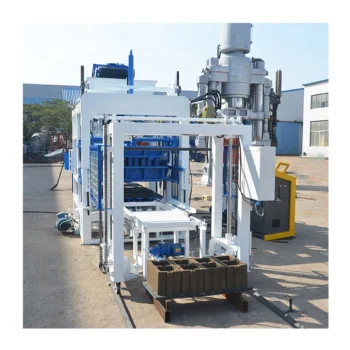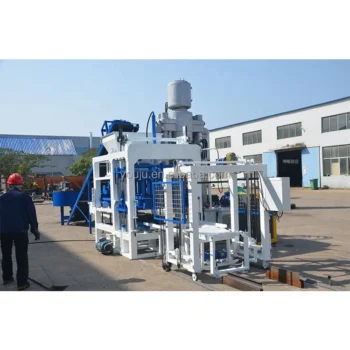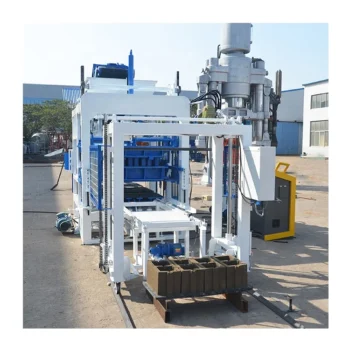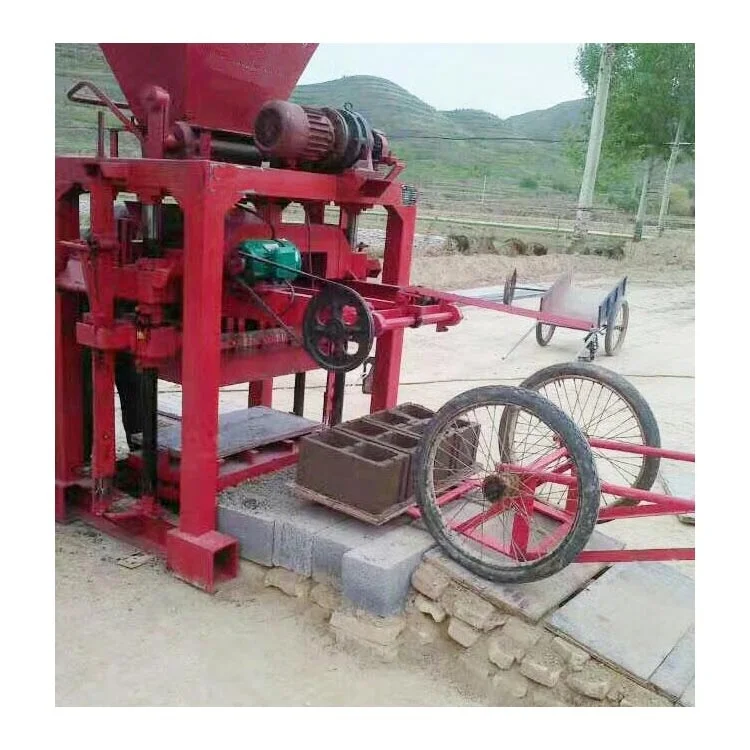
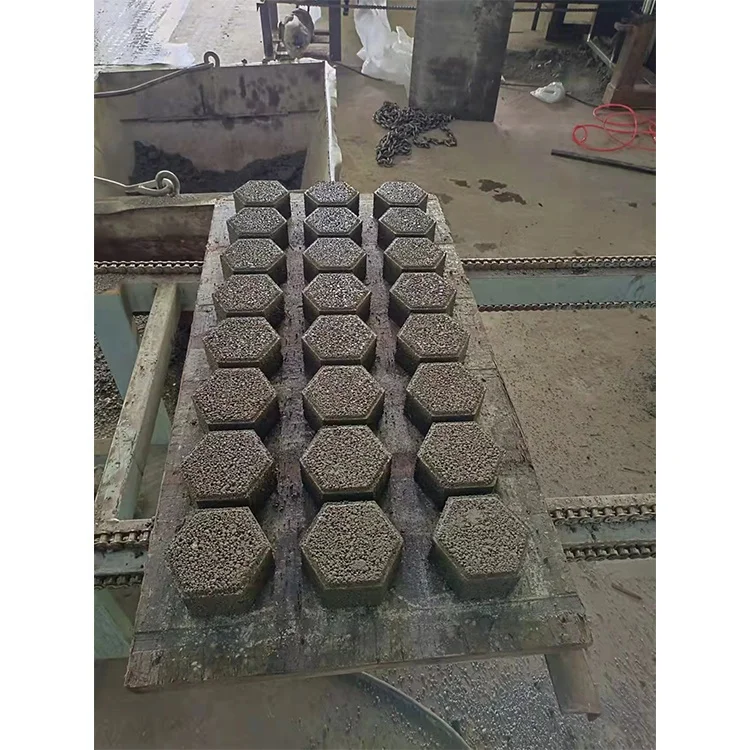
Description
Format-Specific Capacity — The QT5-15 block making machine specifications here state daily output per block type, not a single headline cycle count, so your production planning starts with the formats you actually sell.
Technical Specifications
| Parameter | Value |
|---|---|
| Model | QT5-15 |
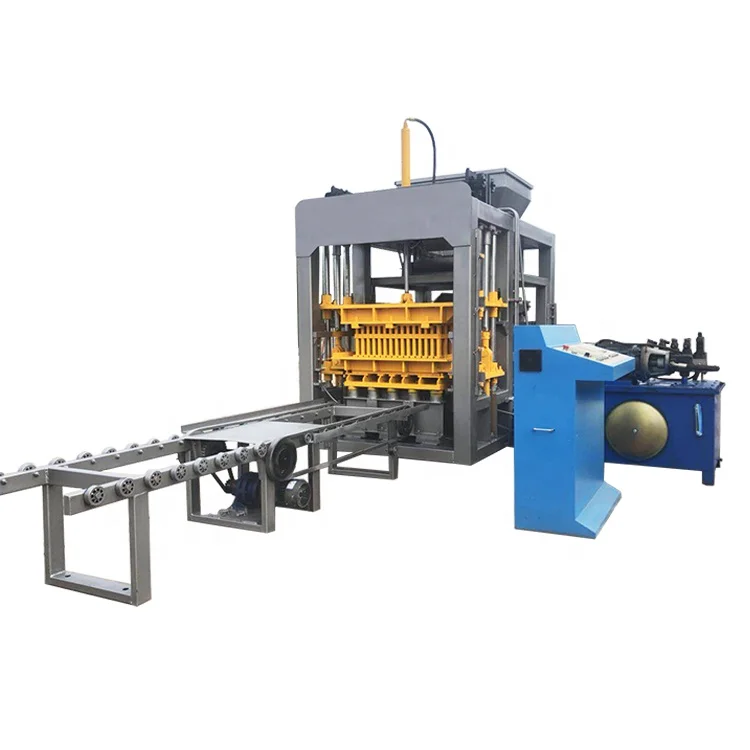
| Product Type | Hydraulic Concrete Block Making Machine |
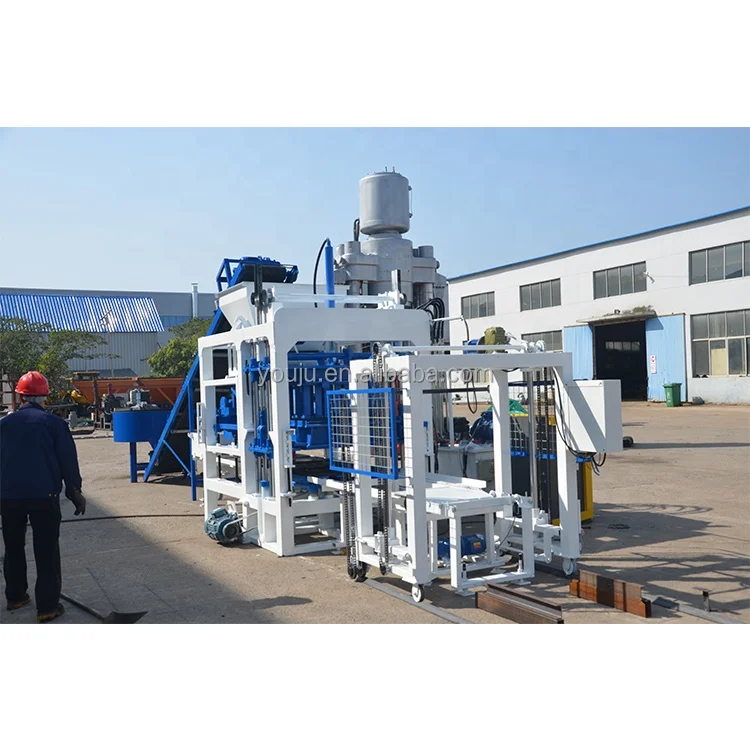
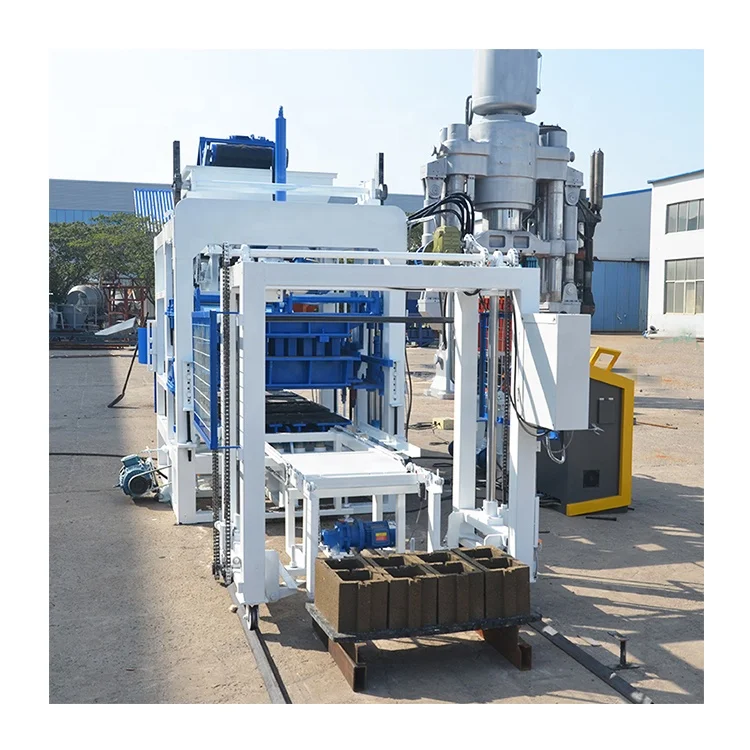
| Overall Dimensions (L×W×H) | 7400×1950×2800 mm |
| Rated Hydraulic Pressure | 21 MPa |
| Main Vibration Form | Platform Vibration |
| Vibration Frequency | 2800–4500 r/min |
| Vibration Force | 40 kN |
| Pallet Size | 1100×550 mm |
| Moulding Cycle | 15–20 s |
| Total Mass | 6 T |
| Demolding Method | Hydraulic |
| Recommended Factory Area | 600 m² |
| Control System | PLC intelligent control with man-machine interface, fault diagnosis, remote control |
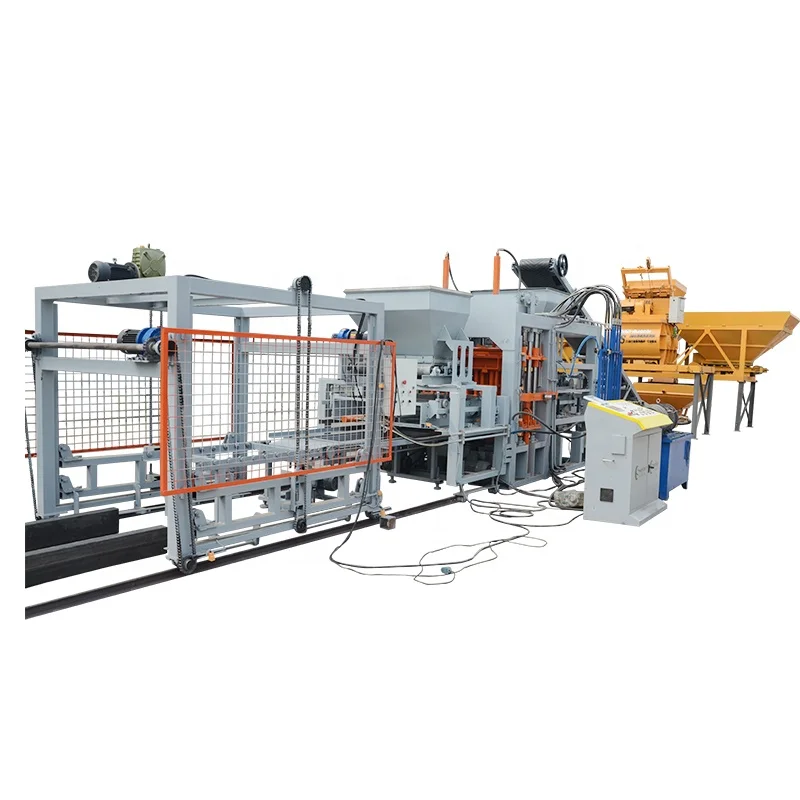
| Automation Level | Semi-automatic |
| Output — Hollow Brick 400×200×200 mm | 7,200–9,600 pcs/day (5 pcs/mould, 15–20 s cycle) |
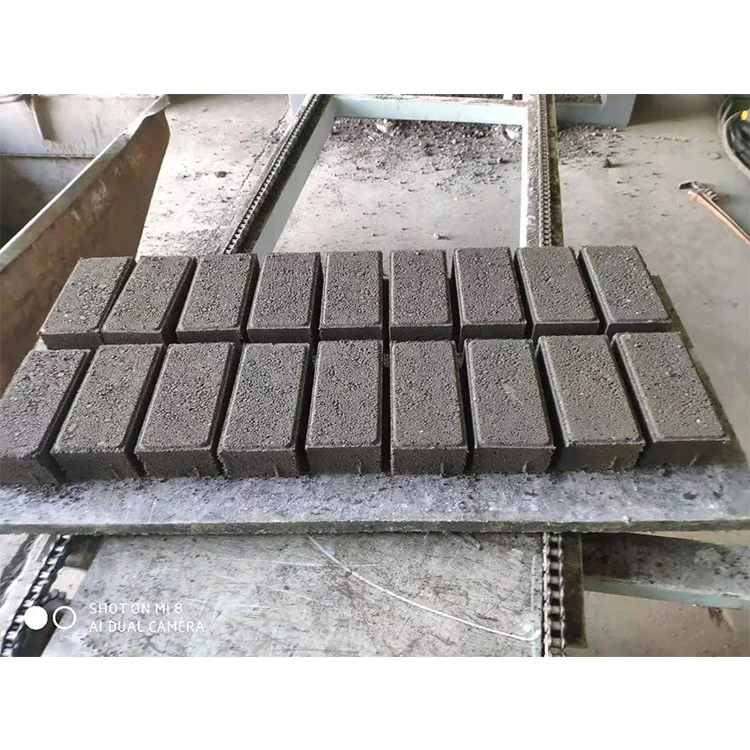
| Output — Porous Brick 240×115×90 mm | 23,040–28,800 pcs/day (16 pcs/mould, 16–20 s cycle) |
| Output — Standard Brick 240×115×53 mm | 61,440–70,892 pcs/day (32 pcs/mould, 13–15 s cycle) |
| Voltage & Frequency | Configurable — confirm before shipment |
| PLC Display Language | Configurable — confirm before shipment |
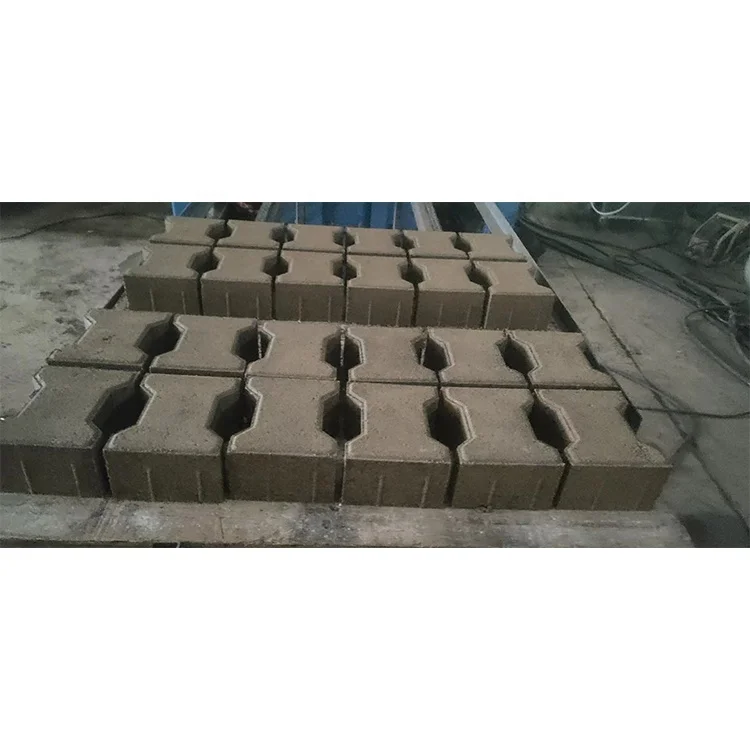
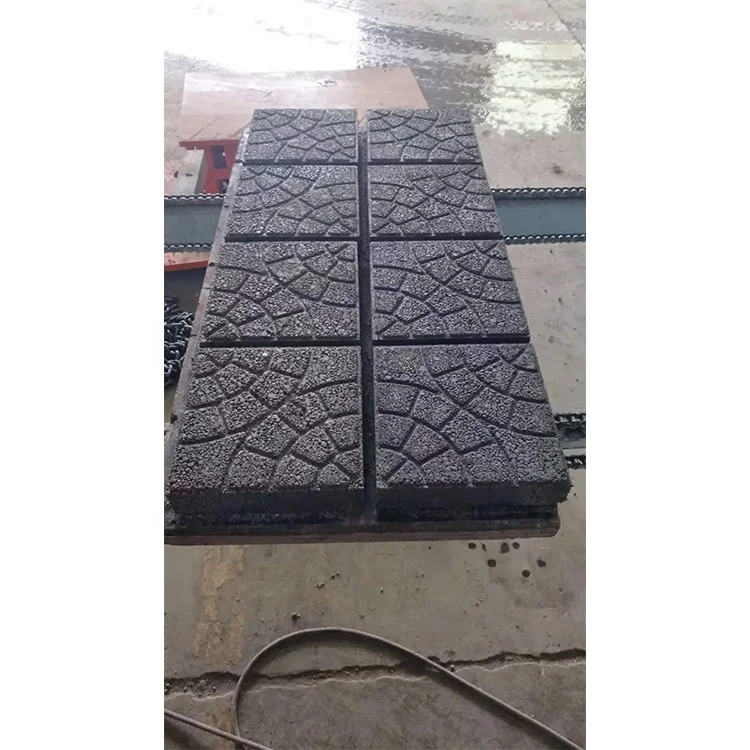
| Applied Products | Hollow/solid blocks, pavers, interlocking blocks, curbstone, colored pavers |
Application Suitability
| Application | Material or Output |
|---|---|
| Hollow block production for wall construction | Crushed stone, sand, cement, fly ash mix on 1100×550 mm pallets |
| Interlocking paver manufacturing | Colored concrete with fine aggregate for surface finish |
| Standard solid brick runs | Cement, sand, gravel blends at 13–15 s cycle |
| Porous brick production for permeable surfaces | Graded aggregate with controlled cement content |
| Curbstone and kerb production | High-density mix under 21 MPa hydraulic pressure |
| On-site block production for housing projects | Local river sand or crushed stone with site-specific mix adjustment |
What "Cycles Per Hour" Hides About Your Real Output
A cycle time only matters when tied to the exact block format and mould you intend to run.
Many quotations list a single hourly figure derived from the fastest possible cycle on the smallest brick. When that same machine switches to 400×200×200 mm hollow blocks, the moulding cycle lengthens and the pieces-per-mould count drops, so daily output can fall to a fraction of the quoted headline. I have watched buyers sign off on capacity numbers that were never achievable on the format their market actually demands. The QT5-15 block making machine specifications on this page break output down per format — hollow, porous, and standard brick — each with its own cycle range and mould cavity count [NEED_CITE: block format cycle time variance in hydraulic press operations]. This way your feasibility study uses the number that corresponds to the product you will sell, not the product that makes the brochure look best.
Mould Selection and Format Matching
The QT5-15 runs on a single 1100×550 mm pallet, and every mould designed for this machine must fit that envelope. Choosing the right mould starts with the block format your local market moves fastest — whether that is 400×200×200 mm hollow blocks for structural walls or interlocking pavers for landscaping. The platform vibration system at 40 kN and up to 4500 r/min compacts the mix across the full pallet area, but different formats demand different vibration profiles and hydraulic hold times. Specifying the mould alongside the machine ensures the cycle time, pressure, and vibration frequency are all calibrated for the product you plan to produce first.
Pallet Size and Curing Area Alignment
A 1100×550 mm pallet defines more than the press footprint — it dictates the racking layout, the curing zone dimensions, and the forklift tine spacing you will use every shift. If your existing curing racks were built for a different pallet size, mismatched pallets mean either rebuilding the racks or running a manual handling workaround that erodes the semi-automatic line’s labour advantage. Before confirming the QT5-15, measure your curing area and compare it against the pallet dimensions and the recommended 600 m² factory area to confirm the layout fits without bottlenecking the stacking or retrieval stages [NEED_CITE: pallet-to-curing-area ratio planning in block plants].
How Pressure and Vibration Shape Block Density
The 21 MPa rated hydraulic pressure and 40 kN vibration force work together during each moulding cycle. Vibration settles the aggregate into a dense arrangement while hydraulic pressure locks that arrangement before demolding. On a porous brick with graded gravel, insufficient vibration leaves voids that weaken the product; on a hollow block with a high fly ash content, excessive pressure without enough vibration time traps air and causes cracking at the web. The QT5-15’s adjustable frequency range of 2800–4500 r/min lets the operator tune the vibration to the specific mix, while the hydraulic demolding system releases the block without shock loading. Getting this balance right on the buyer’s actual local aggregate is what separates consistent block strength from batch-to-batch variation.
The Cost of Skipping Mix Validation Before Shipment
I once spent a week troubleshooting a machine that arrived overseas and produced crumbly interlocking bricks on the very first day. The local river sand had a clay content far above what the factory test used, and the vibration force was not adjusted to compensate. The entire first batch was scrapped, the project timeline slipped, and the buyer lost confidence before the second week. When vibration parameters are set against a generic lab sample rather than the buyer’s actual material, the machine arrives configured for a mix that does not exist on site [NEED_CITE: aggregate variability impact on concrete block compressive strength]. Requesting a test run with your own material sample before dispatch removes this variable entirely.
Why This QT5-15 Configuration Approach Differs
Block machinery is the single focus here, which means the press, mould, pallet, and handling equipment are specified as one system rather than sourced from separate vendors and assembled on site. Each QT5-15 configuration is set against the buyer’s target block format, local aggregate, and daily volume requirement — not pulled from a catalogue default. Mould design covers the formats the buyer’s market actually sells, including custom drawings when standard options do not match. The semi-automatic platform allows a buyer to start with manual pallet handling and add automatic stacking later as volume grows. Factory testing records document the machine running on the agreed mix before it leaves the workshop.
Documentation & Verification
- Line layout showing QT5-15 placement within the 600 m² factory area with pallet flow paths
- Capacity calculation sheet stating output per block format, not a single headline number
- Mould drawing and format list for every cavity configuration included in the order
- Hydraulic and electrical schematics matching the as-built 21 MPa system
- Voltage, frequency, and PLC language confirmation signed off before production
- Factory test record on the buyer’s specified block format and mix before dispatch
Installation, Commissioning & Support
- Foundation pad leveled for the 7400×1950 mm footprint with anchor bolt template provided
- Dedicated electrical circuit matching confirmed voltage and frequency for the PLC and hydraulic pump
- Machine arrives partially dismantled for container loading; reassembly guided by technical staff
- First-run parameter tuning on local aggregate with vibration frequency and pressure adjustment
- Operator training covering PLC fault diagnosis, mould change procedure, and daily maintenance
- Wear parts and mould spares list provided so first replacements are on hand at commissioning
What We Need to Size Your QT5-15 Correctly
To move from general specifications to a configuration that matches your site, share the block format you plan to produce, the daily volume you need for that specific format, and a sample or analysis of your local aggregate. Confirm the voltage, frequency, and preferred PLC display language for your facility. If you already have curing racks or forklifts in place, provide the dimensions so the 1100×550 mm pallet can be verified against your existing equipment.
Frequently Asked Questions
Q: How do I verify the QT5-15’s daily output for my specific block format?
A: Request a capacity calculation sheet that states the block format, mould cavity count, and cycle time assumed for each output figure. The QT5-15 block making machine specifications on this page list three formats as a starting point, but your actual daily volume depends on the exact mould and cycle time agreed for your product. A factory test on your chosen format before shipment provides the most reliable confirmation.
Q: What pallet size does the QT5-15 use, and does it match my curing area?
A: The QT5-15 uses a 1100×550 mm pallet. Before ordering, measure your curing rack spacing and forklift tine width to confirm compatibility. If your existing infrastructure was built for a different pallet dimension, you may need to adjust the racking layout or handling equipment to avoid bottlenecks in the stacking and retrieval stages of your block line.
Q: How long does a mould change take on this machine?
A: Mould change time depends on the specific mould design, the quick-release mechanism fitted, and operator familiarity. On a semi-automatic QT5-15, a trained operator can typically complete a change within a portion of a shift, but the exact time should be confirmed with the supplier and documented during commissioning training so it is factored into your production schedule.
Q: Is the vibration force and hydraulic pressure matched to my local aggregate?
A: The QT5-15 delivers 40 kN vibration force at 2800–4500 r/min and 21 MPa hydraulic pressure, both adjustable within range. However, the optimal setting depends on your local sand, gravel, or fly ash characteristics. Providing a material sample or lab analysis before factory testing allows the parameters to be tuned to your actual mix, reducing the risk of inconsistent block strength on arrival.
Q: Which block formats and moulds are available for my local market?
A: The QT5-15 supports hollow blocks, solid bricks, porous bricks, interlocking pavers, curbstones, and colored pavers on its 1100×550 mm pallet. Custom mould designs can be produced from buyer drawings when standard catalogue options do not match the formats your market demands. Confirming your target formats early ensures the mould package is included in the initial quotation.