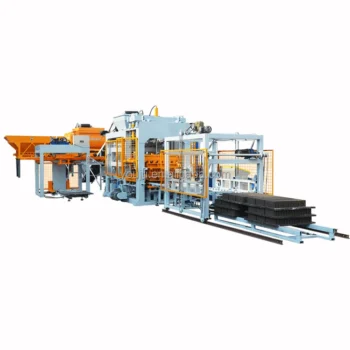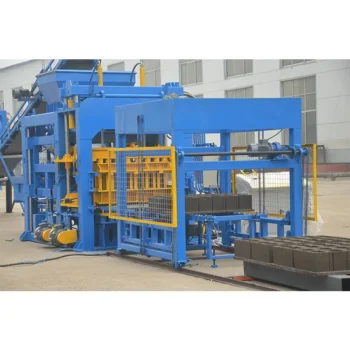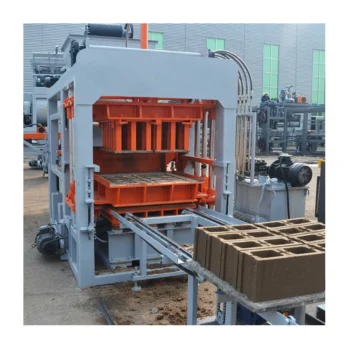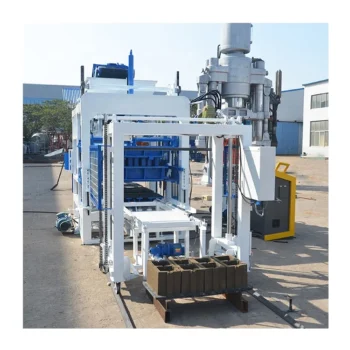
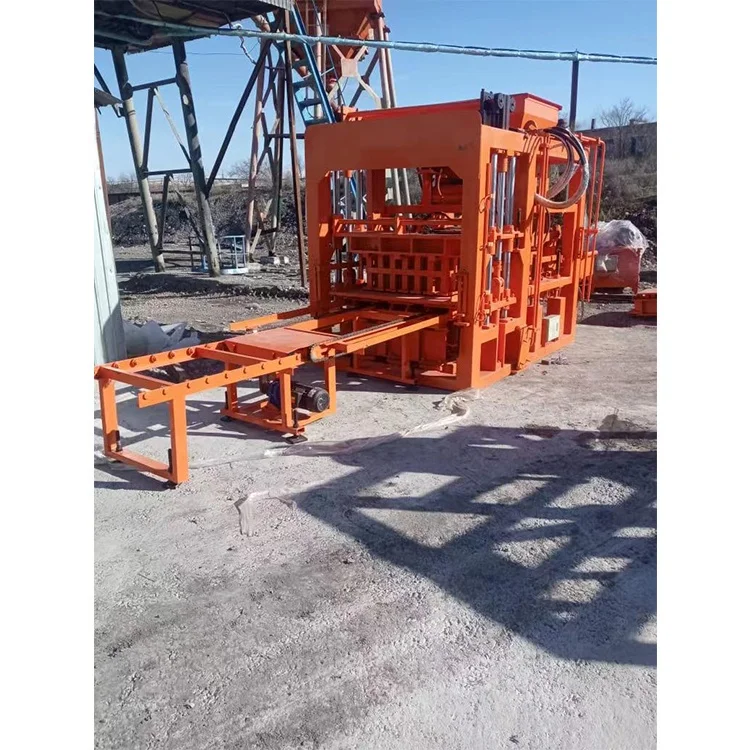

Description
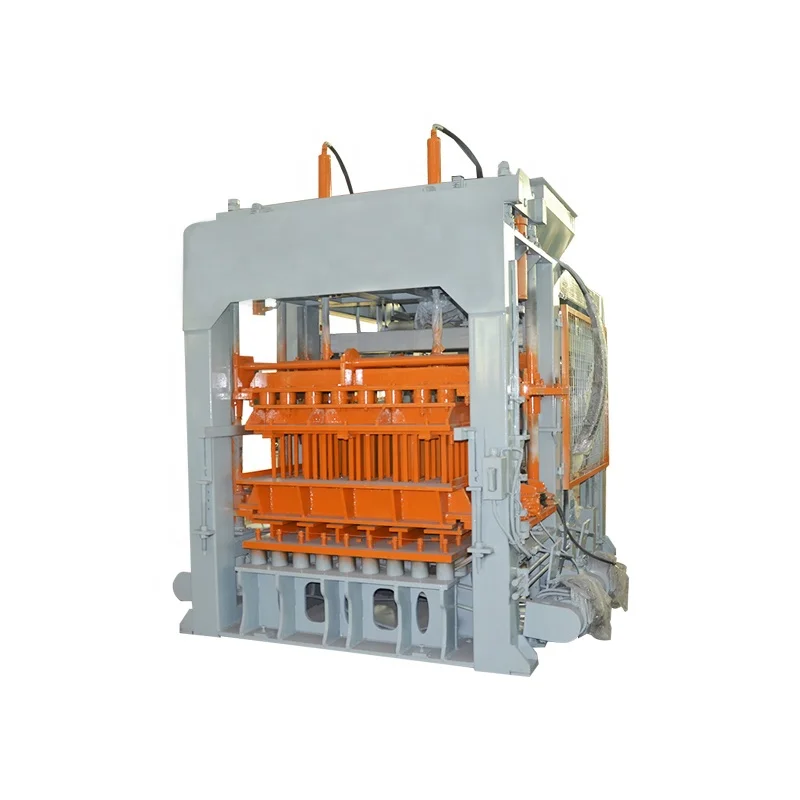
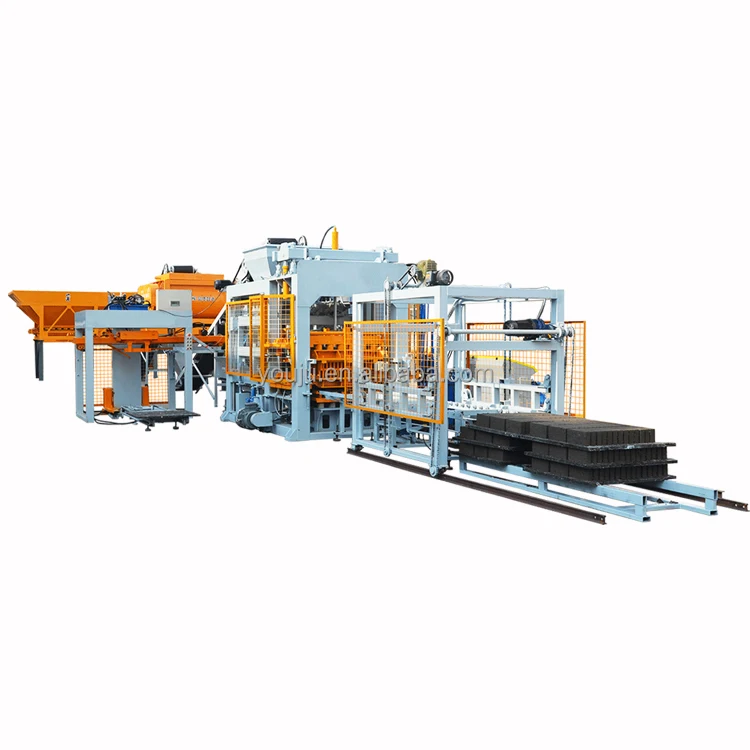
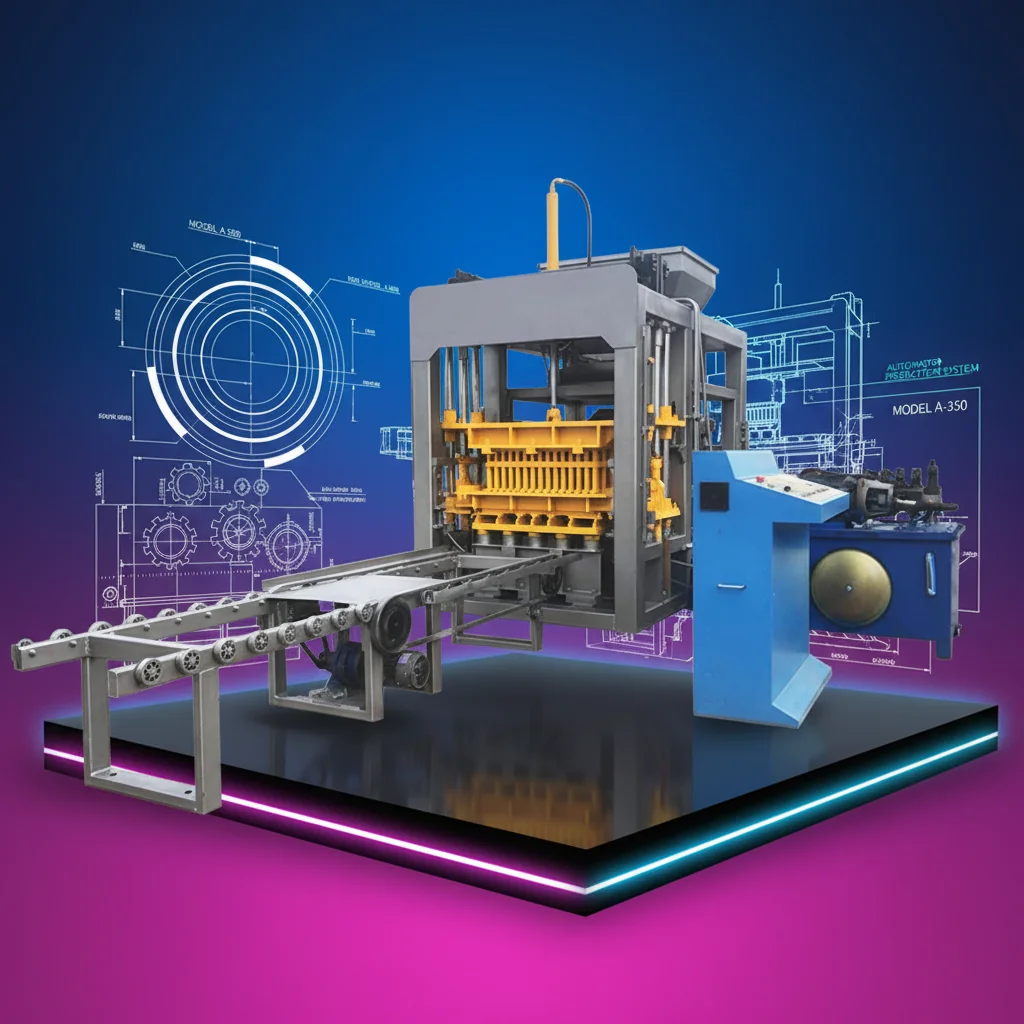
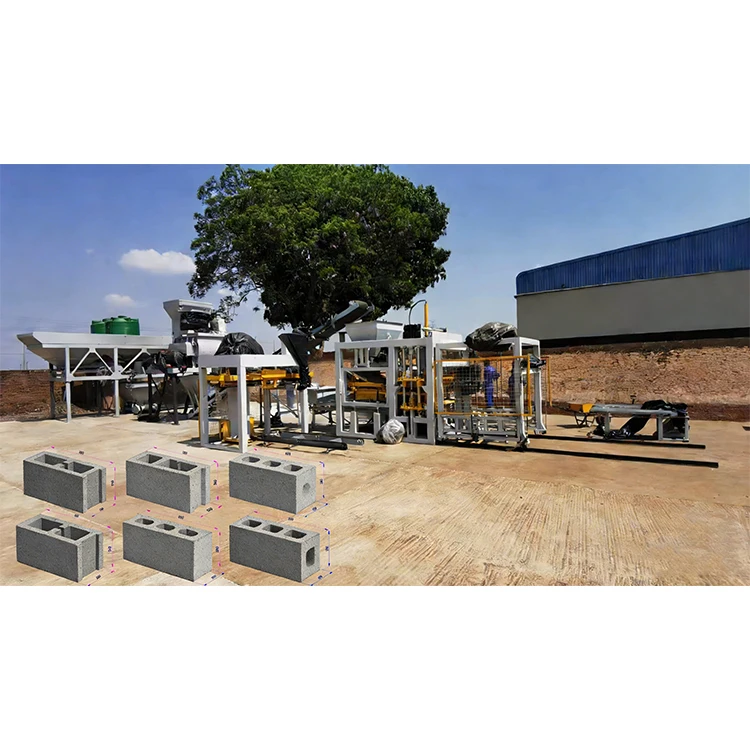
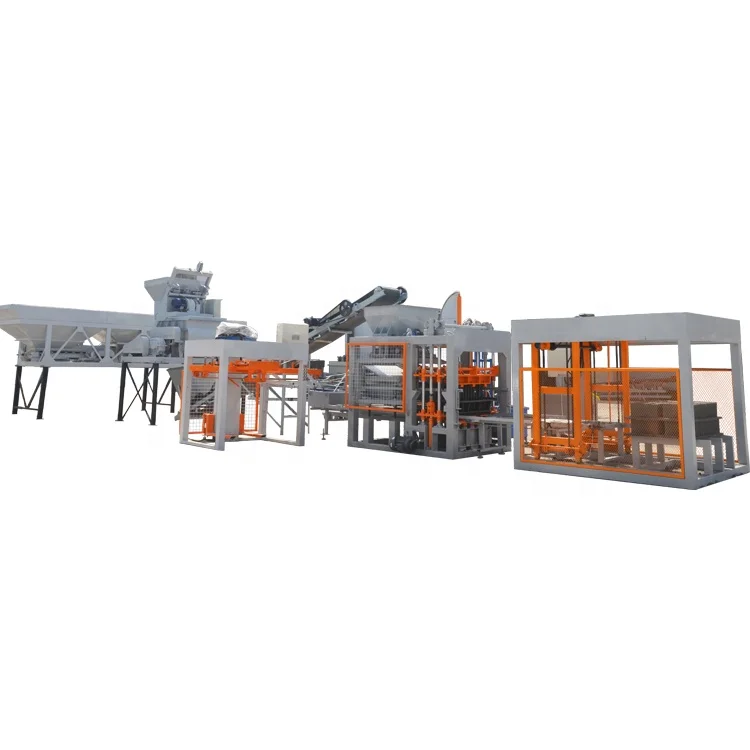
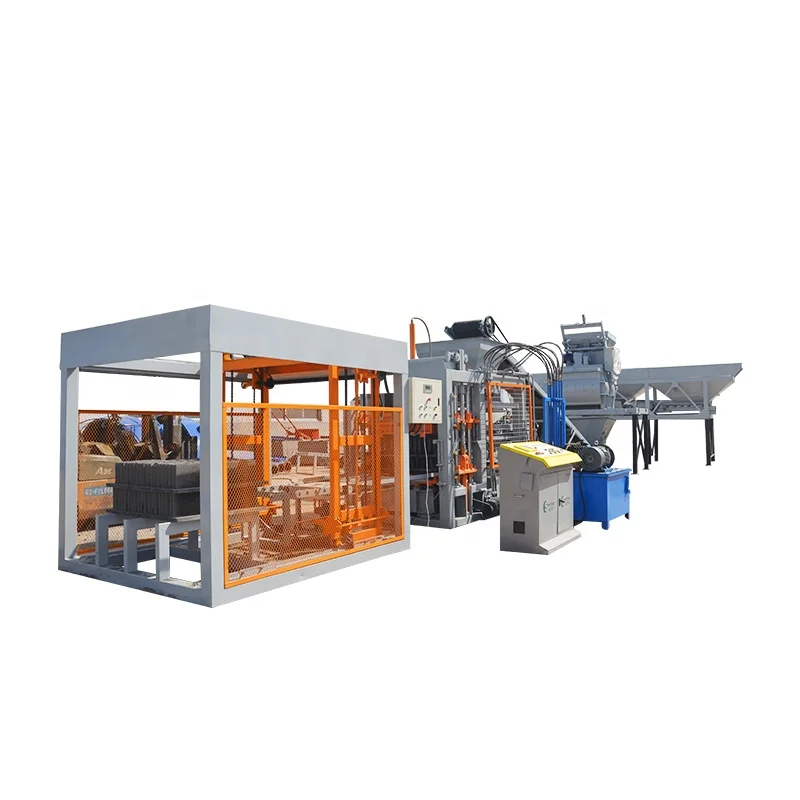
Format-matched configuration — Every QT5-15 block machine specification is built around the buyer’s actual block format, local aggregate, and pallet handling setup, not a catalogue default.
Technical Specifications
| Parameter | Value |
|---|---|
| Model | QT5-15 |
| Product Type | Automatic Concrete Block Making Machine |
| Overall Dimensions (L×W×H) | 7400×1950×2800 mm |
| Vibration Form | Platform Vibration |
| Vibration Frequency | 0–60 Hz |
| Vibration Force | 80 kN |
| Pallet Size | 1100×550 mm |
| Molding Cycle | 15–20 s |
| Demolding Method | Hydraulic |
| Overall Power | 32 kW |
| Total Mass | 5000 kg |
| Control System | PLC with touch screen interface |
| Hydraulic System | Independent integrated hydraulic station |
| Output (Hollow Block 400×200×200 mm) | 900–1200 pcs/h, 5 pcs/mould (basis: 15–20 s cycle) |
| Output (Hollow Block 400×150×200 mm) | 1080–1440 pcs/h, 6 pcs/mould (basis: 15–20 s cycle) |
| Output (Solid Brick 240×115×53 mm) | 5760–7680 pcs/h, 32 pcs/mould (basis: 15–20 s cycle) |
| Output (Rectangular Paver 200×100×60 mm) | 3600–4500 pcs/h, 25 pcs/mould (basis: 20–25 s cycle) |
| Output (Zigzag Paver 225×112.5×60 mm) | 2304–2880 pcs/h, 16 pcs/mould (basis: 20–25 s cycle) |
| Required Factory Area | 1000 m² (basis not stated in source — confirm total plant footprint) |
| Raw Material Compatibility | Fly ash (up to 70%), slag, gangue, sand, crushed stone, cement, water |
Application Suitability
| Application | Material or Output |
|---|---|
| Hollow block production for load-bearing walls | Crushed stone, sand, and cement with fly ash up to 70% |
| Solid brick manufacturing for masonry infill | Slag, gangue, and cement blends |
| Rectangular and zigzag paver production for hardscaping | High-density aggregate mixes with fine sand |
| Kerbstone and interlocking brick formats | Coarse aggregate with cement binder (via custom mould) |
What "1200 Pieces per Hour" Leaves Out
A headline capacity figure means nothing without the block dimension attached to it.
When I first started quoting block machines, I watched a buyer sign for a line based on a single cycles-per-hour number. The plant arrived, started running 400×150×200 hollow blocks instead of the assumed 400×200×200 format, and the daily tally fell well short of plan. The QT5-15 block machine specifications listed above break output down per format — pieces per mould, cycle time per format, and shift totals stated against specific dimensions — so you can match the machine to the product your market actually orders. [NEED_CITE: block format assumptions in capacity quotations]
Matching Mould Options to Your Product Range
The QT5-15 platform accepts hollow block, solid brick, and paver moulds on a single frame. A plant that primarily sells 400×200×200 hollow blocks through the building season can swap to rectangular pavers when landscaping demand peaks, using the same pallet size and hydraulic station. Mould synchronisation keeps block thickness consistent across the batch, which matters when your downstream customers lay blocks by the thousand and notice every dimensional drift.
Platform Vibration Tuned to Your Mix
Vibration frequency adjusts from 0 to 60 Hz, and the 80 kN vibration force works together with the hydraulic pressure to compact the mix into the mould cavity. A high fly-ash content demands different frequency and dwell settings than a clean crushed-stone mix. Getting this relationship right is what determines whether the block leaves the mould with sharp edges or crumbles at the corners before it reaches the curing rack. [NEED_CITE: vibration force and mix design correlation in block production]
Reading the Numbers That Matter
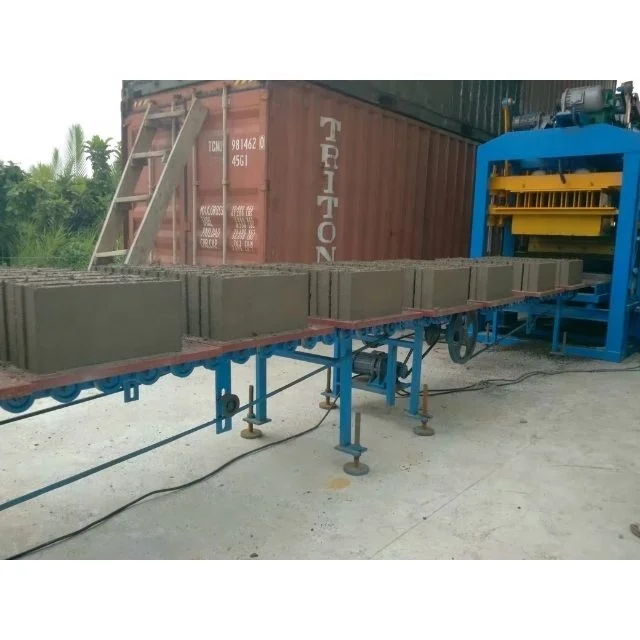
The 1100×550 mm pallet size dictates what curing rack layout and forklift capacity you need on the other side of the press. The 32 kW overall power draw tells your electrician what dedicated circuit to prepare before the container arrives. The PLC touch screen interface controls the full sequence — pallet feeding, material dosing, vibration, and hydraulic demoulding — as one synchronised cycle, so the operator manages parameters rather than timing each station by hand. The independent hydraulic station isolates press pressure from other line functions, keeping demolding force stable even when the mixer or conveyor draws peak current.
The Cost of Skipping Format-Level Detail
A machine configured for a mix you cannot source locally forces a material change that delays production by weeks. Pallets specified without checking your curing area dimensions mean blocks sit on the floor because they do not fit the rack. Voltage and PLC display language left unconfirmed until the crate arrives can stall commissioning while you wait for a translator or a transformer. Every one of these problems is preventable with a conversation before the order is placed. [NEED_CITE: common causes of block machine commissioning delays]
Why Buyers Specify With Us
Block machinery is our single focus — machine, mould, pallet, and handling are specified as one matched system, not assembled from separate suppliers. We set the QT5-15 configuration against your actual mix design, local aggregate, and target block format rather than quoting a catalogue default. Mould design covers the formats your market sells, including custom drawings when standard formats do not fit. The automation level is selectable, so a buyer starting with semi-automatic pallet handling can upgrade the line later without replacing the press. Installation support includes operator training so your crew knows mould change procedure and daily maintenance before the engineer leaves site.
Documentation & Verification
- Line layout and capacity calculation stating the block format assumed for each output figure
- Mould drawing and format list with estimated change time before order confirmation
- Pallet specification covering size, material, and thickness matched to your curing rack
- Voltage, frequency, and PLC display language confirmed in writing before production
- Factory test record run on your target block format and mix ratio before dispatch
Installation, Commissioning & Support
- 32 kW power requirement needs a dedicated circuit; confirm voltage and frequency before wiring
- 7400×1950 mm footprint requires level concrete foundation cured before pallet feed installation
- Machine ships dismantled for container loading; reassembly sequence covered in the manual
- First-day commissioning covers PLC language setup and vibration tuning to your local aggregate
- Operator training includes mould change procedure and hydraulic pressure adjustment per format
- Wear parts list and mould maintenance schedule provided with recommended replacement intervals
What We Need From You to Quote Accurately
Send us the block formats your market sells along with target daily output per format. Share your local aggregate type and a sample mix ratio so we can run a mould trial before the machine leaves the factory. Let us know your existing curing rack dimensions, forklift capacity, and the voltage and frequency standard at your site so every component is matched before production begins.
Frequently Asked Questions
Q: How is the per-format capacity calculated for each block dimension?
A: Each output line states the pieces per mould, the cycle time range, and the resulting hourly and shift totals for a specific block size. The 400×200×200 hollow block, for example, runs 5 pieces per mould at a 15–20 second cycle. If your primary product differs from these standard formats, we recalculate based on your mould drawing.
Q: What is the realistic mould change time between formats?
A: Mould change involves releasing the clamp bolts, lifting the current mould with the plant crane or forklift, lowering the new mould onto the locating pins, and re-securing. The procedure is covered during operator training. Actual time depends on your crew’s familiarity and whether you keep a second mould on standby near the press.
Q: How is the machine set up for our local aggregate and mix design?
A: We ask you to send a sample of your local aggregate and your proposed mix ratio. The QT5-15 vibration frequency and hydraulic pressure are then adjusted during a factory mould trial to confirm block density and edge quality. Settings are recorded and shipped with the machine. [NEED_CITE: aggregate variation effects on block compressive strength]
Q: What pallet size do we need, and does it match our curing racks?
A: The standard pallet for this model is 1100×550 mm. Before we confirm the order, we check this dimension against your curing rack spacing and the forklift tine width you already use. If your existing racks are sized differently, we discuss pallet and mould adjustments together.
Q: What test records do we receive before shipment?
A: The factory test record documents a production run on your confirmed block format, showing cycle time, vibration frequency, hydraulic pressure, and block dimensions measured from the test batch. This record travels with the shipping documents so your team can verify settings on arrival.