

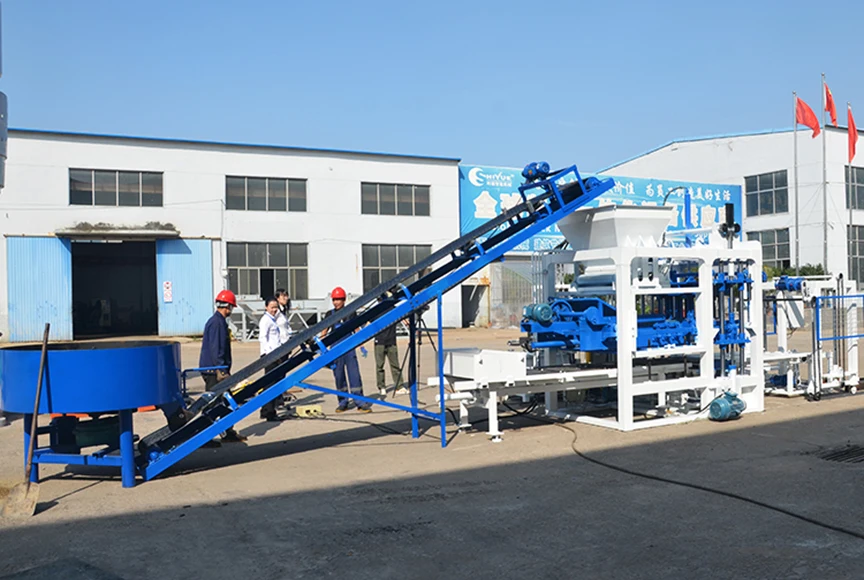

Description
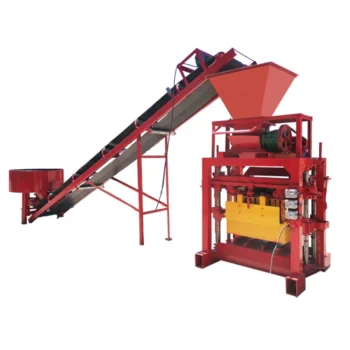
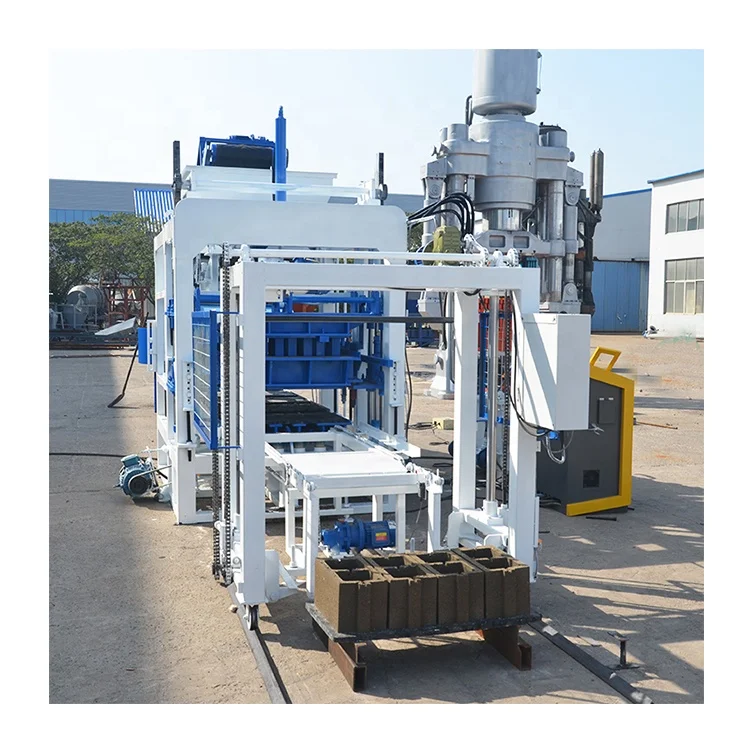
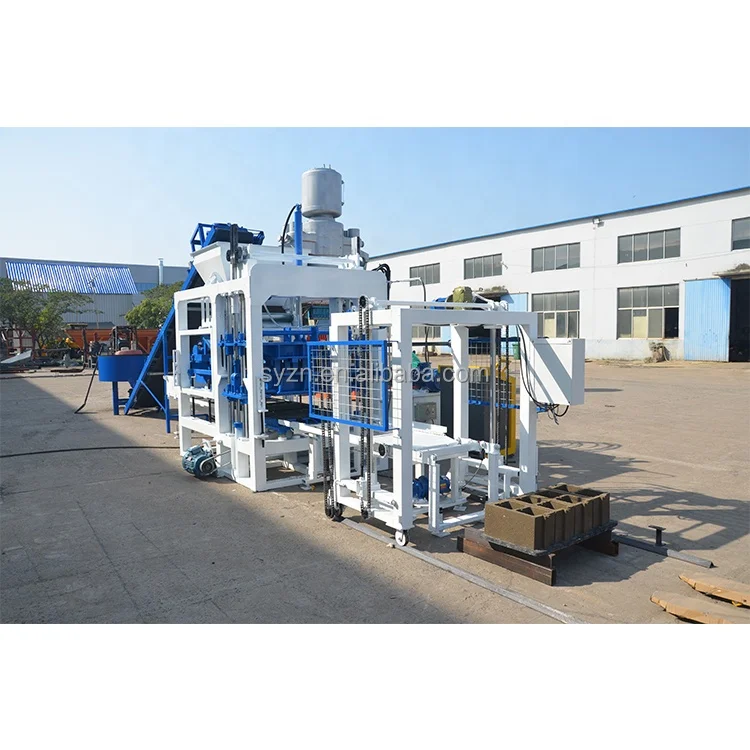
Matched System Configuration — the QT4-18 block making machine is specified with pallet size, vibration force, and hydraulic pressure aligned to your chosen block format, rather than quoted as isolated catalogue numbers.
Technical Specifications
| Parameter | Value |
|---|---|
| Model | QT4-18 |
| Product Type | Hydraulic Concrete Block Making Machine |
| Overall Dimensions (L×W×H) | 3900×1600×2300 mm |
| Vibration Force | 40–50 kN |
| Total Power | 24 kW |
| Mixer Model | JQ350 |
| Pallet Size | 850×550×25 mm |
| Net Weight | 3 T |
| Molding Cycle | 15–25 s (basis not stated in source — confirm block format and material) |
| Control System | PLC control system |
| Hydraulic Station | Included |
| Automation Level | Semi-automatic with PLC, manual pallet handling via hydraulic trolley |
| Included Auxiliary Equipment | Pallet feeder, brick conveyor, block sweeper |
| Output (Hollow Block 400×200×200 mm) | 1200–1680 pcs/h, 9600–13440 pcs/8hr |
| Output (Hollow Block 400×150×200 mm) | 1800–2400 pcs/h, 14400–19200 pcs/8hr |
| Output (Solid Brick 240×115×53 mm) | 3240 pcs/h, 16200–19440 pcs/8hr |
| Raw Materials | Crushed stones, sand, cement, dust, fly ash |
| Applied Products | Paver, solid block, hollow block, curbstone |
Application Suitability
| Application | Material or Output |
|---|---|
| Hollow block production for residential walls | Crushed stone, sand, cement, and fly ash mixes |
| Solid brick manufacturing for load-bearing structures | Standard concrete mix with local aggregate |
| Paver and curbstone production for infrastructure | High-density mix requiring maximum vibration force |
| On-site block manufacturing for housing projects | Semi-mobile setup with JQ350 mixer and manual pallet handling |
| Small to medium block plant expansion | Multiple format changes per shift using available moulds |
What QT4-18 Block Machine Specifications Leave Out About Daily Output
Capacity numbers only mean something when the block format behind them is named.
I have watched plant owners sign contracts based on a single hourly figure, only to discover on commissioning day that the number assumed a hollow block their market does not buy. The QT4-18 block machine specifications list three distinct output tiers, each tied to a specific block dimension — 400×200×200 mm hollow, 400×150×200 mm hollow, and 240×115×53 mm solid brick. When a buyer’s primary product is a paver or a curbstone, none of those three figures apply, and a separate cycle-time calculation must be done before the quotation stage. [NEED_CITE: block format impact on cycle time and daily throughput]
Mould Selection and Format-Driven Cycle Time
The QT4-18 block machine specifications cycle range of 15–25 seconds shifts depending on which mould is mounted and what the mix design demands. Thicker hollow blocks require longer vibration to consolidate the core, while thin solid bricks can press faster. A buyer planning to run pavers and curbstones needs to know exactly where each format lands within that range before committing to a daily target.
Pallet Size Alignment With Existing Curing Infrastructure
The 850×550×25 mm pallet is the physical link between the press and the curing yard. If the buyer’s existing racks, forklifts, or stacking area were built around a different dimension, every pallet must be re-handled manually after pressing. Confirming pallet compatibility before production avoids a bottleneck that no amount of automation can fix downstream. [NEED_CITE: pallet and curing rack compatibility standards in block production]
Reading the Specs That Actually Shape Block Density
Vibration force at 40–50 kN and the included hydraulic station work together: hydraulic pressure clamps the mould while vibration consolidates the mix. If the local aggregate is angular crushed stone rather than rounded river sand, the mix requires more force to reach target density. The QT4-18 block machine specifications list total power at 24 kW, which must cover both the press and the JQ350 mixer — a buyer should confirm the electrical supply can sustain simultaneous operation without voltage drop. The semi-automatic control with PLC manages cycle sequencing, but pallet movement after pressing relies on the included manual hydraulic trolley, meaning labour planning must account for that step. Mould change time is not published, so buyers running multiple formats per shift should request a timed demonstration before order.
The Cost of Skipping Format-Level Capacity Verification
When a buyer accepts a single capacity number without asking which block format it assumes, the first production week reveals the gap. Daily volume falls short, the curing yard fills slower than planned, and downstream delivery commitments slip. The same mismatch appears when pallet size is confirmed after shipment — pallets arrive, but the forklift tines are too narrow, and blocks must be offloaded by hand. [NEED_CITE: common block machine commissioning delays caused by specification gaps]
Why Configuration Verification Belongs in This Purchase
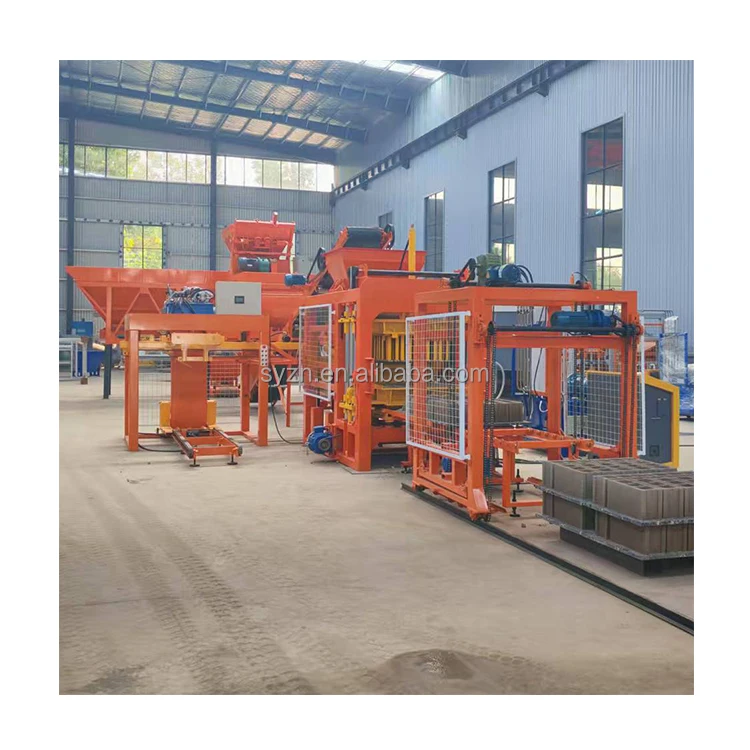
Block machinery is our single focus, so the QT4-18 is never quoted as a standalone press — the mixer, pallet feeder, brick conveyor, and block sweeper are specified as one line. Each proposal states the block format assumed for every output figure, so the buyer sees the number that matches their market. Mould design covers the formats the buyer actually sells, with custom drawings available when standard options do not fit. Voltage, frequency, and PLC display language are confirmed before production begins, eliminating the commissioning delay that happens when those details surface after the machine arrives. Pallet specification is matched against the buyer’s existing curing rack and handling equipment, not chosen from a default list.
Documentation & Verification
- Line layout drawing showing QT4-18 station spacing and pallet flow path
- Capacity calculation sheet stating block format behind each output figure
- Mould drawing and format list confirming included and optional moulds
- Pallet specification matching 850×550×25 mm to buyer’s curing infrastructure
- Voltage, frequency, and PLC language confirmation record before production
- Factory test record on buyer’s target block format before dispatch
Installation, Commissioning & Support
- Foundation plan sized to 3900×1600 mm footprint with vibration isolation
- Electrical supply confirmed for 24 kW total draw including JQ350 mixer
- PLC display language set before shipment to match operator proficiency
- Mould change procedure trained on-site with buyer’s target formats
- Wear parts list covering hydraulic seals and vibration components
- Pallet handling workflow established using included manual hydraulic trolley
What to Prepare Before Requesting a Quotation
Share the exact block dimensions your market sells and the daily volume target for each format. Provide your local aggregate type and any existing mix design data so the vibration and pressure settings can be matched before the proposal is written. Confirm the voltage, frequency, and PLC language your operators need, along with the curing rack dimensions and forklift specifications already in your yard.
Frequently Asked Questions
Q: How is the per-hour capacity of the QT4-18 calculated for each block format?
A: Each output figure in the QT4-18 block machine specifications is tied to a specific block dimension — 400×200×200 mm hollow, 400×150×200 mm hollow, or 240×115×53 mm solid brick. The molding cycle of 15–25 seconds shifts within that range depending on the format and mix. Buyers targeting pavers or curbstones need a separate calculation based on their exact mould.
Q: Which mould formats are available, and what determines mould change time?
A: The QT4-18 supports hollow block, solid brick, paver, and curbstone moulds. Mould change time depends on the specific mould design and the operator’s familiarity with the procedure. We recommend requesting a timed mould change demonstration during the factory test so your shift planning reflects actual conditions rather than assumptions.
Q: Is the 850×550 mm pallet compatible with my existing curing racks and forklift?
A: The pallet size must match your curing rack spacing and forklift tine width. If your existing infrastructure was built around a different dimension, every pallet requires manual re-handling after pressing. We confirm pallet compatibility against your yard layout before production begins to avoid post-delivery bottlenecks.
Q: What raw material mix does the QT4-18 configuration assume?
A: The machine handles crushed stones, sand, cement, dust, and fly ash, but vibration force and hydraulic pressure must be matched to your specific aggregate. Angular crushed stone demands different consolidation settings than rounded river sand. We ask for your mix design before writing any capacity figure on the proposal.
Q: What voltage, frequency, and PLC language options are confirmed before shipment?
A: Voltage and frequency vary by market and must be stated before production to avoid commissioning delays. The PLC display language is set to match your operator team. These three items are confirmed in writing during the quotation stage so the machine arrives ready to run.