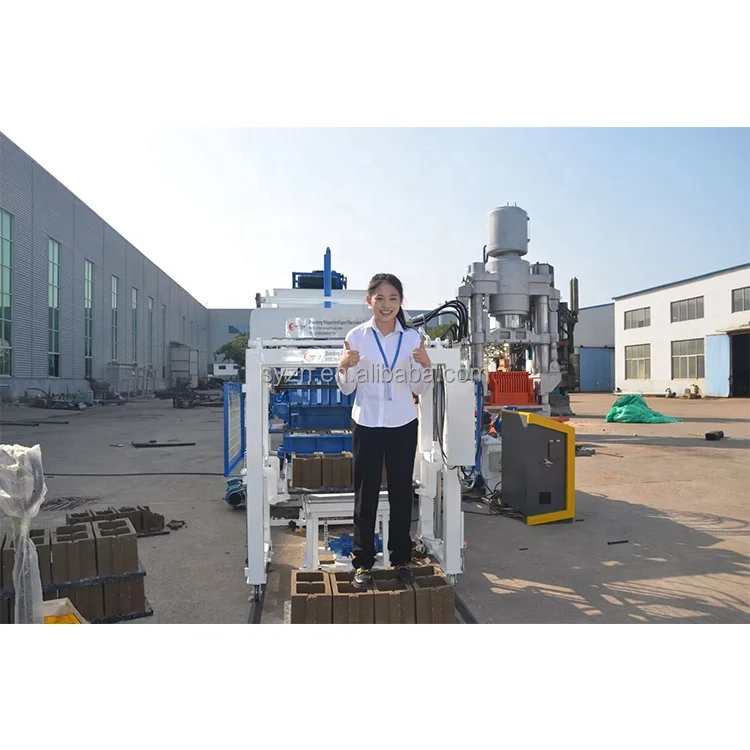


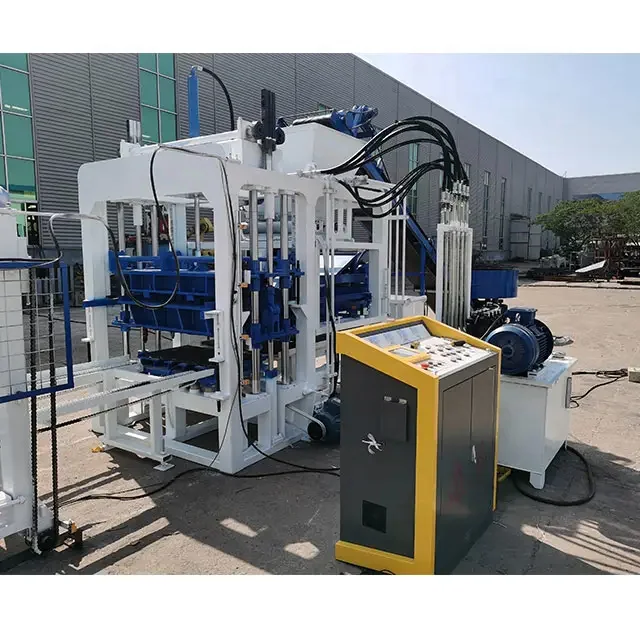
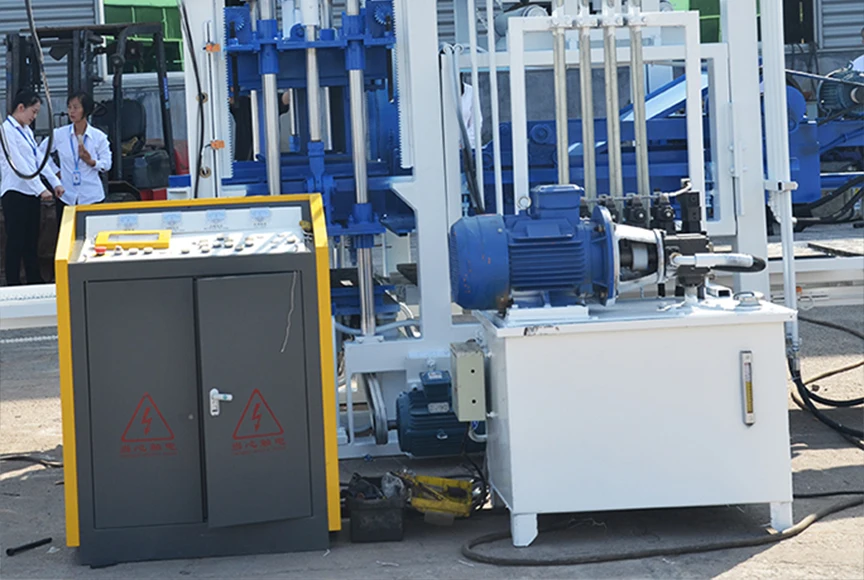
Description
Je bosse dans l’export de presses à blocs depuis des années, formé par les anciens de notre usine du Shandong. Une fois, un client a commandé une QT4-18 en se fiant au catalogue. Sur place, son sable local était beaucoup trop argileux. Le cycle de moulage s’est allongé, et la production quotidienne n’atteignait même pas la moitié de la capacité annoncée, paralysant tout son chantier. Depuis cette galère, j’exige systématiquement une analyse des agrégats avant d’expédier.
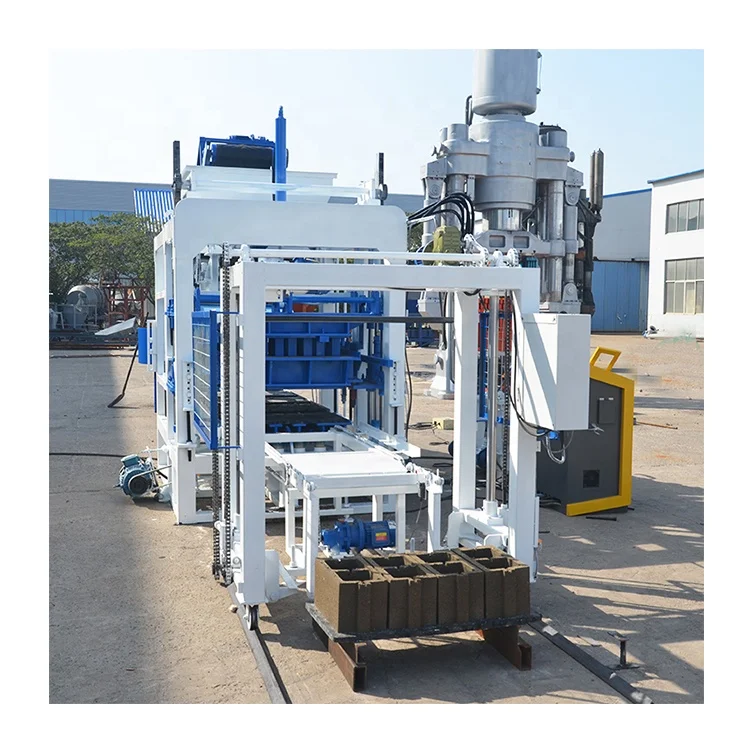
Honest Capacity Per Format — output figures for the QT4-18 are listed against the exact hollow block, solid brick or paver dimension being produced, not a single headline number.
Technical Specifications
| Parameter | Value |
|---|---|
| Product Type | Hydraulic Block Making Machine |
| Model | QT4-18 |
| Overall Dimensions (L×W×H) | 3900×1600×2300 mm |
| Molding Cycle | 15-25s |
| Vibration Force | 40-50 KN |
| Rated Power | 24 KW |
| Mixer Model | JQ350 |
| Pallet Size | 850×550×25 mm |
| Total Weight | 3 T |
| Applied Products | paver, solid block, hollow block, curbstone |
| Raw Materials | crushed stones, sand, cement, dust, fly ash |
| Control System | PLC control system |
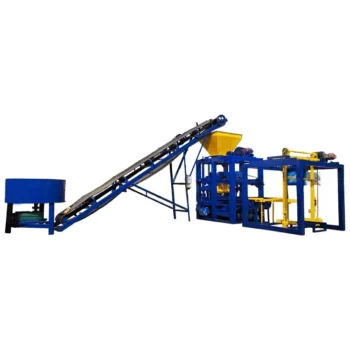
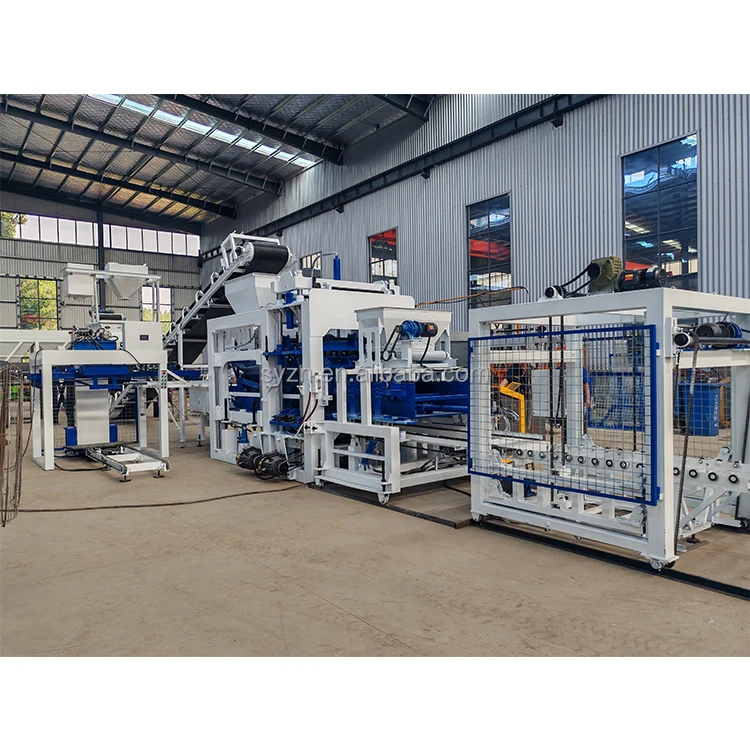
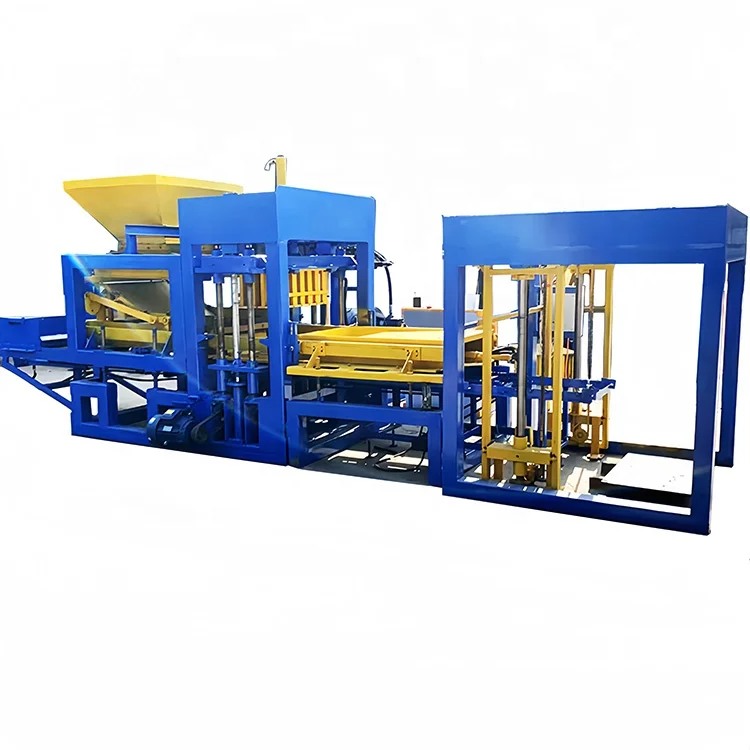
| Included Equipment | block making machine, hydraulic station, PLC control system, pallet feeder, brick conveyor, block sweeper |
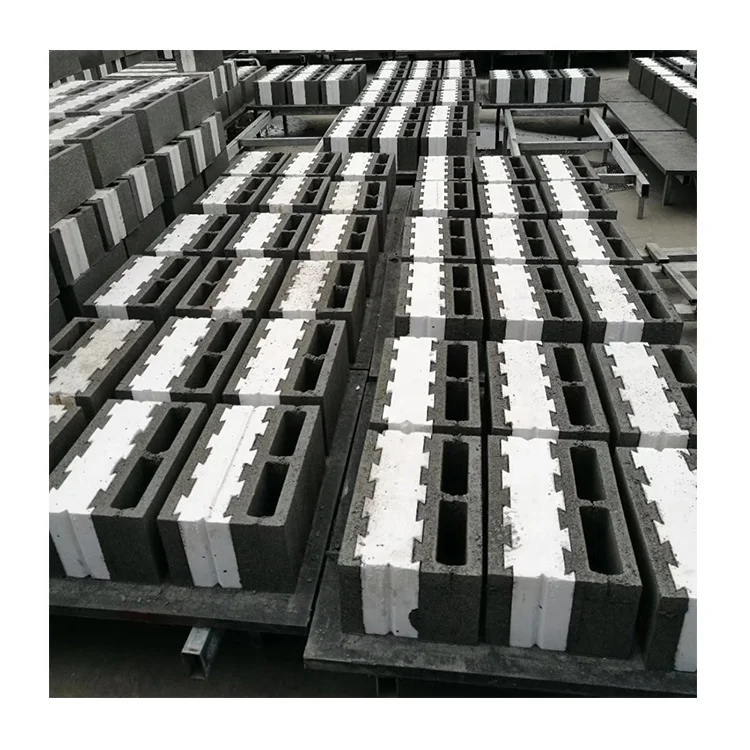
| Output Capacity (Hollow block 400×200×200mm) | 1200-1680 pcs/hr, 9600-13440 pcs/8hr |
| Output Capacity (Hollow block 400×150×200mm) | 1800-2400 pcs/hr, 14400-19200 pcs/8hr |
| Output Capacity (Solid brick 240×115×53mm) | 3240 pcs/hr, 16200-19440 pcs/8hr |
Application Suitability
| Application | Material or Output |
|---|---|
| Hollow block production | Crushed stones, sand, cement, fly ash (400×200×200mm or 400×150×200mm) |
| Solid brick manufacturing | Cement, sand, stone dust (240×115×53mm) |
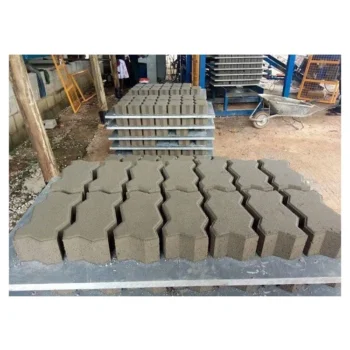
| Paver and curbstone casting | Aggregate and cement mix via mould change |
What the "15-25s Cycle" Actually Means for Your Output
Cycle time only translates to daily capacity when the block format and local aggregate are factored in.
When technical buyers evaluate a machine, a stated cycle time can be misleading if the vibration force and hydraulic pressure are not matched to the specific mix design. If the local sand has high clay content or the aggregate grading is poor, the press requires a longer dwell time to achieve the target block strength, effectively reducing the hourly throughput. The QT4-18 block machine specifications and capacity by format must therefore be verified against the actual raw materials available at the plant site [NEED_CITE: concrete block mix design and aggregate grading standards].
Matching Mould Options to Your Market Demand
The value of this press lies in its ability to switch between formats, but only if the mould change time aligns with your production schedule. The QT4-18 covers standard hollow blocks and solid bricks, with options for pavers and curbstones. A technical buyer sizing a machine must confirm which formats are immediately available and which require custom drawings, ensuring the equipment matches the blocks the local market actually purchases.
Pallet Sizing and Curing Area Logistics
The 850×550×25 mm pallet size dictates the footprint of your curing racks and the type of forklift required for handling. If the pallet dimensions do not match the existing curing area or the handling equipment already on site, the plant will face immediate bottlenecks after the press. Verifying these logistics before shipment prevents the press from sitting idle while manual handling catches up.
Vibration Force, Hydraulic Pressure, and Block Density
The 40-50 KN vibration force works in tandem with the hydraulic station to compact the raw material. In block manufacturing, insufficient vibration for a given aggregate size leads to porous, weak blocks, while excessive force can cause segregation of the mix. The PLC control system manages this balance, but the initial setup must be calibrated to the specific density requirements of the buyer’s market [NEED_CITE: hydraulic and vibration parameters for concrete block compressive strength].
The Hidden Cost of Ignoring Mix Design Compatibility
Sourcing a machine configured for a mix design that cannot be replicated locally forces a costly material change or results in inconsistent block quality. When the vibration force is not matched to the local aggregate, the rejection rate on site increases, and the daily output falls far short of the quoted capacity. This mismatch often surfaces only after installation, delaying the project timeline and increasing the initial investment burden [NEED_CITE: impact of local aggregate variation on block making machine performance].
Why Sourcing From a Single Focus Supplier Matters
- System Matching: The machine, mould, pallet, and handling equipment are specified as one matched system, preventing the press from waiting on upstream or downstream stations.
- Format Verification: Capacity calculations are provided stating the exact block format assumed, so buyers know the realistic daily output for their specific product.
- Custom Mould Design: Moulds are supplied for the formats the buyer’s market sells, including custom designs based on buyer drawings.
- Voltage and Language Confirmation: Electrical specifications and PLC display languages are confirmed before production to avoid commissioning delays upon arrival.
- Wear Parts Availability: Mould and hydraulic wear parts lists are provided to ensure replacements are available when the first maintenance cycle is due.
Documentation & Verification
- Line layout and capacity calculation stating the block format assumed for each output tier.
- Mould drawing and format list confirming exact block dimensions covered.
- Pallet specification matched to curing rack spacing and forklift capacity.
- Voltage and control language confirmation sheet signed before production.
- Factory test record demonstrating cycle time on a representative block format.
Installation, Commissioning & Support
- Foundation preparation based on the 3900×1600 mm footprint and dynamic vibration load.
- Power connection verified against the 24 KW rated power and local voltage frequency.
- Mould installation and vibration force calibration using the buyer’s local aggregate sample.
- PLC control system setup with confirmed display language for local operators.
- Spare parts list for hydraulic seals and mould wear items included with shipment.
Preparing Your Inquiry for Accurate Configuration
To ensure the QT4-18 is configured for your specific production goals, provide the target block dimensions, the required daily output for that specific format, and a sample of your local raw materials. Specify the available site voltage and the preferred language for the PLC interface. This data allows for a precise capacity calculation and pallet handling recommendation.
Frequently Asked Questions
Q: How is the daily output calculated for different block formats on this machine?
A: The output is calculated based on the molding cycle time of 15-25s and the number of blocks per mould. For example, the capacity for a 400×200×200mm hollow block is rated at 1200-1680 pcs/hr. Buyers must verify which format the quoted capacity assumes to ensure it matches their market demand.
Q: Can the vibration force be adjusted for different raw materials?
A: Yes, the 40-50 KN vibration force and hydraulic pressure must be matched to the buyer’s specific mix design and local aggregate. This calibration is essential for achieving consistent block strength and density, and is part of the commissioning process.
Q: What is the pallet size and how does it affect the curing area?
A: The standard pallet size is 850×550×25 mm. This dimension dictates the spacing of curing racks and the type of forklift required for handling. Buyers must confirm this size is compatible with their existing site infrastructure before ordering.
Q: Is the mould change system manual or automatic on the QT4-18?
A: The QT4-18 requires a mould change to switch between formats like hollow blocks, solid bricks, and pavers. The time required for this change should be confirmed with the supplier to ensure it aligns with the plant’s production schedule and format flexibility requirements.
Q: What documentation is provided to verify the machine’s capacity?
A: We provide a line layout and capacity calculation that explicitly states the block format assumed for each output figure. This is accompanied by a factory test record and mould drawings to verify the exact dimensions and cycle times before shipment.