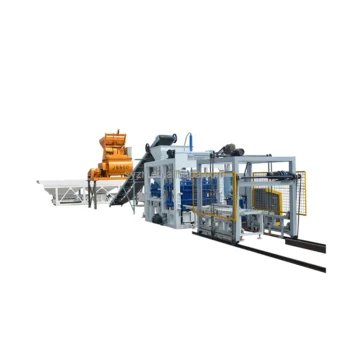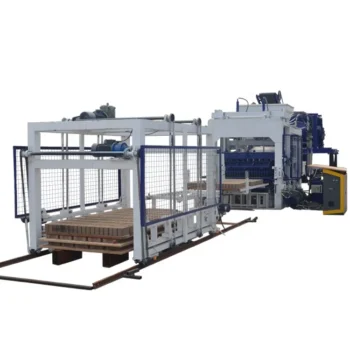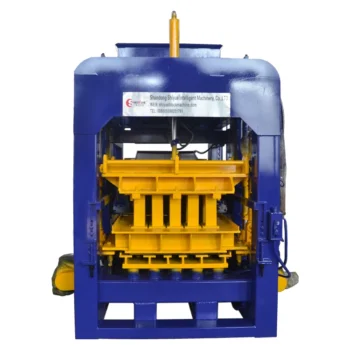


Description
Format-Specific Sizing — Every QT4-15 block machine specification here is matched to an actual block dimension and mould cavity count, not a generic cycle rate.
Technical Specifications
| Parameter | Value |
|---|---|
| Product Type | Hydraulic Concrete Block Making Machine |
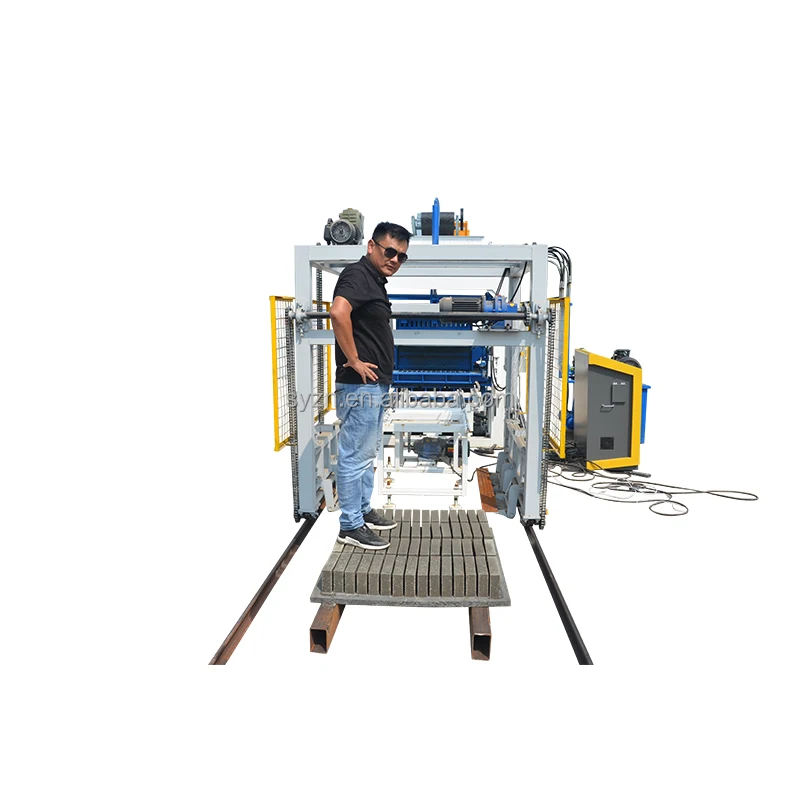
| Model | QT4-15 |
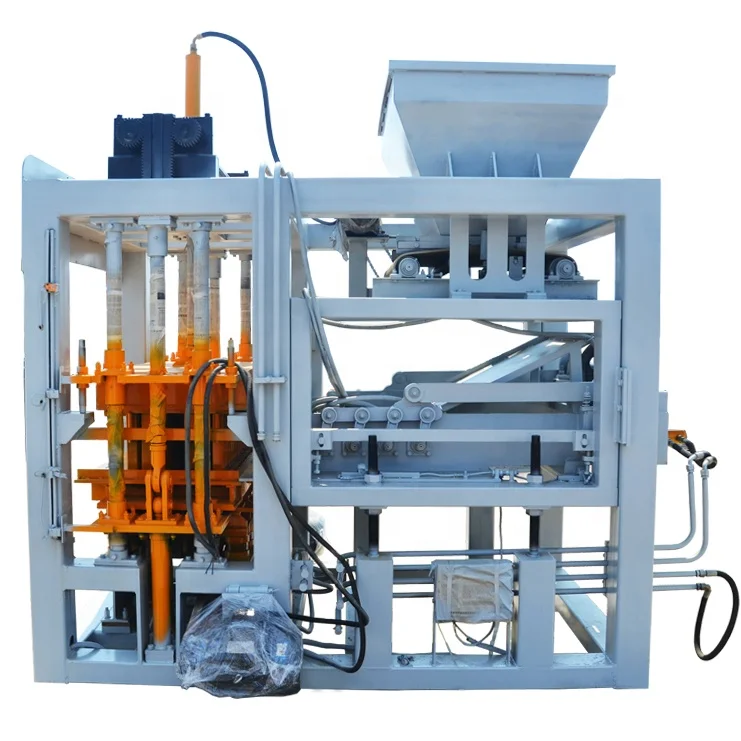
| Vibration Mode | Multiaxis synchronizer vibration, vertically downward |
| Guide System | Long-period over-length guide bearing for upper mould and mould box alignment |
| Mixer System | Multiaxis forced mixer |
| Hydraulic System | High thermal efficiency, low heat generation |
| Control System | Computer controlled, fully automatic |
| Rack Construction | High strength steel with special welding technique, vibration shock resistant |
| Automation Level | Fully automatic |
| Cycle Time | 15–20 seconds per mould |
| Rated Power | to be confirmed |
| Voltage & Frequency | configurable, to be confirmed before production |
| Pallet Size | to be confirmed based on block format and curing layout |
| Warranty | 1 year for whole machine (excluding spare parts) |
| Block Format | Cavity Count | Output per Hour | Output per 8-Hour Shift |
|---|---|---|---|
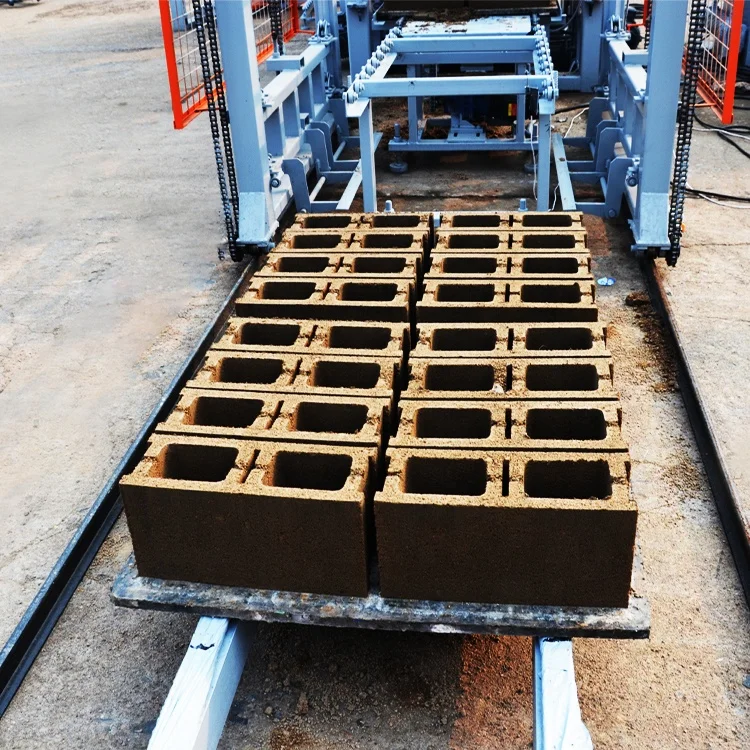
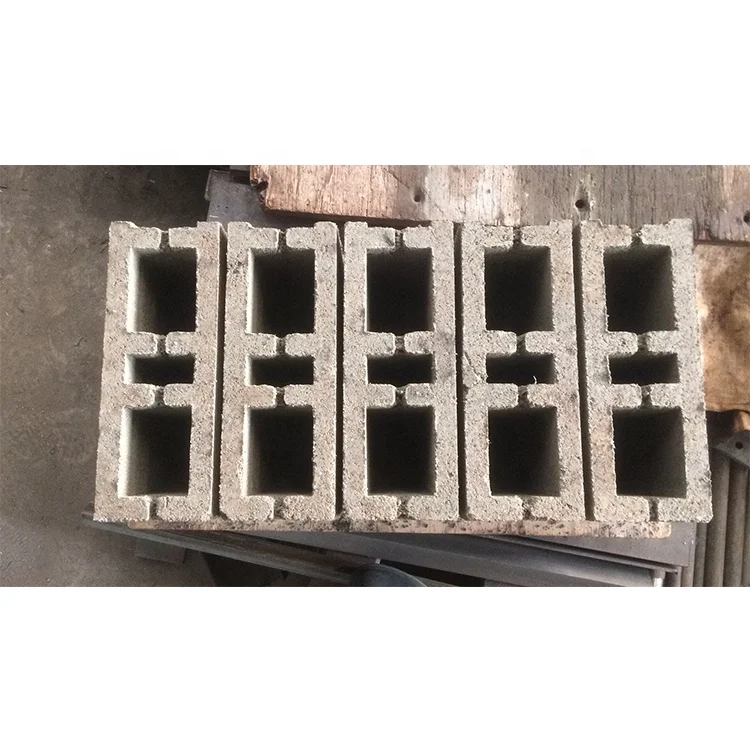
| 400×200×200 mm hollow block | 4 pcs/mould | 900–1,200 pcs/h | 7,200–9,600 pcs |
| 400×150×200 mm block | 5 pcs/mould | 1,080–1,440 pcs/h | 8,640–11,520 pcs |
| 400×100×200 mm block | 8 pcs/mould | 1,440–1,920 pcs/h | 11,520–15,360 pcs |
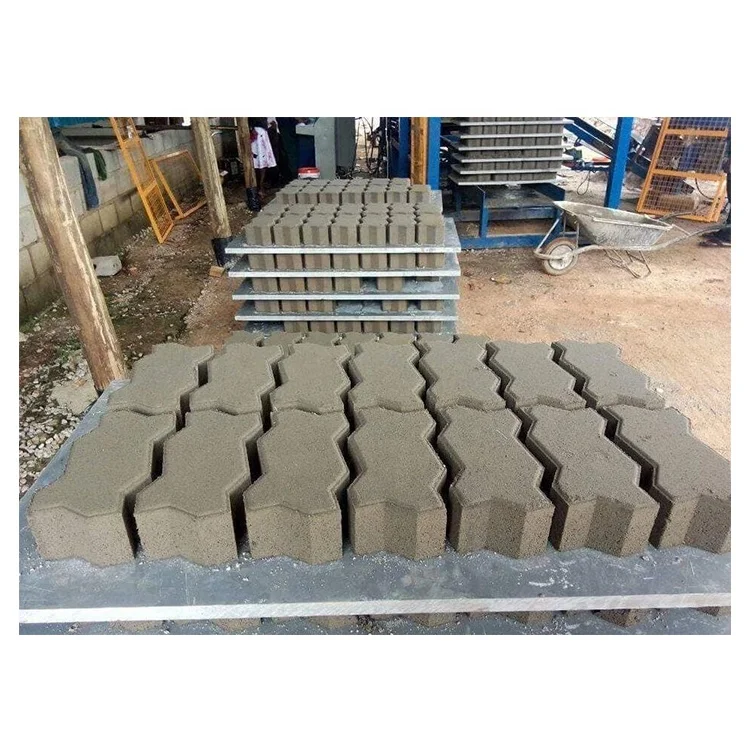
| 200×100×60 mm paver | 16 pcs/mould | 2,880–3,840 pcs/h | 23,040–30,720 pcs |
| 240×115×53 mm standard brick | 28 pcs/mould | 5,930–6,720 pcs/h | 47,400–53,700 pcs |
Application Suitability
| Application | Material or Output |
|---|---|
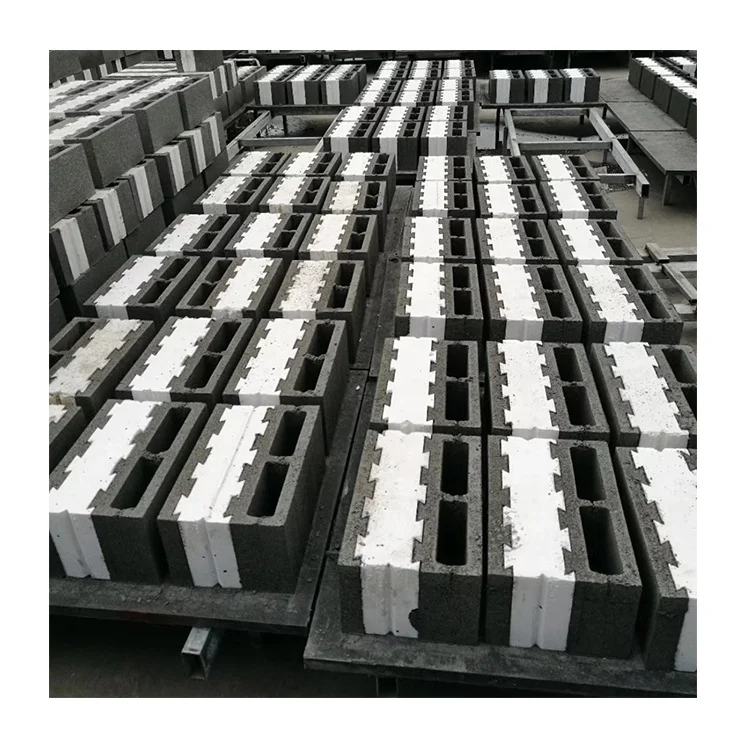
| Hollow block production | Crushed stone, river sand, and cement blends for load-bearing and partition walls |
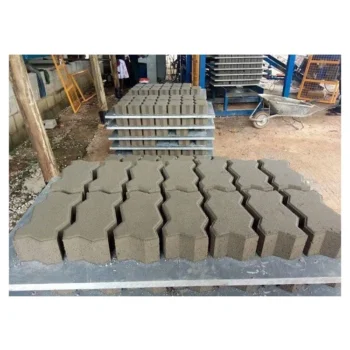
| Paving block manufacturing | Dense aggregate mixes for interlocking and pedestrian pavers |
| Standard solid brick output | Fine sand and cement for masonry brick formats |
| Multicellular brick formats | Lightweight aggregate and cement for thermal insulation bricks |
| On-site contractor production | Local aggregate sourced near project locations for immediate block use |
What QT4-15 Block Machine Specifications Leave Out When Format Is Ignored
Cycle time means nothing without knowing which block size and cavity count it applies to.
Sellers often quote a single hourly figure for a machine, but that number shifts dramatically once you move from a 4-cavity hollow block mould to a 28-cavity standard brick mould. A buyer who planned production around the higher figure and then received a hollow block order would find output far below expectation. The QT4-15 block machine specifications above list each format separately so daily planning stays honest [NEED_CITE: block machine capacity calculation standards by format].
Mould Cavity Count and Realistic Shift Output
The QT4-15 block machine produces four 400×200×200 mm hollow blocks per cycle, reaching up to 9,600 pieces across an eight-hour shift. Switch the mould to a 16-cavity paver configuration and the same press delivers up to 30,720 pavers in that same window. This range exists because the vibration table and hydraulic head accommodate different mould footprints, but the cycle time of 15–20 seconds remains the governing constraint across all formats.
Matching the Mixer to Your Aggregate Source
Local laterite, crushed granite, or river sand each demand a different water-to-cement ratio and mixing duration. The multiaxis forced mixer on the QT4-15 block machine handles stiff, low-slump concrete consistently, but the actual mix design must be tested before the machine is configured. I once spent two weeks adjusting vibration force and hydraulic pressure on a site in Lagos because the factory test had used river sand while the customer’s yard was full of laterite. That mismatch turned otherwise sound blocks into crumble on arrival [NEED_CITE: effect of local aggregate on block compressive strength].
Reading the Specs That Matter on the Shop Floor
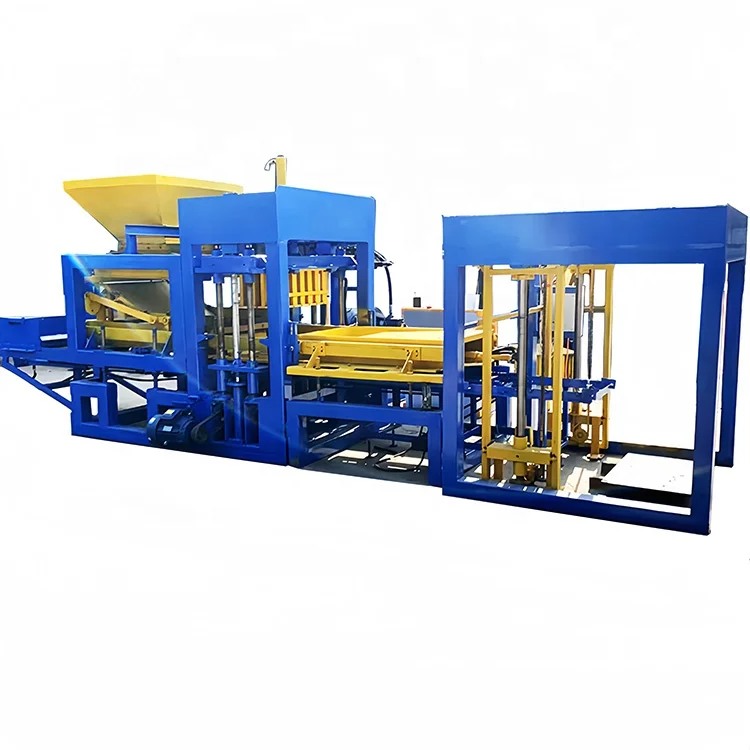
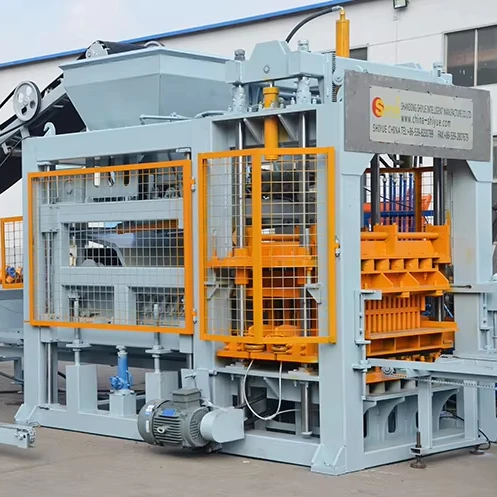
The long-period over-length guide bearing keeps the upper mould and mould box aligned over thousands of cycles, which directly affects block dimensional accuracy and reduces uneven wear on the mould faces. The multiaxis synchronizer vibration delivers force vertically downward, compacting the concrete evenly across the pallet rather than concentrating it at the centre. High strength steel rack construction with vibration-resistant welding prevents frame fatigue cracks that typically appear after the first year in machines with lighter frames. The hydraulic system runs at high thermal efficiency, keeping oil temperature stable during continuous shifts in hot climates where heat buildup would otherwise thin the oil and weaken pressing force [NEED_CITE: hydraulic oil temperature limits for block press operations].
The Cost of Skipping Format-Level Planning
When a buyer orders a machine based on a headline capacity number and later discovers that their primary block format yields half that output, the shortfall hits the contract timeline first. Penalty clauses for late delivery on housing projects are unforgiving. A pallet size that does not match the curing racks already on site forces a manual restacking step that erodes any labour savings the automatic press was supposed to deliver. Voltage and PLC language left unconfirmed before shipment can stall commissioning for days while an electrician rewires the panel or a technician ships a new HMI overlay [NEED_CITE: common commissioning delays in exported block machinery].
Why Procurement Starts with Your Block Format
Configuration is set against the buyer’s actual mix design and target block format, not a catalogue default. Mould drawings are confirmed with cavity count and dimensions before production begins. Pallet size and material are chosen to match the curing area dimensions and forklift equipment already in the buyer’s yard. Voltage, frequency, and PLC display language are locked in before the machine enters assembly. Every capacity figure quoted ties back to a specific block size and cycle time, keeping production planning transparent.
Documentation & Verification
- Line layout with capacity calculation stating block format assumed for each output tier
- Mould drawing and format list confirming cavity count for every block type quoted
- Factory test record run on buyer’s specified aggregate blend before dispatch
- Voltage and control language confirmation sheet signed before assembly
- Pallet specification matched to curing area and forklift dimensions
- Wear parts and mould inventory list with reorder codes
Installation, Commissioning & Support
- Foundation plan sized to the QT4-15 rack footprint and vibration load
- Dedicated power circuit matching confirmed voltage and frequency before machine arrival
- Machine reassembled on site with guide bearing alignment verified under load
- First production run supervised until cycle time and block density stabilise
- Operator training covering mould change procedure and PLC fault codes
- Spare mould and hydraulic seal kit shipped with initial order
Before You Send the Inquiry
Share the exact block formats your market moves, including dimensions and daily volume targets. Confirm your local aggregate type so the mixer and vibration settings can be matched before build. Specify the voltage, frequency, and PLC language your electricians and operators work with to keep commissioning on schedule.
Frequently Asked Questions
Q: How is the QT4-15 output verified for each block format?
A: Each capacity figure is calculated from the mould cavity count and the 15–20 second cycle time, then confirmed during a factory test run on the buyer’s specified aggregate. The test record ships with the machine so shift planning starts from verified data, not catalogue estimates.
Q: What voltage and frequency options are available?
A: The electrical system is configured to the buyer’s site supply before production begins. Voltage, frequency, and PLC display language are confirmed in writing so the machine arrives ready for connection, avoiding rewiring or HMI replacement delays during commissioning.
Q: How does the QT4-15 adapt to local aggregate?
A: The multiaxis forced mixer and adjustable vibration force allow the machine to handle stiff mixes based on locally available sand, crushed stone, or laterite. A sample mix is tested before configuration so hydraulic pressure and vibration are set to produce consistent block density from that specific material.
Q: What pallet size does the machine require?
A: Pallet dimensions are selected to match the block format, the buyer’s curing rack spacing, and the forklift already on site. Confirming these details before order prevents a mismatch that would force manual restacking and slow the curing cycle.
Q: How long does a mould change take on the QT4-15?
A: Mould change time depends on the format switch and operator familiarity, but the guide bearing system keeps alignment consistent so changeover does not require repeated calibration. The machine can run multiple block formats from a single press across different production days.