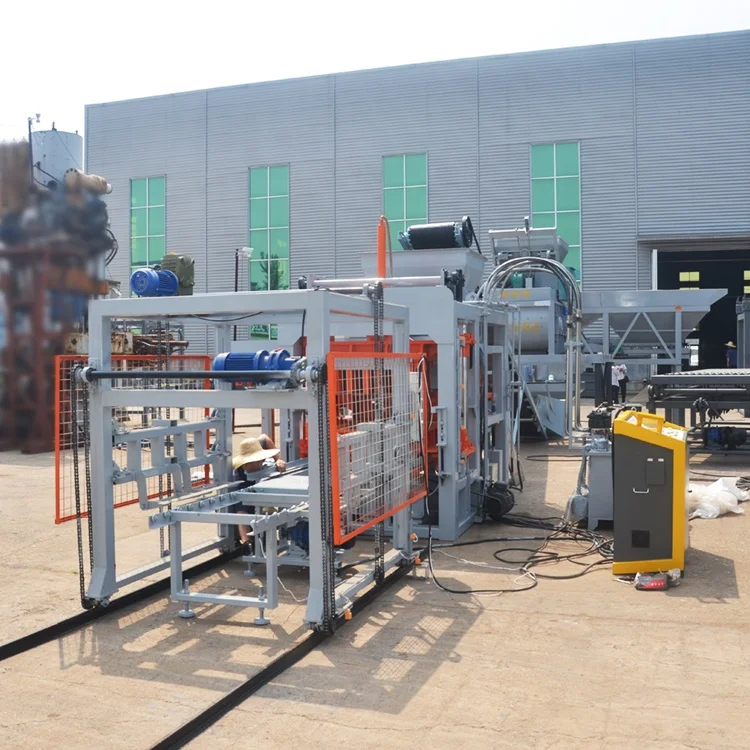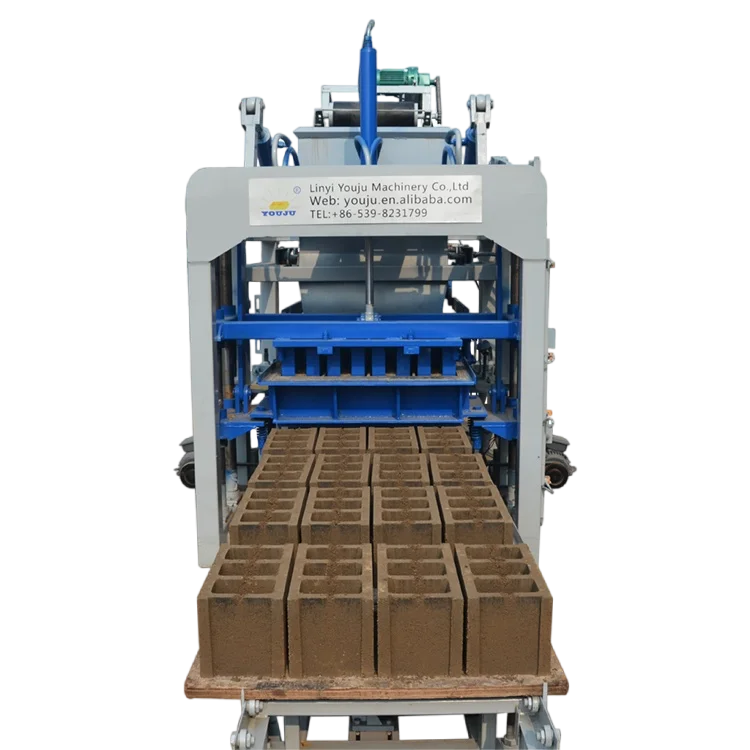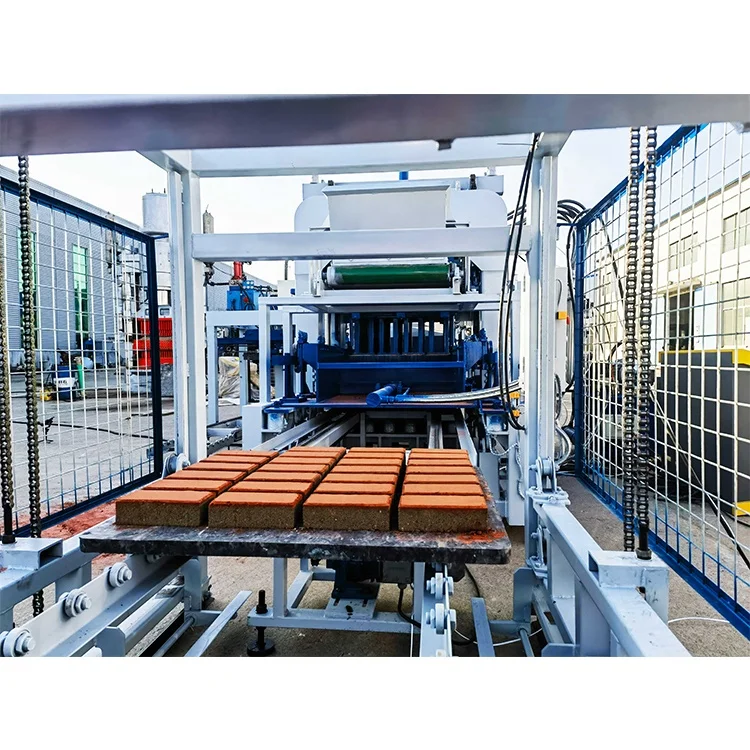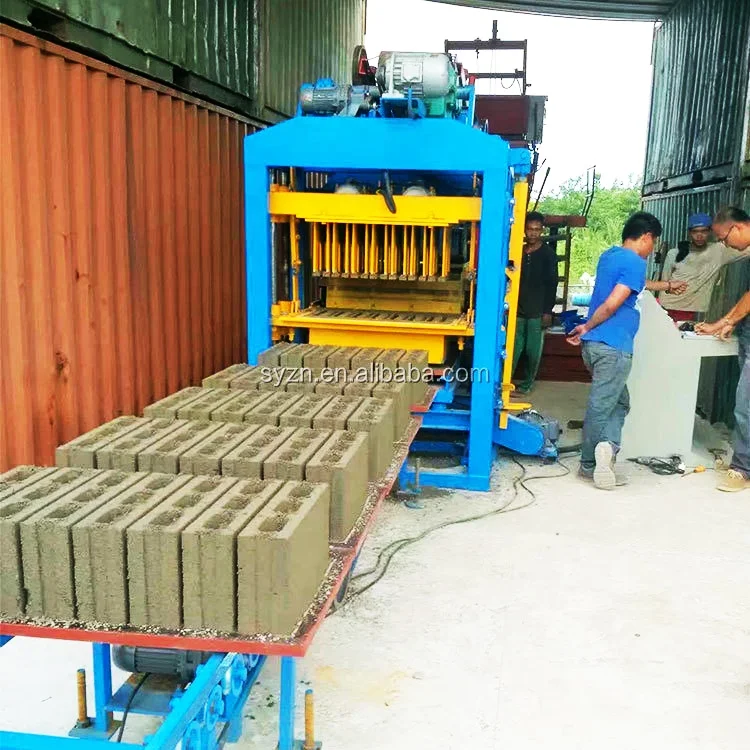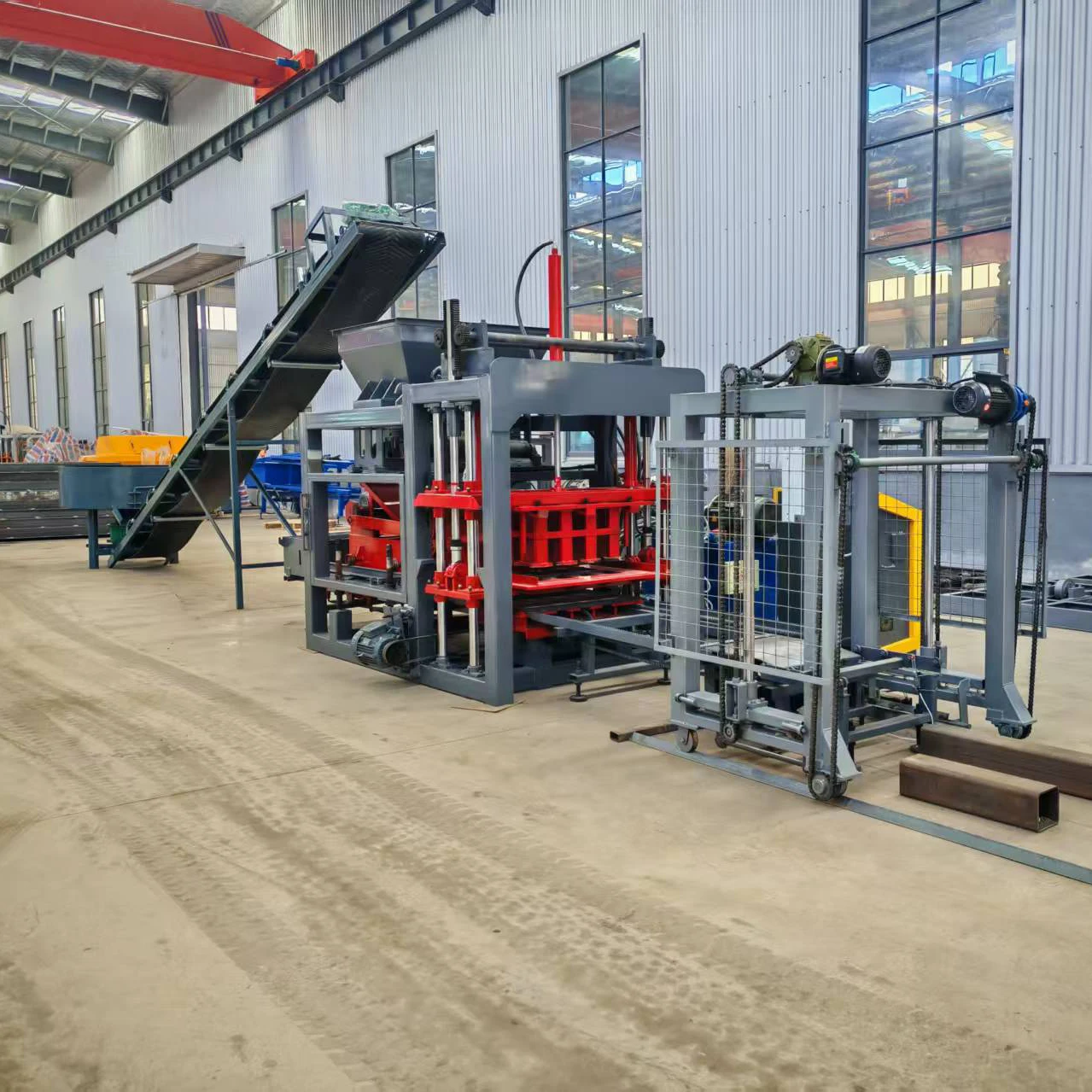
Description
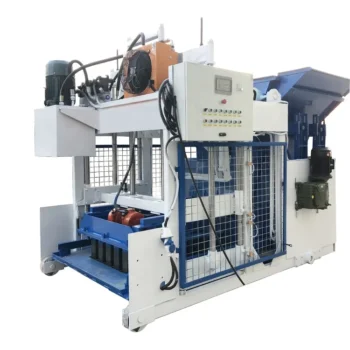
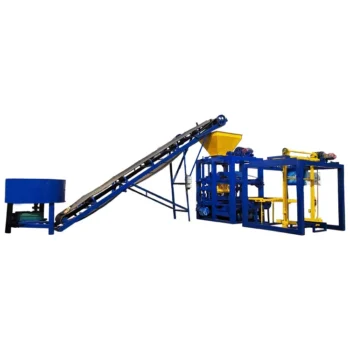
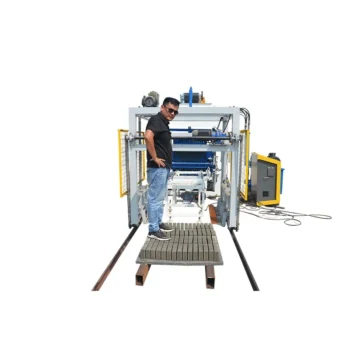
Matched Configuration Approach — Every QT4-15A block making machine is configured around the buyer’s specific block format, local aggregate and target strength, not a catalogue default.
Technical Specifications
| Parameter | Value |
|---|---|
| Model | QT4-15A |
| Product Type | Fully Automatic Concrete Block Making Machine |
| Overall Dimensions (L×W×H) | 4100×1600×2600 mm |
| Rated Pressure | 16–21 MPa |
| Main Vibration Form | Platform Vibration |
| Vibration Frequency | 4200 r/min |
| Vibration Force | 55 kN |
| Pallet Size | 880×550 mm |
| Molding Cycle | 25–30 s (basis not stated in source — confirm block format / material / thickness) |
| Overall Power | 18.45 kW |
| Total Mass | 4 T |
| Demolding Method | Hydraulic |
| Factory Area Required | 300 m² |
| Automation Level | Fully Automatic |
| Loading | 1×40HQ container (basic equipment) |
| Warranty | 1 year (excluding spare parts) |
Application Suitability
| Application | Material or Output |
|---|---|
| Hollow block production | Crushed stone, sand, cement, fly ash |
| Solid block manufacturing | Sand, gravel, cement, slag |
| Paving block production | Crushed stone, sand, cement, colored pigment |
| Interlocking brick forming | Gravel, dust, cement, fly ash |
| Curbstone production | Coarse aggregate, sand, cement |
Why "Cycles per Hour" Means Nothing Without a Block Format
Capacity numbers only matter when tied to a named format and pallet layout.
I once watched a buyer in Southeast Asia take delivery of a block machine quoted at an impressive hourly cycle rate. After three weeks of production, the daily pallet count was barely half the projection. The quotation never specified which block format the cycle time assumed — the machine was running 200 mm hollow blocks, not the 150 mm solid pavers the factory was built around [NEED_CITE: capacity calculation standards for concrete block equipment].
This QT4-15A fully automatic block making machine comes with a 25–30 second molding cycle, but that figure must be confirmed against the specific block format, wall thickness and mix design before any daily output projection is credible. Buyers evaluating QT4-15A block making machine specifications should always request the capacity calculation stated per format, not a single blanket number.
Mould Format Coverage and Changeover Reality
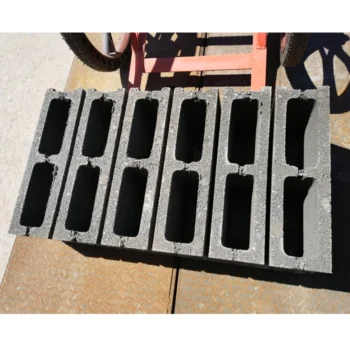
The QT4-15A supports hollow, solid, paving, interlocking and curbstone formats through a hydraulic demolding system. Mould design can be customized to buyer drawings, so the machine produces the exact formats the local market demands rather than forcing the buyer to adapt to a limited catalogue.
Mould change time is where many machines fail the flexibility promise. A changeover consuming most of a shift cancels the format variety the buyer invested in. Before ordering, confirm the QT4-15A block making machine specifications for your target formats, including the tools and time required for each mould swap.
Platform Vibration and Pressure Matching
The 55 kN platform vibration force paired with 16–21 MPa hydraulic pressure gives the QT4-15A a working range that adjusts to different aggregate gradations. River sand, crushed stone, fly ash and slag all compact differently under vibration, and the pressure range allows the operator to find the combination that delivers consistent block strength [NEED_CITE: vibration force and hydraulic pressure matching for concrete block density].
In my experience sourcing equipment for a Southeast Asian plant, vibration force and hydraulic pressure that were not matched to local river sand gradation produced hollow blocks with inconsistent strength. Returns accumulated across half the yard. The QT4-15A configuration should always be validated against the buyer’s actual aggregate sample and mix design before production parameters are finalized.
Reading the Numbers That Actually Matter
The 4200 r/min vibration frequency determines how thoroughly the mix consolidates inside the mould cavity. Higher frequency with appropriate force produces denser blocks with fewer voids, directly affecting compressive strength and water absorption.
The 880×550 mm pallet size must align with the buyer’s existing curing racks and forklift capacity. A mismatch here means either rebuilding the curing area or manually repositioning pallets, both of which consume time and space that were not budgeted.
Overall power of 18.45 kW indicates the electrical supply requirement — this must be confirmed against the buyer’s local voltage and frequency before the machine enters production. Voltage and control language confirmation should be documented before the order enters the production queue.
When Configuration Choices Come Back to Haunt
Choosing a pallet size without checking the curing area dimensions means blocks stack on the production floor because the racks cannot accept them. The press keeps cycling, but output backs up because the handling system was never part of the original specification [NEED_CITE: pallet handling bottlenecks in block production lines].
Specifying the machine for a mix the buyer cannot source locally forces a material change that increases cost and disrupts supply chains. Voltage and PLC display language left unconfirmed delay commissioning for weeks while control components are reconfigured. These are not equipment failures — they are specification failures that happen before the machine leaves the factory.
What This Supply Approach Changes
Block machinery is the single focus here, so the QT4-15A machine, mould, pallet and handling equipment are specified as one matched system rather than assembled from separate suppliers with incompatible interfaces.
Configuration is set against the buyer’s actual mix design, local aggregate and target block format, not a catalogue default. Mould design covers the formats the buyer’s market actually sells, with custom drawings available for non-standard dimensions.
Automation level is selectable, so a buyer can start with the QT4-15A in fully automatic configuration and adjust handling automation as the plant grows. Installation and commissioning support includes operator training so the local team can manage mould changes and daily maintenance independently.
Documentation & Verification
- Line layout and capacity calculation stating the exact block format assumed for each QT4-15A output figure
- Mould drawing and format list confirming included and optional moulds for the QT4-15A
- Pallet specification matched to the buyer’s curing area and forklift capacity
- Voltage, frequency and PLC display language confirmation before QT4-15A production begins
- Factory test record on the buyer’s target block format before dispatch
- Operation and maintenance manual with wear parts and mould replacement list
Installation, Commissioning & Support
- 300 m² factory area required for the QT4-15A production line with curing space
- 18.45 kW total power needs dedicated circuit and correct voltage configuration at the QT4-15A site
- Basic QT4-15A equipment loads in one 40HQ container with dismantling for shipment
- On-site commissioning with vibration force and hydraulic pressure calibration to local aggregate
- Operator training covering QT4-15A mould change procedures and daily maintenance schedule
- Wear parts list and mould inventory for QT4-15A replacement scheduling
What to Prepare Before Inquiring
Buyers evaluating the QT4-15A should provide the target block format with dimensions, daily output requirement, and local raw material availability including aggregate gradation. Site conditions including factory area, ceiling height and existing curing equipment help determine the correct pallet and handling configuration. Local voltage, frequency and preferred PLC display language should be confirmed so the QT4-15A control system matches the plant’s electrical infrastructure from day one.
Frequently Asked Questions
Q: How is QT4-15A capacity verified, and which block format does the quoted cycle time assume?
A: The 25–30 second molding cycle must be confirmed against the specific block format, wall thickness and mix design before any capacity figure is meaningful. Request a capacity calculation that states the exact block format assumed for each output projection, so daily production targets are based on the product you actually plan to manufacture.
Q: How do I match vibration force and hydraulic pressure to my local aggregate and mix design?
A: The QT4-15A operates with 55 kN vibration force and 16–21 MPa hydraulic pressure, adjustable across that range. Provide an aggregate sample and target block strength so test batches determine the vibration and pressure combination that produces consistent density for your specific material.
Q: What mould formats are available, and can I order custom moulds to my own drawings?
A: The QT4-15A supports hollow, solid, paving, interlocking and curbstone formats. Custom mould design to buyer drawings is available for non-standard dimensions or specialized block profiles, ensuring the machine produces the exact formats your local market requires.
Q: Which pallet size and material should I choose based on my curing area and handling equipment?
A: The standard 880×550 mm pallet must be verified against your curing rack dimensions and forklift capacity before ordering. A pallet specification document confirms the match, preventing handling bottlenecks where output backs up because racks cannot accept the pallet size.