

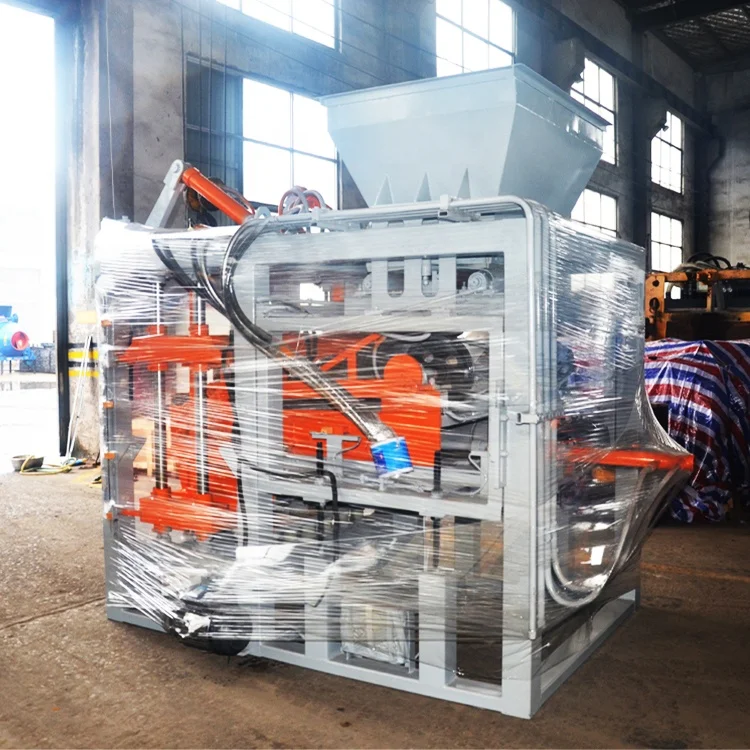
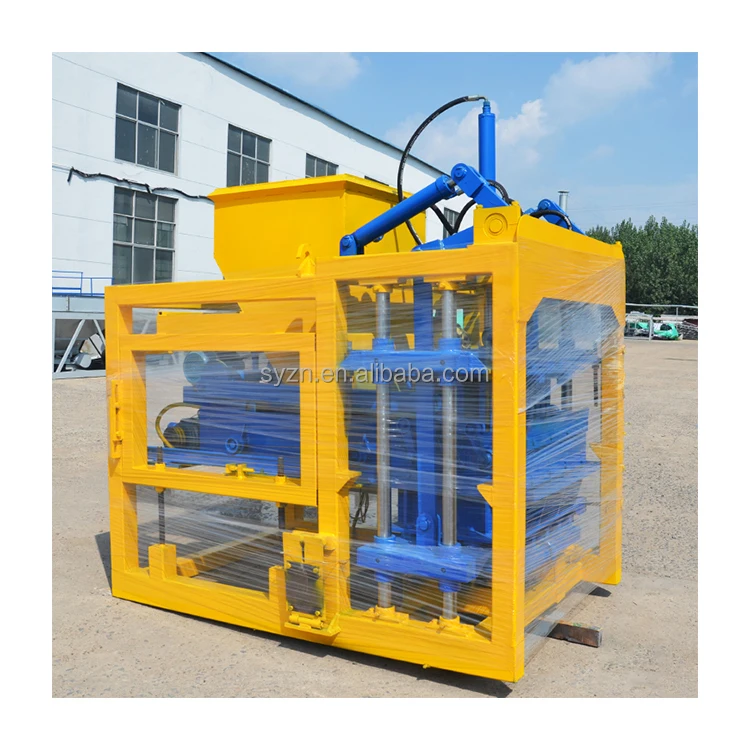
Description
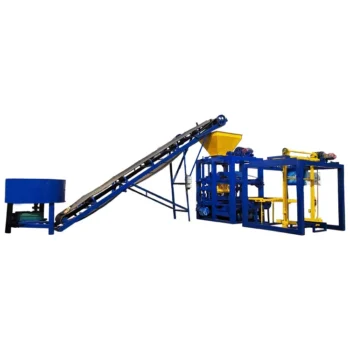
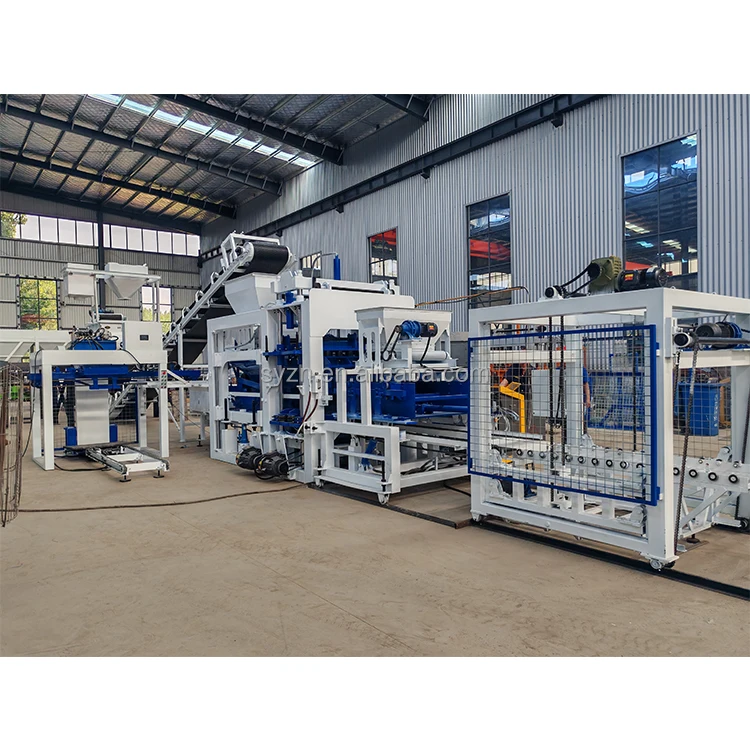
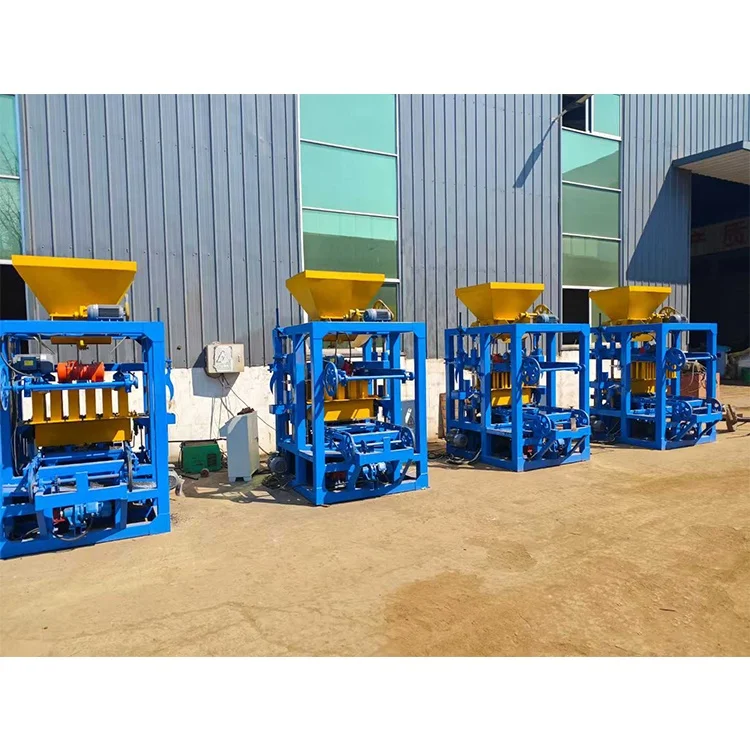
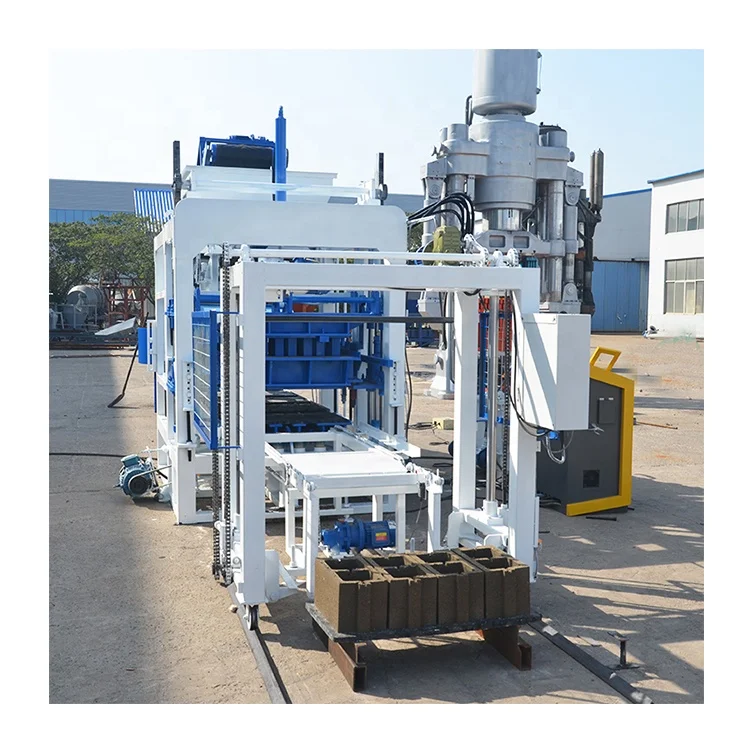
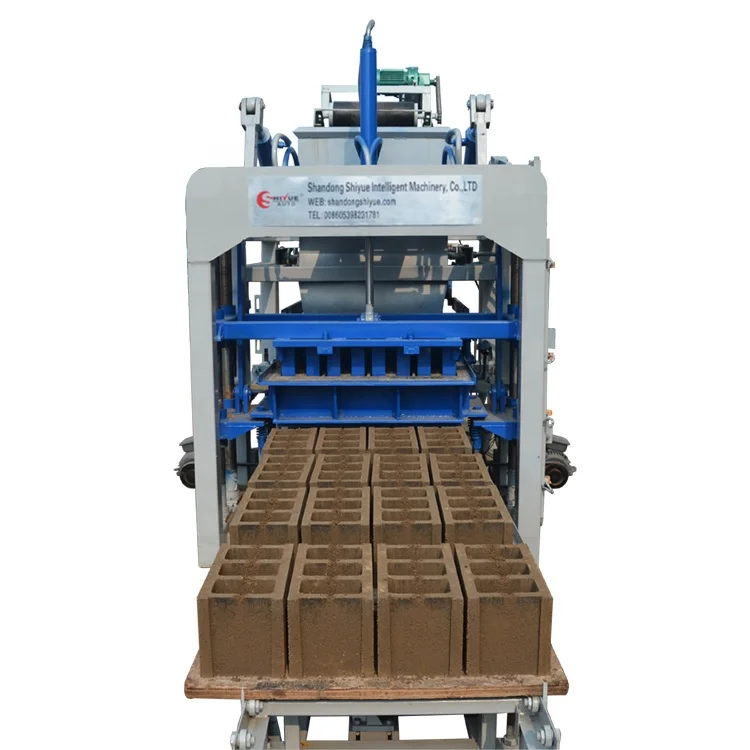
Format-Matched Configuration — The QT4-15 block making machine specifications are built around your actual hollow block and solid brick dimensions, not a generic cycle rate, so capacity expectations align with what your market buys.
Technical Specifications
| Parameter | Value |
|---|---|
| Model | QT4-15 |
| Product Type | Fully Automatic Hydraulic Block Making Machine |
| Overall Dimensions (L×W×H) | 7100×1600×2610 mm |
| Net Weight | 5800 kg |
| Rated Power | 27.5 kW |
| Voltage & Frequency | 380V or according to buyer requirement (frequency to be confirmed) |
| Control System | PLC (brand and language to be confirmed) |
| Vibration Force | 60 kN |
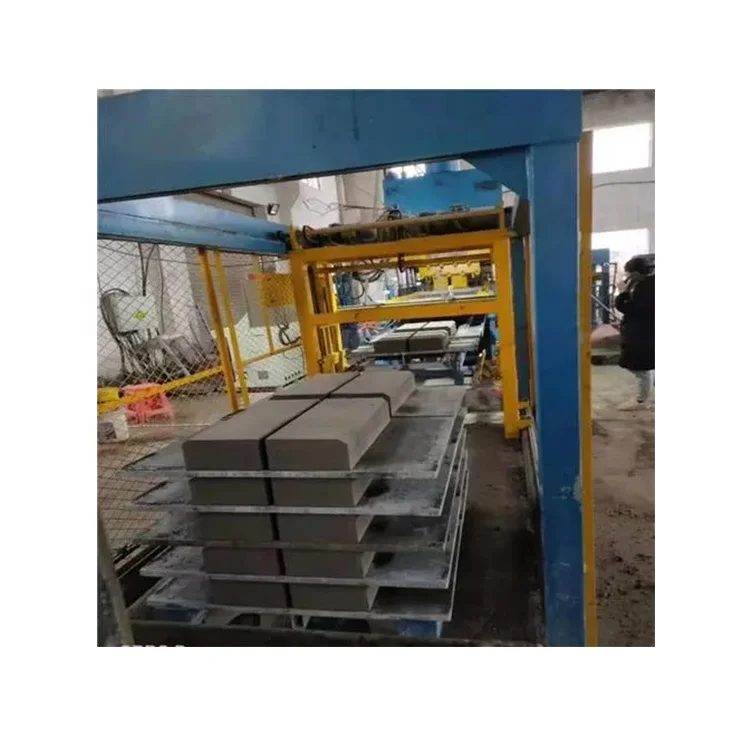
| Pallet Size | 1020×850×40 mm |
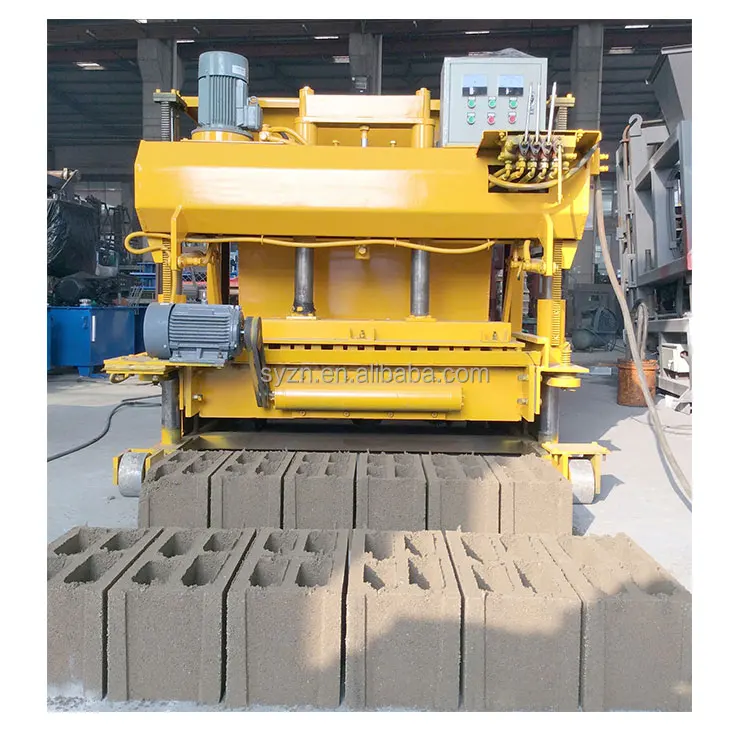
| Mould Format Capability | Hollow block, solid block, interlocking block, paving block |
| Output Capacity (Hollow Block 400×200×200 mm) | 960 pcs/hour, 7680 pcs/day (basis not stated in source) |
| Output Capacity (Hollow Block 400×150×200 mm) | 1440 pcs/hour, 11520 pcs/day (basis not stated in source) |
| Output Capacity (Solid Brick 225×112.5×53 mm) | 3840 pcs/hour, 30720 pcs/day (basis not stated in source) |
| Standards | ISO 9001:2008, CE |
Application Suitability
| Application | Material or Output |
|---|---|
| Hollow block production for load-bearing walls | Crushed stone, cement, sand aggregate mixes |
| Solid brick manufacturing for masonry | Cement, fine aggregate, quarry dust |
| Interlocking block for retaining structures | Coarse aggregate with specific grading requirements |
| Paving block for walkways and light traffic | High-density concrete mix with colour pigment option |
Why the Capacity Number on the Brochure Lies to You
Every output figure only means something when tied to a specific block format and mix design.
I have stood on sites where a machine was purchased based on a single headline production number, only to find the daily tally falling well short once the crew switched to the format their customers actually ordered. The QT4-15 block making machine specifications address this directly by listing capacity per mould format — 400×200×200 mm hollow, 400×150×200 mm hollow, and 225×112.5×53 mm solid brick — each with a different pieces-per-mould count. [NEED_CITE: how cycle time varies with block format and mix design in hydraulic block presses] Without that breakdown, a buyer comparing two machines on a single number is comparing apples to a fruit they have never seen.
Matching Vibration Force to Your Local Aggregate
The 60 kN vibration force on this machine must be evaluated alongside the hydraulic pressure setting and the buyer’s actual mix design. Aggregate in many African and South Asian quarries carries higher fines content than the clean crushed stone used in factory testing, and that changes how the vibration compacts the mould. A mix that works in the showroom may produce weak, crumbly blocks on-site if the vibration and pressure are not adjusted to compensate. This is why we request a raw material sample and target block strength before finalising the QT4-15 configuration.
Pallet Size Is Not a Trivial Detail
The 1020×850×40 mm pallet dimension governs the curing rack spacing, forklift tine width, and stacking area layout at the buyer’s plant. Choosing a pallet size without checking these downstream stations means either re-racking the entire curing yard or running the press at reduced capacity because pallets do not fit the handling equipment already on site. [NEED_CITE: pallet dimension compatibility with curing rack and forklift handling systems] We confirm the buyer’s existing infrastructure before locking the pallet specification into the production order.
How Pressure and Vibration Define Block Density
In a hydraulic block press, the vibration force consolidates the concrete mix inside the mould cavity while hydraulic pressure holds the mould head down to prevent material blowout. The 60 kN vibration force and the hydraulic system on the QT4-15 work as a matched pair — adjusting one without the other changes the compaction result. For a hollow block with thin webs, excessive vibration without adequate head pressure causes surface spalling; for a dense solid brick, insufficient vibration leaves voids that reduce compressive strength. The correct balance depends entirely on the buyer’s cement ratio, aggregate grading, and moisture content, which is why configuration starts with a material sample, not a catalogue page.
The Cost of Skipping the Mould Change Time Check
Buyers who pay for format flexibility sometimes discover on commissioning day that swapping a mould takes most of a shift, effectively locking the machine into a single product. This defeats the purpose of investing in multiple moulds and forces the plant to stockpile inventory in one format while orders for another format go unfilled. [NEED_CITE: typical mould change procedures on automatic hydraulic block machines] The QT4-15 mould change system should be demonstrated against the buyer’s target format list, with actual swap timing recorded, before the order is confirmed.
Why Technical Buyers Specify Through This Supplier
The machine, mould, pallet, and handling equipment are specified as one system rather than sourced from separate vendors, so cycle times across stations are balanced. Configuration is set against the buyer’s actual mix design and local aggregate, not a catalogue default. Mould design covers the formats the buyer’s market sells, with custom drawings available when the standard range does not match. Automation level is selectable, allowing a buyer to begin with semi-automatic pallet handling and add stacking later. Installation includes operator training so the crew understands how to adjust vibration and pressure for their specific material.
Documentation & Verification
- Line layout showing capacity calculation for each block format included in the order
- Mould drawing and format list confirming every block type the quoted moulds produce
- Voltage and PLC control language confirmation documented before production begins
- Pallet specification matched to buyer’s curing area and forklift dimensions
- Factory test record run on the buyer’s target block format prior to dispatch
Installation, Commissioning & Support
- Foundation pad sized to 7100×1600 mm footprint with anchor bolt plan provided
- Dedicated 27.5 kW power circuit at confirmed voltage and frequency before machine arrival
- Machine arrives in assembly state confirmed at quotation stage with dismantling notes for container loading
- First-run parameter setting for vibration force and hydraulic pressure based on buyer’s mix sample
- Operator training covering mould change procedure and daily maintenance of hydraulic wear parts
What We Need to Size Your Machine Correctly
Share the exact block formats your customers order most frequently, along with the daily volume for each. Provide a sample of your local aggregate — crushed stone, sand, or quarry dust — so we can test compaction against the 60 kN vibration setting. Confirm your plant’s available voltage and frequency, and the PLC display language your operators need. If you already have curing racks and forklifts on site, send their dimensions so the pallet specification aligns from the start.
Frequently Asked Questions
Q: How is the QT4-15 output capacity calculated, and which block format does each figure assume?
A: Each capacity figure is tied to a specific block format and pieces-per-mould count. The 960 pieces per hour, for example, assumes a 400×200×200 mm hollow block at four pieces per mould. Shift hours and cycle time assumptions behind the daily totals should be confirmed against your actual operating schedule before the layout is finalised.
Q: Can the mould be designed for a custom block format my market requires?
A: Custom mould design is available from buyer-supplied drawings. We review the drawing against the QT4-15 mould mounting dimensions and vibration table compatibility before quoting. Mould change time is demonstrated during factory testing so you know the actual swap duration before the machine ships.
Q: How is vibration force matched to my local aggregate and mix design?
A: We request a raw material sample and your target block compressive strength before configuration. The 60 kN vibration force is then adjusted alongside hydraulic pressure settings to suit the fines content, moisture level, and cement ratio of your specific mix, ensuring consistent density across production batches.
Q: What pallet size and material should I choose based on my existing curing area?
A: The standard pallet size is 1020×850×40 mm, but the final choice depends on your curing rack spacing and forklift tine width. We confirm these dimensions during the quotation stage so pallets integrate with your existing handling infrastructure without requiring plant modifications.