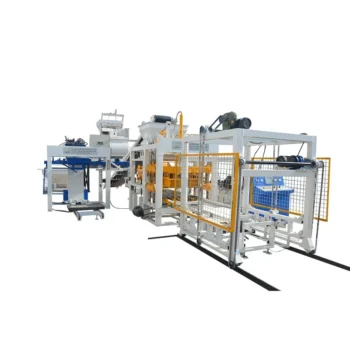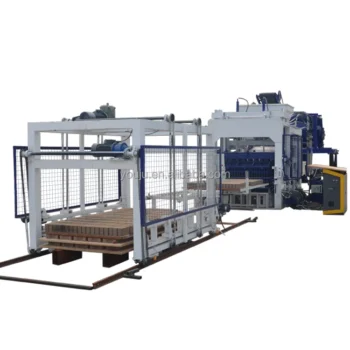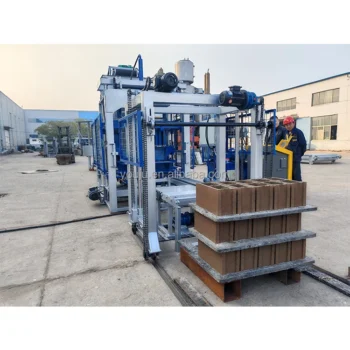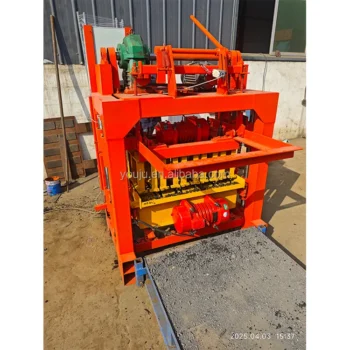

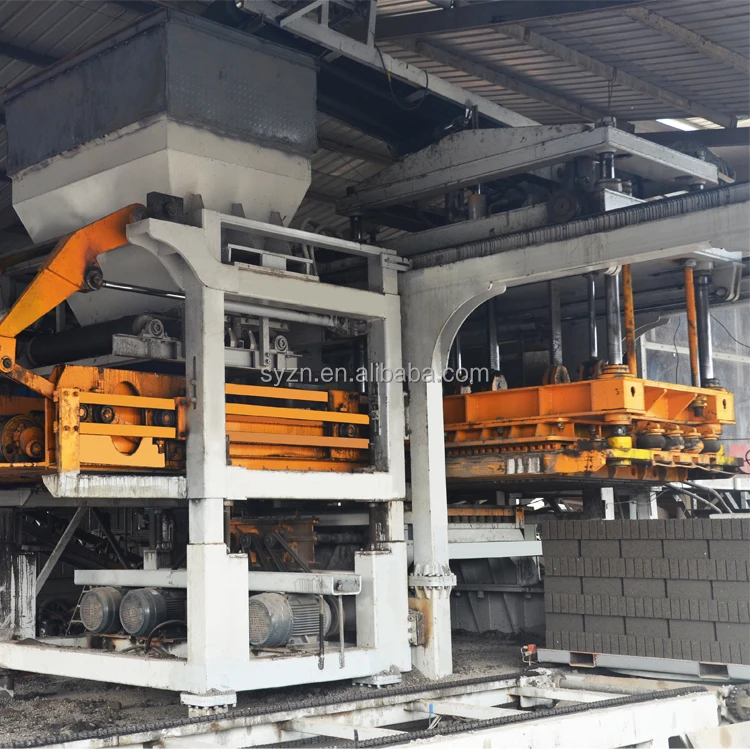
Description
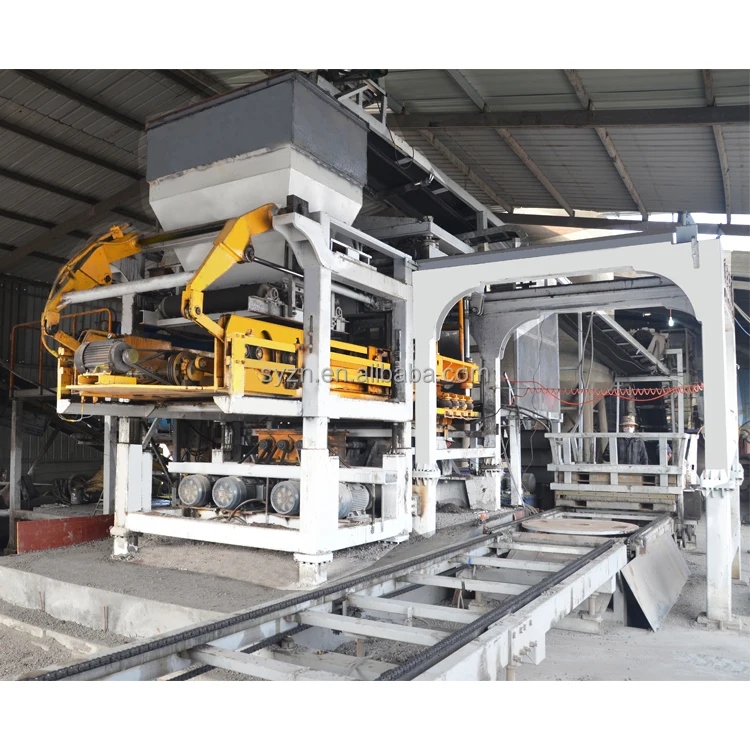
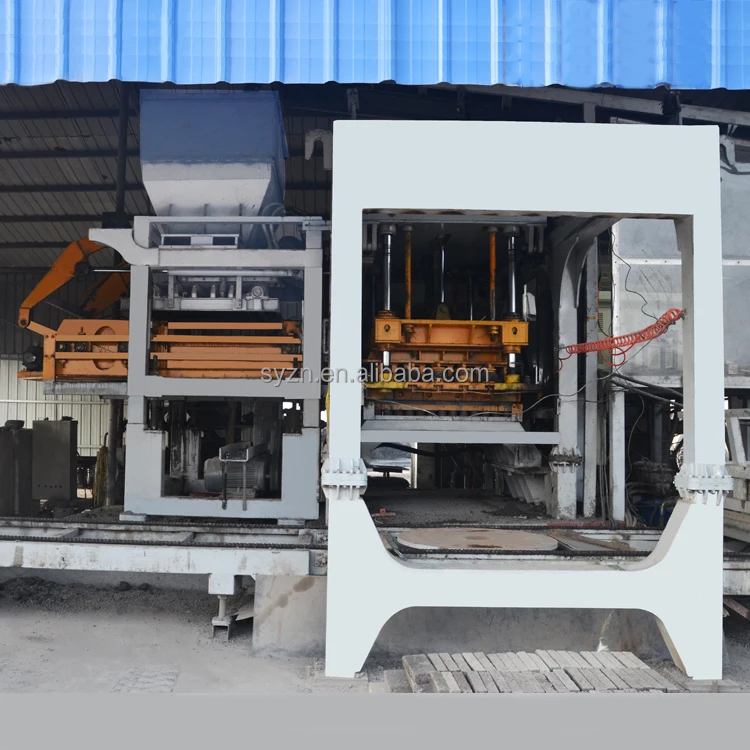
Mould-to-Mix Matching — the QT18-15 block making machine specifications are finalized only after vibration force and hydraulic pressure are tuned to the buyer’s actual aggregate and target format, not copied from a catalogue default.
Technical Specifications
| Parameter | Value |
|---|---|
| Model | QT18-15 |
| Product Type | Fully Automatic Pallet-Free Block Making Machine |
| Brick Height Range | 50–300 mm |
| Stacking Height | 0–1200 mm (pallet-free direct stacking) |
| Main Vibration Form | Platform Vibration |
| Vibration Frequency | 2800–4500 r/min |
| Vibration Power | 60 kW |
| Hydraulic System Power | 59 kW |
| Driving Method | Hydraulic |
| Demolding Method | Vibration and Hydraulic |
| Molding Cycle | 15–25 s (basis not stated in source — confirm block format / material / thickness) |
| Pallet Size | 1350 × 1350 × 120 mm (basis not stated in source — confirm block format / material / thickness) |
| General Water Consumption | 8 T/Day |
| Factory Area Required | 2000 m² |
| Control System | PLC with person-machine conversation interface |
| Automation Level | Fully automatic, pallet-free stacking |
| Raw Materials | Crushed stone, sand, cement, fly ash, gravel, slag, dust |
| Output Capacity | Not stated in source |
Application Suitability
| Application | Material or Output |
|---|---|
| Hollow block production for structural walls | Crushed stone, sand, cement, fly ash blends |
| Solid block manufacturing for load-bearing construction | Sand, cement, gravel, slag mixes |
| Paving block and colored paver runs | Fine aggregate with pigment-compatible cement ratios |
| Interlocking block for retaining walls and landscaping | Coarse aggregate with high hydraulic compaction |
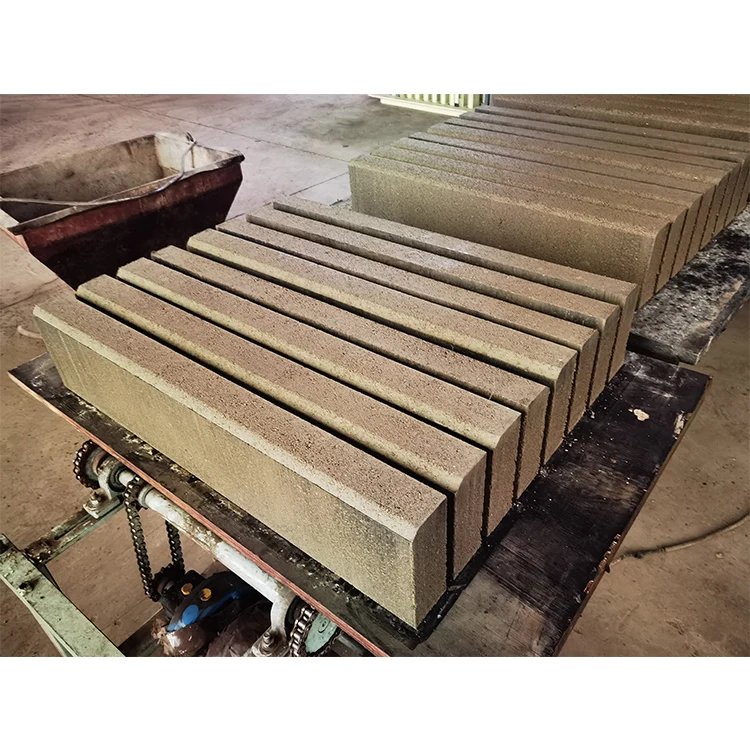
| Kerbstone and curb units for road infrastructure | Dense concrete mixes at maximum vibration frequency |
What "15-Second Cycle Time" Actually Means for Your Daily Output
A cycle time quoted without a block format attached is not a capacity figure — it is a press speed.
Buyers regularly receive quotations that quote a single cycle time across every product they plan to make. An eight-inch hollow block, a 60 mm paver, and a 300 mm kerbstone all behave differently under the same vibration frequency and hydraulic pressure. When the QT18-15 block making machine specifications are finalized, the moulding cycle is stated per format — because a 15-second press cycle on a paver mould does not translate to the same daily volume on a hollow block mould. I have watched commissioning teams discover this mismatch on the first production day, when the wet mix sticks to a mould designed for a different aggregate, and the daily output drops noticeably [NEED_CITE: block format versus cycle time assumptions in machinery quotations].
How Vibration Frequency and Hydraulic Pressure Work Together on the QT18-15
The platform vibration system on the QT18-15 operates across a 2800–4500 r/min range, paired with a 59 kW hydraulic system. Vibration frequency determines how thoroughly the mix settles into the mould cavity, while hydraulic pressure governs the compaction force applied from above. A lightweight fly ash blend needs a different combination than a dense crushed-stone kerbstone mix. The QT18-15 block making machine specifications allow both parameters to be adjusted so the moulding pressure matches the buyer’s actual raw material rather than a generic setting.
Pallet-Free Stacking and What It Removes from the Production Line
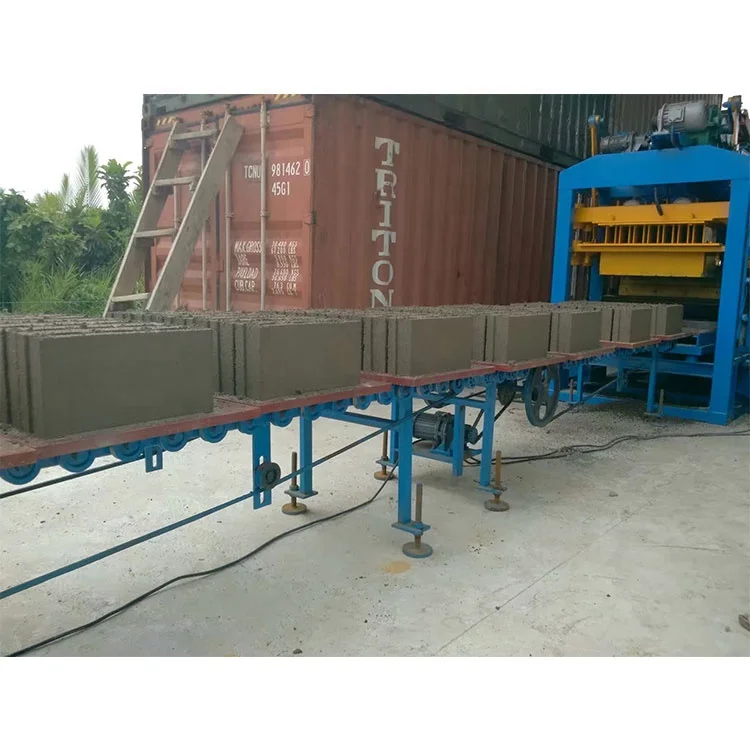
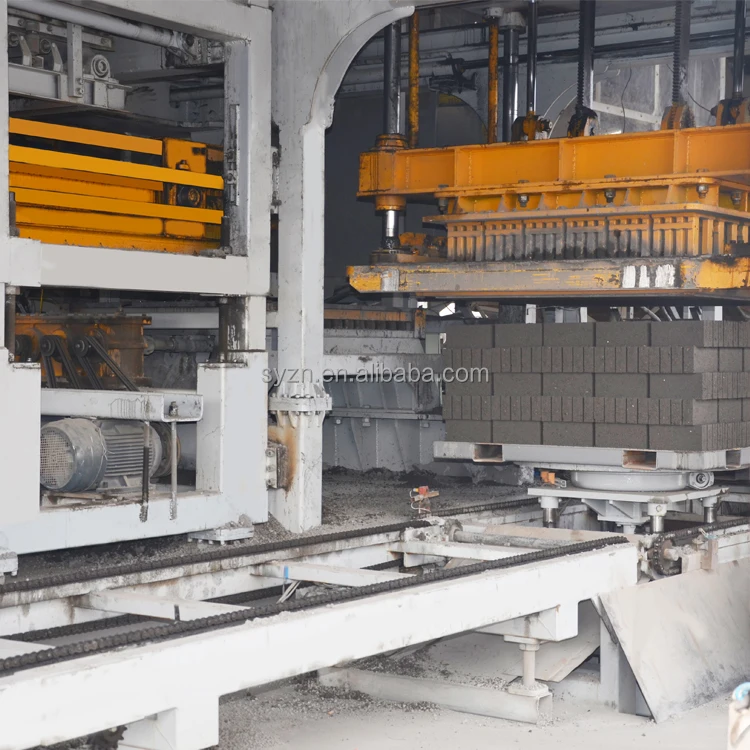
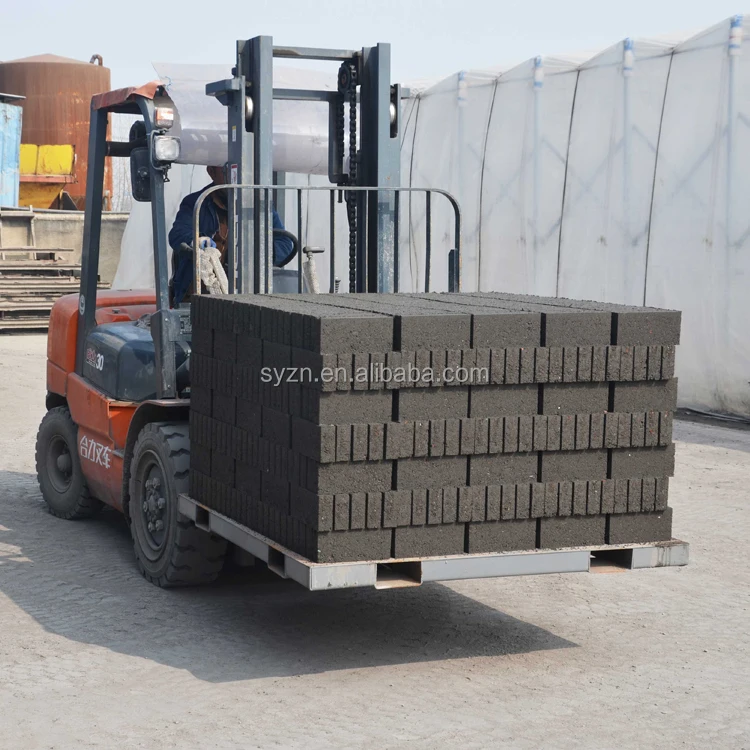
Direct stacking up to 1200 mm eliminates the pallet return loop entirely. In a conventional line, pallets travel from the press to the curing rack, then back to the press via a return conveyor — adding mechanical complexity, maintenance points, and floor space. The pallet-free configuration means the freshly pressed block is lifted and placed directly onto the previous layer. This simplifies the line layout and reduces the curing area footprint, though it requires the mix design to support green strength sufficient for immediate stacking [NEED_CITE: green strength requirements for pallet-free concrete block production].
Reading the Specs That Matter: Vibration, Pressure, and Brick Height
The 60 kW vibration power and 59 kW hydraulic system power together define the compaction energy available per cycle. Higher vibration power at the upper frequency range suits fine-aggregate pavers that need surface finish quality, while the full hydraulic force at lower frequencies suits tall hollow blocks requiring core density. The 50–300 mm brick height range covers most structural and paving formats on a single platform, meaning a buyer producing both 200 mm hollow blocks and 80 mm interlocking pavers can switch formats through a mould change rather than a separate machine. The PLC person-machine interface stores these parameter sets so operators recall the correct vibration and pressure profile for each block type without manual recalibration. The 8 T/Day water consumption figure reflects a typical production schedule, though actual usage varies with mix moisture requirements and local aggregate absorption rates.
The Cost of Skipping the Mix-to-Machine Verification Step
When a machine arrives configured for clean silica sand but the buyer’s local source is weathered sand with clay content, the wet mix adheres to the mould walls and demolding fails repeatedly. I have seen entire first-week production runs lost to this mismatch — the block sticks, the operator scrapes the mould between cycles, and the quoted daily output collapses. Vibration force that is too aggressive for a lightweight fly ash mix causes segregation, leaving weak zones in the finished block [NEED_CITE: aggregate clay content and its effect on concrete block demolding]. These problems are not machine defects; they are configuration oversights that a factory test with the buyer’s actual material would have surfaced before shipment.
Why Technical Buyers Source the QT18-15 Here
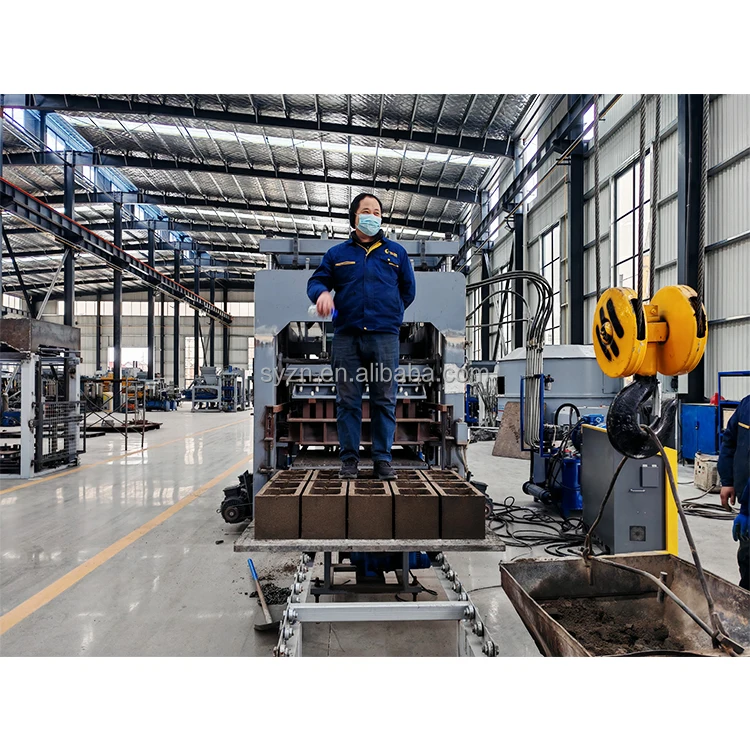
Block machinery is our single focus, so the QT18-15 press, mould, and stacking system are specified as one matched unit rather than assembled from separate suppliers. The mould design covers the formats the buyer’s market actually sells, including custom drawings for non-standard profiles. Capacity calculations are stated per block format from the proposal stage, not buried in a single cycles-per-hour figure. Automation is selectable — a buyer can begin with the pallet-free stacking system and add upstream batching automation later without replacing the press. Installation support includes operator training on the PLC interface so the team running the machine on day one understands the parameter sets for each format they produce.
Documentation & Verification
- Line layout with capacity calculation stated per block format, not as a single hourly figure
- Mould drawing and format list covering all block types in the buyer’s product range
- Machine specification sheet with vibration and hydraulic settings matched to buyer’s aggregate
- Factory test record demonstrating cycle time and block strength for the specified format
- Hydraulic and electrical schematic for local maintenance and troubleshooting
Installation, Commissioning & Support
- Foundation design for 2000 m² factory area accounting for platform vibration isolation requirements
- Power supply confirmation for 60 kW vibration and 59 kW hydraulic loads on dedicated circuits
- PLC language and voltage frequency locked in before production begins to avoid commissioning delays
- First-run parameter tuning with buyer’s local aggregate to verify demolding and block density
- Operator training on the person-machine interface covering mould change procedures and cycle settings
- Wear parts and mould replacement list provided at dispatch with reorder specifications
Preparing Your QT18-15 Inquiry
To receive a configuration that reflects your actual production conditions, share the target block format and dimensions, the local aggregate type and source, and the daily output you need per format. Include the available factory floor area and ceiling height, the local voltage and frequency standard, and the preferred PLC display language. If you already operate curing racks or forklifts on site, note their specifications so the stacking height and block handling layout can be aligned before the proposal is drafted.
Frequently Asked Questions
Q: How is the QT18-15 output capacity calculated for each block format?
A: Output is calculated per specific block type, not as a single blanket figure. The proposal states the assumed format — for example, a 400×200×200 mm hollow block — along with the cycle time, stacking pattern, and shift hours used in the calculation. This lets the buyer compare the quoted capacity directly against their production target for each format they plan to sell.
Q: What mould formats are available, and how long does a change take?
A: Moulds cover hollow blocks, solid blocks, pavers, interlocking bricks, and curbstones within the 50–300 mm height range. Custom moulds can be designed to buyer drawings. Changeover time depends on the mould locking system fitted to the specific configuration and is confirmed during the proposal stage so the buyer can plan format rotation into the production schedule.
Q: How are vibration force and hydraulic pressure matched to my local aggregate?
A: During configuration, the buyer provides a sample or description of the local aggregate — including clay content, particle size distribution, and absorption rate. Vibration frequency and hydraulic pressure are then set to match that material. A factory test with the specified mix verifies block density and demolding behaviour before the machine ships.
Q: Does the pallet-free system require specific curing area conditions?
A: Pallet-free stacking builds layers up to 1200 mm directly, so the curing area needs a flat, level floor rated for the stacked weight. No pallets are consumed or returned, but the green block must have sufficient early strength to support the layers above. This strength requirement influences the mix design and cement content.
Q: What voltage, frequency, and PLC language are confirmed before shipment?
A: Voltage, frequency, and PLC display language are confirmed during the proposal and locked before production begins. The person-machine conversation interface is configured in the buyer’s preferred language, and the electrical schematic reflects the destination market’s standard so commissioning proceeds without rewiring or reprogramming delays.